PepsiCo(PEP)

Search documents
PepsiCo Refines Sustainability Goals to Position Business for the Long-Term
Prnewswire· 2025-05-22 12:00
Core Insights - PepsiCo has made significant advancements in sustainability through its pep+ initiative, focusing on regenerative agriculture, water stewardship, sustainable packaging, and climate change since its launch in September 2021 [1][2]. Sustainability Goals - The company is refining its sustainability goals to enhance business resilience and focus on areas with the most positive impact, including an increased target for regenerative agriculture from 7 million acres to 10 million acres by 2030, with 3.5 million acres already achieved as of 2024 [5][6]. - PepsiCo aims to achieve net zero emissions by 2050, aligning its Scope 1, 2, and 3 targets with a 1.5°C trajectory, reflecting updated scientific guidance [6][10]. - The company is updating its packaging goals to prioritize key markets and reduce the use of virgin plastic, while also sunsetting its reuse target but continuing efforts to design packaging that is reusable, recyclable, or compostable [7][8]. Water Management - PepsiCo has exceeded its previous water-use efficiency goals, achieving a 25% improvement in operational water-use efficiency in high-risk watersheds and a 15% improvement in agricultural water-use efficiency ahead of schedule. The company maintains its goal to become net water positive by 2030 [9][23]. Transparency and Reporting - The company emphasizes transparency in its sustainability journey, committing to detailed reporting on progress in its 2024 ESG Summary, which will include both successes and challenges faced [10][5].



可乐有“浓缩版”了?三得利的日本首创,让你在家自制百事
3 6 Ke· 2025-05-22 02:40
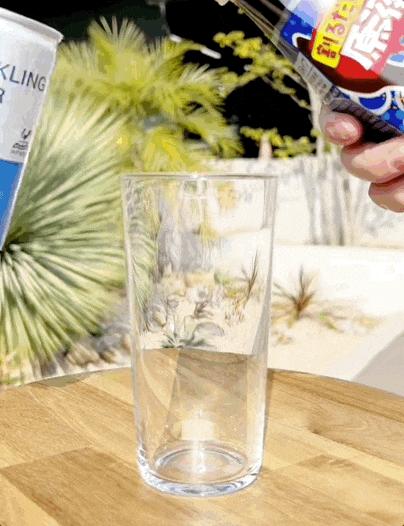
Core Insights - Suntory launched a concentrated beverage called "家庭饮料吧 百事可乐" (Home Drink Bar Pepsi Cola) in February 2025, allowing consumers to mix their own Pepsi at home by combining the concentrate with carbonated water at a 1:4 ratio [1][6] - The product is part of Suntory's "家庭饮料吧" series, which has seen sales exceed expectations, with the series' sales from April to December 2024 being more than double the forecast [8][20] - The concentrated liquid can be mixed with various other beverages, showcasing its versatility beyond just making traditional cola [3][10] Product Details - The 340ml bottle of concentrate can make approximately 10 cups of 170ml cola [1] - The concentrate contains artificial sweeteners, which differentiate its taste from the original bottled Pepsi, and it does not contain carbon dioxide, requiring consumers to add carbonated water for fizz [14][15] - The pricing of the concentrate is higher than that of bottled Pepsi when considering the cost of carbonated water, making it a less economical option [16] Market Strategy - Suntory's strategy focuses on localizing products to meet Japanese consumer preferences, as evidenced by their collaboration with Pepsi since 1997 [21][22] - The introduction of the concentrate aligns with a growing trend of at-home beverage preparation, which has gained popularity during the pandemic [18][25] - The product taps into the Japanese consumer's desire for customizable and engaging drinking experiences, similar to the enjoyment derived from making takoyaki at home [20][21] Competitive Landscape - The launch of the concentrate comes amid a competitive beverage market in Japan, where Coca-Cola and PepsiCo have been vying for market share [25] - Other brands have also introduced syrup-based products for home preparation, emphasizing health and premium ingredients, contrasting with Suntory's focus on fun and convenience [30][28] - PepsiCo has explored similar home beverage solutions through its acquisition of SodaStream, which offers a different approach to at-home soda making [33][35]
Pessimism Overdone? 2 Recession-Resistant Dividend Stocks To Reward Long-Term Investors
Seeking Alpha· 2025-05-21 11:06
Group 1 - The overall market has recovered from the brief correction experienced last month after the President's Liberation Day, but some quality stocks remain relatively inexpensive [1] Group 2 - The article emphasizes the importance of dividend investing in quality blue-chip stocks, BDCs, and REITs, targeting lower and middle-class workers to build investment portfolios of high-quality, dividend-paying companies [2]


百事将斥资超3亿美元在哈萨克斯坦建薯片工厂 较此前计划翻番
news flash· 2025-05-21 10:56
Group 1 - The Prime Minister of Kazakhstan, Alikhan Smailov, met with representatives from PepsiCo to discuss the implementation of a Lay's potato chip factory project in Almaty region [1] - The initial planned investment for the factory was $160 million, which PepsiCo has decided to double [1] - The first phase of the project and the production of the first Kazakhstan-made products are scheduled to start in March 2024, with full production expected by September 2027 [1]
PepsiCo Strengthens Wellness Brands Portfolio With Poppi Acquisition
ZACKS· 2025-05-20 17:46
Core Viewpoint - PepsiCo has completed the acquisition of Poppi for $1.95 billion, with a net purchase price of $1.65 billion after accounting for tax benefits, marking a significant move in its portfolio transformation towards health-oriented products [1][3]. Group 1: Acquisition Details - The acquisition includes a performance-based earnout, linking Poppi's valuation to its future success [1]. - Poppi is recognized for its prebiotic sodas that appeal to health-conscious consumers, particularly Gen Z and millennials, with a maximum of 5 grams of sugar per serving [2][4]. Group 2: Strategic Implications - This deal is part of PepsiCo's strategy to evolve with consumer demand for functional products that promote overall well-being, aligning with its goal to build a future-ready beverage and snack portfolio [3][4]. - By acquiring Poppi, PepsiCo aims to strengthen its position in the functional wellness segment, which is increasingly important as consumer preferences shift [4][5]. Group 3: Market Position and Trends - Poppi's growth has been driven by a strong digital strategy and partnerships, particularly on platforms like TikTok, which PepsiCo plans to leverage globally [5]. - The prebiotic soda market is still emerging, providing PepsiCo with an opportunity to shape consumer behavior and capture a larger share of the health beverage market [5][6]. Group 4: Current Challenges - Despite the acquisition, PepsiCo's stock has faced pressure due to soft top-line trends and operational challenges, particularly in North America [7][10]. - The company has revised its full-year guidance, expecting core constant-currency EPS to remain flat year-over-year, down from previous growth expectations [10].
2 Monster Stocks to Hold for the Next 10 Years
The Motley Fool· 2025-05-19 13:30
Group 1: Industry Overview - Consumer staples companies are considered safe-haven investments due to their consistent demand regardless of economic conditions [1] - The average consumer staples stock yields around 2.5% today, with PepsiCo and Hershey offering higher yields [13] Group 2: PepsiCo Analysis - PepsiCo is the leading company in salty snacks with its Frito-Lay brand and has a significant presence in packaged foods through Quaker Oats [2] - Currently, PepsiCo is experiencing cooling top-line growth after inflation-driven growth post-pandemic, and is facing changing snacking trends [4] - The company has a strong history of increasing dividends for 53 years, demonstrating resilience through adversity [5] - PepsiCo is actively working on cost-cutting, improving efficiencies, and adjusting product offerings, including acquisitions of on-trend brands like Siete and Poppi [6] - The company offers a historically high dividend yield of 4.4%, providing investors with compensation while waiting for recovery [7] Group 3: Hershey Analysis - Hershey is the U.S. leader in the confections space, known for its iconic brand and the Reese's franchise, with a dividend yield of approximately 3.4% [8] - The company is currently facing significant challenges due to rising cocoa prices, which are expected to impact margins [9] - Despite the cocoa price challenges, Hershey maintains a dominant market position and plans to grow through acquisitions in non-chocolate confection and salty snack sectors [10] - The Hershey Trust's control allows the company to focus on long-term growth and reliable dividends, aligning with investor interests for sustainable income [11] - Investors may consider waiting for Hershey to navigate current cocoa market challenges while benefiting from its dividend yield [12]

PepsiCo Completes Acquisition of poppi, Accelerating Strategic Portfolio Transformation
Prnewswire· 2025-05-19 13:13
Core Insights - PepsiCo has completed the acquisition of poppi for $1.95 billion, with a net purchase price of $1.65 billion after accounting for anticipated cash tax benefits [1][2][3] - This acquisition is part of PepsiCo's strategy to transform its portfolio and align with consumer preferences for functional products [2][3] Company Strategy - The acquisition of poppi is seen as a strategic fit for PepsiCo's vision for the future of beverages, focusing on rapid growth and consumer engagement [3] - PepsiCo aims to modernize soda offerings, targeting Gen Z and millennial consumers through poppi's community-driven marketing approach [3][7] Financial Details - The total acquisition cost includes a performance-based earnout contingent on achieving specific performance metrics [1][2] - PepsiCo's revenue for 2024 was nearly $92 billion, indicating a strong financial position to support such acquisitions [5] Brand Overview - poppi is a prebiotic soda brand that combines prebiotics, fruit juice, and apple cider vinegar, offering a low-calorie beverage with no more than five grams of sugar per serving [3][7] - The brand has gained popularity through vibrant packaging and effective social media campaigns, fostering a loyal customer base [3][7]
雪碧超过百事可乐,成美国第三大饮料,怎么做到的?
3 6 Ke· 2025-05-19 09:43
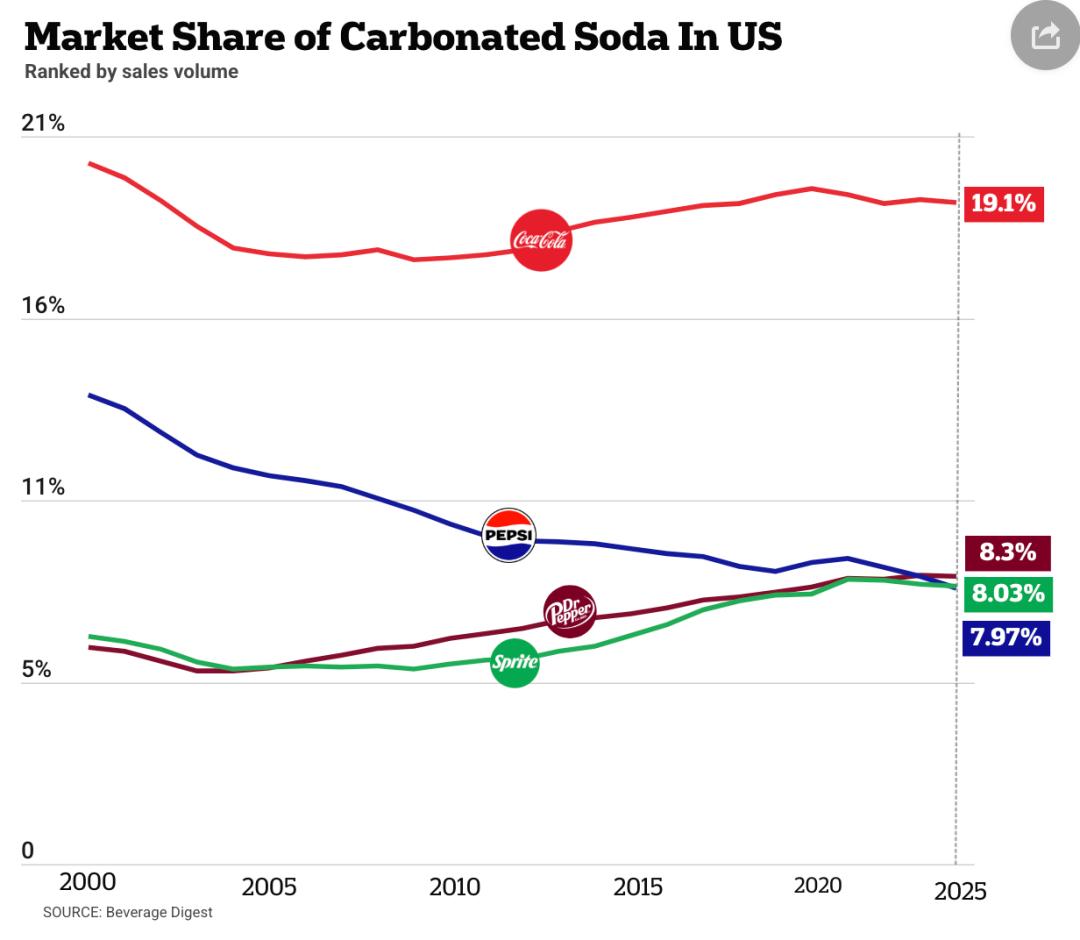
Core Insights - Dr. Pepper has surpassed Pepsi to become the second-largest soda brand in the U.S. due to its unique flavor combination and strong ties to college sports culture, as well as viral marketing on platforms like TikTok [2] - Pepsi has recently been overtaken by Sprite in the U.S. carbonated soft drink market, highlighting a decline in the market share of its flagship product, classic Pepsi [2] Group 1: Sprite's Product Launch and Marketing Strategy - Coca-Cola launched Sprite Chill in April 2024, a new product that combines cherry and lime flavors with a patented cooling agent to enhance the drinking experience [2] - Sprite Chill targets modern consumers, especially Gen Z, who seek novelty and multi-sensory experiences in beverages, positioning the drink as a symbol of "coolness" and self-confidence [3] - The product generated over $50 million in retail sales within 21 weeks of launch and surpassed $100 million in sales over the past 12 months, leading Coca-Cola to make it a permanent product [5] Group 2: Rebranding and Cultural Resonance - Sprite has revived its "Obey Your Thirst" slogan from 1994, aligning it with Gen Z's values of authenticity and individuality, which resonate with their aversion to commercialization [6][7] - The rebranding includes a new advertisement featuring NBA star Anthony Edwards, creating a connection between past and present basketball icons [7] - Sprite has introduced limited-edition packaging with QR codes leading to interactive online experiences, enhancing engagement with young consumers [9] Group 3: Integration of Sports and Hip-Hop Culture - Sprite has successfully integrated sports and hip-hop culture into its marketing strategy, collaborating with top athletes and artists to maintain cultural relevance among younger audiences [12] - The brand has sponsored events like the Unrivaled women's one-on-one basketball league and partnered with athletes like Sha'Carri Richardson to reinforce its image of authenticity [15] - Sprite's ongoing commitment to hip-hop culture includes initiatives like the "Thirst for Yours" project and the "Hip-Hop 50" summer campaign, celebrating the genre's history and engaging with fans through interactive content [16] Group 4: Market Position and Cultural Reflection - Sprite's rise to surpass Pepsi reflects changing consumer preferences and the evolving landscape of popular culture, emphasizing the importance of brands being rooted in cultural movements rather than merely chasing trends [18] - The shift in market positions between Sprite and Pepsi serves as a reminder that brands must respect cultural fluidity to remain relevant [18]

百事可乐重磅官宣大卫·贝克汉姆回归 携手共赴“渴望就可能”新篇章
Zhong Guo Shi Pin Wang· 2025-05-16 10:47
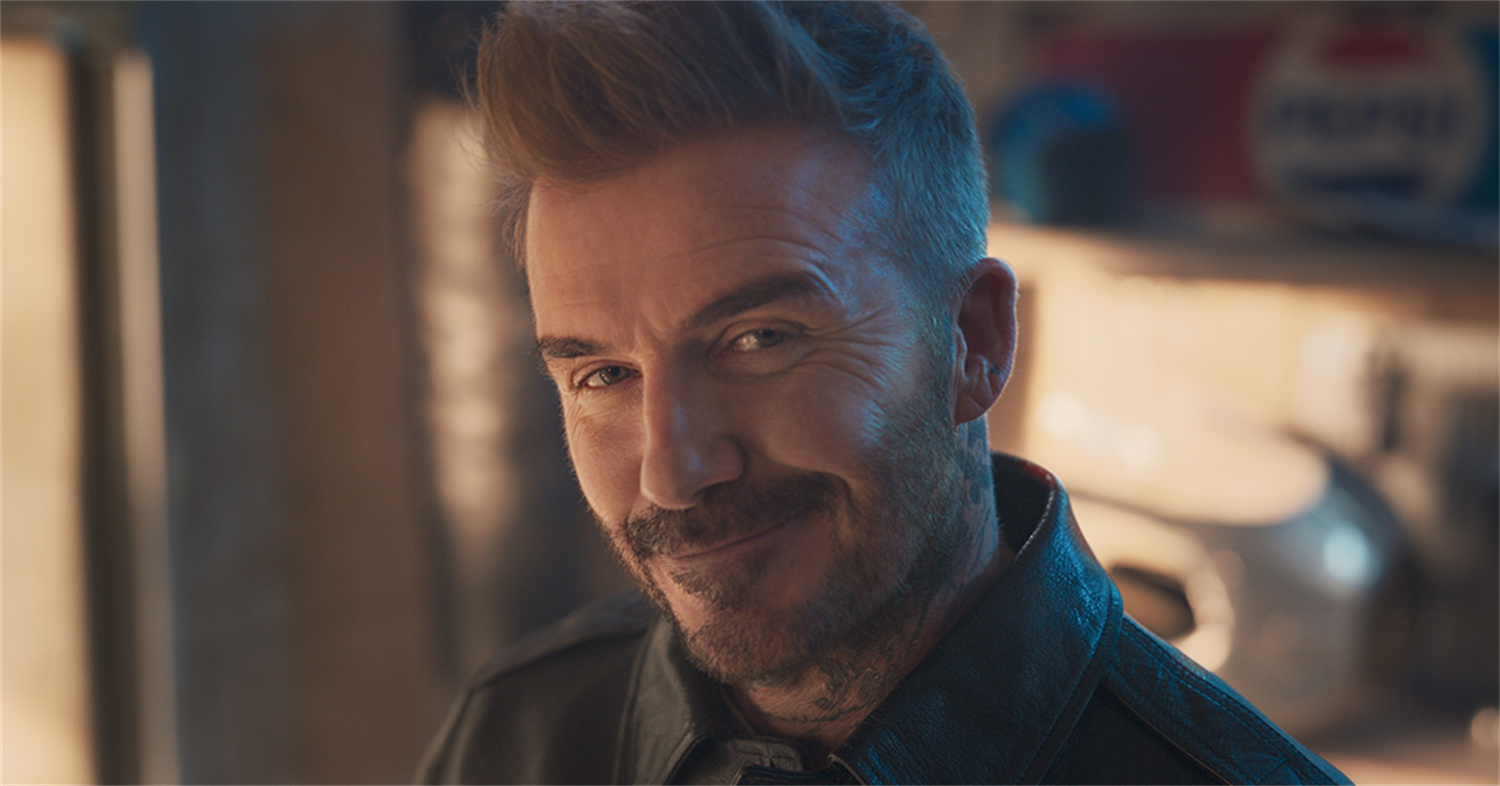
Group 1 - PepsiCo officially announces the return of David Beckham after over 20 years, launching a new chapter under the brand concept "THIRSTY FOR MORE" [1] - The new initiative encourages the younger generation to embrace their passions with the message "If you love it, it's never a waste," promoting authenticity and enjoyment of the present [1][3] - Beckham's past collaborations with Pepsi in the early 2000s created iconic moments, reinforcing the brand's connection with youth culture [3] Group 2 - PepsiCo aims to resonate deeply with young consumers by finding relevant touchpoints, ensuring that passion translates into possibilities [5] - The company plans to launch new marketing activities in the Chinese market under the "THIRSTY FOR MORE" theme, promising innovative marketing experiences [5]
碳酸饮料正在加速“消亡”
Xin Lang Cai Jing· 2025-05-16 02:29
Core Insights - Coca-Cola's two major operators in China, China Foods and Swire Coca-Cola, reported disappointing performances in the past year, with Swire Coca-Cola's revenue declining by 4.02% to 11.546 billion yuan and China Foods' revenue down by 9% to 11.335 billion yuan in the first half of 2024 [1] - The overall beverage market in China grew by 6.2%, but carbonated drinks are losing popularity, with a notable shift towards healthier alternatives like ready-to-drink tea and functional beverages [2][4] - The trend towards health consciousness is evident, with 68% of consumers expressing a desire to reduce sugar intake, leading to a decline in carbonated drink consumption [4][5] Industry Performance - Swire Coca-Cola's total sales in mainland China fell by 1% year-on-year, and the number of active retail outlets also decreased by 1% [2] - PepsiCo's second-quarter revenue reached $22.5 billion, with a mere 0.8% year-on-year growth, and global sales of Pepsi declined by 3%, marking the eighth consecutive quarter of sales decline [2] - The beverage industry in China saw a production increase of 7.5% in 2024, with total revenue growing by 4.8% to 534.8 billion yuan [12] Market Trends - The market share of carbonated drinks in convenience stores has dropped from 50% to 25%, replaced by various tea drinks and sugar-free beverages [4] - The sales of sugar-free Coca-Cola grew by 11% in 2022, but the market share of sugar-free soda in convenience stores has decreased from 6.25% in Q3 2022 to 4.13% in Q2 2024 [6][7] - The sugar-free beverage market is becoming saturated, with growth rates slowing down significantly from 40% (2014-2019) to an expected 12% by 2025 [6] Consumer Behavior - Consumers are increasingly scrutinizing food labels, with 46% regularly checking ingredient lists, and the preference for sugar-free options is particularly strong among younger demographics [6] - The rise of new brands in the sugar-free segment, such as Yuanqi Forest, has led to a significant market share shift away from traditional carbonated drink giants [7][10] - The popularity of new beverage categories, including functional drinks and traditional Chinese health drinks, is on the rise, with sales of Chinese herbal drinks expected to grow by over 182% in 2024 [6] Strategic Responses - Coca-Cola is attempting to pivot from being solely a carbonated drink company to a diversified beverage brand, launching products like Simply Pop, a prebiotic soda series, and expanding into tea and coffee markets [13][10] - The company is also focusing on enhancing its presence in the food service sector, with over 25,000 new sales points and nearly 600,000 refrigeration units planned for 2024 [9] - The competitive landscape is shifting, with new brands leveraging social media and e-commerce to capture market share, particularly among younger consumers [14][15]