年轻化营销

Search documents
白酒产区规划密集出炉,背后释放哪些信号?
Nan Fang Du Shi Bao· 2026-01-29 23:08
Core Viewpoint - The Chinese liquor industry, particularly the white liquor sector, is undergoing significant transformation amidst declining production, with various regions implementing policies to enhance competitiveness and focus on quality over quantity [2][3][4]. Group 1: Industry Trends - National white liquor production has been declining for eight consecutive years, prompting regions like Yibin and Renhuai to adopt new strategies for economic recovery by 2026 [2][3]. - Yibin's white liquor production is projected to drop from 681,000 kiloliters in 2020 to approximately 225,000 kiloliters by the end of 2025, reflecting a decline of 66.96% [2]. - Despite the drop in production, Yibin's revenue from white liquor sales is expected to rise from 143.08 billion yuan in 2020 to around 210 billion yuan in 2025, marking an increase of 46.77% [2]. Group 2: Policy Measures - Renhuai has introduced 28 policy measures to support local enterprises, including subsidies for production costs and incentives for digital transformation, aiming to enhance product quality and brand development [3][4]. - Zunyi's measures focus on cost reduction and increased production, emphasizing promotional activities and collaboration with e-commerce platforms to boost sales [3][4]. Group 3: Strategic Initiatives - The role of production regions is shifting from management to service-oriented, with investments aimed at helping local businesses survive in a competitive market [4]. - There is a growing consensus among leading production areas to build and promote regional brands, with specific funding allocated for protecting regional reputations and supporting cultural tourism initiatives [5][6]. Group 4: Targeting Younger Consumers - Policies in Renhuai support initiatives targeting younger demographics, including collaborative events and online engagement, reflecting a shift towards modern marketing strategies [6]. - The integration of cultural tourism with liquor production is emphasized, with various regions providing subsidies for experiential venues and activities to enhance consumer engagement [6].


劲酒、汾酒、果立方:酒业新旧势力的两套破局法则
Sou Hu Cai Jing· 2025-12-11 19:52
Core Insights - The traditional liquor industry is facing significant challenges, with a notable decline in the number of large-scale liquor enterprises and a 5.8% decrease in production in the first half of 2025 [3][4] - Despite the overall industry downturn, certain brands like Jinjiu and Fenjiu are experiencing growth, indicating a shift in consumer preferences towards younger demographics and new consumption patterns [1][7] Group 1: Market Conditions - The white liquor industry is experiencing a "cold" phase, with over 100 large-scale enterprises exiting the market and an average inventory turnover period of 900 days [3][4] - 60% of enterprises are facing price inversion issues, and 19 listed liquor companies reported declines in both revenue and net profit, with a revenue drop of 18.42% in the third quarter [3][4] Group 2: Consumer Behavior Shift - There is a fundamental change in consumer logic, with younger consumers moving away from traditional drinking culture and seeking experiences that offer relaxation and emotional resonance [5][7] - Brands that successfully capture this new consumer logic are finding new growth paths in niche markets, contrasting sharply with the struggles of traditional liquor companies [7][10] Group 3: Brand Strategies - Brands are adopting a "de-oldification" strategy by reconstructing products to allow for user customization and creativity, as seen with Jinjiu's smaller bottle sizes and lower alcohol content [8][10] - Successful brands are also breaking away from traditional drinking scenarios, focusing on emotional healing and social experiences, which resonate with younger consumers [10][12] Group 4: Success Formula - The success of brands like Jinjiu, Fenjiu, and Guolifang is attributed to a combination of adaptable products, open narratives, and agile organizational structures [12][14] - The core of their success lies in establishing genuine emotional connections with the new generation of consumers, emphasizing product quality and brand trust over fleeting trends [12][14]
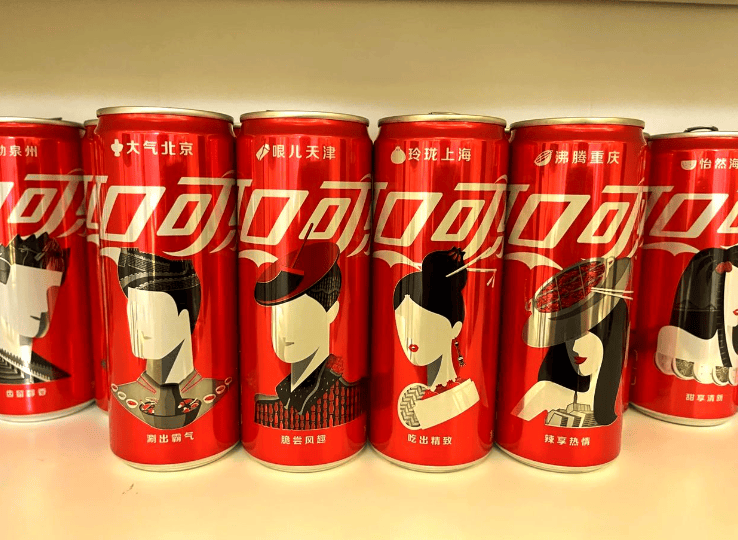
【数字营销】139岁的可口可乐,凭啥一直年轻?
Sou Hu Cai Jing· 2025-12-02 02:07
Core Insights - The article emphasizes the importance of youth-oriented marketing for brands, particularly in resonating with Generation Z, which is becoming the main consumer force. Brands that align deeply with the values, lifestyles, and consumption scenarios of this demographic can maintain relevance and appeal [1][2]. Group 1: Youthful Marketing Strategies - Coca-Cola's approach to youth marketing transcends superficial trends, focusing instead on understanding cultural nuances and creating deep emotional connections through co-creation and scene-building [2][9]. - The "City Cans" series exemplifies Coca-Cola's strategy of integrating local cultural elements into product design, fostering a sense of belonging among young consumers and encouraging organic sharing [2][4]. - The brand's collaboration with "Honor of Kings" in 2025 highlights its ability to merge gaming and beverage experiences, creating a vibrant emotional connection with young consumers [6][9]. Group 2: Long-term Value and Brand Identity - Coca-Cola maintains its core value of "happiness," establishing long-term connections with consumers through consistent content and experiences that resonate with their emotions [10][12]. - The brand's marketing campaigns, such as "Open Happiness" and "Taste the Feeling," reflect a commitment to delivering universal emotional values, reinforcing consumer loyalty and habitual purchasing [10][12]. Group 3: Balancing Tradition and Innovation - Coca-Cola faces the challenge of preserving its classic identity while appealing to new generations, successfully blending tradition with modernity [13][18]. - The introduction of new product lines, such as sugar-free options and mini cans, addresses the diverse health and personalization demands of younger consumers [15][18]. - Collaborations with brands like NIO and CONVERSE showcase Coca-Cola's innovative marketing strategies that merge classic narratives with contemporary trends, creating fresh engagement opportunities [15][18].

探鱼到底做了什么,让年轻人纷纷喊“太会玩了”?
Zhong Guo Shi Pin Wang· 2025-11-13 12:38
Core Insights - The core idea of the article revolves around the innovative marketing strategies employed by the company, Tanyu, to engage Generation Z consumers through immersive experiences and emotional connections [2][10]. Group 1: Marketing Strategies - Tanyu launched a themed event "Fish See Good Luck" in Shanghai from September 10 to 17, featuring a collaboration with the popular IP LABUBU, which resulted in over 3 million brand exposures through various channels [1][2]. - The company utilized a multi-channel communication strategy, including social media platforms like Douyin and Xiaohongshu, to enhance brand visibility and drive in-store traffic [1][2]. - Tanyu's marketing approach effectively transformed dining into an emotional release space for young consumers, aligning with their interests in trendy collectibles and social currency [2][10]. Group 2: Product Launch and Influencer Marketing - On October 18, Tanyu introduced new stir-fry dishes while inviting a popular influencer with millions of followers to serve as a "one-day store manager," leveraging high traffic from social media to promote the new product line [6][10]. - This strategy aimed to reshape consumer perceptions of the brand and integrate product promotion with engaging content creation, making it more relatable to the target audience [6][10]. Group 3: Cross-Industry Collaboration - Tanyu's collaboration with China Eastern Airlines during the National Day travel peak involved branding on boarding passes, extending the brand's reach beyond traditional dining settings to travel scenarios [9][10]. - This initiative not only increased brand exposure but also reinforced brand memory in consumers' minds, potentially driving future in-store visits [9][10]. Group 4: Overall Marketing Philosophy - Tanyu's marketing activities reflect a consistent strategy focused on engaging young consumers by targeting their interests, maximizing traffic during peak times, and reinforcing brand recognition [10][11]. - The company emphasizes a shift from product-centric marketing to creating emotional experiences that resonate with consumers' real needs and consumption scenarios, aiming for a seamless conversion from interest to actual purchases [10][11].

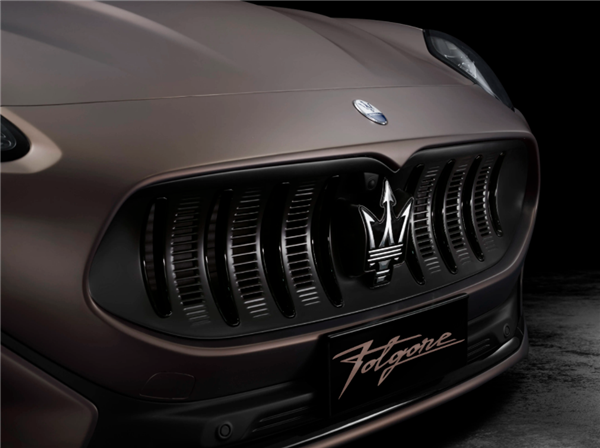
高高在上的玛莎拉蒂 降到35万块了
Xin Lang Ke Ji· 2025-11-06 06:01
Core Viewpoint - Maserati is facing significant sales challenges in China, prompting drastic price cuts for its Grecale model, including a promotional price of 380,800 yuan for the fuel version, which is a 58% discount, and 358,800 yuan for the electric version, representing a discount of nearly 60% [1][3][6]. Sales Performance - Maserati's sales in China have been declining, with a 5% year-on-year drop in September and a 3% decline from January to September this year [1][9]. - Global sales for Maserati fell from 26,689 units in 2023 to 14,725 units in 2024, a decrease of 44.8% [7]. - The brand's presence in the Chinese market has diminished, with sales dropping from 4,680 units in 2022 to 1,209 units in 2024, reducing its market share from 20% to 8.2% [7]. Management Changes - Maserati has undergone three changes in its China management since 2023, indicating instability in leadership [1][10]. - The latest management change occurred in March 2023, with Julie taking over as the acting general manager for China [12]. Marketing Strategies - Maserati has attempted to rejuvenate its brand image by collaborating with the mobile game "Honor of Kings," but this strategy has received mixed reactions from consumers, with some feeling it diminishes the brand's luxury status [16][19]. - The brand's efforts to appeal to younger consumers through cross-marketing initiatives have not yet yielded positive results in sales [15][19]. Product Offering - The Grecale model, launched in 2022, is Maserati's first electric SUV, with a starting price of 358,800 yuan, significantly lower than its original price of 898,800 yuan [6][7]. - The electric version of the Grecale offers a range of 533 kilometers on a full charge, showcasing Maserati's commitment to electric vehicle technology [6].
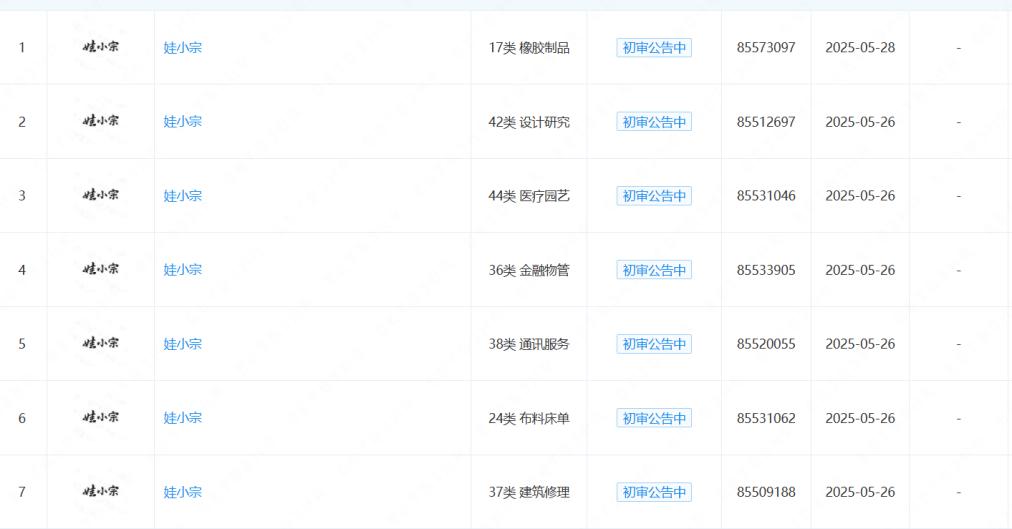
弃900亿江山,宗馥莉能带娃小宗躲开内外绞杀?
3 6 Ke· 2025-10-11 10:19
Core Insights - The resignation of Zong Fuli from Wahaha Group marks a significant shift, as she will independently operate the "Wah Xiaozong" brand, indicating the start of a new era for her [1][2] - Zong Fuli's departure is seen as a strategic move to avoid the complexities of the current shareholding structure of Wahaha Group, which has become more fragmented after the passing of Zong Qinghou [2] - The emergence of "Wah Xiaozhi," a competing brand launched by Zong Fuli's uncle, poses a direct challenge to "Wah Xiaozong," highlighting the competitive landscape in the beverage industry [1][6] Company Structure and Strategy - Following Zong Qinghou's death, the shareholding structure of Wahaha Group has become divided among Zong Fuli, Hangzhou Shangcheng District Wen Shang Lv Investment Holding Group Co., Ltd., and the grassroots union of Wahaha Group, complicating brand management [2] - Zong Fuli's new brand, "Wah Xiaozong," is under the umbrella of Hongsheng Group, allowing for independent operations without the constraints of Wahaha Group's shareholder meetings [4] - The brand aims to target the younger generation and health-conscious consumers, leveraging Zong Fuli's previous experience with innovative beverage products [4] Market Dynamics - The beverage market is experiencing a shift, with functional drinks gaining popularity, as evidenced by a 4.7% year-on-year increase in production in July 2025 [10] - The competitive landscape is dominated by major players like Coca-Cola and Nongfu Spring, which control over 60% of the market share, while new entrants face challenges in establishing brand differentiation [14] - The current market is characterized by a pyramid structure, where top brands dominate, and new brands must navigate a landscape filled with similar products to avoid being overshadowed [14][15] Brand Positioning and Challenges - "Wah Xiaozong" benefits from the recognition associated with the Wahaha brand, but it must clearly differentiate itself to avoid consumer confusion between the two brands [11] - The brand faces the challenge of establishing trust and quality assurance in a market where consumer acceptance of new brands is typically low [11][12] - To succeed, "Wah Xiaozong" must overcome the inertia of existing distribution networks that favor established products, requiring a strategic approach to build a new brand identity [6][12]
锚定 Z 世代需求,东鹏饮料解锁年轻化营销多元路径
Quan Jing Wang· 2025-10-07 05:02
Core Insights - Dongpeng Beverage is strategically positioning itself in the youth market by sponsoring various events, including the HHI World Street Dance Championship and the Guomen Summit Breaking competition, showcasing its commitment to youth culture and sports [1][2][3] Group 1: Brand Strategy - Dongpeng Beverage's partnership with street dance culture is based on a multi-dimensional approach of functional fit, audience alignment, and long-term planning, ensuring a deep integration rather than a superficial collaboration [2] - The core attributes of Dongpeng's functional drink, which include fatigue resistance and mental alertness, align well with the physical demands of street dance competitions, providing a natural basis for brand integration [2] - Dongpeng has been a strategic partner of the Chinese breakdancing national team since 2021 and has continuously increased its investment in the street dance sector, including becoming the naming partner for the Guomen Summit International Street Dance League in 2025 [3] Group 2: Multi-Dimensional Layout - Dongpeng is extending its youth-oriented strategy beyond street dance to include esports and various sports events, creating a comprehensive brand ecosystem that covers all aspects of young people's lives [4] - The company has been involved in esports since 2016, sponsoring the KPL Honor of Kings professional league and partnering with the Peace Elite Professional League (PEL) in 2025, establishing a robust esports matrix [4] - In the sports sector, Dongpeng is the exclusive naming sponsor of the 2025 FIA F4 Formula China Championship and is actively involved in various sports events, including the Spartan Race and tennis tournaments, ensuring broad coverage in both trendy and mainstream sports [4] Group 3: Revenue Growth - Dongpeng's electrolyte drink, "Dongpeng Buliang," has rapidly gained market traction, achieving revenue of 1.493 billion yuan in the first half of 2025, reflecting a year-on-year growth of 213.7%, validating the success of its scene-based strategy [5] Group 4: Data-Driven Operations - Dongpeng Beverage has established a digital operation system centered around a closed-loop model of data insight, demand conversion, and product optimization, which supports the precise implementation of its youth marketing strategy [7] - The company utilizes a "five-code association" technology to create a smart platform that tracks product sales data in real-time across various scenarios, laying the groundwork for comprehensive operational optimization [8] - Dongpeng enhances its operational efficiency by implementing a dynamic product lifecycle monitoring system, ensuring product freshness and quality, and by providing merchants with a one-stop data platform to respond quickly to market demands [8] Conclusion - Dongpeng Beverage is building a marketing ecosystem that deeply engages with young consumers through cultural connections, scene-based strategies, and data-driven insights, reinforcing its brand message of "Youth Must Be Awake to Compete" and driving significant growth in its product lines [9]


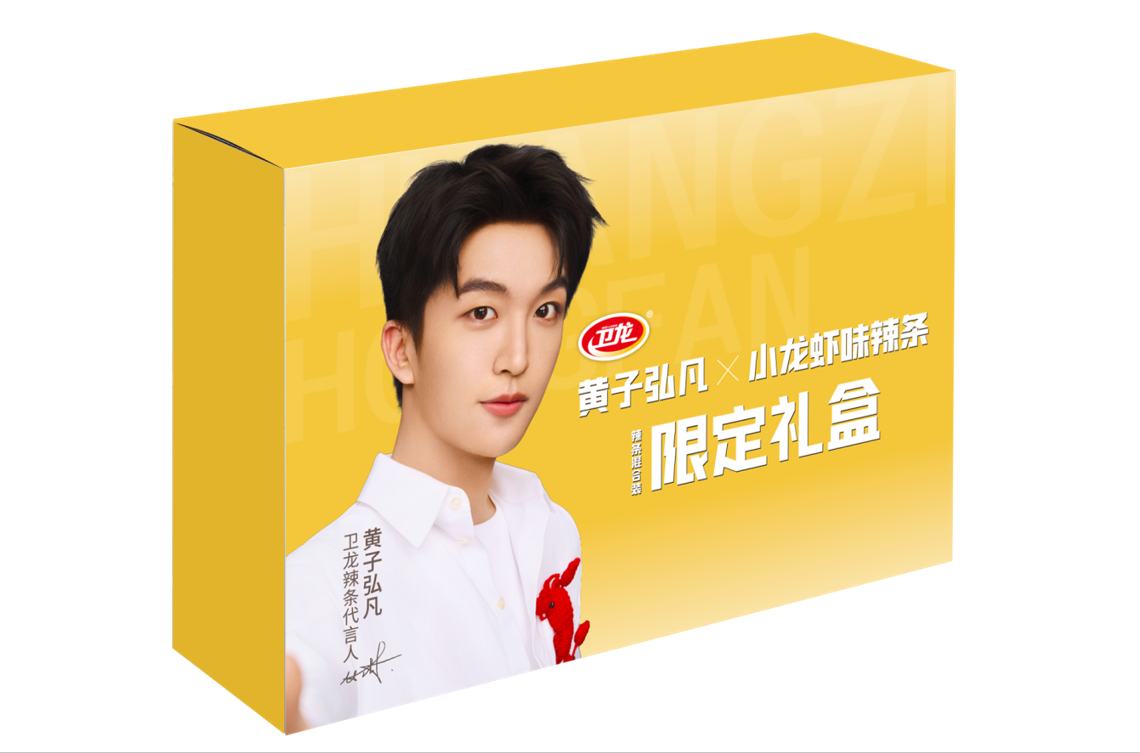
辣味新势力!卫龙美味(09985)官宣黄子弘凡为辣条品牌代言人
智通财经网· 2025-09-26 02:26
Core Insights - The collaboration between Huang Zihongfan and Weilong aims to create a strong emotional connection with young consumers, positioning the brand as a "happy lifestyle" representative [2][6] - The launch of the new Spicy Lobster Flavor snack is designed to enhance brand recognition and appeal to the youth market by transforming the consumption experience into a joyful emotional context [2][6] Product Innovation - Weilong's classic product, the Spicy Gluten Snack, has been revamped to retain its core advantages while incorporating elements that resonate with young consumers [4] - The new product features a unique non-fried process that locks in flavors, providing a satisfying taste experience without overwhelming spiciness [4] - The independent packaging is designed for convenience, making it suitable for various social scenarios, thus lowering the barrier for trial [4] Marketing Strategy - The dual approach of introducing a brand ambassador alongside a classic product innovation is aimed at closely connecting with the younger demographic [6] - Huang Zihongfan's energetic image is leveraged to transform Weilong from a familiar snack brand into a "happy partner" that understands the preferences of young consumers [6] Future Directions - Weilong plans to continue engaging with young consumers through collaborations and scenario-based marketing, ensuring that classic snacks remain relevant in their daily lives [7]
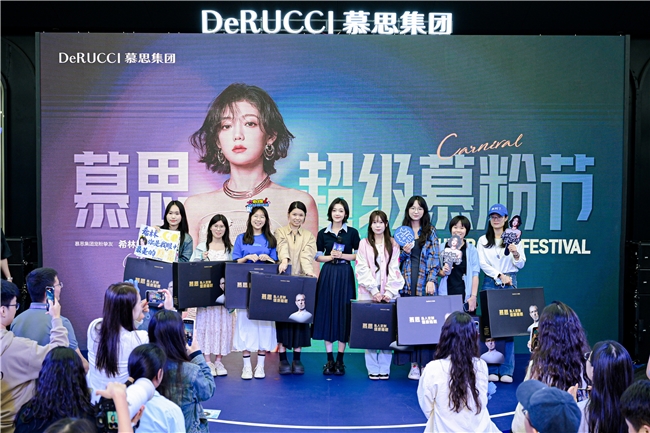
慕思挚友希林娜依·高“一日店长”宠粉局 带粉丝解锁健康睡眠新体验
Sou Hu Wang· 2025-09-22 09:07
Core Viewpoint - The event organized by Mousse during the "Moufan Festival" successfully engaged young consumers by combining sleep concepts with trendy fashion through interactive experiences and celebrity involvement [1][6]. Group 1: Event Highlights - The "one-day store manager" event featured celebrity Xilin Naiyi Gao, who interacted with fans and shared insights on sleep, enhancing the connection between the brand and consumers [3][5]. - The venue was transformed into a "Mousse Sleep Energy Supply Station," creating an immersive experience for attendees [3][6]. - Lucky consumers had the opportunity to interact closely with the celebrity and received exclusive sleep gift packages at the end of the event [5]. Group 2: Brand Strategy - Mousse has been a leader in the health sleep sector for over 20 years, focusing on the mission of improving sleep quality through product innovation and service upgrades [6][8]. - The brand has adapted its marketing strategies to resonate with younger generations, utilizing participatory and social communication methods to engage them in the sleep experience [6][8]. - The integration of cultural elements, such as collaborations with popular artists and social media engagement, has effectively reached a broader young audience, enhancing brand awareness and consumer interaction [8]. Group 3: Future Plans - For the 2025 Moufan Festival, Mousse plans to combine products, services, and cultural elements into multidimensional activities, aiming to transform sleep quality concepts into tangible experiences for consumers [8]. - The brand aims to set a new benchmark for youth-oriented marketing in the sleep industry by deeply integrating core product technology and a comprehensive service system into its events [8].
两个北航学霸,干出460亿电动车王国
创业家· 2025-08-23 10:22
Core Viewpoint - The article highlights the entrepreneurial journey of Ninebot, founded by Gao Lufeng and Wang Ye, showcasing its evolution from a small startup in a basement to a major player in the smart mobility sector with a market value of 46 billion yuan, emphasizing innovation and strategic acquisitions as key drivers of success [4][5]. Group 1: Company Background - Ninebot was established in 2012, focusing on the development of smart balance vehicles, and has since expanded its product line to include electric scooters and robots [11][12]. - The founders, both graduates from Beihang University, leveraged their technical expertise and business acumen to create a company that has become a leader in the short-distance travel market [4][5][24]. Group 2: Key Milestones - In 2015, Ninebot made headlines by acquiring Segway, a pioneer in the balance vehicle market, which significantly enhanced its patent portfolio and market reach [13][14]. - Following the acquisition, Ninebot optimized production processes, reducing manufacturing costs by 60% and increasing product accessibility, leading to a market share exceeding 90% in certain European countries by 2016 [14][15]. Group 3: Market Strategy and Growth - Ninebot's entry into the electric two-wheeler market in 2019 was initially met with skepticism, but the company identified opportunities for innovation and differentiation, leading to significant sales growth [18][19]. - By 2025, Ninebot's electric two-wheeler sales exceeded 6.82 billion yuan, accounting for 58% of total revenue, with a year-on-year growth rate of 101.6% [20][21]. Group 4: Future Aspirations - Despite the rapid growth in the electric vehicle segment, the founders maintain a long-term vision centered on robotics, aiming to develop advanced service robots and expand into new markets [22][23]. - Ninebot has diversified its product lines to include seven categories, with a revenue of 11.742 billion yuan in the first half of 2025, indicating a strong market presence and ongoing innovation [25].