SoftBank(SOBKY)
Search documents
【IPO前哨】软银押注+全球销冠!移芯通信冲击港股,5G新品将量产
Sou Hu Cai Jing· 2025-12-04 11:54
Core Viewpoint - Yixin Communication is preparing for an IPO on the Hong Kong Stock Exchange, aiming to raise funds for product diversification, R&D enhancement, and market expansion [1][4]. Company Overview - Founded in 2017, Yixin Communication is a leading player in the cellular communication chip sector, ranking first in China and third globally with a market share of 15.3% [2]. - The company has a strong product matrix covering low, medium, and high wireless transmission speeds, with notable market leadership in NB-IoT and Cat.1bis products [2][4]. Financial Performance - Yixin Communication has shown steady revenue growth, with projected revenues of RMB 4.1 billion in 2022, RMB 5.33 billion in 2023, and RMB 5.52 billion in 2024 [8][9]. - The company successfully turned a profit in 2024, achieving a net profit of RMB 12.4 million, with further growth expected in 2025 [8][12]. Investment and Shareholding - The company has raised a total of RMB 1.419 billion through six rounds of financing, attracting investments from notable firms such as SoftBank Vision Fund and Qiming Venture Partners [4][6]. - The largest shareholder is the founder Liu Shi, holding 16.23% of the shares, followed by Hasegawa and SoftBank Vision Fund [6]. Product Development and Market Strategy - Yixin Communication is focusing on the development of two significant 5G products: the 5G RedCap chip and the ultra-fast 5G eMBB chip, expected to launch in 2026 and 2027 respectively [12]. - The company aims to leverage its low power consumption and cost advantages while enhancing functionality for industrial IoT applications [12]. Customer Base and Risks - The company has expanded its customer base to over 40 component clients, but faces a high customer concentration risk, with 87.9% of revenue coming from the top five clients [12][14]. - Diversifying the customer base is crucial for mitigating risks associated with high dependency on a few clients [13][14].
软银完成对Ampere Computing的65亿美元收购
Sou Hu Cai Jing· 2025-12-02 13:55
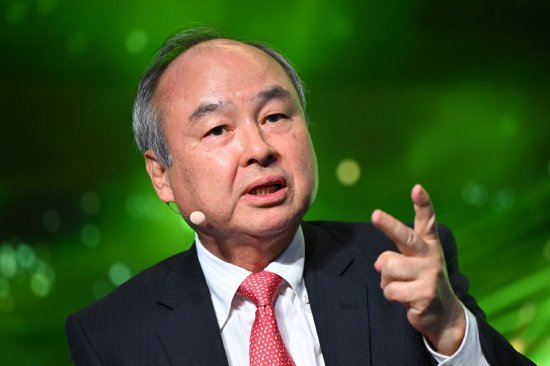
Group 1 - SoftBank has completed the acquisition of Ampere Computing for $6.5 billion, marking a significant step in its vision for innovation in AI and computing [2][3] - Ampere Computing, founded by former Intel executive Renée J. James in 2017, is now a wholly-owned subsidiary of SoftBank, which aims to leverage Ampere's expertise in ARM architecture chips [2][3] - Following the announcement, SoftBank's stock rose by 5.1%, with an intraday increase of approximately 8% [2] Group 2 - Masayoshi Son, the founder of SoftBank, views the acquisition as a crucial part of enhancing the company's strategic collaboration with its other investments, particularly in AI [3] - SoftBank has recently divested its entire stake in Nvidia for $5.8 billion to fund a $30 billion investment in OpenAI, including participation in the AI super infrastructure project "Star Gate" [3] - Despite ambitions in AI, SoftBank faces challenges, including competition from Google's Gemini 3 model, which has raised concerns about OpenAI's future and affected SoftBank's stock performance [4]
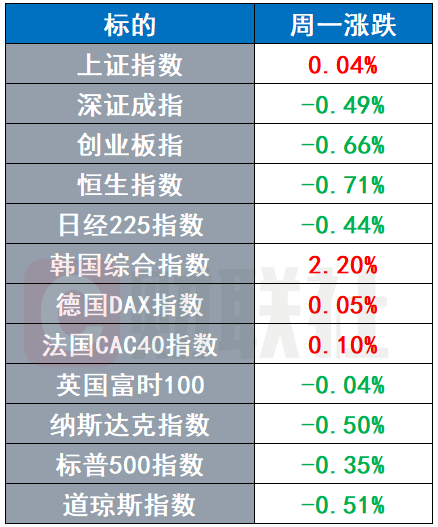
日经225跌破50000点,软银跌超3%,日元跌至10个月新低
2 1 Shi Ji Jing Ji Bao Dao· 2025-12-01 01:34
Core Points - The Japanese 5-year government bond yield has risen to 1.345%, the highest level since June 2008, indicating a significant shift in the bond market [2] - The Japanese yen has depreciated against the US dollar, reaching a 10-month low, with the exchange rate at 155.84 yen per dollar, marking a depreciation of approximately 10 yen since the Liberal Democratic Party presidential election [2][5] - The US dollar index has decreased by 8.37% this year, with the dollar depreciating against major currencies, including a 0.79% decline against the yen [4] Currency and Economic Trends - The depreciation of the yen is primarily attributed to the widening interest rate differential between the US and Japan, as the Federal Reserve has entered a strong rate hike cycle while the Bank of Japan has maintained a more stable policy [5] - Japan's economic stimulus plan, announced by Prime Minister Fumio Kishida, includes a budget of 21.3 trillion yen aimed at addressing inflation and stimulating growth, but has led to immediate depreciation of the yen, suggesting investor skepticism [8][9] - Japan's government debt is projected to exceed 42.1 trillion yen in 2024, with an additional issuance of approximately 11.7 trillion yen to cover the funding gap from the stimulus plan [8] Long-term Economic Implications - Japan's economic growth has been sluggish, with average growth rates declining significantly over the decades, raising concerns about the effectiveness of fiscal stimulus measures [9][12] - The Bank of Japan faces a dilemma in its monetary policy, balancing the need for economic stimulus against rising inflation, with current inflation rates hovering around 2.4% to 4% [14] - The reliance on government debt and low interest rates has distorted the bond market, leading to capital outflows as investors seek higher returns abroad, which could further pressure the yen [16]
软银CDS走阔、乐天趋稳:债务压力与AI押注分化市场情绪
Zhi Tong Cai Jing· 2025-11-27 08:53
Group 1 - The core viewpoint of the articles highlights that SoftBank Group's credit default swap (CDS) spreads have risen to their highest level since April, reflecting investor caution towards the company's debt-driven growth model amid increasing global competition [1] - SoftBank has been funding various AI projects, including collaborations with OpenAI and Oracle, and its five-year CDS rose to approximately 302 basis points, up from about 280 basis points the previous day [1] - The company is intensifying its fundraising activities, having set terms for issuing 500 billion yen (approximately 3.3 billion USD) in retail bonds with a coupon rate of 3.98%, with part of the proceeds aimed at repaying bridge loans related to its investment in OpenAI [1] Group 2 - In contrast, Rakuten Group has been reducing its debt burden to improve its credit profile, resulting in a moderate narrowing of its CDS spreads, which decreased from around 250 basis points in August to approximately 200 basis points recently [1] - The CEO of Fujiwara Capital noted that the rise in SoftBank's CDS may reflect market pricing factors, including declines in AI-related stocks, ongoing bond issuances by the company, and concerns over its concentrated investment in OpenAI [1]
OpenAI“朋友圈”重创:软银跌40%,甲骨文承压,谷歌成最大赢家?
Jin Shi Shu Ju· 2025-11-27 05:53
Group 1 - SoftBank's stock has dropped 40% since late October, and Oracle has lost all gains since early September, raising concerns about their partnerships with OpenAI [2] - SoftBank's chairman Masayoshi Son has committed to invest $30 billion in OpenAI by the end of the year, but doubts about OpenAI's valuation could significantly impact SoftBank's net asset value [2][3] - SoftBank recorded its best quarterly performance in three years, partly due to a $12.8 billion fair value gain from its OpenAI stake, but this could be reversed if OpenAI fails to maintain its valuation [3] Group 2 - Oracle's $300 billion computing contract with OpenAI remains uncertain, with investor skepticism growing following the launch of Alphabet's Gemini 3 model [4] - Oracle has committed over $100 billion in capital expenditures for the Stargate project, which will impact its financial statements over the next three years [4] - Alphabet maintains a strong financial position with negative net debt and generates approximately $150 billion in operating cash flow annually, contrasting with OpenAI's reliance on venture capital [5][6]
软银激进筹资投AI:发行5000亿日元高息债,票面利率3.98% 创15年来新高
Sou Hu Cai Jing· 2025-11-27 05:51
Core Viewpoint - SoftBank Group announced plans to raise approximately 500 billion yen (about 22.647 billion RMB) through bond issuance aimed at individual investors, marking a significant shift in its financing strategy amid changing macroeconomic conditions in Japan [1]. Group 1: Bond Issuance Details - The bonds are seven-year unsecured senior bonds with a final coupon rate set at 3.98%, which is the highest rate for similar yen-denominated bonds issued by SoftBank in over 15 years [1]. - The last time SoftBank issued bonds with such a high coupon rate was in 2009, when the rate was 4.52% [1]. Group 2: Economic Context - The issuance of high-yield bonds is attributed to significant changes in Japan's macroeconomic environment, particularly the Bank of Japan's decision to end its negative interest rate policy in March 2024 [1]. - This policy shift has led to an increase in Japanese government bond yields, raising the overall interest rate levels in the market [1]. Group 3: Use of Proceeds and Market Impact - Proceeds from the bond sale will partially be used to repay bridge loans related to additional investments in OpenAI [1]. - Over the past month, SoftBank's stock price has declined by approximately 30%, and its credit default swap spreads, an indicator of credit risk, have widened to the highest level in nearly four months [1].
软银发行5000亿日元高息债,票面利率3.98%创15年来新高
Sou Hu Cai Jing· 2025-11-27 05:51
Core Viewpoint - SoftBank Group announced plans to raise approximately 500 billion yen (about 22.647 billion RMB) through bond issuance aimed at individual investors, marking a significant shift in its financing strategy amid changing macroeconomic conditions in Japan [1] Group 1: Bond Issuance Details - The bonds are seven-year unsecured senior bonds with a final coupon rate of 3.98%, setting a new record for SoftBank Group [1] - This issuance represents the highest coupon rate for similar yen-denominated bonds issued by the company in over 15 years, with the last comparable issuance in 2009 having a rate of 4.52% [1] Group 2: Economic Context - The increase in bond rates is attributed to the Bank of Japan's decision to end its negative interest rate policy by March 2024, which has raised the benchmark yields for corporate bond issuances [1] - The shift in the macroeconomic environment has led to an upward movement in the overall market interest rates [1] Group 3: Use of Proceeds and Market Reaction - Proceeds from the bond issuance will partially be used to repay bridge loans related to additional investments in OpenAI [1] - Over the past month, SoftBank's stock price has declined by approximately 30%, and its credit default swap spreads have widened to the highest level in nearly four months, indicating increased credit risk [1]
65亿美元现金买断!软银飙升8%,瑞银断言美股抛售潮已终结
Jin Rong Jie· 2025-11-27 02:47
Group 1 - SoftBank Group announced a significant strategic development with its subsidiary Silver Bands completing the acquisition of Ampere Computing for $6.5 billion in cash, which will be consolidated into its financial statements from the acquisition date [1] - Following the acquisition news, SoftBank's stock price surged by 8% during intraday trading, reversing a previous downward trend [1] - The global technology stocks showed a collective rebound, with the Nasdaq Composite Index closing up by 0.82%, and major companies like Broadcom and Oracle experiencing significant stock price increases [3] Group 2 - The semiconductor storage sector is gaining attention, with Korean chip stocks like SK Hynix showing active performance, and Morgan Stanley raising target prices for certain memory stocks due to an intensifying shortage in the memory market [4] - Japan's macroeconomic environment faces challenges, with the 10-year government bond yield rising above 1.8%, and a supplementary budget expected to boost economic growth in the short term, although it may increase inflation risks [4] - In the precious metals market, Bank of America maintains a bullish long-term outlook for gold, predicting prices could reach $5,000 per ounce by 2026, despite current overbought conditions [4]
断崖式下跌40%!风暴眼中的软银(SFTBY.US):成也OpenAI,败也OpenAI?
智通财经网· 2025-11-26 09:44
Core Viewpoint - Concerns about the bubble-like valuations in the AI sector are weighing heavily on SoftBank Group's stock price, with the market increasingly viewing SoftBank as a "shadow proxy" for the unlisted OpenAI, leading to significant stock volatility [1][2]. Group 1: Stock Performance and Market Sentiment - SoftBank's stock has experienced a dramatic decline of nearly 40% since late October, resulting in a market capitalization loss of over 16 trillion yen (approximately $102 billion) [1]. - The recent launch of Google's Gemini 3.0 has intensified competitive pressures on OpenAI, contributing to a broader sell-off in the AI sector that has adversely affected SoftBank [1][2]. - Analysts suggest that SoftBank's stock fluctuations are more reflective of its sensitivity to OpenAI's performance rather than a general weakness in the AI market [4]. Group 2: Financial Performance and Strategic Moves - SoftBank's deep exposure to the AI sector, particularly its stake in OpenAI, has led to a significant unrealized gain of $14.6 billion, which was a key driver for a net profit surge to 2.5 trillion yen in the second fiscal quarter [2]. - The company is preparing to invest an additional $2.25 billion in OpenAI as part of a larger $32 billion commitment, highlighting its aggressive strategy to become a central player in the AI ecosystem [3][4]. Group 3: Strategic Acquisitions and Challenges - SoftBank recently completed a $6.5 billion acquisition of Ampere Computing, a U.S. chip design company, while also facing the need to raise funds for a proposed $5.4 billion acquisition of ABB Ltd.'s robotics division [3]. - The CFO of SoftBank expressed caution regarding the current valuation landscape, indicating that the determination of whether the AI sector is in a bubble can only be made in hindsight [3]. Group 4: Competitive Landscape and Investment Logic Shift - The rise of RISC-V architecture poses a competitive challenge to SoftBank's investments, as it gains traction in the AI chip design space, potentially impacting traditional players like NVIDIA [5]. - The investment logic in the AI sector is shifting from indiscriminate buying to a more selective approach, with investors now focusing on identifying winners and losers within the industry [6].
软银准备发行8亿美元债券级股票 年股息率2.5%
Xin Lang Ke Ji· 2025-11-26 09:20
Core Viewpoint - SoftBank is preparing to issue bond-like stocks totaling approximately $800 million, with an annual dividend yield of 2.5%, positioned at the lower end of the market pricing range [1] Group 1: Issuance Details - The stock issuance is from SoftBank Group's telecommunications subsidiary [1] - As of October 11, over 90% of the planned issuance amount has been met [1] - Future allocations will favor institutional investors, with specific terms expected to be finalized by October 13 [1] Group 2: Underwriters and Amounts - The issuance is managed by Nomura Securities, Daiwa Securities, and Mizuho Securities [1] - Nomura Securities will sell stocks worth 100 billion yen, Mizuho Securities will sell 12 billion yen, and Daiwa Securities will sell 8 billion yen, totaling 120 billion yen (approximately $800 million) [1]