
SoftBank(SOBKY)

Search documents
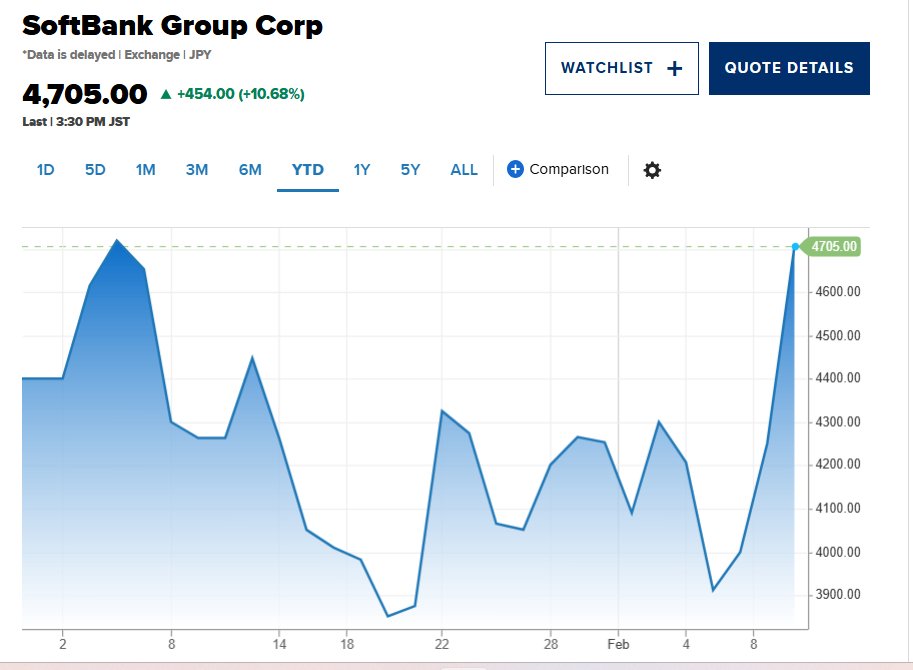
软银股价单日暴涨超11%! 市场愈发认可孙正义“AI雄心壮志”
智通财经网· 2026-02-10 07:25
Core Viewpoint - SoftBank Group Corp. experienced a significant stock price increase of over 11% following an upward revision of its full-year profit forecast for its telecommunications division, reflecting growing optimism around its investments in AI and ARM Holdings [1][2][10]. Financial Performance - SoftBank Corp., the telecommunications subsidiary, reported a record revenue of 5.2 trillion yen for the first nine months of fiscal 2025, an 8% increase year-over-year, and raised its full-year revenue outlook from 6.7 trillion yen to 6.95 trillion yen [4]. - Operating profit also rose by 8% to 884 billion yen, with the company adjusting its strategy to prioritize long-term profitability over subscriber growth [4]. Investment Strategy - SoftBank's investments in ARM Holdings, Graphcore, and Ampere Computing demonstrate a comprehensive strategy from AI hardware architecture to AI application layers, reinforcing its position in the AI infrastructure ecosystem [2][12]. - The acquisition of Ampere, which focuses on cloud-native processors, complements SoftBank's existing holdings and aims to create a powerful ARM architecture server CPU ecosystem [7][10]. Market Sentiment - The market's positive sentiment towards SoftBank's AI ambitions is reflected in the stock price surge, indicating increasing recognition of its long-term strategic vision [2][11]. - Analysts note that the strong rebound in ARM Holdings' stock price has provided additional momentum for SoftBank's share price recovery [4]. AI Infrastructure Development - ARM's architecture is becoming a critical foundation for AI cloud infrastructure, with significant growth in data center-related royalty revenues, expected to surpass mobile chip business in the coming years [6][9]. - The efficiency of ARM-based CPUs in executing AI tasks positions them favorably against traditional x86 architectures, enhancing their appeal for data center applications [9].


日股再创新高,软银大涨超10%,全球掀起日债日元抛售潮
Xin Lang Cai Jing· 2026-02-10 02:09
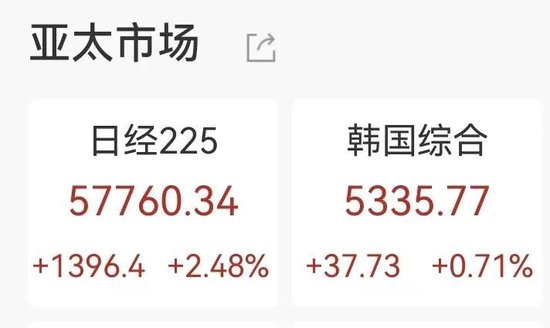
Market Overview - Japanese and South Korean stock markets opened higher, with the Nikkei 225 index rising over 2%, reaching a new historical high, and SoftBank Group increasing by over 10% [1][13] - The Korean Composite Index rose by 0.71%, with Hyundai Motor gaining over 2% [2][14] Japanese Election Impact - The ruling coalition of the Liberal Democratic Party and the Japan Innovation Party secured a majority in the recent Japanese House of Representatives election, leading to expectations of reduced obstacles for the government's economic agenda [4][16] - Following the election results, the Japanese yen and government bonds faced selling pressure, with the yen trading at 155.9 yen per dollar and bond yields reaching record highs [4][16] Economic Policy and Debt Concerns - The government under Prime Minister Fumio Kishida advocates for large-scale fiscal expansion and tax cuts, which necessitates issuing more government bonds, leading to increased supply and downward pressure on bond prices [5][17] - The latest supplementary budget for fiscal year 2025, approved by the Japanese Diet, is the largest since the pandemic, with a 30% increase compared to the previous year's budget [6][18] Fiscal Deficit and Economic Outlook - Japan is projected to have a fiscal deficit of approximately 800 billion yen (about 5.1 billion USD) for the upcoming fiscal year, which is the smallest deficit since 2001 but contrasts with earlier expectations of a surplus [7][18] - Concerns are rising about Japan's long-term fiscal sustainability, with the potential for increased debt leading to a loss of confidence in Japanese government bonds [6][19] Inflation and Wage Dynamics - Japan's GDP contracted by 1.8% year-on-year in the third quarter, indicating a return to negative growth, while inflation remains persistent, with core CPI rising by 3.0% year-on-year [10][20] - Real wages in Japan have decreased by 1.3% year-on-year, marking the fourth consecutive year of decline, which is limiting consumer spending [10][21] Central Bank Policy and Future Prospects - The Bank of Japan faces a dilemma between maintaining low interest rates to stimulate the economy and addressing inflationary pressures from a weakening yen [11][22] - The potential for an interest rate hike in April is contingent on the outcomes of the spring labor negotiations, which could influence wage growth and economic stability [12][22]
软银股价涨逾6%
Mei Ri Jing Ji Xin Wen· 2026-02-10 00:32
Group 1 - SoftBank's stock price increased by over 6% on February 10 [1]
日韩股市大涨,日经225飙涨5%创新高,软银涨超7%,三星电子涨超5%
2 1 Shi Ji Jing Ji Bao Dao· 2026-02-09 00:59
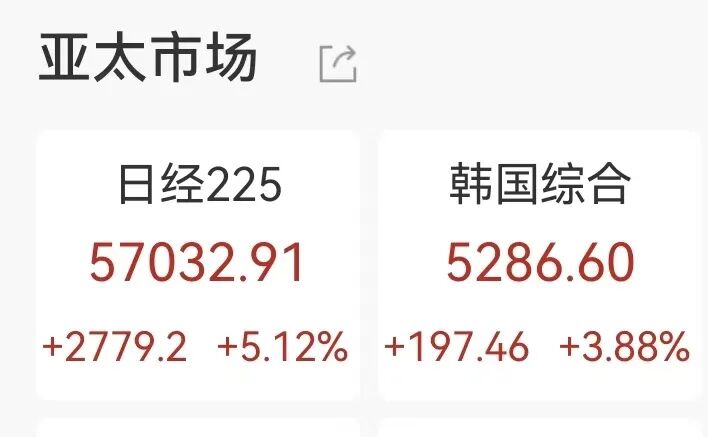
Group 1 - Japanese and South Korean stock markets opened strongly, with the Nikkei 225 index rising over 5%, reaching multiple historical highs during the session [1] - SoftBank Group's stock saw a peak increase of 8.5%, marking its largest gain since January 28, and was up over 7% at the time of reporting [1] - The KOSPI index in South Korea rose by 3.8%, closing at 5286.6 points, with major companies like Samsung Electronics and SK Hynix both increasing by over 5% [1] Group 2 - The ruling coalition of the Liberal Democratic Party and the Japan Innovation Party secured a majority in the recent Japanese House of Representatives election [1] - Japan's Ministry of Health, Labour and Welfare reported a 1.3% year-on-year decrease in real wages per capita for 2025, marking four consecutive years of negative growth [1] - The yield on Japan's 10-year government bonds rose by 4.5 basis points to 2.275%, while the 40-year bond yield surpassed 4%, the highest level since its issuance in 2007, raising concerns about Japan's fiscal and monetary policy [1] Group 3 - Pictet Asset Management's chief economist highlighted that the surge in yields is driven by increased inflation risks and sovereign risk premiums, indicating a lack of credibility in the Bank of Japan's anti-inflation measures [2] - The turmoil in Japan's bond market and potential punitive measures on U.S. fiscal deficits could trigger a shift of global capital from the U.S. to other markets [2] - The economist affirmed that Japan may sell U.S. Treasuries to defend the yen, citing the need for balance sheet management by the central bank and the desire to diversify geopolitical risks [2]

软银增持OpenAI面临评级红线 巨额资本开支或引发资产抛售压力
Jin Rong Jie· 2026-02-06 01:33
Group 1 - The upcoming third-quarter earnings report from SoftBank Group will be the first opportunity for the company to respond to reports about considering increasing its investment in OpenAI [1] - Expanding its current 11% stake could put pressure on SoftBank's credit rating, as a reported $30 billion investment increase might trigger a downgrade if the loan-to-value ratio reaches 35% [1] - To maintain the loan-to-value ratio below 25%, SoftBank may need to sell at least $15 billion in assets and secure margin loans [1] Group 2 - Following Toyota, Nissan and Honda are the next automotive companies to announce their earnings, with all three having exposure to the U.S. market [1] - A weaker yen is considered beneficial for these companies [1]
日韩科技电子股大跌,软银跌4%,SK海力士跌近5%
2 1 Shi Ji Jing Ji Bao Dao· 2026-02-05 00:55
Market Overview - Following the overnight decline in US stocks, Japanese and South Korean markets opened lower, with technology and electronics stocks experiencing significant drops [1] - As of around 8:20 AM Beijing time, the Nikkei 225 index fell approximately 0.4%, with declines in tech and electronics stocks offsetting gains in automotive and pharmaceutical sectors [1] Company Performance - SoftBank Group saw a decline of over 4%, following a drop in its subsidiary Arm Holdings' stock price overnight [1] - NEC Corporation experienced a nearly 5% drop, while Advantest Corporation fell by 4% [1] - In South Korea, the KOSPI index dropped nearly 2%, with major chipmaker SK Hynix down by 4.89% and Samsung Electronics falling over 3.6%, contributing significantly to the index's decline [1] Broader Impact - The global sell-off in software stocks also affected Chinese concept stocks, with the Nasdaq Golden Dragon China Index closing down by 1.95% on Wednesday [1]
SoftBank subsidiary to work with Intel on next-gen memory for AI
CNBC· 2026-02-03 03:17
Core Viewpoint - Saimemory, a subsidiary of SoftBank, has entered into a collaboration with Intel to develop next-generation memory technology aimed at supporting artificial intelligence and high-performance computing demands [1][2] Group 1: Partnership Details - The collaboration is focused on the "Z-Angle Memory program," or ZAM, which targets advancements in memory technologies [1] - Prototypes of the new memory technology are expected to be ready by the fiscal year ending March 31, 2028, with commercialization planned for fiscal 2029 [2] Group 2: Market Reaction - Following the announcement of the partnership, shares of SoftBank increased by 3.13%, while Intel's stock rose by 5% in overnight trading on Robinhood [2]


SoftBank reportedly in talks to increase OpenAI investment by $30B
Proactiveinvestors NA· 2026-01-28 16:53
Company Overview - Proactive is a financial news publisher that provides fast, accessible, informative, and actionable business and finance news content to a global investment audience [2] - The company operates with a team of experienced and qualified news journalists across key finance and investing hubs including London, New York, Toronto, Vancouver, Sydney, and Perth [2] Market Focus - Proactive specializes in medium and small-cap markets while also covering blue-chip companies, commodities, and broader investment stories [3] - The content delivered by the company includes insights across various sectors such as biotech and pharma, mining and natural resources, battery metals, oil and gas, crypto, and emerging digital and EV technologies [3] Technology Adoption - Proactive is recognized for its forward-looking approach and enthusiastic adoption of technology to enhance workflows [4] - The company utilizes automation and software tools, including generative AI, while ensuring that all content is edited and authored by humans to maintain quality and best practices in content production [5]

“孙正义全力以赴!”软银拟再向OpenAI投资最高300亿美元
Hua Er Jie Jian Wen· 2026-01-28 07:23
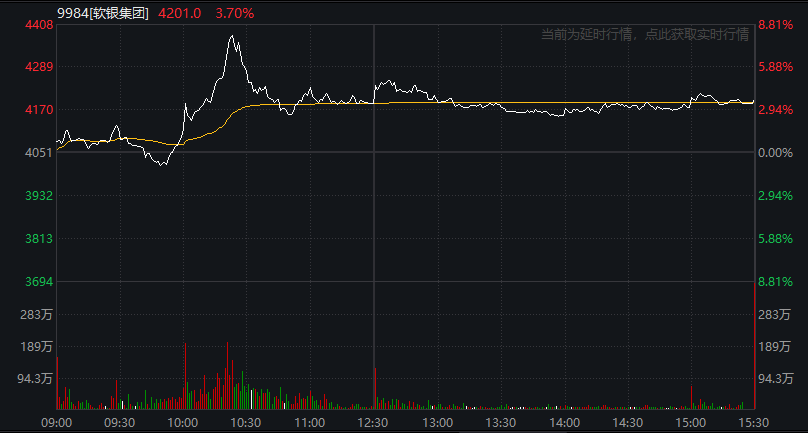
Core Viewpoint - SoftBank is negotiating a potential investment of up to $30 billion in OpenAI, which would significantly increase its stake in the ChatGPT maker, highlighting founder Masayoshi Son's ambition in the AI sector while raising concerns about SoftBank's financial pressures [1][3]. Group 1: Investment Details - The potential investment is part of OpenAI's effort to raise up to $100 billion in a new funding round, which could value the company at $830 billion if fully funded [1]. - SoftBank previously invested $22.5 billion in OpenAI in December, acquiring an 11% stake, making it one of the largest shareholders [1]. - OpenAI is under pressure to secure substantial funding to support ongoing AI model development and operational costs, with CEO Sam Altman meeting with top investors in the Middle East for this purpose [6]. Group 2: Financial Implications - Standard & Poor's recently warned that SoftBank's large investments in AI, combined with a significant drop in Arm's stock price, are putting pressure on its credit status [3]. - If SoftBank commits to the additional $30 billion investment, its adjusted loan-to-value ratio could approach the 35% threshold that triggers a downgrade [5]. - The transaction may require at least $15 billion in asset sales and margin loans to maintain a reported loan-to-value ratio below 25% [3]. Group 3: Market Reactions and Strategic Moves - Following the news of the potential investment, SoftBank's stock price surged by 8.8% before settling at a 3.7% increase, indicating strong interest from retail investors [1]. - SoftBank has been adjusting its asset allocation to raise funds for OpenAI, including selling its entire stake in Nvidia for $5.8 billion and reducing its holdings in T-Mobile US [4]. - The company has also paused negotiations to acquire U.S. data center operator Switch as part of its strategy to focus on AI investments [4].
软银狂押“未来之巅”:拟向OpenAI追加300亿美元,标普警告信用压力陡增
Zhi Tong Cai Jing· 2026-01-28 03:32
Group 1 - SoftBank Group is negotiating to invest up to $30 billion in AI company OpenAI, reinforcing founder Masayoshi Son's position in the global AI race [1] - SoftBank is already a major supporter of OpenAI, having completed a previous commitment of $40 billion by the end of 2025, with a total ownership stake of approximately 11% [2] - The potential investment is linked to a large-scale project called "Stargate," aimed at building massive AI supercomputer data centers, with total planned investments potentially reaching trillions of dollars [2] Group 2 - SoftBank's stock price rose by 5.8% following news of the negotiations [2] - OpenAI's CEO Sam Altman is meeting with top investors in the Middle East to secure at least $50 billion in funding, with a valuation expected between $750 billion and $830 billion [2] - SoftBank has significantly increased its investments in AI recently, acquiring Ampere Computing for $6.5 billion and announcing a $5.4 billion acquisition of ABB's robotics division [3]