
数字基础设施

Search documents
伊朗将打击:亚马逊、微软、IBM、PLTR、Google、英伟达、甲骨文……
Xin Lang Cai Jing· 2026-03-15 19:59
Core Viewpoint - Iran has released a list of potential attack targets, including data centers and research facilities of major US technology companies in the Middle East, amid ongoing tensions in the region [1][3]. Group 1: Potential Targets - The Iranian Revolutionary Guard Corps (IRGC) has identified 29 potential strike locations across Bahrain, Israel, Qatar, and the UAE, primarily related to US tech companies' infrastructure [3][5]. - The list includes major companies such as Lockheed Martin, Boeing, Microsoft, Oracle, ExxonMobil, Citigroup, and Amazon Web Services, with specific locations in Jordan and the UAE [5][6]. Group 2: Nature of Targets - The targeted facilities are mainly involved in cloud computing, artificial intelligence, and data processing, which Iran perceives as having potential links to US military and intelligence systems [5][8]. - The inclusion of technology companies' facilities in the potential strike list indicates a shift in modern conflict from traditional military targets to digital infrastructure, highlighting the strategic importance of these commercial tech infrastructures [8]. Group 3: Recent Developments - A week prior, Iran claimed to have conducted deliberate attacks on three Amazon Web Services (AWS) data centers, although this has not been independently verified [8]. - Security experts warn that if these tech facilities become conflict targets, it could disrupt local internet and enterprise services and have a cascading effect on global cloud computing networks and cross-border data services [8].





Cipher Mining(CIFR.US)2025财年营收增48% 募资37.3亿美元押注高性能计算、出售矿机资产加速转型
智通财经网· 2026-02-24 13:17
Core Viewpoint - Cipher Mining has officially rebranded to Cipher Digital, indicating a strategic shift from Bitcoin mining to high-performance computing (HPC) data center development [1][2] Financial Performance - For the fiscal year 2025, the company reported revenue of $223.94 million, a year-on-year increase of 48%, but fell short of expectations by $25.7 million [1] - The non-GAAP net profit for the year was $22.236 million, translating to earnings per share of $0.06, which was $0.28 below market expectations [1] Business Strategy and Developments - The company has secured a total of 600 megawatts of HPC data center contract capacity, including a 15-year, 300-megawatt lease with Amazon AWS and a 10-year, 300-megawatt partnership with Fluidstack and Google [1] - To support the development of HPC data centers, Cipher has completed three rounds of bond issuance, raising a total of $3.73 billion [1] - Progress on data center projects is on track, with the Barber Lake project achieving approximately 95% completion of long-cycle equipment and meeting all design milestones, while the Black Pearl project is also advancing as planned [1] Asset Management and Strategic Transition - Cipher has sold its 49% stake in three joint ventures (Alborz LLC, Bear LLC, and Chief Mountain LLC) and some Bitcoin mining machines previously deployed in the Black Pearl project for approximately $40 million in an all-stock transaction with Canaan Inc [2] - This transaction allows the company to streamline its business structure and maintain a moderate presence in the Bitcoin mining sector while accelerating its strategic transition [2] - The CEO stated that 2026 will be a pivotal year for the company's strategic execution, focusing on building a leading digital infrastructure platform [2]

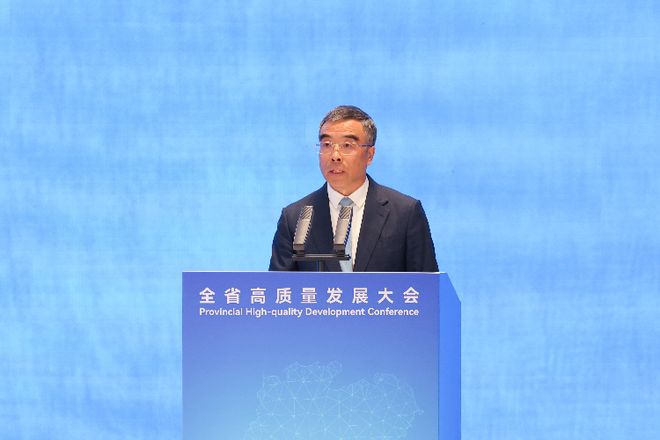
全年销售收入超8800亿元!华为董事长梁华最新发声
半导体芯闻· 2026-02-24 10:08
Core Insights - Huawei's overall business remains stable, with annual sales revenue exceeding 880 billion RMB [1][2] - The Harmony OS ecosystem is evolving from usable to user-friendly, with over 40 million devices running Harmony OS 5 and 6, and more than 75,000 native applications and cloud services available [1][4] - The Ascend ecosystem has 43 mainstream large models based on Ascend pre-training, over 200 open-source models adapted for production, and more than 6,000 solutions implemented [1][4] - The rapid development of artificial intelligence is reshaping existing development, production, and service models, creating new applications and driving innovation in manufacturing and services [2][3] Summary by Sections Business Performance - Huawei's sales revenue for the year surpassed 880 billion RMB, reflecting a strong focus on high-quality development and core competitiveness [2] - The company plans to increase R&D investment to meet the growing demand for computing power and to build an AI open ecosystem centered around Ascend [2] Digital Infrastructure - Emphasis on solidifying digital infrastructure as a foundation for high-quality AI development, highlighting the need for advanced planning in AI data center construction and communication infrastructure [3] - The integration of AI technology, infrastructure, and application scenarios is crucial for sustainable development in the AI industry [3] AI Ecosystem - The creation of an open-source AI ecosystem is essential for unlocking the industrial value of AI, requiring collaboration and continuous development [4] - Huawei's efforts in building an AI ecosystem centered around Ascend aim to enhance application capabilities and foster innovation among developers [4] Harmony OS Development - The Harmony OS ecosystem is advancing towards a more user-friendly experience, with significant growth in the number of devices and applications available [4] - The interoperability of devices is key to providing an intelligent user experience, with ongoing efforts to establish a unified operating system and middleware [4] Call for Collaboration - The construction of a technology ecosystem requires collaboration and open innovation, urging more developers and partners to join the Ascend and Harmony ecosystems [5] - The integration of technological and industrial ecosystems is vital for driving innovation and promoting the convergence of the real economy and digital economy [5]
华为去年营收超8800亿,梁华呼吁打造开放开源的AI生态
Nan Fang Du Shi Bao· 2026-02-24 04:50
Group 1: Company Performance and Ecosystem Development - Huawei's overall business remains stable, with annual sales revenue exceeding 880 billion RMB, expressing gratitude to global customers and partners for their support [2] - The HarmonyOS ecosystem is evolving from usable to user-friendly, with over 40 million devices equipped with HarmonyOS 5 and HarmonyOS 6, and more than 75,000 native applications and cloud services available [2] - The development of the Ascend ecosystem includes 43 mainstream industry models based on Ascend pre-training, with over 200 open-source models adapted to the ecosystem, leading to the implementation of over 6,000 solutions [2] Group 2: AI Infrastructure and Innovation - Huawei will continue to increase R&D investment in integrated machine cluster supernodes and other products to meet the rapidly growing computing power demand, aiming to build an AI open ecosystem centered on generation [3] - The company emphasizes the importance of digital infrastructure as the foundation for AI innovation and application, highlighting the need for early planning of AI data centers and related power infrastructure [4] - Huawei aims to create an open-source AI ecosystem to accelerate the release of AI industry value, focusing on collaborative innovation and the transformation of traditional industries [4] Group 3: Operating System and User Experience - The company is committed to co-building the Harmony operating system to enhance user experience, emphasizing the importance of interoperability among devices in the intelligent era [5] - Industry experience indicates that building a technology ecosystem requires open collaboration and innovation, rather than competition among single technologies or companies [5]
华为去年营收超8800亿 梁华呼吁打造开放开源的AI生态
Nan Fang Du Shi Bao· 2026-02-24 04:46
Core Insights - Huawei's overall business remains stable, with annual sales revenue exceeding 880 billion RMB, expressing gratitude to global customers and partners for their support [1] - The HarmonyOS ecosystem is evolving from usable to user-friendly, with over 40 million devices equipped with HarmonyOS 5 and 6, and more than 75,000 native applications and cloud services available [1] - The development of the Ascend ecosystem is progressing, with 43 mainstream large models based on Ascend pre-training and over 200 open-source models adapted to the ecosystem, leading to the implementation of over 6,000 solutions [1] Group 1: Digital Infrastructure and AI - Digital infrastructure is deemed the foundation for AI innovation and application, with Huawei committing to increasing R&D investment to meet the growing demand for computing power [2][3] - The integration of AI technology infrastructure and application scenarios is highlighted as a key feature of the fourth industrial revolution, emphasizing the need for systematic innovation [2][3] Group 2: Open AI Ecosystem - The importance of building an open-source AI ecosystem is stressed, which is essential for unlocking the value of the AI industry and requires collaboration and continuous development [3] - Huawei aims to deepen open-source initiatives around the Ascend platform, encouraging faster innovation and application development among developers and research institutions [3] Group 3: HarmonyOS Development - The need to co-build the Harmony operating system is emphasized to enhance user experience through interoperability among various devices [4] - The construction of a technology ecosystem is viewed as a collaborative effort rather than a competition among single technologies or companies, promoting shared value creation [4][5]
数智时代如何促进高水平区域联动
Xin Lang Cai Jing· 2026-02-23 21:43
Core Viewpoint - Regional coordinated development is an inherent requirement of Chinese-style modernization, emphasizing the importance of promoting regional linkage development through advanced technologies like artificial intelligence and digital innovation [1]. Group 1: Theoretical Foundations and Requirements - The dialectical relationship between "first nature" (natural resources) and "second nature" (human-modified economic environments) provides a theoretical basis for regional linkage development [2]. - Objective constraints from the first nature, such as geography and climate, and issues like administrative fragmentation in the second nature hinder optimal resource allocation and high-level regional linkage [2]. Group 2: Challenges and Opportunities in the Digital Age - The integration of new information technologies into regional governance and economic operations breaks geographical constraints, enabling collaboration that transcends first nature limitations [3]. - Traditional challenges such as resource misallocation and ecological governance remain prominent, while issues like the digital divide and unclear data ownership increasingly complicate regional linkage efforts [3]. Group 3: Logic of Promoting High-Level Regional Linkage - In the digital age, promoting high-level regional linkage requires leveraging digital technologies to optimize resource allocation and enhance overall regional collaboration [4]. - The arrival of digital technologies offers opportunities to overcome geographical and institutional barriers, allowing for a more efficient allocation of resources and production capabilities [4]. Group 4: Importance of Digital Collaboration - High-level regional linkage signifies a systemic leap from unbalanced to coordinated development, with past strategies focusing on reducing regional disparities [5][6]. - The transition from physical connectivity to intelligent integration is marked by initiatives like the "East Data West Calculation" project, which enhances domestic data and industrial cycles [6]. Group 5: Strategies for Enhancing Regional Linkage - Strengthening digital infrastructure and ensuring cross-regional digital connectivity is essential for promoting regional linkage development [7]. - Key strategies include building a unified data-sharing platform, enhancing public service integration, and optimizing industrial collaboration within urban clusters [8][9].
南网数字(301638) - 2026-007投资者关系活动记录表0210
2026-02-10 10:14
Group 1: Main Business Areas - The company’s main business is divided into three sectors: digital grid, enterprise digitization, and digital infrastructure [2][3] - Digital grid includes intelligent operation systems and IoT sensing devices, utilizing a technology route based on physical grid integration with micro-sensing, edge computing, and data fusion [2] - Enterprise digitization focuses on customized solutions for large enterprises, enhancing operational and management capabilities through advanced digital technologies [2] Group 2: Investment and Development Plans - The fixed asset investment for Southern Power Grid in 2026 is projected to reach CNY 180 billion [3] - The "Fuxi" chip is primarily applied in power-specific chips and modules, with a focus on distribution network protection, production monitoring, and cybersecurity [3][4] - Future R&D will increase investment in smart terminals and low-voltage communication fields to support the digital transformation of distribution networks [3] Group 3: ERP System and Personnel Trends - The "Sihai Zhizi" ERP system is a fully controllable system that supports complete domestic adaptation from chips to cloud platforms, enhancing integrated management levels [4] - The company plans to maintain a growth trend in personnel size, aligning with business growth [4] Group 4: AI Integration and Applications - The company has developed AI products for the power industry, with applications in knowledge retrieval, defect detection, scheduling, and safety monitoring [4] - Digital twin technology is utilized for real-time equipment status assessment and fault prediction, enhancing equipment safety [4] - Advanced digital technologies improve renewable energy perception and communication capabilities, optimizing operational tasks [4]
一周要闻·阿联酋&卡塔尔|萝卜快跑成为世界政府峰会唯一全无人驾驶车队/卡塔尔投资局追加20亿美元加码支持初创企业
3 6 Ke· 2026-02-09 17:49
Group 1 - JiuZhang YunJi has signed a strategic cooperation memorandum with Sharjah SCTA and AI Caravan to accelerate its expansion in the Middle East, focusing on AI and intelligent computing infrastructure to support the region's digital transformation [1] - The partnership aims to attract global AI investments and talent, serving as a model for digital economic cooperation under the Belt and Road framework [1] Group 2 - Aldar and Mubadala have completed a joint venture to create a retail platform valued at approximately 10 billion dirhams (about 2.72 billion USD), integrating Yas Mall and The Galleria Luxury Collection [2] - The new platform will be managed by Aldar and aims to enhance asset value and promote high-end retail and lifestyle development in Abu Dhabi [2] Group 3 - The UAE's non-oil PMI rose to 54.9 in January, the highest in 11 months, indicating increased expansion momentum in the private sector, with new orders growing at the fastest rate in nearly two years [3] - ADNOC plans to issue its first RMB-denominated bonds, potentially raising up to 14 billion RMB (approximately 2 billion USD), marking a significant step in UAE-China economic cooperation [3] - Dubai's RTA has signed an agreement with Glydways to develop an autonomous transportation network, which is expected to alleviate traffic congestion and operate at a lower cost than traditional transport methods [3] Group 4 - Qatar Investment Authority (QIA) announced an expansion of its Fund of Funds by 2 billion USD to support startups and venture capital, reflecting an 8-fold increase in startup incentives over the past year [4] - QIA has become a founding investor in Hongkong Land's Singapore Core Private Real Estate Fund, which has an initial asset management scale of 8.2 billion SGD (approximately 6.3 billion USD) [4] Group 5 - Qatar Investment Promotion Agency and Doha Bank signed a strategic cooperation agreement to facilitate foreign investors' entry into the Qatari market, enhancing Qatar's position as a global investment destination [5] - The startup WareOne has launched a digital logistics platform similar to "Airbnb for warehouses," helping SMEs reduce storage costs by up to 30% [5] Group 6 - Qatar's government has signed a multi-year memorandum of understanding with TikTok to support global creative talent development through a three-year international creative support program [6] - The government also signed an MOU with the Qatar American Chamber of Commerce to attract more US startups and investors, enhancing cooperation in technology and innovation [6]


江苏有线:拟出资3000万元参与成立科技合资公司
Ge Long Hui· 2026-02-09 09:36
Core Viewpoint - Jiangsu Cable (600959.SH) is actively responding to national strategies by expanding its digital infrastructure and fostering new growth points in the integration of culture and technology through the establishment of a joint venture focused on intelligent computing equipment [1] Group 1: Joint Venture Formation - The company plans to establish a technology joint venture with its controlling shareholder, Provincial Cultural Group, and other non-related parties to develop intelligent computing equipment [1] - The joint venture aims to create a localized ICT and AI intelligent computing brand in the Jiangsu region, focusing on building computing power and data industries [1] Group 2: Initial Capital and Shareholding Structure - The initial registered capital of the joint venture is planned to be 150 million yuan, with contributions from various parties [1] - Provincial Cultural Group will contribute 51 million yuan for a 34% stake, while Jiangsu Cable will invest 30 million yuan for a 20% stake [1] - Other contributors include YunJian Information Technology (28.5 million yuan, 19%), Shanghai Yizhi Electronic Technology (15 million yuan, 10%), Intercity Cloud (9 million yuan, 6%), Suqian Churun Data Group (9 million yuan, 6%), and Nanjing New Port Development (7.5 million yuan, 5%) [1]

否决25亿欧元数据中心项目,德国这一决定被批“官僚主义”
Hua Er Jie Jian Wen· 2026-02-09 08:35
Core Insights - The decision by the city council of Groß-Gerau, Germany, to reject Vantage Data Centers' €2.5 billion investment project highlights systemic barriers in Europe regarding the development of artificial intelligence and digital infrastructure [1][2][3] - The project was intended to be a crucial part of the digital infrastructure in the Rhine-Main region, which is home to one of the world's most important internet hubs, DE-CIX [1][2] - Critics argue that the rejection reflects a conservative attitude towards digital infrastructure development in Germany, which could have brought significant investment and supported emerging technologies like AI and cloud computing [1][2] Summary by Sections Investment Project Rejection - The city council voted 18 against and 14 in favor of the project, with opposition primarily from the Social Democratic Party, the Green Party, and the Left Party [1] - Reasons for opposition included concerns over noise and environmental impact, despite the proposed site being several hundred meters from residential areas [1][2] Economic Implications - The project was expected to generate tax revenue and create jobs, but opponents claimed the anticipated benefits were insufficient [2] - The rejection is seen as indicative of a bureaucratic mindset that views private investment as a threat rather than an opportunity [2] Comparison with Other Regions - In contrast, French President Macron recently allocated €30 million to support the country's "Silicon Valley," while U.S. private investments in digital infrastructure amount to hundreds of billions [2] - This comparison underscores Europe's competitive disadvantage in the digital economy [2] Regulatory Environment - The rejection of the project is viewed as a reflection of the challenges facing AI development in Europe, where digital issues are often framed as ideological debates [3] - The centralized management approach in Europe struggles to compete with more flexible, market-oriented systems [3] - The case serves as a warning regarding regulatory and local political risks for companies looking to invest in digital infrastructure in Europe [3]