
Walmart(WMT)

Search documents
Walmart Raises Sales Guidance: Will Margins Catch Up Next?
ZACKS· 2025-09-01 15:31
Core Insights - Walmart Inc. reported strong sales momentum in its second-quarter fiscal 2026 results, with revenues increasing by 5.6% in constant currency, driven by e-commerce growth and solid performance in both the U.S. and international markets [1][8] - The company raised its full-year sales outlook to 3.75%-4.75% and adjusted EPS guidance to $2.52-$2.62, while maintaining its forecast for adjusted operating income growth at 3.5%-5.5% in constant currency, indicating a cautious approach despite positive sales trends [2][8] - Profitability is under pressure due to increased liability claims and tariffs, with an additional $450 million in liability claim costs recorded in Q2, totaling $730 million year-to-date [3][8] Financial Performance - Walmart's advertising revenues surged nearly 50% globally, with a 31% increase in Walmart Connect U.S., and membership income grew by 15% [4] - E-commerce economics improved, with better marketplace penetration and delivery efficiencies contributing to enhanced margins [4] - The company's shares have increased by 25.6% over the past year, closely aligning with the industry growth of 25.8%, while competitors Costco and Target saw different performance outcomes [5] Valuation Metrics - Walmart's forward 12-month price-to-earnings ratio is 34.84, which is higher than the industry average of 31.98, indicating a premium valuation compared to Target but a discount relative to Costco [6] - The Zacks Consensus Estimate for Walmart's current financial-year sales implies a year-over-year growth of 4%, while earnings per share are expected to grow by 3.6% [10]


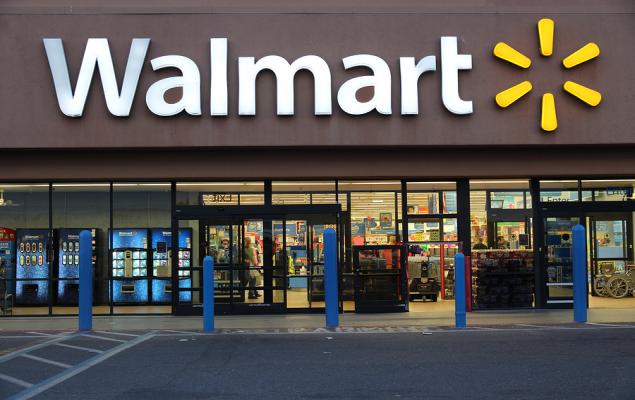
美国关税成本全面转嫁至消费端!零售巨头集体预警新一轮涨价潮
智通财经网· 2025-09-01 00:22
Group 1 - The U.S. consumers are facing a new wave of price increases as companies from food giants to hardware chains warn that tariff costs are being passed on to retail prices [1][2] - Major retailers like Walmart, Target, and Best Buy have indicated that tariff-related price hikes are gradually reflected in the costs of grocery items, home goods, and electronics [1] - J.M. Smucker warned of a 22% drop in coffee profits due to tariffs, leading to further price increases [1] - Hormel Foods noted a sharp rise in commodity input costs after its quarterly performance fell short of expectations, resulting in a 12% drop in its stock price [1] - A recent ruling by a federal appeals court deemed most of Trump's global import tariffs unconstitutional, adding uncertainty to future costs for retailers and consumers [1] Group 2 - The former CEO of Gap expressed that the current situation is beyond control, indicating that businesses cannot determine the relationship between product costs, retail pricing, and profit margins [2] - Retail executives warned that more price increases are imminent as new inventory is procured at higher costs [2] - Walmart's CEO mentioned that the company is trying to maintain low prices as long as possible, but costs are expected to continue rising into the third and fourth quarters [2] - The economic pressure is forcing retailers to weigh how much cost can be absorbed and how much will inevitably be passed on to consumers [2] - A consumer confidence survey showed a nearly 6% decline in August compared to July, with inflation expectations rising from 4.5% to 4.8% [2] Group 3 - Consumer behavior in the U.S. is changing, with households across income levels becoming more selective about where and how they spend [3] - Whirlpool's CEO noted that consumers are starting to purchase lower-end products, while Procter & Gamble observed a slight downgrade in brand preferences [3] - The concept of "alternative consumption" is emerging, where consumers opt for cost-effective substitutes rather than purely downgrading [3] - Retailers like TJX, Ross, and Marshall's are benefiting as consumers seek lower-priced brand items [3]


沃尔玛推出人工智能“超级代理”优化购物体验
Sou Hu Cai Jing· 2025-08-31 11:27
编辑:王昕宇 (央视财经《天下财经》)据美国CNBC30日报道,沃尔玛宣布推出一套由人工智能驱动的"超级代 理",旨在改善顾客的购物体验、简化运营。据报道,这四种"超级代理"分别是顾客代理——自动生成 购物清单并下单;员工代理——集成销售数据查询等功能,将门店决策流程从平均48小时压缩至15分 钟;商业伙伴代理——为供应商提供动态库存管理以及开发者代理——开放平台接口,加速全业务场景 人工智能产品开发。 转载请注明央视财经 ...
2025年世界500强企业公布,美国独占138家,日本跌至38家,中国呢
Xin Lang Cai Jing· 2025-08-30 16:36
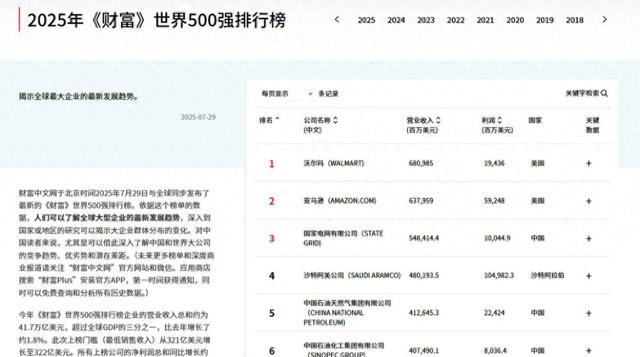
Core Insights - The latest Fortune Global 500 list reveals that the United States leads with 138 companies, while Japan has significantly dropped to 38 companies, indicating a stark contrast in economic performance and corporate strength between these nations [1][3][9]. Group 1: United States - The United States maintains its dominance with 138 companies on the Fortune Global 500 list, showcasing a strong economic core [3]. - Walmart continues to hold the title of the world's largest company with revenues of $680.9 billion and a net profit of $19.4 billion, marking its 12th consecutive year at the top [4]. - Other major U.S. companies, including Apple and CVS Health, also feature prominently, with the U.S. occupying over half of the top 11 spots on the list [6]. Group 2: Japan - Japan's representation on the list has drastically decreased from 149 companies in the 1980s to just 38 this year, highlighting ongoing challenges [9]. - Toyota, Japan's flagship company, ranks 15th with revenues of $315.1 billion and a net profit of $31.2 billion, but faces significant competition from emerging electric vehicle manufacturers [11]. - Factors contributing to Japan's decline include severe population aging, slow innovation rates, and external trade challenges [13]. Group 3: China - China has 130 companies on the list, a decrease of 8 from the U.S. and 3 from the previous year, yet it shows signs of structural optimization and growth in emerging industries [14]. - Major Chinese firms like China National Petroleum and Sinopec rank 5th and 6th, respectively, with revenues of $412.6 billion and $407.5 billion, reflecting strong performance in traditional energy sectors [16]. - The automotive sector in China is thriving, with BYD making significant strides, ranking 91st after a 52-position increase, driven by advancements in battery technology [19].




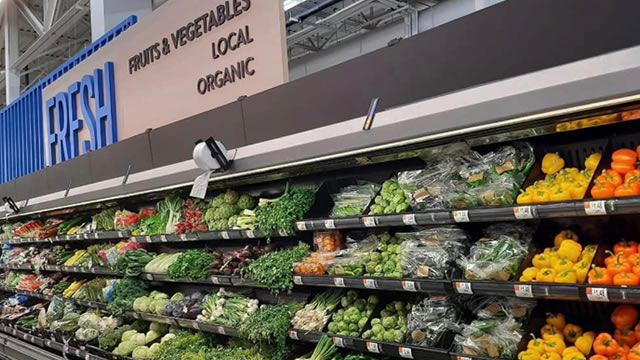
Walmart's latest AI innovations represent a shift for big retail
CNBC· 2025-08-30 13:00
Core Insights - Retailers are facing challenges in sustaining revenue growth due to consumer spending concerns driven by tariffs, inflation, and economic pressures, leading to a focus on personalized experiences and artificial intelligence [1] Group 1: Walmart's Innovations - Walmart is introducing "super agents" to enhance efficiency for both workers and shoppers, with four specific agents launched at the Retail Rewired event [2] - The "Associate Agent" serves as a centralized access point for associates to interact with various agents, improving user experience through personalized learning [4] - Walmart's digital twin technology allows for proactive issue detection and maintenance cost reductions, achieving a 30% decrease in emergency alerts and a 19% reduction in refrigeration maintenance costs [5] Group 2: AI and Machine Learning Applications - Retailers are increasingly utilizing digital twins to optimize operations, leading to improved labor allocation and enhanced robotic picking accuracy, which are crucial for maintaining margins [6] - The implementation of machine learning at Walmart aims to better predict delivery times, thereby managing customer expectations and increasing operational efficiency [8] - The "Sparky" agent assists shoppers in creating personalized shopping baskets and is being developed to automate product reordering, reducing cognitive load for consumers [9]
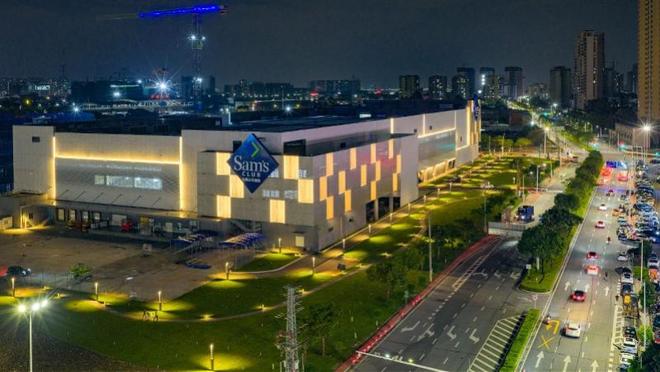
中山山姆店将于9月10日正式开业
Nan Fang Du Shi Bao· 2025-08-30 12:49
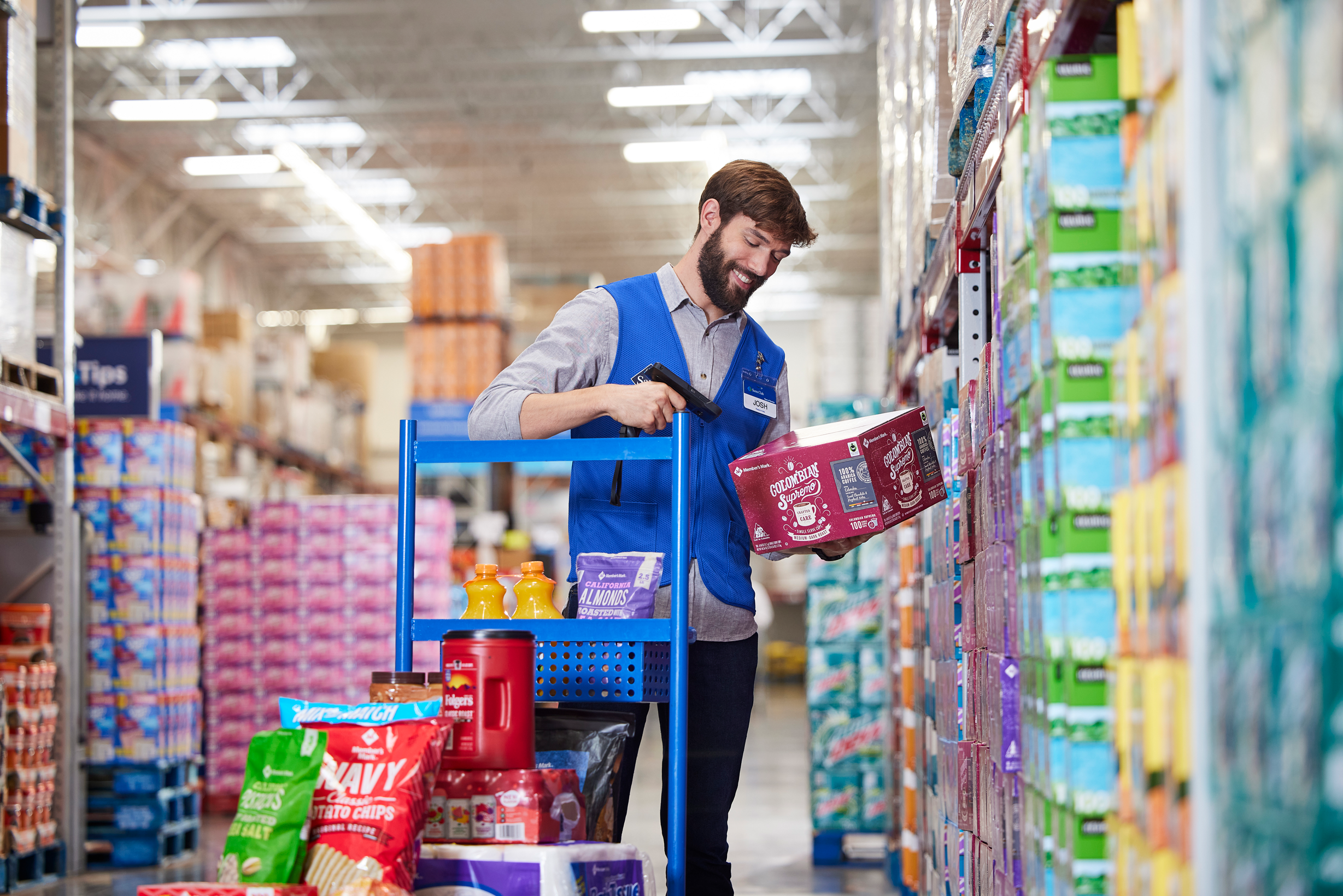
Core Insights - The Sam's Club in Zhongshan is set to officially open on September 10 [1] - Sam's Club is a high-end warehouse membership store under Walmart, which is a Fortune 500 company [3] - The store has over 800 locations globally and offers 3,000 to 4,000 differentiated products sourced from over 30 countries [3] - Sam's Club provides high-quality and safe fresh food, along with over 700 private label products under the Member's Mark brand, catering to more than 50 million individual and business members [3]
1 Reason I Think Walmart Stock Is a Warren Buffett-Worthy Investment in 2025
The Motley Fool· 2025-08-30 10:03
Core Insights - Warren Buffett underestimated Walmart's potential in the e-commerce era, despite his previous praise for the company [1][2][6] - Walmart has shown significant growth in e-commerce sales, with a year-over-year increase of 25% in the second quarter of fiscal 2025 [3][10] - The company has outperformed Amazon since 2019, indicating a strong recovery and adaptation to the e-commerce landscape [3] Company History - Buffett held Walmart stock from 2005 to 2018, during which it was one of Berkshire Hathaway's largest holdings [2] - He began selling Walmart shares in 2015, expressing concerns about the retail sector's competition with Amazon [2] Current Performance - Walmart remains the largest retailer globally, leveraging its 4,600 domestic stores as distribution hubs, which enhances its competitive edge against Amazon [10] - The company reported a 50% increase in store deliveries year-over-year in the second quarter, with a third of deliveries completed in under three hours [10] Financial Strategy - Walmart has consistently raised its dividend for 52 years, demonstrating a strong commitment to shareholder value [11] - The company is absorbing tariff impacts, allowing it to maintain competitive pricing and value for customers [11] Investment Perspective - Buffett's investment strategy focuses on companies with excellent management and significant roles in the economy, which aligns with Walmart's market position [7][12] - Walmart's essential products and discount pricing strategy position it well to gain market share during economic downturns [12]
萨尔瓦多迎来沃尔玛2.6亿美元五年投资大计
Jing Ji Guan Cha Bao· 2025-08-30 09:47
Core Viewpoint - Walmart Mexico and Central America plans to invest $260 million in El Salvador over the next five years, starting with a new supercenter in Santa Tecla aimed at regional development [1] Investment Details - The investment will be allocated for opening new stores, renovating existing ones, upgrading factories and distribution centers, enhancing logistics networks, and improving technology to support the company's omnichannel strategy [1] New Store Features - The new Santa Tecla store will be Walmart's seventh supercenter in the country and the 103rd nationwide, featuring over 200 parking spaces, an online order pickup area, and self-checkout stations [1] - The store will incorporate sustainable technologies, including a solar power system, electric vehicle charging stations, and a zero greenhouse gas emission CO2 refrigeration system, along with mercury-free LED lighting and water-saving fixtures [1]
Could Walmart Become a Trillion-Dollar Company?
The Motley Fool· 2025-08-30 07:55
Core Insights - Walmart is on a trajectory towards a trillion-dollar market cap, currently valued at approximately $767 billion, making it the largest consumer staples company globally [1][4][11] Company Overview - Walmart operates a diversified business model that includes club stores, grocery stores, and superstores, unlike Costco, which focuses solely on club stores [3][4] - The market cap of Walmart exceeds that of Costco by over $350 billion, with Costco's market cap around $415 billion [4] Financial Performance - Walmart has achieved the status of Dividend King, with over five decades of annual dividend increases, indicating a strong and resilient business model [5] - The company is focused on profit growth rather than merely increasing store count, having fewer stores now than in fiscal 2016 [6] Market Capitalization Insights - Market cap is calculated by multiplying stock price by the number of outstanding shares, serving as an indicator of company growth [8][9] - Walmart's stock appears expensive based on its price-to-sales, price-to-earnings, and price-to-book-value ratios, all above their five-year averages [10] Long-term Outlook - Despite current valuation concerns, Walmart's historical performance and inflationary trends suggest continued growth, making it a potential long-term investment opportunity [11]

X @The Wall Street Journal
The Wall Street Journal· 2025-08-29 21:40
Product Recall - Kroger 和 Walmart 因放射性暴露召回更多虾产品 [1] - 召回产品包括 Walmart 商店出售的鸡尾酒虾和 Kroger 旗下 Mercado 冷冻熟虾 [1]
