Synchron

Search documents
脑机接口:Neuralink 已在 21 名患者中开展试验;与Medtronic精准医疗合作;Altman的 Merge Labs 进展-Brain Computer Interfaces-Neuralink Hits 21 Patients; PrecisionMedtronic Partnership; Altman's Merge Labs
2026-02-27 04:00
February 25, 2026 11:27 AM GMT Brain Computer Interfaces | North America Neuralink Hits 21 Patients; Precision/Medtronic Partnership; Altman's Merge Labs We highlight some key happenings across the BCI industry: Neuralink is scaling implants and plans mass production in 2026, Sam Altman's Merge Labs emerged from stealth with OpenAI backing, Precision and Medtronic reach agreement to develop joint-system, China expected to add BCI to Five Year Plan. Morgan Stanley does and seeks to do business with companies ...
马斯克的脑机接口,为什么一定要在头顶上开个洞?
Sou Hu Cai Jing· 2026-02-25 07:39
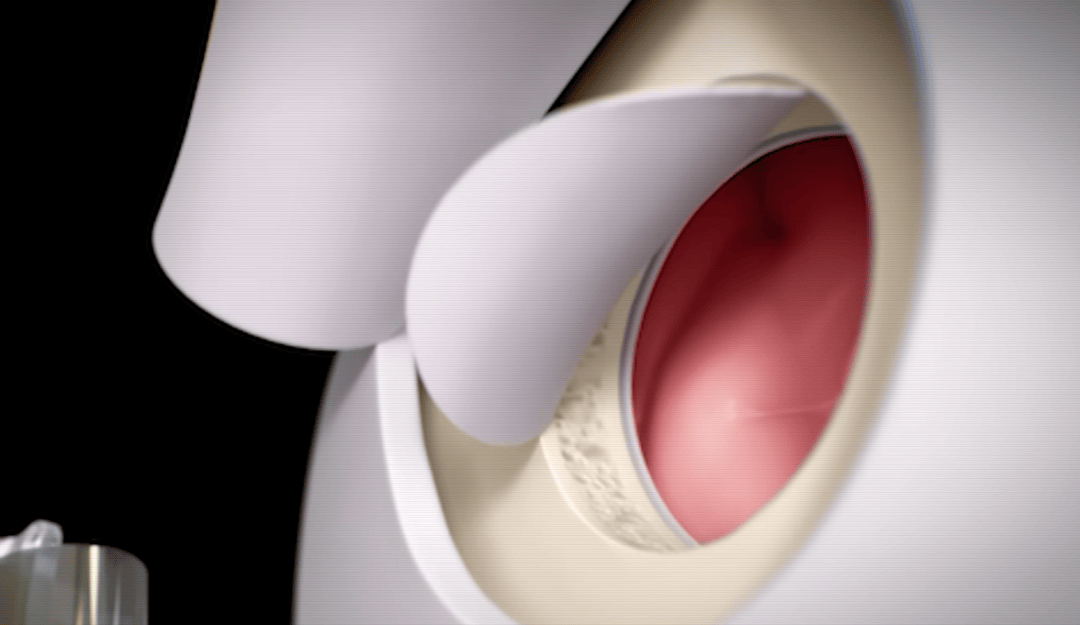
在我们的大脑上开个 25mm 的孔,再用跟红细胞大小差不多的针,往大脑里插入 128 根电极束,每根电极束上又有 8 个有传感器的电极。 也就是说,要往大脑里插入超过1000个电极,这 1000 个电极接在植入体上,植入体通过螺丝固定在头骨,弥补缺失的头骨,缝上头皮。 这就是马斯克的脑机接口公司 Neuralink 最新公布的脑机接口手术。 目前已经有 13 位高位截瘫患者和渐冻症患者接受了脑机接口手术,在术后通过练习,他们重新获得了行动能力,还能玩游戏。 因为脑机接口,也就是 BCI 或者说是 BMI,恰好处于生物、材料交叉的领域。 我们先来聊一下脑机接口的原理。 另一家脑机创业公司脑虎科技,也帮助一个因为车祸瘫痪近 3000 多天的患者,把玩游戏、操控电器的意念变成了现实。 不只是马斯克的公司,在国内,脑智卓越中心联合华山医院,在给瘫痪患者接上脑机接口后,可以实现控制轮椅移动,指挥机器狗取外卖,甚至还能重新回 归工作。 所以这次我们来聊一聊脑机接口这一中外都受到关注的领域。 脑机接口是什么?是不是一定要打开脑子插入电极? 这项技术离实际应用,甚至是全脑接口,还有哪些需要跨越的障碍? 21 世纪是属于生物的 ...

中信证券:脑机接口DeepSeek时刻将至,认知“升维”新纪元
Xin Lang Cai Jing· 2026-02-24 01:56
▍脑机接口进入3.0时代,百花齐放指日可待。 脑机接口(brain-computer interface,BCI)是指在大脑与外部设备之间建立直接交互的通信和控制通 道。据中国信通院,目前脑机接口进入3.0时代:"感知+刺激+控制"深度融合。从产业发展维度看:脑 机接口进入突破落地阶段,脑机接口主要可分为有创和无创两大类,有创还可分为全侵入式、半侵入式 和介入式。在有创领域,国产厂商逐步推进临床转化;无创领域相关公司正逐步推进产品的上市注册, 商业化放量指日可待。 炒股就看金麒麟分析师研报,权威,专业,及时,全面,助您挖掘潜力主题机会! 中信证券研究 文|陈竹 宋硕 曾令鹏 陈逸飞 国产首款植入式脑机接口产品近期将申请上市注册,料国内脑机接口行业将迎来DeepSeek时刻。在"政 策+资本+技术"等多重因素催化下,国内脑机接口商业化进程加速推进,料未来将逐步从"神经康 复"到"认知提升"再到"脑机融合"时代迈进。上游技术瓶颈正突破,中游中美齐头并进,下游星辰大 海。我们综合梳理三条投资主线:1)有创领域取得技术突破或优异临床效果的龙头企业。2)无创领域 应用落地场景多元化,具备较强商业化销售能力的龙头企业。3 ...

东北证券:脑机接口聚焦落地 把握三大主线
智通财经网· 2026-02-09 06:20
核心技术:壁垒凸显,中外同步突破 智通财经APP获悉,东北证券发布研报称,当前脑机接口产业正处于"技术验证向商业化初期过渡"的关 键节点,医疗康复领域因需求刚性、政策支持,成为率先实现规模化落地的核心赛道。建议重点关注三 类标的:一是非侵入式产品商业化领先企业;二是侵入式/介入式技术临床突破标的;三是产业链核心部件 供应商。同时重点跟踪三大催化因素:医保支付范围扩围、海外头部企业技术路线映射、一级市场硬科 技企业上市进程。 东北证券主要观点如下: 脑机接口 脑机接口BCI作为突破生物神经边界的颠覆性人机交互技术,核心通过"读脑解码"与"写脑编码"的双向 通信机制,搭建大脑与外部设备的直接连接通道,是未来人机融合的核心载体。目前行业已形成侵入 式、半侵入式、非侵入式三大技术路径,历经百年技术积淀,已逐步从实验室研发阶段迈向临床落地与 产业规模化初期。 市场空间:医疗为核,增长明确 全球市场层面,2024年脑机接口市场规模已达26.2亿美元,据Precedence Research预测,2025-2034年行 业复合增长率将维持17.35%,至2034年市场规模有望突破124亿美元;国内市场呈现稳步扩容态势,20 ...

“脑科学”的新淘金热
3 6 Ke· 2026-02-06 13:37
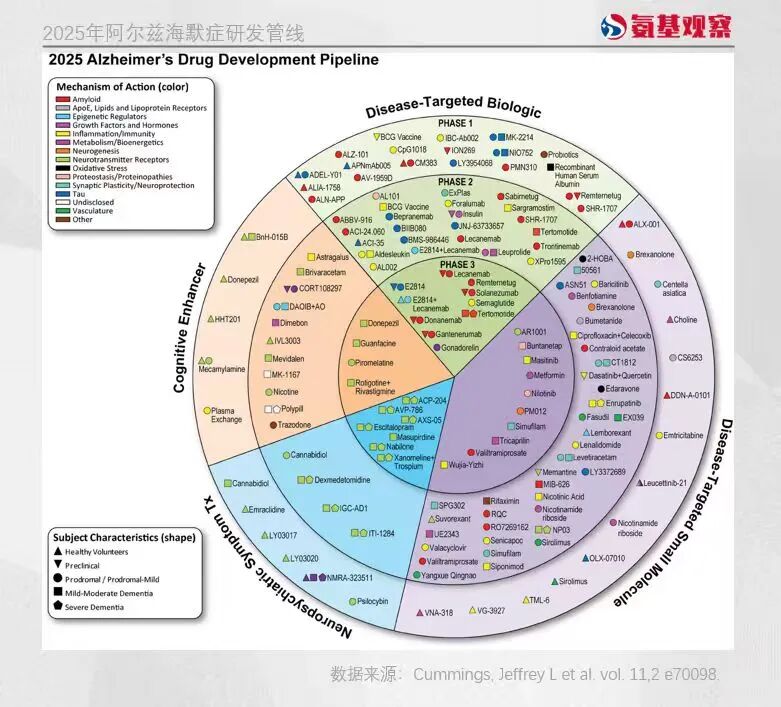
Core Insights - Neuroscience has historically been viewed as a high-risk area in pharmaceutical R&D, particularly for conditions like Alzheimer's disease and schizophrenia, due to complex pathophysiological mechanisms leading to high failure rates [1] - Recently, there has been a notable shift as the neuroscience sector is gaining momentum, driven by commercial success in Alzheimer's treatments and advancements in technologies such as small molecules, RNAi, cell therapy, and AI [1][6] - The combination of technological breakthroughs and market confidence is prompting multinational corporations (MNCs) to engage in mergers, acquisitions, and collaborations, signaling a potential "gold rush" in neuroscience [1] Industry Trends - The number of clinical trials and transactions in the neuroscience field is increasing, with 138 new drugs currently undergoing 182 clinical trials for Alzheimer's disease, marking a 9% increase from 2024 [2] - Over the past five years, more than 200 new clinical trials have been initiated for Alzheimer's disease, depression, and Parkinson's disease, indicating a growing interest in these areas [5] Market Developments - Confidence in the sector is rising, particularly due to breakthroughs in Alzheimer's treatments, such as Biogen's Leqembi, which achieved sales of $214 million in 2024 and $121 million in Q3 2025, reflecting an 82% year-over-year increase [6] - The approval of diagnostic methods, such as the Elecsys® pTau181 blood test by Roche and Eli Lilly, is enhancing the efficiency of Alzheimer's diagnosis and treatment [7] Technological Innovations - Emerging technologies like brain-computer interfaces and brain stimulation devices are becoming part of the investment narrative in neuroscience, with companies like Neuralink and Synchron conducting human clinical trials [8] - Advances in biomarkers and imaging agents are improving patient stratification in drug development, enhancing predictability of treatment efficacy [8] Policy Support - Significant government investments in brain science initiatives, such as the U.S. "Brain Initiative" with over $4 billion funding from 2014 to 2023, and China's brain plan with a budget exceeding 5 billion yuan, are fostering growth in the sector [8] Treatment Paradigms - The treatment landscape for Alzheimer's is evolving, with new therapies targeting Tau proteins gaining prominence over traditional Aβ-targeting approaches [9] - Innovations in drug delivery methods, such as brain-penetrating antibodies and RNAi technologies, are redefining treatment boundaries in neuroscience [11][12] Conclusion - After decades of exploration, the neuroscience field is experiencing unprecedented research intensity and commercialization, marking the onset of a new "gold rush" in the industry [13]


2026前沿科技趋势:塑造自己的下一个版本
3 6 Ke· 2026-01-30 09:58
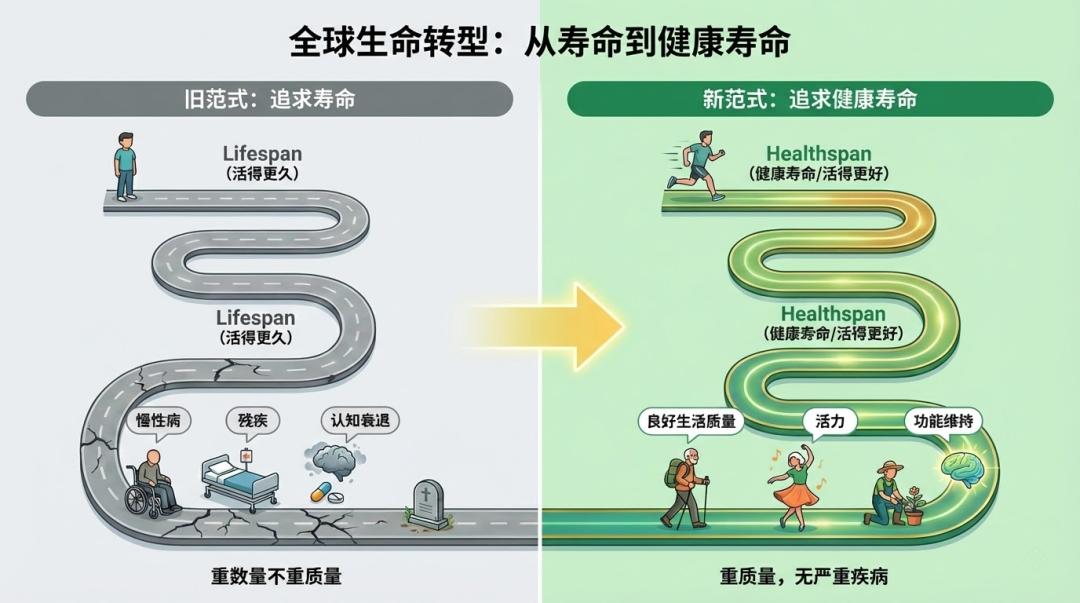
Group 1 - The rapid evolution and application of artificial intelligence and cutting-edge technologies are causing societal adaptation challenges, leading to feelings of uncertainty among people [1][2] - The focus of technological advancement should be human-centered, with an emphasis on shaping a better future through technology by 2030 [2] Group 2 - The "third transformation" of human life aims to extend healthy lifespan rather than just lifespan, with significant implications for global health and economy [3][5] - Human life expectancy has doubled over the past century, but the growth rate has significantly slowed down, with some regions experiencing stagnation or decline [4] - By 2030, the quality of life is projected to be a major focus, with non-communicable diseases potentially costing the global economy up to $47 trillion if not addressed [5] Group 3 - Advances in gene therapy and artificial intelligence are expected to play crucial roles in extending healthy lifespan, with technologies like CRISPR and AI enhancing medical capabilities [9][17] - Clinical breakthroughs in preventive gene therapy and RNA therapies are showing promise in treating chronic diseases effectively [10][12] - Epigenetic reprogramming is emerging as a potential method to reverse aging, with ongoing research aiming for clinical trials by 2026 [15] Group 4 - Artificial intelligence is set to enhance medical efficiency and understanding of human health, with applications in drug development, disease screening, and personal health management expected to yield significant results by 2030 [17][18] - AI is accelerating drug development processes, reducing timelines from years to months, and improving the success rates of new treatments [18][19] Group 5 - The development of exoskeleton technology is enhancing human physical capabilities, with applications in medical rehabilitation, industrial safety, and personal use expected to expand significantly [24][25] - Innovations in exoskeletons are making them more adaptable and user-friendly, with advancements in sensor technology and materials [28][30] Group 6 - The eVTOL market is projected to grow significantly, with advancements in battery technology and noise reduction strategies being critical for its acceptance and integration into urban transportation [31][32] - The evolution of drones into autonomous aerial robots is enhancing their capabilities for both consumer and industrial applications [34] Group 7 - The development of brain-computer interfaces (BCIs) is transforming the treatment of neurological conditions and enhancing human capabilities, with both invasive and non-invasive technologies showing promise [51][54] - BCIs are moving from experimental to standard treatment options for conditions like paralysis, with significant advancements in technology and regulatory approval processes [52][53]
2026前沿科技趋势:塑造自己的下一个版本
腾讯研究院· 2026-01-30 08:18
Core Insights - The article emphasizes the rapid evolution and application of artificial intelligence and cutting-edge technologies across various fields, urging a human-centered approach to technological advancement [3][4][5]. Group 1: Human Life's "Third Transformation" - Extending Healthy Lifespan - Human life expectancy has doubled over the past century, with significant improvements attributed to public health, antibiotics, and vaccines [7]. - Recent research indicates a dramatic slowdown in the growth rate of life expectancy, with the average increase dropping to below 0.25 years per decade in the last 30 years [8]. - A shift is occurring from merely extending lifespan to enhancing healthspan, which is the period of life spent in good health, with potential economic implications of up to $47 trillion in costs from non-communicable diseases by 2030 [9]. Group 2: Programmable Life - Gene Therapy - Gene therapy is moving towards optimizing the "life code," with advancements in CRISPR technology and delivery systems expected to mature by 2030 [11]. - Clinical breakthroughs in preventive gene therapy, such as Verve Therapeutics' treatment for cardiovascular disease, show promising results with significant reductions in LDL-C levels [12]. - The success of personalized CRISPR therapy in curing a fatal metabolic disease in a patient highlights the potential of gene therapy [14]. Group 3: Health Planning - AI Enhancing Medical Efficiency - AI is set to revolutionize drug development, disease screening, and personal health management by 2030, significantly reducing the time and cost associated with traditional drug development [21]. - AI combined with multi-omics technology is facilitating faster and more accurate disease screening, with notable advancements in cancer detection [23]. - Aging clock technology is evolving, enabling precise monitoring of aging processes and identifying underlying causes of aging [25]. Group 4: Enhancing Physical Capability - Exoskeleton Technology - Exoskeleton technology is advancing to enhance human physical capabilities, with applications in medical rehabilitation, industrial safety, and personal use [30]. - In the medical field, exoskeletons are evolving from mere mobility aids to intelligent devices that promote neurological recovery [31]. - Consumer-grade exoskeletons are expected to become popular for outdoor activities, significantly improving mobility for users [32]. Group 5: Flying Technology - eVTOL Development - The eVTOL market is projected to reach $41 billion in China by 2040, with significant advancements in battery technology expected to triple flight ranges [37]. - Noise reduction technologies are being explored to enhance social acceptance of eVTOLs, with strategies like "noise corridors" being implemented [38]. - The evolution of drones into aerial robots is enhancing capabilities in both consumer and industrial applications, with significant advancements in autonomous operations [40]. Group 6: Brain-Machine Interfaces - A New Era of Interaction - Brain-machine interfaces (BCIs) are transitioning from experimental therapies to standard treatment options for conditions like paralysis, with companies like Neuralink leading the way [61]. - Non-invasive BCIs are emerging, allowing for enhanced human-computer interaction, with applications in consumer technology [63]. - The integration of BCIs with AI could redefine human-AI collaboration, raising ethical considerations regarding privacy and data protection [64].

招商证券:2025年国内政策明显加码 脑机接口产业爆发临界点将至
智通财经网· 2026-01-30 02:37
Core Insights - The brain-computer interface (BCI) technology is at a critical industrial turning point, transitioning from academic exploration to commercial application, driven by policy and demand [1][4] - The medical field is the primary battlefield for BCI applications, accounting for 56% of the market, while non-medical sectors such as consumer, industrial, and education represent a combined 44%, indicating strong expansion potential [2][3] Industry Overview - BCI technology enables direct communication between the brain and external devices, facilitating bidirectional interaction from neural signals to control commands. The technology is categorized into invasive, semi-invasive, and non-invasive methods, with no absolute superiority among them; suitability depends on specific applications [1][3] - The global BCI market is projected to grow from $1.98 billion in 2023 to $7.63 billion by 2029, with China's market expected to reach 1.73 billion yuan in 2023, increasing its global share to 12.5% [2] Development Challenges - The BCI industry faces several challenges, including balancing high-throughput, high signal-to-noise ratio signal acquisition with long-term biocompatibility, and the need for breakthroughs in decoding algorithms and adaptive control precision [3] - Clinical challenges include the need for large-scale trials to verify the long-term safety and efficacy of invasive products, as well as the maturity of indication definitions, surgical standardization, and postoperative management systems [3] Global and Domestic Progress - The global BCI industry ecosystem is rapidly developing, with leading companies like Neuralink and Synchron innovating in high-throughput flexible implants and vascular interventions to enhance brain signal acquisition and interaction systems [4] - In China, significant progress has been made in system integration and application implementation, with a diverse enterprise matrix represented by companies such as Strong Brain Technology (non-invasive), Borui Kang (semi-invasive), and Xinwei Medical (interventional) [4] Relevant Companies - Key players in the primary market include Strong Brain Technology, Borui Kang, Ladder Medical, and others; in the secondary market, upstream companies like Maipu Medical and Meihao Medical, midstream companies like Xinwei Medical-B and Xiangyu Medical, and downstream companies like Sanbo Neuroscience are notable [5]

科技巨头竞争:从AI迈向脑机接口
Xin Lang Cai Jing· 2026-01-20 05:30
Core Insights - OpenAI's investment in Merge Labs signals a competitive shift in the brain-computer interface (BCI) sector, indicating it may become a focal point in the next wave of technological competition [1][5] - The BCI market is projected to grow significantly, with estimates suggesting it could exceed $10 billion by 2030 [8] Group 1: Company Developments - Merge Labs has raised $252 million in funding, led by Bain Capital, with OpenAI as the largest investor, bringing the company's valuation to $850 million [2][3] - Unlike Neuralink, Merge Labs aims to develop non-invasive BCI technologies that connect neurons using molecules rather than electrodes, avoiding the need for surgical implantation [3] - OpenAI plans to collaborate with Merge Labs to develop foundational models and advanced tools, enhancing the technological progress in the BCI field [4] Group 2: Competitive Landscape - The competition between OpenAI and Neuralink is intensifying, as both companies are vying for dominance in the BCI market, which is characterized by significant financial stakes and long-term public rivalry [5][6] - Other startups like Paradromics, Precision Neuroscience, and Synchron are also actively developing BCI technologies, indicating that the competition extends beyond just OpenAI and Neuralink [6] Group 3: Market Potential - The global BCI market is expected to reach approximately $1.27 billion by 2025, with a potential to surpass $10 billion by 2030, highlighting the substantial growth opportunities in this sector [8] - China's BCI sector is rapidly advancing, with significant investments and government support aimed at achieving key technological breakthroughs by 2027 [9][10] Group 4: Industry Trends - The integration of AI in BCI technology is anticipated to enhance user interaction and operational reliability, positioning BCI as a critical interface for future human-computer interactions [4][7] - The BCI field is evolving into a strategic battleground for major tech companies, with the potential to redefine human capabilities and interactions with technology [7][10]
财经观察:科技巨头竞争从AI迈向脑机接口
Huan Qiu Shi Bao· 2026-01-19 22:40
Core Insights - OpenAI's investment in Merge Labs signals a competitive shift towards brain-computer interface (BCI) technology, indicating it may become a central focus in the next tech race [1][6] - The BCI market is projected to grow significantly, with estimates suggesting it could exceed $10 billion by 2030 [10] Investment and Company Developments - Merge Labs has raised $252 million in funding, led by Bain Capital, with OpenAI as the largest investor, bringing its valuation to $850 million [3][4] - The company aims to develop non-invasive BCI technologies that connect humans and AI without the need for surgical implants [4][9] Competitive Landscape - The competition between OpenAI and Neuralink, founded by Elon Musk, highlights a personal rivalry that may elevate public interest in the BCI sector [4][7] - Other startups like Paradromics, Precision Neuroscience, and Synchron are also actively developing BCI technologies, indicating a broader competitive environment beyond just two companies [7] Technological Implications - AI is expected to enhance BCI development by enabling systems that can understand user intent and operate reliably, potentially making Merge Labs a key player in integrating AI with BCI [5][9] - Current BCI technologies allow paralyzed patients to control devices, but future advancements could enable more complex tasks, marking a significant technological paradigm shift [8] Market Trends and Future Outlook - The global BCI market is anticipated to reach approximately $1.27 billion by 2025, with significant investments already made in both invasive and non-invasive technologies [10][14] - China's rapid development in the BCI field, supported by government initiatives, positions it as a strong competitor to the U.S., particularly in non-invasive applications [12][13]