
Rapidus

Search documents
日本造出本土首颗2nm晶体管
Guan Cha Zhe Wang· 2025-07-21 06:53
Core Viewpoint - Japan has made significant progress in its $34 billion (approximately ¥4.4 trillion) 2nm chip project, led by the government-supported startup Rapidus, which has successfully produced Japan's first 2nm transistor, although details on product quality and customer attraction remain limited [1][3][6]. Group 1: Project Overview - Rapidus has achieved a milestone by producing a functional 2nm transistor and is collecting data to improve chip manufacturing processes [3][6]. - The company aims to control defect rates at 50% initially, with a future target of 10%-20% [5][6]. - The project is part of Japan's strategy to rebuild domestic chip manufacturing capabilities, with support from major companies like Toyota, NTT, and Sony [6][7]. Group 2: Financial Aspects - The Japanese government has committed up to ¥1.7 trillion (approximately $11.5 billion) to support Rapidus, which is higher than the ¥1.2 trillion (approximately $8.1 billion) allocated for TSMC's factories in Kumamoto, Japan [7]. - The total estimated cost of the chip manufacturing project is ¥5 trillion (approximately $34 billion), raising concerns about the financial burden on taxpayers [7]. - Rapidus aims to secure an additional ¥200 billion (approximately $1.3 billion) in investments from government and private sectors this year [7][8]. Group 3: Competitive Landscape - Rapidus faces significant competition from established players like TSMC, Intel, and Samsung, which dominate the advanced chip market [9][10]. - TSMC holds a 67.6% market share in the global foundry market, while Rapidus is still in the early stages of development [9][10]. - The company is adjusting its business model to offer faster factory response times and is willing to produce custom chips in small batches [8]. Group 4: Technical Challenges - The project relies on EUV lithography technology, which is crucial for producing 2nm semiconductors [6][8]. - Rapidus is one of the first companies to commercialize fully single-wafer processing, which is central to its rapid unified manufacturing services [6][8]. - The introduction of gate-all-around (GAA) transistor design represents a significant technological shift, and Rapidus is collaborating with IBM to leverage this technology [8][9]. Group 5: Workforce Issues - Japan faces a shortage of skilled engineers, with many experienced professionals nearing retirement and younger engineers still in training [12]. - Rapidus is attempting to address this gap through partnerships with IBM and startups like Tenstorrent [12].

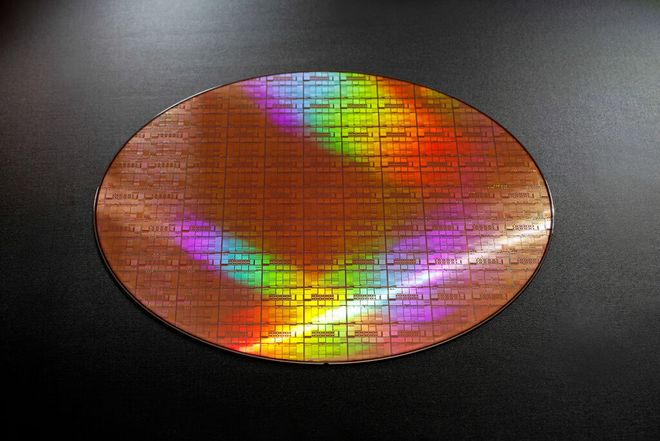
马斯克宣布将推出儿童版AI应用“Baby Grok”;OpenAI达IMO金牌水平,数学家陶哲轩回应丨全球科技早参
Mei Ri Jing Ji Xin Wen· 2025-07-21 03:05
Group 1 - Elon Musk announced the development of a child-friendly AI application called "Baby Grok" by his company xAI, which aims to explore a new niche market and potentially impact xAI's valuation [1] - Meta's Chief Global Affairs Officer stated that the company will not sign the EU's voluntary AI Code of Conduct, which may affect Meta's compliance costs in the EU market and spark discussions on AI regulation transparency and copyright protection [2] - Japan's Rapidus has developed a prototype of a 2nm advanced chip, with plans to achieve mass production of cutting-edge semiconductors by 2027, which may increase attention on Japan's semiconductor sector and local alternatives [3] Group 2 - DuckDuckGo is introducing a new feature that allows users to filter out AI-generated images from search results, responding to user feedback about the quality of AI content, which could enhance user engagement and positively impact the company's business model [4] - OpenAI's reasoning model achieved a gold medal level in the International Mathematical Olympiad (IMO), demonstrating breakthroughs in complex reasoning and creative thinking, which may attract more attention to the AI sector [5]
日本2nm晶圆厂,韩国教授撰文看衰
半导体行业观察· 2025-07-21 01:22
公众号记得加星标⭐️,第一时间看推送不会错过。 来源:内容来自半导体行业观察综合 。 日本半导体制造商Rapidus 于18日首度公开2奈米制程晶片试作样品,力拼2027年量产。韩国成均馆大学教授权锡俊(音 译,Seok Joon Kwon)并不看好Rapidus的发展,他在脸书发布近万字文章吐槽,还建议可以找买家收购,首选就是台积 电。若无人收购,不妨考虑日韩合作。 以下为文章正文: 日本政府为振兴半导体制造业而雄心勃勃推行的双向战略之一,便是Rapidus项目。我一有机会就在各种媒体上谈论这个 项目,最近的最新消息表明,该项目的方向几乎已成定局。当然,至少在我看来,它的方向会朝着一个糟糕的方向发展。 根据最近披露的数据,Rapidus于2023年9月在北海道千岁地区开始建设其首座晶圆厂——IIM-1晶圆厂,仅用了8个月的 时间,即2024年4月,晶圆厂的框架、洁净室和基础设备就已完工。与此同时,Rapidus于2024年12月引进了ASML的 EUV光刻机设备,这是日本半导体行业首台、全球第五台量产晶圆厂(设备安装仪式于12月18日举行)。更令人惊讶的 是,他们宣布在2024年4月1日启动了中试线,距离设 ...
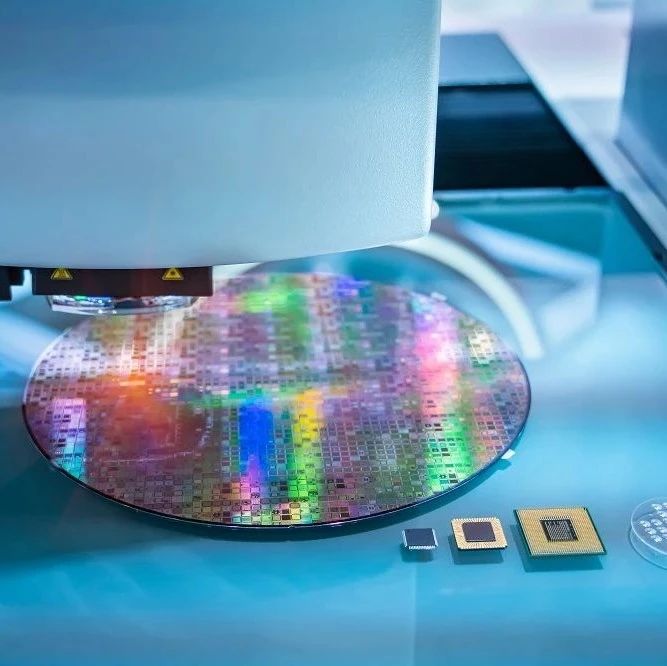
【太平洋科技-每日观点&资讯】(2025-07-21)
远峰电子· 2025-07-20 11:34
Market Overview - The main board saw significant gains with stocks like Dihua Intelligent (+10.03%), Hengwei Technology (+10.02%), and Zhizhen Technology (+10.00%) leading the rise [1] - The ChiNext board also performed well, with Xiling Information (+20.01%) and Century Tianhong (+13.75%) among the top gainers [1] - The Sci-Tech Innovation board was led by Zhongrun Optics (+9.67%) and Qingyun Technology-U (+7.90%) [1] - Active sub-industries included SW Semiconductor Equipment (+1.60%) and SW General Software (+1.31%) [1] Domestic News - Zunheng Semiconductor's self-developed "Glass-based Large Panel Intelligent Packaging TGV Plating Equipment" has been shortlisted for the 2025 provincial first set of major technical equipment, improving advanced packaging efficiency by 50% compared to traditional equipment [1] - Chip Alliance plans to acquire 72.33% of Chip Alliance Yuezhou for 5.897 billion yuan, a strategic move to enhance capabilities in high-end semiconductor manufacturing [1] - Shijia Photon reported high capacity utilization for Fokexima, which has a flexible expansion plan based on market conditions and customer needs [1] - Microchip Technology collaborates with Delta Electronics to develop silicon carbide power solutions, with the agreement including technical training and early access to product samples [1] Company Announcements - Foxit Software announced a change in core technical personnel, with Meng Qinggong no longer serving in his role but retaining his position in the company [2] - Sanhuan Group expects a net profit of 1.128 billion to 1.333 billion yuan for H1 2025, representing a year-on-year growth of 10%-30% [2] - Qingyun Technology reported a reduction in shareholding by a major shareholder, with a decrease from 5.00% to 4.00% after selling 478,000 shares [2] - Nanwei Software announced a share reduction by shareholder Wu Zhixiong, who sold 2,113,600 shares, accounting for 0.3642% of the total share capital [2] International News - Broadcom launched its next-generation network switch chip, Tomahawk Ultra, designed for high-performance computing and AI clusters [3] - Synopsys completed the acquisition of Ansys, expanding its total addressable market to $31 billion and enhancing system design solutions for various industries [3] - Rapidus announced the trial production of 2nm GAA transistors, showcasing its first 30 cm diameter wafer [3] - NVIDIA is actively working on porting CUDA to the RISC-V architecture to enhance GPU parallel processing capabilities [3]

日本2nm晶圆厂,要过三关
半导体行业观察· 2025-07-20 04:06
Core Viewpoint - Japan is making significant efforts to revitalize its advanced semiconductor manufacturing industry, with a focus on achieving mass production of 2nm logic semiconductors by 2027 through the newly established government-private partnership, Rapidus [1][2]. Group 1: Background and Formation - Rapidus was established in 2022 as a joint venture between the Japanese Ministry of Economy, Trade and Industry (METI) and eight leading companies, including Toyota, NTT, Sony, and SoftBank [2]. - The company aims to leverage global cutting-edge technology and has initiated pilot production at its new facility in Hokkaido, Japan, with plans to deliver its first prototype chips as early as July 2023 [2]. Group 2: Challenges Faced - **Capital Requirements**: Rapidus faces a significant funding gap, needing a total investment of 5 trillion yen (approximately 34.5 billion USD) to start mass production. So far, it has secured 1.72 trillion yen in government subsidies and 73 billion yen from initial private investors, but additional funding is still required [3][4]. - **Technological Hurdles**: The company must overcome technical challenges associated with the transition from prototype to mass production. Rapidus has obtained manufacturing technology licenses from IBM for Gate All Around (GAA) chip architecture, which is more complex than traditional designs [5][6]. - **Customer Acquisition**: Establishing a strong customer base is crucial for Rapidus. The company has struggled to secure enough clients since its announcement, although it has opened a subsidiary in Silicon Valley to expand its customer network [8][9]. Group 3: Strategic Partnerships and Future Outlook - Rapidus is collaborating with IBM and IMEC to enhance its technological capabilities, but the success of these partnerships in achieving mass production remains uncertain [6][7]. - The company is focusing on niche markets to differentiate itself from established competitors like TSMC and Samsung, which are also advancing towards 2nm production [9][10]. - The upcoming delivery of prototype chips will be critical for assessing the project's progress and determining future investment and collaboration decisions [10][11].
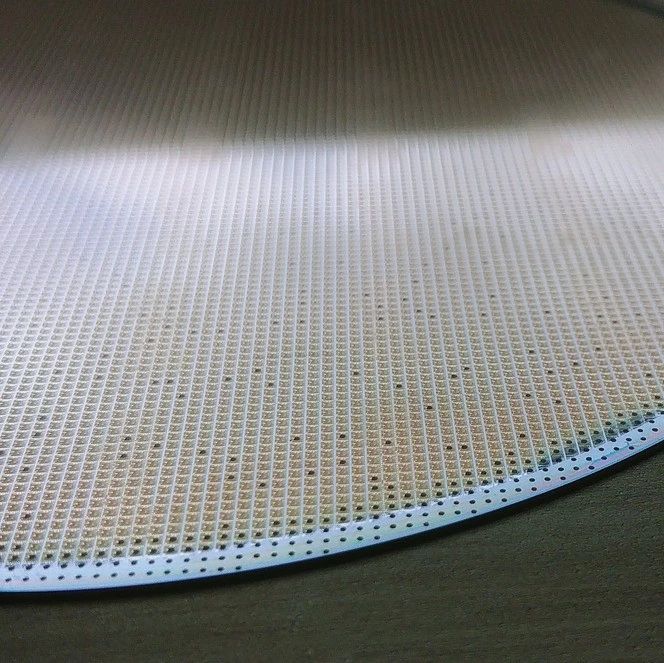
日本2nm,重大进展
半导体芯闻· 2025-07-18 11:07
Core Viewpoint - Rapidus, a company supported by the Japanese government, has made significant progress in the trial production of 2-nanometer chips, marking a milestone in Japan's semiconductor revival efforts, although details on product quality and customer attraction remain limited [1][2]. Group 1: Company Progress and Goals - Rapidus announced the successful manufacturing of its first 2-nanometer transistor in Japan, with plans to optimize the manufacturing process further [1]. - The company aims to control the error rate of its products at 50% initially, with a future target of reducing it to 10%-20% [2]. - The trial production of 2-nanometer chips is set to begin in April 2025, with mass production expected by 2027, which would represent Japan's most advanced chip technology to date [3]. Group 2: Government Support and Financial Aspects - The Tokyo government has committed up to 1.7 trillion yen (approximately 110 billion) in support for Rapidus, exceeding the 1.2 trillion yen allocated for TSMC's factories in Kumamoto [4]. - The total project cost is estimated at 5 trillion yen (about 340 billion), raising concerns about the financial burden on taxpayers [4]. - Rapidus plans to raise 200 billion yen in new investments this year from both government and private sectors, although many companies remain cautious due to the project's high risks [4]. Group 3: Competitive Landscape and Challenges - Rapidus faces significant challenges in establishing global competitiveness, as it aims to enter the market during a technological transition and close the gap with larger international firms [4][6]. - Competitors like TSMC, Intel, and Samsung are also advancing in the semiconductor race, with TSMC planning to start mass production of 2-nanometer chips by the end of 2025 [6]. - Japan is experiencing a shortage of semiconductor engineers, with many experienced professionals nearing retirement age, prompting Rapidus to collaborate with IBM and startups like Tenstorrent to address this issue [7]. Group 4: Business Model and Customer Engagement - Rapidus is developing a new business model aimed at small and medium-sized clients, offering faster factory response times and accepting smaller custom chip orders [5]. - The company intends to create an integrated platform that combines manufacturing, packaging, and some design processes, differing from the traditional industry practice of separating these stages [5]. - Early target customers include AI chip startups like Tenstorrent, and Rapidus is in discussions with several companies, including large tech firms in the U.S. [6].

日本Rapidus确认半导体试制品正常工作 社长称取得突破
news flash· 2025-07-18 08:07
Core Insights - Rapidus has confirmed that its semiconductor prototypes are functioning normally, marking a significant breakthrough in its efforts to localize next-generation semiconductor production in Japan [1] - The company aims to meet the growing demand for advanced semiconductors driven by applications in artificial intelligence and autonomous driving [1] - As of June, Rapidus has connected over 200 semiconductor manufacturing devices in its factory and has begun trial production [1] Company Overview - Rapidus was established in 2022 with investments totaling 7.3 billion yen (approximately 350 million RMB) from eight companies, including Toyota and Sony [1] - The company plans to start mass production of 2-nanometer process semiconductors by 2027, a technology that currently has no commercial precedent globally, with support from IBM [1] Future Plans - Rapidus is steadily planning and preparing for mass production, aiming to achieve the target product qualification rate [1] - The company intends to report progress on its plans to clients [1]
X @Bloomberg
Bloomberg· 2025-07-18 07:48
Company Development - Rapidus has prototyped an advanced chip, marking an early stage in its development [1] - The startup is backed by billions of dollars in public funding from the Japanese government [1] Industry Focus - Rapidus aims to leapfrog years of innovation in the chip industry [1]
日本半导体制造商Rapidus维持2027年量产目标不变
news flash· 2025-07-18 07:42
Core Viewpoint - Japanese semiconductor manufacturer Rapidus maintains its goal of mass production in 2027, having initiated prototype testing for 2nm GAA transistor structures at its innovative integrated manufacturing plant [1] Group 1 - Rapidus has started prototype testing for 2nm GAA transistor structures at its IIM-1 facility [1] - The company is developing a process development kit compatible with the 2nm process, set to be released to early customers in Q1 2026 [1] - Rapidus aims to create an environment for customers to independently develop prototypes [1]
日本半导体制造商Rapidus启动2nm GAA晶体管试制
news flash· 2025-07-18 06:38
Core Insights - Rapidus, a Japanese semiconductor manufacturer, has initiated prototype testing of 2-nanometer Gate-All-Around (GAA) transistor structures at its Innovative Integrated Manufacturing plant (IIM-1) [1] - The prototype wafers have begun electrical parameter testing, indicating progress in advanced semiconductor technology development [1] Company Summary - Rapidus is focusing on cutting-edge semiconductor technology with the development of 2-nanometer GAA transistors [1] - The company has established the Innovative Integrated Manufacturing plant (IIM-1) to facilitate this advanced manufacturing process [1] Industry Summary - The advancement in 2-nanometer technology represents a significant step in the semiconductor industry, highlighting the ongoing trend towards smaller, more efficient transistor structures [1] - The initiation of electrical parameter testing suggests that the industry is moving closer to commercializing next-generation semiconductor technologies [1]