半导体技术创新

Search documents
中微公司:2025年全年净利润同比预增28.74%—34.93%
2 1 Shi Ji Jing Ji Bao Dao· 2026-01-23 10:19
Core Viewpoint - The company expects significant growth in net profit for 2025, driven by advancements in its core semiconductor equipment and new product developments. Group 1: Financial Performance - The company forecasts a net profit attributable to shareholders of 2.08 billion to 2.18 billion yuan for 2025, representing a year-on-year increase of 28.74% to 34.93% [1] - The expected net profit excluding non-recurring gains and losses is projected to be 1.5 billion to 1.6 billion yuan, with a year-on-year growth of 8.06% to 15.26% [1] Group 2: Product Development and Market Position - The company's plasma etching equipment, a core device in semiconductor manufacturing, has gained recognition from more clients, leading to a significant increase in shipments of high-end products for advanced logic and memory devices [1] - Over the past two years, the company has developed more than ten new types of conductor and dielectric film equipment, with several products already in the market and some receiving repeat orders [2] - The company maintains a leading position in the international GaN-based MOCVD equipment market and is actively expanding into markets for SiC and GaN-based power devices [2] Group 3: Production and R&D Capabilities - The company has operational production and R&D bases in Nanchang (140,000 square meters) and Shanghai (180,000 square meters), which support rapid sales growth [2] - The company emphasizes innovation and differentiation, maintaining high levels of R&D investment while improving operational management and cost control [2]

强一股份(688809) - 强一股份首次公开发行股票并在科创板上市招股说明书
2025-12-24 11:47
本次发行股票拟在科创板上市,科创板公司具有研发投入大、经营风险高、业绩不 稳定、退市风险高等特点,投资者面临较大的市场风险。投资者应充分了解科创板 的投资风险及本公司所披露的风险因素,审慎作出投资决定。 强一半导体(苏州)股份有限公司 Maxone Semiconductor (Suzhou) Co., Ltd. 强一半导体(苏州)股份有限公司 招股说明书 (苏州工业园区东长路 88 号 S3 幢) 招股说明书 保荐人(主承销商) (北京市朝阳区安立路 66 号 4 号楼) 首次公开发行股票并在科创板上市 声 明 中国证监会、交易所对本次发行所作的任何决定或意见,均不表明其对发行人注 册申请文件及所披露信息的真实性、准确性、完整性作出保证,也不表明其对发行人 的盈利能力、投资价值或者对投资者的收益作出实质性判断或保证。任何与之相反的 声明均属虚假不实陈述。 根据《证券法》规定,股票依法发行后,发行人经营与收益的变化,由发行人自 行负责;投资者自主判断发行人的投资价值,自主作出投资决策,自行承担股票依法 发行后因发行人经营与收益变化或者股票价格变动引致的投资风险。 1-1-1 强一半导体(苏州)股份有限公司 招 ...
消电ETF(561310)回调超2.6%,半导体迎来技术创新机遇,回调或可布局
Mei Ri Jing Ji Xin Wen· 2025-10-31 06:03
Group 1 - The semiconductor industry is experiencing technological innovation opportunities in the post-Moore's Law era, with new devices, materials, and architectures emerging continuously [1] - The large-scale market is facilitating the application of technology and strengthening the industry, while domestic companies are expected to break through technological blockades, particularly in the lithography machine sector, under the national system [1] - The deep integration of digital technology and manufacturing is driving advanced manufacturing development, with the application of industrial AI systems and high-fidelity simulation tools significantly reducing costs and improving quality [1] Group 2 - The Consumption Electronics ETF (561310) tracks the Consumer Electronics Index (931494), which selects listed companies involved in the manufacturing of smartphones, home appliances, and wearable devices to reflect the overall performance of the consumer electronics industry [1] - This index exhibits high growth potential and technology-driven characteristics, effectively capturing market dynamics and development trends in the consumer electronics sector [1]

长鑫存储:已量产 LPDDR5X 产品
半导体芯闻· 2025-10-29 10:40
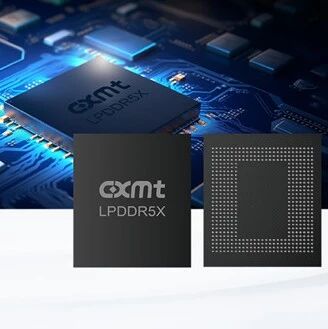
Core Insights - Changxin Storage has officially announced the mass production of its LPDDR5X memory products, which are designed for flagship smart devices and offer significant improvements in capacity, speed, and power consumption compared to the previous generation [1][3]. Group 1: Product Features - The LPDDR5X memory features two single-chip capacities of 12Gb and 16Gb, with a maximum speed of 10667Mbps, representing a 66% increase over the previous LPDDR5 generation and achieving international mainstream standards [1][3]. - The power consumption of LPDDR5X has been reduced by approximately 30%, while maintaining backward compatibility with LPDDR5 [1][3]. Group 2: Packaging Innovations - Changxin Storage has introduced the uPoP® packaging technology, which meets the dual demands of lightweight and high performance for high-end smartphones, significantly enhancing user experience and helping devices overcome performance bottlenecks [3]. - The LPDDR5X series includes packaging options ranging from 12GB to 32GB, with transmission speeds covering the full range from 8533Mbps to 10667Mbps, with the mainstream version at 9600Mbps already meeting the performance needs of domestic flagship smartphones [3]. Group 3: Future Developments - The company is developing an ultra-thin LPDDR5X packaging product with a thickness of only 0.58mm, which, if mass-produced, would become the thinnest product of its kind globally, providing crucial technical support for the lightweight design of smartphones and AR devices [3]. - Changxin Storage has established a mass production system covering multiple product series, including DDR4 and LPDDR5, and is expanding its presence in various fields such as consumer electronics, servers, and industrial control [3].

荷兰半导体,不可小觑
半导体芯闻· 2025-09-12 10:12
Core Viewpoint - The Netherlands plays a crucial role in the global semiconductor industry, with 85% of chips designed, developed, and produced using Dutch semiconductor equipment, highlighting its leadership in this sector [2][4]. Group 1: The Role of the Netherlands - The Netherlands has a significant semiconductor ecosystem with an annual revenue of nearly €30 billion and approximately 60,000 employees [4]. - Key areas of expertise in the Netherlands include chip machine manufacturing, chip design, and packaging, with companies like NXP leading in automotive, security, and connectivity semiconductors [4]. - The collaboration between industry, knowledge institutions, and government is a key factor in the Netherlands' success, fostering innovation across different disciplines [4][5]. Group 2: Investment and Innovation - The Dutch government and private sector have invested €46 million in semiconductor-related projects since 2021, supporting public-private partnerships [5]. - The establishment of the Dutch Semiconductor Board aims to create a joint agenda for the semiconductor industry until 2035, involving major companies and government collaboration [5]. Group 3: European Semiconductor Landscape - The formation of the European Semiconductor Alliance by nine countries, including the Netherlands, aims to enhance Europe's position in the global semiconductor value chain [7]. - Europe's share of global chip sales has drastically decreased from one-third to less than 10%, attributed to insufficient investment in new technologies [7]. - The need for Europe to invest in its semiconductor industry is emphasized due to the critical shortage of raw materials and the importance of maintaining technological autonomy [7]. Group 4: Domestic Challenges - The Netherlands invests 2.23% of its GDP in innovation, which is lower than neighboring countries like Germany, Belgium, and Sweden [8]. - ASML plans to invest €4.3 billion in R&D in 2024, representing about 15% of its total revenue, underscoring the importance of continuous innovation for maintaining competitiveness [8]. - Practical challenges such as nitrogen emission regulations and physical space for semiconductor companies need to be addressed to foster growth in this sector [8].

华为海思高层剧变!
国芯网· 2025-09-11 14:25
Core Viewpoint - The article discusses the recent management changes at HiSilicon, a key semiconductor design company under Huawei, indicating a new management cycle and a focus on technological innovation and strategic implementation [2][4][5]. Group 1: Management Changes - Xu Zhijun has stepped down as the legal representative and chairman of HiSilicon, with Gao Ji taking over the role [2][4]. - Several other executives have also changed, including Hu Houkun and Guo Ping resigning from the board, replaced by Zhang Lei and Hu Bo, with Zhang also serving as the financial officer [4][5]. - The changes signify a new management cycle for HiSilicon, which is crucial for Huawei's semiconductor strategy [4][5]. Group 2: Company Background - HiSilicon was established in October 2004 with a registered capital of 2 billion RMB, focusing on semiconductor design, development, sales, and after-sales services for electronic and communication products [5]. - The company is wholly owned by Huawei Technologies Co., Ltd., emphasizing its integral role within Huawei's broader business strategy [5].

唏嘘!1960年创办的老牌芯片国企被强制清算!
是说芯语· 2025-09-07 12:48
Core Viewpoint - The Shanghai Semiconductor Device Research Institute, once a pioneer in China's semiconductor industry, has been placed under compulsory liquidation due to various operational challenges and inability to adapt to market changes [1][3][4]. Group 1: Historical Achievements - Established in 1960, the Shanghai Semiconductor Device Research Institute was one of the earliest units in China to research and produce semiconductor devices, contributing significantly to national key scientific projects [1][2]. - The institute developed China's first germanium alloy high-frequency transistor, marking a significant milestone in the country's semiconductor industry [1]. - It also successfully created the first PMOS and CMOS integrated circuits, facilitating the advancement of modern electronic information industries [2]. Group 2: Contributions to National Projects - The institute played an irreplaceable role in key national projects, including the "Two Bombs, One Satellite" project, providing high-performance semiconductor devices essential for stable computing operations [2]. - In the aerospace sector, its semiconductor products were utilized in satellites, enhancing communication and control systems, thus supporting China's space exploration efforts [2]. Group 3: Challenges and Decline - The institute faced increasing market competition and operational difficulties, leading to its status change from "active" to "revoked" in 2015, indicating a loss of business qualifications [3]. - Factors contributing to its decline include a slow product update cycle, insufficient market promotion, and a traditional operational structure that hindered responsiveness to market changes [3][4]. - The inability to keep pace with rapid technological advancements in the semiconductor industry resulted in diminished product competitiveness and market share [3][4].

聚焦前沿技术,共话产业未来——"打造工业算力'芯'引擎"技术研讨会即将盛大开幕
半导体行业观察· 2025-09-06 03:23
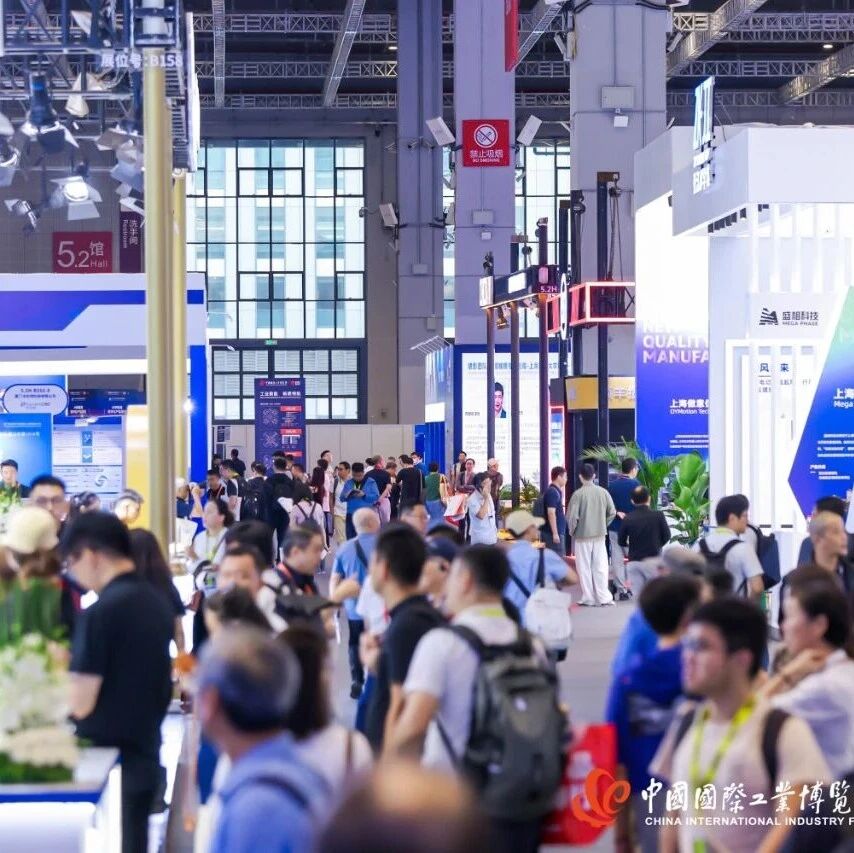
Core Viewpoint - The article emphasizes the unprecedented development opportunities for industrial computing power as the global manufacturing industry transitions towards intelligence and digitalization [1][17]. Group 1: Event Overview - The "Industrial Computing Power 'Core' Engine Technology Seminar" will be held on September 23, organized by Semiconductor Industry Observation in collaboration with the China Industry Fair [1]. - The seminar aims to facilitate in-depth communication and cooperation among upstream and downstream enterprises in the industrial chain, focusing on the latest advancements in industrial computing power technology [1][17]. Group 2: Key Participants and Topics - The seminar will feature industry leaders from five cutting-edge technology fields: ion implantation equipment, FPGA chip design, RISC-V processors, semiconductor testing, and industrial big data [2]. - Notable speakers include Zhang Changyong from Shanghai Kaishitong Semiconductor Co., who will discuss comprehensive lifecycle solutions for ion implantation [4][6]. - Other presentations will cover topics such as AI-driven semiconductor manufacturing data analysis by Yu Bo from Zheta Technology, and FPGA technology's role in enhancing industrial quality by Yao Yang from Anlu Technology [8][9]. Group 3: Technological Innovations - Kaishitong has achieved significant milestones in the mass production application of domestic ion implantation machines, contributing to the self-sufficiency of China's semiconductor manufacturing equipment [6]. - ChipRate Intelligent Technology focuses on improving chip manufacturing efficiency through AI, with its tools already applied in major foundries, achieving over 95% yield improvement [7]. - Zheta Technology integrates AI and big data to address challenges in semiconductor yield analysis, enhancing manufacturing intelligence and efficiency [8]. Group 4: Future Prospects - The seminar serves as a platform for discussing the development trends and application prospects of industrial computing power technology, reflecting the industry's pursuit of independent innovation and technological breakthroughs [17]. - The event aims to showcase the latest technological advancements in various fields, representing China's progress in high-end manufacturing and intelligent transformation [17].

突破!微导纳米半导体设备迈入订单放量阶段
Shang Hai Zheng Quan Bao· 2025-08-29 02:37
Core Viewpoint - MicroNano's strong revenue growth in the first half of 2025 is driven by significant advancements in both photovoltaic and semiconductor sectors, with a notable increase in net profit [1] Group 1: Financial Performance - The company achieved a revenue of 1.05 billion yuan, representing a year-on-year growth of 33.42% [1] - Net profit attributable to shareholders reached 192 million yuan, marking a substantial increase of 348.95% year-on-year [1] - Semiconductor revenue amounted to 194 million yuan, with a year-on-year growth of 27.17%, increasing its share of total revenue from 7.27% in 2023 to 18.45% [2] Group 2: Business Growth and Orders - The company reported that its semiconductor equipment orders exceeded the total for the previous year by mid-2025, with a backlog of 2.328 billion yuan, up 54.72% from the beginning of the year [2] - In the photovoltaic sector, the company generated 803 million yuan in revenue, achieving nearly 32% growth despite industry downturns [2] Group 3: Strategic Initiatives - The company plans to issue convertible bonds to raise up to 1.17 billion yuan, with proceeds allocated to semiconductor equipment production expansion and R&D [3] - The completion of the bond-funded projects is expected to increase semiconductor equipment production capacity by over 30%, addressing the growing order demand [3] - R&D investment reached 153 million yuan in the first half of 2025, accounting for 14.59% of revenue, with over 60% of total R&D spending since 2023 directed towards semiconductor equipment [3]

中国FlipFET技术,颠覆芯片
3 6 Ke· 2025-08-25 01:13
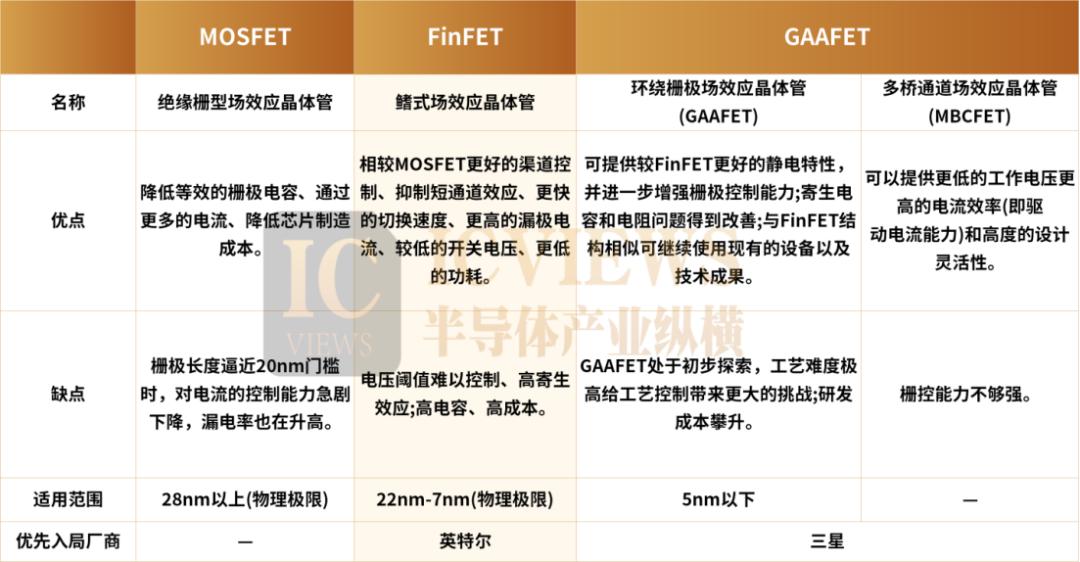
Group 1 - The semiconductor industry is entering the GAA (Gate-All-Around) era in 2025, marking a significant shift in technology with the introduction of GAAFET (Gate-All-Around Field Effect Transistor) [1][2] - Samsung has already implemented GAAFET technology in its 3nm chips, while TSMC plans to adopt it in its 2nm chips later this year [2][5] - Following GAA, CFET (Complementary FET) was previously considered the next benchmark architecture, but the introduction of FlipFET technology by Peking University has garnered significant attention [2][28] Group 2 - The semiconductor industry has relied on a formula of shrinking transistor sizes for over fifty years, with FinFET being the leading technology during the 2D transistor era [3][4] - FinFET faced challenges in the 5nm process due to stability and electrostatic issues, leading to the adoption of GAAFET in the 3nm era [5][34] - CFET technology is seen as a strong competitor due to its ability to stack different conductive channel types vertically, allowing for significant area reduction in integrated circuits [6][15] Group 3 - FlipFET technology, introduced at VLSI 2025, has shown a 3.2 times increase in logic density and a 58% reduction in power consumption compared to traditional FinFET [28][29] - FlipFET's design allows for a unique "double-sided active region" and avoids the complex alignment issues faced by CFET, making it a promising alternative [28][30] - The advancements in FlipFET technology indicate a shift in the semiconductor landscape, with potential implications for future chip designs and manufacturing processes [32][33] Group 4 - TSMC plans to achieve 1nm process technology by 2030, with projections of over 1 trillion transistors in chips using 3D packaging technology [33] - Intel aims to start mass production of processors based on its 18A process technology in 2025, which utilizes GAA transistors for improved performance [34] - IBM is seeking a long-term partnership with Japan's Rapidus to develop chips below 1nm, indicating a collaborative approach to advancing semiconductor technology [35]