荣耀

Search documents
152g,这家日本公司推出小屏LCD新机,护眼党的春天要来了?
3 6 Ke· 2025-11-05 10:40
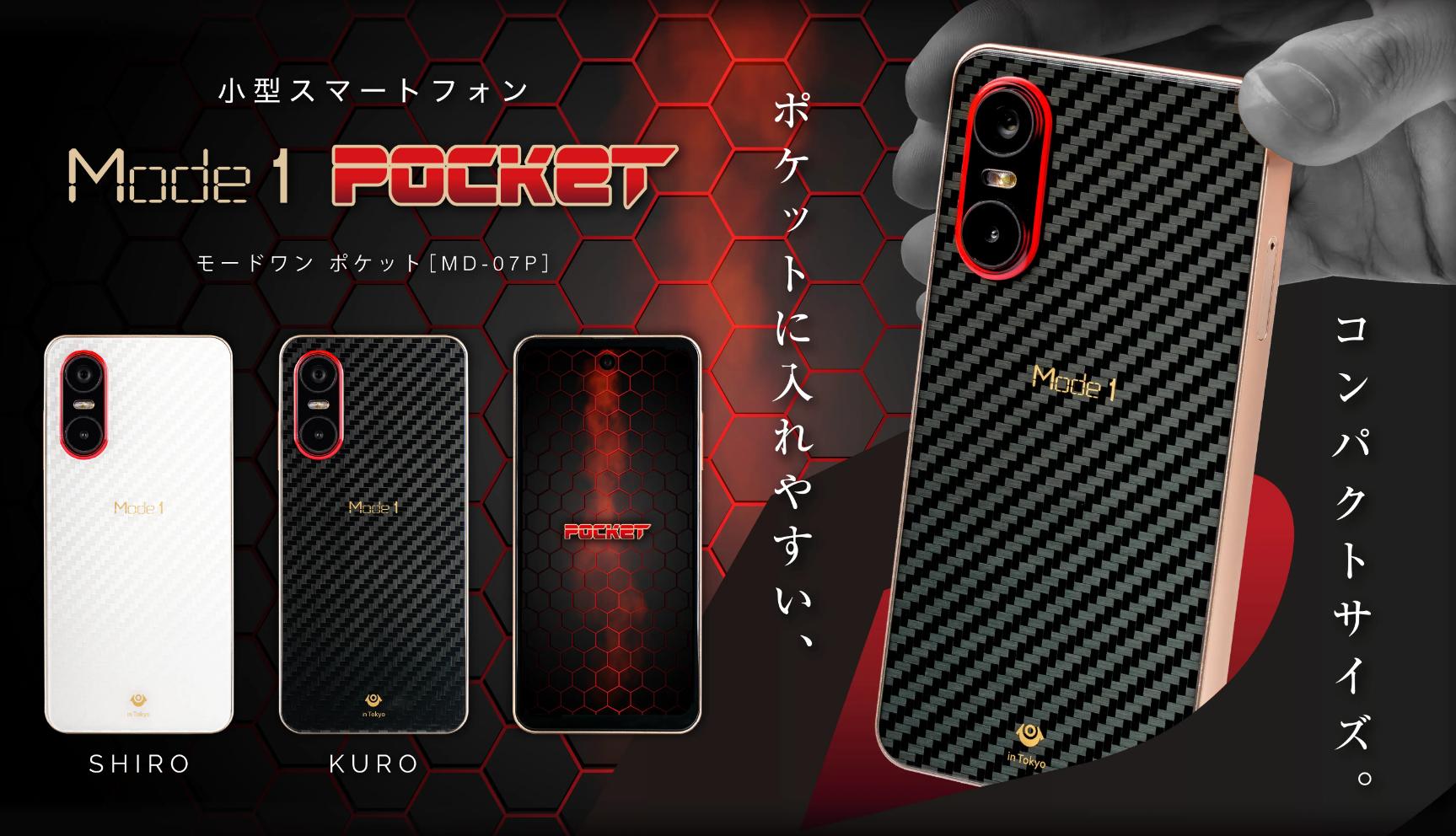
Core Viewpoint - The article discusses the resurgence of LCD technology in the smartphone market, highlighted by the upcoming release of the Mode1 Pocket, a new phone featuring an LCD screen in an era dominated by OLED displays [1][3]. Group 1: Product Overview - Mode1, a brand under the Japanese communication company P-UP World, focuses on personalized and differentiated mobile devices, producing unique models that cater to niche markets [4]. - The Mode1 Pocket is a lightweight smartphone weighing only 152 grams with a 5.3-inch LCD screen, appealing to users who prefer smaller devices [6]. - Despite its lightweight design, the Mode1 Pocket features a 720P resolution (1560x720) and a MediaTek Helio G99 processor, which is considered outdated for 2025 standards [9][10]. Group 2: Market Context - The article notes that while the Mode1 Pocket may not meet the expectations of the broader market, it represents a specific response to a segment of users who still favor LCD technology [12]. - Recent developments in LCD technology, such as BOE's new high-end display solutions, suggest that advancements could enhance the LCD experience, potentially leading to competitive products against OLED [13][15]. - The possibility of manufacturers like Honor and Motorola introducing high-quality LCD smartphones could signify a shift in market dynamics, as they explore unique selling propositions in a saturated OLED market [17]. Group 3: Future Prospects - The ideal LCD smartphone would feature a 1.5K resolution, 144Hz refresh rate, and a powerful processor, but practical challenges remain, such as increased thickness and design limitations compared to OLED devices [18][20]. - The ongoing advocacy for "eye-friendly" technology may push all display technologies, including OLED, to improve their health-related features, benefiting consumers overall [20][21].


第二十七届高交会3E亚洲消费电子展将举行 LIPO李白将发布超轻智能眼镜
Sou Hu Cai Jing· 2025-11-05 09:39
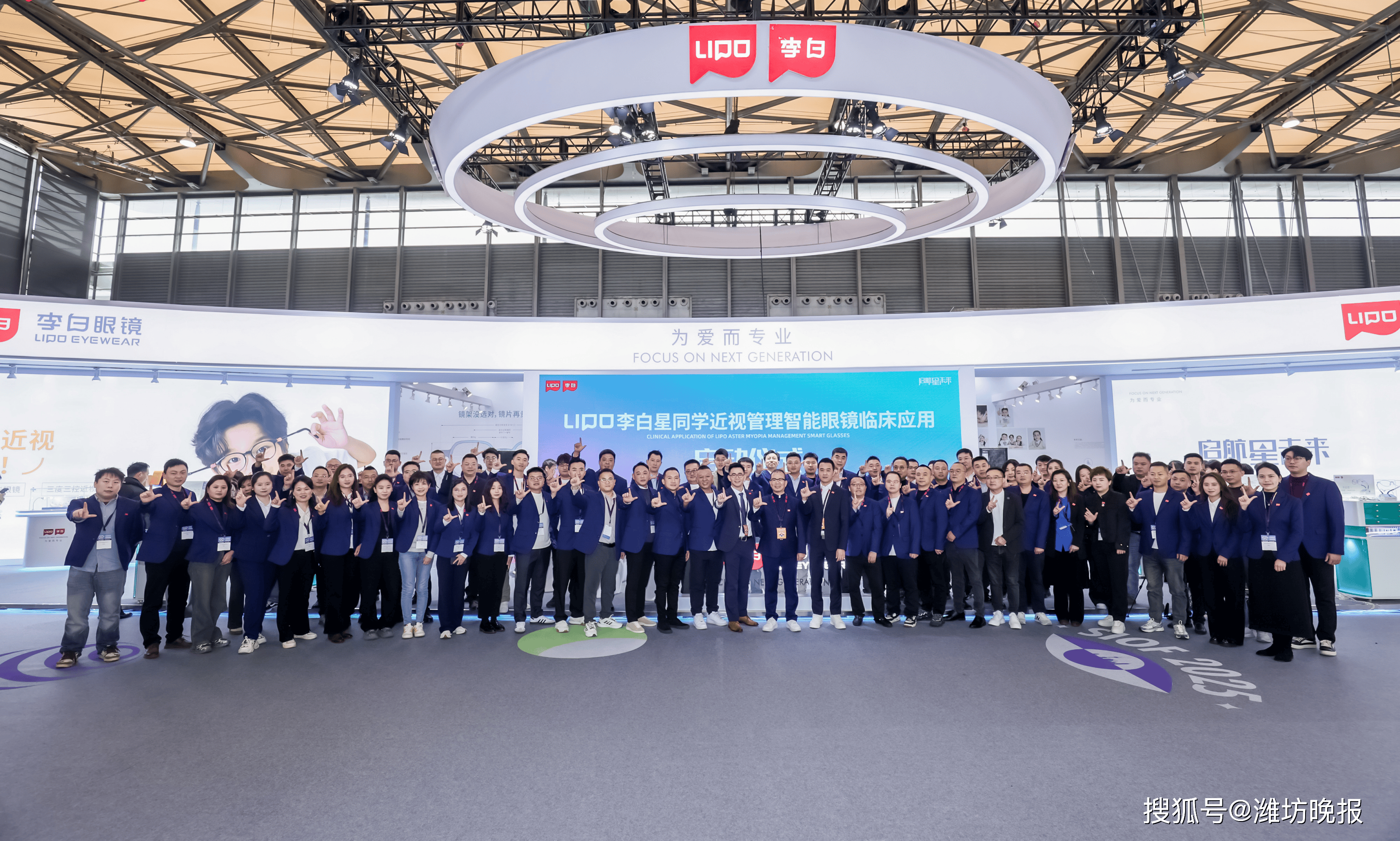
Event Overview - The 27th China International High-Tech Achievements Fair (referred to as "High-Tech Fair") is scheduled to take place from November 14 to 16, 2025, at the Shenzhen International Convention and Exhibition Center, with the 3E Asia Consumer Electronics Exhibition occurring concurrently [1] - This event, recognized as "China's No. 1 Technology Exhibition," is approved by the State Council and is the largest and most influential in the country, covering a total area of 400,000 square meters and expected to attract over 400,000 professional visitors [1] Industry Significance - Shenzhen, as a core city of the Guangdong-Hong Kong-Macao Greater Bay Area, plays a pivotal role in the technology consumption sector, serving as a benchmark for innovation and integration within the consumer electronics industry [1] - The 3E Asia Consumer Electronics Exhibition focuses on the innovation and integration of the consumer electronics industry chain, highlighting the deep integration of artificial intelligence with daily consumer electronics [1] Company Spotlight: Li Bai Glasses - Li Bai Glasses, a leading company in optical technology, will unveil an ultra-light smart glasses model weighing only 15 grams, designed for personalized wearing experiences through advanced materials and structural design [2] - The founder of Li Bai Glasses emphasizes that comfort is essential for eyewear, and the company opts for a "no camera design" to prioritize user privacy while focusing on voice interaction and contextual AI services [6] Product Features - The smart glasses incorporate a self-developed AI emotional model system that can provide various services, such as weather updates, meeting minutes, and real-time translation, acting as a "life secretary" and "work assistant" for users [6][8] - The glasses feature a fully integrated digital process from research and development to production, including biometric sensors to monitor user emotions and provide proactive services [8][9] Participation and Engagement - The 27th High-Tech Fair has attracted numerous well-known companies, including Tencent, Lenovo, Skyworth, Gree, Haier, Honor, and others, with approximately 50,000 overseas professional visitors registered from key global markets [9]
Q3'25国内市场智能手机复材后盖渗透率达15%,同比增长6个百分点
CINNO Research· 2025-11-05 08:58
Core Insights - The penetration rate of composite material back covers in the domestic smartphone market reached 15% in Q3 2025, representing a year-on-year increase of 6 percentage points [2]. Group 1: Market Trends - The report covers the changes in the penetration rates of various materials used for smartphone front and back covers in the Chinese market from Q1 2023 to Q3 2025 [3]. - It provides a detailed analysis of the sales volume and market share of different specifications of smartphone back covers across major brands in China [2][3]. Group 2: Brand-Specific Analysis - The report includes data on the sales volume and market share of Honor smartphones' back cover specifications from Q1 2023 to Q3 2025 [3]. - It also details the brand share of glass back covers in the Chinese smartphone market during the same period [3]. - The analysis extends to the brand share of composite material back covers in the market from Q1 2023 to Q3 2025 [3]. - Additionally, it presents the average price trends of different back cover specifications in the market over the specified period [3]. - Specific brand analyses include sales volume and market share for Apple, Huawei, Vivo, Xiaomi, and OPPO smartphones' back cover specifications from Q1 2023 to Q3 2025 [3].
荣耀与奥飞娱乐将合作开发AI交互潮玩机器人
Xin Lang Cai Jing· 2025-11-05 07:30
Core Insights - Honor and Aofei Entertainment have reached a strategic cooperation to jointly develop three major series targeting the young trendy toy market, including "AI Interactive Trendy Toy Robots," "Honor Co-branded AI Trendy Toy Accessories," and "Trendy Toy + APP Linked Products" [1] Group 1 - The collaboration aims to explore the new track of "AI + Trendy Toys" [1]

复旦硕士创业,拿下创纪录4亿融资:打破日企20年垄断、年增速600% |36氪首发
3 6 Ke· 2025-11-05 01:24
Financing Information - Zhejiang Zhongling Technology Co., Ltd. has recently completed a C-round financing of over 400 million RMB, marking the largest single financing round in the domestic FMM industry [1] - The leading investor is Shenzhen Capital Group, with participation from China Jianyin Investment, Yida Capital, Guangdong Science and Technology Finance, and others [1] - 50% of the funds will be used for R&D, 30% for G8.6 generation FMM capacity expansion and overseas market layout, and 20% for working capital and IPO reserves [1] Company Overview - Established in September 2020, the company is located in Haining, Zhejiang Province [1] - The company is the only domestic entity capable of mass production of 20μm FMM products, with a 100% domestic supply chain for Invar materials [2] Market Potential - The global FMM market is nearly 10 billion RMB, with over 90% of the market share historically dominated by Japanese company DNP [5] - The shift towards larger OLED displays in products like tablets and laptops presents significant opportunities for domestic FMM production [5] Company Performance - Revenue has grown from millions in 2022 to several hundred million in 2023, with projections to exceed 1 billion in 2024 and double by 2025, indicating an average growth rate of nearly 600% [6] - The company holds over 60% of the domestic FMM market share and has validated its products with major AMOLED panel manufacturers [6] Technical Capabilities - The core team consists of experienced professionals from leading semiconductor panel manufacturers, covering the entire supply chain from Invar material development to mass production testing [7] - The company has achieved mass production of 20μm FMM, supporting flagship products like the Xiaomi 17 Pro Max [4] Strategic Goals - The company aims to launch an 18μm ultra-thin FMM product by 2026, with a commitment to continuous product iteration [14] - Plans to capture over 50% of the domestic FMM market and expand into international markets starting in 2025 [14] New Business Development - The company is exploring new business opportunities in the semiconductor and renewable energy sectors, particularly in the printing materials for photovoltaic cells [15] Investment Perspective - Deep Venture Capital views Zhongling Technology as a key player in breaking the long-standing Japanese monopoly in the OLED FMM market, highlighting its potential for future growth and technological advancement [17]


“非洲手机之王”三季度净利降45%
Nan Fang Du Shi Bao· 2025-11-04 23:12
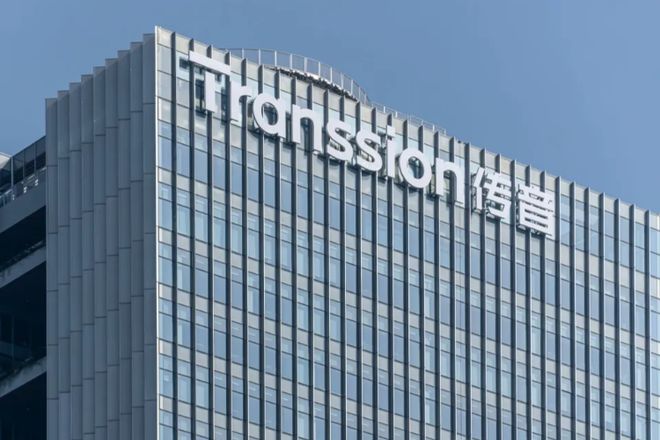
Core Insights - The company, Transsion Holdings, reported significant revenue growth in Q3 2025, reaching 20.466 billion RMB, a year-on-year increase of 22.60%. However, this revenue growth did not translate into profit, with net profit attributable to shareholders declining by 11.06% to 0.935 billion RMB, indicating a situation of "increased revenue but decreased profit" [2][4] - Over the first three quarters of 2025, the company faced intensified profit pressure, with total revenue of 49.543 billion RMB, a slight decrease of 3.33% year-on-year, and net profit down by 44.97% to 2.148 billion RMB [2][4] Revenue and Profit Analysis - The Q3 report highlighted a stark contrast in profitability, with net profit for the first three quarters of 2025 significantly down by 44.97% compared to the previous year, while the net profit excluding non-recurring gains and losses fell by 46.71% to 1.731 billion RMB [4][5] - The company attributed the decline in total profit and net profit to increased market competition and supply chain costs, which led to reduced revenue and gross profit [4][5] Market Competition - Transsion Holdings is facing fierce competition in its primary market, Africa, with Xiaomi and other Chinese brands aggressively targeting its market share. Xiaomi's market share in Africa rose to 13.8%, a 2.6 percentage point increase year-on-year [5][6] - Other competitors, including Honor, Samsung, OPPO, and vivo, are also expanding their presence in the African market, further squeezing Transsion's market space [5][7] Cash Flow and R&D Investment - Despite the pressure on profits, the company reported a remarkable increase in operating cash flow, with a net cash flow from operating activities of 3.285 billion RMB, up 164.66% year-on-year [8][9] - The company has also increased its R&D investment by 17.26% to 2.139 billion RMB in the first three quarters of 2025, indicating a strategic focus on innovation and product upgrades [8][9][10] - In Q3 alone, R&D spending reached 777 million RMB, a year-on-year increase of 21.22%, reflecting the company's commitment to strengthening its competitive position through technological advancements [10]

AI手机发展重心转向端侧 移动终端生态迎变革
Zheng Quan Shi Bao· 2025-11-04 17:51
Core Insights - The future of mobile technology is predicted to see the disappearance of traditional smartphones and apps within the next 5-6 years, with AI assistants becoming the main interface for human-computer interaction [1] - Mobile companies are shifting their focus from cloud collaboration to edge computing, enhancing AI capabilities directly on devices [3][4] Group 1: AI Development Trends - The rise of generative AI, particularly after the success of ChatGPT, has led mobile companies to invest heavily in AI technologies, with the first AI smartphones launched in late 2023 [2] - Companies like vivo and OPPO are prioritizing edge models, with vivo introducing a 3B (30 billion parameters) edge multimodal inference model, moving away from large cloud models [3][5] Group 2: User-Centric AI - Edge models are designed to create personalized data models based on user data, ensuring privacy and efficiency, which is crucial for personalized intelligence [4][10] - The integration of AI into user habits is emphasized, with companies like vivo implementing seamless AI features that operate without user intervention [6][7] Group 3: Ecosystem Transformation - The shift towards edge computing will redefine the mobile ecosystem, with companies aiming to control user data and flow to third-party applications [7][8] - Huawei has established an AI collaboration ecosystem through its HarmonyOS, while other companies like OPPO and Honor are also developing their own AI ecosystems [8] Group 4: Challenges Ahead - The transition to edge AI faces challenges, including compatibility between cloud and mobile architectures, as well as the need for sufficient device power and memory [9][10] - The core value of edge AI lies in its ability to access private user data, which is a significant differentiator from traditional apps [10][11]
CEIC 2025:从“跟跑”到“领跑” 中国消费电子的“深圳宣言”
Sou Hu Cai Jing· 2025-11-04 10:17
Core Insights - The CEIC 2025 conference in Shenzhen, themed "New Electronics, New Experience, New Consumption," marks a pivotal moment for China's consumer electronics industry as it transitions from a follower to a leader in the global value chain [1][2][9] - Shenzhen is evolving from a "world factory" to an "innovation source," with a focus on technology, ecosystem, and experience rather than just cost and scale [2][9] Group 1: Industry Transformation - The conference will showcase cutting-edge innovations and serve as a declaration of the industry's shift towards becoming a global leader in consumer electronics [1][2] - Shenzhen's share of national output in consumer electronics is projected to increase from 24% in 2022 to 25% in 2024, while its global supply chain share is expected to rise from 26% to 32% in the same period [2] - The event is organized by the "6+1" international industry and standards organization, indicating a shift from "Made in China" to "Created in China" [2][9] Group 2: Technological Advancements - "New Electronics" emphasizes AI-enabled technologies and core root technologies, moving beyond simple hardware to a comprehensive ecosystem [3] - The conference will highlight advancements in wireless communication, audio-visual standards, and heterogeneous computing, showcasing China's commitment to innovation in core technologies [3] - Technologies such as wireless 3D spatial audio and quantum radar will be presented, representing initial outcomes of these root technology ecosystems [3] Group 3: User Experience and Market Trends - The focus on "New Experience" aims to create a seamless integration across various devices and ecosystems, enhancing user interaction [4][6] - A survey indicates that 95% of respondents believe AI can solve real-world problems, with 41% considering the technology mature enough to address most issues [6] - The expectation for AI's role in enhancing consumer experiences is driving rapid innovation among Chinese companies [6] Group 4: Ecosystem Collaboration - CEIC 2025 serves as a platform for nearly 300 participating companies, including major players like Huawei and BYD, to showcase innovations and foster collaboration [7] - The event will feature multiple forums covering key areas such as smart terminals and digital health, promoting international cooperation and innovation [7] Group 5: Investment and Future Vision - The "New Consumption" theme reflects a transformation in market dynamics, with significant investment in AI, totaling nearly 85 billion yuan across 1,156 cases in 2024 [8] - The conference aims to create a continuous innovation platform, extending its impact beyond the event through ongoing collaboration and resource sharing [8] - Shenzhen is positioned as a global hub for consumer electronics innovation, emphasizing a long-term strategic vision for industry development [9][10]

杀回来了?威马宣布「好事将近」,评论区排队讨债;阿里前高管接管山姆后APP被吐槽满满阿里味;三七互娱因信披违规被罚3255万
雷峰网· 2025-11-04 00:28
Group 1 - WM Motor announced a potential new product launch and is working on restoring its service network, but employees and customers are expressing dissatisfaction over unpaid wages and service issues [4][5]. - Walmart's Sam's Club, under new leadership from a former Alibaba executive, has faced backlash for changes in its app that resemble Alibaba's features, leading to customer complaints about complexity and confusion [7][8]. - Honor plans to release a new ultra-thin smartphone model, joining competitors like Samsung and Apple in this segment, indicating a trend towards thinner devices in the market [12]. Group 2 - Xiaopeng Motors' CEO predicts that in ten years, only about five major Chinese automotive brands will survive, reflecting a competitive landscape similar to the smartphone industry [13][14]. - ByteDance is piloting a "Doubao stock" incentive plan aimed at attracting and retaining talent in its large model business, indicating a strategic focus on long-term employee engagement [14][15]. - 37 Interactive Entertainment has been fined 32.55 million yuan for information disclosure violations, highlighting regulatory scrutiny in the gaming industry [16]. Group 3 - AI expert Zhou Shuchang has joined Xiaopeng Motors as the Senior Director of Autonomous Driving Algorithms, emphasizing the company's commitment to AI development [18][19]. - Xiaomi's product marketing director has raised concerns about rising storage chip costs, signaling potential challenges in the consumer electronics supply chain [23]. - Geely is reportedly renovating a former GM factory to boost production capacity for its Galaxy model, indicating ongoing expansion efforts in the automotive sector [25][26]. Group 4 - Huawei's HarmonyOS has surpassed 23 million devices, marking a significant milestone in its ecosystem development, although challenges remain ahead [27]. - Long-term stock option vesting rules have been adjusted at Xiaohongshu, reflecting changes in employee compensation strategies within the tech industry [21][22]. - OpenAI's CEO stated that the company's revenue exceeds previous estimates and denied plans for an imminent IPO, indicating a focus on sustainable growth rather than immediate public offering [41][42].







手机厂商鏖战非洲:传音前三季净利下降,小米等加速抢食市场
Nan Fang Du Shi Bao· 2025-11-03 14:59
Core Insights - The report highlights a significant revenue growth for the company in Q3 2025, reaching 20.466 billion RMB, a year-on-year increase of 22.60%, but this growth did not translate into profit, with net profit declining by 11.06% to 0.935 billion RMB, indicating a "revenue growth without profit" situation [2][4] - Over the first three quarters of 2025, the company faced intensified profit pressure, with total revenue of 49.543 billion RMB, a slight decrease of 3.33%, and net profit down by 44.97% to 2.148 billion RMB, nearly halving [2][4] Revenue and Profit Analysis - The company's Q3 report reveals a stark contrast between revenue growth and profit decline, with net profit for the first three quarters significantly impacted by market competition and supply chain costs [4][5] - The decline in net profit is attributed to reduced operating income and gross profit, as competition in the African market intensifies with other Chinese smartphone manufacturers expanding their presence [4][5] Market Competition - The African market, previously a stronghold for the company, is now facing fierce competition from global smartphone giants, with Xiaomi making significant inroads, increasing its market share to 13.8% in the first half of 2025 [5][6] - Other brands like Honor, Samsung, OPPO, and vivo are also intensifying their efforts in the African market, further squeezing the company's market space [5][6] Cash Flow and R&D Investment - Despite the profit decline, the company reported a remarkable increase in operating cash flow, reaching 3.285 billion RMB, a year-on-year surge of 164.66%, attributed to reduced procurement payments [8][9] - The company has also increased its R&D investment to 2.139 billion RMB in the first three quarters, a growth of 17.26%, indicating a strategic focus on innovation and product upgrades during a challenging market environment [9][10]