
工商银行

Search documents
信用卡分期纳入贴息!六大行公告→
新华网财经· 2026-01-22 12:37
Core Viewpoint - The recent policy optimization allows credit card bill installments to enjoy interest subsidies, making them a preferred choice for consumers who typically do not apply for specific consumer loan products [2][3]. Group 1: Policy Changes - The Ministry of Finance, the Financial Regulatory Administration, and the People's Bank of China jointly issued a notice to optimize the implementation of the personal consumer loan interest subsidy policy, which includes raising the subsidy standards and extending the policy period until the end of 2026 [5]. - The subsidy standard has been improved by removing the previous limits on single transaction subsidies and cumulative subsidies for individual borrowers, while maintaining an annual cap of 3,000 yuan for each borrower at one financial institution [5]. Group 2: Credit Card Installment Subsidy - Credit card bill installment services are now included in the subsidy scope, with an annual interest subsidy rate set at 1% [8]. - To benefit from the subsidy, customers must sign a supplementary agreement with their bank for each credit card, and the subsidy will be directly deducted from the installment interest during the billing period [8]. Group 3: Bank Responses and Implementation - Various banks, including Agricultural Bank of China and Bank of Communications, have provided clear guidelines on how to apply for the credit card bill installment interest subsidy, emphasizing the need for customers to sign the supplementary agreement [8][9]. - Banks like China Bank and Postal Savings Bank have streamlined the process, allowing customers to automatically apply the new subsidy policy to transactions made after January 1, 2026, without needing to re-sign agreements [9].







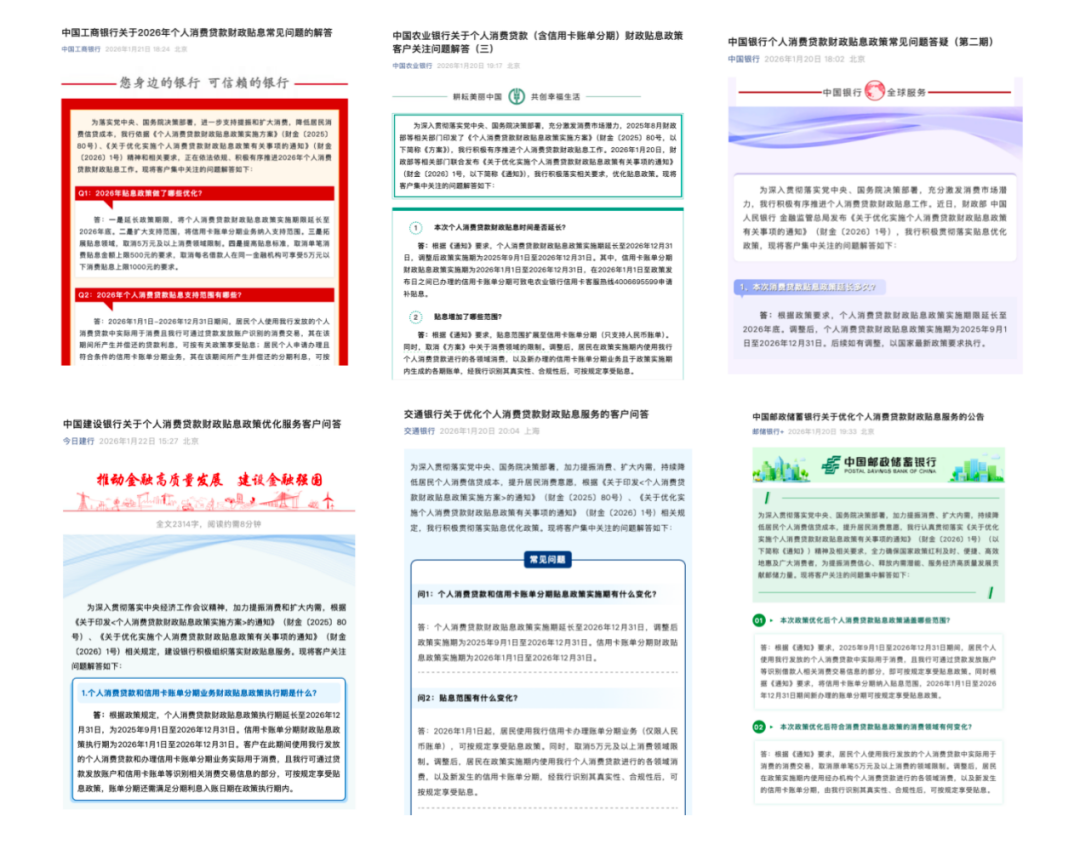
工、农、中、建、交、邮储,集体公告!
中国基金报· 2026-01-22 12:31
Core Viewpoint - The article discusses the implementation of the latest fiscal interest subsidy policy for personal consumption loans by six major state-owned banks in China, following the announcement by the Ministry of Finance, the People's Bank of China, and the Financial Regulatory Bureau [2]. Group 1: Policy Optimization - The Industrial and Commercial Bank of China (ICBC) outlines four main areas of optimization for the subsidy policy: extending the policy period to the end of 2026, including credit card installment payments in the support scope, removing the restriction on consumption fields above 50,000 yuan, and raising the subsidy standards by eliminating the 500 yuan cap on single transaction subsidies and the 1,000 yuan cap for individual borrowers at the same financial institution [4]. Group 2: Implementation Details - China Construction Bank states that customers must sign a service agreement to enjoy the fiscal subsidy, allowing the bank to access transaction information to identify eligible consumption transactions. The subsidy amount will be automatically deducted from the interest due on the loan during repayment. If transactions are not automatically recognized, customers can submit receipts for manual verification [5]. - Bank of China mentions that loans already approved for subsidies will not require a new agreement, and transactions from January 1, 2026, will automatically apply the new subsidy policy [5]. - Agricultural Bank of China warns that fraudulent activities related to subsidy claims will not be subsidized, and any previously granted subsidies may be deducted or reclaimed [5]. - The Bank of Communications emphasizes adherence to market-oriented and legal principles for eligible loans and credit card installments, with violations affecting credit records and subject to legal consequences [6]. - Postal Savings Bank clarifies that no additional fees will be charged for personal consumption loans beyond the agreed interest, and any fees collected under false pretenses are considered fraud [6].
工、农、中、建、交、邮储,集体公告!
Zhong Guo Ji Jin Bao· 2026-01-22 12:30
Core Viewpoint - The six major state-owned banks in China have collectively announced the implementation of the latest fiscal interest subsidy policy for personal consumption loans, following the Ministry of Finance, the People's Bank of China, and the Financial Regulatory Bureau's notification regarding the optimization of this policy [1] Group 1: Policy Optimization - The Industrial and Commercial Bank of China (ICBC) outlines four main areas of optimization for the fiscal interest subsidy policy: extending the policy period to the end of 2026, including credit card installment payments in the support scope, removing the restriction on consumption fields above 50,000 yuan, and raising the subsidy standard by eliminating the 500 yuan cap on single consumption subsidies and the 1,000 yuan cap for individual borrowers at the same financial institution [3] - The China Construction Bank (CCB) specifies that customers must sign the "China Construction Bank Personal Consumption Loan Fiscal Interest Subsidy Service Agreement" to enjoy the subsidy, allowing the bank to access transaction information for eligible consumption transactions [3] Group 2: Implementation and Compliance - The Bank of China (BOC) states that loans with completed subsidy applications will not require a new subsidy agreement, and transactions occurring from January 1, 2026, will automatically apply the latest fiscal interest subsidy policy [4] - Agricultural Bank of China (ABC) emphasizes that fraudulent activities related to credit card usage will not be eligible for fiscal subsidies, and any previously granted subsidies may be deducted or reclaimed [4] - The Bank of Communications (BCOM) will adhere to market-oriented and legal principles for eligible personal consumption loans and credit card installments, with violations affecting the borrower's credit record [4] - Postal Savings Bank of China (PSBC) warns that personal consumption loans will not incur additional fees beyond the agreed interest, and any fees collected under the bank's name for intermediary services are fraudulent [4]
中信保诚国企红利量化股票A:2025年第四季度利润13.27万元 净值增长率1.97%
Sou Hu Cai Jing· 2026-01-22 12:21
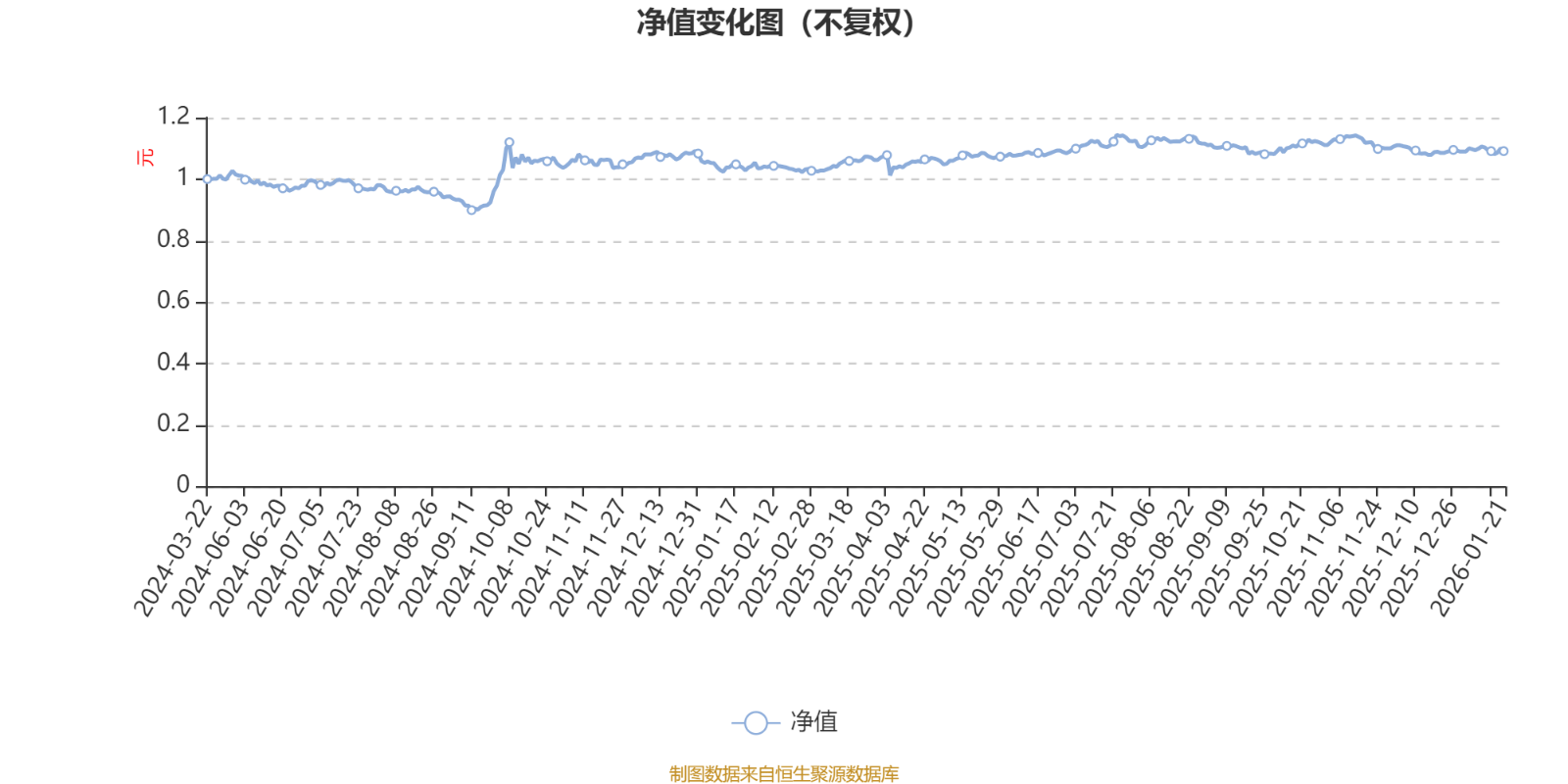
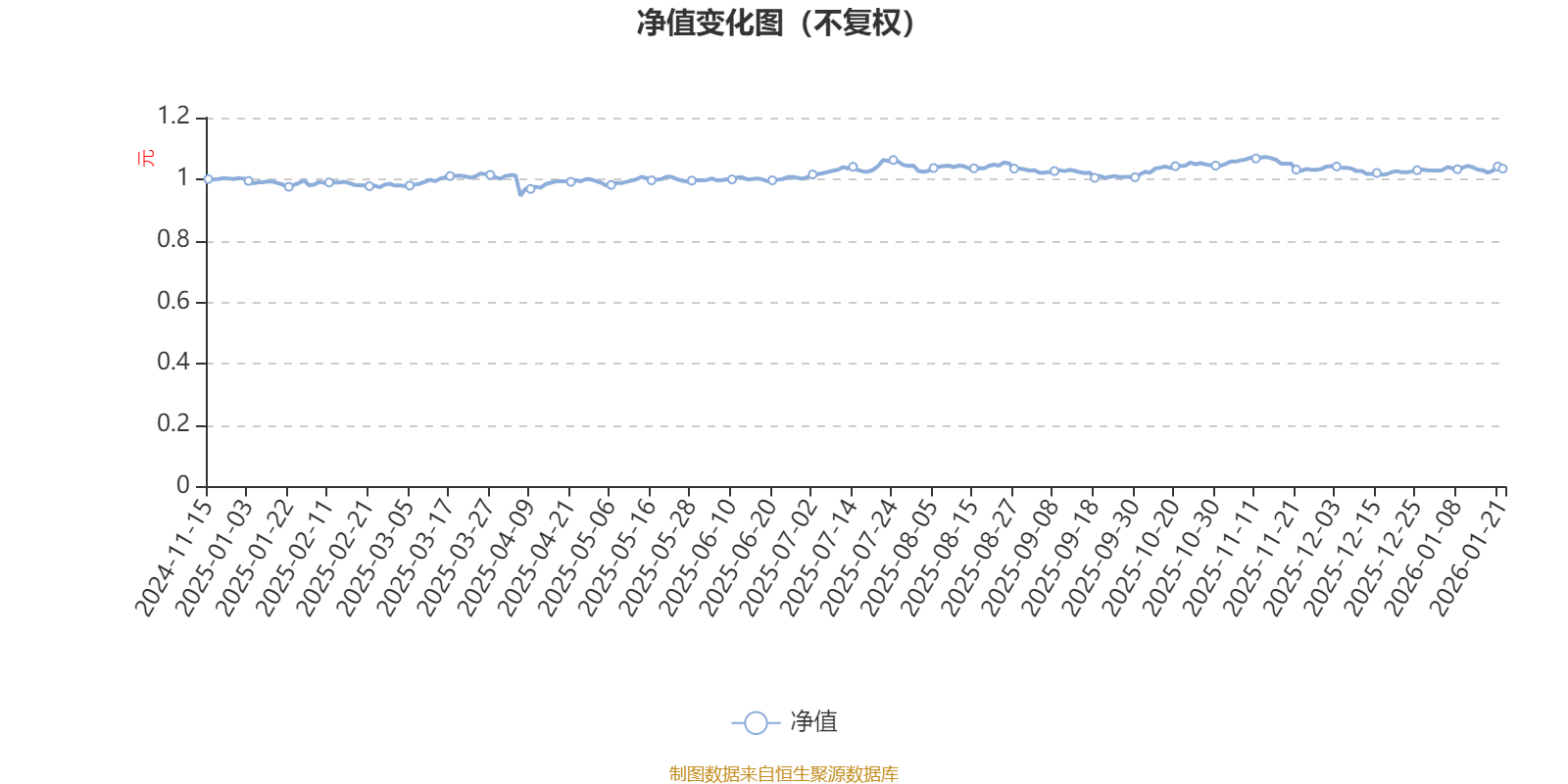
Core Viewpoint - The AI Fund, CITIC Prudential State-Owned Enterprise Dividend Quantitative Stock A, reported a profit of 132,700 yuan for Q4 2025, with a weighted average profit per fund share of 0.0284 yuan, and a net asset value growth rate of 1.97% during the reporting period [3]. Fund Performance - As of January 21, the fund's unit net value was 1.091 yuan, with a fund size of 4.8765 million yuan [3][18]. - The fund's performance over the past three months showed a return of -2.22%, ranking 115 out of 121 comparable funds; over the past six months, it returned -1.66%, ranking 117 out of 121; and over the past year, it achieved a return of 6.31%, ranking 115 out of 119 [4]. Investment Strategy - The fund maintained a high stock position during the reporting period, focusing on investment opportunities in high-dividend state-owned enterprises, and employed a quantitative stock selection model to strive for long-term returns exceeding the performance benchmark [3]. Risk Metrics - The fund's Sharpe ratio since inception is 0.5564, indicating a moderate risk-adjusted return [9]. - The maximum drawdown since inception is 12.44%, with the largest quarterly drawdown occurring in Q2 2025 at 6.09% [13]. Portfolio Composition - The average stock position since inception has been 88.66%, slightly above the peer average of 88.34%. The fund reached a peak stock position of 90.27% at the end of 2025, with a low of 83.8% at the end of Q3 2024 [16]. - As of Q4 2025, the top ten holdings of the fund include China Shenhua, Hengyuan Coal Power, China Construction Bank, Bank of Communications, Changsha Bank, Industrial and Commercial Bank of China, Jiangsu Jinzhong, Bohai Ferry, Jianfa Co., and Sheneng Co. [21].
中信保诚红利领航量化股票A:2025年第四季度利润26.35万元 净值增长率2.24%
Sou Hu Cai Jing· 2026-01-22 12:21
Core Insights - The AI Fund, CITIC Prudential Dividend Navigation Quantitative Stock A (021983), reported a profit of 263,500 yuan for Q4 2025, with a weighted average profit per fund share of 0.0391 yuan. The fund's net value growth rate for the reporting period was 2.24%, and the fund size reached 5.9149 million yuan by the end of Q4 2025 [3][14]. Fund Performance - As of January 21, the fund's unit net value was 1.034 yuan. Over the past year, the fund achieved a net value growth rate of 5.41%, ranking 12th out of 13 comparable funds [3][4]. - The fund's performance over the last three months showed a net value growth rate of -0.87%, and over the last six months, it was -0.89%, both ranking 12th out of 13 in its category [4]. Investment Strategy - The fund maintains a high stock position, focusing on investment opportunities related to dividend themes. It employs a quantitative stock selection model to strive for long-term returns that exceed the performance benchmark [3]. Risk Metrics - The fund's maximum drawdown since inception is 7.02%, with the largest quarterly drawdown occurring in Q3 2025 at 5.5% [9]. Portfolio Composition - The average stock position since inception is 89.85%, slightly above the category average of 89.51%. The fund reached its highest stock position of 90.91% at the end of Q1 2025 and its lowest of 89.38% at the end of 2025 [13]. - As of Q4 2025, the top ten holdings of the fund include China Shenhua, Hengyuan Coal Power, Jizhong Energy, and several major banks [17].
大额存单利率步入0字头
21世纪经济报道· 2026-01-22 12:08
Core Viewpoint - The article discusses the trend of large-denomination certificates of deposit (CDs) entering a "zero interest rate" era due to a combination of structural interest rate cuts and banks' need to stabilize net interest margins, indicating a shift in asset allocation logic for residents and liability management for banks [1][3]. Group 1: Interest Rate Trends - Large-denomination CDs are now predominantly short-term, with most banks focusing on products with a maturity of one year or less, while the issuance of three-year CDs has sharply declined [1][2]. - Major state-owned banks have unified the interest rates for one-month and three-month large-denomination CDs at 0.9%, with minimum deposit amounts concentrated at 200,000 yuan [2]. - The average interest rates for various deposit terms have fallen below 2% since September 2025, with three-month average rates at 0.944% and one-year rates at 1.277% [2]. Group 2: Market Dynamics - The trend towards short-term deposits is a result of banks adjusting their term structures and customers seeking increased liquidity, making it difficult for some banks to offer high-yield long-term products [3]. - The pressure on banks' net interest margins has led to a reduction in large-denomination CD rates and a contraction in the issuance of long-term products, aligning with the policy direction of benefiting the real economy [3][5]. - The net interest margin for commercial banks was reported at 1.42% as of Q3 2025, reflecting a year-on-year decline of 11 basis points, indicating ongoing pressure despite a stabilization in recent quarters [5]. Group 3: Future Outlook - Analysts predict that large-denomination CD rates will continue to operate at low levels throughout 2026, with only minor fluctuations due to short-term liquidity needs from some banks [7]. - The differentiation in pricing for bank deposit products is expected to become more refined, with banks implementing flexible liability strategies based on their asset-liability structures and market positioning [7]. - The potential for further interest rate cuts in 2026 is anticipated, with estimates suggesting a reduction of 10 to 20 basis points, primarily through structural monetary policy tools [6].

信用卡分期“打折”,多家银行已着手落地执行
第一财经· 2026-01-22 11:27
Core Viewpoint - The recent announcement by the Ministry of Finance regarding the optimization of personal consumption loan interest subsidy policies has significant implications for the consumer finance sector, particularly with the inclusion of credit card installment payments for the first time in the subsidy program [3][5]. Policy Changes - The implementation period for the personal consumption loan interest subsidy policy has been extended from August 31, 2026, to December 31, 2026 [5]. - Credit card installment payments are now explicitly included in the subsidy program, with an annual interest subsidy rate of 1 percentage point [5]. - The policy has removed previous restrictions on the maximum subsidy amount per transaction and the cumulative subsidy limit for borrowers, retaining only an annual cap of 3,000 yuan per borrower at a single institution [5]. Bank Responses - Multiple banks, including major state-owned and joint-stock banks, have quickly adapted to the new policy, indicating that the credit card installment business is already highly standardized [7]. - The subsidy will likely be integrated into existing credit card installment approval and accounting systems, allowing for a rapid response from banks [7][8]. Execution Differences - Different banks have varying technical approaches to how the subsidy will be applied, but all are using interest deduction methods [8]. - For example, China Merchants Bank will reduce the interest charged on eligible installments, while Postal Savings Bank will directly deduct the subsidy amount from the interest charged [8]. Eligibility Criteria - Not all credit card users will automatically qualify for the subsidy; banks will enforce strict eligibility criteria based on transaction authenticity and compliance [9]. - Transactions with suspicious characteristics or those not meeting compliance standards may not qualify for the subsidy, indicating a focus on genuine consumer spending [9]. Impact on Pricing - The subsidy is not expected to directly alter the pricing mechanisms for credit card installments, as banks will still need to cover risk and operational costs [12]. - The subsidy is viewed as an external support mechanism that may enhance the attractiveness of installment products without changing nominal interest rates [12]. - In the short term, the subsidy could boost consumer interest in installment options, while in the long term, banks must remain cautious to avoid excessive expansion of installment lending [12][13].

六大行集体公告
Sou Hu Cai Jing· 2026-01-22 11:25
Group 1 - The core viewpoint of the news is that major Chinese banks have announced the implementation of an optimized personal consumption loan subsidy policy, extending its benefits and expanding its scope [1][2][3] Group 2 - The implementation period for the personal consumption loan subsidy policy has been extended to December 31, 2026 [1] - The support scope has been expanded to include credit card bill installment services [1] - The subsidy field has been broadened by removing the restriction on single transactions of 50,000 yuan and above [2] - The subsidy standards have been improved by eliminating the 500 yuan cap on single transaction subsidies and the 1,000 yuan cumulative subsidy limit for borrowers at a single institution [2] - Existing loan agreements signed under the previous subsidy policy will automatically apply the new subsidy terms for transactions occurring after January 1, 2026, without the need for re-signing [2]
落实个人消费贷款最新财政贴息政策,六大行集体公告
第一财经· 2026-01-22 11:10
Core Viewpoint - Major Chinese banks have announced the implementation of an optimized personal consumption loan subsidy policy, extending its benefits and expanding its scope to support consumer spending [1] Summary by Relevant Sections Policy Implementation - The personal consumption loan subsidy policy will be extended until December 31, 2026 [1] - The scope of support has been expanded to include credit card bill installment services [1] Subsidy Expansion - The subsidy field has been broadened by removing the restriction on single transactions of 50,000 yuan and above [1] - The subsidy standard has been improved by eliminating the previous cap of 500 yuan on single transaction subsidies and the cumulative limit of 1,000 yuan for each borrower at a single institution for transactions below 50,000 yuan [1] Existing Agreements - For loans that have already signed the "Personal Consumption Loan Subsidy Service Agreement," any consumption occurring after January 1, 2026, will automatically apply the latest subsidy policy without the need for re-signing the agreement [1]

落实个人消费贷款最新财政贴息政策,六大行集体公告
Feng Huang Wang· 2026-01-22 11:01
Core Viewpoint - Major Chinese banks have announced the implementation of an optimized personal consumption loan subsidy policy, extending its duration and expanding its scope to support consumer spending [1] Group 1: Policy Implementation - The implementation period for the personal consumption loan subsidy policy has been extended to December 31, 2026 [1] - The scope of support has been expanded to include credit card installment payment services [1] Group 2: Subsidy Expansion - The subsidy field has been broadened by removing the restriction on single transactions of 50,000 yuan and above [1] - The subsidy standard has been improved by eliminating the cap of 500 yuan on single transaction subsidies and the previous limit of 1,000 yuan for cumulative subsidies under 50,000 yuan per borrower at a single institution [1] Group 3: Existing Agreements - For loans that have already signed the personal consumption loan subsidy service agreement, any consumption occurring after January 1, 2026, will automatically apply the latest subsidy policy without the need to re-sign the agreement [1]