越疆科技

Search documents
2025人工智能产业十大关键词
机器人圈· 2025-09-26 09:29
Core Insights - The 2025 Artificial Intelligence Industry Conference highlighted ten key trends in AI, emphasizing the convergence of technology, applications, and ecosystems, leading to a clearer vision of a smart-native world [1]. Group 1: Foundation Super Models - In 2025, foundational models and reasoning models are advancing simultaneously, with a comprehensive capability increase of over 30% from late 2024 to August 2025 [3][4]. - Key features of leading large models include the integration of thinking and non-thinking modes, enhanced understanding and reasoning abilities, and built-in agent capabilities for real-world applications [4][6]. - The emergence of foundational super models simplifies user interaction, enhances workflow precision, and raises new data supply requirements [6]. Group 2: Autonomous Intelligent Agents - Highly encapsulated intelligent agent products are unlocking the potential of large models, showing better performance in complex tasks compared to single models [9][10]. - Current intelligent agents still have significant room for improvement, particularly in long-duration task execution and interconnectivity [12]. Group 3: Embodied Intelligence - Embodied intelligence is transitioning from laboratory settings to real-world applications, with models being deployed in practical scenarios [15][16]. - Challenges remain in data quality, model generalization, and soft-hard coordination for effective task execution [18]. Group 4: World Models - World models are emerging as a core pathway to general artificial intelligence (AGI), focusing on capabilities like data generation, action interpretation, environment interaction, and scene reconstruction [21][22]. - The development of world models faces challenges such as unclear definitions, diverse technical routes, and limited application scope [22]. Group 5: AI Reshaping Software - AI is transforming the software development lifecycle, with significant increases in token usage for programming tasks and the introduction of advanced AI tools [25][28]. - The role of software developers is evolving into more complex roles, leading to the emergence of "super individuals" [28]. Group 6: Open Intelligent Computing Ecosystem - The intelligent computing landscape is shifting towards an open-source model, fostering collaboration and innovation across various sectors [30][32]. - The synergy between software and hardware is improving, with domestic hardware achieving performance parity with leading systems [30]. Group 7: High-Quality Industry Data Sets - The focus of AI data set construction is shifting from general-purpose to high-quality industry-specific data sets, addressing critical quality issues [35][38]. - New data supply chains are needed to support advanced technologies like reinforcement learning and world models [38]. Group 8: Open Source as Standard - Open-source initiatives are reshaping the AI landscape, with significant adoption of domestic open-source models and a growing number of active developers [40][42]. - The business model is evolving towards "open-source free + high-level service charges," promoting cloud services and chip demand [42]. Group 9: Mitigating Model Hallucinations - The issue of hallucinations in large models is becoming a significant barrier to application, with ongoing research into mitigation strategies [44][46]. - Various approaches are being explored to enhance data quality, model training, and user-side testing to reduce hallucination rates [46]. Group 10: AI as an International Public Good - Global AI development is uneven, necessitating international cooperation to promote equitable access to AI technologies [49][51]. - Strategies are being implemented to address challenges in cross-border compliance and data flow, aiming to make AI a truly shared international public good [51].


2025科技创变者大会圆桌二:链主企业揭秘如何赋能具身智能规模化落地
机器人圈· 2025-09-26 09:29
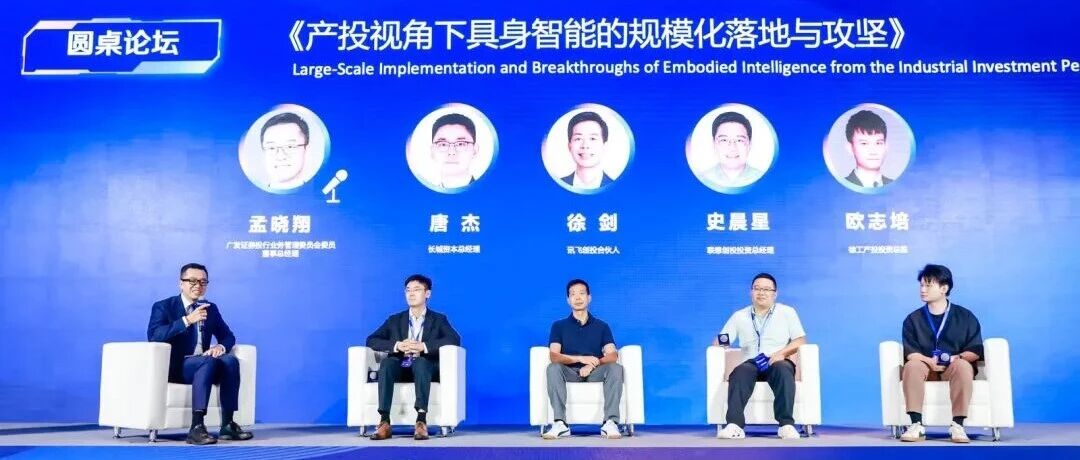
Core Viewpoint - The article discusses the challenges and opportunities in the commercialization of embodied intelligence, emphasizing the importance of technological breakthroughs and ecosystem development in the industry [3]. Group 1: Challenges in Embodied Intelligence - The key challenge in the commercialization of embodied intelligence is the "technology, cost, scale" triangle dilemma, where technology must be validated in real-world scenarios, which in turn require controllable technology [3]. - Companies face difficulties in balancing ideal technology with practical realities, necessitating support from leading enterprises to navigate these challenges [3]. Group 2: Investment and Support Strategies - Longcheng Capital provides multi-dimensional support to invested companies, including joint R&D, product definition, and lean production capabilities, leveraging its strong market presence in the automotive sector [4]. - Leading companies like iFlytek are willing to share their resources and scenarios with startups, offering technical support to help them avoid redundant efforts and focus on scalable solutions [8]. Group 3: Sector-Specific Strategies - Xugong adopts a "funnel" strategy for scenario penetration, initially focusing on specific applications like L4 autonomous driving in mining trucks, which allows for higher tolerance of technical errors and cost management [11]. - The approach involves accumulating technology and data from easier scenarios to facilitate advancements in more complex applications, creating a positive feedback loop that aids startups in overcoming the "technology, cost, scale" dilemma [11].
386亿热钱涌来 工厂家庭难普及 人形机器人离规模商用还有多远?
Nan Fang Du Shi Bao· 2025-09-25 23:12
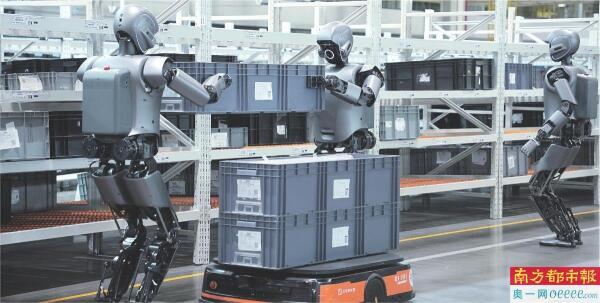
Core Insights - The article discusses the rapid growth of the robotics industry in China, highlighting the surge in IPO activities and the increasing interest from capital markets in robotics companies [6][7][8]. Group 1: IPO Activities - UBTECH Robotics is set to go public on the Hong Kong Stock Exchange in December 2023, becoming the first humanoid robot stock in China, with projected 2024 revenue of approximately 1.305 billion yuan and a net loss of about 1.124 billion yuan [6][8]. - Yujiang Technology plans to list in December 2024, with expected revenue of around 374 million yuan and a net loss of approximately 95.4 million yuan [6][8]. - Other companies like LeDong Robotics and WoAn Robotics are also preparing for IPOs, indicating a growing trend in the sector [9]. Group 2: Market Dynamics - The robotics sector is experiencing a capital frenzy, with total financing in the industry reaching approximately 38.624 billion yuan by August 2025, significantly higher than the 21.254 billion yuan in 2024 [7][10]. - Major internet companies like JD, Ant Group, and Tencent are heavily investing in the robotics field, indicating a shift from traditional VC funding to broader industry integration [10][11]. - Despite the influx of capital, many robotics companies are still facing challenges in achieving profitability, with examples like LeDong Robotics showing significant revenue growth but continuous net losses [10][11]. Group 3: Challenges in Commercialization - The article emphasizes that the primary challenge for the robotics industry remains the transition from financing to actual commercialization, with humanoid robots largely still in demonstration phases and collaborative robots having limited adoption in factories [7][12]. - Key barriers include high production costs, varying application requirements, and the need for a cohesive ecosystem in robotics, which is still underdeveloped in China [14][15]. - The consensus among industry experts is that sustainable commercial models are essential for long-term success in the robotics sector [12][15].

人形机器人竞逐资本市场:一边冲刺IPO 一边扩“朋友圈”
机器人圈· 2025-09-25 03:29
Core Viewpoint - The human-shaped robot industry is transitioning from startups to mature companies, with several firms preparing for IPOs and seeking strategic partnerships to secure real-world applications and orders [5][6][7]. Group 1: Company Developments - Zhiyuan Robotics officially acquired Upwind New Materials, becoming the controlling shareholder with a 29.99% stake after the transfer of shares was completed [2]. - Upwind New Materials' stock jumped 16.32% to 106.7 CNY per share following the acquisition announcement [3]. - Several human-shaped robot companies, including Yushu Technology and Fourier Robotics, are preparing for IPOs, with Yushu expected to submit its listing application between October and December this year [3][6]. Group 2: Industry Trends - The human-shaped robot sector is witnessing a surge in IPO preparations, with over ten companies aiming to list on the Hong Kong Stock Exchange [8]. - The industry is moving towards maturity and standardization, as evidenced by recent name changes and corporate restructuring among key players [7][9]. - Companies are increasingly focusing on securing real-world orders, as the lack of tangible applications could jeopardize their valuations [10][11]. Group 3: Strategic Partnerships - Many human-shaped robot companies are actively seeking partnerships with B-end enterprises to enhance their market presence and secure orders [9][10]. - Strategic collaborations, such as the one between Tesi and Yubiquitous, aim to integrate spatial intelligence with embodied intelligence for practical applications [10]. - The emphasis on finding application scenarios and securing orders is seen as critical for the industry's growth and sustainability [11].
具身智能IPO热潮涌动:资本狂欢背后,规模商用仍任重道远
机器人圈· 2025-09-25 03:29
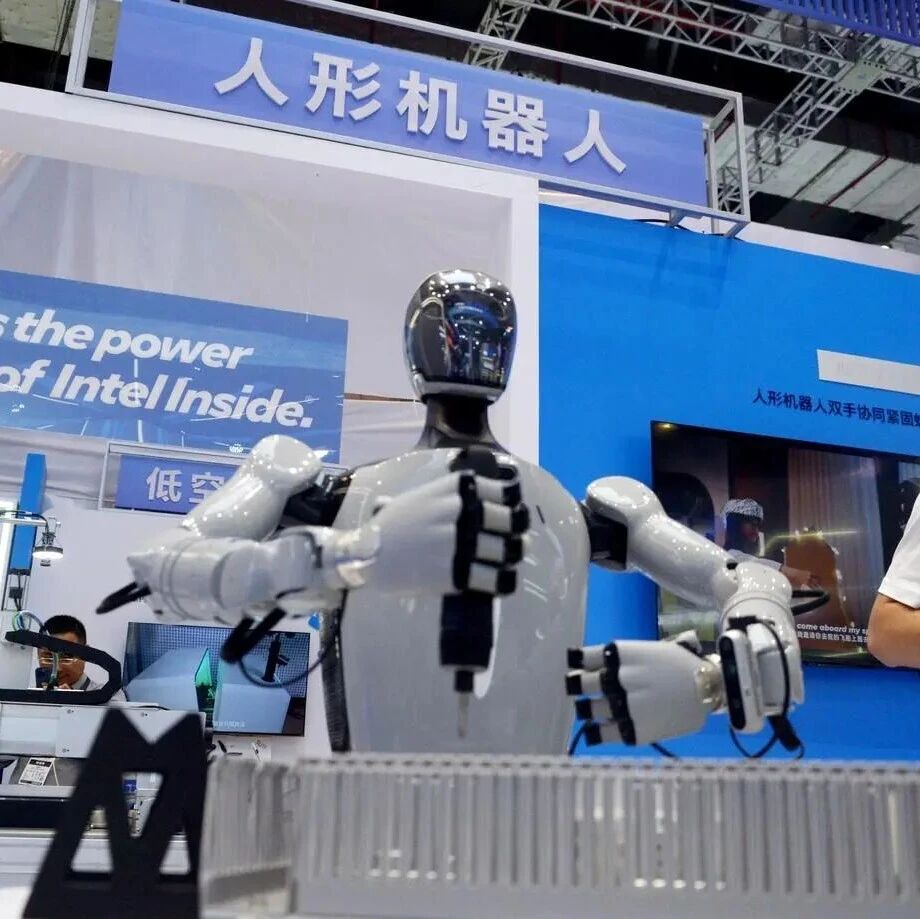
Group 1 - The core viewpoint of the article highlights the rapid growth of the domestic robotics sector, with a significant increase in IPO activities driven by advancements in AI and supportive government policies [1][2][9] - The article notes that in 2024, Shenzhen led the country with 34 successful robot company listings, indicating a strong local market for robotics [1][9] - Despite the surge in IPOs, there remains a gap between financing and practical application, with many humanoid robots still in demonstration phases and limited adoption of collaborative robots in factories and homes [1][9] Group 2 - The IPO wave is characterized by notable listings such as UBTECH as the first humanoid robot stock and Yujin Robotics as the first collaborative robot stock, both attracting significant market attention [2][8] - Companies like Yujin Robotics and UBTECH are expected to see substantial revenues in 2024, with UBTECH projected to generate approximately 1.305 billion yuan and Yujin Robotics around 373.7 million yuan [2][8] - Other companies, including UTree Technology and ZhiYuan Robotics, are also preparing for IPOs, indicating a growing interest in the sector [5][8] Group 3 - The article discusses the influx of capital into the robotics sector, with total financing reaching approximately 38.624 billion yuan by August 2025, significantly higher than the previous year's total [9][10] - Major tech companies like JD.com and Alibaba are heavily investing in the robotics field, enhancing the financial backing for these enterprises beyond traditional venture capital [10] - However, many companies continue to report losses despite revenue growth, highlighting the challenge of achieving profitability in the current market [10][11] Group 4 - The article identifies three main challenges for the robotics industry: high production costs, the need for tailored applications in various scenarios, and the lack of a complete ecosystem for robotics [15][16] - It emphasizes the importance of sustainable commercialization for the robotics sector to thrive, suggesting that companies must focus on long-term strategies rather than short-term gains [13][16] - The article concludes that while the robotics industry has significant potential due to a robust manufacturing base and supportive policies, achieving widespread adoption and profitability remains a critical hurdle [16]
亮出全球首个多形态具身智能“超级工厂”平台化方案 越疆机器人 工博会抢眼
Shen Zhen Shang Bao· 2025-09-24 23:11
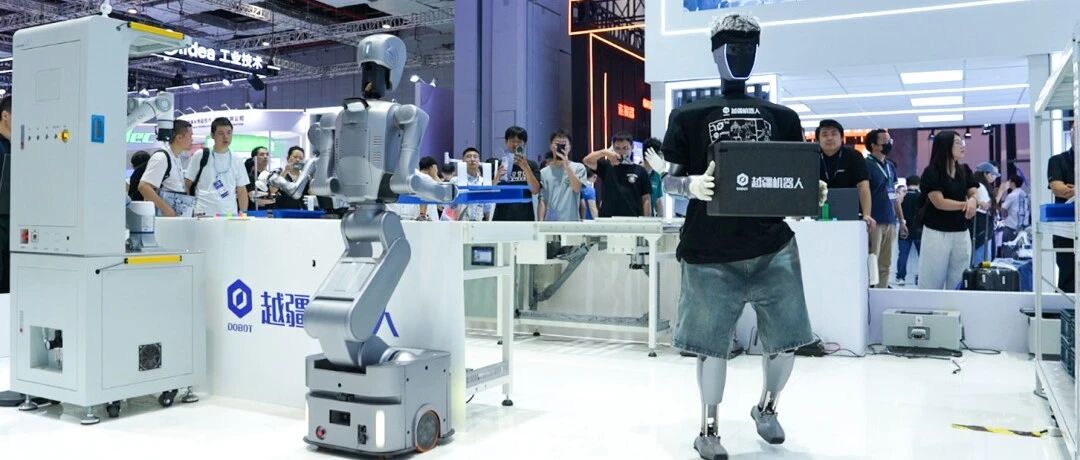
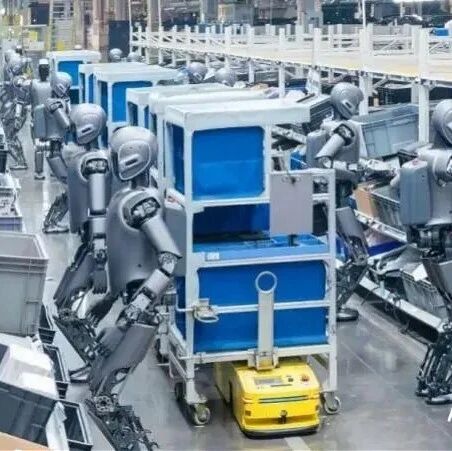
Core Insights - The 25th China International Industry Fair opened in Shanghai, focusing on the theme "Industrial New Quality, Intelligent Manufacturing Without Boundaries" [1] - Yuejiang Technology showcased the world's first multi-form embodied intelligent "super factory" platform solution, addressing the limitations of traditional single-function robots in high-precision collaboration and multi-scenario operations [1] Company Overview - Yuejiang Technology's "super factory" operates under a "factory intelligent hub" that coordinates various robots to perform tasks such as material handling and precision assembly, achieving the first-ever normalized operation of multi-form collaborative robots globally [1] - The company has deployed over 100,000 collaborative robots worldwide, serving over 100 countries and regions, and has partnerships with more than 80 Fortune 500 companies [2] Product Highlights - The dual-legged humanoid robot DOBOT ATOM is a key component of the "super factory," achieving the first industrial cross-scenario multi-task collaborative application in China [2] - The newly launched wheeled humanoid robot ATOM-M combines industrial-grade dexterous operation with efficient wheeled mobility, demonstrating human-like precision and high dynamic scene movement capabilities [2]
以云迹科技冲刺港股之路,看具身智能的资本热潮
Jing Ji Guan Cha Bao· 2025-09-24 10:53
Core Insights - Cloudwalk Technology has submitted its IPO application to the Hong Kong Stock Exchange, becoming the sixth specialized technology company to apply under Chapter 18C of the Listing Rules [1][2] - The company is positioned to become the first "robot service intelligent body" stock, leveraging its extensive deployment of robots in over 34,000 hotels and various other sectors globally [2][4] - The market is witnessing a surge in interest and investment in the robotics sector, driven by advancements in artificial intelligence and supportive government policies [1][13] Company Overview - Founded in 2014, Cloudwalk Technology has evolved into a leader in the global hotel service robot market, with a significant presence in various international markets [3][4] - The company has achieved a market share of 13.9% in the Chinese hotel service robot market, surpassing the combined market share of its closest competitors [4] - Cloudwalk's robots have been deployed in over 34,000 locations, including hotels, hospitals, and factories across multiple countries [2][5] Financial Performance - The company has seen a revenue growth rate of 18.9% in the first five months of 2025 compared to the same period last year, indicating a strong upward trend in its financial performance [8] - Cloudwalk's revenue from its AI digital system has a compound annual growth rate of 45.5% over three years, showcasing its expanding revenue streams [9] - The company has raised over 1.2 billion yuan in funding, with a post-D round valuation of 4.08 billion yuan, attracting investments from major firms like Tencent and Alibaba [5][10] Market Dynamics - The robotics industry is experiencing increased concentration, with leading companies benefiting from a "Matthew Effect," which enhances their growth prospects [6] - The global humanoid robot market is projected to grow significantly, with estimates suggesting it will reach $2.03 billion in 2024 and $13.25 billion by 2029, reflecting a compound annual growth rate of approximately 45.5% [13] - Cloudwalk is focusing on expanding its international market presence, particularly in regions with high demand for robotic solutions due to labor shortages and aging populations [14][15] Technological Advancements - Cloudwalk has developed a fully autonomous closed-loop learning system for its service robots, enhancing their operational efficiency and intelligence [10] - The company has invested heavily in R&D, with expenditures reaching 57.4 million yuan in 2024, accounting for 23.4% of its total revenue [10][11] - The introduction of the UP series of robots, capable of tool usage and task allocation, marks a significant technological advancement for the company [9][10] Strategic Initiatives - Cloudwalk is actively pursuing a diversified market strategy, aiming to replicate its success in the hotel sector across healthcare, manufacturing, and logistics [15][16] - The company has established partnerships with major delivery services to integrate its robots into logistics systems, enhancing delivery efficiency [15] - Cloudwalk's focus on the B2C market, particularly in the hotel industry, is expected to further diversify its revenue sources and enhance growth potential [16]
人形机器人竞逐资本市场:一边冲刺IPO 一边扩“朋友圈”
Bei Ke Cai Jing· 2025-09-24 04:53
Group 1 - The 25th China International Industrial Expo opened on September 23, showcasing humanoid robots and marking a significant moment for the secondary market [3] - Zhiyuan Robotics officially took control of Shuangwei New Materials on September 23, with the transfer of shares completed [4][5] - Following the share transfer, Zhiyuan Hengyue and Zhiyuan New Venture now hold a combined 29.99% of the shares and voting rights in Shuangwei New Materials [4] Group 2 - Several humanoid robot companies are preparing for IPOs, with clear timelines emerging for their submissions to stock exchanges [7][10] - Companies are transitioning from startups to more formalized operations post-restructuring, emphasizing the importance of commercialization and scaling [8] - The industry is witnessing a surge in strategic partnerships with B-end enterprises to secure real-world application orders, which are crucial for sustaining valuations [18][21] Group 3 - Over ten robotics and related industry companies are racing to list on the Hong Kong Stock Exchange, with several already having submitted prospectuses [16] - The successful IPO of "China's first humanoid robot stock" UBTECH on December 29, 2023, and "China's first collaborative robot stock" Yujian Technology on December 23, 2024, highlights the industry's growth [17] - Companies are increasingly focusing on finding practical application scenarios to support their valuations, as the narrative-driven phase of the industry is shifting [20][24] Group 4 - Recent collaborations include strategic partnerships between Tesi and UBTECH, and Zhongqing Robotics with Duolun Technology, aimed at developing humanoid robots for specific applications [18] - Investment activity is rising, with companies like Songyan Power and Beijing Galaxy General Robotics securing significant funding rounds [22] - The industry is moving towards a collaborative ecosystem, with companies like Zhiyuan Robotics emphasizing the importance of building partnerships for sustainable growth [24][25]

报名攻略|第七届全国现代制造集成技术学术会议
机器人圈· 2025-09-24 02:29
点击右下角" 我要报名 " 2 第七届全国现代制造集成技术学术会议 将于 11月7~11月9日 在 郑州 举办,本次大会采用 二维码采集信息 +银行汇款缴费 的方式参会, 请大家阅读报名流程,诚邀您的参与。 扫描会议报名二维码 1 3 | 08:59 56 .. 56 .. = 96% | | --- | | C 第七届现代制造... ☆3.4 ⊙ | | 第七届现代制造集成技术学术会议 ◎ 170 → 1 ★ - | | 11-07 09:00 至 11-09 18:00 | | 河南省郑州市金水区丰乐路北段38号郑州弘 ... > | | 0( 已报名11人 > | | ¥ 免费 > | | 王伟 | | V个人认证 | | 活动 7 粉丝 64 | | 机器人技术与应用杂志社副主编 | | 现代制造集成技术学术会议是在国家科园部 | | 大力支持下,由《计算机集成制造系统》编辑部 | | 17 (() (+) 我要报名 分享 咨询 我要发活动 | 确认注册选项为" 默认免费票 ",点击"下一步" 4 填写报名参会人员信息完整信息,点击" 立即报名 " 完成报名流程(电子票目前暂未开通) 关闭窗口,信息登 ...

全球首次!多形态通用具身机器人协同常态化作业,越疆重新定义新质工业生产力
机器人圈· 2025-09-23 13:01
Core Viewpoint - The article highlights the advancements and strategic vision of the company 越疆 in the field of robotics, particularly through its "Super Factory" platform that integrates various types of robots for collaborative tasks, marking a significant evolution in industrial automation towards flexible manufacturing [2][3][5]. Group 1: Super Factory Concept - 越疆's "Super Factory" system employs a "centralized decision-making + distributed execution" architecture, achieving the world's first regular collaborative operation of multi-modal general-purpose embodied robots [3][5]. - The system integrates various robot types, including humanoid, wheeled, and multi-legged robots, transitioning from traditional execution tools to intelligent agents with "perception-decision-execution" capabilities [3][5]. Group 2: Technological Advancements - The company has built a robust foundation over the past decade, evolving from collaborative robotic arms to a multi-modal embodied intelligence platform, driven by self-research technology and practical applications [5][15]. - Key breakthroughs in core components such as servo drives and AI technologies like visual perception and force control have enhanced the robots' decision-making capabilities [5][15]. Group 3: Robot Types and Functions - The "Super Factory" employs four types of robots, each with specific roles: - Humanoid robots for fine operations and multi-tasking [7][10] - Wheeled robots for material transport and rapid response [7] - Multi-legged robots for inspections and transport in unstructured environments [7] - Collaborative robotic arms for high-precision flexible tasks [7][9]. Group 4: Industry Impact and Collaboration - 越疆 has established a strong presence in over 100 countries, collaborating with more than 80 Fortune 500 companies, which has enriched its industry knowledge and practical expertise [15][17]. - The company initiated a collaborative action with 300 global manufacturing enterprises to promote the integration of embodied intelligent robotics into manufacturing environments, emphasizing data-driven technological evolution [15][17]. Group 5: Future Prospects - The "Super Factory" platform's compatibility and ease of deployment allow companies to integrate multiple robots without significant modifications to existing production lines, fostering a continuous improvement cycle [17]. - As humanoid robots and embodied intelligence technologies mature, 越疆 is positioned to play a crucial role in the global smart manufacturing wave, showcasing its capability for system-level innovation [17].