华兰疫苗

Search documents
政策持续完善,研发继续突破:疫苗行业周报-20251026
Xiangcai Securities· 2025-10-26 14:09
Investment Rating - The industry investment rating is maintained at "Overweight" [4][11][28] Core Insights - The vaccine industry is currently transitioning from scale expansion to innovation-driven growth, facing short-term pain due to supply-demand imbalance and homogenized competition, but the long-term outlook remains positive driven by policy, demand, and technology [10][11][28][30] - Recent regulatory updates, such as the revised vaccine circulation quality supervision measures in Shandong Province, highlight ongoing improvements in vaccine safety mechanisms and regulatory frameworks [6][10] - The approval of innovative vaccines, like the freeze-dried Hib vaccine, reflects the continuous progress of domestic vaccine companies [6][10] Market Performance - The vaccine sector saw a 0.78% increase last week, with a cumulative decline of 4.83% since the beginning of 2025 [7][13] - The relative performance compared to the CSI 300 index shows a decline of 3% over the past month and 30% over the past year [6][9] Valuation Metrics - The vaccine sector's PE (ttm) is 100.69X, with a year-to-date maximum of 111.89X and a minimum of 28.67X, indicating a slight increase from the previous period [9][22] - The PB (lf) stands at 1.85X, with a year-to-date maximum of 2.29X and a minimum of 1.69X, reflecting a stable valuation range [9][22] Investment Recommendations - The report suggests focusing on companies with strong R&D capabilities and differentiated product lines, recommending companies like CanSino and Kanghua Biotech for their innovation and market positioning [10][11][30]
流感季或将提前!三价疫苗政采价走低,流感疫苗市场如何变化?
智通财经网· 2025-10-26 06:11
Core Insights - The flu season for 2025 is expected to be similar in intensity to pre-pandemic years, with a notable increase in flu patients reported recently [1][3] - The predominant strain this year is H3N2, which the public has lower immunity against compared to last year's H1N1 strain [3][4] - Vaccination remains the most effective preventive measure, with a surge in demand for flu vaccines observed across various regions [5][6] Vaccine Supply and Demand - There is a notable increase in flu vaccine demand, leading to situations where appointments are available but vaccines are not [5][6] - The price of trivalent vaccines has dropped significantly, reaching a low of 5.5 yuan per dose, while quadrivalent vaccines have maintained stable pricing [9][10] - Sanofi, a major overseas player, has resumed supply to the Chinese market after a 10-month hiatus, but this has not significantly impacted the market dynamics [7][8] Market Dynamics - Domestic manufacturers dominate the flu vaccine market, with a total of 322 batches of domestic vaccines approved compared to only 22 batches from Sanofi [7] - The competitive landscape is characterized by a large demand for flu vaccines, with companies not viewing Sanofi as a direct competitor [8] - The pricing strategy for trivalent vaccines has shifted towards volume-based pricing, while quadrivalent vaccines have stabilized after previous price fluctuations [9][10] Clinical Observations - The flu season is starting earlier this year, with increased cases reported in various countries, including Japan and several European nations [3] - Symptoms of the current flu strains include fever, cough, sore throat, and significant fatigue, with H3N2 showing higher transmissibility [3][4] Future Outlook - The flu vaccine market is expected to gradually differentiate, with trivalent vaccines catering to the general population and quadrivalent vaccines targeting higher-end consumers [10][11] - Companies are optimistic about the potential for increased vaccination rates as public awareness of flu vaccines grows [10][11]
流感季或将提前!三价疫苗政采价走低,流感疫苗市场如何变化?
财联社· 2025-10-26 05:52
Core Viewpoint - The upcoming flu season in 2025 is expected to be significant, with a different strain circulating compared to last year, leading to lower immunity among the public. Vaccination remains the most effective preventive measure, and there is a noticeable increase in vaccine demand across various regions [1][4][5]. Vaccine Supply and Demand - There is a surge in flu vaccine demand, particularly among parents for their children, leading to situations where appointments are available but vaccines are not [6][8]. - The government procurement price for trivalent vaccines has dropped to a historical low of 5.5 yuan per dose, while the price of quadrivalent vaccines has remained stable [2][12]. - Sanofi, a major overseas player, has resumed supply to the Chinese market after a 10-month hiatus, but this has not significantly impacted the market dynamics as domestic manufacturers continue to dominate [10][11]. Flu Activity and Trends - The flu season may start earlier than in previous years, with reports indicating an increase in flu cases, particularly in southern provinces [3][4]. - The predominant strain this year is H3N2, which poses a higher risk due to lower public immunity compared to last year's H1N1 strain [4][5]. Pricing Dynamics - The price of trivalent vaccines has decreased significantly, while quadrivalent vaccines have stabilized after a previous price war [12][13]. - The procurement prices for government-subsidized vaccines have varied, but the overall trend indicates a potential for future price adjustments due to market conditions [13][14]. Market Competition - The return of Sanofi to the Chinese market raises questions about competitive dynamics, but domestic manufacturers like Sinopharm, Beijing Kexing, and Hualan Biological remain the primary suppliers [10][11]. - The flu vaccine market is characterized as an incremental market with substantial demand, and companies do not view each other strictly as competitors [11]. Recommendations for Public Health - Health authorities continue to recommend annual flu vaccinations as the best preventive measure, alongside personal hygiene practices [5][6]. - Increased public awareness and education about the importance of flu vaccination are essential for improving vaccination rates [13].





流感季或将提前!三价疫苗政采价持续走低,海外玩家“返场”,流感疫苗市场将如何变化?
Xin Lang Cai Jing· 2025-10-26 05:17
Group 1: Flu Season Overview - The flu season for 2025 is expected to be on par with pre-pandemic levels, with an increase in flu patients reported recently [1][3] - The predominant strain this year is H3N2, which the public has lower immunity against compared to last year's H1N1 strain [3][4] - The flu season may start earlier than in previous years, as indicated by rising cases in countries like Japan, the UK, Germany, and Italy [3] Group 2: Vaccine Supply and Demand - There is a surge in flu vaccine demand in various regions, leading to situations where appointments are available but vaccines are not [5][7] - The government procurement price for trivalent vaccines has dropped to a historical low of 5.5 yuan per dose, while quadrivalent vaccines have maintained stable pricing [2][11] - Sanofi has resumed its supply to the Chinese market after a 10-month hiatus, but domestic manufacturers still dominate the market with a significantly higher number of vaccine batches released [2][10] Group 3: Vaccination Recommendations and Practices - Vaccination remains the most effective preventive measure against flu, with recommendations for annual vaccination to enhance protection [4][12] - Various community health centers report differing availability of vaccines, with some areas experiencing shortages while others have ample supply [5][9] - The price for quadrivalent vaccines has stabilized after previous fluctuations, with current prices ranging from 88 yuan to 319 yuan depending on the type [11][12] Group 4: Market Dynamics and Future Outlook - The flu vaccine market in China is characterized as an incremental market with significant demand, and companies do not view Sanofi as a direct competitor [10][12] - The market is expected to gradually differentiate, with trivalent vaccines meeting the needs of the general public while quadrivalent vaccines target higher-end consumers [12][13] - Companies are optimistic about increasing awareness and willingness to vaccinate, which may lead to higher demand for flu vaccines in the future [12][13]
流感季或将提前!三价疫苗政采价持续走低,海外玩家“返场”,流感疫苗市场将如何变化?|传真
Xin Lang Cai Jing· 2025-10-26 04:46
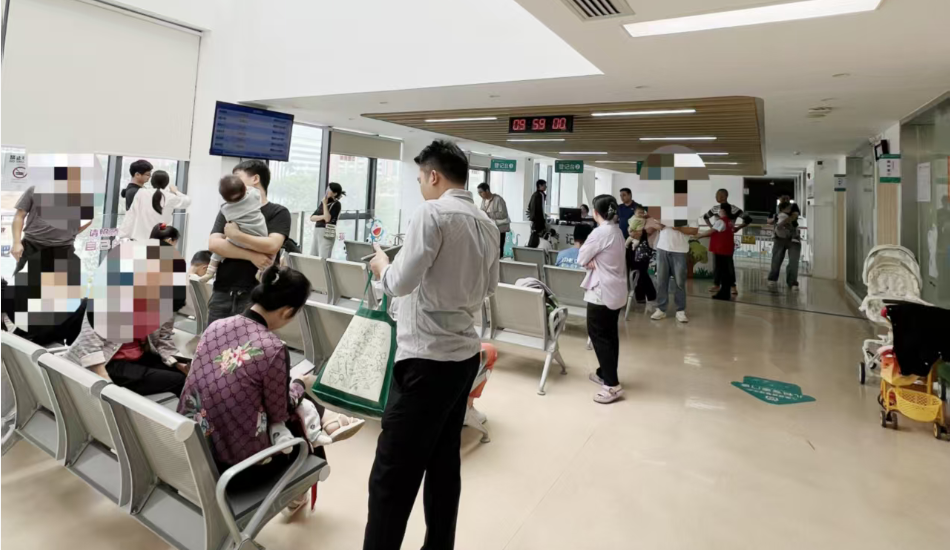
Group 1 - The flu season for 2025 is expected to be on par with pre-pandemic levels, with a notable increase in flu patients reported recently [1][5][6] - The dominant strain this year is A(H3N2), which has lower immunity in the population compared to last year's A(H1N1) strain [5][6] - Vaccination remains the most effective preventive measure, with a surge in vaccine demand observed in various regions [2][7] Group 2 - The price of trivalent flu vaccines has decreased significantly, reaching a low of 5.5 yuan per dose, while quadrivalent vaccines have maintained stable pricing [3][13] - Sanofi, a major overseas player, has resumed supply to the Chinese market after a 10-month hiatus, but this has not significantly impacted the domestic market dynamics [3][12] - Domestic vaccine manufacturers, such as Sinopharm, Beijing Kexing, and Hualan Biological, continue to dominate the market with a total of 322 batches of vaccines approved this year, compared to only 22 batches from Sanofi [12] Group 3 - The flu vaccine market is characterized by a growing demand, with experts indicating that the market is expanding rather than becoming more competitive due to the presence of Sanofi [12][14] - The pricing strategy for trivalent vaccines is shifting towards volume-based pricing, while quadrivalent vaccines are stabilizing after previous price wars [13][14] - The overall flu vaccine market is expected to differentiate between standard and premium products, catering to different consumer segments [14][15]
流感抗病毒类药品销量攀升,这个流感季,你接种疫苗了吗?
Bei Ke Cai Jing· 2025-10-24 03:49
Group 1: Flu Vaccine Market Dynamics - The sales of antiviral flu medications in China have surged significantly, with specific products like 999 Cold Medicine and Pudilan increasing by 210% and 390% year-on-year, respectively [1] - The number of flu vaccine batches approved for distribution in China has reached 112, with quadrivalent vaccines making up over 53% of the total [8][9] - The price of flu vaccines has decreased significantly, with some quadrivalent vaccines priced below 100 yuan, and public market prices for trivalent vaccines dropping to single digits [10] Group 2: Public Health Concerns and Vaccination Rates - The flu season in the Northern Hemisphere typically starts in October, with Japan reporting a significant increase in flu cases, indicating a potential early flu season [3][4] - China's flu vaccination rate remains low, with only 3.9% of the population vaccinated during the 2022-2023 season, and a further decline to 3% expected for the upcoming seasons [9][11] - Public health experts emphasize the need for improved vaccination rates among high-risk groups, including the elderly and children, to establish herd immunity [12][13] Group 3: Strategies for Increasing Vaccination Uptake - Recommendations for increasing flu vaccination rates include policy guidance, public education, and collaboration across multiple sectors [12][14] - Initiatives such as setting up "green channels" for the elderly and mobile vaccination units are being implemented to facilitate access to flu vaccines [13] - The importance of public awareness campaigns, including endorsements from public figures, is highlighted as a means to improve public perception and uptake of flu vaccinations [14]
生物制品板块10月22日跌0.57%,奥浦迈领跌,主力资金净流出1.92亿元
Zheng Xing Xing Ye Ri Bao· 2025-10-22 08:20
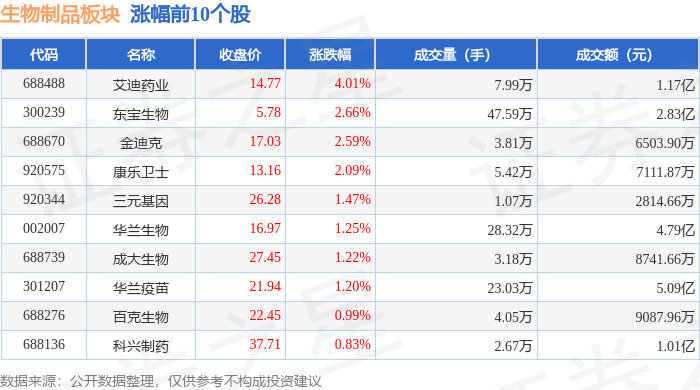
Market Overview - The biopharmaceutical sector experienced a decline of 0.57% on October 22, with Aopumai leading the drop [1] - The Shanghai Composite Index closed at 3913.76, down 0.07%, while the Shenzhen Component Index closed at 12996.61, down 0.62% [1] Stock Performance - Notable gainers in the biopharmaceutical sector included: - Wendi Pharmaceutical (688488) with a closing price of 14.77, up 4.01% [1] - Dongbao Bio (300239) at 5.78, up 2.66% [1] - Jinke (688670) at 17.03, up 2.59% [1] - Major decliners included: - Aopumai (688293) at 55.19, down 4.40% [2] - Wofu Bio (300357) at 31.63, down 3.18% [2] - Sanofi (688336) at 59.60, down 2.39% [2] Capital Flow - The biopharmaceutical sector saw a net outflow of 192 million yuan from institutional investors, while retail investors contributed a net inflow of 53.82 million yuan [2] - Specific stock capital flows included: - Te Bao Bio (688278) with a net inflow of 19.00 million yuan from institutional investors [3] - Hualan Bio (002007) with a net inflow of 12.05 million yuan from institutional investors [3] - Aopumai (688293) with a net outflow of 4.40% from institutional investors [3]


生物制品板块10月21日涨1.16%,华兰疫苗领涨,主力资金净流入1.39亿元
Zheng Xing Xing Ye Ri Bao· 2025-10-21 08:29
证券之星消息,10月21日生物制品板块较上一交易日上涨1.16%,华兰疫苗领涨。当日上证指数报收于 3916.33,上涨1.36%。深证成指报收于13077.32,上涨2.06%。生物制品板块个股涨跌见下表: 从资金流向上来看,当日生物制品板块主力资金净流入1.39亿元,游资资金净流出9439.54万元,散户资 金净流出4501.94万元。生物制品板块个股资金流向见下表: 以上内容为证券之星据公开信息整理,由AI算法生成(网信算备310104345710301240019号),不构成投资建议。 ...

A股异动丨流感概念股走强,今年流感季或提前到来,人数可能更多
Ge Long Hui A P P· 2025-10-21 06:11
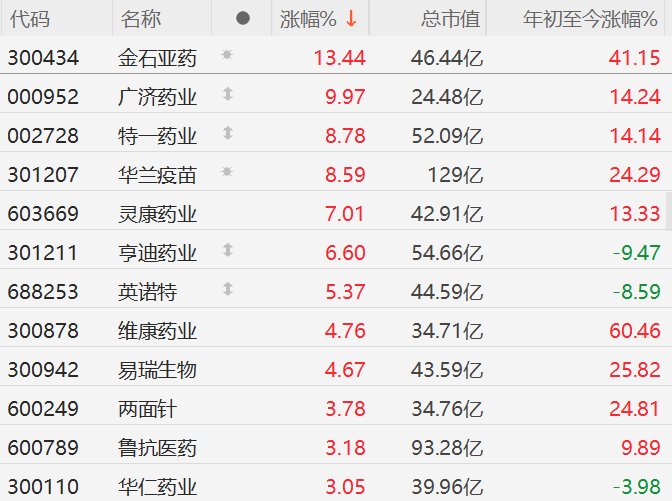
Core Viewpoint - The A-share market is experiencing a surge in flu-related stocks, driven by rising flu activity in southern provinces and the emergence of the H3N2 strain, which has led to increased investor interest in pharmaceutical companies [1][2] Company Performance - **Jinshi Yiyao**: Increased by 13.44%, with a total market value of 4.644 billion [2] - **Guangji Pharmaceutical**: Rose by 9.97%, total market value of 2.448 billion [2] - **Te Yi Pharmaceutical**: Gained 8.78%, market value of 5.209 billion [2] - **Hualan Biological Engineering**: Up by 8.59%, with a market value of 12.9 billion [2] - **Lingkang Pharmaceutical**: Increased by 7.01%, market value of 4.291 billion [2] - **Hengdi Pharmaceutical**: Rose by 6.60%, market value of 5.466 billion [2] - **Innotec**: Increased by 5.37%, market value of 4.459 billion [2] - **Weikang Pharmaceutical**: Up by 4.76%, market value of 3.471 billion [2] - **Yirui Biological**: Increased by 4.67%, market value of 4.359 billion [2] Market Trends - The China CDC reported a slow increase in respiratory disease cases nationwide, with flu activity rising in southern provinces and remaining low in northern regions [1] - Experts suggest that the flu season may arrive earlier this year, with a potential increase in infection rates due to lower immunity against the H3N2 strain [1]


毒株与去年不同,流感季或提前!这一概念异动拉升
Di Yi Cai Jing· 2025-10-21 04:04
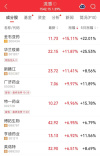
Core Viewpoint - The flu-related stocks experienced a significant surge on October 21, with notable increases in companies such as Te Yi Pharmaceutical, Jinshi Yao, and Hualan Vaccine, driven by rising flu activity in southern China and predictions of an earlier flu season this year [1][4]. Group 1: Stock Performance - Te Yi Pharmaceutical reached a trading limit with a price of 10.27, reflecting a 9.96% increase [2] - Jinshi Yao saw a price increase to 11.73, marking a 15.11% rise [2] - Hualan Vaccine's stock rose to 22.15, showing an 11.87% increase [2] - New Ganjing's stock price increased to 23.72, with a rise of 11.41% [2] - Other companies like Hengdi Pharmaceutical and Xiangrikui also followed the upward trend [1]. Group 2: Flu Activity and Predictions - The China CDC reported an increase in flu activity in southern provinces, indicating a potential early onset of the flu season this year [4] - Experts noted that the predominant flu strain this year is H3N2, differing from last year's H1N1 strain, which may lead to lower immunity levels in the population [5]. Group 3: Vaccination Recommendations - Vaccination is emphasized as the most effective method to prevent flu and reduce severe cases, with recommendations for individuals to get vaccinated between September and November [8] - The flu vaccine needs to be administered annually due to the rapid mutation of the virus, ensuring protection against the current year's strains [8][9]. - High-risk groups, including children under 5, the elderly, and individuals with chronic health conditions, are advised to prioritize vaccination [12].