KB Home

Search documents
中金 | 美国住宅建筑商:把握利率预期变动下的投资机遇
中金点睛· 2025-08-19 23:41
Core Viewpoint - The U.S. residential construction sector is experiencing short-term pressures alongside long-term potential, with challenges including inventory and price pressures, profit margin squeeze, and housing affordability issues. However, the underlying demand for housing remains strong, indicating potential for recovery if key variables shift positively [2][4][6]. Inventory and Price Pressure - New home inventory has been rising since 2023, leading developers to adopt price reduction strategies or sales incentives to accelerate sales, resulting in a 7% year-on-year decline in new home sales prices as of Q2 2025 [4][5]. - As of mid-2025, 38% of developers have lowered prices, while 62% have offered sales incentives, with discounts averaging 6%-8% off the sales price [4]. Profit Margin Pressure - U.S. residential builders are facing significant profit margin pressures due to high land, labor, and financing costs, alongside additional promotional costs. The average gross margin for major builders has declined by 3 percentage points year-on-year as of Q2 2025 [5][6]. Housing Affordability Constraints - The housing affordability index has dropped from 100.9 at the end of 2024 to 94.4 in mid-2025, indicating a decrease in buyer confidence and purchasing power in a high-interest rate environment [6][7]. Valuation Dynamics - The valuation of residential builders is expected to undergo a two-phase recovery: the first phase driven by changes in interest rate expectations leading to valuation multiples expansion, and the second phase driven by profit recovery, which is subject to various macroeconomic uncertainties [3][7]. - Current valuation multiples have decreased by 20%-30% from previous highs, providing a safety margin for investors [9]. Investment Opportunities - The initial phase of investment opportunities is linked to the anticipated changes in interest rates, with a focus on companies with low valuation levels but high return on equity (ROE). The recovery in profitability may vary based on product types and market coverage [9][10]. - Companies with a market share in entry-level products and those operating in high-immigration areas are expected to see order volume recovery first [9][10]. Key Financial Metrics - The average asset-liability ratio for U.S. residential builders has slightly increased in 2025, while gross margins have generally declined by 3 percentage points year-on-year as of Q2 2025 [43][44]. - Return on equity (ROE) and return on assets (ROA) have shown a downward trend, averaging 20.5% and 11.5% respectively as of mid-2025, although still above the S&P 500 average [44][50].


美国房屋建筑商概念股普遍上涨,股强劲数据和轮动交易带来支撑
Jin Rong Jie· 2025-08-19 22:19
Core Insights - The S&P Composite Homebuilders Index rose by 1.5%, reaching its highest closing point since December 11, 2024, following data that showed U.S. housing starts in July increased to a five-month high, contrary to expectations of a decline in housing starts for July [1] Company Performance - Home Depot saw a stock increase of 3.17% - Lennar's stock rose by 2.15% - LGI Homes experienced a 1.88% increase in stock price - D.R. Horton shares increased by 1.79% - KB Home's stock rose by 1.72% - PulteGroup saw a 1.68% increase - Century Communities' stock rose by 1.44% - Berkshire Hathaway Class B shares increased by 1.42% [1]






Masco Q2 Earnings and Sales Surpass Estimates, Stock Up
ZACKS· 2025-07-31 17:50
Core Insights - Masco Corporation (MAS) reported strong second-quarter 2025 results, with earnings and revenues exceeding Zacks Consensus Estimates, leading to a 10% increase in shares during pre-market trading [1] - The company's performance was attributed to effective management amid a dynamic geopolitical and macroeconomic environment, as stated by President and CEO Jon Nudi [1] Financial Performance - Adjusted earnings per share (EPS) for the quarter were $1.30, surpassing the Zacks Consensus Estimate of $1.08, and up from $1.20 in the same quarter last year [2] - Net sales reached $2,051 million, exceeding the consensus mark of $2,004 million, although this represented a 1.9% decline from the prior year [2] - Excluding divestitures, net sales remained flat year over year [2] Regional Sales Analysis - North American net sales decreased by 3% in local currency compared to the previous year [3] - International net sales increased by 1% year over year in local currency [3] Segment Performance - Plumbing Products segment saw a 5% year-over-year increase in net sales to $1.31 billion, with adjusted EBITDA rising to $303 million from $276 million in the prior year [4] - Decorative Architectural Products segment reported sales of $738 million, down 12% from the previous year, with adjusted EBITDA decreasing to $165 million from $184 million [5] Margin Analysis - Adjusted gross margin expanded by 10 basis points to 37.7% [6] - Adjusted selling, general and administrative expenses as a percentage of net sales decreased by 90 basis points to 17.6% [6] - Adjusted operating margin increased by 100 basis points year-over-year to 20.1%, with adjusted EBITDA for the quarter at $449 million, up from $437 million last year [6] Liquidity and Shareholder Returns - As of June 30, 2025, Masco had total liquidity of $1.34 billion, including cash and cash investments of $390 million [7] - The company repurchased 1.6 million shares for approximately $101 million during the reported period [8] - A quarterly dividend of $0.31 per share has been announced, scheduled for payment on August 25, 2025 [8]

Homebuilding Headwinds Putting These 3 Stocks Under Pressure
MarketBeat· 2025-07-27 14:49
Core Viewpoint - The S&P 500 has seen a broad rally, but the homebuilding sector is struggling due to high mortgage rates, rising construction costs, and regulatory pressures [1] Group 1: Factors Affecting Homebuilders - High mortgage rates have persisted, with the 30-year fixed-rate mortgage fluctuating between 6.5% and 7% for nearly two years, significantly higher than the 2.67% seen in December 2020 [5] - Tariffs on construction materials such as steel, copper, and lumber are increasing costs, with year-over-year increases of 13.6% for fabricated steel plates, 15.1% for metal molding and trim, 18.9% for softwood lumber, and 24.2% for machinery equipment and parts [5] - An immigration crackdown is leading to labor shortages, particularly in the South and Midwest, where undocumented workers make up a significant portion of the construction workforce [4] Group 2: Market Performance and Company Analysis - D.R. Horton Inc. reported earnings that beat expectations, but year-over-year numbers still showed a decline, indicating potential challenges ahead for the sector [8] - NVR Inc. is facing headwinds due to its asset-light model and reliance on subcontractors, with expectations of further year-over-year declines in earnings [11] - Lennar Corp. is vulnerable due to its high-volume strategy, which is sensitive to macroeconomic pressures, and reported a 4.4% drop in year-over-year revenue [14] - KB Home, focusing on first-time buyers, is particularly affected by high prices and mortgage rates, with a reported revenue drop of 10.5% year-over-year [17]
United Rentals' Q2 Earnings Miss Estimates, Revenues Up Y/Y
ZACKS· 2025-07-24 16:01
Core Viewpoint - United Rentals, Inc. (URI) reported mixed second-quarter 2025 results, with earnings missing estimates while revenues exceeded expectations, reflecting strong demand in construction and industrial markets [1][4][10] Financial Performance - Adjusted EPS was $10.47, missing the Zacks Consensus Estimate of $10.54 by 0.7% and down 21% year-over-year [4][10] - Total revenues reached $3.943 billion, beating the consensus mark of $3.909 billion by 0.9% and growing 4.5% year-over-year [4][10] - Adjusted EBITDA increased 2.3% year-over-year to $1.81 billion, with a margin contraction of 100 basis points to 45.9% [9] Segment Performance - Equipment Rentals revenues rose 6.2% year-over-year to $3.415 billion, marking a record high for the second quarter [5] - General Rentals segment saw a 2.7% year-over-year revenue growth to $2.268 billion, with a rental gross margin contraction of 120 basis points to 35.1% [7] - Specialty segment revenues improved 14% year-over-year to $1.147 billion, despite a gross margin contraction of 220 basis points to 45.8% [8] Balance Sheet and Cash Flow - Cash and cash equivalents increased to $548 million as of June 30, 2025, from $457 million at the end of 2024 [11] - Total liquidity stood at $2.996 billion, with long-term debt decreasing to $12.1 billion [11] - Net cash from operating activities improved 20% year-over-year to $2.753 billion, and free cash flow grew 12.5% to $1.198 billion [12] Future Outlook - United Rentals raised its 2025 revenue outlook to a range of $15.8-$16.1 billion, up from the previous range of $15.6-$16.1 billion [13] - Adjusted EBITDA is now projected between $7.3 billion and $7.45 billion, an increase from the prior estimate [13] - Free cash flow expectations have also been raised to a range of $2.4-$2.6 billion [15]


NVR's Q2 Earnings & Homebuilding Revenues Top, New Orders Down Y/Y
ZACKS· 2025-07-24 15:26
Core Insights - NVR, Inc. reported better-than-expected second-quarter 2025 results, with earnings and Homebuilding revenues surpassing the Zacks Consensus Estimate, although year-over-year earnings declined and Homebuilding revenues remained flat [1][4]. Financial Performance - Earnings per share were $108.54, exceeding the Zacks Consensus Estimate of $104.89 by 3.5%, but decreased 10.1% from the prior-year quarter's earnings of $120.69 [4][9]. - Homebuilding revenues reached $2.55 billion, surpassing the consensus mark of $2.4 billion by 6.1%, but were flat year over year [4][9]. - Consolidated revenues, including Homebuilding and Mortgage Banking fees, amounted to $2.60 billion, a slight decline of 0.4% year over year [4]. Homebuilding Segment Analysis - Homebuilding segment revenues were flat compared to the year-ago quarter, with settlements down 3% year over year to 5,475 units [5][9]. - The average selling price (ASP) for settlements increased by 3% year over year to $465,400, while gross margin contracted by 210 basis points to 21.5% [5][6]. - New orders decreased by 11% year over year to 5,379 units, with the ASP of new orders remaining flat at $458,100 [6][9]. Market Conditions - The results reflect ongoing affordability challenges for homebuyers amid macroeconomic risks and inflationary pressures, leading to a pullback in the Homebuilding segment [2][3]. - Backlog units and value weakened due to uncertainties in the housing market, with backlog decreasing 13% to 10,069 homes and $4.75 billion in value [6][9]. Mortgage Banking Performance - Mortgage banking fees fell 21.7% year over year to $50.5 million, while closed loan production totaled $1.56 billion, up 2% year over year [7][9]. - The capture rate improved to 87% in the second quarter, up from 86% in the prior year [7]. Shareholder Actions - During the first six months of 2025, NVR repurchased 142,954 shares for $1.05 billion, with 2,883,215 shares outstanding at the end of June 30, 2025 [10].

Why Is KB Home (KBH) Up 11.2% Since Last Earnings Report?
ZACKS· 2025-07-23 16:31
Core Viewpoint - KB Home's recent earnings report showed a mixed performance with earnings and revenues beating estimates but declining year-over-year, reflecting challenges in the housing market due to high mortgage rates and affordability concerns [2][3][5]. Earnings & Revenue Discussion - Adjusted earnings per share (EPS) for Q2 fiscal 2025 were $1.5, exceeding the Zacks Consensus Estimate of $1.45 by 3.5%, but down from $2.15 in the same quarter last year [5]. - Total revenues reached $1.53 billion, surpassing the consensus mark of $1.495 billion by 2.3%, yet decreased by 10.5% year-over-year [5]. Segmental Details - Homebuilding segment revenues were $1.525 billion, a decline of 10.4% from $1.702 billion in the prior year, with homes delivered dropping 11% to 3,120 units [6]. - The average selling price (ASP) increased by 1.2% year-over-year to $488,700 [6]. - Net orders fell by 13% to 3,460 units, with the value of net orders decreasing to $1.611 billion from $2.032 billion a year ago [7]. Financial Position - As of May 31, 2025, KB Home had cash and cash equivalents of $308.9 million, down from $598 million at the end of fiscal 2024, with total liquidity of $1.19 billion [12]. - The debt-to-capital ratio increased to 32.2 from 29.4 at the end of fiscal 2024 [12]. Guidance and Outlook - KB Home lowered its fiscal 2025 guidance, now expecting housing revenues between $6.30 billion and $6.5 billion, down from a previous range of $6.6 billion to $7 billion [14]. - The expected housing gross margin is now between 19% and 19.4%, compared to the prior range of 19.2% to 20% [15]. - The company anticipates SG&A expenses as a percentage of housing revenues to be in the range of 10.2% to 10.6% [16]. Market Performance - KB Home's stock has increased by approximately 11.2% since the last earnings report, outperforming the S&P 500 [1]. - The consensus estimate for KB Home has shifted downward by 18% since the earnings release, indicating a negative sentiment among investors [17].
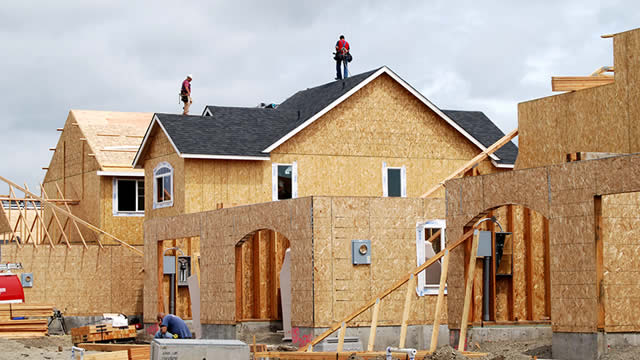
PulteGroup Stock Gains After Q2 Earnings and Revenue Beat
ZACKS· 2025-07-22 18:51
Core Insights - PulteGroup Inc. reported better-than-expected second-quarter 2024 results, with adjusted earnings and total revenues exceeding the Zacks Consensus Estimate [1][3]. Financial Performance - Adjusted earnings were $3.03 per share, surpassing the Zacks Consensus Estimate of $2.92 by 3.8%, but down from $3.58 in the same quarter last year [3]. - Total revenues reached $4.4 billion, exceeding the consensus mark of $4.37 billion by 0.8%, but decreased 4.3% from $4.6 billion year-over-year [3]. Segment Analysis - Homebuilding segment revenues fell 4.1% year-over-year to $4.3 billion, with home sale revenues also down 4.1% to $4.27 billion [4]. - The number of homes closed decreased by 5.7% to 7,639 units, while the average selling price (ASP) of homes delivered increased by 1.8% to $559,000 [5]. - Net new home orders declined 7.4% year-over-year to 7,083 units, with the value of new orders down 10.8% to $3.89 billion [5][6]. Backlog and Margins - The backlog of homes yet to be closed was 10,779 units, down from 12,982 units a year ago, with potential housing revenues from the backlog decreasing to $6.84 billion from $8.11 billion [6]. - Home sales gross margin decreased by 290 basis points year-over-year to 27%, while SG&A expenses as a percentage of home sales revenues increased by 100 basis points to 9.1% [6]. Financial Services - Revenues from the Financial Services segment dropped 9.4% year-over-year to $101.2 million, with pretax income declining to $43 million from $63 million a year ago [7]. Cash Position - At the end of the second quarter, cash, cash equivalents, and restricted cash totaled $1.27 billion, down from $1.65 billion at the end of 2024 [8]. - Net cash provided by operating activities was $421.7 million, down from $657.3 million in the prior-year period [9]. Market Outlook - CEO Ryan Marshall highlighted challenges in the spring selling season due to high mortgage rates and economic uncertainty, but noted improved consumer sentiment during periods of rate declines [2].
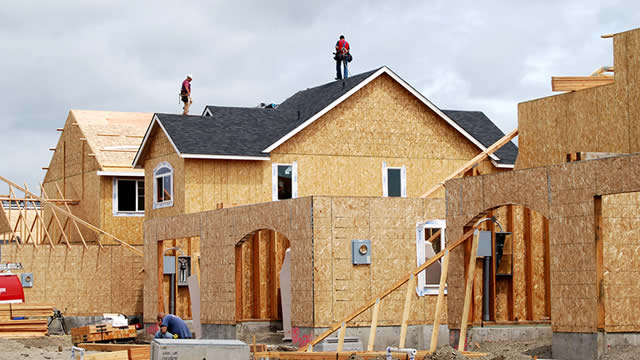
D.R. Horton Q3 Earnings & Revenues Top, Home Closings Down Y/Y
ZACKS· 2025-07-22 16:05
Core Viewpoint - D.R. Horton, Inc. (DHI) reported better-than-expected third-quarter fiscal 2025 results, with earnings and total revenues exceeding Zacks Consensus Estimate but showing a decline year-over-year [1][5]. Financial Performance - Adjusted earnings were $3.36 per share, surpassing the Zacks Consensus Estimate of $2.90 by 15.9%, but down 18% from $4.10 a year ago [5][10]. - Total revenues reached $9.23 billion, a decrease of 7% year-over-year, yet exceeding analysts' expectations of $8.78 billion by 5.1% [6][10]. - The consolidated pre-tax profit margin was 14.7%, down from 18.1% a year ago [6]. Segment Performance - Homebuilding revenues were $8.58 billion, down 7% from the prior-year quarter, with home sales at $8.56 billion, a 7.3% decline year-over-year [7]. - Home closings decreased by 4% to 23,160 homes [7]. - Financial Services revenues fell 6% year-over-year to $227.8 million [9]. - The Rental business generated revenues of $380.7 million, down from $413.7 million a year ago [11]. Market Conditions - The housing market remains soft due to declining consumer confidence and affordability concerns, impacting home closings and average selling prices [2]. - The backlog of homes decreased by 16% year-over-year to 14,075 homes, with the backlog value down 19% to $5.3 billion [8][10]. Operational Insights - The company maintains strong liquidity with cash and equivalents totaling $2.66 billion and total liquidity of $5.5 billion [12]. - D.R. Horton has a disciplined approach to capital allocation and flexible lot supply, positioning it to adapt to market conditions [4]. Guidance and Future Outlook - D.R. Horton updated its fiscal 2025 guidance, now expecting consolidated revenues between $33.7 billion and $34.2 billion, down from the previous range of $33.3 billion to $34.8 billion [15]. - Homes closed are anticipated to be between 85,000 and 85,500, compared to the previous expectation of 85,000 to 87,000 [15].
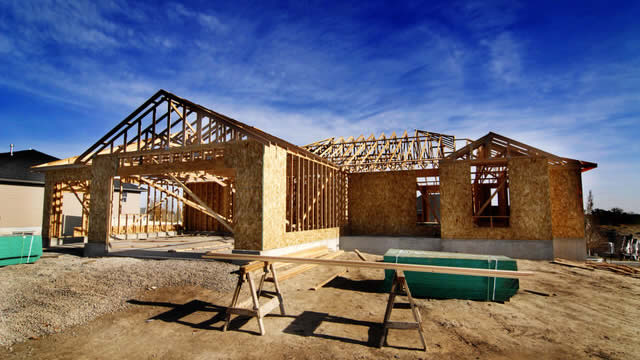
D.R. Horton to Report Q3 Earnings: Buy, Sell or Hold the Stock?
ZACKS· 2025-07-18 15:55
Core Viewpoint - D.R. Horton Inc. is expected to report disappointing results for Q3 fiscal 2025, with significant declines in earnings and revenues due to ongoing affordability pressures and consumer uncertainty [3][6][9]. Financial Performance - In the last reported quarter (Q2 fiscal 2025), D.R. Horton reported earnings of $2.58 per share, down from $3.52 a year ago, and net income of $810 million on revenues of $7.7 billion [3][6]. - Home sales revenues decreased by 15% to $7.18 billion, with the average selling price of homes down 1% year-over-year to $372,500 [3][9]. - The consensus estimate for Q3 earnings per share is $2.93, indicating a 28.5% decline from the previous year's EPS of $4.10, while revenues are expected to be between $8.4 billion and $8.9 billion, down from $9.97 billion a year ago [6][9][11]. Market Conditions - The U.S. homebuilding market is experiencing soft demand, elevated inventories, and margin pressures, which are expected to negatively impact D.R. Horton's Q3 results [10][12]. - The company anticipates home closings to be between 22,000 and 22,500 units, down from 24,155 units a year ago, due to affordability issues [9][12]. Segment Performance - Homebuilding revenues are projected to decline by 6.7% year-over-year to $6.56 billion, with home closures expected to decrease by 7.6% [13]. - The Rental Property segment is expected to see revenues of $343.6 million, reflecting a 16.9% drop from the previous year [14]. - The Financial Services segment is projected to generate $221 million in revenues, an 8.8% decline from the year-ago level [14]. Margin Analysis - The home sales gross margin is expected to be between 21% and 21.5%, down from 24% reported in the previous year, reflecting a contraction of 280 basis points [15]. - Selling, general and administrative expenses as a percentage of revenues are expected to rise to 7.9% compared to 7.1% a year ago [16]. Orders and Backlog - Net sales orders are predicted to decline by 3.9% year-over-year to 23,887 units, with the backlog expected to decrease by 6.3% to 15,737 units [16]. Stock Performance and Valuation - D.R. Horton stock has gained 9% over the past three months, outperforming the Zacks Building Products - Home Builders industry but lagging behind the broader Construction sector and the S&P 500 [20]. - The stock is trading at a forward 12-month P/E ratio of 11.01, higher than the industry average of 10.25 and above its five-year median of 9.44 [22]. Long-term Outlook - Despite near-term challenges, D.R. Horton maintains a strong market position and resilient operating model, with expectations for a rebound once macro pressures ease [26][27].