YouTube

Search documents
全球第一网红 | 一边撒钱 一边赚钱 | How?
小Lin说· 2025-05-14 13:18
Business Model & Revenue Streams - MrBeast leveraged online traffic and personal IP to attract capital and generate substantial cash flow [1] - Amazon invested $100 million in MrBeast's large-scale game reality show [1] - Feastables (chocolate brand) annual revenue surpasses hundreds of millions of dollars, exceeding YouTube channel ad revenue [1][6] - Feastables accounts for approximately 40% of total revenue, while Adsense contributes about 10%, and brand deals around 15% [6] Content Strategy & Audience Engagement - MrBeast's main YouTube channel averages over 200 million views per video with a production cost of $4 million per video [1] - The company reinvests almost all earnings from each video into making the next one, spending approximately $4-5 million per video including employee costs [4] - Key content elements include wild concepts, fast-paced editing, and high production costs [4] - The company emphasizes data-driven content creation, focusing on audience retention as the most important metric [5][6] Team & Talent Management - MrBeast trained a close associate (Tyler) for years to replicate his content creation approach and eventually delegate responsibilities [7] - The company prioritizes hiring individuals with coachability, obsession with their role, and a long-term career mindset [8] Channel Growth & Diversification - MrBeast's main channel has grown from 1 million subscribers in 2017 to over 100 million [4] - The company operates multiple side channels, including gaming, react, and charity channels, along with a TikTok account with over 60 million followers [6]


好莱坞焦虑背后的美国服务贸易顺差收缩阵痛
Di Yi Cai Jing· 2025-05-11 12:33
Core Viewpoint - Hollywood is facing significant challenges due to declining international market share, increased competition, and the impact of tariffs, which collectively threaten its historical dominance and the broader U.S. service trade [1][4][14] Group 1: Hollywood's Historical Context and Achievements - Hollywood has evolved over a century, pioneering various film production and distribution methods, and has historically dominated global box office revenues [3][4] - In 2024, Hollywood films occupied 9 out of the top 10 global box office spots, with "Inside Out 2" leading at $1.757 billion [3] Group 2: Current Market Challenges - The global box office revenue for Hollywood films fell to $30.5 billion in the previous year, a 10% decrease, with international market share dropping from 82% to 77% [4] - The number of Hollywood films grossing over $200 million globally decreased from 31 to 23, indicating a contraction across all markets [4] - In North America, the number of Hollywood films earning over $100 million fell from 25 to 22, with a revenue drop of nearly $300 million [4] Group 3: Impact of Streaming Services - Streaming platforms like Netflix and YouTube are increasingly preferred by audiences, with only 34% of U.S. adults favoring cinema, while nearly 80% prefer streaming [5] - The average time spent by U.S. audiences on streaming platforms reached 3.13 trillion minutes weekly, indicating a shift in viewing habits [5] Group 4: Tariff Policies and International Relations - The U.S. tariff policies under the Trump administration have led to reduced imports of American films in China, a crucial market for Hollywood [7][9] - China has historically been a significant market for Hollywood, contributing to a peak revenue of $21.6 billion in 2017, but this has declined to approximately $6.273 billion in 2024 [9] Group 5: Financial Implications and Future Outlook - The average production cost for Hollywood films exceeds $200 million, and rising tariffs on imported materials are expected to increase production costs and reduce profitability [9][10] - The usage rate of Los Angeles studios dropped from over 90% to 63%, with filming days at a six-year low, indicating a contraction in production activity [10] - The U.S. service trade, heavily reliant on Hollywood films, is projected to face significant challenges due to declining revenues and potential retaliatory measures from other countries [13][14]
在“推荐就是一切”的时代
Hu Xiu· 2025-05-08 09:54
Group 1 - The importance of choice in the age of artificial intelligence and how recommendation systems influence user decisions [2][3] - Recommendation engines are revolutionizing personalized choices and experiences globally, shaping the future of user interactions [4][5] - Companies like Netflix and TikTok utilize advanced algorithms to enhance user engagement and content discovery [6][7] Group 2 - The rise of recommendation systems parallels the industrial revolution, becoming a driving force in the digital economy [6] - TikTok's algorithm is recognized for its ability to promote diverse content and facilitate rapid dissemination of quality creations [7] - The demand for personalized information services is increasing, leading to a focus on metrics like precision, diversity, novelty, and fairness in recommendation systems [8][9] Group 3 - Fairness in recommendation systems has emerged as a critical metric, addressing biases that may affect different user groups and content creators [9][10] - The concept of "popularity bias" highlights the tendency of recommendation systems to favor mainstream content over niche offerings [11][12] - Various factors contribute to unfairness in recommendation systems, including historical data biases and algorithmic prioritization of engagement metrics [12][13] Group 4 - Companies are beginning to integrate fairness and transparency principles into their recommendation systems to enhance user experience [14] - The evolution of recommendation engines into self-discovery tools emphasizes the importance of user agency and self-awareness [15][16] - Effective recommendation systems can lead to greater self-insight for users, reflecting their preferences and aspirations [17][18]
胡泳:在“推荐就是一切”的时代
腾讯研究院· 2025-05-08 08:43
Core Viewpoint - The article discusses the transformative impact of recommendation systems in the digital age, questioning whether these systems empower individual choice or dictate user behavior, ultimately shaping personal destinies [2][4]. Group 1: Recommendation Systems and Their Influence - Recommendation systems are pervasive in daily life, influencing choices in music, movies, and travel through personalized suggestions [3][7]. - Netflix's approach to user experience is centered around the idea that "everything is a recommendation," tailoring content based on user preferences and viewing history [3][4]. - The rise of recommendation engines is likened to a revolution in personalized choice, raising questions about autonomy and the nature of decision-making in the age of AI [4][5]. Group 2: The Role of Algorithms - Algorithms are crucial for enhancing user experience by providing tailored recommendations, which can lead to increased engagement and satisfaction [6][7]. - The effectiveness of recommendation systems is linked to the volume and quality of data they process, with more data leading to better algorithm performance [6][7]. - TikTok's recommendation algorithm has been recognized for its ability to promote diverse content, allowing lesser-known creators to gain visibility alongside popular ones [8][12]. Group 3: Evaluation Metrics for Recommendations - Key metrics for assessing recommendation systems include precision, diversity, novelty, serendipity, explainability, and fairness [9][10]. - Precision measures the relevance of recommended content to user interests, while diversity ensures a broad range of topics is covered [9][10]. - Fairness has emerged as a critical metric, addressing biases in recommendations that may disadvantage certain groups or content creators [10][11]. Group 4: Addressing Fairness and Bias - The concept of "responsible recommendation" has gained traction, focusing on eliminating systemic biases in recommendation systems and ensuring equitable treatment across different demographics [14][15]. - Companies like Amazon, Netflix, and Spotify are actively working to incorporate fairness and transparency into their algorithms to avoid biases and promote diverse content [17][18]. - The need for transparency in recommendation logic is emphasized, allowing users to understand the basis for recommendations and fostering trust in the system [14][17]. Group 5: From Recommendation to Self-Discovery - The evolution of recommendation systems into self-discovery engines is highlighted, where users can gain deeper insights into their preferences and identities through tailored suggestions [19][20]. - Empowerment through better choices and the ability to explore new interests is a key aspect of this transformation, enhancing user engagement and self-awareness [20][21]. - Ultimately, understanding oneself and one's aspirations may increasingly depend on the interactions with intelligent recommendation systems [21].





速递|Meta内部文件曝光:扎克伯格承认Facebook不敌TikTok,反垄断案再添不利证据
Sou Hu Cai Jing· 2025-05-08 05:05
Core Insights - Meta executives acknowledge that TikTok is significantly outperforming Facebook and Instagram, with CEO Mark Zuckerberg describing Facebook as a "challenger" that has "lost momentum" [2][4] - TikTok's ability to create a shared contextual experience among users is highlighted as a key competitive advantage, allowing friends to see similar content without needing to share it directly [4] - Meta's internal discussions reveal concerns about competition from TikTok and other platforms, indicating a shift in the social media landscape where user engagement time is increasingly dominated by TikTok [3][5] Group 1: Meta's Competitive Position - Meta executives, including Zuckerberg and Instagram head Adam Mosseri, view TikTok as a major threat, with Mosseri predicting TikTok will surpass YouTube in user engagement [2][3] - Despite Facebook having the largest number of daily and weekly active users, it no longer leads in user engagement time, with TikTok taking the lead [4] - The internal documents suggest that Meta is struggling to maintain its position in a highly competitive market, with various companies eroding its growth potential [5] Group 2: User Engagement Trends - Research indicates that TikTok users, particularly those aged 4 to 18, spend 60% more time on TikTok than on YouTube, highlighting a shift in user preferences [2] - TikTok's introduction of 60-minute video uploads is seen as a direct challenge to YouTube, further intensifying competition in the video content space [2] - Meta executives recognize that merely adding new features is insufficient to retain users, as they face competition from a variety of popular social applications [5]


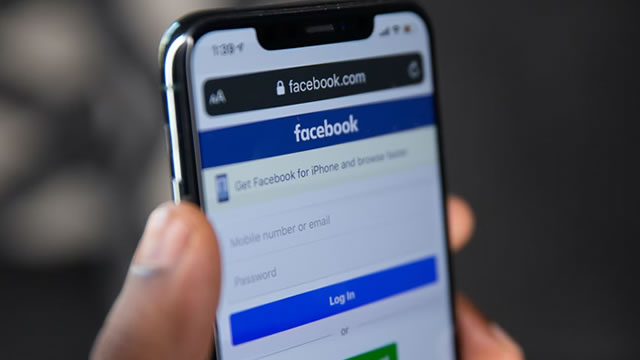
New court filing shows that Meta execs agreed that Facebook was losing to TikTok
TechCrunch· 2025-05-07 18:24
Core Insights - Meta executives, including CEO Mark Zuckerberg and Instagram head Adam Mosseri, acknowledged that TikTok is outperforming Meta in the social media landscape, indicating a significant shift in market dynamics [1][2][6] Group 1: Internal Discussions on Competition - Zuckerberg described Facebook as a "challenger" that has "lost the mindshare and momentum," highlighting TikTok's ability to create a "feeling of shared context" among users [2][8] - Mosseri noted that Facebook is no longer the default discovery engine, suggesting that YouTube currently holds that position, but he anticipated TikTok would eventually surpass it [3][4] - The executives recognized TikTok's dominance in video content, with Mosseri stating that TikTok is "100% video and beating us badly," and that it is growing the social mobile market at the expense of traditional media [4][10] Group 2: User Engagement and Market Trends - TikTok surpassed YouTube in average watch time in the U.S. in 2021, and a study indicated that children aged 4 to 18 spent 60% more time on TikTok than on YouTube in 2023 [4] - Netflix has introduced a TikTok-like feature in its app, indicating a broader trend of traditional media companies adapting to the success of short-form video platforms [5] - Zuckerberg emphasized that while Facebook may have the largest user base, it is no longer the leader in time spent on the app, further illustrating the competitive pressure from TikTok [8] Group 3: Strategic Responses and Challenges - Meta executives expressed concerns about the fragmentation of the social media landscape, with many platforms competing for user attention, making it difficult for Facebook to maintain its growth [10][12] - John Hegeman, then VP of Ads, acknowledged TikTok's lead in short-form video content and creation tools, but believed Meta could close the gap by encouraging creators to use Reels [11] - The internal documents reveal a perception within Meta that Facebook is the underdog in the social media market, with TikTok's success posing a significant risk to Meta's business growth [12]

New court filing shows that Meta execs agreed that the company was losing to TikTok
TechCrunch· 2025-05-07 18:24
Core Insights - Meta executives, including CEO Mark Zuckerberg and Instagram head Adam Mosseri, acknowledged that TikTok is outperforming Meta in the social media landscape, indicating a significant competitive threat [1][2][6] - Internal discussions revealed that Meta views Facebook as a "challenger" in the market, having lost both "mindshare" and "momentum" to TikTok [2][8] - TikTok's unique ability to create a "shared context" among users is seen as a key factor in its success, allowing friends to engage with similar content [8][9] Group 1: Competitive Landscape - Zuckerberg noted that while Facebook remains the largest app by user engagement, it is no longer the leader in time spent, with TikTok surpassing YouTube in average watch time in the U.S. in 2021 [4][8] - Mosseri highlighted that TikTok is growing the social mobile market and encroaching on traditional media like TV and long-form video platforms [4][10] - The rise of TikTok has prompted Netflix to introduce a similar vertical video feed in its mobile app, indicating a shift in content consumption trends [5] Group 2: Internal Perspectives - Meta executives expressed concerns about the fragmentation of the social media space, with numerous platforms competing for user attention, making it challenging for Facebook to maintain its growth [10][12] - John Hegeman, then VP of Ads, acknowledged TikTok's leadership in short-form video content and creation tools, while expressing optimism that Meta could close the gap through its Reels feature [11][12] - The document suggests that Meta perceives itself as the underdog in the social media market, with TikTok's success posing a risk to its business and growth [12]
CEO at 33, Tubi's Anjali Sud on success hacks she learned at Amazon, IAC on way to top of Fox streaming
CNBC· 2025-05-07 15:07
Core Insights - The future of entertainment is expected to be free for consumers, with a focus on diversity in storytelling and audience tastes, moving away from traditional Hollywood norms [2][3] - Competition in the media landscape should not dictate strategy; companies should leverage their strengths and focus on unique value propositions [5][6][9] Company Overview - Anjali Sud became CEO of Vimeo at 33 and took the company public in 2021; she is now leading Fox Corp.'s Tubi, which has seen rapid growth, reaching nearly 100 million monthly active users [3] - Tubi hosted the Super Bowl, marking a significant streaming event, showcasing its growing influence in the streaming market [3] Industry Trends - The need for more tools and space for creators is driving business strategies, with a focus on enabling diverse creators to produce high-quality content [6][7] - Understanding customer needs is fundamental for developing successful business strategies [8] Leadership Philosophy - Companies should prioritize internal debate and encourage dissenting views to foster innovation [12][13] - A balance between urgency in execution and patience in vision is essential for long-term success [15] Personal Insights from Leadership - Imposter syndrome is a common experience for CEOs, and embracing authenticity can enhance leadership effectiveness [16][18] - The importance of sleep as a key factor in maintaining productivity and managing work-life balance is emphasized [20][21] Gender and Leadership - Sud aims to create opportunities for women in leadership roles, reflecting on her own experiences as a young female CEO [22]



fuboTV(FUBO) - 2025 Q1 - Earnings Call Transcript
2025-05-02 13:32
Financial Data and Key Metrics Changes - In Q1 2025, Fubo's North American streaming business had 1,470,000 paid subscribers, down 2.7% year over year, but exceeding the guidance of 1,460,000 [6][7] - Total revenue in North America was $407.9 million, up 3.5% year over year [7] - Net income from continuing operations was $188 million or $0.55 per diluted share, compared to a net loss of $56.3 million and a loss per share of $0.19 in the prior year [12] - Adjusted EBITDA was negative $1.4 million, a $37 million improvement year over year [12] - Free cash flow improved by $9 million year over year to negative $62 million [13] Business Line Data and Key Metrics Changes - Advertising revenue for the quarter was $22.5 million, down 17% year over year, largely due to the discontinuation of Warner Bros. Discovery and TelevisaUnivision Networks [11] - The company is focused on providing multiple and flexible packaging options, including skinny bundles [9][10] Market Data and Key Metrics Changes - For Q2 2025, North America guidance projects subscribers of 1,225,000 to 1,255,000, reflecting a 14% year over year decline at the midpoint [13] - For the Rest of World segment, Q2 guidance projects subscribers of 325,000 to 335,000, down 17% year over year [14] Company Strategy and Development Direction - The company is committed to achieving profitability in 2025 and is focused on optimizing its aggregated content platform [11][15] - Fubo is working on a combination with Hulu plus Live TV, which is expected to enhance competition and consumer choice in the pay TV space [8][10] - The company aims to launch a new skinny bundle service for the fall sports season, featuring content from both Disney and non-Disney programmers [10] Management's Comments on Operating Environment and Future Outlook - Management expressed optimism about the subscriber growth opportunities with the introduction of skinny bundles and the ongoing negotiations for content [21][22] - The company noted that the impact of losing certain content providers would continue into the second quarter but expected the impact on subscriber base to be more modest over time [20] - Management highlighted that profitability remains the focus, even amidst challenges in the media landscape [11][15] Other Important Information - The company has improved its global profitability metrics by more than $100 million for the trailing twelve months [8] - The company is seeing solid interest in its Latino package after lowering its price [19] Q&A Session Summary Question: Update on content discussions with Televisa Univision - Management stated there are no new updates but remains open to discussions under acceptable terms [18] Question: Impact of macroeconomic conditions on subscriber growth and advertising - Management indicated that churn for the English package is slightly better year over year, and reactivations were better than expected in April [27] Question: Concerns about the Rest of World segment and its future - Management emphasized the importance of profitability over growth and is focused on building a unified platform for international expansion [32][34] Question: Explanation for the decline in advertising revenue - Management clarified that the loss of ad-insertable hours from certain networks directly impacted ad revenue, but normalized figures would show slight growth [36] Question: Performance of gamified ads and advertiser interest - Management reported a 30% year-over-year increase in interactive ads and noted strong interest from advertisers despite tightening budgets [40][42]

Alphabet reports first-quarter earnings that exceed initial expectations and credits 'unique full-stack approach to AI' for growth
Business Insider· 2025-04-24 20:26
Alphabet, the parent company of Google and YouTube, reported its first-quarter earnings Thursday after market close, mostly exceeding initial revenue estimates, sending shares up 4%. Alphabet Inc., comprised of Google and a collective of companies called Other Bets, reported its first-quarter earnings results during a conference call on Thursday.Google CEO Sundar Pichai said in a statement that the company's "strong Q1 results, which reflect healthy growth and momentum across the business," reflect its "un ...