赛诺菲

Search documents
Trump unveils major drug price deals with 9 Pharma giants, launches TrumpRx.gov to cut medicine costs in US
MINT· 2025-12-19 23:46
Core Insights - President Trump announced a set of drug-pricing agreements with nine major pharmaceutical companies, aiming to align U.S. medicine costs with those in Europe [1][2] - The initiative includes a new direct-to-consumer portal, TrumpRx.gov, allowing patients to purchase certain medicines directly from manufacturers [2][4] Group 1: Agreements and Participants - The agreements involve 14 out of 17 drugmakers that Trump previously urged to lower prices, including Amgen, GSK, and Merck [2][3] - Drug companies are motivated to negotiate to avoid potential regulatory measures that could impact their profits [3] Group 2: TrumpRx.gov Functionality - TrumpRx.gov will serve as a central directory for patients to access selected medicines directly from manufacturers' websites [4] - The portal is expected to be fully operational by January, following a promotional launch [4] Group 3: Pricing Details - Highlighted medicines include Amgen's Repatha at $239/month, GSK's Advair Diskus at $89/month, and Merck's Januvia at $100/month [6] - Gilead's Epclusa will be priced at $2,492/month, despite lower costs for insured patients [6] Group 4: Impact on Medicaid and Medicare - Companies committed to launching new medicines in the U.S. at prices comparable to those in other wealthy countries [8] - Medicaid programs are legally entitled to the lowest drug prices, with Bristol Myers Squibb offering Eliquis free to Medicaid [9] Group 5: Industry Response and Future Outlook - Health policy experts express skepticism about the agreements' impact on overall drug prices for most Americans [10] - The agreements do not impose mandatory price controls and leave many brand-name drug costs unchanged [15] - Ongoing discussions with additional manufacturers like AbbVie and Johnson & Johnson may lead to further agreements [14]


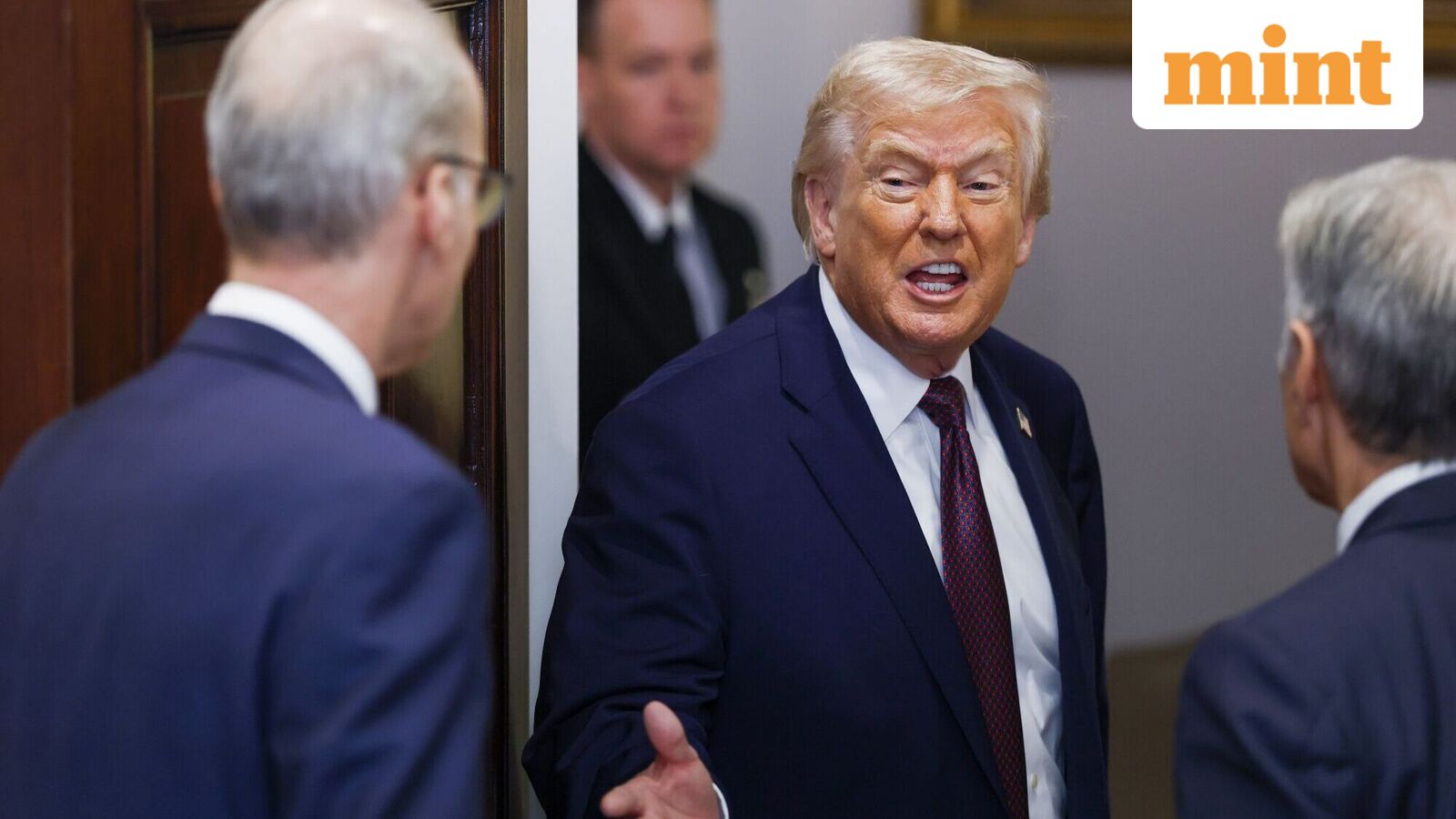
特朗普标榜“大胜”:九大药企达成降价协议换取三年关税豁免
Hua Er Jie Jian Wen· 2025-12-19 23:35
Core Insights - The U.S. government has reached a drug price reduction agreement with nine major pharmaceutical companies, marking a significant step in lowering drug costs for low-income and disabled individuals under the Medicaid program [1][3] - The agreement includes commitments from companies to sell drugs at prices comparable to those in international markets and to offer discounts directly to consumers [1][2] - The Trump administration plans to launch a direct sales website, TrumpRX, in the new year, where discounted drugs will be available for purchase [2][6] Agreement Details - The nine pharmaceutical companies involved have agreed to implement several measures to lower drug prices, including selling existing drugs to Medicaid patients at "most favored nation" prices and listing popular drugs on the TrumpRX website [3] - In exchange for these commitments, the companies will receive a three-year tariff exemption and other benefits, such as expedited approval for new drugs [3] - Some companies have also agreed to donate six months' worth of drug raw materials to the national strategic stockpile and commit to producing finished drugs in emergencies [3] Global Pricing Challenge - The Trump administration's "most favored nation" policy aims to address the high costs of drug development borne by the U.S. market by increasing drug prices outside the U.S. [4] - Pharmaceutical companies argue that high U.S. prices are necessary to fund research and development, and industry associations claim that the most favored nation pricing is not the best way to reduce U.S. drug costs [4] - The importance of the U.S. market is underscored by the fact that many European pharmaceutical companies derive a significant portion of their sales from the U.S. [4] Market Impact and Future Outlook - The agreements are expected to have a substantial impact on the U.S. healthcare market, with the potential for significant adjustments in drug pricing as more companies join the initiative [5][6] - However, the actual effects of these agreements remain to be seen, as the details are currently confidential, prompting calls from Democratic lawmakers for more transparency [6] - The anticipated launch of the TrumpRX website could further influence drug pricing dynamics in the U.S. [6]
特朗普与九家药企达成协议,大幅降低药价
Xin Lang Cai Jing· 2025-12-19 23:34
Core Viewpoint - The agreement between President Trump and nine major pharmaceutical companies aims to significantly reduce drug prices for government Medicaid programs and cash-paying patients [1] Group 1: Agreement Details - The pharmaceutical companies involved include Bristol-Myers Squibb, Gilead Sciences, Merck, and Genentech, a subsidiary of Roche [1] - Other companies that have joined the agreement are Novartis, Amgen, Boehringer Ingelheim, Sanofi, and GlaxoSmithKline [1] - The agreement stipulates that pharmaceutical companies will lower prices for most drugs sold to low-income individuals under Medicaid and commit to achieving "substantial savings" on widely used medications [1]
24小时闪电“派礼包”!特朗普年末卖力吸引选民
Hua Er Jie Jian Wen· 2025-12-19 23:22
Group 1: Economic Measures and Policies - President Trump announced a $1,776 "warrior bonus" for 1.45 million active-duty military personnel, funded by an additional $2.6 billion from tariffs, benefiting approximately 1.28 million active and 174,000 reserve service members [2] - Federal employees will receive an unprecedented two additional days off for Christmas, creating a five-day holiday period, with the government closing on December 24 and 26 [3] - Trump signed an executive order to relax marijuana regulations, moving it from Schedule I to Schedule III, which will facilitate more clinical research and FDA reviews [4][6] Group 2: Housing and Drug Pricing Initiatives - Trump promised to unveil a housing reform plan to address the housing affordability crisis, while claiming inflation has "stopped" [7] - Major pharmaceutical companies, including Merck and GSK, agreed to voluntarily lower drug prices in exchange for tariff exemptions and regulatory relief, with Novartis committing to invest $23 billion in the U.S. over five years [7] Group 3: Political Context and Challenges - Trump's policy announcements come amid declining approval ratings, with Ipsos polling showing his support at 39%, and challenges related to rising living costs and the upcoming 2026 midterm elections [1][9] - The unemployment rate rose to 4.6% in November, the highest since October 2021, with approximately 7.83 million unemployed, indicating economic pressures that could impact the Republican party's control in Congress [8][9]
默沙东(MRK.US)、施贵宝(BMY.US)等多家药企同意下调美国药价 以换取特朗普政府关税豁免和政策支持
智通财经网· 2025-12-19 23:18
Group 1 - The core point of the news is that several major pharmaceutical companies in the US and Europe have agreed to voluntarily lower drug prices in exchange for tariff exemptions and policy support from the Trump administration, which is reviving the "Most Favored Nation" pricing policy to reduce high prescription drug costs in the US [1][2] - Companies that signed the agreement include Merck (MRK.US), Bristol-Myers Squibb (BMY.US), Amgen (AMGN.US), Gilead Sciences (GILD.US), GlaxoSmithKline (GSK.US), Sanofi (SNY.US), Rogers (ROG.US), Boehringer Ingelheim, and Novartis (NVS.US), committing to increase domestic production and investment in the US over the next three years [1] - Bristol-Myers Squibb's commitment to provide its best-selling anticoagulant drug Eliquis for free to Medicaid patients is highlighted as one of the most significant measures in this price reduction initiative [1] Group 2 - Trump stated that out of 17 major pharmaceutical companies he contacted in July, 14 have agreed to significantly lower drug prices, marking a historic victory for patient affordability in the US [2] - Although the full terms of the agreements have not been disclosed, companies have agreed to various measures to lower drug prices, including selling existing drugs to Medicaid patients at "Most Favored Nation" prices and committing to pricing for future new drugs [2] - Gilead Sciences announced that patients will be able to obtain its hepatitis C treatment drug Epclusa at a discounted price, while Sanofi indicated discounts of nearly 70% on certain drugs in the fields of infection, cardiovascular, and diabetes [2] Group 3 - Merck's CEO expressed support for Trump's policy direction of lowering US drug prices while raising prices in overseas markets to end global free-riding [3] - Amgen announced an expansion of its existing direct sales program, including significant discounts on its migraine prevention drug Aimovig and autoimmune treatment drug Amjevita [3] - The average price of prescription drugs in the US is nearly three times that of overseas markets, with brand-name drug prices exceeding four times, highlighting the US market's importance to pharmaceutical companies, especially European firms [3]

特朗普与九家药企达成协议 大幅降低药价
Sou Hu Cai Jing· 2025-12-19 21:51
Core Points - The agreement between President Trump and nine major pharmaceutical companies aims to significantly reduce drug prices for government Medicaid programs and cash-paying patients [1] - Companies involved in the agreement include Bristol-Myers Squibb, Gilead Sciences, Merck, and Genentech, with Novartis, Amgen, Boehringer Ingelheim, Sanofi, and GlaxoSmithKline also participating [1] - The pharmaceutical companies will lower prices for most drugs sold to low-income Medicaid patients and promise "substantial savings" on widely used medications [1] - Trump has pressured pharmaceutical companies to align U.S. drug prices with those paid by patients in other countries, previously sending letters to 17 major drug company leaders [1] - Five companies have already reached agreements with the government to control drug prices, while three companies—Regeneron, Johnson & Johnson, and AbbVie—have not yet announced agreements [1] - The Director of the Centers for Medicare and Medicaid Services, Mehmet Oz, indicated that these companies will attend the launch ceremony of the government website TrumpRx after the holidays [1]
Trump strikes deal with US drugmakers to cut Medicaid medicine costs
The Guardian· 2025-12-19 20:14
Core Insights - Donald Trump and nine major pharmaceutical companies have reached agreements to significantly reduce drug prices for the Medicaid program and cash payers, aiming to align US costs with those in other wealthy nations [1][2] Group 1: Price Reductions and Agreements - Drugmakers will cut prices on most drugs sold to Medicaid, promising "massive savings" on commonly used medicines, although specific figures were not disclosed [2] - The deals include agreements to lower cash-pay prices for select drugs, launch drugs in the US at prices equal to those in other wealthy nations, and increase manufacturing [3] - Merck plans to sell its diabetes drugs at approximately 70% off list prices directly to US consumers, with potential for its experimental cholesterol drug to be offered through direct channels [4] Group 2: Previous and Current Deals - Five companies had previously made agreements with the administration to control prices, while three companies have yet to announce deals [6] - Drugmakers committed to "most-favored-nation" pricing for all new US drug launches across various markets, including Medicare [7] Group 3: Financial Commitments and Investments - Companies pledged to invest over $150 billion in US research and development and manufacturing, with Merck contributing $70 billion of that total [8] - A portion of revenues from foreign sales will be remitted to the US to help offset costs [8] Group 4: Medicaid and Market Impact - Medicaid, which represents about 10% of US drug spending, already benefits from significant price discounts, sometimes exceeding 80% [9] - Pfizer indicated that Medicaid discounts would lead to price and margin compression in the upcoming year [9]



Trump secures agreements with Merck, Amgen, Novartis and others to cut drug prices under Medicaid
MINT· 2025-12-19 20:04
Core Points - US President Donald Trump announced agreements with nine major pharmaceutical companies to reduce drug prices for Medicaid and cash-paying consumers, aiming to align US drug costs with those in other wealthy nations [1][4] - Trump emphasized that the US was previously subsidizing global drug costs and will no longer do so [2] Group 1: Drugmakers Involved - Participating companies include Bristol Myers Squibb, Gilead Sciences, Novartis, Amgen, Boehringer Ingelheim, Sanofi, GSK, Merck, and Roche's US unit Genentech [3] - Additional companies like Regeneron, Johnson & Johnson, and AbbVie are expected to join after the holidays [3] Group 2: Price Reductions and Commitments - Drugmakers will reduce prices on most medicines sold to Medicaid, promising "massive savings" on widely used drugs, although specific figures were not disclosed [4] - The agreements also include commitments to cut cash prices for select medicines and to launch new drugs in the US at prices equal to those in other wealthy countries [5] Group 3: Specific Drug Pricing - Merck plans to sell diabetes drugs Januvia, Janumet, and Janumet XR at discounts of about 70% off list prices [7] - Amgen will price its migraine drug Aimovig and arthritis treatment Amjevita at $299 per month, which is nearly 60% and 80% below current US list prices, respectively [7] Group 4: Investment and Revenue Sharing - Companies pledged to invest over $150 billion in US research, development, and manufacturing, with Merck alone committing $70 billion [8] - A portion of each company's overseas revenue will be remitted to the US to help offset domestic drug costs, and several companies agreed to donate drug ingredients to the US strategic reserve [9] Group 5: Industry Reaction - Five drugmakers, including Pfizer and Eli Lilly, had already struck similar deals with the administration, and AbbVie is expected to announce its agreement soon [10]

赛诺菲(SNY.O):协议不会影响三年期内的主导增长战略或财务展望。
Jin Rong Jie· 2025-12-19 19:37
Group 1 - The core viewpoint of the article is that Sanofi's agreement will not impact its dominant growth strategy or financial outlook over the next three years [1] Group 2 - Sanofi maintains a strong focus on its growth strategy despite the recent agreement [1] - The financial outlook remains stable and unaffected by the agreement [1]
Nine of the largest pharma companies ink deals with Trump to lower drug prices
CNBC· 2025-12-19 19:34
Core Points - President Trump signed an executive order to reduce prescription drug costs by 30% to 80% [1] - Major pharmaceutical companies, including Merck, Bristol Myers Squibb, and Amgen, have agreed to lower drug prices as part of the "most favored nation" policy [2] - U.S. prescription drug prices are nearly three times higher than those in other countries, with branded drugs being over four times higher [3] Group 1: Executive Order and Policy - The executive order aims to link U.S. drug prices to lower prices abroad, addressing the issue of "global freeloading" [1][4] - The "most favored nation" policy was revived to ensure that drug prices outside the U.S. are increased [4] Group 2: Pharmaceutical Companies Involved - Fourteen out of the seventeen largest pharmaceutical companies have agreed to lower prices, with Johnson & Johnson expected to join soon [2] - The companies will sell existing treatments to Medicaid patients at the lowest "most favored nation" price and list popular drugs on the upcoming TrumpRx website [2] Group 3: Market Dynamics - The U.S. is a crucial market for many pharmaceutical companies, with European firms generating a significant portion of their sales from the U.S. market [5] - Trade association PhRMA argues that the most-favored nation pricing may not be the best solution for lowering drug costs, attributing price disparities to pharmacy benefit managers [4]