Temu

Search documents
广州跨境电商交易会8月举行,首设AI专区、助力特色产业带出海
Di Yi Cai Jing· 2025-08-01 14:39
Group 1 - The Guangdong province is promoting the integration of specialty industrial belts with cross-border e-commerce platforms and service resources, with the 2025 China (Guangzhou) Cross-Border E-Commerce Fair scheduled for August 15-17, featuring new AI and compliance zones [2] - The fair will host over 1,000 quality supply chain enterprises, more than 40 major domestic and international cross-border e-commerce platforms, and nearly 200 ecosystem service providers, with over 1,800 standard exhibition booths [3] - The total import and export volume of cross-border e-commerce in Guangdong is projected to reach 745.4 billion yuan in 2024, accounting for over one-third of the national total [4] Group 2 - The shift from "product export" to "brand export" in cross-border e-commerce is increasing the demand for comprehensive overseas warehouse services, which now include logistics, local brand channels, and after-sales service [3] - The overall import and export of goods in China reached 21.79 trillion yuan in the first half of the year, with cross-border e-commerce imports and exports amounting to approximately 1.32 trillion yuan, reflecting a year-on-year growth of 5.7% [3]
8月29日起,美国800美元免税政策全面取消!跨境卖家迎来规则博弈
Sou Hu Cai Jing· 2025-08-01 10:49
Core Viewpoint - A significant policy change in the U.S. will reshape the global small package cross-border trade landscape by eliminating the long-standing $800 tax exemption for imports starting August 29 [1][3]. Summary by Sections Policy Changes - The new regulation will impose applicable tariffs on all packages not shipped through the international postal system, with specific duties based on the country of origin and effective tax rates [3][4]. - The previous exemption for packages valued under $800 will no longer be the default option, although travelers can still bring back personal items worth up to $200 and receive gifts valued under $100 tax-free [3][4]. Impact on Cross-Border E-commerce - The termination of the exemption is expected to significantly impact sellers who previously exploited loopholes through third-country transshipment and other gray market operations [4][6]. - Over the past decade, the $800 exemption has fueled rapid growth in global cross-border e-commerce, with the number of low-value shipments entering the U.S. skyrocketing from 134 million in 2015 to 1.36 billion in 2024, a 600% increase [4][6]. Market Dynamics - The U.S. government views the previous exemption as a means for Chinese sellers to dump cheap goods, harming local retail and manufacturing, and leading to issues like smuggling and tax evasion [6]. - The new policy is likely to eliminate sellers who rely on policy arbitrage and lack brand strength, pushing the industry towards compliance and value-based competition [6]. Strategic Adjustments for Sellers - Sellers will need to enhance supply chain management, local compliance capabilities, and focus on high-value products to adapt to the new environment [6]. - Building strong independent brands and diversifying sales channels will be crucial for survival in the evolving market landscape [6]. Broader Economic Context - Recent positive developments in U.S.-China trade relations, including a 90-day extension of existing tariffs, provide a temporary respite for cross-border sellers amid the impending policy changes [7][9]. - The end of the $800 exemption marks a shift away from a low-price-driven growth model, favoring businesses with resilient supply chains and strong product development capabilities [9].

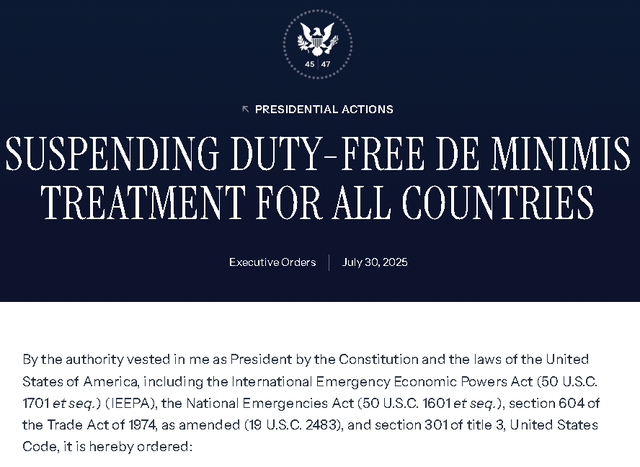
美国全面撤销小额进口商品免税措施
日经中文网· 2025-08-01 02:51
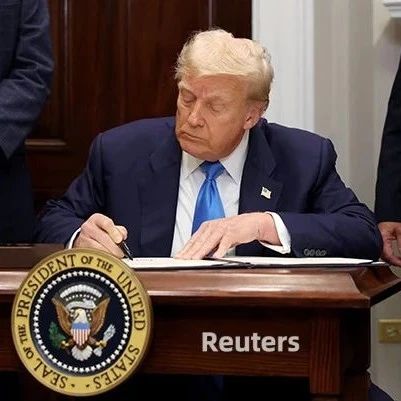
美国撤 销免税措施的适用范围将从中国扩大到全世界(Reuters) 富士通的新型机以"逻辑量子比特"数量衡量的算力将达到世界最高水平,约为250个左右。目前 被认为最高水平的是IBM力争2029年完成的机型,富士通将比其高出25%…… 美国总统特朗普7月30日签署行政命令,全面撤销针对小额进口商品的免税措施。此前自5月起已对中国 撤销免税措施,适用范围将扩大至包括加拿大、墨西哥在内的全世界。 全面撤销的是被称为"低值免税(De Minimis Rule)"的免税措施。此前由于800美元以下的商品免征关 税,Temu和SHEIN等中国电商企业利用这一制度在美国销售低价产品。 在全面撤销免税后,使用eBay、亚马逊等电商平台的销售企业、中小进口商、个人将需要负担费用。 新制度8月29日起适用。与其他配送方式一样,根据商品的实际价值征收关税。对于国际邮件,作为暂 定措施可以选择6个月期间内对每个包裹根据各国税率支付80~200美元的定额关税的方式。 特朗普政府表示,小额货物中隐藏着非法物质。总统令中说明称,引入新制度的原因是为了阻止合成毒 品芬太尼流入美国。 日本经济新闻(中文版:日经中文网)渡边直树 硅谷报道 版 ...
特朗普终结小额豁免政策,中国小包裹关税新政火速落地
Sou Hu Cai Jing· 2025-08-01 01:21
Core Points - The Trump administration has abruptly ended the global de minimis tax exemption policy, originally set to expire in July 2027, citing a "national emergency" to protect American citizens and businesses [1] - Starting August 29, all packages valued under $800 sent to the U.S. will no longer enjoy tax exemption, significantly impacting the global cross-border e-commerce sector and American consumers [1] Policy Details and Loopholes - Under the new regulations, packages sent via postal systems face two customs duty options: either pay a "value-added tax" based on the country of origin or a fixed fee ranging from $80 to $200 [2] - In contrast, packages shipped through commercial express channels must pay all applicable duties without any exemptions [2] - Short-term travelers may be the only exception, as personal items valued under $200 and gifts under $100 can still enjoy tax exemption [2] Data Behind the Policy - The decision was driven by alarming statistics showing a surge in de minimis packages from 134 million in 2015 to 1.36 billion in 2024, with an average daily processing volume exceeding 4 million [3] - Low-cost e-commerce goods from Asia accounted for 55% of air freight from China to the U.S., a significant increase from 5% in 2018 [3] Initial Impact of the Policy - The effects of the new policy are already visible, with a 10.7% drop in air freight from Asia following the cancellation of tax exemptions for Chinese packages in May [4] - Reports indicate that prices for some e-commerce platform products have doubled, and many users are experiencing shipping delays [4] - Several foreign brands have halted shipments to the U.S., and some small businesses are forced to exit the U.S. market [4] Who Will Be Affected - The primary victims of this policy are low-income American families, with a report predicting potential annual losses of up to $47 billion, directly impacting those reliant on affordable cross-border goods [5] - Essential items such as clothing, daily necessities, and small electronics will likely see price increases [5] Corporate Response Strategies - In response to the sudden tariff shock, companies are rapidly adjusting their strategies, with platforms like Temu shifting to U.S. warehouses to avoid tariffs [8] - Some footwear brands are relocating inventory from Canadian warehouses to the U.S. to mitigate costs associated with tariffs on goods transiting through Canada [8] Challenges for Customs - The full implementation of the new policy poses significant challenges for the U.S. customs system, with warnings that processing all packages individually could require billions in investments for manpower and system upgrades [9] Execution Challenges - The policy has already revealed execution issues, as seen in February when a brief cancellation of the tax exemption was reversed due to customs' inability to handle the volume of packages [11] - Legal battles and delays have also plagued the implementation of the tax exemption ban on Chinese goods [11] Perspectives - Analysts have pointed out that while the policy appears to target China, it effectively acts as a tax increase on American consumers [13]
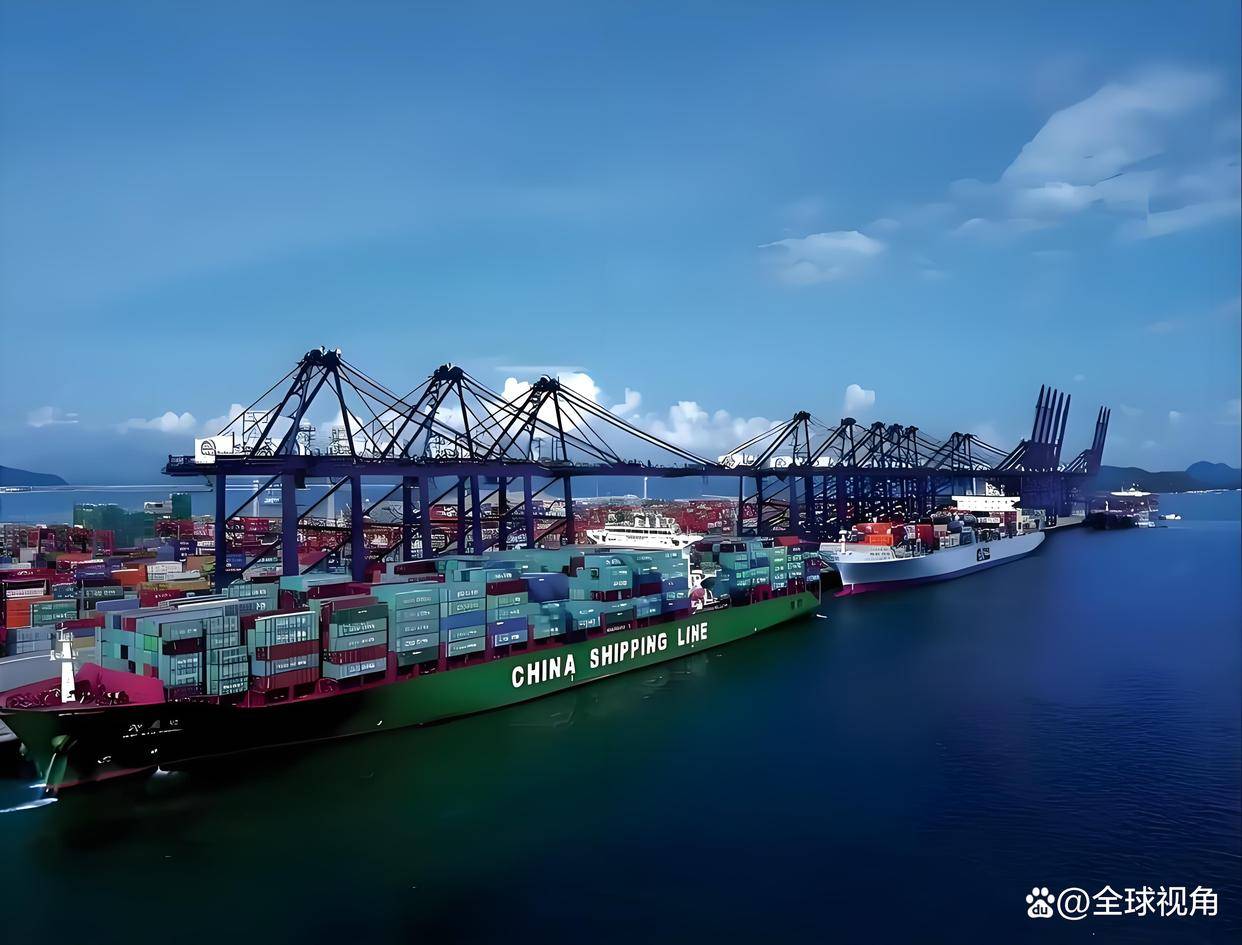
事发突然!头都大了,全球寄往美的800美元以下包裹免税没了
Sou Hu Cai Jing· 2025-07-31 03:52
Group 1 - The U.S. will impose tariffs on all packages under $800 sent from other countries starting August 29, which is more than two years earlier than originally planned [1] - This change will significantly impact cross-border e-commerce, particularly small shops and platforms that rely on direct shipping of low-priced goods [4] - The new tariffs could increase the cost of low-priced items, such as a $10 T-shirt potentially incurring a $4.5 tariff, effectively doubling the final price for consumers [4] Group 2 - The logistics sector is experiencing significant disruptions, with a 10% decrease in cargo volume from Asia to the U.S., leading to the cancellation of some charter contracts [7] - U.S. overseas warehouses are becoming increasingly popular as merchants opt to ship goods to U.S. warehouses first, despite higher costs, to maintain timely delivery [7] - Many small sellers are considering exiting the U.S. market in favor of regions like the Middle East and Southeast Asia due to the new tariff structure [7] Group 3 - The policy is seen as a push for companies to relocate their manufacturing to Mexico, Southeast Asia, or even back to the U.S., under the guise of preventing smuggling and protecting domestic industries [9] - Consumers will face higher prices for overseas low-cost goods, marking a significant shift from the previous model of low prices and tax exemptions in cross-border e-commerce [9]
EBay stock surges on earnings beat, rosy guidance
CNBC· 2025-07-30 22:16
Core Viewpoint - eBay's shares surged 10% in after-hours trading following stronger-than-expected second-quarter results and an optimistic forecast for the upcoming quarter [1] Financial Performance - Gross Merchandise Volume (GMV) increased by 6% year-over-year to $19.5 billion, surpassing analysts' expectations of $18.9 billion [2] - For the third quarter, eBay projected revenue between $2.69 billion and $2.74 billion, exceeding Wall Street's forecast of $2.66 billion [2] - Adjusted earnings per share are expected to be between $1.29 and $1.34, compared to analysts' anticipation of $1.31 per share [2] Guidance and Market Conditions - eBay's third-quarter GMV guidance is set between $19.2 billion and $19.6 billion, higher than the consensus estimate of $18.8 billion [3] - The GMV guidance considers potential disruptions from new tariffs and the elimination of de minimis exemptions [3] Executive Insights - eBay's CEO expressed confidence in the company's ability to navigate uncertainties arising from tariff policies and changes to de minimis regulations [4] - The company has proactively moved about 75% of its inventory from China to the U.S. prior to the changes in de minimis policies [5] Competitive Landscape - eBay faces significant competition from major online retailers such as Amazon, Walmart, and Etsy, as well as emerging platforms like Temu and Shein [6] - To retain customers, eBay is focusing on "enthusiast" shoppers and specific categories like collectible sneakers, trading cards, used luxury goods, and auto parts [6] Leadership and Technology - eBay appointed Peggy Alford as the new CFO, succeeding Steve Priest, and announced a leadership restructuring to enhance technology collaboration [7] - The company has integrated more artificial intelligence tools to improve product discovery on its platform, including a newly launched shopping agent [7] Performance Metrics - eBay reported adjusted earnings per share of $1.37, exceeding the expected $1.30, and revenue of $2.73 billion, surpassing the anticipated $2.64 billion [8] - As of the latest close, eBay shares have risen 25% year-to-date, while the Nasdaq has increased by approximately 9% [8]


X @Bloomberg
Bloomberg· 2025-07-30 18:33
US President Donald Trump signed an executive order applying tariffs to all low-value imports that previously qualified for tax-free treatment, affecting online retailers such as Shein and Temu https://t.co/8NPDbQDpJg ...
告别煤炭与钢铁,德国工业“锈带”变身欧洲“坂田”
3 6 Ke· 2025-07-30 12:06
生活在德国的华人开始发现一件有意思的事情:从中国电商平台购买的商品,很多都是从德国城市伍珀 塔尔(Wuppertal)发货的。在阿里巴巴国际站,也可检索到不少以 "Wuppertal" 作为发货地的商品。 与柏林、慕尼黑等德国城市相比,伍珀塔尔是个颇为陌生的地名,但伍珀塔尔所在的德国鲁尔老工业 区,却在历史上赫赫有名。 鲁尔区(Ruhr)位于德国西部,是德国北莱茵-威斯特法伦州(Nordrhein-Westfalen,下简称北威州)的 一部分,以采煤工业起家,许多城市因煤而兴,后又因煤而衰败。鲁尔区的振兴,是自1960年代以来德 国的一大课题。而如今,鲁尔区因电商平台涌入德国,正呈现出新的景象。 2023年4月,Temu正式在德国上线;2024 年6月,SHEIN宣布德国站上线;2025年3月,TikTok Shop正 式开放德国站点,6月,亚马逊低价商城Amazon Haul 进入德国。最近,京东传出正考虑以22亿欧元 (约合185亿人民币)巨资,收购德国消费电子产品零售商Ceconomy的消息。 电商平台在瞄准德国本土市场的同时,也利用德国的地理位置,辐射整个欧洲。而鲁尔区因为区位与交 通优势,成为跨境电 ...
X @Bloomberg
Bloomberg· 2025-07-29 23:15
Trade Policy - Mexico is increasing import taxes on small online purchases [1] - The tax increase targets companies like Chinese retailers Shein and Temu [1] - This action occurs amidst negotiations to avert US tariffs [1]
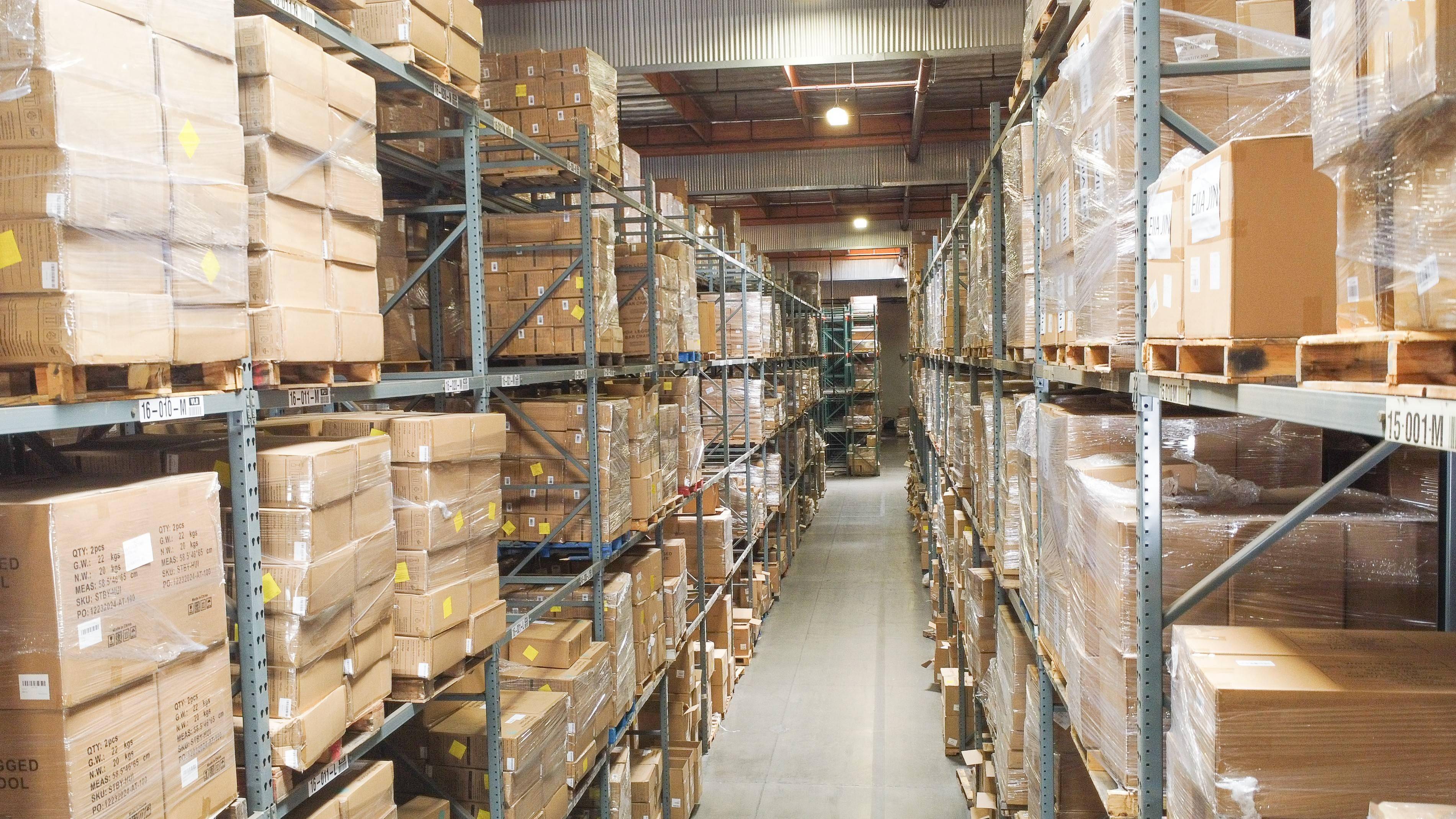
跨境电商福音:WMS系统如何破解多平台运营三大难题?
Sou Hu Cai Jing· 2025-07-29 13:37
Core Insights - The article discusses the challenges faced by cross-border e-commerce sellers operating on multiple platforms and highlights the importance of an efficient Warehouse Management System (WMS) to streamline operations [1][10]. Group 1: Order Synchronization Challenges - Cross-platform order formats vary significantly, leading to potential errors in manual processing [1]. - WMS solutions include automatic data capture, intelligent format conversion, and centralized management, resulting in over 70% efficiency improvement [2]. Group 2: Inventory Management Issues - Discrepancies in inventory across platforms can lead to overselling, causing significant losses for sellers [4]. - WMS features such as real-time synchronization, intelligent alerts for stock replenishment, and error-proofing mechanisms can reduce out-of-stock rates by an average of 85% and decrease slow-moving inventory by 30% [5][6]. Group 3: Billing Management Complications - The complexity of overseas warehouse fees can lead to inefficient manual billing processes [7]. - WMS automation allows for customizable billing rules, automated invoice generation, and online bill verification, reducing billing labor from 10 hours to 1 hour per week and decreasing customer disputes by 90% [8]. Conclusion - Digital transformation through WMS is essential for cross-border sellers, enhancing order aggregation, inventory visibility, and automated billing to improve industry efficiency standards [10].