
液晶显示屏

Search documents
29座万亿城市新格局:东北首现万亿之城,沪京并肩5万亿
2 1 Shi Ji Jing Ji Bao Dao· 2026-02-07 01:57
Core Insights - The economic landscape of Chinese cities is undergoing a transformation as Wenzhou and Dalian join the "trillion-yuan club," with Beijing and Shanghai also surpassing the 5 trillion yuan GDP mark, indicating a reshaping of the urban economic hierarchy [1][13][15] - The competition among these trillion-yuan cities is shifting from mere economic scale to a focus on quality of life, innovation ecosystems, and sustainable development [1][14] Economic Growth and Structure - By 2025, 29 cities in China are projected to have a GDP exceeding 1 trillion yuan, with Wenzhou and Dalian being the latest additions, while Shanghai and Beijing reach the 5 trillion yuan threshold [15][20] - Among these cities, 22 are expected to have GDP growth rates exceeding 5%, with Tangshan, Hefei, Yantai, and Wenzhou achieving over 6% [15][16] - The economic structure of these cities varies, with Shanghai and Beijing's growth driven by the tertiary sector, while Wenzhou and Dalian rely on robust industrial growth [16][21] Industrial Performance - In 2025, Beijing's GDP is projected to reach 52,073.4 billion yuan, with a 5.4% year-on-year growth, primarily driven by the information technology and financial sectors [18][19] - Shanghai's GDP is expected to hit 44,958.7 billion yuan, with a 6.0% growth rate, also supported by the service sector [19] - Wenzhou's industrial output is anticipated to grow by 10.3%, with significant contributions from the automotive and electrical industries [21][22] - Dalian's industrial output is projected to increase by 11.7%, with notable growth in the equipment manufacturing sector [22] Future Industry Focus - Many of these cities are now targeting artificial intelligence as a key industry for future development, with plans to integrate AI into various sectors [23][24] - Wenzhou aims to establish itself as a leader in AI innovation, while Dalian focuses on enhancing its digital economy and AI applications in traditional industries [24][25] - The emphasis on AI is seen as a means to drive technological advancement and improve overall economic quality [25][26] Urban Development Trends - The competition among cities is expected to evolve beyond GDP figures to include factors like technological innovation, cultural strength, and livability [26] - The development model is shifting from single-center cities to collaborative urban clusters, enhancing regional synergies and economic dynamism [26]
东北首现万亿GDP之城
21世纪经济报道· 2026-02-06 14:52
Core Insights - The article discusses the expansion of China's trillion-yuan cities, with 29 cities projected to reach this milestone by 2025, including Wenzhou and Dalian, which are new entrants to the trillion-yuan club [1][2][9] - The growth of these cities is characterized by varying economic structures, with leading cities like Shanghai and Beijing focusing on the tertiary sector, while new entrants like Wenzhou and Dalian rely on robust industrial growth [1][8][9] Group 1: Economic Growth and Structure - By 2025, 22 of the 29 trillion-yuan cities are expected to have GDP growth rates exceeding 5%, with Tangshan, Hefei, Yantai, and Wenzhou achieving over 6% [1][2] - Beijing's GDP is projected to surpass 5 trillion yuan for the first time, reaching 52,073.4 billion yuan with a growth rate of 5.4%, driven by significant contributions from the information technology and financial sectors [7][8] - Shanghai's GDP is also expected to grow, with the tertiary sector's value added reaching 44,958.7 billion yuan, growing at 6.0%, supported by strong performance in information technology services [8][9] Group 2: Industrial Performance - Wenzhou's GDP is projected to reach 10,213.9 billion yuan, growing by 6.1%, with significant contributions from the automotive and electrical industries, which saw increases of 19.0% and 13.6% respectively [9][11] - Dalian's GDP is expected to hit 10,002.1 billion yuan, with a growth rate of 5.7%, and notable growth in high-tech manufacturing, particularly in the computer and pharmaceutical sectors [10][11] Group 3: Future Industry Focus - Cities are increasingly focusing on artificial intelligence and high-tech industries as key areas for future development, with Shanghai and Beijing leading the charge in sectors like smart vehicles and advanced manufacturing [13][14] - Wenzhou aims to establish itself as a leader in AI innovation, targeting a revenue of 22 billion yuan from core AI industries [14] - Dalian plans to enhance its digital economy and AI capabilities, focusing on smart manufacturing and software engineering [14][16] Group 4: Urban Development Trends - The competition among cities is shifting from mere GDP growth to a more comprehensive evaluation that includes technological innovation, cultural strength, and livability [16][17] - The development model is evolving from single-center cities to collaborative urban clusters, exemplified by the Yangtze River Delta and the Guangdong-Hong Kong-Macau Greater Bay Area [16][17]

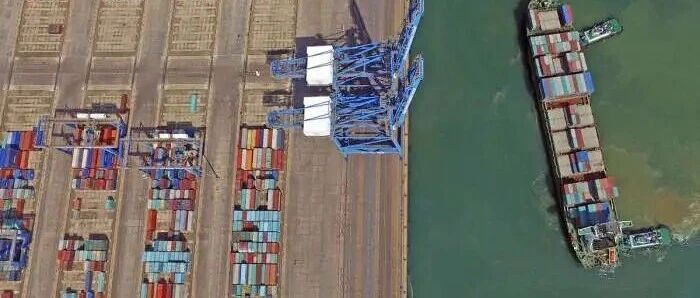
逐季回升整体好转 蓄势赋能向新向上
Sou Hu Cai Jing· 2026-01-27 00:23
Economic Overview - The city's GDP reached 33,757.93 billion yuan in 2025, with a year-on-year growth of 5.3%, outperforming the national GDP growth rate of 5% [1] - The primary industry added value was 2,124.14 billion yuan, growing by 3.7%, while the secondary industry added value was 11,787.74 billion yuan, increasing by 4%, and the tertiary industry added value was 19,846.05 billion yuan, rising by 6.2% [1] Industrial Performance - The city's industrial added value above designated size grew by 5.9% year-on-year [2] - The automotive sector saw a production increase of 9.7%, with 2.7877 million vehicles produced, including 1.2961 million new energy vehicles, which grew by 36% [2] - Key manufacturing sectors such as smart connected new energy vehicles, advanced materials, and intelligent equipment experienced growth rates of 13.4%, 6.8%, and 6.4% respectively [2] Agricultural Output - Grain production reached 11.125 million tons, marking a 1.1% increase year-on-year [3] - Vegetable production was 25.265 million tons, up by 3.7%, and fruit production was 6.439 million tons, increasing by 5% [3] - Pork production was 1.577 million tons, reflecting a growth of 3.6% [3] Service Sector Growth - The service sector's added value grew by 6.2%, surpassing the national average by 0.8% [7] - Revenue from large-scale service enterprises reached 6,320.66 billion yuan, with a year-on-year increase of 9.7% [2] Consumer and Investment Trends - The total retail sales of consumer goods amounted to 1.67 trillion yuan, growing by 3.1% year-on-year [4] - Fixed asset investment decreased by 0.7%, but excluding real estate development, it grew by 3.6% [2] - Industrial investment rose by 8.5%, while infrastructure investment increased by 3.2% [2] Price and Income Dynamics - The consumer price index (CPI) rose by 0.1%, with the core CPI (excluding food and energy) increasing by 0.9% [5] - Per capita disposable income reached 41,580 yuan, a 4.7% increase year-on-year [5] Economic Resilience and Growth - The city's economy showed a "front low, back high" growth trajectory, with quarterly improvements leading to a full-year growth of 5.3% [6] - Agricultural production provided a stable foundation for economic development, while industrial growth reflected a strong recovery [6] Trade and Innovation - Foreign trade increased by 12%, outperforming the national level by 8.2 percentage points [7] - New industries and technologies, particularly in high-end manufacturing, saw significant growth, with new energy vehicles and integrated circuits experiencing double-digit increases [8][9]
东北首个万亿城市诞生
Zhong Guo Jing Ying Bao· 2026-01-23 09:37
Economic Overview - Dalian's GDP reached 10,002.1 billion yuan in 2025, marking a 5.7% year-on-year growth, making it the first city in Northeast China to surpass a trillion yuan in GDP [1] - The primary industry added value was 665.4 billion yuan, growing by 3.6%; the secondary industry added value was 3,532.5 billion yuan, increasing by 7.7%; and the tertiary industry added value was 5,804.2 billion yuan, rising by 4.8% [1] Industrial Performance - The industrial added value of Dalian's large-scale enterprises grew by 11.7% year-on-year, an increase of 4.1 percentage points from the previous year [2] - State-owned enterprises saw a 14.6% increase in added value, while shareholding enterprises grew by 15.7% [2] - Key sectors such as mining, manufacturing, and utilities showed significant growth, with mining increasing by 72.7%, manufacturing by 12.1%, and utilities by 6.5% [2] - High-tech manufacturing grew by 13.9%, with notable increases in computer and office equipment manufacturing (78.2%) and pharmaceutical manufacturing (30.9%) [2] Investment Trends - Manufacturing investment increased by 2.8%, while infrastructure investment decreased by 11.9% [2] - Industrial enterprise technology renovation investment rose by 14.5%, and equipment purchase investment grew by 9.2% [2] - Private investment saw a decline of 14.1% [2] Consumer Market - Dalian's total retail sales of consumer goods reached 2,180.8 billion yuan in 2025, with a year-on-year growth of 2.1% [3] - Retail sales of household appliances and audio-visual equipment surged by 109.7%, while smart phone sales increased by 90.6% [4] Economic Characteristics - Dalian's economic operation is characterized by stability and progress, with a focus on high-quality development [5] - The proportion of productive services in the service industry reached 56%, indicating improved development quality [5] - Real estate investment's share dropped to 18.8%, while manufacturing and industrial technology renovation investments showed positive growth [5] Technological Advancements - Dalian is focusing on high-end, intelligent, and green development, with significant achievements in technology localization and digital transformation [6] - The establishment of smart factories and industrial internet platforms has been prioritized, with 183 smart factories and 43 provincial-level industrial internet platforms created [6]
29城GDP超万亿:大连成东北首个GDP万亿城市
Di Yi Cai Jing· 2026-01-23 06:02
Core Insights - Dalian has become the first city in Northeast China to surpass a GDP of 1 trillion yuan, achieving a total GDP of 1,002.1 billion yuan in 2025, reflecting a year-on-year growth of 5.7% at constant prices [1] Economic Performance - The primary industry in Dalian contributed an added value of 66.54 billion yuan, growing by 3.6% year-on-year [1] - The secondary industry saw an added value of 353.25 billion yuan, with a growth rate of 7.7% [1] - The tertiary industry achieved an added value of 580.42 billion yuan, marking a growth of 4.8% [1] Industrial Growth - In the previous year, Dalian's industrial output value increased by 11.7% year-on-year, which is an improvement of 4.1 percentage points compared to the previous year [1] - Key industries such as petrochemicals grew by 8.9%, while equipment manufacturing surged by 15.4%, with the railway and shipbuilding sector experiencing a remarkable growth of 57.5% and the automotive industry growing by 19.5% [1] - High-tech manufacturing also saw a growth of 13.9%, with computer and office equipment manufacturing skyrocketing by 78.2% and pharmaceutical manufacturing increasing by 30.9% [1] Product Output - Dalian reported significant increases in product output, with chemical raw materials, integrated circuit wafers, and liquid crystal displays growing by 26.1%, 19.1%, and 3.0% respectively [1] Additional Information - Wenzhou, located in Zhejiang Province, has also joined the "GDP trillion club" alongside Dalian [1]
29座城市GDP超万亿
Di Yi Cai Jing Zi Xun· 2026-01-23 05:45
Group 1 - Dalian's GDP is projected to reach 100.21 billion yuan by 2025, with a growth rate of 5.7% compared to the previous year [2] - The primary industry in Dalian is expected to contribute 66.54 billion yuan, growing by 3.6%, while the secondary industry is projected to add 353.25 billion yuan, growing by 7.7%, and the tertiary industry is expected to reach 580.42 billion yuan, growing by 4.8% [2] - Dalian's industrial output value increased by 11.7% year-on-year, with significant growth in key sectors such as petrochemicals (8.9%) and equipment manufacturing (15.4%), particularly in the railway and shipbuilding sector (57.5%) and automotive industry (19.5%) [2] Group 2 - Wenzhou is also set to surpass a GDP of 1 trillion yuan by 2025, leveraging its external resources and strong community connections [3] - The city has focused on revitalizing traditional industries and nurturing emerging sectors, supported by advancements in technology and higher education [4] - The improvement of transportation infrastructure in Zhejiang has enhanced the effectiveness of educational resources in supporting Wenzhou's economic development [4] Group 3 - The number of cities with a GDP exceeding 1 trillion yuan has increased to 29, including major municipalities and provincial capitals [4] - Shanghai's GDP is projected to reach 5670.87 billion yuan in 2025, with a growth rate of 5.4%, maintaining its position as a global economic center [4] - Beijing's GDP is expected to hit 5207.34 billion yuan in 2025, with significant contributions from the information technology and financial sectors [5]
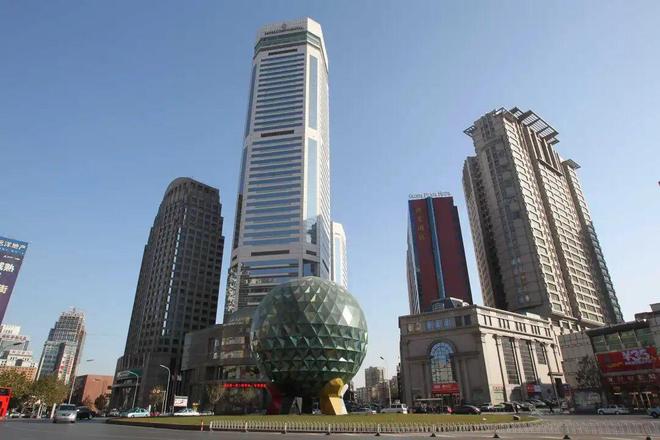
29座城市GDP超万亿
第一财经· 2026-01-23 05:36
Economic Growth in Dalian - Dalian's GDP is projected to reach 1,000.21 billion yuan by 2025, with a year-on-year growth of 5.7% at constant prices [2] - The primary industry is expected to contribute 66.54 billion yuan, growing by 3.6%, while the secondary industry is projected to add 353.25 billion yuan, with a growth of 7.7%. The tertiary industry is anticipated to reach 580.42 billion yuan, growing by 4.8% [2] Industrial Performance - In the previous year, Dalian's industrial output value increased by 11.7%, marking a 4.1 percentage point improvement from the previous year [2] - Key sectors such as petrochemical industry saw an 8.9% increase, while equipment manufacturing grew by 15.4%, with the railway and shipbuilding sector surging by 57.5% and the automotive sector by 19.5% [2] - High-tech manufacturing also performed well, with a growth of 13.9%, particularly in computer and office equipment manufacturing, which grew by 78.2%, and pharmaceutical manufacturing, which increased by 30.9% [2] Product Output - Dalian's production of chemical raw materials, integrated circuit wafers, and liquid crystal displays increased by 26.1%, 19.1%, and 3.0% respectively in the previous year [3] Economic Milestones - Dalian has become the first city in Northeast China to surpass a GDP of one trillion yuan [4] - Another city, Wenzhou in Zhejiang Province, has also joined the "trillion GDP club," indicating a growing trend among cities achieving significant economic milestones [6] National Economic Landscape - The total number of cities with a GDP exceeding one trillion yuan has now reached 29, including four municipalities (Beijing, Shanghai, Tianjin, Chongqing) and eleven provincial capitals [7] - Major cities like Shanghai and Beijing have GDPs exceeding 5 trillion yuan, with Shanghai projected to reach 5,670.87 billion yuan and Beijing 5,207.34 billion yuan by 2025, both growing at 5.4% [8]

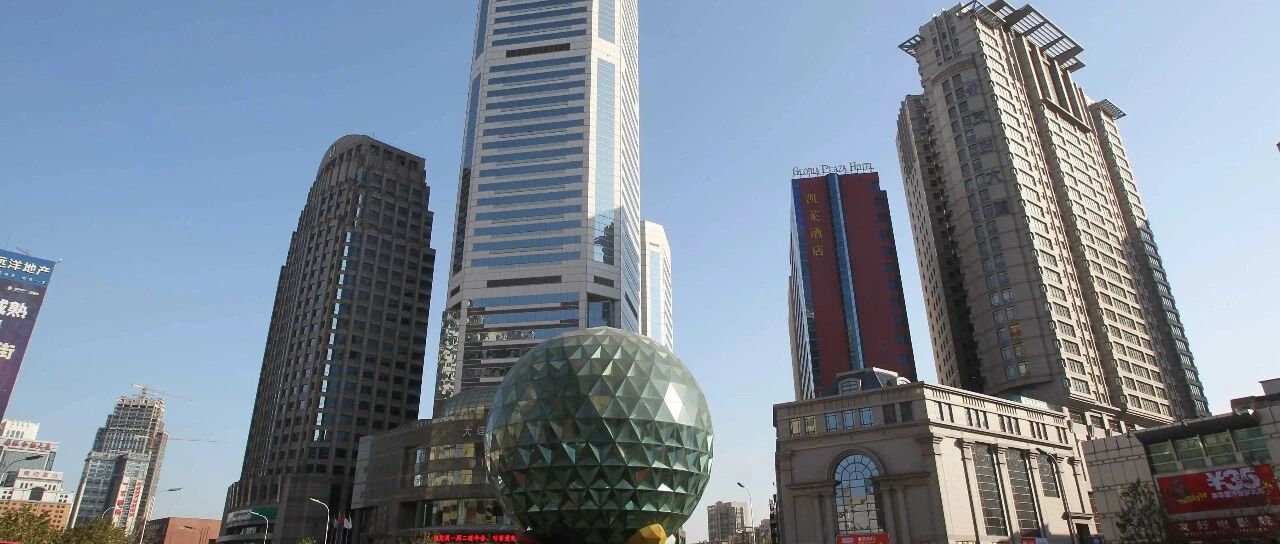
29座城市GDP超万亿:大连成东北地区首个GDP万亿城市
Di Yi Cai Jing· 2026-01-23 05:05
Group 1 - The core viewpoint of the articles is that the number of cities in China with a GDP exceeding 1 trillion yuan has increased to 29, with Dalian and Wenzhou being the latest additions to this group [1][2][4] - Dalian's GDP is projected to reach 1,000.21 billion yuan by 2025, with a year-on-year growth of 5.7%, driven by increases in all three major industries: primary (3.6%), secondary (7.7%), and tertiary (4.8%) [1] - In 2022, Dalian's industrial output value grew by 11.7%, with significant growth in key sectors such as petrochemicals (8.9%), equipment manufacturing (15.4%), and high-tech manufacturing (13.9%) [1] Group 2 - Wenzhou is expected to surpass a GDP of 1 trillion yuan by 2025, supported by its unique external resources and efforts to revitalize traditional industries while fostering new ones [3] - The development of transportation infrastructure in Zhejiang, including high-speed rail, has enhanced Wenzhou's access to educational and technological resources, further supporting its economic growth [3] - Shanghai and Beijing are projected to maintain their positions as major economic centers, with GDPs of 5.67 trillion yuan and 5.21 trillion yuan respectively by 2025, both showing a growth rate of 5.4% [4]
大连2025年地区生产总值同比增长5.7%,成为东北地区首个GDP突破万亿元城市
Zheng Quan Shi Bao Wang· 2026-01-23 04:59
Economic Overview - In 2025, Dalian's GDP reached 1,000.21 billion yuan, marking a year-on-year growth of 5.7% at constant prices, making it the first city in Northeast China to surpass a GDP of one trillion yuan [1] - The city aims for steady progress while fully implementing new development concepts and focusing on six construction goals [1] Industry Performance - Dalian's industrial added value for large-scale enterprises grew by 11.7% year-on-year, an increase of 4.1 percentage points from the previous year [2] - The mining industry saw a remarkable growth of 72.7%, while manufacturing increased by 12.1% [2] - Key sectors such as petrochemicals and equipment manufacturing grew by 8.9% and 15.4%, respectively, with the railway and shipbuilding sector experiencing a significant increase of 57.5% [2] - High-tech manufacturing grew by 13.9%, with computer and office equipment manufacturing soaring by 78.2% [2] Service Sector Growth - The service sector's added value increased by 4.8% year-on-year, showing a slight improvement from the previous year [3] - Key areas such as postal and telecommunications services reported growth rates of 12.6% and 12.7%, respectively [3] - The logistics and warehousing sector, along with cultural and entertainment services, also maintained double-digit growth rates [3] Investment Trends - Manufacturing investment saw a modest increase of 2.8%, while infrastructure investment declined by 11.9% [3] - Investment in industrial technology upgrades rose by 14.5%, indicating a focus on modernization [3] - Private investment, however, faced a decline of 14.1%, reflecting challenges in the investment landscape [3] Overall Economic Performance - Dalian's economy remained stable in 2025, achieving new results in high-quality development, with major expected goals of the 14th Five-Year Plan being met [4]
四川2025年GDP同比增长5.5% 规上工业增加值增长6.5%
Xin Hua Cai Jing· 2026-01-21 05:30
Economic Overview - In 2025, Sichuan's GDP reached 67,665.34 billion yuan, reflecting a year-on-year growth of 5.5% at constant prices [1] - The primary industry added value was 5,751.35 billion yuan, growing by 3.7%; the secondary industry added value was 23,260.22 billion yuan, increasing by 4.9%; and the tertiary industry added value was 38,653.77 billion yuan, rising by 6.1% [1] Agricultural Production - The total grain output in Sichuan for 2025 was 36.625 million tons, a 0.8% increase from the previous year [1] - Notable increases in agricultural products included vegetables and edible fungi (4.1%), winter rapeseed (2.0%), tea (5.4%), and fruits (6.0%) [1] - Livestock production included 62.48 million pigs (1.6% growth), 3.01 million cattle (1.1% growth), and 1.97 million tons of aquatic products (5.2% growth) [1] Industrial Performance - The added value of Sichuan's above-scale industrial sector grew by 6.5%, with a product sales rate of 96.1% [2] - Among 41 major industries, 33 experienced growth, with automotive manufacturing increasing by 16.7%, electrical machinery by 13.2%, and computer and communication equipment by 12.9% [2] - Key industrial product outputs included natural gas (10.9% growth), industrial robots (45.9% growth), and lithium-ion batteries (45.1% growth) [2] High-Tech Industry Growth - The added value of high-tech manufacturing in Sichuan rose by 12.3%, with electronic and communication equipment manufacturing growing by 20.2% [2] - The aerospace and aircraft manufacturing sector also saw a significant increase of 19.0% [2] Service Sector Development - The added value of the service sector increased by 6.1%, with leasing and business services growing by 14.4% and information technology services by 9.8% [3] - The total retail sales of consumer goods reached 29,135.4 billion yuan, marking a 5.1% increase, with notable growth in communication equipment (50.8%) and jewelry (32.6%) [3] Economic Strategy and Challenges - The overall economic outlook for Sichuan in 2025 indicates steady progress, with a focus on enhancing resilience and vitality [4] - Key strategies include promoting the Chengdu-Chongqing economic circle, implementing synchronized urban-rural development, and ensuring high-quality growth [4]