
Keurig Dr Pepper Inc.

Search documents
Do Wall Street Analysts Like Keurig Dr Pepper Stock?
Yahoo Finance· 2026-01-29 05:49
Company Overview - Keurig Dr Pepper Inc. (KDP) has a market cap of $37.5 billion and operates in three segments: U.S. Refreshment Beverages, U.S. Coffee, and International, offering a wide range of branded beverages and brewing systems [1] Stock Performance - KDP shares have underperformed the broader market over the past 52 weeks, declining 14.8% while the S&P 500 Index gained 15% [2] - Year-to-date, KDP shares are down 4.6%, compared to a 1.9% rise in the S&P 500 [2] Recent Financial Results - On October 27, 2025, KDP reported Q3 2025 results with net sales increasing 10.7% to $4.31 billion and adjusted EPS rising 5.9% to $0.54, driven by a 14.4% sales surge in U.S. Refreshment Beverages [4] - The GHOST acquisition contributed 7.2 percentage points to volume growth, and KDP raised its full-year constant currency net sales growth outlook to a high-single-digit range [4] Analyst Expectations - For the fiscal year ending December 2025, analysts project KDP's adjusted EPS to grow 6.3% year-over-year to $2.04, with a strong earnings surprise history [5] - The consensus rating among 15 analysts is a "Moderate Buy," with seven "Strong Buy" ratings, one "Moderate Buy," six "Holds," and one "Strong Sell" [5] Price Target Insights - Piper Sandler raised its price target on KDP to $38 while maintaining an "Overweight" rating, with a mean price target of $34.47 indicating a 29.1% premium to current price levels [7] - The highest price target of $42 suggests a potential upside of 57.2% [7]

Best-selling coffeemaker voluntarily recalls coffee pods
Yahoo Finance· 2026-01-28 18:07
Core Insights - Keurig Dr Pepper Inc. dominates the single-serve coffee pod market, selling approximately 13 billion K-Cup pods annually [1] - The company is recalling 80,000 McDonald's McCafe-branded K-Cup Pods due to potential caffeine content in products labeled as decaf [2][3] - The recall is classified as Class II by the FDA, indicating possible temporary health consequences [2] Company Performance - Keurig Dr Pepper Inc. has a profit margin of 16.7% in 2025, outperforming competitors such as J.M. Smucker Co. (7.3%), Nestlé (16.3%), Kraft Heinz Co. (12.1%), and Starbucks Corporation (9.5%) [7][8] - The company generated revenue of $1.6 billion and a profit of $269.1 million [14] Recall Details - The recalled product is the McCafe Premium Roast Decaf Coffee K-Cup Pods, sold exclusively through Amazon, with a best-by date of November 17, 2026 [5] - The recall affects specific states: California, Indiana, and Nevada [5] Industry Context - Labeling errors account for approximately 45.5% of food recalls, costing the industry nearly $2 billion annually [4] - The convenience of K-Cup pods has led to a significant shift in consumer behavior, with over 38 million homes in the U.S. now using single-serve coffee systems [13]
Why Consumers Are Obsessed With Zero Sugar Soda
Bloomberg Television· 2026-01-26 23:00
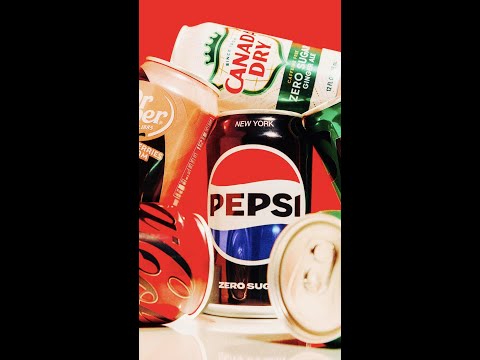
Diet soda is out, zero sugar is in, and it's changing the soda business. Coca-Cola, PepsiCo, and Kurr Dr. . Pepper are all seeing strong growth with their zero sugar lines, even as traditional and diet sodas continue to slump.On the surface, zero sugar sodas aren't all that different from diet. Both are calorie-free and made with artificial sweeteners. But companies say the branding matters.Zero sugar resonates more with younger consumers who want to cut back on added sugar but don't connect with calorie co ...

Peet’s Coffee to close several San Francisco Bay Area stores this month
Yahoo Finance· 2026-01-22 09:42
Core Insights - Peet's Coffee is set to close multiple cafés in the US by the end of January 2026 as part of a strategic alignment with its long-term growth objectives [1][2] - Approximately 30 out of 183 locations in the Bay Area are expected to be affected by these closures [2] - The closures coincide with Keurig Dr Pepper's $18 billion cash offer to acquire Peet's parent company, JDE Peet's, which aims to create two independent businesses focusing on refreshment beverages and global coffee leadership [3] Group 1 - Peet's Coffee is preparing to shut down several locations in the San Francisco Bay Area [1] - The decision to close cafés is part of a broader initiative to align with long-term growth strategies [1][2] - The spokesperson emphasized the commitment to quality and innovation while navigating these changes [2] Group 2 - Keurig Dr Pepper's acquisition plan includes separating operations into two distinct businesses [3] - One business will focus on the refreshment beverages market, while the other will aim to establish a global coffee presence [3] - The acquisition deal is anticipated to be finalized in the second quarter of this year [3]
世界中餐业联合会&黑峪投资:中国咖啡产业报告2025
Xin Lang Cai Jing· 2026-01-21 10:26
Core Insights - The global coffee industry is experiencing significant changes, with key events shaping its future, including extreme weather impacts, mergers, and technological advancements in coffee production and processing [3][4][13]. Group 1: Industry Trends - The global coffee production is projected to reach approximately 178.8 million bags (60kg each) in the 2025/26 season, with a notable increase in Robusta production by 10.9% to 8.33 million tons, while Arabica production is expected to decline by 4.7% to 9.55 million tons [4]. - The coffee market is becoming increasingly competitive, with major players like Nestlé, JDE Peet's, and Starbucks dominating the roasting segment, accounting for about 40% of the market share [15][17]. - The introduction of the EU Deforestation Regulation (EUDR) is pushing companies towards sustainable practices, impacting supply chain costs [3]. Group 2: Market Dynamics - The price of coffee futures has reached a 47-year high, exceeding 430 cents per pound, driven by extreme weather conditions and shipping disruptions [3][13]. - The Chinese coffee market is evolving, with a projected consumption of over 400,000 tons by 2025, reflecting a compound annual growth rate (CAGR) of 10% [39][40]. - The coffee roasting capacity in China is expected to surpass 350,000 tons by 2024, with major brands like Luckin Coffee and Starbucks expanding their production capabilities [41][44]. Group 3: Technological Innovations - Advances in coffee processing technology, such as the development of non-caffeinated coffee through molecular restructuring, are emerging as significant trends [3]. - The integration of AI in coffee production is enhancing yield predictions and flavor profiling, marking a shift towards more data-driven approaches in the industry [3][4]. Group 4: Regional Developments - Indonesia's Fore Coffee has successfully listed on the IDX, highlighting the growth of local coffee brands in emerging markets [3]. - China's coffee cultivation is transitioning from expansion to quality improvement, with a diversification of coffee varieties, particularly in Yunnan, where over 80% of coffee is Arabica [23][24][26].


2025中国咖啡产业报告
世界中餐业联合会&黑峪投资· 2026-01-21 01:20
Investment Rating - The report indicates a positive outlook for the coffee industry, particularly in China, with a projected compound annual growth rate (CAGR) of approximately 20% for the next five years in terminal consumption [6][25]. Core Insights - The global coffee production for the 2025/26 season is expected to reach 178.8 million bags (60kg per bag), with a notable increase in Robusta production by 10.9% to 83.33 million bags, while Arabica production is projected to decline by 4.7% to 95.51 million bags due to adverse weather conditions in Brazil [6][10]. - The coffee market is experiencing significant changes, including the introduction of new technologies in production and brewing, the rise of functional coffee products, and the increasing importance of local brands in China [3][17]. - The Chinese coffee market is evolving from a focus on instant coffee to a more diverse range of products, with an emphasis on quality and specialty coffee, as evidenced by the growth of local brands and the increasing variety of coffee beans being cultivated [25][40]. Summary by Sections Coffee Industry Value Chain - The coffee value chain is highly concentrated, with major players controlling significant portions of production, trade, and retail. The top four traders dominate the upstream segment, while brands like Nestlé and JDE control a large share of the downstream market [6][20]. - The global coffee market is estimated to exceed $100 billion, with the terminal market in China projected to surpass 150 billion yuan [8][10]. Coffee Production and Quality - Coffee quality is influenced by various factors, including the type of beans, processing methods, and roasting techniques. The report highlights the importance of maintaining high standards in each stage of the coffee production process [8][21]. - The report notes that Arabica beans account for nearly 60% of global coffee production, with a focus on quality and flavor driving market trends [10][11]. Chinese Coffee Market - China's coffee planting area is stabilizing, with a shift towards quality improvement and diversification of coffee varieties. By 2025, the production value is expected to rise significantly due to enhanced processing techniques and a growing emphasis on specialty coffee [25][29]. - The consumption of coffee in China is projected to exceed 400,000 tons by 2025, reflecting a growing trend towards premium and specialty coffee products [40][41]. Competitive Landscape - The competitive landscape in the coffee industry is characterized by a mix of global giants and emerging local brands. Companies like Luckin Coffee are expanding rapidly, while traditional players are adapting to new market dynamics [18][46]. - The report identifies a trend towards vertical integration among leading brands, with companies investing in their own roasting facilities to ensure quality control and cost efficiency [46][47].
What to Expect From Keurig Dr Pepper's Q4 2025 Earnings Report
Yahoo Finance· 2026-01-20 11:58
Company Overview - Keurig Dr Pepper Inc. (KDP) has a market cap of $37.2 billion and is a leading beverage and coffee company with a diverse portfolio of beverages and single-serve brewing systems [1] - The company operates through three segments: U.S. Refreshment Beverages, U.S. Coffee, and International, featuring brands like Dr Pepper, 7UP, Snapple, Green Mountain Coffee Roasters, and Starbucks [1] Financial Performance - KDP is expected to report an adjusted EPS of $0.59 for fiscal Q4 2025, reflecting a 1.7% increase from $0.58 in the same quarter last year [2] - For fiscal 2025, analysts forecast an adjusted EPS of $2.04, a rise of 6.3% from $1.92 in fiscal 2024, with further growth expected to $2.17 in fiscal 2026, representing a 6.4% year-over-year increase [3] Recent Developments - Shares of KDP increased by 7.6% on October 27 following the announcement of strong Q3 2025 results, with net sales rising 10.7% to $4.31 billion and adjusted EPS increasing 5.9% to $0.54 [5] - The growth in Q3 was primarily driven by a 14.4% increase in U.S. Refreshment Beverages sales, with the GHOST acquisition contributing 7.2 percentage points to volume growth [5] - KDP has raised its full-year constant currency net sales growth outlook to a high-single-digit range, further boosting investor confidence [5] Stock Performance and Analyst Ratings - Over the past 52 weeks, KDP shares have declined by 12.4%, underperforming the S&P 500 Index's 16.9% increase and the State Street Consumer Staples Select Sector SPDR ETF's 6.9% return [4] - Analysts maintain a cautiously optimistic view on KDP's stock, with a "Moderate Buy" rating overall; among 15 analysts, seven recommend "Strong Buy," one suggests "Moderate Buy," six indicate "Hold," and one has a "Strong Sell" [6] - The average analyst price target for KDP is $34.47, indicating a potential upside of 25.8% from current levels [6]
爷爷不泡茶新品翻车,林里LINLEE估值10个亿
3 6 Ke· 2026-01-20 03:55
Core Insights - The tea and coffee brands are actively expanding their store presence, adjusting strategies, innovating scenarios, and exploring overseas markets [1][2][3] Store Expansion and Adjustments - Luckin Coffee opened 190 new stores, while Kudi opened 75 in China. Kenyue Coffee launched its 100th store in Beijing, and Cuonai Xiaojuan Village opened 9 new stores in cities like Nanjing and Hangzhou after a contraction period [1] - Lele Tea clarified that it is not exiting the Zhengzhou market but is adjusting its stores and preparing for new types of outlets [1] - Tea Yanyue's parent company is hiring in Beijing, Shenzhen, and Shanghai, indicating potential new store openings [1] Overseas Expansion - Kudi opened 8 new stores in Canada and Germany, while Ice Pure Tea signed global agreements for over 4,000 stores, with more than 1,000 overseas [2] - Tea Baidao signed a strategic cooperation agreement with Singapore's well-known supermarket brand, aiming to accelerate its market entry in Singapore [2] - Jasmine Milk plans to open 80-100 stores in North America by 2026 and expand into Indonesia with 40-50 stores [2] Performance Goals and Franchise Models - Linli plans to achieve an annual GMV of 800 million yuan by 2025, with a target of 3,000 stores by 2026 and 5,000 stores by 2027, aiming for a GMV of 6 billion yuan [3] - Gu Ming announced a new franchise policy for 2026, with a total franchise fee of approximately 250,000 yuan, allowing for installment payments [3] Product Innovations and Marketing - New product launches include Bawang Tea's matcha-based drinks, CoCo's black sugar pearl latte, and Starbucks' truffle chocolate-flavored lattes [4] - Collaborative marketing activities are ongoing, such as Gu Ming's collaboration with Xian Ni and Luckin Coffee's partnership with the animated series Mo Dao Zu Shi [4] Quality Control and Industry Practices - A post from a Shuyi Shao Xian Cao employee highlighted a fine for not following product standards, reflecting the industry's focus on quality control and food safety management [5] - Reports of Starbucks removing charging sockets were clarified as remnants from store upgrades [5] Financial Developments - Linli completed a multi-million A round financing, with a valuation of nearly 1 billion yuan, aimed at brand and supply chain upgrades [6] - Hu Shang A Yi projected a profit of approximately 495 million to 525 million yuan for the previous year, a year-on-year increase of 50% to 60% [6] - Coca-Cola abandoned plans to sell Costa Coffee due to unsatisfactory bids, with a target price of 2 billion pounds [6] - Keurig Dr Pepper initiated a full acquisition of JDE Peet's, offering 31.85 euros per share, totaling 18 billion dollars [6]
Coca-Cola's Premiumization Push: Growth Engine or Volume Risk?
ZACKS· 2026-01-19 15:01
Core Insights - The Coca-Cola Company (KO) is focusing on premiumization as a growth strategy to enhance revenues, expand margins, and counteract sluggish volume growth [1][4] - The strategy involves diversifying consumer choices through brand innovation and a range of pricing options, from affordable to premium beverages [1][9] - Health-oriented products like Fairlife, Coca-Cola Zero Sugar, and Diet Coke are part of this strategy, aiming to attract consumers seeking value-added options [2][9] Company Strategy - Coca-Cola's premiumization strategy is evident in its product innovations and marketing efforts, despite facing soft volumes in key markets due to consumer strain [2][3] - The company aims for balanced top-line growth by combining affordable and aspirational offerings, focusing on innovation and marketing to maintain global leadership [3][4] - Management expects pricing normalization as inflation eases, while continuing to leverage affordability and premiumization based on market conditions [4] Competitive Landscape - Competitors like PepsiCo and Keurig Dr Pepper are also emphasizing premiumization in their growth strategies, aligning with consumer preferences for healthier and higher-value products [5][6][7] - PepsiCo is transforming its portfolio with successful premium offerings and strategic acquisitions, while Keurig is elevating its product range to capture higher-value consumers [6][7] Financial Performance - Coca-Cola shares have increased by 0.5% over the past six months, compared to the industry's growth of 3% [8] - The company is trading at a forward price-to-earnings ratio of 21.78X, higher than the industry average of 18.19X [10] - The Zacks Consensus Estimate for KO's earnings per share (EPS) indicates year-over-year growth of 3.5% for 2025 and 8% for 2026, with stable estimates over the past 30 days [11]

怪物饮料(MNST):2026年将推最大创新管线,持续拓展全球市场
Haitong Securities International· 2026-01-18 14:56
Investment Rating - The report maintains a "Neutral" rating for Monster Beverage Corp (MNST US) with a current price of $77.91 and a target price of $71.64 [2][5]. Core Insights - The company is set to launch its largest innovation pipeline in 2026, which includes new product lines targeting women, juice and functional beverages, and multiple zero-sugar products [3][12]. - International revenue and profit contributions have reached record highs, with international revenue growing 23% year-over-year in Q3 2025, now accounting for 43% of total revenue [4][13]. - A new pricing strategy implemented in the U.S. market is expected to enhance profit margins with limited negative impact on sales volume [14]. Financial Performance Summary - Revenue projections for 2025-2027 are $8.16 billion, $8.75 billion, and $9.45 billion, respectively, with growth rates of 9%, 7%, and 8% [2][10]. - Net profit is forecasted to be $2.11 billion, $2.34 billion, and $2.56 billion for the same period, reflecting growth rates of 15.6%, 10.9%, and 9.3% [5][15]. - The diluted EPS is expected to increase from $2.14 in 2025 to $2.63 in 2027 [2][10]. Market Expansion Strategy - The company is enhancing its distribution partnership with Coca-Cola to penetrate new channels such as foodservice and universities, particularly in EMEA, Asia-Pacific, and Latin America [4][13]. - The affordable energy drink line, represented by brands like Predator and Fury, is targeting lower-income markets and has expanded to 36 markets [4][13].
