
医渡科技

Search documents
持续深化自研医疗垂域大模型的技术攻坚与场景赋能 医渡科技(02158)发布年度业绩,收入7.15亿元
智通财经网· 2025-06-25 09:41
Core Insights - The company reported a revenue of RMB 715 million for the fiscal year ending March 31, 2025, representing a year-on-year decrease of 11.4% [1] - The loss attributable to shareholders was RMB 118 million, a reduction of 39.58% compared to the previous year, with a loss per share of RMB 0.11 [1] Business Performance - The company has developed the "AI Medical Brain" YiduCore, which has established a comprehensive barrier across data, computing power, algorithms, and scenarios, processing 1.15 billion patient visits and 6 billion authorized medical records [1] - The company has achieved a leading position in technology validation, evidenced by top performance in evaluations organized by the National Health Commission [1] - The company has deployed its AI platform in over 30 top-tier hospitals, demonstrating its capability to transition from technology validation to industrial value [1][2] Client Engagement and Solutions - The company has provided solutions to 110 top hospitals and 44 regulatory bodies, covering over 4,000 hospitals, and has upgraded its AI and data platforms to versions 2.0 and 5.0 respectively [3] - The company serves 132 life sciences clients, with a revenue retention rate of 87.51% among its top 20 clients, including 16 of the top 20 multinational pharmaceutical companies [3] - The company has maintained its position as the main operating platform for "Shenzhen Huimin Insurance" and "Beijing Huimin Insurance," with insured individuals reaching 6.09 million and over 15 million respectively [3] Financial Health - The company’s total revenue for the fiscal year was RMB 715 million, down 11.4% due to external market conditions and product mix changes, but the annual loss was reduced to RMB 1.35 billion, a decrease of 38.9% [4] - The company has improved cash management, resulting in a 23.8% reduction in cash outflow from operating activities year-on-year, with cash reserves totaling RMB 3.309 billion [4]
医渡科技(02158) - 2025 - 年度业绩
2025-06-25 09:26
Financial Performance - For the fiscal year ending March 31, 2025, the total revenue of Yidu Tech Inc. was RMB 714.979 million, a decrease of 11.4% compared to RMB 807.076 million in the previous fiscal year[6]. - The gross profit for the same period was RMB 239.182 million, reflecting a decline of 29.5% from RMB 339.445 million in the previous year[6]. - The annual loss decreased to RMB 135.223 million, down 38.9% from RMB 221.242 million in the previous year[6]. - Revenue decreased by 11.4% from RMB 807.1 million for the fiscal year ending March 31, 2024, to RMB 715.0 million for the fiscal year ending March 31, 2025[37]. - Revenue from the life sciences solutions segment decreased by 23.7% from RMB 324.0 million to RMB 247.1 million during the same period[37]. - Revenue from the health management platform decreased by 28.0% from RMB 169.5 million to RMB 122.0 million[37]. - Gross profit for the fiscal year ending March 31, 2025, was RMB 239.2 million, with a gross margin of 33.5%[39]. - The company reported a net loss of RMB 135,223,000 for the fiscal year, compared to a net loss of RMB 221,242,000 in the previous year[85]. - The financial income for the fiscal year was RMB 2,321,000, a decrease from RMB 10,510,000 in the previous year[85]. - The company experienced a foreign exchange loss of RMB 50,420,000 during the fiscal year, compared to a loss of RMB 122,837,000 in the previous year[87]. Operational Highlights - The company served 110 top hospitals and 44 regulatory bodies, covering over 4,000 hospitals with its big data platform and solutions[11]. - The number of active users on the health management platform exceeded 24 million, with 6.09 million participants in the "Shenzhen Hui Min Bao" insurance program for 2024[11]. - The retention rate for the top 20 life science clients was 87.51%, with 16 out of the top 20 multinational pharmaceutical companies being clients[11]. - The company has developed the YiduCore AI medical brain, which has processed 11.5 billion patient visits and 60 billion authorized medical records[9]. - The AI diagnosis assistant served a total of 26,000 patients from February to June 2025, providing personalized decision-making support during medical consultations[15]. - The company ranked first in a national large model capability assessment organized by the National Health Commission in September 2024[14]. Technology and Innovation - The AI platform has been deployed in over 30 top-tier hospitals within three months of launch, significantly enhancing operational efficiency and reducing application deployment time by approximately 50%[15]. - The new generation data center Eywa 5.0 has improved data flow speed and efficiency by over four times, significantly reducing labor and computing costs[17]. - The AI platform can reduce the time for medical record writing from 5 minutes to 30 seconds, and TNM staging assessment time by 70%[17]. - The company plans to enhance AI technology and optimize the YiduCore algorithm for better performance in complex tasks[32]. - The company aims to deepen disease research and application, providing AI decision support for core diseases like tumors and cardiovascular diseases[32]. Cost Management - Sales and marketing expenses decreased by 33.4% from RMB 208.9 million for the fiscal year ending March 31, 2024, to RMB 139.2 million for the fiscal year ending March 31, 2025, representing 19.5% of revenue, down from 25.9%[42]. - Administrative expenses decreased by 14.6% from RMB 171.3 million for the fiscal year ending March 31, 2024, to RMB 146.4 million for the fiscal year ending March 31, 2025, accounting for 20.5% of revenue, down from 21.2%[43]. - R&D expenses decreased by 19.9% from RMB 232.9 million for the fiscal year ending March 31, 2024, to RMB 186.5 million for the fiscal year ending March 31, 2025, representing 26.1% of revenue, down from 28.9%[44]. - Total expenses for sales and service costs, sales and marketing expenses, administrative expenses, and R&D expenses totaled RMB 947,824 thousand in 2025, down from RMB 1,080,767 thousand in 2024, a decline of 12.3%[106]. Future Outlook - Future plans include continuous product upgrades to enhance coverage in general hospitals and empower specialized hospitals through a three-in-one collaborative system[19]. - The company will explore new models for AI-enabled health management services to increase active user numbers[35]. - The company is focused on strategic partnerships, investments, and acquisitions to enrich its ecosystem[32]. Employee and Financial Position - The total number of employees as of March 31, 2025, was 823, with 326 in product R&D and technology, 277 in the medical department, 142 in sales and marketing, and 78 in general and administration[61]. - Total compensation costs for the fiscal year ending March 31, 2025, amounted to RMB 417.6 million, down from RMB 566.3 million for the fiscal year ending March 31, 2024[62]. - Cash and cash equivalents, along with other deposits, totaled RMB 3,309.1 million as of March 31, 2025, down from RMB 3,409.9 million as of March 31, 2024[49]. - The company had no significant acquisitions or disposals of subsidiaries or associated entities for the fiscal year ending March 31, 2025[51]. - The company did not declare or pay any dividends for the years ended March 31, 2025, and 2024[116].
十大新兴技术聚焦健康,技术融合重塑行业格局
Di Yi Cai Jing· 2025-06-24 14:48
Group 1 - The report identifies ten emerging technologies expected to have significant impacts in the next three to five years, particularly in healthcare, including nanoenzymes, engineered living therapies, GLP-1 drugs for neurodegenerative diseases, and autonomous biochemical sensing [1][2] - The focus on chronic disease management is emphasized, with a large patient base in China facing challenges from aging and younger populations suffering from chronic conditions [3][4] - The global market for nanoenzymes is projected to grow from $5.13 billion in 2024 to $57.95 billion by 2034, reflecting a compound annual growth rate of 27.4% [4] Group 2 - GLP-1 drugs are gaining attention for their potential applications beyond diabetes, including treatment for Alzheimer's and Parkinson's diseases, with a projected market growth to $55.7 billion by 2031 [5] - The report highlights the importance of automated biochemical sensing technology and engineered living therapies in managing chronic diseases, with wearable glucose sensors being a successful application [5][6] - The integration of various technologies, such as engineered living therapies and nanoenzymes, is seen as crucial for addressing health and sustainability challenges [7][8] Group 3 - The report calls for collaboration among business, government, and scientific communities to support the commercialization and responsible governance of these emerging technologies [8] - The global synthetic biology market is expected to grow from $17 billion in 2023 to nearly $50 billion by 2028, with the health sector representing the largest share [9]
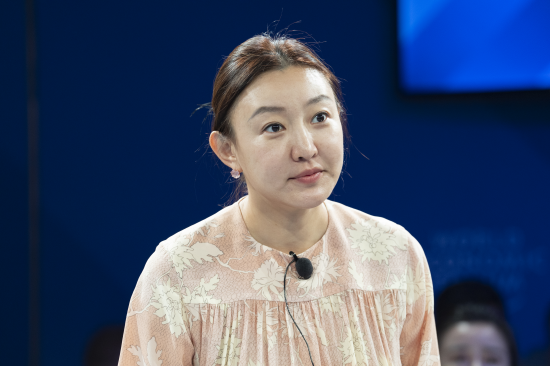
对话医渡科技宫如璟:创新药板块大涨是行业估值的回归
Xin Lang Cai Jing· 2025-06-24 14:24
Core Insights - The 2025 Summer Davos Forum will be held in Tianjin from June 24-26, focusing on the theme of "Entrepreneurial Spirit in the New Era" [1] Group 1: AI in Healthcare - AI technology can significantly enhance the quality of medical diagnosis and treatment by integrating years of patient medical history into a visual timeline, allowing doctors to better understand patient conditions [3] - The AI decision support system can provide multiple treatment suggestions for complex cases, aiding doctors in making more accurate clinical decisions [3] - Clinical trial costs have been reduced by 30%-40% due to the integration of AI and data platforms, which can automate many previously manual processes [3] Group 2: Industry Challenges and Opportunities - The healthcare industry is challenging to navigate, with recent market and policy changes prompting the company to adopt a cautious approach to commercialization [4] - The recent activity in the secondary market for innovative drugs reflects a valuation correction, recognizing China's potential as a research-driven market [4] - The Chinese biopharmaceutical ecosystem is expected to grow, with more companies pursuing international collaborations and contributing to global healthcare [4] Group 3: Future Outlook - Future healthcare scenarios envision the integration of historical medical data with wearable devices, providing a comprehensive understanding of individual health and 24/7 personalized health advice through AI [5] - AI is expected to significantly lower new drug development costs, helping more drugs avoid the "orphan drug" dilemma [5] - Insurance coverage is anticipated to expand, with initiatives like the company's "Hui Min Bao" providing coverage for a wide range of patients, including those with pre-existing conditions [5]

计算机行业周报:豆包大模型1.6发布,建议关注AI及信创产业链-20250615
SINOLINK SECURITIES· 2025-06-15 11:19
Investment Rating - The report suggests a focus on the generative AI model leaders such as iFlytek, AI hardware companies like Yingzi Network and Hongsoft Technology, and AI-related applications that can enhance user engagement and payment rates, recommending attention to Kingsoft Office and Wanjing Technology [4] Core Insights - The AI industry chain is expected to maintain high prosperity, with computing power sustaining high levels and applications accelerating upward [3][12] - The current macroeconomic environment is characterized by relative chaos, with some high-frequency domestic data not appearing weak, while investor expectations for the future remain low [2][12] - The report anticipates that the second half of the year may yield better operational performance due to base effects, new technology/product launches, and policy implementations [2][12] Summary by Sections Current Week's Insights - On June 12, Volcano Engine released the Doubao model 1.6, achieving significant advancements in multimodal understanding and reasoning capabilities, supporting 256K context input [12] - OpenAI launched the new multimodal reasoning model o3-pro, which supports text and image input with a maximum context of 200k and output of 100k tokens, showing improvements in clarity and instruction adherence [12] Industry Prosperity by Segment - High prosperity maintained or increasing: AI industry chain (computing power high, applications accelerating), LiDAR, software outsourcing, and Huawei's supply chain [3][11] - Upward turning points with strong potential: education IT, cybersecurity, enterprise services [3][11] - Stability at the bottom: smart transportation, security, government IT, and construction real estate IT [3][11] - Slight pressure on prosperity: industrial software, medical IT [3][11] Investment Recommendations - Focus on leading generative AI model companies like iFlytek, AI hardware as new application carriers, and AI-related functionalities that can drive user engagement [4] - The report highlights the potential for AI applications to thrive as domestic internet giants continue to iterate their models and products [14] Market Performance Overview - From June 9 to June 13, 2025, the computer industry index (Shenwan) fell by 2.52%, underperforming the CSI 300 index by 2.27 percentage points [17] - The report notes that the average daily trading volume in A-shares increased by 105.9% year-on-year, indicating heightened market activity [22] Upcoming Key Events - Anticipated events include the Huawei Developer Conference and the Shenzhen International Consumer Electronics Exhibition, which may present opportunities in related supply chains [27]
智通港股解盘 | 滞涨贵金属全线发力 海南自由贸易港突发利好
Zhi Tong Cai Jing· 2025-06-06 13:34
Market Overview - The Hong Kong stock market experienced fluctuations, with the Hang Seng Index closing down 0.48% amid concerns over U.S. stock performance and anticipation of non-farm payroll data [1] - Goldman Sachs has initiated risk control measures by reducing risk exposure and accumulating liquidity in response to the economic environment [1] Corporate Developments - Tesla's stock plummeted over 14%, resulting in a market value loss of approximately $152 billion (around 1.09 trillion RMB) due to a public dispute between Elon Musk and Donald Trump [1] - The conflict centers around Trump's proposed tax reform, which aims to eliminate electric vehicle tax credits and reduce clean energy subsidies, potentially harming Tesla and SpaceX's interests [1] Precious Metals Market - Silver prices surged by 4.5%, reaching $36.06 per ounce, the highest since February 2012, while platinum prices increased by 4.8%, hitting $1,152 per ounce, the highest since March 2022 [3] - Companies such as China Silver Group and WanGuo Gold Group saw significant stock price increases, with gains exceeding 26% and 10% respectively [3] AI and Technology Sector - Kuaishou's AI platform, Keling AI, achieved an annualized revenue run rate exceeding $100 million within 10 months of launch, indicating strong market performance [5] - The collaboration between Keling AI and Lovart enhances video generation capabilities, significantly improving content creation efficiency [5] Energy Sector - The Hainan Free Trade Port's recent announcement to open global internet access is expected to boost demand for international internet resources and enhance network infrastructure [6] - Major telecommunications companies like China Mobile, China Telecom, and China Unicom are likely to benefit from this policy change [6] Battery Technology - Domestic leading companies in the solid-state battery sector have made significant progress, with energy density reaching 350 Wh/kg and plans for road testing solid-state batteries within the year [7] - Shanghai Xiba's first-generation high-energy soft-pack solid-state lithium-ion battery has surpassed its target energy density, indicating advancements in battery technology [7] Power Sector - China Resources Power is expected to benefit from favorable policies aimed at enhancing its performance, with a focus on new energy systems and a projected renewable energy capacity nearing 50% by the end of 2024 [9][10] - The company has maintained profitability since its listing and has a strong track record of dividend distribution, indicating robust management and operational capabilities [10][11]


医渡科技领跑AI医疗赛道,机构资金加速布局彰显产业价值
Sou Hu Cai Jing· 2025-06-06 03:15
Group 1 - The core viewpoint is that Yidu Technology is becoming a key target for public funds due to its "AI + healthcare" dual-driven strategy, with significant stock price increases reflecting market recognition of its AI healthcare layout [1][2] - Public funds have been intensively increasing their positions in Yidu Technology, with notable allocations such as 8.84% by Ping An Medical Selected Fund and a complete shift by Yinhua Medical Health Fund towards AI healthcare stocks [2][3] - The commercialization of AI in healthcare is accelerating, with Yidu Technology's technology demonstrating significant value in chronic disease management, drug development, and clinical decision support, supported by government policies [3][5] Group 2 - As the AI healthcare trend rises, public funds are beginning to explore underrepresented stocks, with Yidu Technology leading in stock price increases since April, indicating growing institutional interest [4] - Institutions are optimistic about the long-term potential of Yidu Technology, which aligns with the trend of integrating AI into the pharmaceutical industry, positioning it as a benchmark in the Hong Kong AI healthcare sector [5]
港股AI医疗概念股三日暴涨49% 公募基金重仓布局新赛道
Jin Rong Jie· 2025-06-05 00:00
Group 1: Market Performance - The Hong Kong stock market has seen a strong performance in the AI healthcare sector, with significant stock price increases for related companies. Health Road's stock surged by 49.13% over three trading days, while Beautiful Garden Medical Health rose by 34.25% in a single day. Other companies like CloudTop New Medicine and Yidu Tech also recorded considerable gains. This upward trend is supported by an improved liquidity environment in the Hong Kong market [1][3]. Group 2: Fund Allocation - Public funds are increasingly enthusiastic about allocating resources to the AI healthcare sector. Several fund companies have included AI healthcare firms in their top holdings, with some pharmaceutical funds shifting their investment focus from traditional innovative drugs to AI healthcare. The Yin Hua Medical Health Fund has completely replaced its top ten holdings with AI healthcare companies, with core positions in companies like iFlytek Medical Technology, JD Health, and Yimai Tong [3]. Group 3: Technological Advancements - The AI pharmaceutical sector is experiencing technological breakthroughs, with AI applications in drug development accelerating. AI technology can significantly enhance the efficiency of new drug development, reducing the traditional drug discovery cycle from two years to eleven months and cutting research and development costs by over 90%. Several drugs identified through AI technology are entering clinical validation stages, indicating a forthcoming commercial model validation [4]. Group 4: Data Utilization - The value of medical data applications is becoming increasingly prominent, as the quantity and quality of data directly impact the effectiveness of AI healthcare products. Companies that can effectively access and utilize high-quality diagnostic data hold a competitive advantage. Companies like Yidu Tech and large medical groups are excelling in this area. Yidu Tech's subsidiary, EVYD, has launched BruHealth 5.0 in collaboration with the Brunei Ministry of Health, showcasing AI's potential in medical data applications [5].

AI医疗赛道爆发!基金经理扫货式布局
券商中国· 2025-06-04 23:20
互联网医疗与AI的快速融合下,医药基金产品甚至偏债型FOF都希望给重仓股注入更多的"AI"基因。 尽管许多医药基金产品将前十大重仓股集中在创新药赛道,但也有许多医药基金产品另辟蹊径,从创新药赛道 切换到AI医疗赛道,甚至出现前十大重仓股完全没有"药"只有"医"的现象。而近期AI医疗赛道加速上涨的现象 无疑体现出此类基金产品寻找弹性空间的前瞻性。 针对近期AI医疗赛道的强劲走势,多位基金经理认为,AI医疗的商业化订单从一季度末开始大量落地,AI在 慢病管理、影像学诊断、手术机器人等方面已体现出显著的新质生产力工具价值。 挖掘高弹性,基金经理扫货式布局AI医疗 6月4日,恒生医疗ETF收盘涨3.56%,该只ETF基金自今年4月9日以来的涨幅已达34.69%,受港股医疗指数持 续走高的利好影响,港股的AI医疗赛道个股显著受益。其中,健康之路收盘涨5.57%,自6月2日起的短短三日 股价飙升49.13%,今年内前五个月的涨幅接近300%。美丽田园医疗健康公司 6月4日 收盘涨幅达34.25%,已布 局AI药物研发的云顶新耀收盘涨5.16%、医渡科技当日收盘涨幅超7%。 他认为,AI医疗在产业端也持续取得进展,工信部等 ...

港股AI医疗赛道走强 基金经理看好三大方向
Zheng Quan Shi Bao· 2025-06-04 17:32
Core Viewpoint - The rapid integration of internet healthcare and artificial intelligence (AI) is driving significant interest and investment in AI healthcare stocks, particularly in the Hong Kong market, where related stocks have seen substantial price increases [1][2][3]. Group 1: Market Performance - The Hong Kong healthcare index has been rising, benefiting AI healthcare stocks, with notable price increases such as Health Road's stock rising by 5.57% and a total increase of 49.13% over three trading days since June 2 [1]. - Other companies like Meili Tianyuan Medical and CloudTop New Drug have also experienced significant stock price increases, with Meili Tianyuan's stock rising by 34.25% and CloudTop New Drug by 5.16% [1]. - The performance of AI healthcare stocks has positively impacted public fund products, attracting substantial institutional investment despite high valuations [1][2]. Group 2: Fund Strategies - Many pharmaceutical funds are shifting their top holdings from innovative drug stocks to AI healthcare companies, with examples including Silver Hua Fund's top three holdings now being AI healthcare firms [2]. - Even bond-focused public funds are showing interest in high-volatility AI healthcare stocks, indicating a broadening appeal across different fund types [2]. - The Hang Seng Medical ETF has seen a 34.69% increase since April 9, reflecting the growing interest in AI healthcare investments [2]. Group 3: Investment Opportunities - Investment opportunities in the AI healthcare sector are concentrated in three main areas: AI drug development, AI medical applications, and data production and application [3][4]. - AI technology is expected to enhance the efficiency of new drug development, with several AI-assisted drugs entering clinical validation stages [3]. - The integration of AI in traditional medical practices is anticipated to improve diagnostic efficiency and capabilities, while also reducing costs in drug development [4]. Group 4: Industry Trends - The AI healthcare sector is experiencing a clear trend towards commercialization, with significant orders in health management, clinical decision support, imaging diagnostics, and drug development [5]. - The Chinese government is promoting AI applications in the pharmaceutical industry, supporting the establishment of innovative platforms and pilot projects across the entire pharmaceutical value chain [4][5]. - Companies are actively recruiting talent with expertise in both medicine and AI to enhance their capabilities in clinical decision-making and drug development [5].