
华东医药

Search documents
降糖减重神药一年狂揽超2500亿元
凤凰网财经· 2026-02-05 13:07
Core Viewpoint - The competition for the title of "king of drugs" in the GLP-1 market is intensifying between Eli Lilly and Novo Nordisk, driven by the explosive growth of GLP-1 drugs globally [2][7]. Group 1: Financial Performance - Eli Lilly reported total revenue of $65.179 billion for the year 2025, a 44% increase year-over-year at constant exchange rates [2][3]. - The key driver of this growth was the GLP-1 drug tirzepatide, which contributed $36.5 billion in revenue (approximately 253.4 billion yuan) [2][4]. - Eli Lilly's fourth-quarter revenue reached $19.29 billion, a 43% year-over-year increase, with a net profit of $20.64 billion, up 95% [3][4]. Group 2: Market Dynamics - The GLP-1 market is currently dominated by Eli Lilly and Novo Nordisk, with combined revenues approaching $50 billion in 2024 [7]. - Eli Lilly's tirzepatide is positioned to capture both diabetes and obesity markets, with Zepbound showing a significant sales growth of 175% in the obesity indication, indicating a larger potential market compared to diabetes [2][4]. Group 3: Competitive Landscape - Competitors are accelerating their efforts, with Novo Nordisk advancing next-generation oral GLP-1 drugs and other companies like Amgen and Pfizer developing small-molecule GLP-1 receptor agonists [3][12]. - Eli Lilly is facing increasing pricing pressure, with both Eli Lilly and Novo Nordisk planning to reduce prices for their GLP-1 drugs starting November 2025 [12]. Group 4: Future Outlook - The GLP-1 market is transitioning from a "blue ocean" to a highly competitive landscape, with projected sales of obesity drugs expected to exceed $17 billion by 2031, growing at a compound annual growth rate of 15.6% [13]. - The competition will focus on enhancing efficacy, improving delivery convenience, ensuring price accessibility, and expanding indications, indicating that the battle between Eli Lilly and Novo Nordisk is just beginning [13].


GLP-1类药物成全球新药“销冠” 国内多家上市公司已“跃跃欲试”
Zheng Quan Ri Bao Wang· 2026-02-05 11:11
Group 1: Market Overview - The global sales of GLP-1 drugs have surpassed Merck's Keytruda, with Eli Lilly's Tirzepatide generating $36.5 billion and Novo Nordisk's Semaglutide achieving $36.1 billion in 2025 [1] - The sales of Tirzepatide's weight loss indication increased by 175% year-on-year, while the diabetes indication grew by 99% [1] - The potential patient market for weight loss is significantly large, indicating a strong demand for GLP-1 drugs [1] Group 2: Company Developments - Several domestic companies, including Innovent Biologics, Jiangsu Hengrui Medicine, Tonghua Dongbao, and East China Pharmaceutical, are actively developing GLP-1 drugs to meet weight loss market demands [2] - Innovent Biologics' GLP-1 weight loss drug, Sema, has been approved for sale in China, contributing to the company's revenue growth, which is expected to exceed 10 billion yuan in 2025 [3] - Hengrui Medicine is developing HRS9531, which shows promising results in weight loss and blood sugar control, while also improving cardiovascular and renal risk factors [4] Group 3: Competitive Strategies - Companies are adopting differentiated strategies in drug development, such as creating oral formulations, extending drug half-lives, and innovating sales models [5] - Hengrui Medicine is focusing on developing a GLP-1/GIP dual receptor agonist, which aims to enhance efficacy and safety [5] - Tonghua Dongbao is also working on a GLP-1/GIP dual receptor agonist, with clinical trials progressing smoothly [5] Group 4: Research and Development Focus - Innovent Biologics is expanding its research pipeline to include long-acting, oral, and multi-target projects, aiming to provide more effective treatment options [6] - East China Pharmaceutical is developing an oral small molecule GLP-1 drug, with successful completion of all subject enrollments for its clinical phase III study in weight management [6]



口服司美格鲁肽片:诺和诺德(NVO.US)在2026的开年王炸
智通财经网· 2026-02-05 10:27
Core Insights - Novo Nordisk's oral semaglutide tablet has established its dominance in the diabetes and obesity market, with prescriptions exceeding 26,000 by January 23, 2026, signaling a strong market entry [1] - The company is refocusing its strategy on diabetes and obesity, moving away from a previously diversified business model, and anticipates that oral weight loss medications will capture significant market share [1] - The oral semaglutide, branded as Wegovy Pill, has quickly become a leading product in the obesity market since its launch on January 5, 2026 [1] Group 1: Product and Market Dynamics - Oral semaglutide is the first oral macromolecule drug approved for adult type 2 diabetes treatment, having previously received FDA approval in 2019 [2] - The psychological preference for oral medications over injections among chronic disease patients enhances treatment adherence, which is crucial for efficacy [2] - Novo Nordisk's SNAC technology has successfully addressed the challenges of oral peptide delivery, creating a favorable environment for the drug to be absorbed effectively [3] Group 2: Clinical Evidence - The PIONEER clinical trial series has provided comprehensive data supporting the efficacy and safety of oral semaglutide, demonstrating superior glycemic control compared to other treatments [4][5] - In head-to-head trials, oral semaglutide showed significant advantages over DPP-4 inhibitors and was non-inferior to injectable liraglutide in glycemic control, with a slight edge in weight loss [5] - The PIONEER 6 trial indicated that oral semaglutide not only met cardiovascular safety standards but also showed potential in reducing cardiovascular and all-cause mortality risks [5] Group 3: Strategic Positioning in China - Oral semaglutide, marketed as Nuohexin, was launched in China in January 2025, marking a significant advancement for diabetes treatment in the region [6] - The drug's approval as a monotherapy allows for earlier intervention in diabetes management, addressing treatment inertia caused by the reluctance to use injectable therapies [6] - Patent protection has been reinforced by favorable court rulings, providing Novo Nordisk with a competitive edge against domestic generic manufacturers [6] Group 4: Digital Health Initiatives - Novo Nordisk is collaborating with local health tech companies to enhance diabetes management through a comprehensive digital health ecosystem, integrating medication with patient support services [7] - This initiative aligns with China's healthcare policies aimed at improving chronic disease management at the grassroots level, positioning oral medications as a key tool in achieving these goals [7] Conclusion - The introduction of oral semaglutide represents a transformative shift in the management of metabolic diseases, with the potential to significantly improve patient adherence and outcomes [8]

口服司美格鲁肽片:诺和诺德在2026的开年王炸
华尔街见闻· 2026-02-05 09:56
截止 1月23日当周处方量突破2.6万个 ,口服司美格鲁肽片成为诺和诺德在 2026开年彰显其在糖尿病和肥胖症领域主导地位的代表之作。 在刚刚结束的 2026年JPM医疗健康大会上,诺和诺德并未回避竞争日益加剧的国际市场,反而 释放 出一个 强 有力的 信号: GLP-1 赛道 的下半场, 将由 口服制剂 主导 。 诺和诺德的战略方向正转向主动收缩与聚焦。公司计划在 2026年将业务重新集中至糖尿病与肥胖症两大核心领域,从而结束此前相对分散的业务布局。 此外,该公司预测口服减重药未来将占据重要市场份额,超过三分之一的肥胖患者可能倾向于选择此类疗法,而非传统的注射制剂。 此次战略回归的核心,正是全球首款 口服 大分子药物 ——口服司美格鲁肽片。该药于年初刚刚在美国上市,商品名为 Wegovy Pill 。 1月5日 一经上 市,便迅速成为当地肥胖症市场的明星产品, 处方量从首四天的 3,071个跃升至截至1月16日当周的逾18,000个,并于截至1月23日当周进一步达到 26,109个,展现强劲上市势头 。 口服多肽曾被视为制药界的 "圣杯"。这在科学上极难实现,胃肠道是生物进化的杰作,专门用来防御外来蛋白。胃 ...
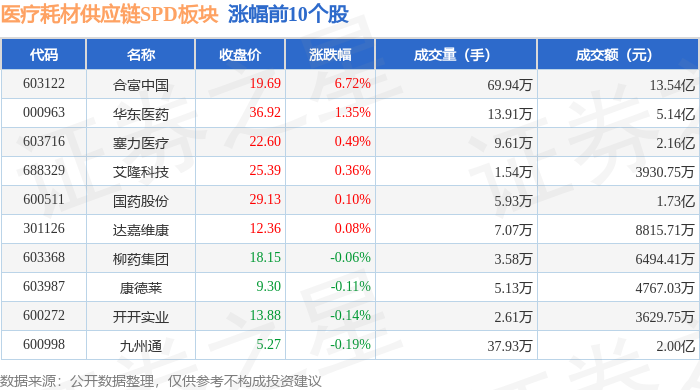
医疗耗材供应链SPD板块2月5日涨0.24%,合富中国领涨,主力资金净流出846.67万元
Sou Hu Cai Jing· 2026-02-05 09:25
Group 1 - The SPD sector of the medical consumables supply chain increased by 0.24% compared to the previous trading day, with HeFu China leading the gains [1] - The Shanghai Composite Index closed at 4075.92, down 0.64%, while the Shenzhen Component Index closed at 13952.71, down 1.44% [1] - HeFu China saw a closing price of 19.69, with a rise of 6.72% and a trading volume of 699,400 shares, amounting to a transaction value of 1.354 billion yuan [1] Group 2 - The SPD sector experienced a net outflow of 8.4667 million yuan from institutional funds, while retail funds saw a net outflow of 7.3756 million yuan [2] - The top individual stocks in terms of net inflow included HeFu China with a net inflow of 109 million yuan from institutional investors [3] - The stock with the highest retail net inflow was HeFu China, despite a significant net outflow from institutional and retail investors [3]


降糖减重神药一年狂揽超2500亿元
21世纪经济报道· 2026-02-05 07:46
Core Viewpoint - The competition for the "king of drugs" title in the GLP-1 market is intensifying between Novo Nordisk and Eli Lilly, with Eli Lilly's GLP-1 drug tirzepatide significantly contributing to its revenue growth in 2025 [1][2]. Group 1: Eli Lilly's Financial Performance - Eli Lilly reported total revenue of $65.179 billion for the year 2025, a 44% increase year-over-year at constant exchange rates [1][2]. - The key driver of this growth was the GLP-1 drug tirzepatide, which generated $36.5 billion in revenue (approximately 253.4 billion RMB) [1][3]. - In Q4 2025, Eli Lilly's revenue reached $19.29 billion, a 43% year-over-year increase, with net profit soaring to $20.64 billion, up 95% [2]. Group 2: Market Dynamics and Competition - The GLP-1 market is currently dominated by Eli Lilly and Novo Nordisk, with combined revenues approaching $50 billion in 2024 [6]. - Eli Lilly's tirzepatide is positioned to capture both diabetes and obesity markets, with Zepbound's sales growth of 175% outpacing Mounjaro's growth in diabetes [1][2]. - Novo Nordisk's oral GLP-1 drug Wegovy has received FDA approval, intensifying competition in the market [7]. Group 3: Pricing and Future Outlook - Eli Lilly faces increasing pricing pressure, with both companies agreeing to lower prices for their GLP-1 drugs starting November 2025 [9]. - The global GLP-1 market is expected to see significant growth, with sales projected to exceed $17 billion by 2031, reflecting a compound annual growth rate of 15.6% from 2021 to 2031 [10]. - The competition is shifting from a "blue ocean" market to a more competitive landscape, with a focus on efficacy, convenience, pricing accessibility, and expanded indications [10].

医疗创新ETF(516820)盘中飘红,机构称医药行业长期增长逻辑未变
Xin Lang Cai Jing· 2026-02-05 05:35
风险提示:基金有风险,投资需谨慎。基金管理人承诺以诚实信用、勤勉尽责的原则管理和运用基金资 产,但不保证本基金一定盈利,也不保证最低收益。基金管理人提醒投资人基金投资的"买者自负"原 则,在做出投资决策后,基金运营状况与基金净值变化引致的投资风险,由投资人自行负担。基金的过 往业绩及其净值高低并不预示其未来业绩表现,基金管理人管理的其他基金的业绩不构成对本基金业绩 表现的保证。投资人购买基金,既可能按其持有份额分享基金投资所产生的收益,也可能承担基金投资 所带来的损失。投资人应当认真阅读《基金合同》《招募说明书》等基金法律文件,全面认识本基金的 风险收益特征和产品特性,并根据自身的投资目的、投资期限、投资经验、资产状况等判断基金是否和 投资人的风险承受能力相适应,理性判断市场,谨慎做出投资决策。本材料中相关信息来源于基金管理 人认为可靠的公开资料,相关观点、评估和预测仅反映当前的判断,后续可能有所变化。本材料所含任 何市场观点的内容皆基于相应的假设条件,而任何假设条件都可能随时发生变化。基金管理人不承诺、 不保证任何具有预测性质的市场观点必然得以实现。材料中提及的个股不构成投资推荐或建议。ETF基 金的二级市 ...
2月5日重要公告一览
Xi Niu Cai Jing· 2026-02-05 02:46
Group 1 - Fujian State-owned Assets Management Company plans to reduce its stake in Fuguang Co., Ltd. by up to 3%, amounting to a maximum of 481.68 million shares [1] - Ice Wheel Environment Technology Co., Ltd. intends to reduce its stake in Qingda Environmental Protection by up to 3%, totaling a maximum of 372.68 million shares [2] - Wang Zhong, a shareholder of Jiangshan Oupai, plans to reduce his stake by up to 3%, which equates to a maximum of 531.51 million shares [6] Group 2 - Huadong Medicine's subsidiary, Zhejiang Daer Biotechnology Co., Ltd., received approval for a clinical trial of DR10624 injection for hypertriglyceridemia [3] - Guangdong Construction won a bid for a lithium battery intelligent manufacturing project worth 1.524 billion yuan [4] - Qilu Bank reported a net profit of 5.713 billion yuan for 2025, a year-on-year increase of 14.58% [5] Group 3 - Chang'an Automobile plans to repurchase shares worth between 1 billion and 2 billion yuan [8] - The company reported a January sales figure of 134,700 vehicles, a year-on-year decrease of 51.14% [31] - Foton Motor's January sales reached 55,553 vehicles, reflecting a year-on-year growth of 10.99% [35] Group 4 - Hongchang Technology plans to acquire a 21% stake in Liangzhi Joint Technology for 54.6 million yuan, aiming for control [11] - Suwen Electric Power's subsidiary is participating in an investment fund focused on high-tech industries [19] - Tangyuan Electric's application for a stock issuance to specific investors has been approved by the CSRC [20] Group 5 - JinkoSolar announced it has no orders related to "space photovoltaics" and remains focused on ground photovoltaic products [39] - High Measurement Co. clarified that it has not engaged in any space photovoltaic business or collaborations with relevant teams [40] - Jin Jing Technology noted that the TCO glass market is still small and has minimal impact on its revenue [13]


2026年全球及中国糖尿病用药行业发展历程、产业链、发展现状、竞争格局及趋势研判:糖尿病患者人数持续增加,推动糖尿病用药需求显著增长[图]
Chan Ye Xin Xi Wang· 2026-02-05 01:20
Core Viewpoint - The diabetes medication market in China is experiencing rapid growth due to the increasing prevalence of diabetes driven by an aging population and rising obesity rates, alongside improvements in healthcare infrastructure and public awareness [1][8]. Industry Overview - Diabetes is characterized by chronic hyperglycemia due to insulin secretion and/or utilization defects, classified into Type 1, Type 2, gestational diabetes, and other specific types [2]. - Diabetes medications are categorized into eight classes, including insulin secretagogues, biguanides, thiazolidinediones, alpha-glucosidase inhibitors, DPP-4 inhibitors, SGLT-2 inhibitors, insulin, and GLP-1 receptor agonists [2]. Market Growth - The market size for diabetes medications in China is projected to grow from 47 billion yuan in 2016 to 80.2 billion yuan in 2024, with a compound annual growth rate (CAGR) of 6.91% [1][8]. - By 2025, the market size is expected to reach approximately 85.7 billion yuan [1]. Patient Demographics - The number of diabetes patients in China is expected to increase from 118 million in 2016 to 148 million by 2024, with a CAGR of 2.87% [6][8]. - The adult diabetes prevalence rate in China is currently at 13.79%, which is significantly higher than the global average [6]. Competitive Landscape - The diabetes medication industry in China features a tiered competitive structure, with multinational companies like Novo Nordisk, Sanofi, Eli Lilly, and AstraZeneca leading the first tier due to their innovative drug development capabilities [8]. - Domestic companies such as Tonghua Dongbao, Gan & Lee Pharmaceuticals, and Huadong Medicine are emerging as strong competitors in the second tier, particularly in insulin and oral hypoglycemic agents [8]. Industry Trends - Future research and development in diabetes medications will focus on precision and individualized treatment, targeting specific mechanisms of Type 2 diabetes [12]. - The industry is expected to prioritize long-acting, multi-target drugs that modify disease progression, moving beyond mere blood sugar control [13]. - Companies will shift from being mere drug providers to comprehensive health management partners for diabetes patients, utilizing digital health technologies for continuous monitoring and personalized care [14].


司美格鲁肽年销361亿美元 全球“药王”之战进入下半场
2 1 Shi Ji Jing Ji Bao Dao· 2026-02-05 00:09
Core Insights - Novo Nordisk reported a revenue of 309.06 billion Danish Krone (approximately 48.9 billion USD) for 2025, marking a 6% year-on-year growth, with a net profit of 102.43 billion Danish Krone (approximately 16.2 billion USD), a 1% increase [1] - The drug semaglutide, a key product, generated sales of 36.1 billion USD, showing a growth of over 10% [1] - The competitive landscape in the diabetes and obesity treatment market is intensifying, with policy pressures affecting high-priced innovative drugs [1][4] Financial Performance - Novo Nordisk's total sales for semaglutide reached 228.29 billion Danish Krone (approximately 36.1 billion USD) [3] - The sales breakdown includes Ozempic (127.09 billion Danish Krone or 20.1 billion USD), Wegovy (79.11 billion Danish Krone or 12.5 billion USD), and oral semaglutide (22.09 billion Danish Krone or 3.5 billion USD) [3] - In China, Novo Nordisk's revenue was 18.66 billion Danish Krone (approximately 2.83 billion USD) [3] Market Dynamics - The GLP-1 market is currently dominated by Novo Nordisk and Eli Lilly, with combined revenues nearing 50 billion USD in 2024 [5] - Semaglutide's sales surpassed Merck's Keytruda, which reported sales of 31.68 billion USD [5] - Eli Lilly's tirzepatide is rapidly closing the sales gap with semaglutide, indicating a competitive shift [1][5] Competitive Landscape - The competition is evolving from product sales to comprehensive strategies, including clinical efficacy and pricing [5][7] - A recent study showed that semaglutide reduced the risk of major adverse cardiovascular events by 29% compared to tirzepatide [6] - The GLP-1 market is transitioning from a "blue ocean" to a "red ocean" with increasing competition and innovation opportunities [7] Strategic Initiatives - Novo Nordisk is investing in direct patient outreach programs and partnerships with telehealth providers to enhance market access [8] - The company has implemented cost-saving measures, including a significant workforce reduction of approximately 9,000 employees globally [8][9] - Novo Nordisk's new pricing strategies aim to improve patient affordability and market competitiveness [8] Future Outlook - The expiration of semaglutide's core patent in March 2026 poses a risk of market share erosion due to the entry of generic competitors [4] - The company is focusing on expanding its product pipeline and exploring new indications to sustain growth [9][10] - The ongoing competition between semaglutide and tirzepatide will shape the future dynamics of the GLP-1 market [10]
