Babycare

Search documents
2025母亲节,品牌们都在如何叫“妈”?
3 6 Ke· 2025-05-13 00:15
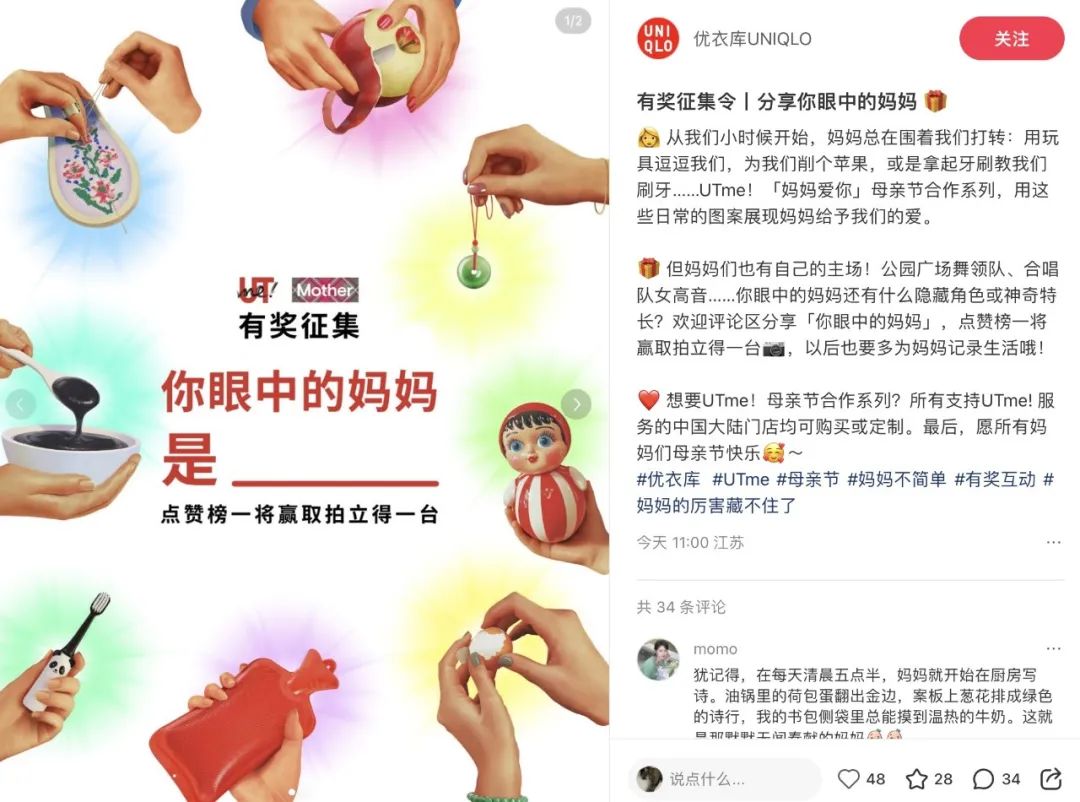
Group 1 - The core idea of this year's Mother's Day marketing is a shift from traditional narratives of mothers' sacrifices to a more authentic representation of mothers, focusing on their individual identities and the expectations society places on them [1][2][10] - Brands are employing various strategies, such as engaging children to share stories about their mothers, to create a more personal connection with consumers [2][8][11] - The campaign by "沪上阿姨" emphasizes the importance of recognizing mothers as individuals beyond their roles, encouraging the public to share their mothers' names and stories [10][11] Group 2 - The marketing efforts include innovative activities, such as "倪妈说" by 伊利, which features a mother figure sharing relatable advice with younger generations, blending emotional storytelling with product promotion [13][20][22] - Babycare's campaign challenges traditional views on parenting responsibilities, advocating for a societal shift in recognizing parenting as a shared duty rather than solely a mother's role [27][29][30] - Brands like 兰蔻 and 优衣库 are focusing on experiential marketing, creating opportunities for families to spend quality time together, thus reinforcing emotional connections with their products [34][36][38] Group 3 - The overall trend in Mother's Day marketing reflects a deeper societal reflection on the roles of mothers, aiming to present a more nuanced view of motherhood that resonates with contemporary values [30][40] - Brands are encouraged to move beyond superficial marketing tactics and genuinely address consumer needs through consistent product design and marketing strategies [39][40]

不迷恋美区,不放弃美区
Sou Hu Cai Jing· 2025-05-10 12:21
Core Insights - The TikTok market in the US is undergoing significant changes, with sellers experiencing both challenges and opportunities as they adapt to the evolving landscape [2][9][30] - The performance of brands like Babycare in the US market has been underwhelming, indicating that even established brands face difficulties in adapting to TikTok's unique selling environment [10][13][16] - The TikTokShop in the US is projected to have substantial growth potential, with current daily GMV at approximately $33 million, suggesting a tenfold growth opportunity [24][30] Group 1: Market Dynamics - Many sellers are either withdrawing from the US TikTok market or pivoting to other regions, reflecting a sense of urgency and confusion among businesses [2][4] - The top-performing stores on TikTokShop in the US show a diverse range of categories, with significant sales figures indicating potential for growth in specific niches [5][6] - The challenges faced by sellers include high competition and the need for effective influencer partnerships, which are crucial for driving sales [21][22] Group 2: Brand Performance - Babycare, a leading brand in the mother and baby products category, has seen a decline in sales, raising questions about its strategy and market fit in the US [10][13] - The mother and baby product category in the US remains underdeveloped, with limited success stories, highlighting the difficulties for brands entering this space [16][19] - The performance of brands like Momcozy indicates that even top players struggle to achieve significant sales, suggesting a challenging environment for new entrants [16][17] Group 3: Future Outlook - TikTok's US market is expected to continue evolving, with potential policy changes and market adjustments that could benefit sellers willing to adapt [29][30] - The platform is exploring new operational models to support sellers, indicating a commitment to improving the ecosystem for e-commerce [30][32] - Companies are encouraged to remain engaged in the US market despite challenges, as the potential for profitability and market share remains significant [31][32]
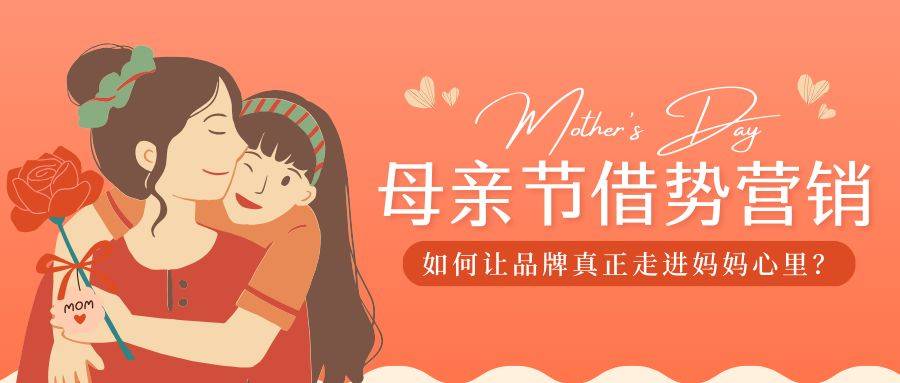
母亲节借势营销指南:如何让品牌真正走进妈妈心里?媒介盒子分享
Sou Hu Cai Jing· 2025-05-09 13:57
Core Insights - The article emphasizes the importance of emotional marketing during Mother's Day, urging brands to move away from traditional praise and instead focus on genuine insights and emotional resonance to create differentiated communication strategies [1] Marketing Strategies: Addressing Emotional Gaps - Pain Point Focus: The ultimate goal of Mother's Day marketing is to ensure mothers feel seen and understood, rather than just evoking tears. Research indicates that 76% of mothers are more likely to purchase from brands that acknowledge parenting pressures [3] - Scene Resonance: As societal views evolve, family roles are no longer solely tied to female value. Brands should shift their narratives from celebrating sacrifice to respecting choices, with data showing that ads featuring family scenes have a 47% higher click-through rate [5] - Value Reconstruction: In an era where self-care awareness among women is rising, Mother's Day marketing should encourage mothers to pursue self-consumption, aligning with the trend of "her economy" [8] Communication Phases: Navigating User Decision-Making - Phase One: Emotional Preheating - Brands can engage potential customers through emotional storytelling campaigns, enhancing brand affinity and preparing for subsequent marketing efforts [10] - Phase Two: Traffic Explosion - Following emotional preheating, brands should focus on promotional conversion, utilizing targeted advertising and real-time consumer interaction to drive sales [11] - Phase Three: Long-Tail Continuation - Post-campaign, brands need to maintain communication to solidify brand image and expand influence, leveraging media and social platforms for ongoing engagement [14]
“六重防线”重塑中国纸尿裤标杆,Babycare上榜全国企业标准“领跑者”
Bei Jing Shang Bao· 2025-04-30 12:56
Core Insights - Babycare's breakthrough strategy is centered around the concept of "product supremacy," emphasizing user-driven design and innovation [3][5] - The company has established a robust quality control system, ensuring a 100% pass rate in 61 inspections over the past three years [6][9] - Babycare's commitment to quality and user insight positions it favorably in the rapidly growing Chinese maternal and infant market, projected to reach 5 trillion yuan by 2026 [9] Group 1: Product Innovation - Babycare's "One Whole Night" diaper series was developed after three years of research, addressing key pain points such as absorption, leakage, and breathability [3][5] - The innovative "Blue Buff" structure enhances leak prevention and moisture retention, allowing the diaper to absorb liquid equivalent to nine times a baby's urine output [3] - The use of high-breathability materials ensures comfort for the baby throughout the night, reducing the need for parents to frequently change diapers [5] Group 2: Quality Control - Babycare's quality control system includes a "six-layer defense" approach, from sourcing high-quality raw materials to maintaining a production standard that exceeds industry norms [6][8] - The company conducts annual inspections, exceeding the national standard of biennial testing for similar products, ensuring consistent quality [8] - Advanced monitoring technology is employed throughout the production process, with over 550 quality control checkpoints and real-time monitoring to detect defects as small as 0.5 mm² [8] Group 3: Market Positioning - Babycare has been recognized as a "leader" in national enterprise standards, reflecting its commitment to achieving both domestic and international benchmarks [9] - The company’s innovative "dual-code" system enhances consumer trust by allowing verification of product authenticity and access to historical quality reports [8] - As the maternal and infant market undergoes transformation, Babycare's focus on user insights and quality systems is crucial for gaining the trust of the "Z generation" parents [9]
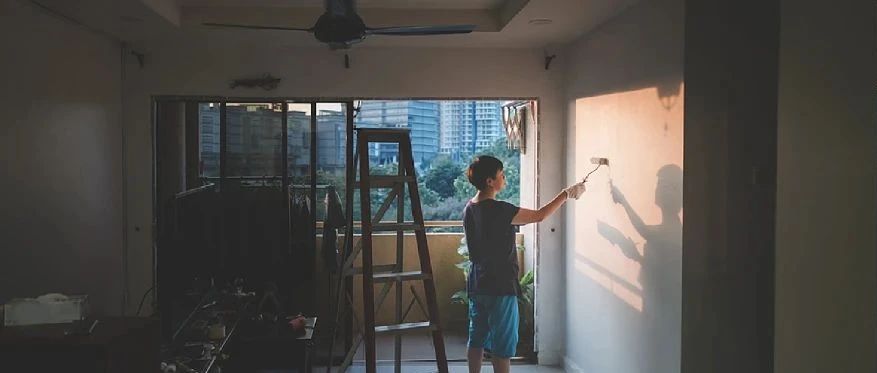
逐鹿10万亿“三家”市场,向存量要增长
吴晓波频道· 2025-03-27 16:49
Core Viewpoint - The home appliance, home decoration, and home furnishing industries are crucial for stimulating domestic demand in the current macroeconomic environment, transitioning from reliance on real estate to self-driven transformation and innovation, with platforms like Xiaohongshu playing a significant role in this shift [3][5][7]. Group 1: Industry Trends - The home appliance sector experienced a retail sales revenue of 1,030.7 billion yuan in 2024, marking a 12.3% increase year-on-year, surpassing the previous peak in 2017 [5]. - The home decoration and furnishing industries are expected to see a recovery in performance due to government subsidies, with the custom home furnishing sector projected to contribute 10% to 20% growth from the first wave of subsidy policies [7]. - The average renovation rate for existing homes is 2.6% nationwide, with 3.5% in first- and second-tier cities, indicating a robust demand for home renovations driven by the large stock of existing homes [7][8]. Group 2: Consumer Behavior - Xiaohongshu has become a vital platform for consumer decision-making in home life, with 89% of users searching for home appliance and furnishing products on the platform before making purchases [15][17]. - The platform's community content has seen an 87.3% increase in notes related to home furnishing, with a 403% rise in search volume for related categories, significantly outpacing industry averages [17]. - The younger generation, comprising 50% of users born after 1995 and 35% born after 2000, is driving over 40% of global consumption growth, making Xiaohongshu a key player in reaching this demographic [11][19]. Group 3: Innovation and Collaboration - Xiaohongshu has facilitated innovative product development, exemplified by the "Bag Chair," which achieved over 10 million yuan in GMV within ten days of launch, driven by insights from user data [22]. - The platform has enabled brands to redefine their marketing strategies, shifting from traditional methods to leveraging social media and community insights for consumer engagement [13][25]. - The collaboration between Xiaohongshu and brands has led to the creation of new product categories, such as "Little Private Bath" for water heaters, expanding the target audience beyond traditional home furnishing consumers [22][23]. Group 4: Economic Impact - In 2024, final consumption expenditure contributed 44.5% to economic growth, with the home furnishing and appliance industries representing a combined market space of over 10 trillion yuan, accounting for more than 20% of China's consumer market [27][28]. - The shift towards a consumption-driven economy necessitates a focus on fulfilling consumer desires for a better life, which is seen as a key driver for business transformation and growth in the home appliance and furnishing sectors [28][30].