SK Hynix

Search documents
全球存储芯片 —— 美国停止对三星和海力士中国工厂的豁免
2025-09-04 15:08
Summary of Key Points from the Conference Call Industry Overview - The conference call primarily discusses the **global memory industry**, focusing on major players **Samsung Electronics** and **SK Hynix** in the context of US export regulations affecting their operations in China [1][2]. Core Insights and Arguments 1. **US Export Regulations**: The US Department of Commerce announced the removal of Samsung and Hynix from the Validated End User (VEU) list, which allows these companies to export certain US technologies to China without a license. This change will take effect on December 31, 2025 [1]. 2. **Strategic Intentions of the US**: The amendment is seen as a move by the US to strengthen its bargaining power in tariff negotiations with Korea and to tighten restrictions on China, indicating a long-term shift in manufacturing strategies away from China [2]. 3. **Impact on Production Capabilities**: The removal from the VEU list may hinder the ability of Korean companies to upgrade their Chinese factories, potentially leading to a phase-out of legacy products [3]. 4. **Capacity Expansion Needs**: Both Samsung and Hynix will need to expand their production capacities in Korea or the US to compensate for the loss of capacity in China. Samsung's Xi'an fab currently produces 30% of its NAND capacity, while Hynix's Wuxi and Dalian fabs account for significant portions of its DRAM and NAND production [4][5]. 5. **Cost Implications**: Manufacturing costs in the US could increase by 40-50% compared to production in China or Korea, which will likely be passed on to customers, driving up semiconductor prices in the long term [6][8]. Future Outlook 1. **Positive Memory Market Outlook**: Despite regulatory challenges, the outlook for the memory market from 2025 to 2027 remains positive, driven by high profitability and growth in the High Bandwidth Memory (HBM) market. Both Samsung and Hynix maintain a "Buy" rating [9]. 2. **Recovery in Commodity Market**: A recovery in demand for commodity memory products is anticipated, supported by supply constraints and prioritization of HBM production by major players [9]. Additional Important Points - **Legacy Production Decisions**: Hynix has decided to extend production of legacy DRAM products due to strong demand, which may delay the transition to newer technologies [5]. - **Investment Strategies**: The necessity for both companies to invest in new facilities in Korea or the US is emphasized, as failure to do so could lead to the retirement of their Chinese fabs [4][5]. This summary encapsulates the critical insights from the conference call regarding the current state and future prospects of the global memory industry, particularly in light of changing US regulations and market dynamics.
X @Bloomberg
Bloomberg· 2025-09-04 12:01
SK Hynix’s labor union approved a landmark agreement that could see each employee on average receiving about an $80,000 bonus for 2025 alone https://t.co/59PWuMkUl6 ...
限制外企在中生产芯片,美国的最终目的
半导体行业观察· 2025-09-04 01:24
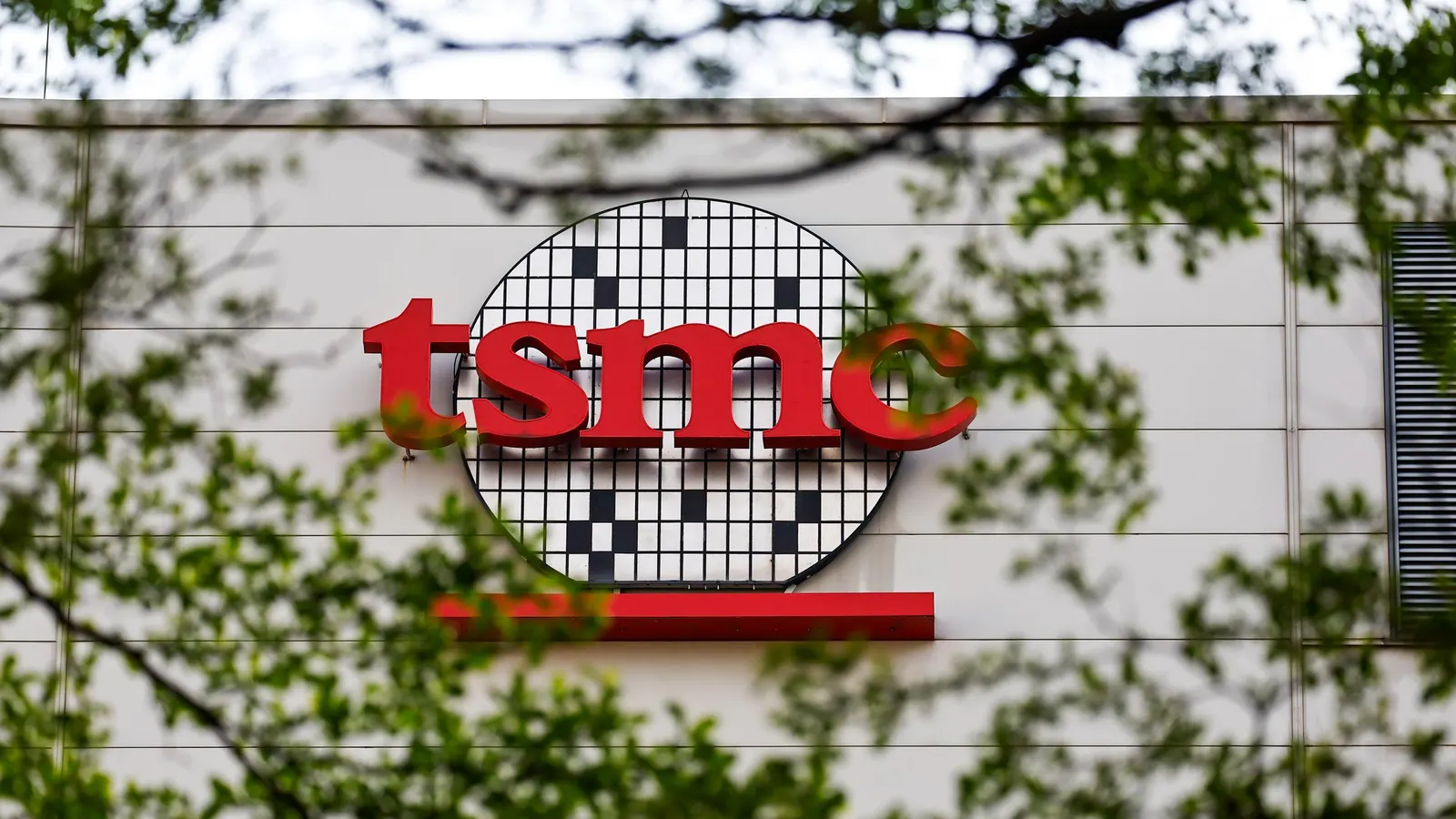
Core Viewpoint - The U.S. has revoked the "Verified End User" (VEU) status for Taiwan Semiconductor Manufacturing Company (TSMC) and other South Korean companies, tightening restrictions on semiconductor equipment exports to China, particularly affecting TSMC's operations in Nanjing [2][3]. Group 1: Policy Changes - The U.S. Department of Commerce will require export licenses for sending U.S.-made semiconductor manufacturing tools to TSMC's factory in Nanjing starting December 31 [2]. - The revocation of VEU status also applies to South Korean memory chip manufacturers SK Hynix and Samsung, which operate chip factories in China [2][3]. - The U.S. aims to close "Biden-era loopholes" in export controls, reflecting a broader strategy to strengthen control over semiconductor technology exports to China [3][4]. Group 2: Financial Impact - TSMC's Nanjing facility contributes less than 3% to the company's total revenue and represents a small portion of its global capacity, suggesting minimal financial impact from the policy change [3]. - Following the announcement, SK Hynix and Samsung's stock prices fell, while TSMC's stock remained stable [5]. Group 3: Strategic Implications - The policy shift indicates the U.S. government's commitment to preventing China from enhancing its local chip production capabilities and developing domestic technology and talent [4]. - The U.S. is likely to restrict companies from expanding their supply chain presence in China, particularly in strategic sectors like semiconductors [4].


全球半导体:存储价格更新 -DRAM 和 NAND 价格持续稳步增长;预计 2025 年下半年价格好于预期-Global Semiconductors_ Memory Pricing Update_ DRAM_NAND Pricing Continues Stable Growth; Expect 2H25E Pricing to Be Better-Than-Forecast
2025-09-03 13:23
Summary of Key Points from the Conference Call Industry Overview - **Industry**: Global Semiconductors, specifically focusing on DRAM and NAND memory pricing trends Core Insights and Arguments 1. **Memory Pricing Trends**: - August DDR4 PC DRAM contract price increased by 50% month-over-month (MoM) due to limited supply, while DDR5 prices remained stable [2] - NAND wafer contract prices saw a modest increase of 1-5% MoM, with mainstream 512Gb TLC NAND wafer rising by 3.4% MoM [3] 2. **Future Pricing Expectations**: - DRAM average selling price (ASP) forecast for 2025 is revised to +15% year-over-year (YoY), up from +13% [4] - NAND ASP forecast for 2025 adjusted to -2% YoY, an improvement from -3% previously [5] 3. **Demand Catalysts**: - Anticipated increase in mobile DRAM content due to the adoption of 12GB LPDDR5T in iPhone 17 [4] - Expected stronger demand for server DRAM from hyperscalers [4] - Rising adoption of SOCAMM (System on Chip and Memory Module) in the second half of 2025 [4] 4. **Investment Recommendations**: - Maintain a "Buy" rating on Samsung Electronics and SK Hynix, citing robust demand in the HBM (High Bandwidth Memory) market and favorable conditions in mobile and server applications [6] Additional Important Information 1. **Valuation Metrics**: - Samsung Electronics target price set at W100,000 based on a sum-of-the-parts (SOTP) methodology, with various divisions assigned specific EV/EBITDA multiples [9] - SK Hynix target price set at W380,000, reflecting a premium to historical averages due to expected structural demand growth [11] 2. **Risks to Target Prices**: - For Samsung Electronics, risks include delays in HBM shipment approvals, weaker PC sales, aggressive competitor investments, intensified competition in the handset market, and currency fluctuations [10] - For SK Hynix, risks involve downturns in DRAM and NAND demand, and potential collapses in global consumption [12] 3. **Market Dynamics**: - The report highlights the importance of supply chain adjustments by major memory suppliers and the impact of AI infrastructure investments on eSSD demand [5] This summary encapsulates the key points discussed in the conference call, providing insights into the semiconductor industry's current state and future outlook, along with specific investment recommendations and associated risks.
大中华半导体:美国出口管制豁免延长将延续中国半导体的乐观情绪-Greater China Semiconductors_ US VEU Removal To Extend Bullish China Semiconductor Sentiment
2025-09-03 13:23
Summary of Conference Call Notes Industry Overview - **Industry**: Greater China Semiconductors - **Key Event**: US Commerce Department's announcement on August 29 to revoke Validated End-User (VEU) status for China subsidiaries of Samsung, SK Hynix, and Intel, effective January 1, 2026 [1][2] Core Insights - **Impact of VEU Removal**: The removal of VEU status will require affected companies to obtain export licenses for US-controlled equipment, complicating their capacity expansion and technology upgrades [1][2] - **Opportunities for Chinese Companies**: This situation is expected to limit China's access to foreign-made semiconductors, particularly memory chips, thereby benefiting local manufacturers such as YMTC and CXMT [1][3] - **Positive Sentiment for Chinese Semiconductor Sector**: The news is likely to enhance positive sentiment towards China's semiconductor sector, emphasizing the ongoing demand for localization [1] Company-Specific Insights - **ASMPT**: - Rated as a "Buy" due to expected benefits from increasing demand for AI-driven advanced packaging solutions [10] - Target price set at HK$85 based on a P/E ratio of 22x for 2026E, reflecting anticipated revenue and earnings recovery [11] - **Shanghai Wanye Enterprises**: - Rated as a "Sell" due to supply risks following Kingstone's inclusion on the US BIS Entity List [14] - Target price set at Rmb13.0, reflecting concerns over semiconductor revenue growth and profitability [16] Additional Considerations - **Localization Trends**: Chinese authorities may leverage the VEU removal to set localization targets for memory chips, similar to recent directives for AI chips [3] - **Market Dynamics**: The demand for semiconductor equipment from local vendors like ASMPT and Wanye is expected to rise as Chinese memory makers seek to fill the gap left by foreign suppliers [1][3] Risks - **ASMPT Risks**: Potential downside risks include a worsening semiconductor industry outlook and competition in the TCB market [12] - **Wanye Risks**: Risks include supply chain disruptions and the impact of US technology restrictions on advanced equipment development [15][16] This summary encapsulates the key points from the conference call, focusing on the implications of the US VEU status removal for the semiconductor industry in Greater China, along with specific insights into ASMPT and Shanghai Wanye Enterprises.
The U.S. makes it harder for TSMC, SK Hynix and Samsung to produce chips in China
CNBC· 2025-09-03 08:35
Core Viewpoint - The U.S. has revoked the validated end user (VEU) status for Taiwan Semiconductor Manufacturing Co. (TSMC) and other foreign semiconductor manufacturers, impacting their ability to export key chipmaking equipment and technology to China, particularly TSMC's facility in Nanjing [1][2][4]. Group 1: Policy Changes - The revocation of VEU status will take effect on December 31, requiring TSMC to obtain U.S. export licenses for shipments of American-origin chipmaking tools to its Nanjing facility [2]. - The U.S. Department of Commerce is closing the "Biden-era loophole" for all foreign semiconductor manufacturers, allowing former VEU participants to operate existing facilities in China but prohibiting capacity expansion or technology upgrades [4]. Group 2: Impact on Companies - TSMC has stated its commitment to ensuring the uninterrupted operation of its Nanjing facility while evaluating the situation and communicating with the U.S. government [3]. - The Nanjing facility contributes less than 3% of TSMC's total revenue and represents a minor share of its global capacity, suggesting that the financial impact on TSMC should be minor [6]. Group 3: Industry Context - The policy changes reflect a broader U.S. initiative to tighten control over semiconductor equipment and technology exports to China, thereby strengthening U.S. influence over chip production in the region [5]. - South Korean memory chipmakers SK Hynix and Samsung also had their VEU privileges revoked, indicating a wider impact on foreign semiconductor manufacturers operating in China [3].
Putin, Kim Attend Xi's Military Parade | The Asia Trade, 9/2/25
Bloomberg Television· 2025-09-03 04:01
THIS IS "THE ASIA TRADE. " PAUL: ASIAN STOCKS SET TO MIRROR A WEEK WALL STREET SESSION. U.S. TRADERS STARTED IN ON A SOUR NIGHT -- A SOUR NOTE. THE U.S. REVOKES TSMC'S AUTHORIZATION TO SHIP A CENTRAL GEAR TO ITS CHIP-MAKING BASE WHICH FOLLOWS EARLIER ACTIONS AGAINST SAMSUNG AND SK HYNIX. STEPHEN: CHINA HOSTS A MILITARY PARADE MARKING THE 80TH ANNIVERSARY OF THE END OF WORLD WAR II WITH NEW WEAPONRY AND DIPLOMATIC CLOUT ON DISPLAY. PAUL: LET US LOOK OUT HOW MARKETS ARE TRACKING AHEAD OF THIS WEDNESDAY SESSIO ...

US Pulls TSMC’s Waiver for China Chip Supply Shipments
Bloomberg Television· 2025-09-02 23:09
Some see perhaps falling another victim to this. This morning, we're learning that the US pulled their waivers for China's shipments of chip supplies. What's happening.Okay, so breaking news story. This relates to Tsmc's validated end user agreement which allows them to move gear to that mainland China facility in Yanjing. Basically, it's the same move that we saw from the United States last week, Friday, with Samsung and SK Hynix, where essentially any supplier associated with that facility in China has to ...
Chip Giant TSMC Shares Drop 2% After US Revokes Waiver For China Shipments
Forbes· 2025-09-02 15:35
Core Insights - The U.S. has revoked the validated end user (VEU) status for Taiwan Semiconductor Manufacturing Company (TSMC), impacting its ability to ship to its China-based facilities freely, leading to a drop in TSMC's shares by over 2% [1][2] - This decision follows similar actions taken against other semiconductor companies, including Samsung, SK Hynix, and Intel, indicating a broader trend in U.S. export controls on semiconductor technology [5][6] Company Impact - TSMC's production may be disrupted as suppliers will now need to apply for export licenses for each shipment of manufacturing gear, spare parts, or chemicals [3] - The company is currently evaluating the situation and is in communication with the U.S. government regarding the implications of this revocation [3] Market Position - TSMC is the world's largest semiconductor firm by market value, with a market capitalization of $1.1 trillion, ranking it as the ninth-largest company globally [5] - The company has seen significant growth due to the semiconductor and AI sectors, producing chips for major clients like Nvidia, Apple, and AMD [5] Historical Context - The revocation of TSMC's VEU status aligns with the U.S. government's tightening of export controls on semiconductor shipments to China, which has been a trend throughout the year [6] - Previous actions included a temporary ban on Nvidia's H20 processors to China, highlighting ongoing national security concerns related to semiconductor technology [6]
US to Pull SK Hynix, Samsung China Waivers
Bloomberg Technology· 2025-08-29 18:47
Basically this is revoking waivers that they previously had. What, to bring in chip equipment to the country. Break down exactly what this means.Yeah, that's right. How the companies have received waivers from the Biden administration back in 2023, allowing them under these agreements to bring in equipment to China for their massive chip making facilities. And most of what was produced there, Carol, were memory chips.And that's critical, of course, for SK Hynix and for Samsung in particular. In this case. N ...