开立医疗

Search documents
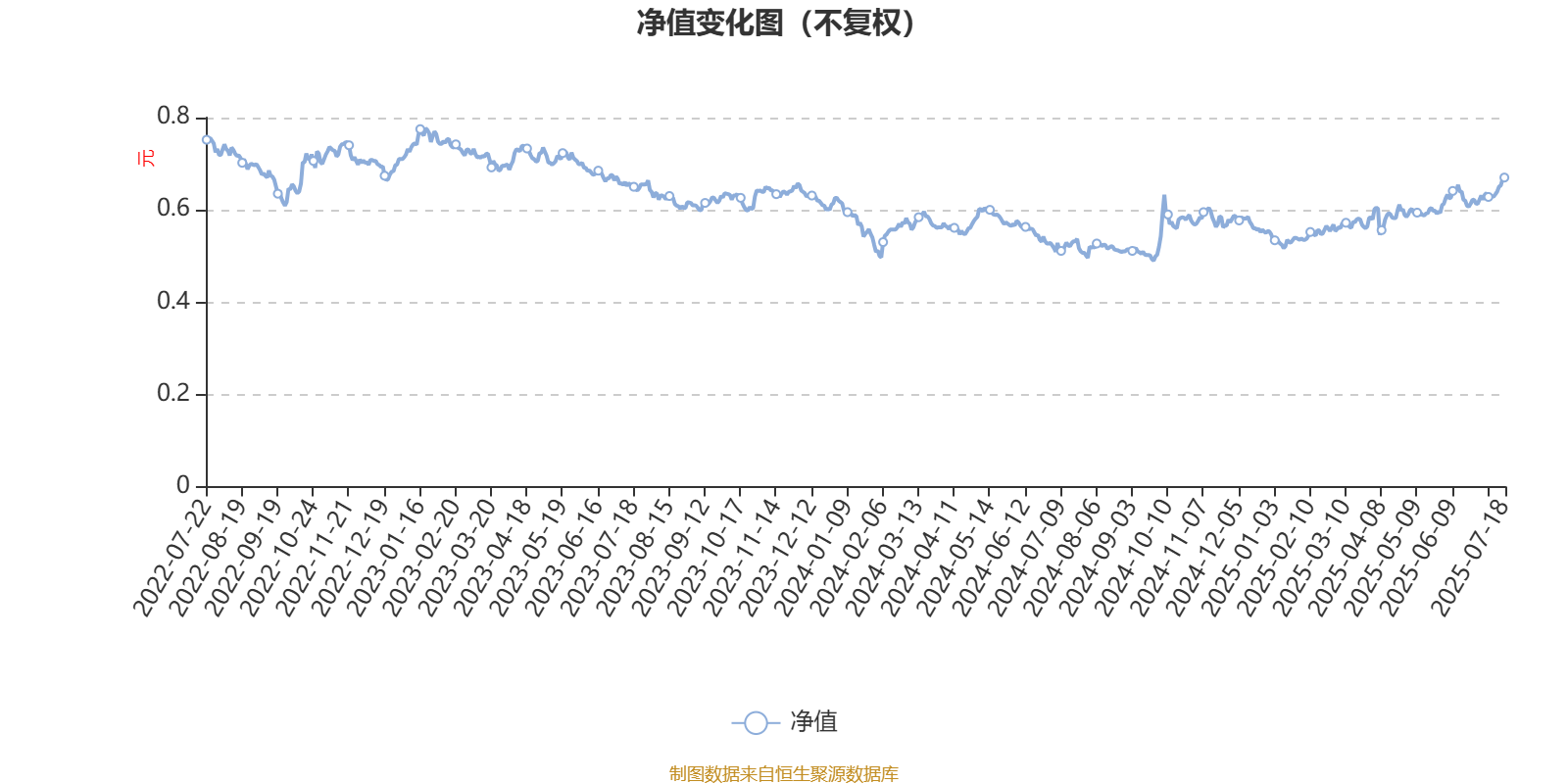
博时健康生活混合A:2025年第二季度利润987.73万元 净值增长率7.41%
Sou Hu Cai Jing· 2025-07-21 10:19
AI基金博时健康生活混合A(012086)披露2025年二季报,第二季度基金利润987.73万元,加权平均基金份额本期利润0.0429元。报告期内,基金净值增长 率为7.41%,截至二季度末,基金规模为1.4亿元。 截至7月18日,博时健康生活混合A近三个月复权单位净值增长率为15.09%,位于同类可比基金111/138;近半年复权单位净值增长率为25.43%,位于同类可 比基金99/138;近一年复权单位净值增长率为25.95%,位于同类可比基金97/133;近三年复权单位净值增长率为-12.42%,位于同类可比基金74/107。 通过所选区间该基金净值增长率分位图,可以观察该基金与同类基金业绩比较情况。图为坐标原点到区间内某时点的净值增长率在同类基金中的分位数。 该基金属于偏股混合型基金,长期投资于医药医疗股票。截至7月18日,单位净值为0.67元。基金经理是陈西铭,目前管理3只基金近一年均为正收益。其 中,截至7月18日,博时健康生活混合A近一年复权单位净值增长率最高,达25.95%;博时医疗保健混合A最低,为11.62%。 基金管理人在二季报中表示,我们仍然看好创新药板块行情,认为行情已从所有创新药公 ...

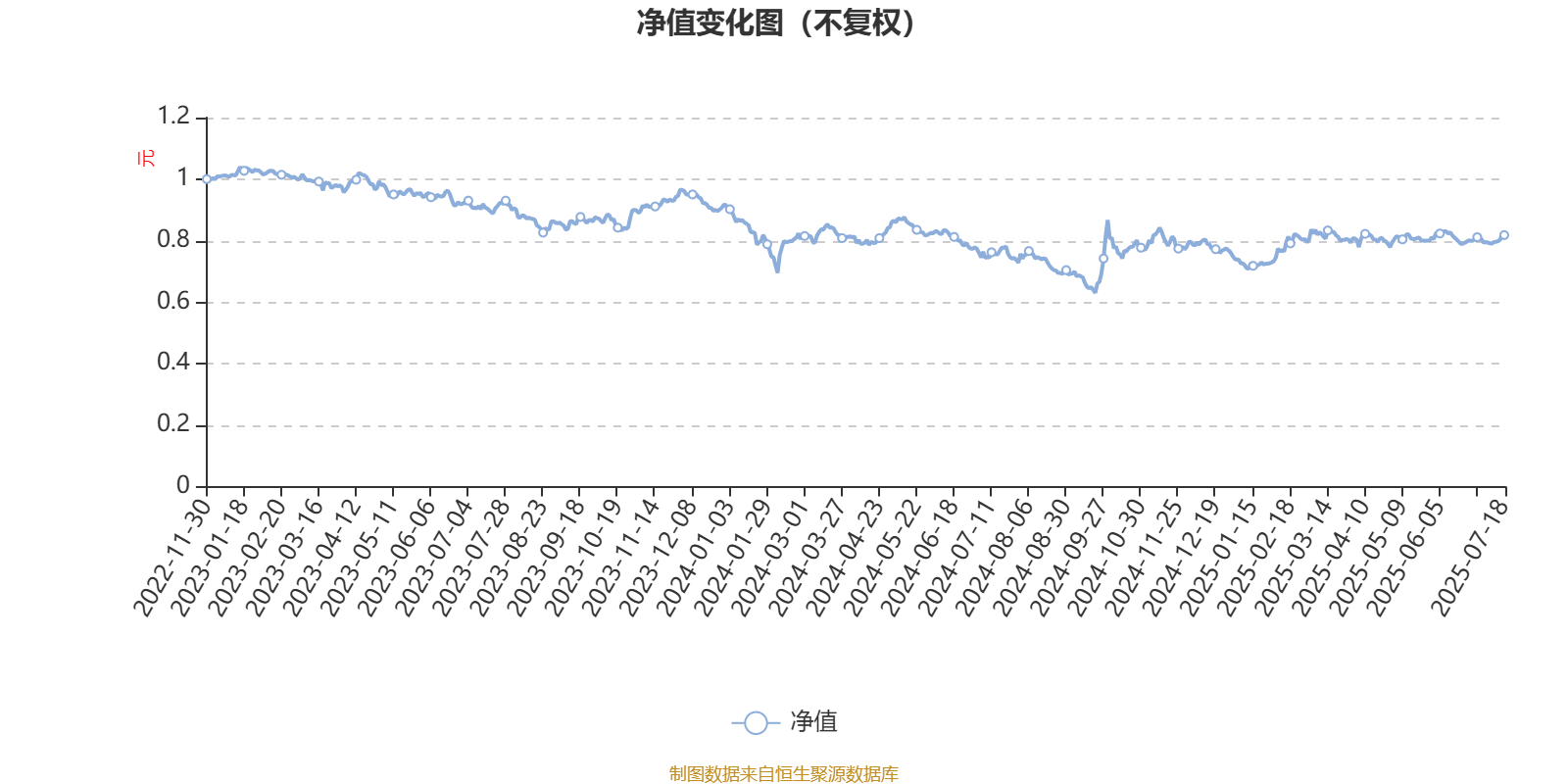
中加医疗创新混合发起式A:2025年第二季度利润20.21万元 净值增长率1.9%
Sou Hu Cai Jing· 2025-07-21 09:42
AI基金中加医疗创新混合发起式A(016756)披露2025年二季报,第二季度基金利润20.21万元,加权平均基金份额本期利润0.015元。报告期内,基金净值 增长率为1.9%,截至二季度末,基金规模为1088.67万元。 该基金属于偏股混合型基金,长期投资于医药医疗股票。截至7月18日,单位净值为0.818元。基金经理是薛杨,目前管理2只基金近一年均为正收益。其 中,截至7月18日,中加龙头精选混合A近一年复权单位净值增长率最高,达19.43%;中加医疗创新混合发起式A最低,为5.32%。 基金管理人在二季报中表示,本基金持续关注AI医疗进展,业内已经出现了更多对可落地的医疗模型以及应用的尝试,但依然缺少成熟的商业模型。器械 板块,一些公司经过近年的持续努力,出海已经初具规模,在集采已经完成的背景下,出海业务有望贡献这些公司的第二增长曲线。本基金二季度主要增加 了对器械的持仓。 截至7月18日,中加医疗创新混合发起式A近三个月复权单位净值增长率为2.89%,位于同类可比基金136/138;近半年复权单位净值增长率为13.82%,位于 同类可比基金122/138;近一年复权单位净值增长率为5.32%,位于同类 ...
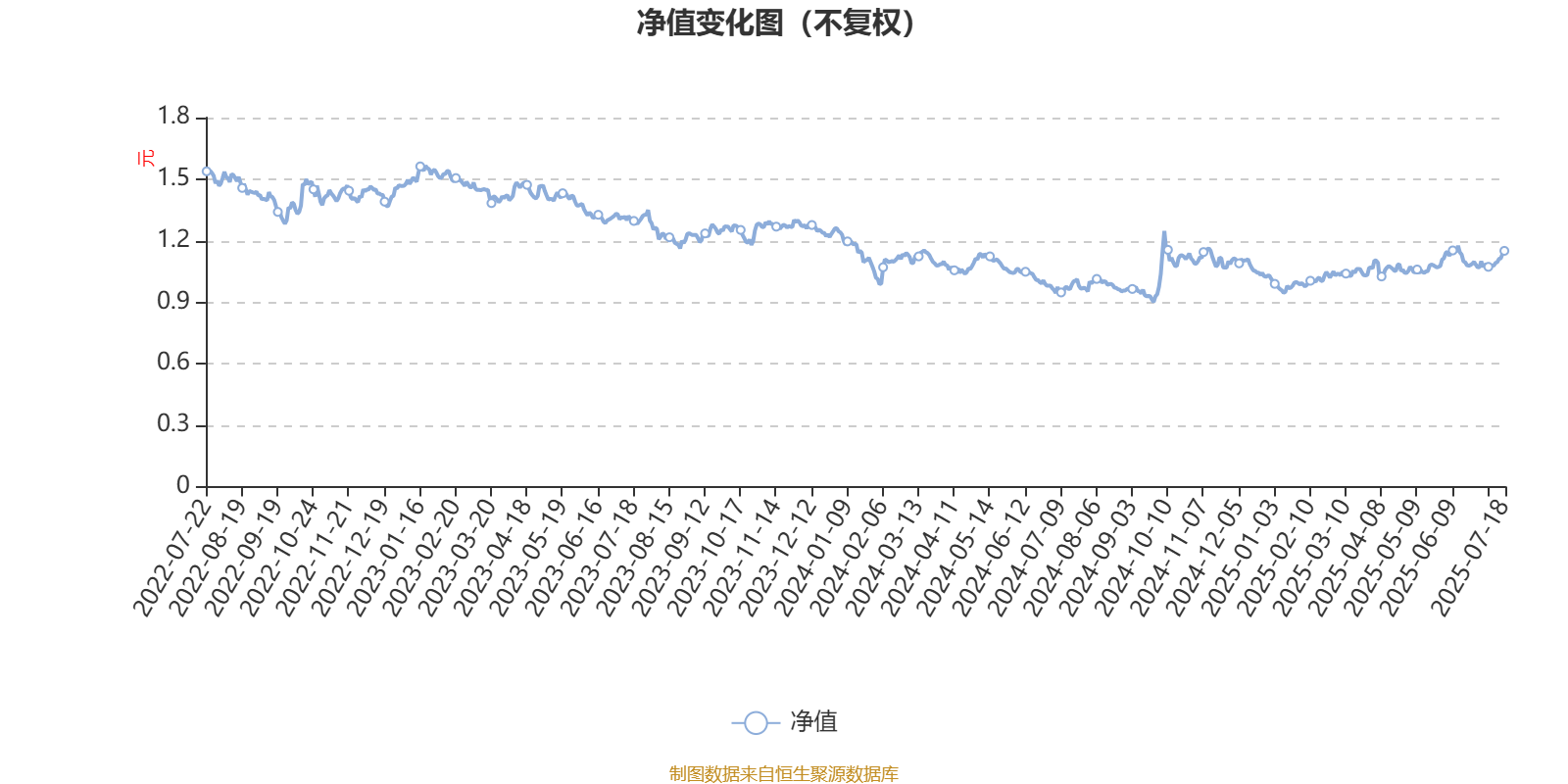
中海医疗保健主题股票A:2025年第二季度利润332.7万元 净值增长率0.56%
Sou Hu Cai Jing· 2025-07-21 04:47
Core Viewpoint - The AI Fund Zhonghai Healthcare Theme Stock A (399011) reported a profit of 3.327 million yuan for Q2 2025, with a weighted average profit per fund share of 0.007 yuan, and a net asset value growth rate of 0.56% during the period [2]. Fund Performance - As of July 18, the fund's unit net value was 1.15 yuan, with a fund size of 493 million yuan [2][15]. - The fund's one-year return rate was 14.88%, ranking 48 out of 53 comparable funds [3]. - Over the past three months, the fund's return rate was 9.42%, ranking 51 out of 54 comparable funds [3]. Investment Strategy - The fund focuses on innovative drugs, medical devices, and healthcare services driven by consumer upgrades, aiming to identify quality stocks with growth potential and matching valuation levels [2]. - The fund employs a bottom-up stock selection strategy, maintaining quality assets while exploring undervalued stocks to reduce portfolio volatility and provide stable long-term returns [2]. Risk and Volatility - The fund's three-year maximum drawdown was 42.54%, ranking 17 out of 46 comparable funds [10]. - The fund's Sharpe ratio over the past three years was -0.2182, ranking 40 out of 46 comparable funds [8]. Portfolio Composition - The fund has a high concentration of holdings, with the top ten stocks consistently exceeding 60% over the past two years [17]. - As of Q2 2025, the top ten holdings included companies such as Heng Rui Pharmaceutical, Zai Lab, and BeiGene [17].
第十一批国采目录发布,关注集采政策推进节奏
Ping An Securities· 2025-07-21 02:51
Investment Rating - The industry investment rating is "stronger than the market," indicating that the industry index is expected to outperform the market by more than 5% over the next six months [56]. Core Insights - The report highlights the rapid pace of the implementation of the 11th batch of national centralized procurement, with 55 varieties included, a decrease of 7 from the previous batch. The average price drop in past procurement batches ranged from 48% to 59% [4][10]. - The total sales scale of the 11th batch of procurement varieties in medical institutions is projected to exceed 49 billion yuan in 2024 [10]. - The report identifies key therapeutic areas for the 55 varieties, including blood and hematopoietic system drugs, digestive system and metabolic drugs, respiratory system drugs, and others, with varying numbers of products in each category [10][11]. Summary by Sections National Procurement Overview - The 11th batch of national centralized procurement includes 55 varieties, with a total of 515 varieties across all batches. The average price drop in previous batches was between 48% and 59% [4][6]. - The timeline from the release of procurement documents to the announcement of selected results is approximately 1-2 months, followed by 3-4 months for implementation [4][7]. Competitive Landscape - Among the 55 varieties, 37 have 10 or more qualifying companies, with 4 having 30 or more. The leading companies in terms of the number of approved varieties include Beite Pharmaceutical, Kelun Pharmaceutical, and Fosun Pharma [10][12]. Changes in Procurement Rules - The report outlines changes in procurement rules for the 11th batch, including reasons for exclusion of certain products, such as low annual procurement amounts and high clinical risks [16][19]. - The reporting method for medical institutions has shifted from generic names to specific brand names for reporting quantities [19]. Sales and Market Share - The report provides a detailed table of the expected sales and market share for various products in the 11th batch, highlighting significant sales figures for products like Dapagliflozin and Olaparib, with market shares reaching up to 100% for some products [24][26]. Investment Strategy - The report suggests focusing on innovative pharmaceutical companies with rich pipeline layouts, such as Heng Rui Medicine and BeiGene, as well as companies with significant single-product potential and leading technology platforms [30].
国联民生证券:国内医疗设备招投标延续增长 建议关注医疗AI和医疗设备招投标恢复标的
Zhi Tong Cai Jing· 2025-07-21 01:42
Group 1 - The core viewpoint is that the investment enthusiasm for medical AI products is increasing overseas, with significant financing events related to medical AI electronic medical record products [1] - In June 2025, the global healthcare sector saw 144 financing events, with disclosed amounts reaching approximately $2.2 billion, highlighting innovative drugs as a hot financing area in China's healthcare sector [1] - The largest disclosed financing amounts in June 2025 for innovative drugs were $2 million each for Tianchen Biotech, Sipure, and Baiquan Biotech, focusing on allergy and cancer drug development [1] Group 2 - There is a notable difference in financing preferences between overseas and Chinese medical device sectors, with overseas favoring cutting-edge innovations like medical AI electronic medical records, while China focuses on cardiovascular interventions [2] - The top three disclosed financing amounts in China's medical device sector were for companies involved in vascular intervention devices and high-end interventional medical devices [2] Group 3 - The bidding data for medical devices continues to show growth, with significant increases in sales for CT, MRI, and ultrasound devices in June 2025 [3] - Specific sales figures include CT at $1.9 billion (yoy +63%), MRI at $1.5 billion (yoy +65%), and ultrasound at $1.4 billion (yoy +50%) [3] - The sales figures for blood/purification dialysis devices and gene sequencing instruments also show strong recovery, with $324 million (yoy +54%) and $65 million (yoy +50%) respectively [3]



行业周报:集采政策明确优化,继续推荐制药板块性机会-20250720
KAIYUAN SECURITIES· 2025-07-20 11:44
2025 年 07 月 20 日 投资评级:看好(维持) 医药生物 行业走势图 -24% -12% 0% 12% 24% 36% 2024-07 2024-11 2025-03 医药生物 沪深300 数据来源:聚源 相关研究报告 《CXO 龙头中报业绩超预期,重点关 注板块后续行情 — 行 业 周 报 》 -2025.7.13 《艾伯维收购 Capstan,加码体内 CAR-T—行业周报》-2025.7.6 《多款减肥药亮相 2025 ADA,重点关 注 AMYR 与 ActRII 靶点—行业周报》 -2025.6.29 集采政策明确优化,继续推荐制药板块性机会 ——行业周报 | 余汝意(分析师) | 刘艺(联系人) | 聂媛媛(联系人) | | --- | --- | --- | | yuruyi@kysec.cn | liuyi1@kysec.cn | nieyuanyuan@kysec.cn | | 证书编号:S0790523070002 | 证书编号:S0790124070022 | 证书编号:S0790124050002 | 集采政策持续优化,仿创 pharma 有望估值重塑 集采政策优化基调明确, ...
深度 | 内窥镜医疗器械行业分析报告
Sou Hu Cai Jing· 2025-07-19 13:59
Market Overview - The global endoscope market is experiencing steady growth, with projections indicating a market size exceeding $25.37 billion by 2024 and a compound annual growth rate (CAGR) of 5.3% until 2037, potentially reaching over $49.65 billion [1] - Different research firms provide varying estimates, with Global Market Insights forecasting a market value of $29 billion in 2024, growing to $56.9 billion by 2034, reflecting a CAGR of 6.9% [1] - The market is also expected to reach a sales scale of 283 billion yuan in 2024, with a forecasted growth to 387.64 billion yuan by 2030, indicating a CAGR of 7.4% [1] Market Segmentation - The flexible and rigid endoscope segments show strong growth potential, with the flexible endoscope market projected to grow from $8.98 billion in 2023 to $16.73 billion by 2033, at a CAGR of 6.42% [2] - The rigid endoscope market is expected to grow from $7.4 billion in 2023 to $14.7 billion by 2033, with a CAGR of 7.1% [2] - The single-use endoscope market is anticipated to grow rapidly, with a projected value of $4.57 billion in 2024, increasing to $5.43 billion in 2025, and reaching $21.86 billion by 2033, reflecting a CAGR of 19.01% [2] Key Market Drivers and Challenges - The rise in chronic diseases, particularly gastrointestinal diseases and cancers, is a significant driver for the endoscope market, with the WHO reporting 2.05 million deaths from cardiovascular diseases in 2021 [3] - Technological advancements in endoscope imaging, such as 4K and 8K imaging, narrow-band imaging, and AI integration, enhance diagnostic accuracy and treatment effectiveness [3] - The increasing prevalence of minimally invasive surgery (MIS) is also a key factor, as endoscopes are essential tools in these procedures [3] - Challenges include patient risks associated with endoscopic procedures, a shortage of trained professionals, and high costs of equipment, particularly in developing regions [4] Regional Market Analysis - North America leads the global endoscope market, valued at $19.2 billion in 2022, and is expected to account for about 40% of global revenue by 2037 [5] - The Asia-Pacific region is recognized as the fastest-growing market, driven by a large population, increasing economic strength, and rising healthcare awareness [6] - Europe holds a significant market share of approximately 28%, with strong markets in Germany and France due to advanced healthcare systems [7] Competitive Landscape - The endoscope market is highly concentrated, dominated by major multinational companies such as Olympus, Fujifilm, Karl Storz, and Stryker, which excel in technology development and product innovation [8] - Olympus leads the flexible endoscope market with a global market share of about 60% in 2024, while Karl Storz is a key player in the rigid endoscope segment [10][11] - The market is characterized by intense competition, with companies focusing on technological innovation, product performance, and pricing strategies [14] Technological Advancements - Recent advancements in imaging technology, including 4K and 3D imaging, are crucial for enhancing diagnostic capabilities [15] - The introduction of single-use endoscopes addresses issues of cross-infection and maintenance costs, with a significant increase in market presence since 2020 [17] - Capsule endoscopy technology allows for non-invasive examination of hard-to-reach areas, providing significant diagnostic advantages [20] Clinical Applications - Endoscopes are widely used across various medical fields, including gastroenterology, pulmonology, urology, gynecology, and general surgery, demonstrating their critical role in modern medicine [21] - The technology offers minimally invasive options, reducing recovery times and improving patient outcomes [22] - The penetration rate of endoscopic technology varies globally, with developed countries showing higher usage rates compared to developing regions [24][25] Future Outlook - The global endoscope market is expected to maintain robust growth, driven by aging populations, chronic disease burdens, and ongoing technological innovations [29] - The single-use endoscope market is projected to see explosive growth, particularly in infection control-sensitive areas [29] - AI integration in endoscopy is anticipated to enhance diagnostic accuracy and operational efficiency [30]
融通基金旗下融通健康产业灵活配置混合A/B二季度末规模20.74亿元,环比增加1.92%
Sou Hu Cai Jing· 2025-07-18 10:33
Core Viewpoint - The article discusses the performance and management of the Rongtong Health Industry Flexible Allocation Mixed Fund A/B, highlighting its net asset growth and the background of its fund manager, Wan Minyuan [1][2]. Fund Performance - As of June 30, 2025, the net assets of the Rongtong Health Industry Flexible Allocation Mixed Fund A/B reached 2.074 billion yuan, reflecting a 1.92% increase from the previous period [1]. - The fund's recent performance includes a 15.0% return over the last three months and a 19.86% return over the past year, with a cumulative return of 166.1% since inception [2]. Fund Manager Background - Wan Minyuan, the fund manager, holds a PhD in Biomedical Science from Sichuan University and has extensive experience in the investment sector, having worked at various securities firms and investment management companies since 2011 [1]. Fund Holdings - The top ten stock holdings of the fund include Yixin Tang, Aibo Medical, Sanyou Medical, Jianzhijia, Kaili Medical, Yangguang Nuohuo, Dongfang Biological, Puri Eye Care, Meihua Medical, and Meinian Health, with a combined holding percentage of 57.00% [2]. Company Overview - Rongtong Fund Management Co., Ltd. was established in May 2001 and is based in Shenzhen, focusing on capital market services, with a registered capital of 125 million yuan [2].





广发基金旗下广发医疗保健股票A二季度末规模52.47亿元,环比增加0.19%
Sou Hu Cai Jing· 2025-07-18 09:49
Group 1 - The core point of the article is that as of June 30, 2025, the net assets of the GF Healthcare Stock A Fund (004851) reached 5.247 billion yuan, reflecting a 0.19% increase from the previous period, with Wu Xingwu as the fund manager [1] - The fund has experienced significant changes in its share scale, with total shares at the end of the period being 0.02 billion, and a net asset change rate of -24.80% as of June 30, 2025 [3] - The fund's performance over the recent periods shows a 14.97% return over the last three months, a 29.62% return over the past year, and a cumulative return of 101.84% since inception [3] Group 2 - Wu Xingwu has a solid background in finance, holding a master's degree in science and various positions in fund management, including roles at Morgan Stanley Huaxin Fund Management and multiple funds within GF Fund Management [2] - The top ten stock holdings of the fund include companies such as Zai Lab, Kelun Pharmaceutical, and Hengrui Medicine, with a combined holding percentage of 50.56% [3] - GF Fund Management Co., Ltd. was established in August 2003, located in Zhuhai, with a registered capital of 140.978 million yuan [3]
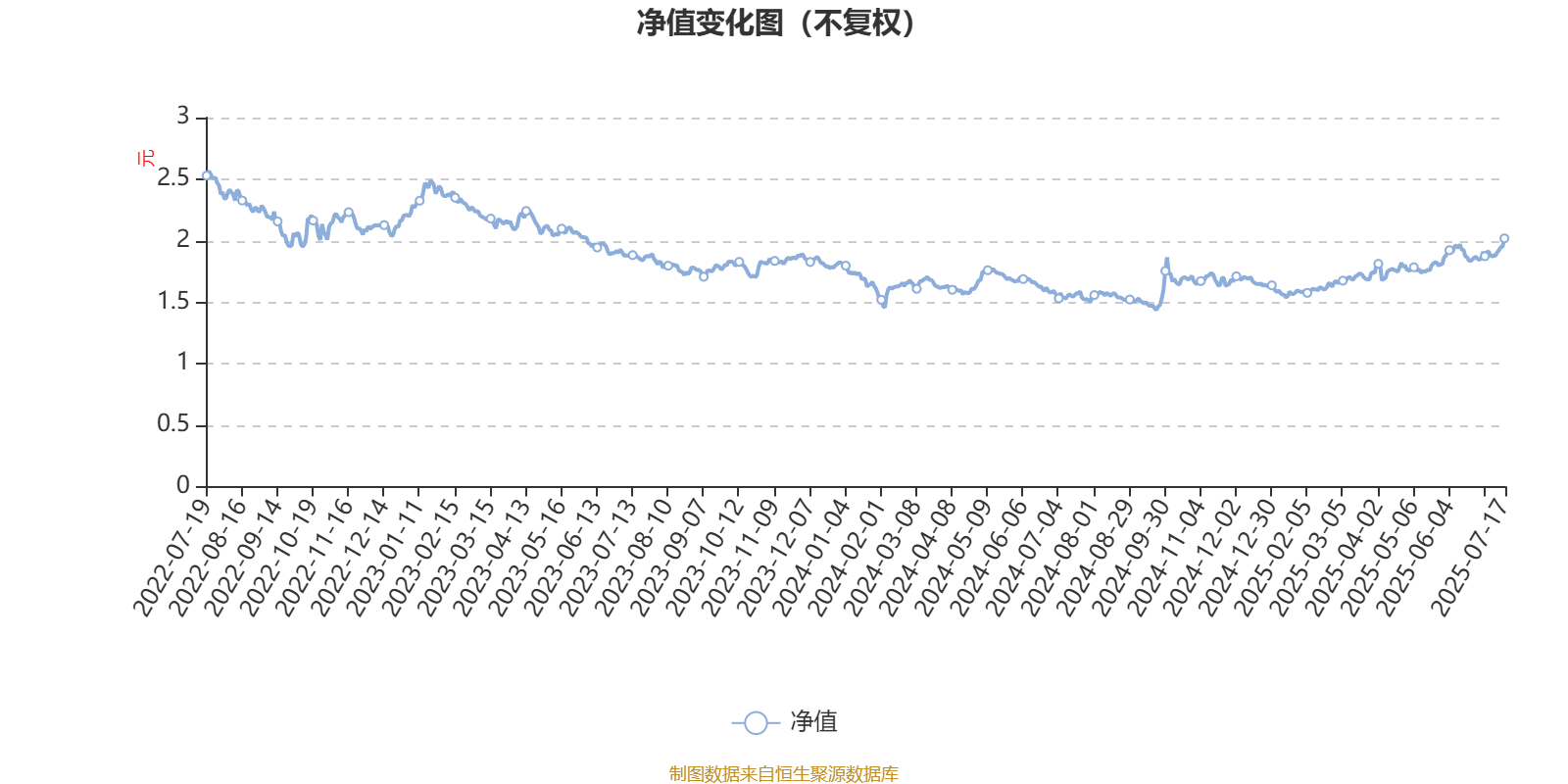
广发医疗保健股票A:2025年第二季度利润3.6亿元 净值增长率6.98%
Sou Hu Cai Jing· 2025-07-18 04:39
Core Viewpoint - The AI Fund Guangfa Healthcare Stock A (004851) reported a profit of 360 million yuan for Q2 2025, with a weighted average profit per fund share of 0.123 yuan, and a net value growth rate of 6.98% during the reporting period [2]. Fund Performance - As of July 17, the fund's unit net value was 2.018 yuan, with a fund size of 5.247 billion yuan [2][14]. - The fund's performance over various time frames includes a 14.97% growth rate over the last three months, 28.24% over the last six months, and 29.62% over the last year, ranking 46/54, 36/54, and 38/53 among comparable funds respectively [3]. - The fund's three-year performance shows a -21.57% growth rate, ranking 41/46 among peers [3]. Investment Strategy - The fund manager indicated a clear trend in the innovative drug sector, with high-quality molecules from innovative drug companies showing promising data at global clinical academic conferences. Major foreign pharmaceutical companies continue to invest heavily in Chinese clinical molecules, suggesting significant upcoming transaction events in the industry [2]. - The fund has maintained an overweight position in innovative drug assets, resulting in certain excess returns during Q2 [2]. Risk Metrics - The fund's three-year Sharpe ratio stands at -0.24, ranking 41/46 among comparable funds [8]. - The maximum drawdown over the past three years was 44.11%, with the largest single-quarter drawdown occurring in Q3 2022 at 29.85% [9]. Portfolio Composition - As of June 30, the fund's average stock position over the last three years was 86.29%, slightly below the peer average of 88.16%. The fund reached a peak stock position of 93.6% at the end of Q3 2021 and a low of 80.95% at the end of Q3 2023 [12]. - The top ten holdings of the fund include companies such as Zai Lab, Kelun Pharmaceutical, and WuXi AppTec [17].