Stellantis

Search documents
Autos, pharma, luxury and more: The global sectors soaring after Trump's tariffs walkback
CNBC· 2025-04-10 08:45
Market Overview - Stock markets experienced a significant surge following U.S. President Donald Trump's unexpected reversal on tariffs, with a universal 10% rate applied to all trade partners except China [1][2] Automotive Industry - Major automotive companies saw substantial gains, with Volkswagen, BMW, and Mercedes-Benz Group all increasing by over 9%, and Stellantis rising by 14% [3] - In Asia, Nissan rose by 9.5%, Honda by 8.4%, and Toyota by 7.7%, reflecting a positive market reaction to Trump's 90-day pause announcement [4] Banking Sector - The banking sector recorded sharp gains of 8.61% at market open, recovering from previous declines, with European banks like Banco Santander, Deutsche Bank, and Intesa Sanpaolo rising by 9-11% [5] - UBS also saw a rise of 9.5%, indicating a rebound in investor confidence [5][6] Pharmaceutical Sector - Pharmaceutical stocks rebounded, with Novo Nordisk gaining 10% and other major firms like Novartis and Bayer increasing by over 5% [9] - The sector had previously faced uncertainty due to potential tariffs, but the recent market movement suggests a temporary reprieve [10] Luxury Goods Sector - Luxury stocks, including LVMH and Kering, experienced gains, benefiting from their strong pricing power and ability to pass on costs to consumers [11] - However, analysts caution that a broader economic downturn could impact consumer spending even among wealthier shoppers [12][13] Mining Industry - Mining stocks in Europe performed well, with Anglo American shares jumping 11% and other companies like Antofagasta and Glencore trading up by more than 8% [14] - Despite previous warnings about the impact of trade policies on demand for metals, the sector showed resilience in the current market environment [14]



21世纪ESG热搜榜(第169期)丨证监会发文规范A股ESG信披,贵州茅台引入双重重要性ESG框架
2 1 Shi Ji Jing Ji Bao Dao· 2025-04-09 02:48
南方财经全媒体记者卢陶然、实习生刘娟 北京报道 重庆啤酒(600132.SH):提起上诉,应对3.53亿元合同纠纷 证监会发文规范A股ESG信披,这458家上市公司须做好准备 近日,证监会发布修订后的《上市公司信息披露管理办法》(以下简称《信披办法》)第六十五条明确 提出"上市公司按照证券交易所的规定发布可持续发展报告"。该《信披办法》将于7月1日起正式施行。 这并不是证监会第一次规范ESG信息披露。早在去年4月和12月,沪深北三大交易所在证监会的指导下 分别发布了《上市公司自律监管指引——可持续发展报告》《上市公司自律监管指南第4号——可持续 发展报告编制》(以下分别简称《指引》《指南》)。 多位受访者告诉21世纪经济报道记者,本次《信披办法》的修订是证监会在部门规章层面首次明确 以"可持续发展报告"为名,用法律框架的方式连接沪深北三大交易所此前颁布的ESG规范,所有A股上 市公司须以《指引》《指南》为准披露ESG报告,《指引》是"考纲",《指南》是"教科书"。 欧盟批准CSRD/CSDDD延期决议 4月3日,欧盟委员会通过重要决议,决定推迟两项关键可持续发展法规的实施时间。《企业可持续发展 报告指令》(C ...




After Falling by 36%, Is Archer Aviation Stock a Buy at Around $7?
The Motley Fool· 2025-04-07 10:45
Core Viewpoint - Archer Aviation is gaining attention in the electric vertical takeoff and landing (eVTOL) aircraft sector due to strategic partnerships and financial backing, despite its current stock price decline [1][2]. Company Overview - Archer Aviation has seen its shares drop by 36% this year, currently trading just over $6, raising questions about potential investment opportunities [2]. - The company has established partnerships with major players like Stellantis and United Airlines, as well as Southwest Airlines and Ethiopian Airlines, to deploy its eVTOL aircraft [3]. - Archer is also exploring applications in the defense sector, attracting interest from the U.S. military and Anduril, an autonomous systems developer [4]. Financial Profile - Archer's market capitalization is approximately $3.7 billion, but it is a pre-revenue business with no sales yet, relying on strategic investors for funding [6][8]. - The company has maintained a disciplined cost structure, but net losses are increasing while cash reserves are rising, indicating reliance on external funding for R&D and scaling [8]. - Analysts are optimistic about Archer's potential for significant revenue growth in the coming years, although the company remains a cash-burning operation dependent on outside financing [11]. Market Potential - The eVTOL market presents a vast addressable market for Archer, encompassing commercial aviation, defense contracting, and AI applications [5]. - Investing in Archer is likened to investing in a start-up, with expectations of future revenue generation but current high volatility and speculative nature [9][12].


GM to increase truck production in US after Trump tariff announcement
Fox Business· 2025-04-03 19:56
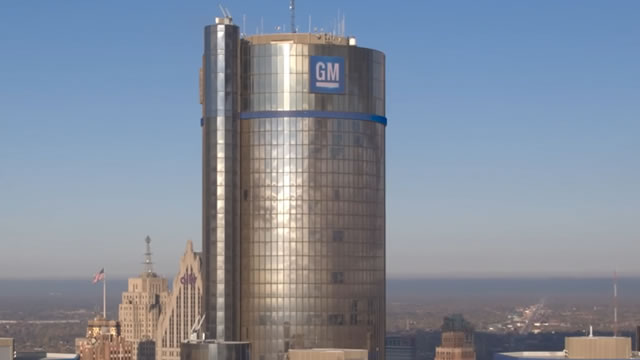
Core Viewpoint - General Motors is increasing production of light-duty trucks in the U.S. in response to challenges posed by recent auto tariffs implemented by the Trump administration [1][3]. Group 1: Production Adjustments - General Motors is adding several hundred temporary workers at its Fort Wayne, Indiana assembly plant to maximize light-duty truck production [1]. - The company stated that it continuously updates production schedules to manage vehicle inventory and that the operational adjustments will support current manufacturing and business needs [2]. Group 2: Tariff Impact - The tariffs affect a wide range of vehicles including sedans, SUVs, crossovers, minivans, cargo vans, and light trucks, as well as key automobile parts such as engines and transmissions [3]. - The administration has indicated that there are processes in place to expand tariffs on additional parts if necessary [3]. Group 3: Investment and Production Facilities - General Motors has invested $632 million in its Fort Wayne facility in 2023 to enhance the production of next-generation internal combustion engine full-size light-duty trucks [6]. - The company also produces light-duty trucks at its Silao Complex in Mexico and heavy-duty trucks in Flint, Michigan, with all other plants in the U.S., Mexico, and Canada operating on their scheduled production [4]. Group 4: Industry Context - The news follows Hyundai's announcement of a $20 billion investment to expand manufacturing operations in the U.S., which includes a $5.8 billion investment for a next-generation steel plant [7].

Trump's 25% auto tariffs are in effect. What investors need to know
CNBC· 2025-04-03 11:54
Core Viewpoint - The implementation of President Trump's 25% tariffs on imported vehicles is expected to significantly impact the automotive industry and investor sentiment, with potential long-term effects on earnings and market dynamics [1][2][3]. Industry Impact - The tariffs apply to vehicles not assembled in the U.S., affecting 46% of the approximately 16 million vehicles sold domestically in the previous year [2]. - Analysts express concerns that prolonged tariffs could lead to a recession in the automotive sector, with significant negative implications for company earnings [2][3]. - The tariffs are anticipated to increase vehicle prices, with estimates suggesting new vehicle prices could rise by as much as $10,000 if costs are fully passed on to consumers [20]. Company-Specific Effects - Automakers such as Volvo, Mazda, Volkswagen, and Hyundai are identified as most at risk, with over 60% of their U.S. sales being imported [11]. - General Motors (GM) is projected to face the highest exposure to tariffs, with estimates indicating a potential 79% drop in earnings before interest and taxes (EBIT) and an 81% decline in earnings per share (EPS) [13]. - Ford is expected to see a 16.5% hit to EBIT and a 23% decline in EPS due to the tariffs [14]. - Tesla, Rivian Automotive, and Lucid Group are positioned more favorably as their vehicles are assembled in the U.S., insulating them from the tariffs [15][16]. Market Dynamics - U.S. auto sales in the first quarter exceeded expectations as consumers rushed to purchase vehicles before the tariffs took effect [17]. - S&P Global Mobility forecasts that U.S. light-vehicle sales could decline to between 14.5 million and 15 million units annually if tariffs remain in place, down from approximately 16 million in 2024 [18]. - Entry-level vehicles, which typically have lower profit margins, are particularly vulnerable to price increases due to the tariffs [18][19]. Supply Chain Considerations - The concept of a fully U.S.-sourced vehicle is deemed unrealistic, as even domestically assembled vehicles rely on a global supply chain for parts [7][8]. - Automakers are awaiting clarity on potential tariffs for auto parts, which could further complicate their supply chain and financial outlook [6][10].

Here's Where Tesla Stands Amid Auto Tariffs: ETFs in Focus
ZACKS· 2025-04-01 23:10
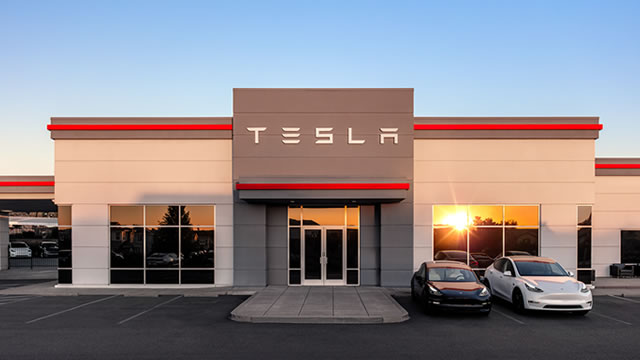
Core Insights - President Trump announced a 25% tariff on auto imports to the United States, affecting all cars and light trucks manufactured outside the U.S. and certain auto parts [1] Industry Impact - The automaker market reacted negatively to the tariff announcement, with analysts expressing concerns about potential fallout, including significant curtailment of U.S. car production and increased new car prices [2] - General Motors (GM) is projected to face a $14 billion hit to its earnings due to sourcing approximately 40% of its vehicles from Canada and Mexico, making it the most vulnerable among automakers [5] - Deutsche Bank forecasts that Tesla would need only a 1.8% price increase to offset tariff costs, significantly lower than the 5.8% or more required for Ford, GM, and Stellantis [5] Tesla's Position - Tesla benefits from localized manufacturing, with all vehicles sold in the U.S. produced exclusively at its domestic facilities, positioning it as a relative winner compared to competitors [3][4] - Tesla's reliance on foreign components is relatively low, making it less affected by the tariffs compared to other automakers [4] - Analysts project Tesla's stock could reach $2,600 in five years, driven by the potential of robo-taxis contributing around 90% of the company's value during that period [11] Market Expansion - Tesla plans to begin selling cars in Saudi Arabia next month, marking a strategic entry into a market where EVs currently represent only 1% of total car sales [7][8] - Government initiatives in Saudi Arabia, including tax exemptions and investments in charging infrastructure, are expected to drive growth for Tesla in the region [8] Competitive Challenges - Tesla faces increasing competition in China, where BYD has surpassed it, and struggles in the European market, which may negatively impact its global reputation [9] - Potential retaliatory tariffs from European and Asian economies could increase costs for Tesla vehicles in key international markets [9] Investment Considerations - Investors may consider ETFs with significant exposure to Tesla, such as Simplify Volt TSLA Revolution ETF (TESL) and Vanguard Consumer Discretionary ETF (VCR) [13] - YieldMax TSLA Option Income Strategy ETF (TSLY) offers downside protection while providing exposure to Tesla's share price [14]

China Automotive Systems(CAAS) - 2024 Q4 - Earnings Call Transcript
2025-03-28 20:14
Financial Data and Key Metrics Changes - Net sales of steering products increased by 18.6% year-over-year in Q4 2024, with annual net sales rising by 12.9% to a record $650.9 million [7][24] - Gross profit for 2024 increased by 5.2% year-over-year to $109.2 million, while gross margin decreased to 16.8% from 18% in 2023 [12][25] - Net income attributable to parent company's common shareholders was $30 million in 2024, down from $37.7 million in 2023, resulting in diluted income per share of $0.99 compared to $1.25 in 2023 [14][31] Business Line Data and Key Metrics Changes - Electric power steering (EPS) product sales rose by 29.9% year-over-year for 2024, contributing significantly to overall sales growth [7][24] - Traditional steering products grew by 4.3% year-over-year, while sales from the subsidiary Henglong to the Chinese passenger vehicle market increased by 20% [8][24] - North American operations reported lower sales in 2024 due to reduced demand from Stellantis [8] Market Data and Key Metrics Changes - Chinese GDP increased by 5.4% in Q4 2024, with an annual growth of 5% [9] - Combined unit sales of passenger and commercial vehicles in China increased by 4.5% year-over-year to 31.4 million units in 2024, with new energy vehicle sales growing by 35.5% [10][11] Company Strategy and Development Direction - The company aims to benefit from the transition from internal combustion engines to electric powertrains and from human driving to autonomous driving [18] - Management is focusing on expanding the EPS portfolio and developing advanced driver systems technologies [18] Management Comments on Operating Environment and Future Outlook - The management acknowledged challenges in the Chinese economy, including declining population and sluggish consumer demand, but expressed confidence in sustainable sales growth [10][15] - Revenue guidance for 2025 is set at $700 million, primarily driven by expected growth in EPS sales [34] Other Important Information - A special cash dividend of $0.80 per common share was paid in August 2024, reflecting confidence in cash flow generation [15][16] - The company has implemented a share buyback program of up to $5 million [16] Q&A Session Summary Question: What areas will generate the projected sales growth for 2025? - Management indicated that the majority of the sales increase will come from EPS sales, expecting a 30% year-over-year increase in volume, translating to an additional 400,000 units in 2025 [41]

China Automotive Systems(CAAS) - 2024 Q4 - Earnings Call Transcript
2025-03-28 13:28
Financial Data and Key Metrics Changes - Net sales of steering products increased by 18.6% year-over-year in Q4 2024, with annual net sales rising by 12.9% to a record $650.9 million [7][24] - Gross profit for 2024 increased by 5.2% year-over-year to $109.2 million, while gross margin decreased to 16.8% from 18% in 2023 [12][25] - Net income attributable to parent company's common shareholders was $30 million in 2024, down from $37.7 million in 2023, resulting in diluted income per share of $0.99 compared to $1.25 in 2023 [14][31] Business Line Data and Key Metrics Changes - Traditional steering products grew by 4.3% year-over-year, while electric power steering (EPS) product sales rose by 29.9% year-over-year for 2024 [7][24] - Sales to the Chinese passenger vehicle market from the subsidiary Henglong increased by 20% in 2024, with EPS sales representing 38.9% of total revenue [8][25] - North American operations reported lower sales in 2024 due to reduced demand from Stellantis [8] Market Data and Key Metrics Changes - Chinese GDP increased by 5.4% in Q4 2024, with a total annual growth of 5% [9] - Combined unit sales of passenger and commercial vehicles in China increased by 4.5% year-over-year to 31.4 million units in 2024, with new energy vehicle sales growing by 35.5% [10][11] Company Strategy and Development Direction - The company aims to benefit from the transition from internal combustion engines to electric powertrains and from human driving to autonomous driving [18] - Management is focusing on expanding the EPS portfolio and developing advanced driver systems technologies [18] Management Comments on Operating Environment and Future Outlook - The Chinese economy faces challenges such as declining population, sluggish consumer demand, and deflationary pressures [10] - Management provided revenue guidance for 2025 of $700 million, primarily driven by EPS sales with an expected 30% year-over-year increase in volume [34][41] Other Important Information - R&D expenses were $27.6 million in 2024, reflecting less investment in traditional product upgrades [13][27] - A special cash dividend of $0.80 per common share was paid in late August 2024, totaling approximately $22.4 million [15][16] Q&A Session Summary Question: What areas will generate the projected sales growth for 2025? - Management indicated that the majority of the sales increase will come from EPS sales, expecting a 30% year-over-year increase in volume, translating to an additional 400,000 units in 2025 [41]
3.28犀牛财经早报:五大上市险企2024年净利润增近八成 85后女儿接班天齐锂业首年巨亏79亿元
Xi Niu Cai Jing· 2025-03-28 01:45
Group 1 - Multiple public fund institutions, including Tianhong Fund and Dachen Fund, have received approval for technology innovation index enhancement funds, which align well with the newly released technology innovation index covering all eligible listed companies on the Sci-Tech Innovation Board [1] - The technology innovation index has been actively positioned by public fund institutions, providing investors with a new tool for investing in the technology sector [1] Group 2 - The five major listed insurance companies in A-shares reported a total net profit of 347.6 billion yuan for 2024, marking a 77.7% increase year-on-year, largely driven by improved investment returns, particularly in equity assets [2] - Despite the increase in net profit, the net investment yield for these insurance companies declined year-on-year, prompting a need for strategies to maintain yield resilience through long-term bond allocation and exploring overseas asset configurations [2] Group 3 - The storage chip market is experiencing a price surge, with both domestic and international companies raising product prices, driven by strong demand from the AI sector and the rapid development of domestic AI industries [4] - The increase in storage product prices is attributed to both supply and demand factors, with the demand side being particularly robust due to the AI boom [4] Group 4 - The first mass production line for semi-solid state batteries has been launched in Guangdong, producing a large-capacity 314Ah semi-solid battery, marking a significant advancement in the new energy storage sector [4] - This production line enhances the safety performance and stability of batteries, ensuring safe operation under extreme conditions [4] Group 5 - The low-altitude tourism sector is set to benefit from new policy support, with the government encouraging the development of low-altitude tourism projects, which may lead to the rise of "City Fly" as a popular new tourism model [5] - Experts indicate that the number of domestic low-altitude tourism projects is continuously increasing, reflecting a growing interest in this sector [5] Group 6 - The humanoid robot industry is seeing a clearer production rhythm, with several companies entering the planetary roller screw market, which is crucial for the movement and control of humanoid robots [6] - The value of screws in humanoid robots is significant, accounting for about 20% of the total cost, indicating a potential competitive advantage for companies that can balance size, performance, and cost effectively [6]



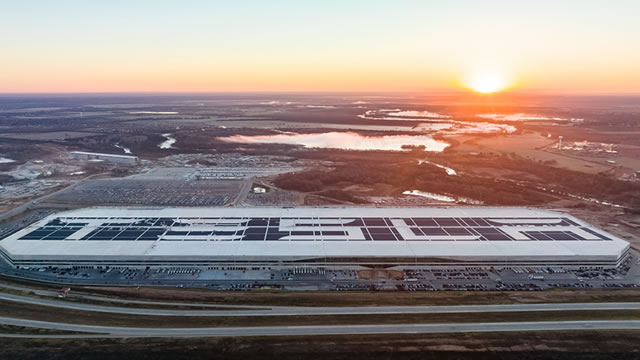
Why Tesla is the big winner in Trump's auto tariffs
Business Insider· 2025-03-27 16:36
Group 1 - President Trump's new 25% tariffs on imported passenger vehicles have negatively impacted shares of Ford, GM, and Stellantis, while benefiting Tesla, whose stock rose by 4% [1] - The tariffs could cost the auto industry up to $82 billion and reduce earnings for Detroit's Big Three by as much as 60%, but Tesla's domestic production allows it to avoid these costs [2] - Tesla's Model Y SUV is expected to benefit significantly, as nearly 50% of its competitors may face increased input costs of $4,000 to $5,000 per vehicle due to the tariffs [3][4] Group 2 - The scope of the tariffs has expanded to include imports from all countries, affecting vehicles from South Korea and Italy, in addition to existing tariffs on non-US-produced vehicles [4] - Tesla is currently facing declining sales and scrutiny over CEO Elon Musk's involvement with the Trump Administration, despite Trump's support for the brand [5]