
Neuralink

Search documents
马斯克Neuralink新进展!渐冻症患者用“意念”成功进食,年底再增13名受试者
Sou Hu Cai Jing· 2025-10-12 11:05
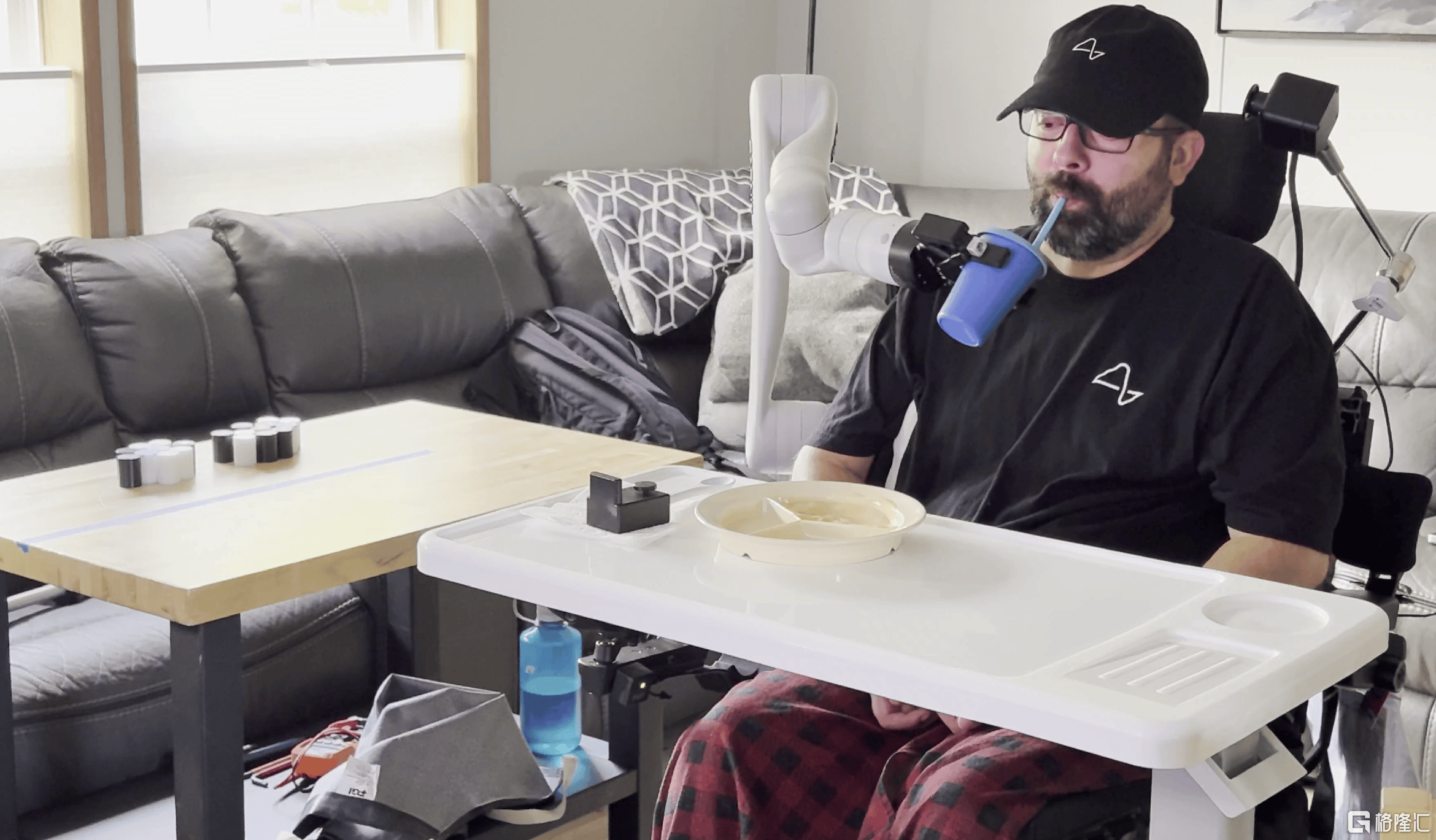
Core Insights - Neuralink has achieved a significant breakthrough in brain-machine interface technology, enabling a patient with ALS to control a robotic arm using only thoughts, marking a substantial step forward in assisting individuals with disabilities in daily activities [1][2]. Company Developments - Nick Wray, the patient who demonstrated the technology, underwent brain implant surgery in July and is the eighth participant in Neuralink's trials [2]. - Wray showcased his ability to perform intricate tasks such as drinking from a cup and eating with a spoon, highlighting the practical applications of the brain-machine interface [2][6]. - The demonstration is part of the FDA-approved "CONVOY" study, which aims to provide a clearer understanding of the practical potential of brain chips [6]. Clinical Trial Progress - As of now, 12 patients have successfully implanted the N1 device, with a total usage time exceeding 15,000 hours and an average daily usage of 7.5 hours per participant [7]. - Neuralink has launched a patient registration system, allowing eligible individuals worldwide to enroll in clinical trials for the technology [7]. Market Potential and Future Outlook - Neuralink's president, DJ Seo, reported that 10,000 patients have expressed interest in the N1 device, with an expectation of 13 additional surgeries by the end of the year [8]. - Currently, trial participants are limited to those with motor neuron diseases or spinal cord injuries, but future iterations of the technology may be available to healthy individuals, aiming for a "symbiotic experience" between humans and AI [8]. Industry Trends - The brain-machine interface industry is nearing a critical point of commercialization, with significant advancements being made both domestically and internationally [9]. - In China, a research team has developed a flexible and soft neural electrode, providing new solutions for long-term clinical implantation challenges [9]. - Recent policy initiatives in China aim to support the development of the brain-machine interface industry, with goals set for key technological breakthroughs by 2027 [10]. Market Growth Projections - The global market for brain-machine interfaces has grown from $1.2 billion in 2019 to $2 billion in 2023, with projections reaching $7.63 billion by 2029 [11]. - Despite the lead held by overseas companies like Neuralink, China is rapidly advancing in invasive technology sectors, with significant progress in flexible electrode technology and other applications [11].

X @Elon Musk
Elon Musk· 2025-10-12 07:47
Company Perspective - Elon Musk 认为 SpaceX, Tesla, Neuralink, 和 The Boring Company 都是慈善事业,因为它们都致力于为人类的福祉服务 [1] - Tesla 正在加速可持续能源的发展,这被视为一种慈善行为 [1]
渐冻症患者首次独立进食、喝水,Neuralink公布新进展
财联社· 2025-10-12 07:14
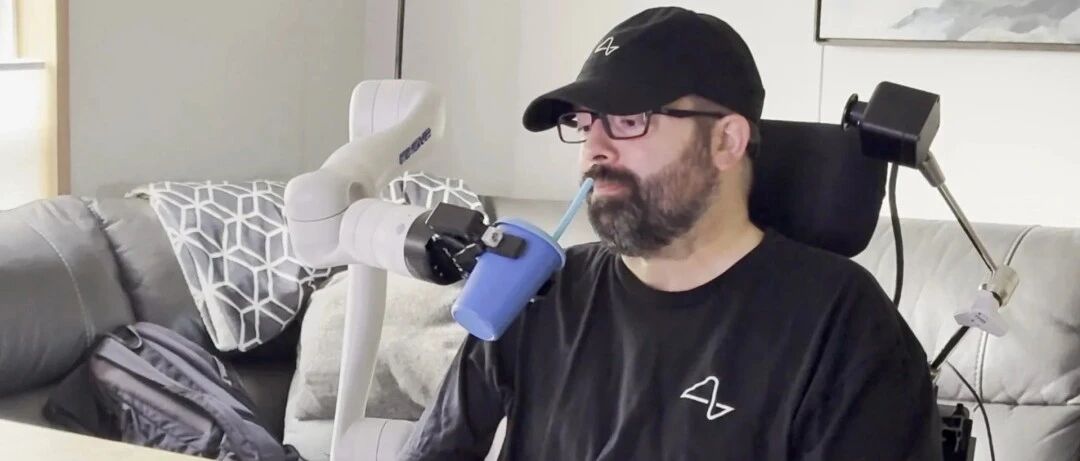
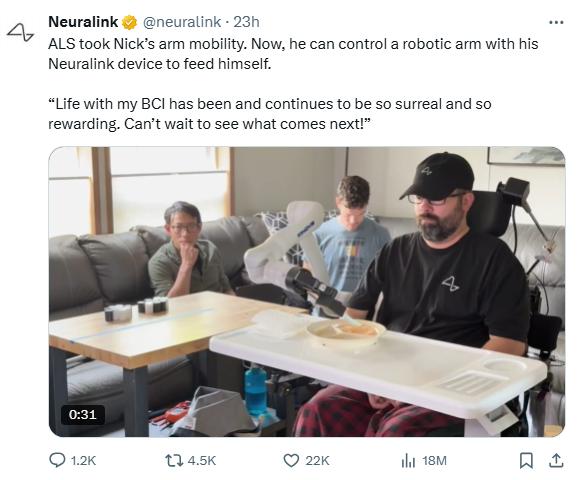
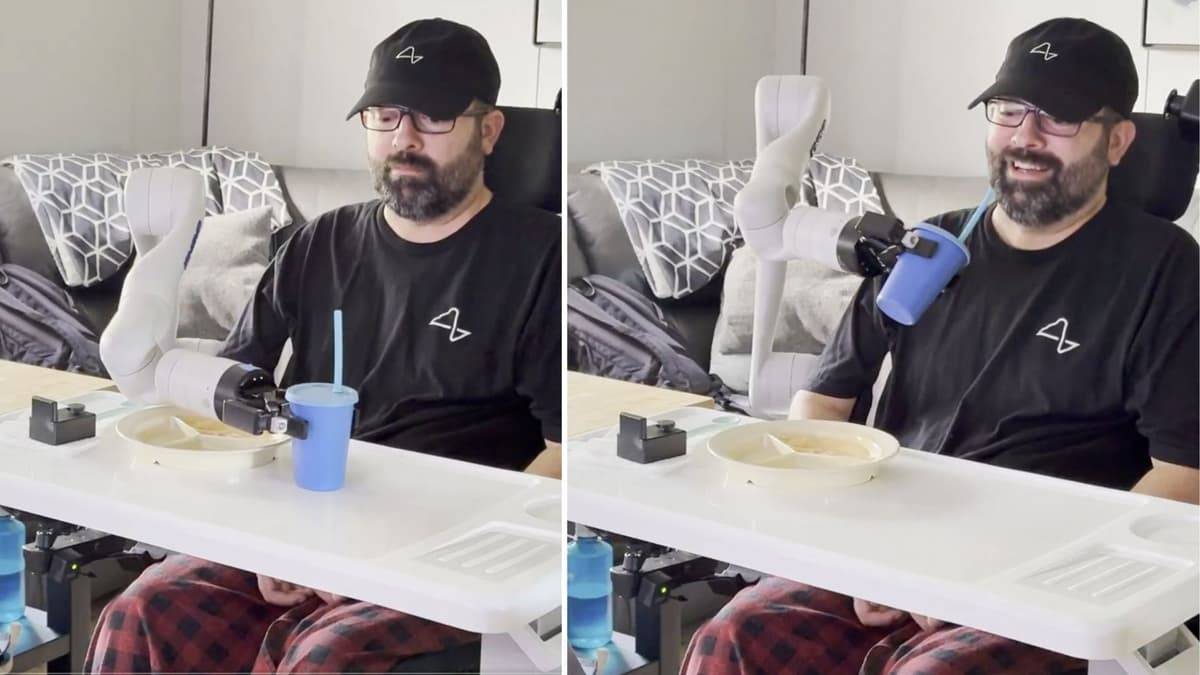
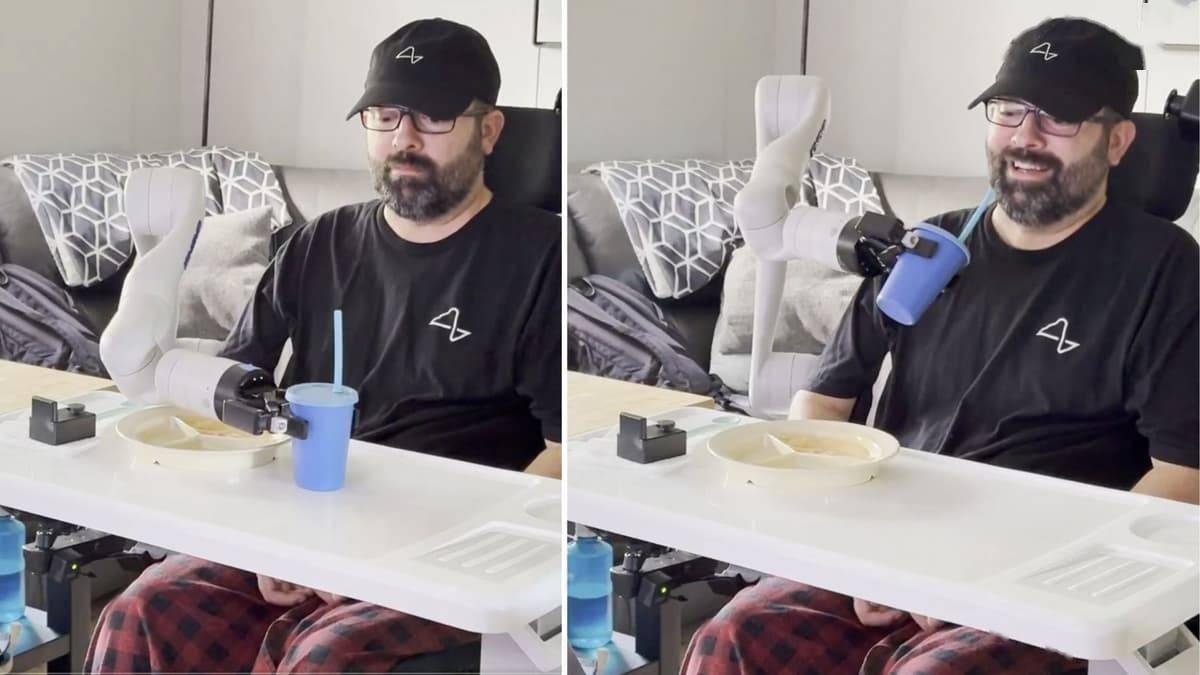
以下文章来源于科创板日报 ,作者宋子乔 科创板日报 . 专注科创板和科技创新,上海报业集团主管主办,界面财联社出品。 当地时间10月11日,马斯克旗下脑机接口公司Neuralink展示了渐冻症患者Nick Wray通过脑机接口控制机械臂吃东西的画面。Wray已完成 N1芯片的脑部植入。 几天前,Nick Wray的个人社交账户已展示他操作机械臂的过程。视频中,Wray仅通过思维活动,便操控机械臂完成了"抓取杯子→将吸管 送至嘴边→抿水"这一系列连贯动作,同时还能自主完成抓杯子、戴帽子、微波加热食物及打开冰箱等多项日常任务,"多年来我第一次戴上 了自己的帽子!我用微波炉自己烤鸡块,自己吃饭!我学会了如何打开冰箱,如何取下和盖上罐子的盖子!我甚至尝试了慢慢地操控轮 椅!"Wray兴奋表示。 Wray还透露了更多日常操作细节——"我还保持着(目前)新的纪录:5分钟内在桌子上移动最多圆柱体(39个),以及5分钟内在标准灵 活性测试(通常用于中风患者)中翻转最多钉子。" 据悉, 这是Neuralink获美国食品药品监督管理局(FDA)批准的CONVOY研究项目的一部分,Wray是第8位接受该脑机植入手术的患者 。 CO ...
马斯克脑机公司展示脑机控制机械臂;三星中国发布折叠屏新机,16999 元起售;滴滴自动驾驶获 20 亿元融资 | 极客早知道
Sou Hu Cai Jing· 2025-10-12 06:30
Group 1: OpenAI and Sora App - OpenAI is accelerating the rollout of its Sora App, a video generation model, following its launch on social media and the iPhone platform [1] - The Sora App is now available for pre-registration on Google Play for users in the US and Canada, with plans for a phased global rollout [1] - Sora App is positioned as an AI video content social platform, combining features of TikTok and Midjourney, with a customizable video feed for users [1] Group 2: SoftBank and OpenAI Investment - SoftBank is nearing an agreement with global banks to secure a new collateralized loan of $5 billion using Arm stock to invest further in OpenAI [2] - This new loan will increase SoftBank's total collateralized loans against Arm stock to $18.5 billion [2] - SoftBank is also involved in a $500 billion "Stargate" AI data center infrastructure project alongside OpenAI and Oracle [3] Group 3: AI and Energy Solutions - Elon Musk proposed a solution to double the US electricity output by utilizing nighttime energy storage and daytime power release for AI operations [6] - The projected increase in energy demand from AI data centers in the US is estimated to be between 6-13 gigawatts annually by 2025-2026 [6] - To address a projected power shortfall of 18-27 gigawatts by the end of 2026, the US will need to add 110-205 gigawatt-hours of storage capacity over the next two years [6] Group 4: Didi Autonomous Driving - Didi Autonomous Driving announced a D round financing of 2 billion yuan to accelerate L4 autonomous driving and AI research [7] - The company aims to enhance safety, efficiency, and experience in transportation through advancements in L4 technology [8] - Didi has begun full-scene, fully driverless testing in complex scenarios in Beijing and Guangzhou, with plans for a new generation of autonomous vehicles to be delivered by the end of 2025 [8] Group 5: Samsung and New Product Launch - Samsung launched the W26 foldable smartphone, starting at 16,999 yuan, featuring a thickness of 8.9mm when folded and 4.2mm when opened [9] - The device is equipped with the Qualcomm Snapdragon 8 for Galaxy mobile platform and supports satellite communication services [10] Group 6: BYD New Vehicle Release - BYD launched the Han long-range version with prices ranging from 159,800 to 215,800 yuan, offering both hybrid and pure electric options [12] - The new model features enhanced electric range, with the hybrid version achieving 245 km and the pure electric version starting at 635 km [13] Group 7: Neuralink and Brain-Machine Interface - Neuralink demonstrated a brain-machine interface allowing a patient with ALS to control a robotic arm for various tasks, part of its FDA-approved CONVOY research project [14]




Neuralink新进展:渐冻症患者首次独立进食、喝水
3 6 Ke· 2025-10-12 03:53
Core Viewpoint - Neuralink has demonstrated the potential of its brain-machine interface technology by showcasing Nick Wray, a patient with ALS, controlling a robotic arm to perform daily tasks, marking a significant advancement in assistive technology for neurodegenerative diseases [1][3][5]. Group 1: Technology and Implementation - Nick Wray successfully controlled a robotic arm using only his thoughts, performing actions such as drinking water and heating food, highlighting the practical applications of Neuralink's technology [3][5]. - The N1 chip, implanted in Wray's brain, is part of the CONVOY research project approved by the FDA, aimed at exploring the feasibility of brain-machine interfaces for assisting patients with limited mobility [5][6]. - The N1 chip is approximately the size of a 10 pence coin and contains 128 ultra-fine wires connected to about 1,000 electrodes, which capture neural signals and convert them into digital commands for controlling external devices [6]. Group 2: Clinical Research and Patient Outcomes - As of now, 12 patients have undergone the N1 chip implantation, collectively using the device for over 15,000 hours, demonstrating its potential for long-term use [6]. - Wray has set records in various tasks, such as moving 39 cylinders in five minutes, showcasing the chip's effectiveness in enhancing motor functions [5][6]. Group 3: Future Prospects and Challenges - Elon Musk has expressed ambitions for the technology to eventually control humanoid robots, but acknowledges that challenges related to long-term stability and safety must be addressed before widespread commercialization, which may take 5-10 years [7].
马斯克 Neuralink 脑机接口技术新突破:ALS 患者仅凭意念操控机械臂
Sou Hu Cai Jing· 2025-10-12 00:25
10 月 12 日消息,埃隆・马斯克(Elon Musk)旗下脑机接口公司 Neuralink 声称,其在脑机接口技术领域取得了一项新突破:一名患有肌萎缩侧索硬化症 (ALS)的患者已成功仅凭意念控制机械臂。 近日,该公司在线发布的一段演示视频显示,患者尼克・雷(Nick Wray)利用该机械臂拿起水杯并饮水。这一成果标志着在帮助严重行动受限患者恢复自 主能力方面迈出了重要一步。 植入其大脑的芯片可将神经信号转化为蓝牙指令,使他仅凭思维即可控制外部设备。据《PC Magazine》报道,雷成功实现了诸如抓取水杯、戴帽子、用微 波炉加热食物以及打开冰箱等任务。 在一次演示中,机械臂将水杯举至他的嘴边,使其得以饮用。此外,他在用于中风患者的灵巧性测试中创下纪录:五分钟内在桌面上移动了 39 个圆柱体, 并在另一项测试中翻转了五个类似拼图的插销。 据报道,雷甚至完成了一次他称之为"荒谬的花式投篮",相关画面预计将在未来发布的视频中呈现。据《达拉斯快报》(The Dallas Express)报道,在另一 次试验中,他还首次通过脑机接口成功操控了自己的电动轮椅。 这款名为 N1 的植入式芯片大小约等于一枚 10 便士 ...
马斯克Neuralink脑机接口技术新突破:ALS患者仅凭意念操控机械臂
Sou Hu Cai Jing· 2025-10-12 00:25
Core Insights - Neuralink has achieved a significant breakthrough in brain-machine interface technology, enabling a patient with ALS to control a robotic arm using only their thoughts [1][3]. Group 1: Breakthrough and Demonstration - A video demonstration showed patient Nick Wray successfully using the robotic arm to pick up a cup and drink, marking an important step in helping severely disabled patients regain autonomy [3]. - The breakthrough is part of Neuralink's "CONVOY" clinical trial approved by the FDA, aimed at testing how implanted brain chips can assist patients in completing daily tasks independently [3][5]. - Wray is the eighth participant to receive the Neuralink brain-machine interface implant, with plans to expand clinical trials to the UK in August 2024 [3]. Group 2: Technical Details and Achievements - During three eight-hour sessions, Wray completed various daily activities using the Neuralink implant, which converts neural signals into Bluetooth commands for controlling external devices [4]. - Tasks accomplished include grabbing a cup, wearing a hat, heating food in a microwave, and opening a refrigerator, showcasing the device's practical applications [4]. - Wray set a record in a dexterity test for stroke patients by moving 39 cylinders in five minutes and successfully controlled his electric wheelchair through the brain-machine interface [4]. Group 3: Clinical Trials and Challenges - Neuralink initiated its first human clinical trials in the U.S. in 2024 after overcoming significant safety review hurdles from the FDA, which had previously rejected its application in 2022 due to safety concerns [5]. - Eight severely paralyzed patients have received the experimental brain chip, allowing them to interact with digital devices using only their thoughts [5]. - The first recipient, Noland Arbaugh, demonstrated the device's potential by controlling a cursor and playing video games, although he faced a significant technical issue with the implant [5].
X @Tesla Owners Silicon Valley
Tesla Owners Silicon Valley· 2025-10-11 19:46
RT Andrea Stroppa 🐺 Claudius Nero's Legion 🐺 (@andst7)Must watch: Neuralink and @elonmusk on Italy’s TV. https://t.co/ScaOc9r6xN ...
Neuralink展示“脑机接口+机器人”应用
Xin Lang Cai Jing· 2025-10-11 15:49
在本周社交媒体上的一段演示中,知名脑机接口公司Neuralink展示了渐冻症患者Nick Wray通过脑机接 口控制机械臂进食的画面。据悉,这是Neuralink获FDA批准的CONVOY研究项目的一部分,Wray是第8 位接受该脑机植入手术的患者。借助该系统,Nick Wray已成功完成抓取杯子、戴帽子、微波加热食物 及打开冰箱等多项任务。 ...

为了一个摄像头,苹果买下一家公司
Hu Xiu· 2025-10-11 11:21
Core Viewpoint - Apple is actively engaging in the AI talent acquisition race, recently targeting the startup Prompt AI, which had previously been in discussions with Elon Musk's companies [2][11]. Group 1: Acquisition Details - Apple is in advanced negotiations to acquire engineers and technology from Prompt AI, a visual AI startup that has also interacted with Musk's xAI and Neuralink [2]. - Prompt AI's leadership informed employees that those not joining Apple would face salary reductions, encouraging them to apply for positions at Apple [2]. - The startup was founded in 2023 in San Francisco and secured $5 million in seed funding, with notable founders including Tete Xiao and Trevor Darrell [4]. Group 2: Technology and Product - Prompt AI's flagship product, Seemour, is an ambient AI system designed for smart security cameras, capable of recognizing family members, pets, and other objects, generating alerts based on their behavior [6][7]. - Seemour can process millions of pixels in under a second, enhancing its ability to identify individuals and animals accurately [7]. - The technology is expected to integrate into Apple's smart home strategy, particularly in developing a smart security camera that aligns with Apple's HomeKit ecosystem [7][8]. Group 3: Strategic Focus - Apple prefers acquiring smaller AI startups to avoid lengthy integration processes associated with larger companies, as seen in past acquisitions like Beats and Intel's modem team [13][14]. - The company aims to enhance its AI capabilities by selectively acquiring mature technologies that fit its product needs, similar to its acquisition of PrimeSense for Face ID technology [14]. - Apple is reportedly considering acquiring Perplexity, a mid-sized AI company, to bolster its AI initiatives, which could lead to significant expansions in its AI and smart home offerings [15][16][18].
