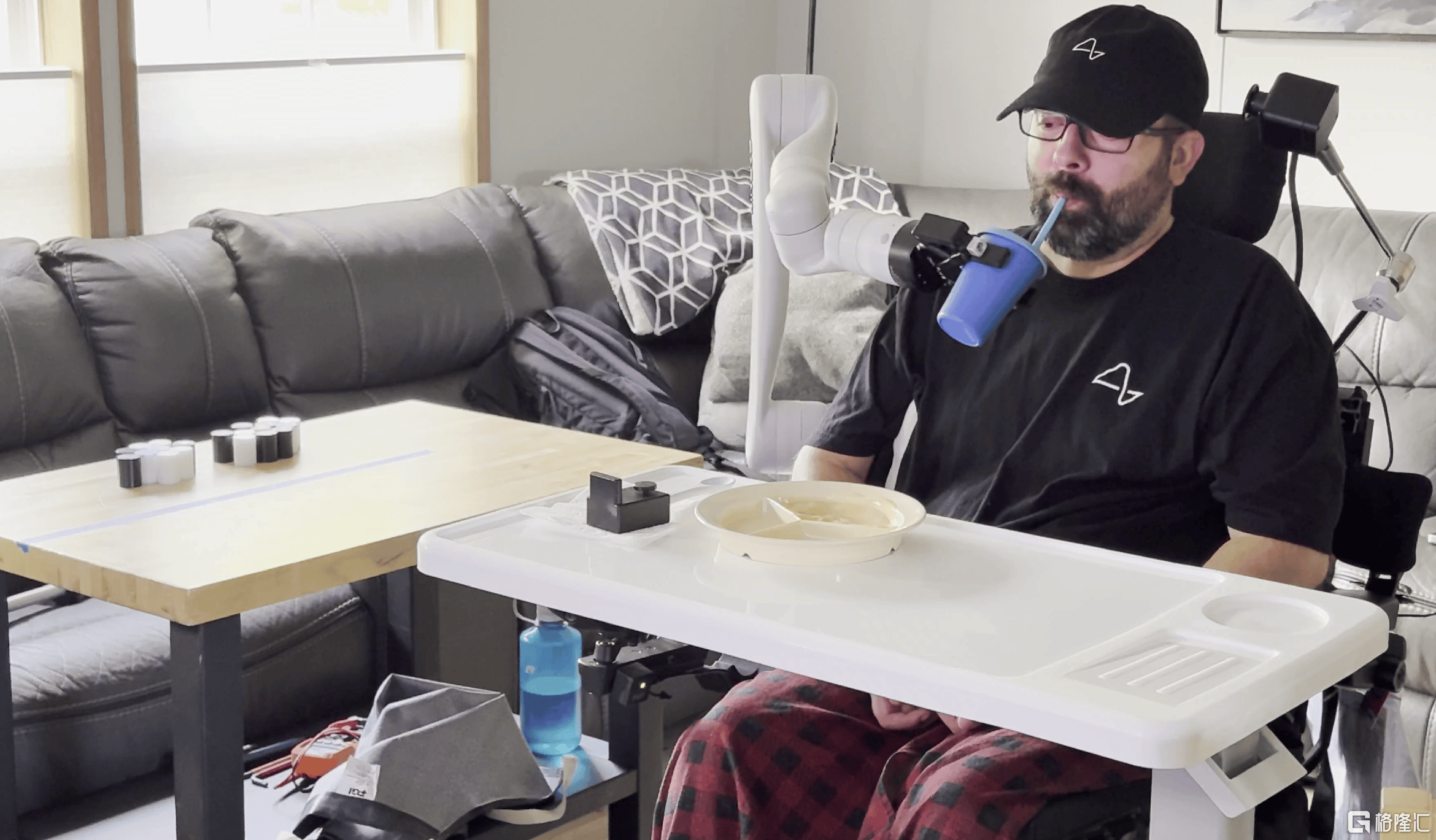
Neuralink脑机接口设备

Search documents
脑机路线之争:中企们与马斯克针尖对麦芒
Tai Mei Ti A P P· 2026-01-15 11:52
Core Viewpoint - The article discusses the emerging interest in brain-machine interfaces (BMIs) in the capital market, particularly following Elon Musk's provocative ideas about achieving "semi-immortality" through technology [1][2][3]. Industry Overview - The BMI sector has seen a surge, with nearly 50 related companies involved in medical devices, consumer electronics, and content provision, leading to a market capitalization exceeding 1 trillion RMB within just nine trading days in 2026 [1]. - The global BMI market size grew from $1.2 billion in 2019 to nearly $2 billion in 2023, with a compound annual growth rate (CAGR) of over 13% [11]. Company Developments - Musk's Neuralink aims to create a BMI that captures consciousness through invasive methods, while domestic companies like Qiangnao Technology focus on non-invasive techniques, emphasizing safety and rehabilitation [7][10]. - Qiangnao Technology, founded in 2015, has developed the world's first non-invasive brain-controlled bionic hand and has achieved significant market penetration, producing 100,000 units at a fraction of the cost of similar international products [9][10]. Competitive Landscape - The competition between Musk's invasive approach and domestic non-invasive methods represents a broader cultural and technological divergence, with domestic firms prioritizing life preservation and rehabilitation over radical technological replacement [8][11]. - Both Neuralink and Qiangnao Technology are accelerating their efforts, with Neuralink planning large-scale production by 2026 and Qiangnao Technology preparing for an IPO after securing approximately 2 billion RMB in funding [11]. Future Goals - Qiangnao Technology aims to assist 1 million individuals with physical disabilities and improve the lives of 10 million patients suffering from various neurological conditions within the next five to ten years [12].
【华创医药】华创医疗器械求索系列11:脑机接口行业——政策加码,临床加速,产业化进入关键阶段
华创医药组公众平台· 2026-01-12 00:51
Core Viewpoint - The article discusses the development and commercialization of brain-computer interface (BCI) technology, highlighting its market potential, competitive landscape, and various applications, particularly in the medical field [3][5]. Group 1: Brain-Computer Interface Overview - BCI technology establishes a direct communication pathway between the brain and external devices, with steady progress in commercialization leading to vast market opportunities [3]. - The competitive landscape in China's BCI sector is still in its early stages, with most companies being small and not yet in a saturated market [3]. - There are two main types of BCI products: invasive BCIs, which offer significant signal quality advantages, and non-invasive BCIs, which are safer and easier to operate, serving as a complement to invasive types [3]. - Current applications are primarily in the medical field, with future potential to expand into non-medical areas [3]. - The industry chain has high technological barriers at the upstream level, while the mid and downstream sectors exhibit strong agglomeration effects [3]. Group 2: Global Leader Neuralink's Path to Industrialization - Neuralink, a global pioneer in BCI, is expected to enter the industrial application phase by 2025, with 12 patients having successfully implanted devices [4]. - The company plans to scale production of BCI devices starting in 2026, transitioning from laboratory research to large-scale manufacturing [4]. - Neuralink has outlined a three-step technology iteration plan, aiming to increase the number of electrodes in implants significantly by 2028 to enable comprehensive brain connectivity [4]. - The company has identified three core product lines: Telepathy for motor function recovery, Blindsight for visual perception restoration, and Deep for neurological function recovery [4]. - Neuralink's competitive advantages include advanced electrode technology, precise implantation robotics, and low-power signal processing systems [4]. - The development of Neuralink offers insights for domestic companies, emphasizing the importance of interdisciplinary research, clinical collaboration, and gradual commercialization [4]. Group 3: Factors Driving BCI Industrialization in China - National strategies are guiding the BCI sector, with local policies being introduced to support its development [5]. - Clinical advancements are accelerating, with significant breakthroughs in various BCI applications, including invasive and semi-invasive systems [5][6]. - The financing market for BCI is thriving, with 24 financing events recorded in 2025, marking a 30% year-on-year increase [5]. - The supporting industry chain for BCI technology is rapidly forming, facilitating the practical application of BCI in medical, production, and daily life scenarios [6]. Group 4: Key Companies in the BCI Sector - Notable companies in the BCI field include: - Xinwei Medical (interventional BCI) - Maipu Medical (neurosurgical consumables) - Kefu Medical (bionic implant BCIs) - Meihua Medical (upstream BCI industry) - Sanbo Brain Science (neurological specialty medical group) - Weisi Medical (rehabilitation BCIs) - Mailande (rehabilitation BCIs) - Xiangyu Medical (rehabilitation BCIs) - Chengyitong (comprehensive BCIs) - Aipeng Medical (neuro-regulation BCIs) - Chuangxin Medical (exoskeleton BCIs) [11].


脑机接口专题解读
2026-01-07 03:05
Summary of Neuralink and Brain-Computer Interface Industry Insights Company and Industry Overview - **Company**: Neuralink - **Industry**: Brain-Computer Interface (BCI) Key Points and Arguments 1. **Neuralink's Technological Progress**: Neuralink has achieved 1,024-channel motor area decoding and completed 20 human implants, with surgery efficiency improved to 20 minutes per case, aiming to reduce infection risks and enable industrial-scale production to lower costs [1][2][4]. 2. **Diverse BCI Technology Paths**: BCI technology includes non-invasive, semi-invasive, and invasive methods. Non-invasive methods are suitable for simple applications, while semi-invasive methods, like those from Boryung, have completed clinical trials. Invasive methods, such as Neuralink's, are used for high-precision decoding of motor, language, and visual signals [1][5]. 3. **Domestic Material Gaps**: There is a technological gap between domestic and overseas companies in upstream materials like electrode sensors and signal chips. However, Chinese companies are narrowing this gap through independent research and international collaboration [1][6][7]. 4. **Embedded BCI Functionality**: Embedded BCIs capture neural signals through electrodes, which are then processed by backend devices. Domestic companies are making strides in all aspects of this technology, gradually closing the gap with international leaders [1][8][9]. 5. **Algorithm Performance Challenges**: The performance of brain signal decoding algorithms relies on data quality and quantity. Collaborating with hospitals to obtain clinical data is crucial for enhancing algorithm performance, but lightweight devices face challenges in data collection [1][9]. 6. **Accuracy of BCI Systems**: Invasive BCIs like Neuralink achieve a 99% accuracy rate, while non-invasive methods have lower accuracy rates (70%-80% for motor imagery). Domestic companies are making progress but still lag behind in data accumulation [3][10]. 7. **Commercialization Barriers**: The key barrier to BCI commercialization is obtaining medical device registration. Once achieved, products can be legally sold and potentially covered by insurance, significantly enhancing market acceptance [11][12]. 8. **Market Growth Projections**: The BCI market is expected to reach $10 billion to $40 billion by 2030, with rapid growth in non-invasive products initially, followed by invasive products. If human-computer interaction solutions become mainstream, the market potential could expand significantly [11][12]. 9. **Investment Opportunities**: The most valuable investment segments in the BCI supply chain are chips and batteries, which are costly and complex to produce. There are opportunities in the primary market, but the secondary market requires careful evaluation of companies' actual involvement in BCI [13]. 10. **Regulatory and Economic Considerations**: BCI products must undergo rigorous evaluations for clinical effectiveness, safety, and economic viability before being included in insurance coverage. The process involves assessing clinical value and cost-effectiveness [15][14]. 11. **Ethical Considerations**: Neuralink's technology raises ethical concerns, particularly regarding the stimulation functions that could influence human behavior. This necessitates careful consideration of the applications and implications of such technologies [17]. 12. **Future Milestones**: Key milestones for the BCI industry include policy developments, clinical trial completions, and significant advancements from companies like Neuralink and Boryung, which will attract market attention [18]. Additional Important Insights - **Risks in the Current Market**: While the market is filled with opportunities, investors should remain cautious to avoid overlooking potential risks due to excessive optimism [19].
瘫痪8年,靠意念重夺人生!马斯克脑机2026年量产,不是科幻
创业邦· 2026-01-05 03:10
Core Viewpoint - Neuralink technology has the potential to help paralyzed individuals regain full body function, theoretically allowing them to walk again or restore movement, which is a significant advancement in medical technology [7][8][10]. Group 1: Technological Advancements - Neuralink acts as a communication bridge, connecting brain signals to other body parts, bypassing damaged areas in the neck or spine [7]. - The technology has shown promising early results in paralysis treatment and brain-computer interfaces, indicating that restoring lost motor function is becoming a feasible engineering and clinical challenge [12][13]. - An upgraded surgical robot was launched in 2025, enhancing the efficiency, safety, and cost-effectiveness of brain implant surgeries, aiming to reduce the procedure time to just a few minutes [20][21]. Group 2: Clinical Trials and Regulatory Progress - Neuralink has received "breakthrough device designation" from the FDA for its speech recovery technology, which is expected to expedite further development and review processes [16]. - International clinical trials have commenced in the Middle East, Canada, and the UK, with the first surgeries conducted outside the U.S. [17]. - As of September 2025, 12 severely paralyzed patients have undergone implantation, although long-term safety and efficacy data are still being accumulated [45]. Group 3: Financial Aspects - Neuralink completed a Series E funding round, raising $650 million, with a valuation of approximately $9 billion, reflecting investor confidence in brain-computer interface technology [22][23]. Group 4: Future Outlook - Neuralink plans to begin mass production of brain-computer interface devices in 2026, utilizing a simplified and nearly fully automated surgical process [27][32]. - The technology is expected to transition from experimental neuroscience to scalable clinical reality, potentially marking 2026 as a pivotal year for brain-computer interfaces [33][34]. Group 5: Challenges Ahead - The company faces multiple challenges, including regulatory approvals, clinical trial data accumulation, and potential complications such as surgical infections or electrode displacement [45][46]. - Engineering challenges remain, such as ensuring compatibility with anatomical variations and addressing long-term effects on brain tissue [48]. - Ethical concerns regarding privacy, autonomy, and the implications of human-machine integration are significant hurdles that need to be addressed [52].
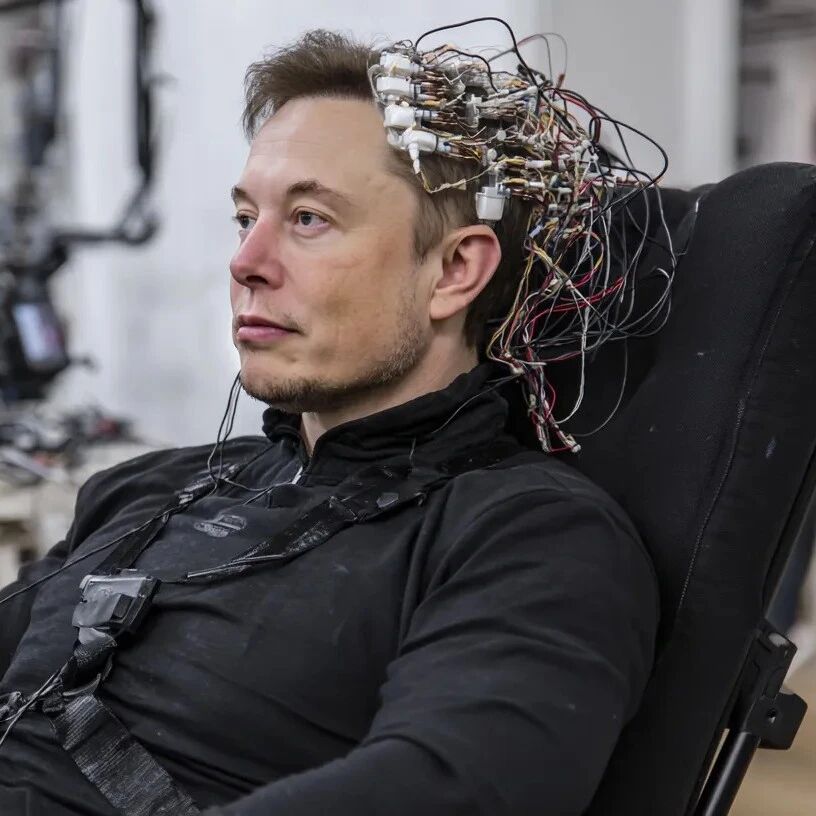
脑机接口“狂飙”:马斯克开启大规模量产,中国玩家集体“插脑”冲刺
Di Yi Cai Jing· 2026-01-03 11:11
Core Viewpoint - Brain-computer interfaces (BCIs) are transitioning from science fiction to practical applications in the medical field, with significant advancements in both the U.S. and China, leading to a competitive landscape in BCI technology [1][16]. Group 1: Technological Advancements - Neuralink, led by Elon Musk, plans to initiate high-volume production of its BCI devices in 2026, focusing on automated surgical processes [16]. - In China, the first clinical trial of a fully implanted BCI was completed, demonstrating significant recovery in motor functions for patients with spinal cord injuries [3][18]. - The "North Brain No. 2" system, equipped with high-throughput flexible microelectrodes, is set to enter clinical trials in 2026, targeting motor impairment patients [22]. Group 2: Market Dynamics - The global BCI market is projected to reach a potential value of $850 billion in serious medical applications and $600 billion in consumer healthcare [27]. - Non-invasive BCIs currently dominate the market, holding an 82% share, due to their clear approval pathways and flexible deployment in various settings [24]. - Investment in the BCI sector has surged, with 16 financing events totaling nearly 1 billion yuan in 2025, significantly surpassing the previous year's total [26]. Group 3: Competitive Landscape - Neuralink's technology is characterized by its ability to insert electrode wires directly into the dura mater without cutting, minimizing trauma [19]. - Chinese companies like JieTi Medical and BoRuiKang are emerging as competitors, with clinical trials underway, although they lag behind Neuralink in terms of technology and integration [22][29]. - The average valuation of Chinese BCI companies is around $300 million, significantly lower than Neuralink's valuation of $12 billion, reflecting a disparity in market perception [27]. Group 4: Challenges and Future Outlook - The commercialization of BCI technology faces hurdles such as lengthy validation processes, high costs, and the need for robust clinical evidence [29]. - Ethical concerns regarding data privacy and the potential for cognitive enhancement to exacerbate social inequalities are being addressed through the development of legal frameworks [30]. - The timeline for consumer-grade BCI devices is projected to be 15 to 20 years, indicating a long road ahead for widespread adoption [29].
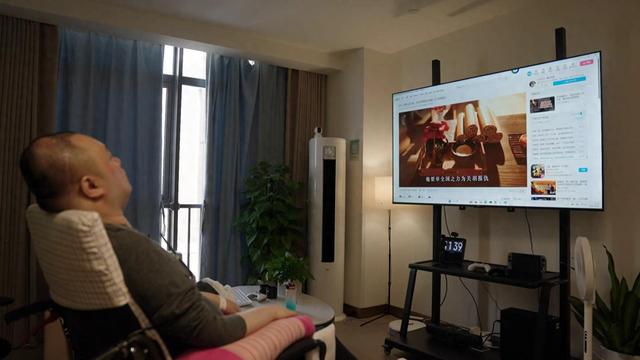
深度|脑机接口“狂飙”:马斯克开启大规模量产,中国玩家集体“插脑”冲刺
Di Yi Cai Jing· 2026-01-03 10:58
Core Insights - The global vision of brain-computer interface (BCI) companies, including Neuralink, extends beyond helping individuals with motor disabilities to include enabling speech for the speech-impaired and vision for the blind [4][7] - The BCI technology is experiencing a significant wave of innovation in the medical field, with advancements in both invasive and non-invasive techniques [1][9] Group 1: Technological Developments - Neuralink plans to initiate "high volume" production and streamline automated surgical processes in 2026 [1] - In China, the first clinical trial of a fully implanted BCI was completed, demonstrating significant recovery in motor functions for a patient with spinal cord injury [3] - The "North Brain No. 2" system, featuring high-throughput flexible microelectrodes, is set to enter clinical trials in 2026, targeting motor impairment patients [8] Group 2: Market Dynamics - The BCI market is projected to grow significantly, with non-invasive products currently holding 82% of the market share [9][10] - The Chinese government has issued policies to support the BCI industry, aiming for accelerated application in various sectors by 2027 [11] - Investment in the BCI sector has surged, with 16 financing events reported in 2025, totaling nearly 1 billion yuan [12] Group 3: Competitive Landscape - Neuralink's invasive BCI technology is considered a global benchmark, with its 1024-channel flexible electrode array and automated implantation robot leading the industry [5][8] - Chinese companies like JieTi Medical and BoRuiKang are emerging as competitors, with clinical trials underway, although they currently lag behind Neuralink in technology [8][13] - The valuation of leading BCI companies in China is significantly lower than that of Neuralink, with estimates around 3 billion yuan compared to Neuralink's 120 billion yuan [13] Group 4: Challenges and Future Outlook - The commercialization of BCI technology faces hurdles such as lengthy validation periods and high development costs [15] - Ethical concerns regarding data privacy and the potential for cognitive enhancement to exacerbate social inequalities are being addressed through the establishment of regulations and standards [17]
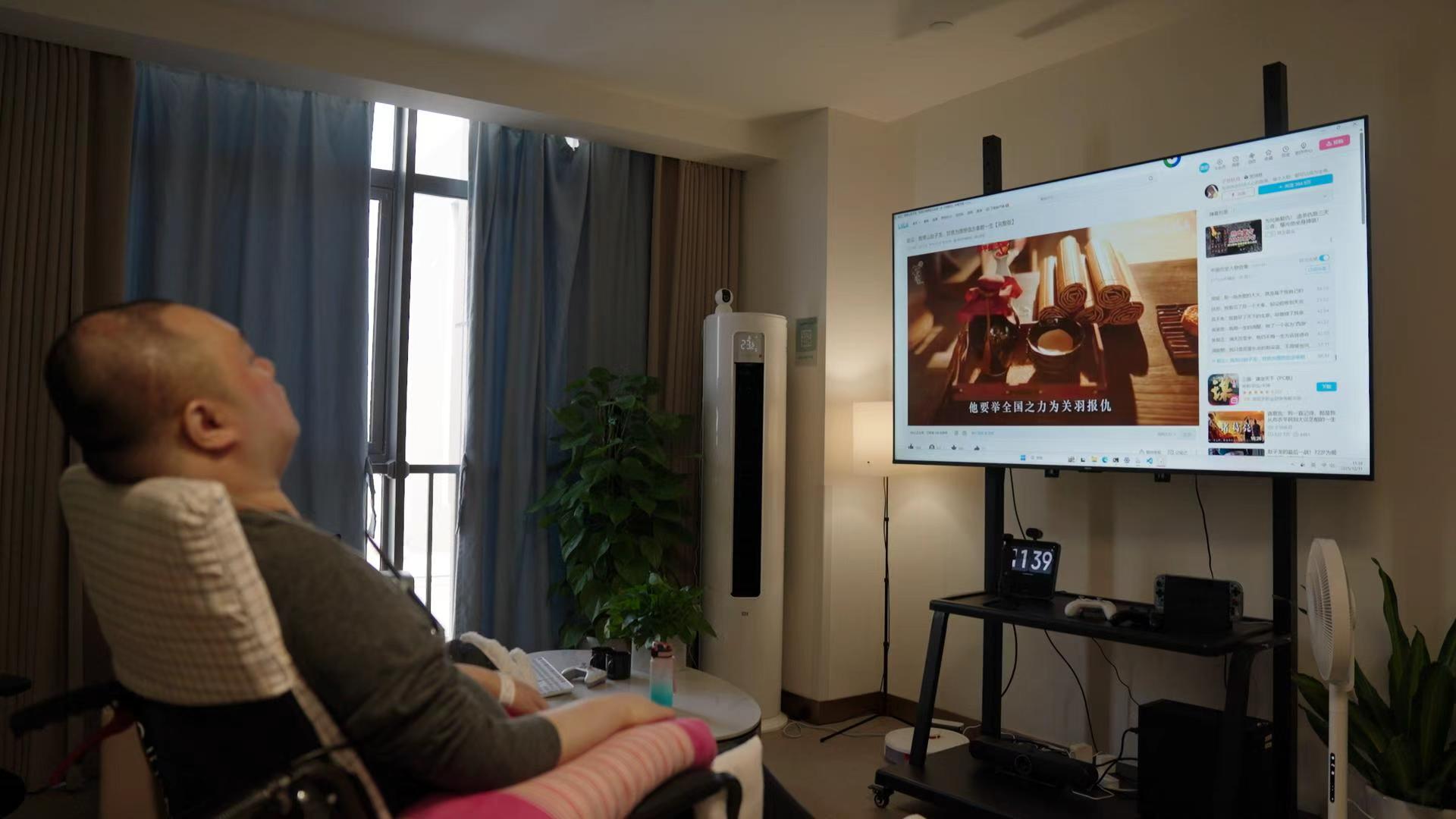
马斯克脑机接口意念控制机械臂!演示者获得钢铁之吻,理论上可控制一切
量子位· 2025-12-03 13:06
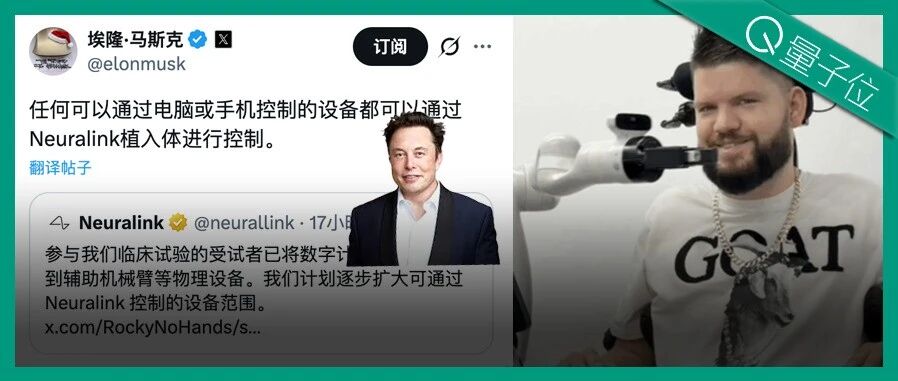
Core Viewpoint - Neuralink is making significant advancements in brain-machine interface technology, focusing on enabling paralyzed patients to regain mobility and enhancing user interaction with technology through thought control [20][29]. Group 1: Technological Developments - Neuralink has successfully demonstrated thought-controlled robotic arm movements, showcasing the potential for direct brain control over devices [2][3]. - The company is implementing a "dual implant" strategy, where a second interface will be added to the spinal cord of the first human subject, aiming to create a "digital neural bridge" to bypass damaged biological pathways [8][9]. - Recent improvements have addressed issues with electrode stability, ensuring long-term signal reliability and shifting focus from unidirectional brain signal reading to complex bidirectional communication between the brain and spinal cord [9]. Group 2: User Experiences and Innovations - Users of Neuralink's technology are actively exploring additional applications beyond official functionalities, such as controlling everyday devices [10][11]. - A user named Brad Smith has successfully integrated a consumer webcam with the Neuralink system to overcome physical limitations caused by his condition, demonstrating the adaptability of the technology [12][15]. - Another user, Nathan Copeland, emphasizes the importance of combining the brain-machine interface with common devices to enhance daily life, illustrating the practical utility of the technology [19]. Group 3: Clinical Progress and Future Directions - Neuralink has achieved its first human implant in January 2024, marking a significant milestone in its clinical trials [21][29]. - The company has received FDA breakthrough device designations for projects aimed at restoring vision and aiding speech, indicating regulatory support for its innovative approaches [27][28]. - As of September 2024, Neuralink has completed implants for 12 subjects, with over 15,000 hours of device operation and no major rejection issues, paving the way for broader clinical applications [29].
人类首次机械飞升,马斯克豪言Neuralink击败全人类
3 6 Ke· 2025-11-03 02:33
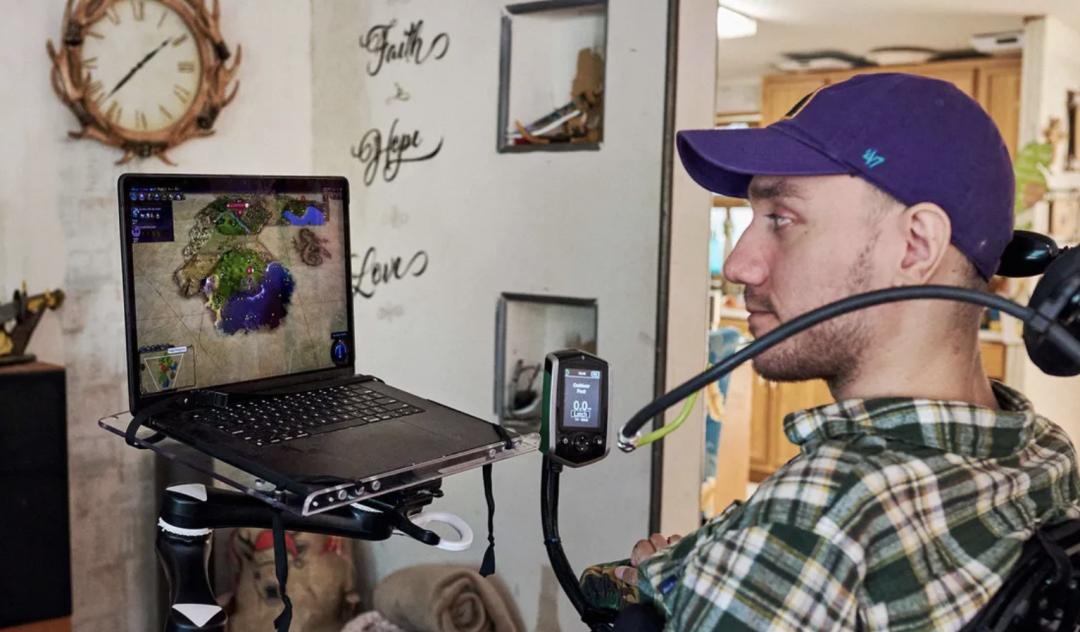
Core Insights - Neuralink has implanted devices in 12 individuals, with a cumulative usage exceeding 2000 days, enabling patients to regain mobility and pursue academic and professional endeavors [1][7][8] - Elon Musk announced that Noland Arbaugh, the first recipient of the Neuralink implant, may be the first to receive an upgrade or a dual-chip implant to further enhance capabilities [1][3] Group 1: Patient Experiences and Outcomes - Noland Arbaugh, paralyzed from a diving accident, has regained significant abilities, including typing with his thoughts and engaging in academic studies, thanks to the Neuralink device [6][8] - The technology has transformed the lives of patients, allowing them to achieve previously unimaginable feats, such as competing in video games at a high level [4][6] - Arbaugh has expressed his intention to share the transformative impact of Neuralink technology on his life and its potential for others [23] Group 2: Technological Advancements and Clinical Trials - Neuralink has initiated a new clinical trial aimed at enabling participants to generate text through thought alone, which could revolutionize communication for those unable to speak [10][14] - The company has received FDA approval for this trial, which is a significant step towards expanding the clinical applications of their technology [16][17] - Neuralink's technology is designed to decode brain signals and translate them into actions, marking a shift from traditional assistive communication methods [12][18] Group 3: Future Aspirations and Market Potential - Neuralink aims to implant devices in 20,000 individuals annually by 2031, with a projected annual revenue exceeding $1 billion [14][18] - The company is currently valued at $9 billion, having raised over $1 billion in its latest funding round [18] - The ultimate goal of Neuralink is to facilitate communication with AI at the speed of thought, surpassing traditional language [10][14]
Neuralink首例受试者近况曝光
财联社· 2025-11-01 06:44
Core Insights - Neuralink has successfully implanted its brain-machine interface in Nolan Arbaugh, who can now control devices with his thoughts and is pursuing academic interests [3][6] - Elon Musk predicts that future Neuralink users will have enhanced capabilities, potentially dominating in fast-paced video games [3] - The company is expanding its participant base and aims for regulatory approval of its "mind-reading" device by 2029, with significant revenue projections [7] Group 1 - Nolan Arbaugh, the first recipient of Neuralink's device, has regained some control over his life and is planning to launch a personal brand by 2026 [3][6] - Following his surgery, Arbaugh was able to control a computer and play video games within weeks, showcasing the device's effectiveness [6] - Musk has indicated that future versions of the device will allow for more advanced interactions, akin to having dual control capabilities [6] Group 2 - Neuralink has recently expanded its trials to the UK, with its first participant being a patient with motor neuron disease who can now control a computer using thoughts [7] - The company anticipates performing 2,000 surgeries annually by 2029, generating at least $100 million in revenue, with plans to increase to 10,000 surgeries and over $500 million by 2030 [7]

马斯克Neuralink新进展!渐冻症患者用“意念”成功进食,年底再增13名受试者
Sou Hu Cai Jing· 2025-10-12 11:05
Core Insights - Neuralink has achieved a significant breakthrough in brain-machine interface technology, enabling a patient with ALS to control a robotic arm using only thoughts, marking a substantial step forward in assisting individuals with disabilities in daily activities [1][2]. Company Developments - Nick Wray, the patient who demonstrated the technology, underwent brain implant surgery in July and is the eighth participant in Neuralink's trials [2]. - Wray showcased his ability to perform intricate tasks such as drinking from a cup and eating with a spoon, highlighting the practical applications of the brain-machine interface [2][6]. - The demonstration is part of the FDA-approved "CONVOY" study, which aims to provide a clearer understanding of the practical potential of brain chips [6]. Clinical Trial Progress - As of now, 12 patients have successfully implanted the N1 device, with a total usage time exceeding 15,000 hours and an average daily usage of 7.5 hours per participant [7]. - Neuralink has launched a patient registration system, allowing eligible individuals worldwide to enroll in clinical trials for the technology [7]. Market Potential and Future Outlook - Neuralink's president, DJ Seo, reported that 10,000 patients have expressed interest in the N1 device, with an expectation of 13 additional surgeries by the end of the year [8]. - Currently, trial participants are limited to those with motor neuron diseases or spinal cord injuries, but future iterations of the technology may be available to healthy individuals, aiming for a "symbiotic experience" between humans and AI [8]. Industry Trends - The brain-machine interface industry is nearing a critical point of commercialization, with significant advancements being made both domestically and internationally [9]. - In China, a research team has developed a flexible and soft neural electrode, providing new solutions for long-term clinical implantation challenges [9]. - Recent policy initiatives in China aim to support the development of the brain-machine interface industry, with goals set for key technological breakthroughs by 2027 [10]. Market Growth Projections - The global market for brain-machine interfaces has grown from $1.2 billion in 2019 to $2 billion in 2023, with projections reaching $7.63 billion by 2029 [11]. - Despite the lead held by overseas companies like Neuralink, China is rapidly advancing in invasive technology sectors, with significant progress in flexible electrode technology and other applications [11].