
拜耳

Search documents
深度|316种国家集采药品接续采购开标,原研药中标的比例不到一成
Di Yi Cai Jing· 2026-02-12 13:49
凭借品牌优势在院外市场找到新的发展空间。 近日,1至8批国家集采药品新一轮接续采购已诞生拟中选结果,共有1020家企业的4163个产品获得拟中 选资格,涉及316种常用药品,覆盖抗感染、抗肿瘤、降血糖、降血压、降血脂、神经系统、呼吸系 统、消化系统等26个治疗领域。 2018年以来,随着国家组织的药品集采启动,医药行业逐渐走向分水岭,过了专利保护期的原研药难以 在中国市场维持高利润且垄断局面,而原来以销售这类药物为生的跨国药企这几年已在密集调整业务, 重塑在华发展战略。 一些原研药虽然缺席集采,但并不意味着从市场消失,相反凭借品牌优势仍在院外市场找到新的发展空 间。 不到一成的原研药中标 国家药品集采,针对的仿制药以及过了专利保护期的原研药这两大类产品,一方面,挤掉药价虚高的水 分,降低患者用药负担;另外一方面,通过集采节省下的医保资金,转向支付临床价值显著的创新药, 满足临床亟需,鼓励药企研发创新。 本次是针对1-8批国家集采药品新一轮接续采购,由江苏、河南、广东三省医保局联合牵头,各省份全 部参与,实现了采购规则规范统一。企业只需在线投标一次,中选即可实现全国销售。具备投标资格的 企业绝大多数参与投标报价 ...

Bayer’s Bill Anderson: Turning a 168 Year-Old Tanker Like a Speedboat
Sequoia Capital· 2026-02-12 13:01
In the 30 person organization, you see an opportunity and you just do it. Almost every large organization has a bureaucracy problem, but a lot of times things just don't happen because it's it there's just too much overhead. It's not that the organization is healthy and then it gets a virus. Is actually the composition of the organization is what's creating bureaucracy. I'm here with Bill Anderson. You've never heard of him, but you're about to understand why he's one of the most fascinating CEOs operating ...


Bayer® Aspirin Partners with Celebrity Chef Jeff Mauro for Immersive Dark Dining Experience This American Heart Month
Businesswire· 2026-02-12 13:01
Core Perspective - Bayer® Aspirin is launching the Heart to Heart Bistro to raise awareness about heart health risk factors that are often overlooked, particularly denial [1] Group 1: Initiative Overview - The Heart to Heart Bistro is an immersive dark dining experience designed to confront the unseen risk factors of cardiovascular health [1] - The initiative is created in partnership with Celebrity Chef Jeff Mauro, emphasizing a unique approach to health education [1] Group 2: Health Awareness Focus - The campaign aims to help Americans recognize and address dangerous barriers to heart health, specifically focusing on denial as a significant risk factor [1]

未纳入特朗普药价协议的药企正寻求加入
Xin Lang Cai Jing· 2026-02-12 10:36
Core Viewpoint - Some pharmaceutical companies not included in President Trump's drug price reduction agreement are developing their own plans to avoid potential harsh tariffs and new pricing mechanisms [1][4]. Group 1: Companies Involved - As of now, 16 major pharmaceutical companies, including Pfizer and Eli Lilly, have reached agreements with the government after receiving price reduction directives [1][4]. - Many companies, approximately half of which are members of the Pharmaceutical Research and Manufacturers of America (PhRMA), have not yet been contacted by the government [1][4]. - Bayer's global pharmaceutical business head, Stefan Oelrich, expressed optimism that companies like Bayer, which did not receive directives, would have opportunities to reach similar agreements with competitors [1][4]. Group 2: Concerns of Smaller Companies - A group of mid-sized companies has formed the American Mid-Sized Biotechnology Alliance to oppose the new pricing mechanisms [2][5]. - Sanofi's CEO, Paul Hudson, noted that many companies have not reached agreements and questioned what options they have [2][5]. - Hudson also indicated that the nature of existing agreements might make it difficult for the government to offer similar options to smaller companies [2][5]. Group 3: Pricing Mechanisms and Implications - U.S. patients pay the highest prescription drug prices globally, often nearly three times higher than in other developed countries [3][6]. - Agreements signed by large pharmaceutical companies commit to lowering drug prices for Medicaid, but analysts suggest the impact may be limited since Medicaid accounts for only 10% of U.S. drug spending [3][6]. - Companies that have not reached agreements will face constraints from Medicare pilot programs, GLOBE and GUARD, which will implement most-favored-nation pricing, aligning U.S. drug prices with lower international prices [3][6]. - Concerns exist that mid-sized companies, having fewer products to negotiate, may not have low-revenue drugs to "sacrifice" in negotiations [3][6].


酶赛生物, 斩获浙江省科技技术进步二等奖,宣布正式启动IPO!
合成生物学与绿色生物制造· 2026-02-11 03:16
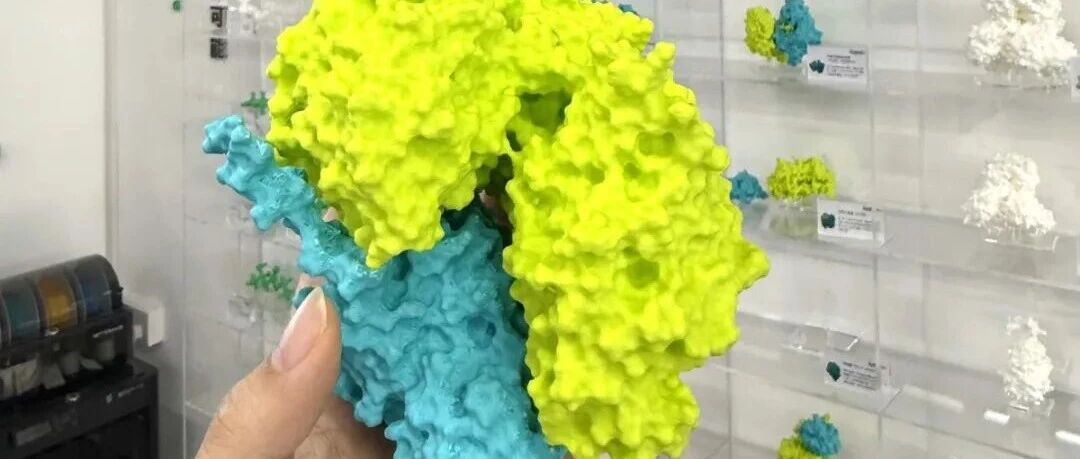
Core Viewpoint - Enzyme Science is recognized for its innovative contributions to biomanufacturing, particularly in the development of chiral amines, and aims to lead advancements in synthetic biology and green manufacturing [2][3]. Group 1: Awards and Recognition - Enzyme Science's project on "Key Technology Innovation and Industrialization Demonstration of Biomanufacturing of Chiral Amines with Cyclic Structures" won the second prize of the 2024 Zhejiang Provincial Science and Technology Progress Award [2]. - The company has received multiple honors, including being recognized as a high-tech enterprise and a "little giant" in specialized and innovative sectors [3]. Group 2: Technological Innovations - The company utilizes protein crystallography and computational biology to reconstruct ancestral sequences and analyze the crystal structure of transaminases, enhancing enzyme stability, activity, and substrate universality [2]. - Enzyme Science has developed a "green biosynthesis - product precise separation - multi-category chiral amine large-scale manufacturing" technology system, achieving high-purity production of various chiral amines [2]. Group 3: Research and Development Efficiency - The establishment of the EnzyAI virtual computing platform has significantly improved R&D efficiency, allowing one person to achieve what previously required a team of five over several months [5]. - The number of new products developed annually has increased from two to over ten [5]. Group 4: Collaborations and Partnerships - Enzyme Science has formed partnerships with institutions like Shenzhen University of Technology to create a predictive and programmable intelligent biomanufacturing platform [5][7]. - The company is also collaborating with teams to explore marine extremophilic microbial enzyme resources and AI-assisted design [7]. Group 5: Commercialization and Market Reach - Enzyme Science has commercialized over 20 products across various sectors, including pharmaceutical intermediates and food additives, with expectations of doubling revenue this year [7]. - The company serves major global pharmaceutical firms such as AstraZeneca, Bayer, and Merck, contributing to significant medications for conditions like high cholesterol and diabetes [8]. Group 6: Future Plans and IPO - Enzyme Science plans to initiate an IPO in early 2026, with a Pre-IPO financing round aimed at expanding production capacity and enhancing cash flow, expecting a valuation exceeding 1.5 billion [8]. - The company aims to extend its applications beyond pharmaceuticals and food into sectors like new energy vehicles and textiles, contributing to carbon neutrality goals [8].
2 Intriguing Medical Stocks to Watch as Q4 Results Approach: EXEL, GILD
ZACKS· 2026-02-10 01:16
Group 1: Exelixis Overview - Exelixis has seen a stock increase of +30% over the last year, with Q4 sales expected to rise by 3% year over year to $584.68 million and Q4 EPS projected to increase by 40% to $0.77 compared to $0.55 in the prior year quarter [1][4] - The company received FDA acceptance for a New Drug Application for a combination therapy targeting metastatic colorectal cancer, marking its transition from a single-product biotech to a multi-asset oncology company [2][3] - Exelixis has consistently surpassed Zacks EPS Consensus for six consecutive quarters, with an average earnings surprise of 21.39% in its last four quarterly reports [4][5] Group 2: Gilead Sciences Overview - Gilead Sciences' stock has surged nearly +60% in the last year, with Q4 sales expected to be flat at $7.57 billion and quarterly EPS anticipated to dip 3% to $1.83 [1][10] - The company's HIV franchise, particularly Biktarvy, is highlighted as a primary long-term growth driver, contributing to a "wide moat" for the business [8] - Gilead's robust R&D pipeline, including oncology and virology programs, has been noted as the most extensive in the company's history, fueling investor sentiment [9] Group 3: Financial Projections - For fiscal 2025, Exelixis' annual EPS is expected to increase by 48% to $2.96, while Gilead Sciences' EPS is projected to grow by 76% to $8.14 per share [11] - Exelixis trades at an attractive 12X forward earnings multiple, compared to Gilead's 17X, which is still a slight discount to the Zacks Medical-Biomedical and Genetics Industry average [11] Group 4: Investment Ratings - Exelixis holds a Zacks Rank 1 (Strong Buy), while Gilead Sciences has a Zacks Rank 3 (Hold) ahead of their Q4 reports [12]


Pharma eyes AI deals to stem lost revenues from patent expirations
Yahoo Finance· 2026-02-09 15:48
Core Insights - The pharmaceutical industry is increasingly leveraging artificial intelligence (AI) to enhance drug development efficiency and reduce costs, with companies like In Silico demonstrating significant advancements in this area [1][2][8] - A notable trend is the shift from traditional acquisition strategies to targeted deals that focus on acquiring specific assets, particularly in response to impending patent expirations [4][10][14] AI in Drug Development - In Silico has showcased the potential of AI in drug development, reporting an average of 13 months from project initiation to candidate selection for its drug rentosertib, which has shown positive signals in increasing lung function in a Phase IIa study [1] - AI-driven tools are sought by pharmaceutical companies to enhance internal R&D productivity and streamline the drug development process [2][3] Patent Expirations and Industry Response - The upcoming patent cliff between 2024 and 2030 is projected to reduce the global share of drugs protected under patents from 6% to 4%, resulting in an estimated loss of $236 billion in US revenues [6][7] - The industry is witnessing a surge in deal-making as companies seek to replenish their drug pipelines in light of patent expirations, with AI partnerships becoming increasingly common [7][9] Changing Acquisition Strategies - Pharmaceutical companies are moving away from large-scale mergers and acquisitions (M&A) towards smaller, asset-specific acquisitions to mitigate revenue losses from patent expirations [10][14] - Companies like Eli Lilly and AstraZeneca are actively pursuing AI capabilities through strategic partnerships, indicating a shift in mindset towards more targeted investments [4][11] Market Dynamics and Future Trends - The hierarchy of top-selling drugs is shifting, with a growing focus on metabolic disorders and peptide-based drugs, while oncology remains a significant area of interest [16][17][18] - Companies are also exploring secondary patents and trademarks as strategies to extend the lifecycle of branded drugs and maintain revenue streams despite patent expirations [20][22] Conclusion - AI is positioned as a transformative force in the pharmaceutical industry, with the potential to reshape drug development timelines and strategies for managing patent cliffs, although its impact may vary [23]

Heart Failure Drugs Market Size to be Valued at USD 28.29 Billion by 2033 Due to the Demographic and Epidemiological Trends Globally
Globenewswire· 2026-02-09 09:00
Market Overview - The Heart Failure Drugs Market is valued at USD 8.80 Billion in 2025 and is projected to reach USD 28.29 Billion by 2033, growing at a CAGR of 15.73% from 2026 to 2033 [1][7][20] - The U.S. Heart Failure Drugs Market is estimated at USD 2.54 Billion in 2025 and expected to grow to USD 8.03 Billion by 2033, with a CAGR of 15.47% during the same period [3] Market Drivers - The growth of the heart failure medications market is primarily driven by demographic trends, particularly the aging population, which increases the risk of heart failure and cardiovascular diseases [2][8] - The rising prevalence of lifestyle-related conditions such as hypertension, diabetes, and obesity is contributing to the increased demand for heart failure treatments [2][8] Market Segmentation - By Type: ACE Inhibitors hold the largest market share at 34.80%, while Beta Blockers are the fastest-growing segment with a CAGR of 12.90% [10] - By Application: Tablets lead the market with a 49.60% share, while injections are the fastest-growing segment with a CAGR of 11.70% [11] - By Distribution Channel: Hospital Pharmacies dominate with a 45.20% share, and Online Pharmacies are the fastest-growing segment with a CAGR of 14.80% [15] Regional Insights - North America accounted for over 40.65% of the Heart Failure Drugs Market in 2025, driven by high prevalence of cardiovascular diseases and advanced healthcare infrastructure [17] - The Asia Pacific region is expected to grow at the fastest rate with a CAGR of 16.81%, fueled by increasing cardiovascular disease prevalence and improving healthcare access [17] Recent Developments - Bayer AG received FDA approval for its drug Kerendia (finerenone) in July 2025, targeting heart failure patients with left ventricular ejection fraction (LVEF) ≥40% [21] - Cytokinetics launched a Phase 3 trial for omecamtiv mecarbil in December 2024, focusing on patients with symptomatic heart failure and severely reduced ejection fraction [21]
关于北京市2025年国民经济和社会发展计划执行情况与2026年国民经济和社会发展计划的报告
Bei Jing Ri Bao Ke Hu Duan· 2026-02-05 22:44
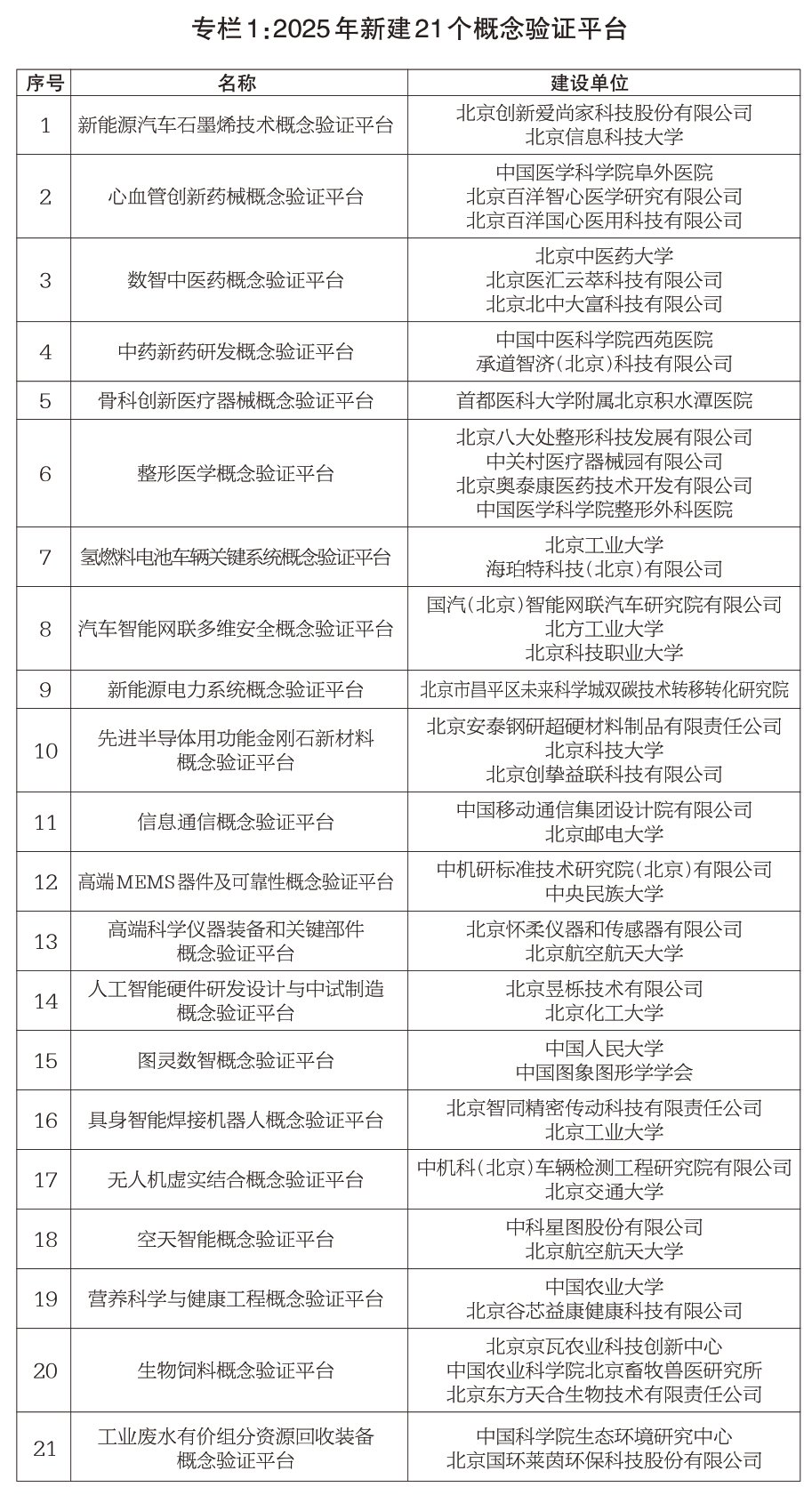
Economic Growth and Development - In 2025, Beijing's GDP grew by 5.4%, surpassing the national average by 0.4%, with the total economic output exceeding 5 trillion yuan [2] - The city's general public budget revenue increased by 4.8%, and the urban unemployment rate was recorded at 4.1% [2] - The average annual concentration of fine particulate matter (PM2.5) was reduced to 27 micrograms per cubic meter, marking a significant environmental achievement [2] Major Activities and Cultural Development - Successful hosting of the 80th anniversary of the victory in the Chinese People's War of Resistance Against Japanese Aggression, enhancing the capital's image [3] - Expansion of cultural initiatives, including the establishment of the Asian Cultural Heritage Protection Alliance and the opening of several museums [4] - The "Beijing Model" brand gained influence, with various cultural events attracting significant public participation [4] International Engagement and Tourism - Beijing's international connectivity improved, with an increase in inbound tourists by 39% to 5.48 million, and tourism revenue grew by 44.7% to 50.56 billion yuan [5] - The city hosted significant international events, enhancing its global service capacity [5] Technological Innovation - Establishment of three national laboratory permanent parks and the launch of major scientific infrastructure projects [6] - Beijing maintained its position as the top city globally in scientific research output, with 65 new academicians elected [6] - The city supported the establishment of various technology transfer platforms and innovation centers [6] Economic Policy and Investment - Implementation of a reserve mechanism for central funding projects, with local government special bonds amounting to 123.3 billion yuan [10] - The issuance of technology innovation bonds reached 664.34 billion yuan, reflecting a 13% increase [10] - Fixed asset investment grew by 5.5%, with high-tech industry investment surging by 40.1% [10] Green Development Initiatives - The establishment of the National Green Technology Trading Center and a significant increase in green technology patents [14] - Implementation of renewable energy regulations and the construction of charging infrastructure, with over 490,000 charging stations built [14] Social Welfare and Employment - The city created 330,000 new urban jobs and raised the minimum wage to 2,540 yuan per month [23] - New policies were introduced to enhance elderly care services and improve educational facilities [24] Urban Infrastructure and Governance - Expansion of public transportation, with the total operational mileage of rail transit reaching 909 kilometers [25] - Implementation of smart city initiatives, improving urban management efficiency [25] Environmental Quality Improvement - Significant reductions in pollution levels, with ongoing efforts to enhance water quality and green space [26] - The city completed various environmental projects, including the construction of parks and green corridors [26]
X @Bloomberg
Bloomberg· 2026-02-05 17:25
Bayer said its experimental drug cut the risk of secondary strokes by 26% in a late-stage trial, bolstering its prospects of driving growth as it faces pressure from generic competition https://t.co/sdroMJYhC6 ...