Snowflake

Search documents
“软件股末日论”点燃大变革! 恐慌抛售之后,市场将捧起AI时代的“软件基石”
美股IPO· 2026-02-07 00:35
Core Viewpoint - A portion of institutional funds is beginning to enter the market for "bottom-fishing" in software stocks that have recently experienced significant declines, agreeing with Jensen Huang's positive outlook on software stocks, suggesting that the market has misjudged strong software giants focused on "AI + core operational processes" [1][4] Group 1: Market Dynamics - The narrative of a "Software-mageddon" is gaining traction, with significant sell-offs in the software sector following the launch of new AI tools by Anthropic, leading to a notable drop in the S&P 500 Software & Services Index, which has fallen approximately 30% since its recent peak at the end of October [3][9] - The software sector faced its most severe sell-off since 2022, with the S&P 500 Software & Services Index experiencing a decline of over 5% in a single day, extending its losing streak to eight consecutive trading days [3][9] - Concerns about AI's impact on traditional SaaS business models have intensified, particularly following the introduction of Anthropic's AI tools, which are designed to handle complex workflows traditionally managed by SaaS providers [7][8] Group 2: Institutional Perspectives - Some institutional investors are starting to view the recent sell-off as an opportunity, believing that high-quality software companies embracing AI may soon experience a technical rebound [4][10] - Analysts from major financial institutions, including Goldman Sachs and Wedbush Securities, suggest that the selling pressure may have peaked, indicating potential for a market bottom and a return of institutional capital to the software sector [16][18] - Rick Sherlund, a prominent analyst, emphasizes that the software industry undergoes significant transformations every 10 to 15 years, and the current AI-driven changes may lead to a new bull market rather than a decline [20] Group 3: Long-term Outlook - Despite fears that AI could completely replace enterprise software, many analysts believe that AI will instead reshape the profitability trajectories of software companies, with a focus on enhancing existing platforms rather than replacing them [12][14] - The market's panic over AI's potential to disrupt software is viewed as exaggerated, with many analysts asserting that established companies with robust platforms, like SAP, will likely benefit from AI advancements [5][19] - The ongoing transition from consumer-facing AI applications to enterprise applications is expected to drive explosive growth in demand for reasoning and computational capabilities [20]



This Is What Whales Are Betting On Snowflake - Snowflake (NYSE:SNOW)
Benzinga· 2026-02-06 20:00
Financial giants have made a conspicuous bullish move on Snowflake. Our analysis of options history for Snowflake (NYSE:SNOW) revealed 137 unusual trades.Delving into the details, we found 45% of traders were bullish, while 37% showed bearish tendencies. Out of all the trades we spotted, 56 were puts, with a value of $18,561,139, and 81 were calls, valued at $11,232,887.What's The Price Target?Based on the trading activity, it appears that the significant investors are aiming for a price territory stretchin ...


Palantir Technologies’ valuation concerns weighing on stock despite strong fundamentals, Jefferies says
Yahoo Finance· 2026-02-06 19:49
Palantir Technologies’ valuation concerns weighing on stock despite strong fundamentals, Jefferies says Proactive uses images sourced from Shutterstock Palantir Technologies Inc (NYSE:PLTR)’ stock has fallen sharply this year, and Jefferies analysts say valuation concerns could continue to weigh on the shares even as the company’s operating performance improves. Jefferies noted Palantir’s stock is down about 27% in the year-to-date and warned that further multiple compression could occur. “We believe mu ...

软件股末日论”点燃大变革! 恐慌抛售之后,市场将捧起AI时代的“软件基石
Zhi Tong Cai Jing· 2026-02-06 11:49
Core Viewpoint - The recent narrative of "Software-mageddon" has led to a significant sell-off in the software sector, particularly affecting SaaS stocks, following the launch of new AI tools by Anthropic, which are perceived as threats to traditional software business models [1][4][5]. Group 1: Market Reaction - The S&P 500 Software & Services Index has experienced a decline of approximately 30% since its recent peak at the end of October, marking the most severe sell-off since 2022 [1][6]. - Major software companies, including Thomson Reuters and Salesforce, have seen their stock prices drop significantly, with some experiencing declines of up to 10% in a single day [5][6]. - The sell-off has been exacerbated by disappointing earnings guidance from major companies, including Microsoft, and heightened expectations for AI infrastructure spending [5][6]. Group 2: Institutional Response - Some institutional investors are beginning to enter the market to buy undervalued software stocks, believing that the market has overreacted to the AI threat [2][12]. - Analysts express a divided view on the long-term impact of AI on software companies, with some believing that AI will reshape profit trajectories rather than eliminate the need for existing software [9][14]. Group 3: Expert Opinions - Rick Sherlund, a prominent analyst, argues that the software industry undergoes significant transformations every 10 to 15 years, and companies with strong fundamentals, like SAP, will likely benefit from AI rather than be threatened by it [3][16]. - Nvidia's CEO Jensen Huang emphasizes that the notion of AI completely replacing software is illogical, suggesting that AI will enhance existing software rather than replace it [7][8]. - The current market panic is described as "micro-hysteria," with experts suggesting that the fears surrounding AI's impact on software are exaggerated [8][12]. Group 4: Future Outlook - The software sector is expected to experience a technical rebound as investors reassess the long-term value of companies that integrate AI into their operations [2][11]. - High-quality software companies that embrace AI are likely to emerge stronger from the current turmoil, as the market begins to differentiate between those with robust business models and those that are more vulnerable [11][15].
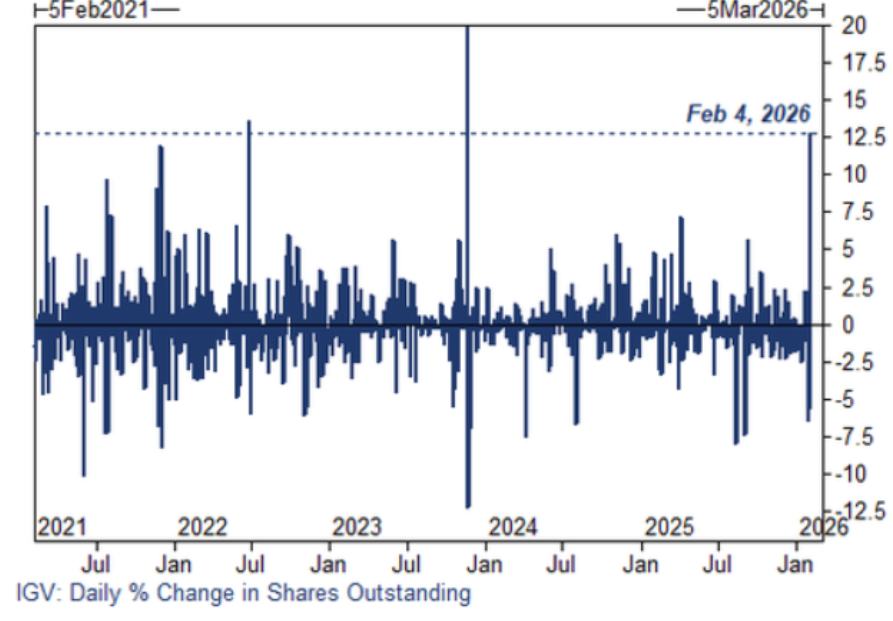
“软件股末日论”点燃大变革! 恐慌抛售之后,市场将捧起AI时代的“软件基石”
智通财经网· 2026-02-06 09:13
Core Viewpoint - The recent narrative of "Software-mageddon" has led to a significant sell-off in the software sector, particularly affecting SaaS stocks, following the launch of new AI tools by Anthropic, which are perceived as threats to traditional software business models [1][4][5]. Group 1: Market Reaction - The S&P 500 Software & Services Index has experienced a decline of approximately 30% since its recent peak at the end of October, marking the most severe sell-off since 2022 [1][6]. - Major software companies, including Thomson Reuters and Salesforce, have seen significant stock price drops, with some experiencing declines of up to 10% in a single day [5][6]. - The sell-off has been exacerbated by disappointing earnings guidance from major companies, including Microsoft, and heightened expectations for AI infrastructure spending [5][6]. Group 2: Institutional Response - Some institutional investors are beginning to enter the market to buy undervalued software stocks, believing that the market has overreacted to the AI threat [2][12]. - Analysts from firms like Goldman Sachs and Wedbush Securities suggest that the sell-off reflects an exaggerated "Armageddon scenario" and that companies will not abandon their existing software investments for new AI solutions [12][14]. Group 3: Expert Opinions - Rick Sherlund, a prominent technology analyst, argues that the software industry undergoes significant transformations every 10 to 15 years, and companies with strong fundamentals, like SAP, will likely benefit from AI rather than be replaced by it [3][16]. - Nvidia's CEO, Jensen Huang, emphasizes that AI will enhance existing software infrastructure rather than replace it entirely, countering the prevailing panic in the market [7][8]. Group 4: Long-term Outlook - Analysts believe that while AI may disrupt certain aspects of the software industry, it will also create new growth narratives, particularly for companies that can integrate AI into their existing platforms [9][10]. - The market is expected to see a bifurcation, where companies with strong data assets and integration capabilities, such as Microsoft and SAP, are likely to rebound more strongly than those with weaker competitive positions [11][15].
INVESTOR ALERT: Pomerantz Law Firm Investigates Claims On Behalf of Investors of Snowflake Inc. - SNOW
Prnewswire· 2026-02-06 02:53
Group 1 - Pomerantz LLP is investigating claims on behalf of investors of Snowflake Inc. regarding potential securities fraud or unlawful business practices by the company and its officers and/or directors [1] - On February 28, 2024, Snowflake announced its financial results for Q4 and the full fiscal year 2024, along with guidance for fiscal year 2025, indicating changes in customer behavior and product-related developments that negatively impacted the company's outlook [2] - Following the announcement, Snowflake's stock price dropped by $41.72 per share, or 18.14%, closing at $188.28 per share on February 29, 2024 [3]

迅策(3317.HK)被视为“中国版Palantir”,德银目标价对应超60%上行空间
Ge Long Hui· 2026-02-05 12:09
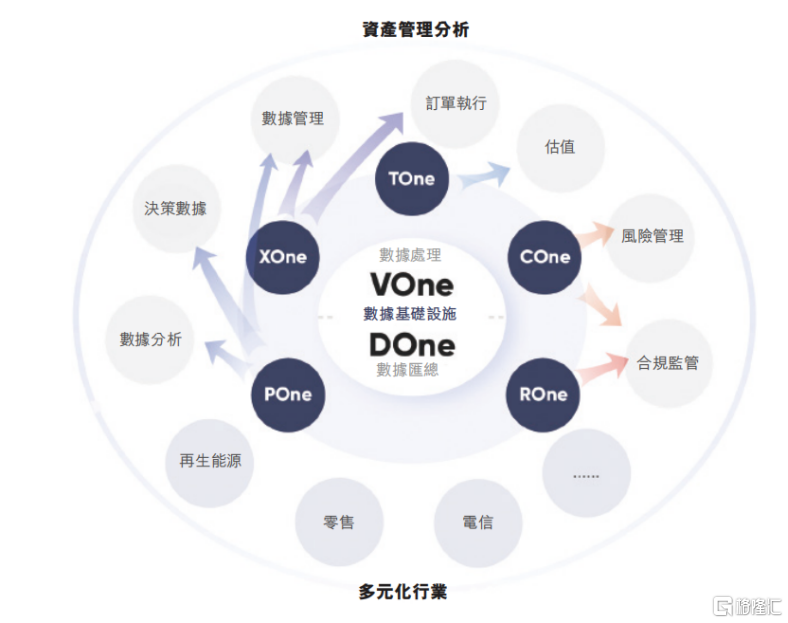
Core Viewpoint - Deutsche Bank has initiated coverage on XunCe Technology (3317.HK), positioning it as a leading player in China's real-time data infrastructure and analytics solutions, akin to "China's version of Palantir" [1][2] Group 1: Market Position and Business Model - XunCe is recognized as the "Data Agent first stock" and holds a leading position in the real-time data infrastructure and analytics market in China, particularly in asset management with an 11.6% market share [1] - The company has achieved full coverage of China's top ten asset management institutions, indicating its strong foothold in high-barrier industries [1] - XunCe's business model focuses on providing a "data operating system" rather than simple data display, integrating data collection, governance, computation, and analysis into clients' core business processes [3] Group 2: Growth Potential and Financial Projections - Deutsche Bank forecasts XunCe's revenue to grow from 632 million RMB in 2024 to 3.735 billion RMB in 2027, representing a compound annual growth rate (CAGR) of 81%, significantly surpassing industry averages [6][8] - The average revenue per user (ARPU) is expected to increase from 1.582 million RMB in 2022 to 2.724 million RMB in 2024, with a projected CAGR of 83% from 2024 to 2027 [7] - Revenue from industries outside asset management is anticipated to grow at a CAGR of 109% from 2024 to 2027, with telecommunications, urban management, and manufacturing identified as new growth drivers [8] Group 3: Profitability and Valuation - XunCe's gross margin exceeds 76%, significantly higher than the traditional IT outsourcing sector, providing a solid foundation for future profitability [8] - The company is expected to achieve adjusted net profit in 2026 with a net profit margin of 6.7%, increasing to 18.3% by 2027 [8] - Deutsche Bank's target price of 85 HKD implies over 60% upside potential from the current price of approximately 52 HKD, with a valuation that offers a significant margin of safety compared to global peers like Palantir and Snowflake [9][10]
“软件股末日”论调席卷华尔街之际 “AI重塑软件盈利”的增长叙事悄然扩散
智通财经网· 2026-02-05 10:48
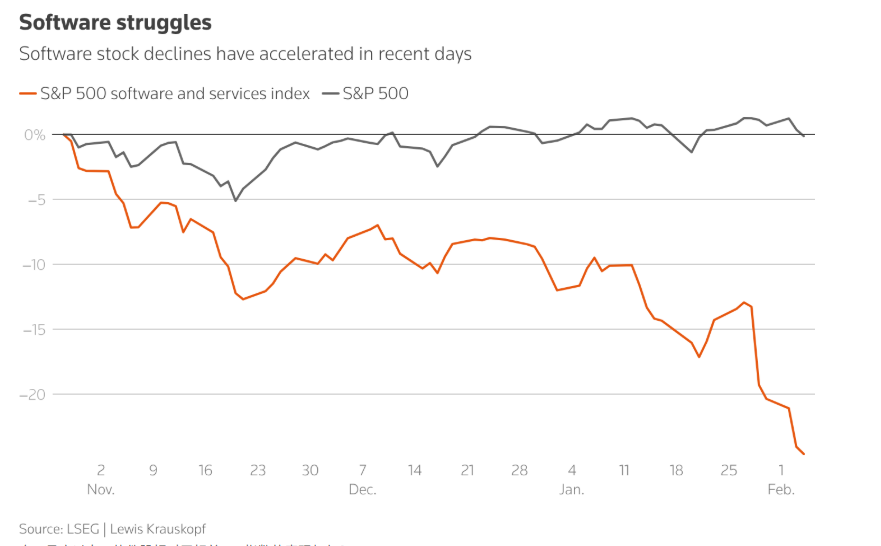
Group 1: Market Overview - The narrative of "Software-mageddon" is gaining traction among global investors, with debates on whether to initiate bullish calls on recently battered software stocks [1] - Large institutional investors are beginning to enter the market to buy the dip in software stocks that have experienced significant declines, with some supporting optimistic views on AI-focused software giants [1][3] - The S&P 500 Software and Services Index has dropped approximately 25% since its recent peak at the end of October, while the overall S&P 500 index has remained relatively stable [3][4] Group 2: Impact of AI Tools - The launch of Anthropic's AI programming tool, Claude Cowork, has intensified fears of AI agents disrupting the SaaS software industry, leading to a collective sell-off in software stocks [2] - The S&P 500 Software and Services Index experienced its worst performance since May 2002, with a significant market cap loss exceeding $800 billion [4] Group 3: Investor Reactions and Divergence - Institutional investors are showing mixed reactions, with some cautiously buying while others remain hesitant, indicating a divide in sentiment regarding the software sector [8] - Some portfolio managers are starting to see long-term value in certain software stocks, while others are waiting for stronger catalysts, such as robust AI-related revenue reports, before making aggressive purchases [8][9] Group 4: Future Outlook and AI Integration - The market is reassessing the value chain in the software industry, with AI potentially redistributing profits rather than completely replacing existing software infrastructure [11][12] - The current sell-off is seen as a response to the question of how much profit pools will be redistributed among SaaS vendors due to AI advancements, with a focus on real deployment and revenue growth from AI-related products [12][13]


招银国际每日投资策略-20260205
Zhao Yin Guo Ji· 2026-02-05 05:29
2026 年 2 月 5 日 招银国际环球市场 | 市场策略 | 招财日报 每日投资策略 公司点评 全球市场观察 公司点评 辉瑞(PFE US,买入,目标价:35.46 美元) - 减重管线数据推动估值重估 潜力 中国股指收涨,港股能源、地产与原材料领涨,信息科技、可选消费与医疗 跑输。南下资金净买入133.73亿港元,腾讯、阿里巴巴与小米净买入居前, 中芯国际、华虹半导体与钧达股份净卖出最多。A 股煤炭、建材与地产领涨, 传媒、通信与计算机跑输。马斯克团队考察光伏产业链,上市公司密集回应。 中国光伏行业协会表示太空光伏技术仍处于探索和验证的初期阶段。 美股指数下跌,信息技术、通讯服务与可选消费领跌,能源、材料与地产领 涨。美股市场软件股抛售潮继续蔓延至半导体、AI 概念股等领域,宏观数据 喜忧参半未能给市场提供支撑。资金从科技股、成长股与高估值板块向能源、 材料股、价值股与低估值板块切换。AMD 疲弱指引后暴跌 17%,拖累半导 体板块下挫,Palantir、Snowflake、Datadog 等软件与 AI 相关个股继续承压。 谷歌All in AI,第4季度云收入猛增48%,今年支出指引接近翻倍大超预期 ...

Here's 1 AI Stock Down About 25% Already in 2026. Is It a Buy?
The Motley Fool· 2026-02-05 03:31
Core Viewpoint - The stock of Snowflake, an AI data cloud specialist, is experiencing a decline in momentum despite its rapid growth and potential in the AI sector, raising questions about its future performance [1][2]. Financial Performance - Snowflake's fiscal Q3 revenue reached $1.21 billion, reflecting a 29% year-over-year increase, primarily driven by a 29% growth in product revenue, which amounted to $1.16 billion [3]. - The company reported a non-GAAP product gross margin of 76% in fiscal Q3 and an adjusted operating income of $131.3 million, up from $58.9 million in the previous year [8]. - Snowflake's adjusted free cash flow increased from $86.8 million in the year-ago quarter to $136.4 million [8]. Customer Metrics - The company ended fiscal Q3 with 688 customers contributing over $1 million in trailing-12-month product revenue, marking a 29% increase year-over-year [3]. - Snowflake's net revenue retention rate was 125% at the end of the period, indicating strong customer loyalty and usage [4]. - Remaining performance obligations (RPO) totaled $7.88 billion, up 37% year-over-year, suggesting growing customer demand for Snowflake's platform [5]. Demand Trends - The company has observed strong momentum in key metrics, particularly with the adoption of its enterprise AI agent, Snowflake Intelligence, which experienced the fastest ramp in product adoption in the company's history [6]. Profitability Concerns - Despite strong revenue growth, Snowflake faces challenges with profitability, reporting a net loss of over $1 billion for the trailing nine months, which is worse than the $963 million net loss in the same period last year [9]. - The stock-based compensation is significantly impacting GAAP profitability, contributing to investor concerns [9]. Market Capitalization and Outlook - The current market capitalization of Snowflake is approximately $57 billion, which raises questions about whether its growth and profitability profile justifies this valuation [10]. - For a positive reassessment of the stock, significant acceleration in top-line growth and a clear path to substantial GAAP profits would be necessary, though the latter appears unlikely in the near term [10].