XREAL

Search documents
消费电子行业迎来多重驱动,产业链估值有望提升
Mei Ri Jing Ji Xin Wen· 2025-12-25 14:43
Core Viewpoint - The consumer electronics sector is expected to experience a significant recovery and innovation cycle driven by AI technology, with new product launches and price increases anticipated in 2026, leading to improved industry valuations [1][7]. Group 1: Market Trends and Innovations - Major companies are set to launch new AI-enabled consumer electronics, including AI smartphones, AI glasses, and foldable phones, marking a new innovation cycle in the industry [2][3]. - Apple plans to expand its smartphone product line significantly, with at least seven new flagship models expected by 2027, including its first foldable phone [2][4]. - Google is collaborating with various partners to develop AI glasses and AR products, with significant launches planned for 2026 [3][4]. Group 2: Financial Performance and Valuation - The consumer electronics sector saw a 42.87% increase in the Shenwan Consumer Electronics Index from early 2025 to December 18, 2025, but remains undervalued compared to other electronic sectors [6]. - As of December 18, 2025, the PE-TTM for the consumer electronics sector was 37.76 times, significantly lower than the semiconductor sector at 96.72 times [6]. - The sector's revenue and net profit grew by 27.12% and 34.95% year-on-year, respectively, in Q3 2025, indicating strong performance despite previous market fluctuations [6]. Group 3: Demand and Pricing Dynamics - The global smartphone market showed signs of recovery in Q3 2025, with a 2.6% year-on-year increase in shipments, driven by high-end models and AI smartphones [7]. - Price increases for consumer electronics are expected due to rising storage chip costs, with major companies like Dell and HP considering price hikes for their products [7]. - The introduction of innovative products such as foldable and AI smartphones is anticipated to drive demand for components, leading to potential growth in the supply chain [8].


苹果计划2026年发布首款智能眼镜Apple Glass,消费电子ETF(561600)冲击5连涨
Xin Lang Cai Jing· 2025-12-25 02:03
Group 1 - The core viewpoint of the articles highlights the growth and innovation in the consumer electronics sector, particularly with the introduction of AI capabilities in devices like smartphones and smart glasses [1][2]. - The Zhongzheng Consumer Electronics Theme Index (931494) has shown a slight increase of 0.15%, with key stocks such as Shengbang Co., Ltd. (300661) and Beijing Junzheng (300223) experiencing notable gains [1]. - Apple plans to release its first smart glasses, Apple Glass, in 2026, which will feature a lightweight design and various functionalities, including health monitoring [1]. Group 2 - The global smartphone shipment volume increased by 3% year-on-year in Q3 2025, with market revenue rising by 5%, and the average selling price (ASP) reaching a record high of $351 [2]. - High-end smartphones (priced over $600) contributed over 60% of the total revenue, with more than 80% of these devices equipped with generative AI capabilities [2]. - The top ten weighted stocks in the Zhongzheng Consumer Electronics Theme Index account for 56.39% of the index, with companies like Luxshare Precision (002475) and Cambricon Technologies (688256) among the leaders [2].
大厂扎堆智能眼镜,但谁也说不清它到底是啥
36氪· 2025-12-24 13:35
Core Viewpoint - The article discusses the current state and challenges of defining smart glasses and XR devices, highlighting the lack of a unified definition and the diverse functionalities and target audiences of these devices [4][5][11]. Group 1: Definition and Evolution of Smart Glasses - Smart glasses and XR devices have evolved into various forms with different functionalities, experiences, and target users, making it difficult to categorize them under a single definition [5][17]. - The ideal smart glasses should combine the form of glasses, AI capabilities, and immersive vision, similar to how the iPhone was defined as a combination of phone, iPod, and internet [18][20]. - The industry lacks a clear definition for smart glasses, leading to confusion among manufacturers and consumers regarding their purpose and capabilities [25][39]. Group 2: Industry Challenges and Manufacturer Strategies - Companies like Apple are facing strategic challenges in the smart glasses market, with reports indicating a shift towards lighter, AI-focused glasses after setbacks with heavier XR headsets [28][30]. - The success of products like Ray-Ban Meta is attributed to their aesthetic appeal and functionality rather than their AI capabilities, indicating that design and user experience are critical for market acceptance [36][41]. - The article emphasizes that the current state of AI hardware lacks a successful case, and the potential for smart glasses to replace smartphones remains uncertain, with the possibility of coexisting instead [40][41]. Group 3: Future Prospects and Industry Direction - The future of smart glasses hinges on manufacturers' ability to clarify what smart glasses truly are and to develop products that effectively integrate the necessary technologies [43]. - The article suggests that the industry must move beyond the experimental phase to establish a coherent narrative around smart glasses, which could lead to their eventual success and acceptance in the market [43].

大厂扎堆智能眼镜,但谁也说不清它到底是啥|AI 器物志
Xin Lang Cai Jing· 2025-12-24 09:53
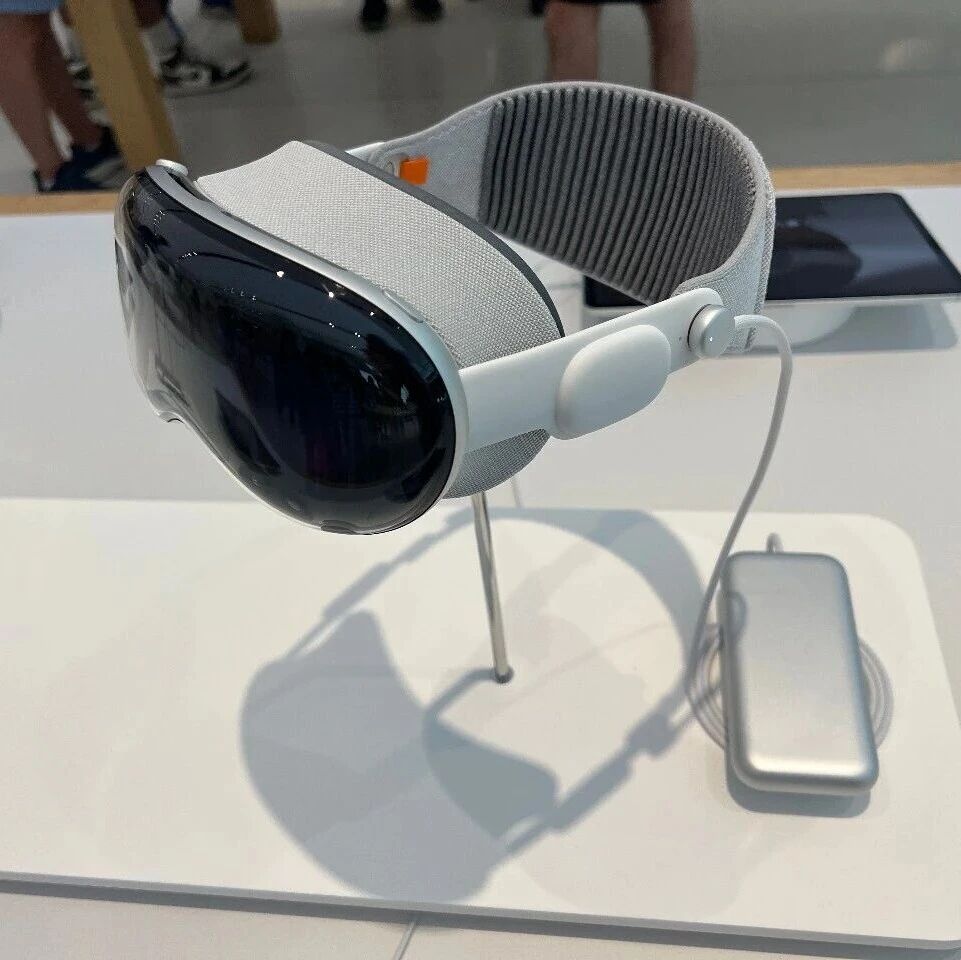
Core Viewpoint - The evolution of AI in hardware design, particularly in smart glasses, is marked by diverse functionalities and user experiences, leading to a lack of a unified definition for smart glasses in the industry [1][5][27]. Group 1: Industry Trends - The industry is witnessing a divergence in smart glasses, with products ranging from Xiaomi's affordable smart glasses to Apple's high-end Vision Pro, indicating a broad narrative around "smart glasses" or "XR" [1][27]. - Google has introduced the term "device lineage" to categorize XR devices, which includes wired XR glasses, wireless XR glasses, and non-display AI glasses, highlighting the complexity of defining smart glasses [3][29]. - The lack of a core function or definition for smart glasses has led manufacturers to explore various directions, resulting in a competitive landscape where each segment is vying for dominance [5][34]. Group 2: Product Development Challenges - The industry struggles with defining what constitutes smart glasses, as evidenced by the confusion surrounding Google's XR categorization and the varying functionalities of products like AR glasses that require connection to other devices [12][38]. - Apple's upcoming lightweight glasses, which focus on photography and AI without XR display capabilities, reflect a strategic pivot after challenges faced with the Vision Pro, indicating a shift towards more practical and socially acceptable designs [15][41]. - The concept of "AI glasses" is seen as an ideal form of AI hardware, capable of analyzing real-life contexts, yet the actual value and capabilities of such devices vary significantly across different product types [18][44]. Group 3: Market Perception and Future Outlook - The success of AI hardware is often not directly correlated with AI capabilities, as seen with the popularity of Ray-Ban Meta glasses, which excel due to their aesthetic appeal rather than their AI features [20][46]. - The future of smart glasses remains uncertain, with the potential for them to coexist with smartphones rather than replace them, as the industry has yet to provide a clear answer on what could effectively substitute a smartphone [22][48]. - Successful examples in the current market focus on enhancing the glasses themselves, such as the Ideal Livis and Meta Ray-Ban, rather than solely on the integration of AI [24][50].

VITURE回应XREAL纠纷:已上诉且业务未受实质影响
Huan Qiu Wang· 2025-12-24 09:31
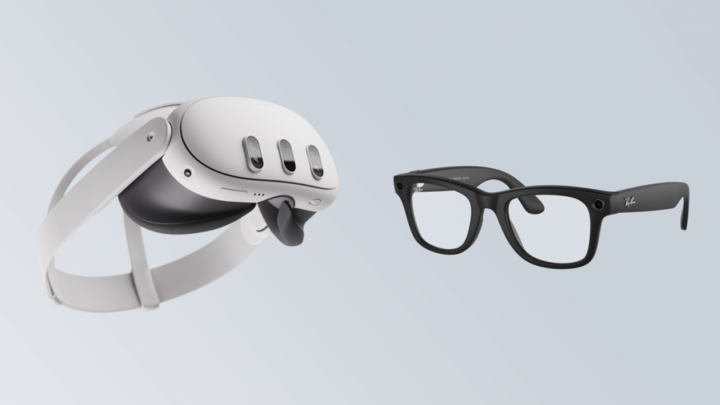
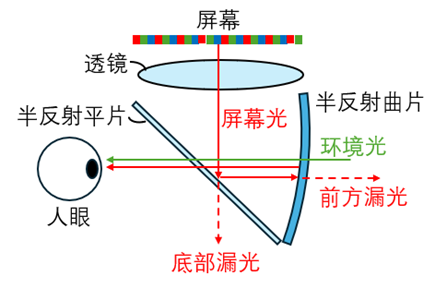
Core Viewpoint - The patent dispute between leading XR companies VITURE and XREAL has garnered market attention, with a temporary injunction issued against VITURE Pro in Germany, which the company is appealing, asserting that its business remains unaffected [1][10]. Group 1: Patent Dispute Details - The patent in question is European patent EP3754409B1 held by XREAL, which pertains to the Birdbath optical system for AR devices [1]. - VITURE claims that its VITURE Pro was launched in Germany before the patent was authorized and that the patent is currently within a 9-month opposition period [8][10]. - XREAL's lawsuit in Germany is strategically timed due to the country's quick infringement litigation process, contrasting with the lengthy patent invalidation process [8]. Group 2: Market Impact and Company Performance - Despite the legal challenges, VITURE's market share in the U.S. reached 28.1% in Q3 2025, with an annual growth rate exceeding 100% [8][12]. - VITURE emphasizes that its products are still available for sale across Europe, with no listings removed, and it continues to lead in several European markets [13][15]. - The company has expressed confidence in its legal position, viewing the situation as a procedural issue rather than a substantive infringement [15].
AI眼镜出货量迎来高速增长期,消费电子ETF(561600)实现3连涨
Xin Lang Cai Jing· 2025-12-23 07:52
Group 1 - The core viewpoint of the news highlights the significant growth potential in the AI eyewear market, with global shipments expected to rise from 5 million units in 2025 to 57.7 million units by 2030, reflecting a compound annual growth rate (CAGR) of 63% [1] - The penetration rate of AI eyewear with AR display functionality is projected to increase from 6% in 2025 to 29% in 2030, indicating a strong demand for advanced features in consumer electronics [1] - Companies like XREAL and Alibaba Quark are launching new AI+AR eyewear products, focusing on advancements in spatial computing chips and Micro-OLED displays, which are driving rapid development in consumer-grade AI wearable devices [1] Group 2 - Donghai Securities notes that the rapid development of AI cloud technology is fostering innovation at the edge, leading to upgrades in components and creating a sustainable innovation cycle in AIOT [2] - The long-term outlook for AI suggests it will enhance productivity and efficiency while also providing new experiences and convenience in daily life, thus creating new demand [2] - The CSI Consumer Electronics Theme Index, which tracks 50 listed companies involved in component production and consumer electronics, reflects the overall performance of the sector [2] Group 3 - As of November 28, 2025, the top ten weighted stocks in the CSI Consumer Electronics Theme Index include Luxshare Precision, Cambricon, and Industrial Fulian, collectively accounting for 56.39% of the index [2]
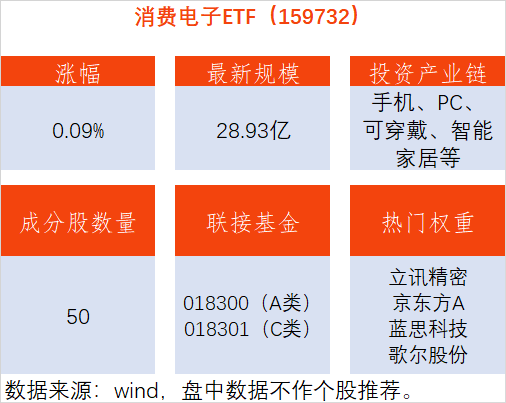
持续关注消费电子AI+!胜宏科技上涨3.75%,消费电子ETF(159732)涨0.09%
Sou Hu Cai Jing· 2025-12-23 05:56
Group 1 - The A-share market saw a collective rise in the three major indices, with the Shanghai Composite Index increasing by 0.24%, driven by sectors such as fine chemicals, forestry, and semiconductors, while education and aerospace military industries faced declines [1] - In the consumer electronics sector, the Consumer Electronics ETF (159732) rose by 0.09%, with notable gains from companies like Shenghong Technology (up 3.75%), Naxin Micro (up 2.94%), Anker Innovation (up 2.92%), and Xinwangda (up 2.56%), while companies like Huankong Electronics and Lingyi Technology experienced declines of -4.38% and -4.01% respectively [1] Group 2 - XREAL launched its new AR glasses, XREAL 1S, targeting a broader young consumer demographic, promoting the concept of "one pair of glasses, opening a 500-inch portable space giant screen era" [3] - Counterpoint forecasts a 2.1% year-over-year decline in global smartphone shipments by 2026 due to rising storage costs, indicating a potential impact on the consumer electronics market [3] - Galaxy Securities noted that consumer electronics terminals are beginning to adjust prices in response to rising storage costs, emphasizing the importance of price transmission effects [3] - The Consumer Electronics ETF (159732) tracks the National Securities Consumer Electronics Index, primarily investing in 50 A-share listed companies involved in the consumer electronics industry, with significant representation in electronic manufacturing, semiconductors, and optical optoelectronics [3]

龙旗科技港股上市聆讯取得进展:全球化布局提速 AI端侧创新赋能多元增长
财联社· 2025-12-23 03:35
Core Viewpoint - Longqi Technology's IPO on the Hong Kong Stock Exchange marks a significant step in its international capital strategy, aimed at enhancing its capital strength and global brand influence while supporting AI innovation and multi-business collaboration [1] Group 1: Globalization Strategy - The core strategic goal of Longqi Technology's IPO is to enhance capital strength and competitiveness, improve international brand image, and support global business development [2] - The company has established a "China R&D + Global Manufacturing" collaborative system, positioning itself as a leader in the global consumer electronics ODM market [2] - Longqi has set up production centers in Huizhou, Nanchang, Vietnam, and India, and has branches in the US, South Korea, and Japan, allowing for flexible capacity allocation to meet global demand and mitigate geopolitical risks [2] Group 2: R&D and Customer Support - Longqi has optimized global resource allocation by creating a "domestic R&D hub + overseas localized support" system, ensuring 24/7 technical service for overseas clients [3] - The company has established R&D centers in multiple Chinese cities, focusing on core technology and product innovation, which enhances customer loyalty and supports business expansion [3] Group 3: Fundraising and Investment Focus - The IPO funds will be directed towards expanding overseas production capacity, enhancing local production in Vietnam to meet growing demand from European and North American clients [4] - Investments will also focus on improving production efficiency and building overseas R&D and marketing teams to support business development [4] - Strategic investments or acquisitions will be pursued to strengthen technological positioning and expand the ecosystem [4] Group 4: Business Strategy and Growth - Longqi's "1+2+X" product strategy aims to create a growth pattern characterized by core stability, emerging explosions, and diversified collaboration [5] - The company is the second-largest consumer electronics ODM globally and the largest smartphone ODM, with a projected shipment of 173 million smartphones in 2024, capturing a market share of 32.6% [5] - The AI PC and automotive electronics sectors are emerging growth areas, with expectations for significant market expansion by 2026 [6] Group 5: Emerging Technologies and Partnerships - Longqi is actively involved in the smart hardware sector, particularly in smart glasses, and has secured orders for new AI smart glasses projects [7] - The company collaborates with leading internet clients and has established strategic partnerships in the AI/AR industry to enhance technological capabilities [7] - Longqi is also exploring opportunities in AI robotics, partnering with Zhiyuan Robotics to develop industrial-grade intelligent robot solutions [7] Group 6: Future Outlook - As the IPO progresses, Longqi aims to further enhance its global layout and deepen its core and emerging business strategies, benefiting from trends in AI terminal penetration and ODM industry consolidation [8] - The company is transitioning from a traditional ODM leader to a core supplier in the AI sector, with growth potential continuing to expand [8]

由虚入实!上海“元宇宙创新生态”加速成型
Huan Qiu Wang Zi Xun· 2025-12-23 01:36
来源:科技日报 卢力媛 科技日报记者 王春 当前,元宇宙技术正加速从概念走向产业实践,成为驱动实体经济数字化转型的重要引擎。破解技术瓶 颈、构建协同生态,成为全球元宇宙产业高质量发展的关键命题。 在上海青瞳视觉科技有限公司(以下简称"青瞳视觉"),演员一个细微的肩部抖动被亚毫米级精度的光 学相机精准捕捉,这份数据将用于训练千里之外工厂里的人形机器人。 戴上VR眼镜,上海宝信软件股份有限公司(以下简称"宝信软件")的技术专家正远程"走进"千里之外 的钢铁厂加热炉区。炉内温度、板坯位置、出炉时间等数据以三维可视化形式实时呈现在眼前。这套基 于工业元宇宙的远程监控系统,将设备故障处理时间从以往的半小时以上缩短到分钟级,更重要的是, 它正在将高危险性的工业场景转化为安全的数字实验场。 这是"2025元宇宙创新大会"上展示的上海元宇宙创新生态一角。近日,科技日报记者随大会企业集中采 访活动,走访上海多家元宇宙企业。从黄浦区的沉浸式体验到张江的硬件制造,从漕河泾的内容创作到 宝山的工业应用,一条以"硬技术"支撑"软场景"、以"虚能力"赋能"实产业"的清晰路径正在形成。 实现核心工具链自主化 元宇宙的虚实连接,离不开关键技 ...
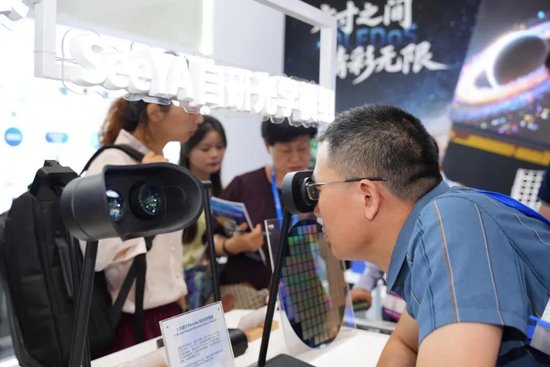
视涯科技冲刺科创板,以硅基OLED技术卡位XR赛道
Xin Lang Cai Jing· 2025-12-22 03:59
Core Viewpoint - The competition for the next generation of XR (AR/VR/MR) devices is intensifying, with display technology recognized as a critical factor. Visionary Technology, specializing in silicon-based OLED microdisplays, is positioned to capitalize on this opportunity as it prepares for its IPO on December 24, aiming to leverage its technological advancements in the XR industry [1][14]. Group 1: Industry Trends - The XR industry is expected to see a surge in new product releases by 2025, including various AR glasses, highlighting the increasing importance of display components [2][15]. - The demand for silicon-based OLED microdisplays is projected to grow significantly, with global shipments expected to rise from 6.365 million units in 2024 to 400 million units by 2030, reflecting a compound annual growth rate (CAGR) of 99.36% [4][17]. - The market for silicon-based OLED displays in XR devices is anticipated to grow from 2.837 million units in 2024 to 39.2 million units by 2030, with a CAGR of 127.4% [4][17]. Group 2: Company Developments - Visionary Technology has achieved significant technological breakthroughs, including advancements in silicon-based OLED strong microcavity technology and high-efficiency stacked OLED full-color technology, surpassing international competitors in key performance metrics [6][19]. - The company is uniquely positioned with a fully self-developed capability that integrates display chips, screens, and optical systems, allowing it to provide comprehensive XR solutions [6][19]. - Visionary Technology plans to raise 2.015 billion yuan through its IPO, with 1.609 billion yuan allocated for expanding its high-resolution silicon-based OLED microdisplay production line and 406 million yuan for R&D center development [8][21]. Group 3: Financial Performance - The company's revenue is projected to grow from 190 million yuan in 2022 to 280 million yuan in 2024, with a forecast of 469 million yuan in 2025, potentially exceeding 500 million yuan [10][26]. - In the first three quarters of 2025, the company reported a revenue of 293 million yuan, a 54.67% increase year-over-year, while reducing net losses by 10.25% [10][23]. - The company anticipates revenues of 2.26 billion yuan and 3.734 billion yuan in 2026 and 2027, respectively, indicating a trajectory of rapid growth [11][26].