
BASF

Search documents
Information Services Group(III) - 2025 Q2 - Earnings Call Transcript
2025-08-07 14:00
Financial Data and Key Metrics Changes - The company reported Q2 revenues of approximately $62 million, a 7% increase year-over-year, excluding results from the previously divested automation unit [6][22] - Adjusted EBITDA rose 17% to $8.3 million, with an adjusted EBITDA margin of 13.5%, up 240 basis points year-over-year [6][22] - Net income for the quarter was $2.2 million, or $0.04 per fully diluted share, compared to $2 million, or $0.04 per fully diluted share in the prior year [23] Business Line Data and Key Metrics Changes - Recurring revenues reached $28 million, up 7% sequentially, representing 45% of overall revenue [7] - AI-related revenue was 2.5 times higher than a year ago, accounting for nearly 20% of total revenue [8] - The Americas region saw revenues increase by 16% to $39.5 million, driven by growth in technology advisory and various industry verticals [15][22] Market Data and Key Metrics Changes - Europe experienced a 21% sequential revenue increase to $16.6 million, with double-digit growth in banking and health sciences [16][22] - Asia Pacific revenues were flat at $5.4 million compared to the prior year [22] - The company noted strong demand in the U.S. and an improving outlook in Europe, with inflation concerns being less severe than initially feared [19] Company Strategy and Development Direction - The company is focusing on AI and has made a strategic acquisition of Martino and Partners to enhance its capabilities in Italy [11][28] - The strategy includes expanding geographic reach and capabilities through tuck-in acquisitions, with a focus on recurring revenue streams [11][49] - The company aims to leverage AI to optimize technology use for clients, driving efficiency and cost savings [13][19] Management's Comments on Operating Environment and Future Outlook - Management expressed optimism about continued demand trends in Q3, driven by cloud, AI, and infrastructure modernization spending [20] - The company anticipates that interest rate cuts will stimulate further tech spending in the next twelve months, with AI as a long-term growth driver [19] - Management acknowledged ongoing uncertainty in Europe but noted that clients are adjusting and moving forward with investments [12][19] Other Important Information - The company generated nearly $12 million in cash during the quarter, marking one of its best cash generation quarters [7][27] - The headcount remained flat at 1,311, with consulting utilization at 76% [24] - The company has approximately $11 million remaining on its share repurchase authorization [25] Q&A Session Summary Question: Sustainability of strong cash generation - Management indicated that strong cash collections were due to improved invoicing and due dates, but does not expect the same level of cash generation in the second half [33] Question: Pipeline and customer engagement - Management noted an acceleration in client engagement, particularly in sectors like energy, utilities, and healthcare, with a full pipeline of opportunities [34][36] Question: Industry verticals leading AI activity - Key sectors driving demand include energy, utilities, banking, pharma, healthcare, and public sector, with significant growth observed [42][44] Question: Acquisition of Martino and Partners - The acquisition aims to enhance capabilities in Italy, particularly in public sector engagements, and is expected to close in early September [11][46] Question: Current state of AI infrastructure - Management described the market as being in the early stages of AI adoption, with ongoing efforts to help clients improve their data infrastructure [52] Question: Labor shortages related to AI - Management stated that they are not turning away business due to labor shortages, as they are utilizing automation and training existing staff [55][57] Question: Geographic performance expectations - The company expects the Americas to continue leading growth, with Europe anticipated to return to year-over-year growth in the second half [58][60] Question: Impact of end-to-end transformation deals on margins - Management indicated that AI-related projects are strongly priced, contributing to margin expansion, with a target of 300 basis points improvement year-over-year [62][63]

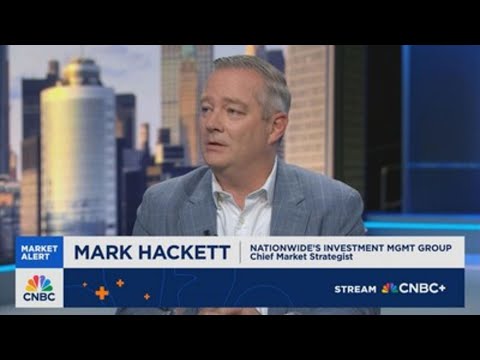
Hackett: Markets barely moved on tariff news; traders seem tired of the headlines.
CNBC Television· 2025-07-30 11:05
Hackett, chief market strategist at Nationwide's Investment Management Group. Mark good morning. Thanks for being here.Hi. Are there any, I guess, ramifications or implications, whichever word you want to use for the fact that the US and China, they haven't reached a deal and they're now looking to extend this, you know, temporary tariff reduction, truce, whatever you want to call it. >> Well, it seems overly simplistic, but I think the market is a very good scorecard in this regard.And the market really ha ...

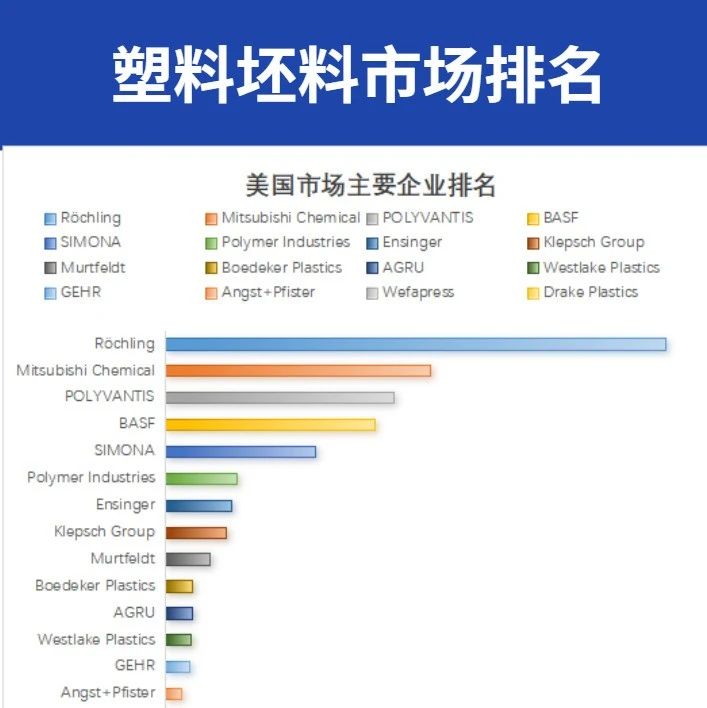
2024美国塑料坯料市场格局:前十强企业市占率21%
QYResearch· 2025-07-30 02:22
Core Viewpoint - The plastic semi-finished products market in the United States is projected to reach $7.191 billion by 2031, with a compound annual growth rate (CAGR) of 4.9% in the coming years [2]. Group 1: Market Overview - Plastic semi-finished products, also known as plastic blanks, are intermediate plastic materials that require further processing to become finished products, produced through methods such as extrusion, molding, or casting [1]. - The automotive sector shows significant demand for high-strength lightweight materials, primarily using reinforced nylon and polyoxymethylene (POM) for components like gears and bearings [1]. - The electrical and electronics industry relies heavily on precision plastic profiles, with polyphenylene sulfide (PPS) and polyether ether ketone (PEEK) being widely used due to their excellent dielectric properties and heat resistance [1]. - The construction sector is gradually replacing traditional materials with durable plastic sheets and profiles made from PVC, polycarbonate, and high-density polyethylene (HDPE) for applications such as windows and pipes [1]. - The mechanical engineering field extensively uses ultra-high molecular weight polyethylene (UHMW-PE) and acetal for prototyping and low-friction components, demonstrating superior performance compared to metals [1]. Group 2: Industry Segmentation - The medical health industry is a high-value segment for plastic profiles, with stringent requirements for medical-grade materials, driving innovation in biocompatible formulations [2]. - The aerospace sector requires ultra-high-performance plastic profiles that meet FAA and MIL-SPEC standards for flame-retardant lightweight composites used in cabin interiors and structural components [2]. - The current leading product type is sheets and blocks, accounting for approximately 35.1% of the market share [7]. - The automotive sector is the primary demand source, representing about 22.3% of the market share [9]. Group 3: Key Players - Major manufacturers in the U.S. plastic semi-finished products market include Röchling, Mitsubishi Chemical, POLYVANTIS, BASF, SIMONA, and others, with the top ten companies holding approximately 21.0% of the market share in 2024 [5].
工业化学品-中国会关闭老旧化工产能吗?Industrial Chemicals-China To Close Old Chemical Capacity
2025-07-25 07:15
Summary of Key Points from the Conference Call Industry Overview - **Industry**: Industrial Chemicals in Europe [1] - **Key Focus**: The call discusses the potential closure of old chemical capacity in China and its implications for the global chemical industry, particularly in Europe [2][3]. Core Insights - **China's Regulatory Actions**: The National Development and Reform Commission (NDRC) and other authorities in China are gathering data on petrochemical facilities over 20 years old, with plans to phase out 30-year-old capacity by 2030. This aims to alleviate overcapacity and promote industry consolidation [2]. - **Impact on Sentiment**: The prohibition of new capacity additions is viewed as a significant step to address oversupply, which is expected to positively influence market sentiment towards European chemical companies such as BASF, Wacker, Solvay, and Arkema [3]. - **Capacity Affected**: Approximately 25% of refining capacity and 14% of chemical capacity in China is expected to be impacted by the proposed regulations [4]. Company-Specific Insights - **BASF**: Upgraded to Overweight with a target price of €54, based on a DCF valuation and peer trading comparables [11]. The company is expected to benefit from improved market conditions due to regulatory changes in China [3]. - **Arkema**: Target price set at €97, indicating a favorable valuation with a 7% free cash flow yield based on 2025 estimates [8]. - **Solvay**: Target price of €30, with risks including a negative terminal growth rate and high costs for decarbonization [12]. - **Wacker Chemie**: Target price of €99, with significant upside potential if earnings expectations are met [15]. Risks and Considerations - **Upside Risks**: Include the maintenance of acrylic spreads, recovery in technical polymers, and favorable foreign exchange movements [9][13]. - **Downside Risks**: Potential liabilities related to PFAS in the US and failure to replace lost sales to Evonik [10][14]. - **Market Dynamics**: Geopolitical risks and fluctuations in commodity prices could impact feedstock costs and overall demand [14][17]. Conclusion - The regulatory changes in China are expected to have a ripple effect on the global chemical industry, particularly benefiting European companies by addressing overcapacity issues. The sentiment towards companies like BASF, Arkema, and Wacker Chemie is likely to improve as a result of these developments.
多资产 GOAL 下半年展望,本周的不同反应及关键研究-GS Equity Radar_ Multi-asset GOAL 2H outlook, mixed reactions and key research from the week
2025-07-19 14:57
Summary of Key Points from the Conference Call Industry Overview - **Chemicals and Industrials**: The chemicals sector experienced five profit warnings for FY25 from companies including BASF, Brenntag, Covestro, Solvay, and Fuchs SE, primarily due to weaker pricing and margins driven by oversupply in China and softer oil prices. The industrials sector showed mixed results, with some companies beating expectations while others missed, particularly in the electrical and construction segments [7][30]. Core Insights - **Market Sentiment**: Goldman Sachs' Risk Appetite Indicator has returned to more bullish levels, indicating a tactical neutral stance in asset allocation over the next three months, while maintaining a modestly pro-risk outlook for the next twelve months, particularly favoring equities [1]. - **Equity Strategy**: There is a preference for diversification across assets and regions, with a specific emphasis on European equities as the PEG ratio compared to the US has widened [1][7]. - **Profit Warnings**: The chemicals sector's profit warnings reflect broader market challenges, with BASF's muted share price reaction suggesting market anticipation of cuts. Conversely, Umicore's positive trading update stands out amid the negative sentiment in the sector [7][11][29]. Notable Company Performances - **Publicis**: Reported a significant 200 basis point beat on organic growth, attributed to market share gains, although shares fluctuated due to concerns over AI impacts [10]. - **Novartis**: Delivered strong results but saw a share price decline due to high expectations and pressures from generics and tariffs [10][33]. - **Luxury Sector**: Richemont reported strong results, particularly in the US and Middle East, indicating robust high-end demand, which supports a positive outlook for LVMH [11][31]. Investment Opportunities - **Nebius Group**: Initiated coverage with a Buy rating, highlighting a 25%+ price target upside due to its position in the AI Neocloud market [13][14]. - **UCB**: Initiated with a Buy rating, forecasting significant sales growth from its blockbuster drug Bimzelx, with peak sales expected to reach €7 billion by 2033 [16]. - **German Telcos**: Potential for increased mobile consolidation could lead to significant upside for companies like UTDI and 1&1 [23]. Risks and Considerations - **Dollar Depreciation**: The outlook for USD depreciation is expected to slow unless new catalysts emerge, such as deeper Fed cuts or movements in the Chinese Yuan [3][4]. - **Profit Expectations**: High expectations in sectors like pharmaceuticals may lead to muted market reactions despite strong earnings, as seen with Novartis [10][33]. Additional Insights - **Sector Trends**: The industrials sector showed a mix of strong and weak performances, with electrical names generally performing well while construction and mining sectors faced challenges [11][30]. - **Market Dynamics**: The luxury goods market is showing resilience, particularly in the US, while European markets face downside risks due to structural issues [36]. This summary encapsulates the key points discussed in the conference call, highlighting industry trends, company performances, investment opportunities, and associated risks.
X @Bloomberg
Bloomberg· 2025-07-18 20:36
BASF has asked bidders for its coatings business to submit offers next month after shortlisting suitors for the unit that could be worth €6 billion ($7 billion) or more in a deal, https://t.co/4b00NT0JTp ...
中科院天工所戴住波、张学礼:维生素A(视黄酸)高效酵母细胞工厂
合成生物学与绿色生物制造· 2025-07-16 13:18
Core Viewpoint - All-trans retinoic acid (ATRA) is a key active derivative of vitamin A with extensive clinical application value, but mainstream manufacturers like BASF and DSM still rely on traditional chemical synthesis methods, which pose environmental challenges and do not meet green chemistry requirements [1][3]. Group 1: Research Breakthroughs - The team from the Tianjin Institute of Industrial Biotechnology, Chinese Academy of Sciences, achieved a breakthrough by engineering Saccharomyces cerevisiae to produce ATRA at a fermentation yield of 1.84 g/L, providing a green solution for constructing a self-controlled vitamin industry chain [3][8]. - The research utilized a multi-faceted metabolic engineering strategy, optimizing chassis construction, module selection, cellular factory upgrades, and fermentation processes to achieve this yield [8]. Group 2: Metabolic Engineering Strategy - The initial focus was on creating a high-yield chassis for β-carotene, the precursor for ATRA, by screening genes from Xanthophyllomyces dendrorhous, leading to the construction of the Car09 strain with a β-carotene yield of 129.4 mg/L [5][6]. - The best combination for ATRA synthesis was identified as a β-carotene dioxygenase from marine bacteria and mouse retinaldehyde dehydrogenase, achieving 98.1 mg/L ATRA, although significant residual β-carotene indicated limitations in synthesis [6][7]. Group 3: Industrial Adaptation and Optimization - Four-dimensional collaborative modifications were implemented to address efficiency bottlenecks, including overexpressing transcription factors to enhance endoplasmic reticulum activity, balancing NADPH/NAD⁺ levels, and improving substrate supply, resulting in a 49.2% increase in ATRA yield [7][8]. - The development of a two-phase extraction fermentation process, combining glucose growth with ethanol and galactose induction, led to the successful production of ATRA at 1.84 g/L in a 5L fermenter [8]. Group 4: Industry Conference - The SynBioCon 2025 conference, scheduled for August 20-22 in Ningbo, will focus on the intersection of AI and biological manufacturing, exploring trends in green chemistry, new materials, future food, agriculture, and cosmetic ingredients [10][12].

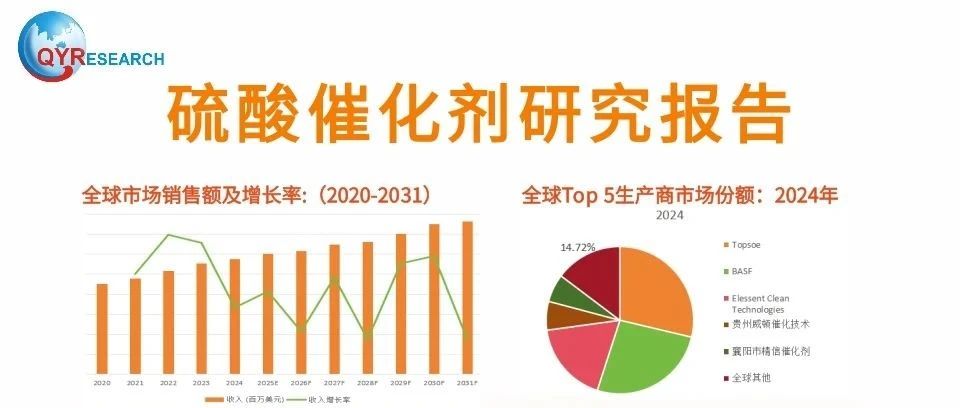
全球硫酸催化剂行业总体规模、主要企业国内外市场占有率及排名
QYResearch· 2025-07-16 09:00
Core Viewpoint - The sulfuric acid catalyst industry is experiencing stable growth driven by technological advancements, increasing demand from downstream industries, and stringent environmental regulations. The market is expected to grow from $287.06 million in 2024 to $381.74 million by 2031, with a CAGR of 4.08% from 2025 to 2031 [6][19]. Market Overview - The global sulfuric acid catalyst market is projected to reach $287.06 million in 2024 and $381.74 million by 2031, with a CAGR of 4.08% [6]. - China's market share is significant, accounting for approximately 34.59% in 2024, expected to rise to 36.73% by 2031 [6]. - Major production regions include China, Europe, the USA, and India, with China being the largest producer, holding a 34.89% market share in 2024, projected to increase to 39.38% by 2031 [6]. Product Types and Applications - Potassium-promoted catalysts are dominant, expected to capture 70.61% of revenue share by 2031. These catalysts enhance low-temperature activity, making them the mainstream product in industrial acid production [7]. - The contact process for sulfuric acid production is the primary application, with catalysts being essential for efficient SO₂ oxidation reactions [7]. Industry Characteristics - The sulfuric acid catalyst market is characterized by mature demand, driven by stable sulfuric acid production and consumption [12]. - Technological upgrades are leading to product iterations, focusing on catalyst performance improvements [12]. - The market is dominated by a few international giants and leading domestic companies, resulting in high market concentration [12]. Growth Drivers - The rapid growth of the new energy industry, particularly lithium iron phosphate (LFP) batteries, is expected to drive sulfur demand and catalyst evolution towards efficiency and sustainability [13]. - Infrastructure development in emerging markets is creating new demand for sulfuric acid, further boosting the catalyst market [14]. - Continuous technological advancements are enhancing catalyst performance, with increased R&D investments from major chemical companies [15]. Challenges - Fluctuations in raw material prices, particularly vanadium pentoxide (V₂O₅), pose a significant risk to the industry [17]. - Stricter environmental regulations are increasing production costs and necessitating the use of high-performance catalysts [17]. - The scarcity and high cost of cesium resources limit the widespread adoption of cesium-promoted catalysts [17]. Competitive Landscape - The top three global manufacturers, including Topsoe and BASF, hold approximately 72.84% of the market share [11]. - In China, leading companies like Xiangyang Jingxin Catalyst and Guizhou Weidun Catalyst Technology dominate the market, with the top three accounting for about 65.42% of the domestic market [11].
X @Bloomberg
Bloomberg· 2025-07-11 16:24
Financial Performance - BASF warned that earnings will come in lower than previously expected this year [1] Market Trends and Geopolitical Factors - US tariffs and geopolitical uncertainties weigh on demand [1]
巴克莱:关键原材料_强化供应链的三大策略
2025-07-07 15:44
Summary of Key Points from the Conference Call Industry Overview - The thematic focus is on **Critical Raw Materials (CRM)**, with emphasis on strategies to strengthen supply chains in Europe and the US, particularly in light of China's dominance in CRM mining and refining [1][2]. Core Strategies for CRM Supply Chain Resilience 1. **Substitution**: - Key materials like **copper** and **nickel** are highlighted for their substitutability in various applications, with ongoing demand for next-generation materials [4][10]. - The EU Commission supports strategic projects aimed at reducing dependency on critical materials, such as Umicore's project in Belgium and PCC Thorion's lithium-ion battery project [11][12]. 2. **Domestic Production**: - Europe and the US are fast-tracking local mining projects, which benefits mining equipment companies [8][22]. - The EU has announced **47 strategic projects** requiring a total capital investment of **€22.5 billion** to enhance domestic production capabilities [22]. 3. **Recycling**: - There is a growing focus on recycling rare earth metals, especially in light of the slump in EV battery recycling [9][38]. - Current recycling volumes for CRM like lithium and cobalt contribute less than **10%** of total supply, indicating a significant gap in meeting demand [38][41]. Market Dynamics and Challenges - The demand for critical minerals is driven not only by the green transition but also by advancements in AI and defense sectors [2]. - Export bans and tariff policies are disrupting supply chains, leading to increased prices for critical raw materials [2]. - The recycling market faces challenges such as insufficient volumes, high costs, and limited refining capacity, which hinder the growth of secondary supply [42][43]. Emerging Trends - **Deep-Sea Mining**: - The US views deep-sea mining as a potential source of CRM, with companies like The Metals Company seeking licenses for exploration [35][36]. - However, there is significant opposition from other countries advocating for bans or moratoriums on deep-sea mining due to environmental concerns [37]. - **Innovation in Substitution**: - The US Department of Energy is funding projects aimed at developing substitutes for critical minerals, such as a cerium-based magnet and alternatives to tungsten carbide [18][20]. - The focus on innovative materials is crucial for reducing reliance on traditional critical minerals [16]. Company Landscape - Approximately **60 listed companies** are involved in CRM substitution, exploration, and recycling, reflecting the importance of these pillars for supply chain resilience [1][48]. - Notable companies include **Albemarle** (lithium), **Anglo American** (copper), and **Umicore** (recycling technologies) [49]. Regulatory and Policy Environment - The EU and US are implementing policies to streamline permitting processes for critical mineral projects, aiming to enhance domestic production and reduce reliance on foreign sources [22][34]. - The EU's critical raw material list has been updated to include **34 materials**, reflecting ongoing changes in market dynamics and technological developments [54]. Conclusion - The CRM sector is undergoing significant transformation driven by geopolitical factors, technological advancements, and regulatory changes. The focus on substitution, domestic production, and recycling is critical for ensuring supply chain resilience and meeting future demand for critical minerals.