
OPPO

Search documents
大厂抢占硬件入口?继手机之后,字节AI眼镜或将跟上
Feng Huang Wang· 2025-12-05 02:00
Core Insights - The competition in the AI sector is shifting from large model parameters to the application of AI in hardware, with major companies vying for the next generation of hardware entry points [2][6] - AI glasses are emerging as a key terminal following smartphones, attracting interest from both startups and major internet companies [2][6] - The integration of AI capabilities into hardware is seen as essential for creating a closed-loop ecosystem, with companies like ByteDance and ZTE collaborating on AI assistant-enabled devices [2][6] Group 1: Industry Dynamics - Major internet companies are racing to establish their presence in the AI hardware market, with the "entry point" being a critical competitive advantage [2][12] - The AI assistant capabilities are being tested in various applications, but face challenges due to strict regulations from major apps like WeChat, which restrict automated operations [10][12] - The integration of AI with hardware is expected to redefine user interaction, potentially leading to a future where devices operate based on user intent without traditional interfaces [6][12] Group 2: Company Strategies - ByteDance's collaboration with ZTE on the "Doubao AI Assistant" smartphone aims to enhance user experience by enabling advanced functionalities like game automation and smart device control [2][7] - Alibaba's launch of the Quark AI glasses, featuring the Qianwen assistant, marks its entry into the AI hardware space, emphasizing voice control capabilities [6][14] - Baidu leverages its search capabilities to enhance the functionality of AI glasses, allowing for voice-activated information retrieval, positioning itself uniquely in the market [15] Group 3: Challenges and Opportunities - The lack of hardware expertise among internet giants poses significant challenges in developing competitive AI hardware products [13][14] - Despite the challenges, companies like ByteDance and Alibaba have unique advantages, such as user traffic and established B2B relationships, which could facilitate their success in the hardware market [14][15] - The ongoing competition and regulatory hurdles highlight the need for companies to navigate the complex landscape of app permissions and user privacy while developing AI-enabled devices [11][12]

大厂抢占硬件入口!继手机之后 字节AI眼镜或将跟上
Xin Lang Cai Jing· 2025-12-05 01:21
Core Viewpoint - The competition in the AI sector is shifting from large model parameters to the application of AI hardware and software, with major companies vying for the next generation of hardware entry points, particularly AI glasses [1][2]. Group 1: AI Hardware Competition - Major companies like Alibaba, ByteDance, and Baidu are rapidly developing AI glasses to establish a foothold in the AI hardware market, indicating a strategic shift towards integrating AI capabilities into consumer electronics [1][2]. - The AI glasses are seen as the next critical terminal after smartphones, with various startups and major firms entering the market to capture user engagement [2][6]. - The collaboration between ByteDance and ZTE on the "Doubao AI Assistant" smartphone exemplifies the trend of integrating AI capabilities into hardware, aiming to create a closed-loop system with smartphones and AI glasses [2][6]. Group 2: Challenges and Limitations - Current technological limitations prevent AI glasses from functioning independently of smartphones, necessitating a reliance on mobile devices for most operations [2][6]. - The integration of AI assistants with popular applications like WeChat faces significant regulatory hurdles, as seen with the restrictions imposed on the "Doubao AI Assistant" when interacting with WeChat [7][10]. - The competitive landscape is complicated by the need for hardware manufacturers to navigate the interests of app developers, which can lead to conflicts over user data and application access [11][12]. Group 3: Market Dynamics and Future Prospects - The entry of internet giants into the hardware space raises questions about their long-term sustainability, especially given the high R&D costs and the potential for low returns on investment [12]. - Despite skepticism regarding their hardware capabilities, companies like ByteDance and Alibaba leverage their existing user bases to drive hardware sales, potentially offsetting some of the risks associated with hardware development [12][13]. - Baidu's strength in search capabilities positions it uniquely in the AI glasses market, as it can enhance the functionality of these devices through superior information retrieval [13].
21社论丨打造世界级展会,链接全球创新力量
21世纪经济报道· 2025-12-05 00:29
Core Viewpoint - The 2025 Global Intelligent Machinery and Electronic Products Expo (AIE) is held in a groundbreaking "dual-city" model in Macau and Zhuhai, showcasing over 1,000 enterprises across a total exhibition area of 70,000 square meters, highlighting the significance of the intelligent machinery and electronics industry as a key driver of future economic development [1][3]. Group 1: Industry Context - The global technological revolution and industrial transformation are reshaping competitive landscapes, with the intelligent machinery and electronics sector being a core engine for future development [1]. - China is the largest manufacturing country and consumer market for the intelligent machinery and electronics industry, with Guangdong province being a hub for consumer electronics, smart home appliances, high-end equipment, and new energy vehicles [1]. - Guangdong produces 40% of the world's smartphones, 70% of consumer-grade drones, one-third of industrial robots, one-quarter of new energy vehicles, and one-fifth of integrated circuits [1]. Group 2: Exhibition Significance - The AIE aims to fill the gap of a major international exhibition platform in China, which lacks a globally influential large-scale exhibition despite being the largest manufacturing base and consumer market for electronics and home appliances [2]. - The success of international exhibitions like CES and IFA is attributed to the strong industrial foundation and historical advantages of Western countries, which have established these events as key platforms for defining industry futures and accelerating technological evolution [2]. Group 3: AIE's Unique Model - The AIE's "dual-city" model enhances its functionality, with the Macau venue focusing on trade connections and international exchanges, while the Zhuhai venue emphasizes manufacturing implementation and application scenarios [3]. - This design aligns with AIE's positioning as a "technology barometer, global meeting place, and industry accelerator," serving as a hub for supply chain communication and rapid marketization of technologies [3]. Group 4: Future Prospects - The establishment of a world-class exhibition brand like AIE requires long-term industrial accumulation, market cultivation, and brand building, which China is now poised to achieve [4]. - AIE is positioned to leverage the strong momentum of the Guangdong-Hong Kong-Macao Greater Bay Area, aiming to become a globally influential professional platform that leads technological trends [4].





小K播早报|国产GPU两大龙头一申购一上市 豆包手机二代产品或2026年底出货
Xin Lang Cai Jing· 2025-12-05 00:12
《科创板日报》12月5日讯 今日科创板早报主要内容有:商务部:中国政府依法依规开展稀土相关物项 出口管制;中国贸促会会长任鸿斌率团出席美国半导体行业协会;巴西:TikTok将在巴投建其在拉美地 区首座数据中心。 《科创板日报》主播小K为您播报。 市场动态 商务部:中国政府依法依规开展稀土相关物项出口管制 今天下午,商务部召开例行新闻发布会,新闻发言人就开展稀土相关物项出口管制进行了回应。商务部 新闻发言人何亚东:中国政府依法依规开展稀土相关物项的出口管制工作,据我所知,只要是用于民用 用途的,合规的出口申请,中国政府都及时予以了批准。同时,中国政府积极适用通用许可等便利化措 施,促进两用物项合规贸易,切实维护全球产供链的安全稳定。 中国贸促会会长任鸿斌率团出席美国半导体行业协会及会员企业座谈会 据中国贸易报,12月3日,中国贸促会会长任鸿斌率中国企业家代表团出席美国半导体行业协会及会员 企业座谈会,与美国半导体行业协会总裁兼首席执行官诺伊弗就推动中美半导体领域合作、深化多边领 域合作、维护全球产业链供应链稳定畅通等议题深入交流。美国半导体行业协会全球政策副总裁桑顿, 以及高通公司、格芯公司、安森美半导体公司、 ...



豆包不造手机,“华米OV”也不会交出“灵魂”
阿尔法工场研究院· 2025-12-05 00:07
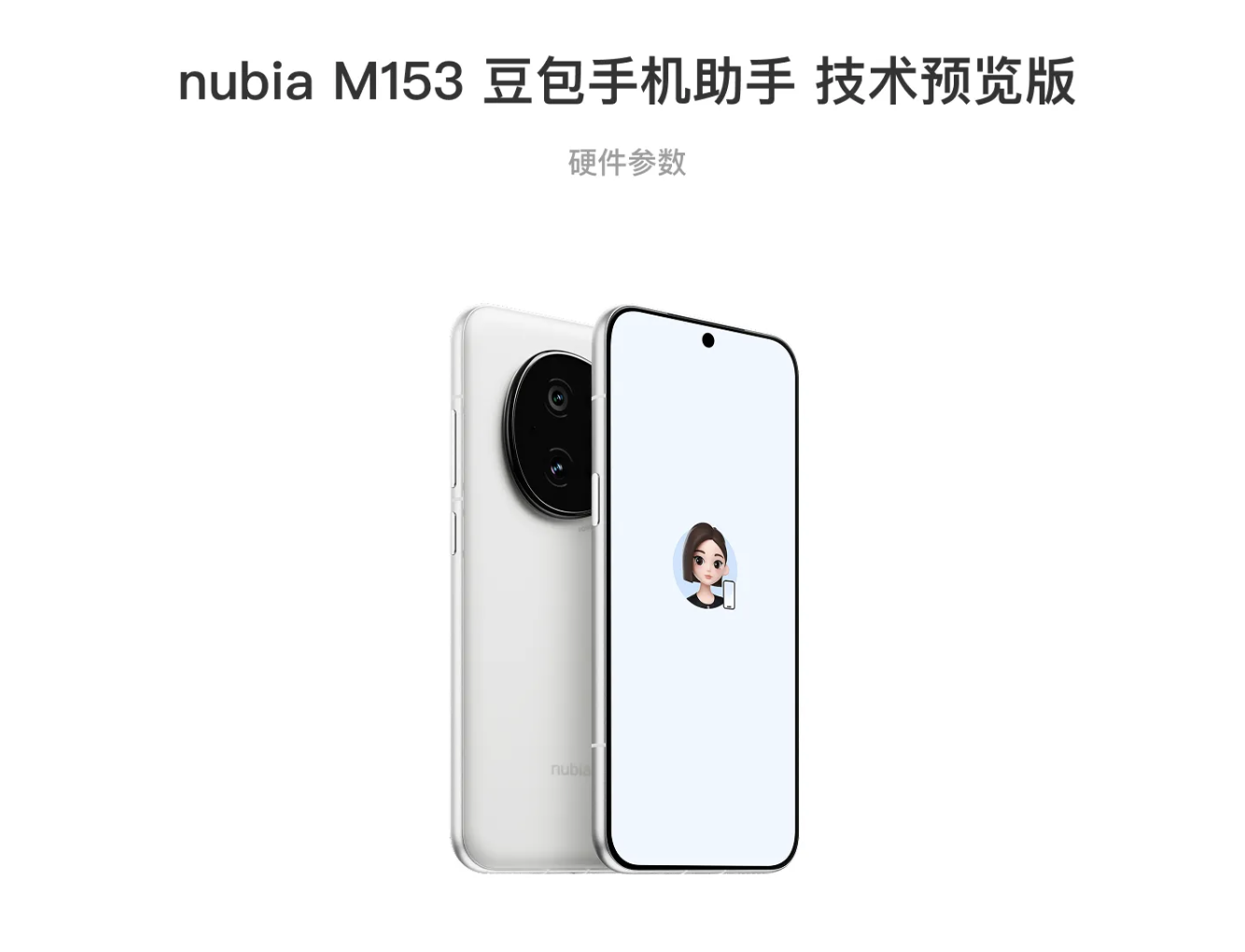
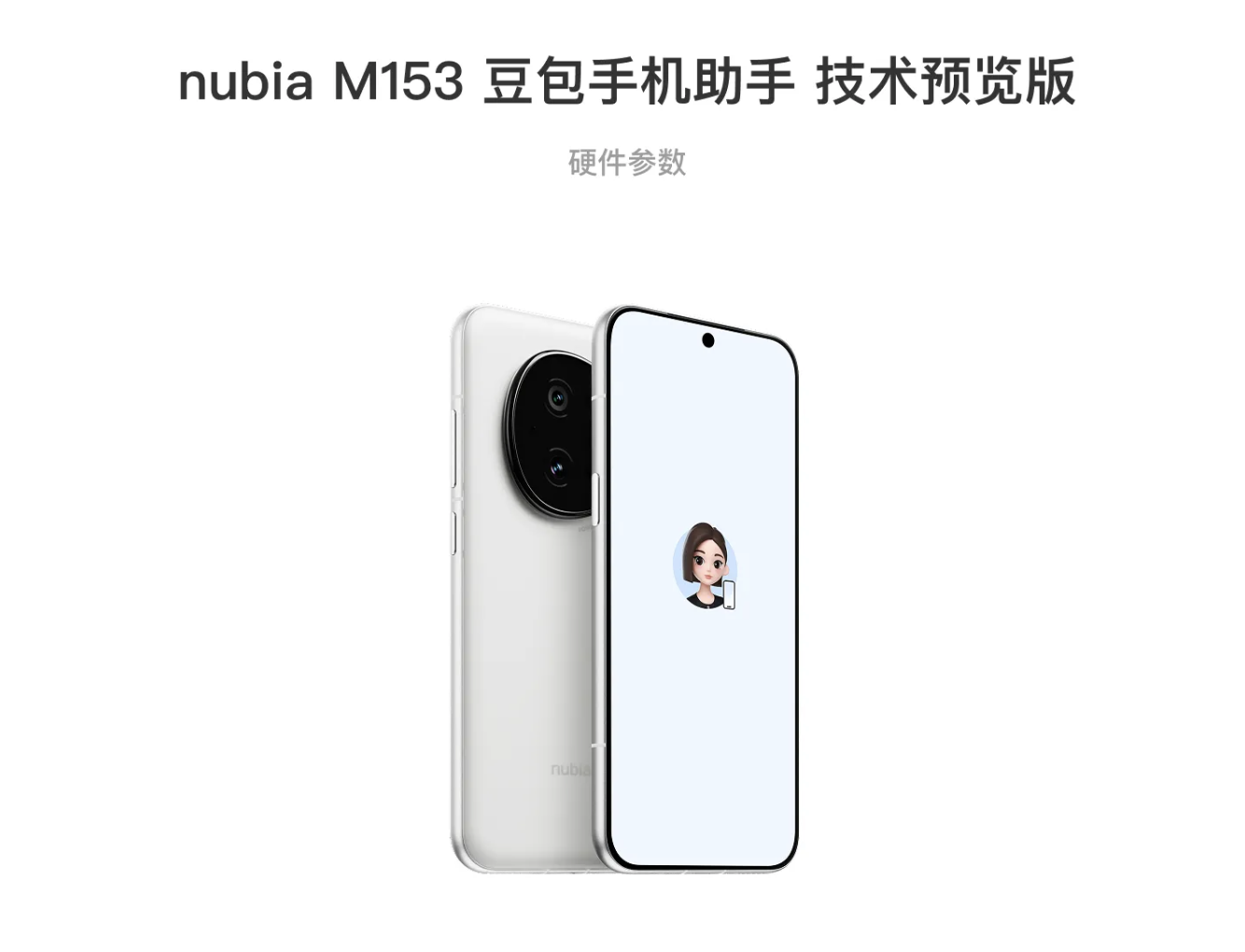
Core Viewpoint - The launch of the "Doubao Phone Assistant" by ByteDance marks the beginning of a transformative era in the consumer electronics industry driven by AI capabilities, significantly impacting the market and technology landscape [3][4]. Product Overview - The "Doubao Phone Assistant" is built on the Doubao app and collaborates with smartphone manufacturers at the operating system level, offering enhanced user interaction and experience through advanced AI capabilities [5]. - The first device featuring this technology, the Nubia M153, is priced starting at 3499 yuan and is positioned as a limited release for developers and tech enthusiasts, with an initial stock of 500,000 units [11][14]. User Interaction Redefined - The Doubao Phone Assistant redefines human-computer interaction by enabling complex task execution across applications autonomously, moving beyond traditional passive AI assistants [5][9]. - It features a unique Pro mode that utilizes personalized memory to generate solutions based on user preferences, evolving from mere command execution to proactive need anticipation [7]. Market Dynamics - The introduction of the Doubao Phone Assistant shifts the user interface paradigm from a matrix of apps to a centralized AI-driven service hub, enhancing operational efficiency [9][10]. - This innovation blurs the lines between an assistant and an operating system, positioning the Doubao Assistant as a potential core component in the AI-driven future of mobile technology [10][25]. Industry Implications - The collaboration between Doubao and Nubia represents a new model of cooperation between AI algorithm developers and hardware manufacturers, potentially accelerating the development of AI smartphones [20]. - The entry of Doubao into the AI smartphone market challenges existing players like Apple and Google, who are also integrating AI capabilities into their operating systems to maintain their market dominance [21][26]. Competitive Landscape - The Doubao Phone Assistant's launch allows smaller manufacturers like Nubia to leverage AI technology for competitive advantage, while larger firms may need to enhance their own AI capabilities to avoid becoming mere hardware providers [22]. - The evolving landscape suggests that traditional operating system providers will need to adapt by embedding AI functionalities deeply into their systems to counter the rise of third-party AI assistants like Doubao [26].
打造世界级展会,链接全球创新力量
2 1 Shi Ji Jing Ji Bao Dao· 2025-12-04 22:56
Group 1 - The 2025 Global Intelligent Machinery and Electronic Products Expo (AIE) is being held in a groundbreaking "dual-city" model in Macau and Zhuhai, featuring an exhibition area of 70,000 square meters and over 1,000 participating companies from various countries and regions [1] - The intelligent machinery and electronics industry is a core engine of the new technological revolution and industrial transformation, with China being the largest manufacturing and consumer market globally, particularly in Guangdong, which is a hub for consumer electronics, smart home appliances, high-end equipment, and new energy vehicles [1][3] - Guangdong produces 40% of the world's smartphones, 70% of consumer drones, one-third of industrial robots, one-quarter of new energy vehicles, and one-fifth of integrated circuits, housing major companies like Huawei, BYD, Midea, GAC, TCL, OPPO, and vivo [1] Group 2 - The success of international exhibitions like CES and IFA is attributed to the industrial foundation, historical opportunities, clear positioning, and open ecosystems, which China currently lacks despite being the largest manufacturing base and consumer market [2] - AIE's innovative "dual-city" model enhances the exhibition's functionality, with Macau focusing on trade connections and international exchanges, while Zhuhai emphasizes manufacturing implementation and application scenarios, providing an efficient platform for companies to communicate with the global supply chain [3] - The establishment of a world-class exhibition brand requires long-term industrial accumulation, market cultivation, and brand building, and AIE is positioned to become a leading professional platform leveraging the strong momentum of the Guangdong-Hong Kong-Macao Greater Bay Area [4]
21社论丨打造世界级展会,链接全球创新力量
2 1 Shi Ji Jing Ji Bao Dao· 2025-12-04 22:40
Core Insights - The 2025 Global Intelligent Machinery and Electronics Products Expo (AIE) is being held in a groundbreaking "dual-city" format in Macau and Zhuhai, featuring over 1,000 companies and covering an exhibition area of 70,000 square meters [1] - The intelligent machinery and electronics industry is a key area for future development, with China being the largest manufacturing and consumer market globally, particularly in Guangdong, which is a hub for consumer electronics and high-end equipment [1][3] - Guangdong produces 40% of the world's smartphones, 70% of consumer drones, one-third of industrial robots, a quarter of new energy vehicles, and one-fifth of integrated circuits, housing major companies like Huawei, BYD, and TCL [1] Industry Context - Historically, major global electronics exhibitions like CES and IFA have set industry trends, but China lacks a similarly influential platform despite being the largest manufacturing base [2] - The success of these exhibitions is rooted in the strong industrial foundation and innovative companies in their host countries, which provide content and vitality to the events [2] - A top-tier exhibition serves as an extension of a country's industrial cluster, creating a positive feedback loop that enhances both the exhibition and the industry [2] AIE's Strategic Positioning - AIE's location in the Guangdong-Hong Kong-Macau Greater Bay Area positions it as a leader in intelligent machinery and electronics, with local companies integrating into global supply chains [3] - The innovative "dual-city" model of AIE enhances its functionality, with Macau focusing on trade and international exchange, while Zhuhai emphasizes manufacturing and application scenarios [3] - AIE aims to be a technology trendsetter, a global meeting place, and an industry accelerator, facilitating communication within the global supply chain and promoting rapid marketization of technologies [3] Future Prospects - The success of CES and IFA is attributed to a combination of industrial foundation, historical opportunity, clear positioning, and an open ecosystem [4] - China has the necessary conditions to create a world-class exhibition brand, and AIE is poised to become a leading platform for technological trends with global influence [4]
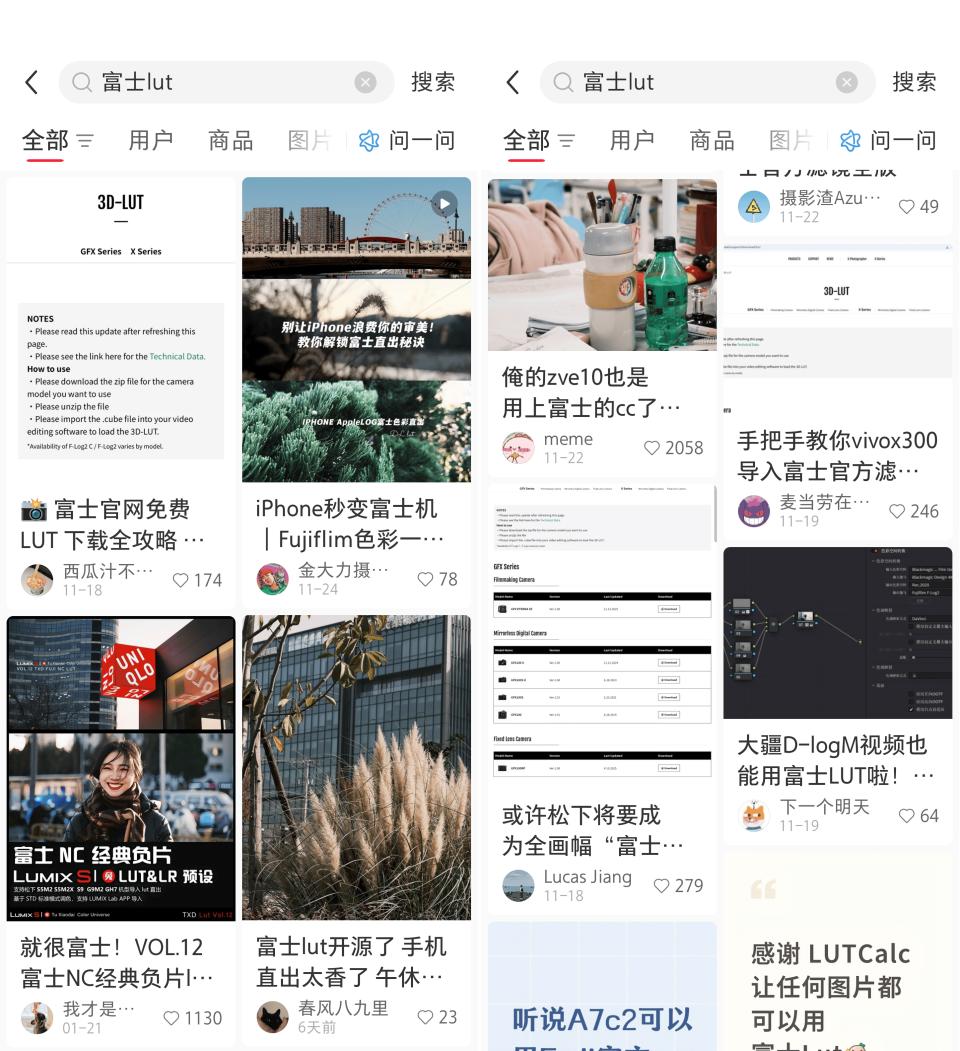
富士免费开放LUT方案,“富士味”烂大街后,手机影像何去何从?
3 6 Ke· 2025-12-04 10:26
(图片来源:雷科技制图) 简单来说,富士将自己最大的卖点——色彩,无偿贡献给了所有用户,站在传统相机的视角,这波操作不难理解:过去只有买富士机身 才能体验到的那套色彩,现在只要你愿意折腾,用别家支持LUT的相机、甚至用视频软件,也能在后期把画面往「富士味」上拉。这相 当于主动将自己的色彩话语权,从单一硬件扩展到更广阔的影像生态中。 但对手机行业来说,这个影响可大可小。毕竟这几年,很多手机在影像宣传上都玩过类似套路:什么「胶片模式」、「日系滤镜」、 「富士风格」,再把 UI 界面做得复古一点,很容易就堆砌出「情绪」「质感」这类所谓的体验感。 而如今富士亲自下场,把正宗 LUT 直接免费放出。有人会问:那手机上那些「仿富士滤镜」还站得住吗?而失去「模仿标杆」的手机 影像,又该走向何方? 「仿富士」不重要了,手机回归影像基本功 可能很多读者都不知道,其实当前主流旗舰手机早已具备专业影像创作的基础能力,iPhone、小米、OPPO、vivo 等影像旗舰早已支持 10-bit Log视频拍摄,部分机型甚至开放了LUT导入接口,这意味着从技术层面来说,手机也可以拿到更接近「原味富士」的画面。但实 际情况是,不管手机滤镜名 ...
昀冢科技:公司消费电子产品主要应用在智能手机摄像头中的音圈马达VCM和摄像头模组CCM中
Zhi Tong Cai Jing· 2025-12-04 09:08
Core Viewpoint - The stock of Yunzhong Technology (688260.SH) experienced a significant price drop, with a cumulative decline of 30% over three consecutive trading days, indicating abnormal trading fluctuations [1] Company Overview - Yunzhong Technology is primarily engaged in the research, design, production, and sales of products in the fields of consumer electronics, electronic ceramics, and automotive electronics [1] - The company's main business remains unchanged, focusing on consumer electronics, particularly in the production of voice coil motors (VCM) and camera modules (CCM) used in smartphone cameras [1] Clientele and Applications - The consumer electronics products are mainly applied in the smartphone camera sector, serving major brands such as Huawei, Xiaomi, OPPO, VIVO, and Honor [1] Disclosure and Compliance - The company conducted a self-inspection and confirmed with its controlling shareholder and actual controller that, as of the announcement date, there are no undisclosed significant matters apart from those already disclosed [1]
昀冢科技:公司消费电子产品主要应用于华为等主流品牌智能手机
Xin Lang Cai Jing· 2025-12-04 09:00
Core Viewpoint - The stock of Yunzhong Technology experienced an abnormal trading fluctuation, with a cumulative decline of 30% over three consecutive trading days from December 2 to December 4, 2025 [1] Company Overview - Yunzhong Technology is primarily engaged in the research, design, manufacturing, and sales of products in the fields of consumer electronics, electronic ceramics, and automotive electronics [1] - The company's main business remains unchanged, focusing on consumer electronics, particularly in the production of voice coil motors (VCM) and camera modules (CCM) used in smartphone cameras [1] Key Clients - The consumer electronics products are primarily applied in smartphones from major brands such as Huawei, Xiaomi, OPPO, VIVO, and Honor [1]