
Neuralink

Search documents
马斯克:特斯拉正在训练新的FSD模型,xAI将于下周开源Grok 2
Sou Hu Cai Jing· 2025-08-06 10:05
Core Insights - Musk announced that his AI company xAI will open source its flagship chatbot Grok 2's source code next week, continuing its strategy of promoting transparency in the AI field [1][3] - Grok 2 is built on Musk's proprietary Grok-1 language model and is positioned as a less filtered and more "truth-seeking" alternative to ChatGPT or Claude, with the ability to pull real-time data from the X platform [1][3] - The chatbot offers multimodal capabilities, generating text, images, and video content, and is currently available to X Premium+ subscribers [3] Group 1 - The core competitive advantage of Grok 2 lies in its deep integration with the X platform, allowing it to respond uniquely to breaking news and trending topics [3] - The open-sourcing of Grok 2 will enable developers and researchers to access its underlying code and architecture, facilitating review, modification, and further development based on this technology [3] - This strategic move may strengthen Musk's business network and create integration possibilities among his companies, including Tesla, SpaceX, Neuralink, and X [3] Group 2 - The decision to open source Grok 2 aligns with the industry's trend towards open-source AI models, positioning xAI as a counterbalance to major AI companies like OpenAI, Google, and Anthropic [4] - However, Grok's relatively lenient content restriction policies have previously sparked controversy, raising concerns about the potential amplification of risks associated with open-sourcing [4] - There are industry worries regarding the misuse of this technology in sensitive areas such as medical diagnostics or autonomous driving systems, which could lead to severe consequences [4]



强脑科技拟融资1亿美元,估值13亿美元启动港股或A股IPO
Sou Hu Cai Jing· 2025-08-06 08:43
港股研究社讯,据彭博社消息,强脑科技目前正就以超13亿美元的估值筹集资金展开洽谈,后续或选择 在香港或中国内地进行首次公开募股(IPO)。 有知情人士透露,这家由哈佛校友韩璧丞于2015年创立的公司,正在洽谈获取约1亿美元的IPO前融资 事宜。 该知情人士还称,这家初创企业已着手准备上市相关文件,不过上市地点及其他细节尚未确定。目前, 有关融资和IPO的讨论仍存在诸多变数,具体细节可能会随市场状况的改变而调整。截至目前,强脑科 技的代表尚未对相关置评请求作出回应。 强脑科技由哈佛大学校友韩璧丞于2015年正式创办。该公司与埃隆·马斯克(Elon Musk)旗下的脑机接 口企业Neuralink在业务领域存在竞争关系。强脑科技和DeepSeek等公司一同被并称为杭州"六小龙",其 主要业务聚焦于开发仿生肢体技术以及人脑控制计算机的相关技术。 ...
X @Tesla Owners Silicon Valley
Tesla Owners Silicon Valley· 2025-08-06 07:28
RT Tesla Owners Silicon Valley (@teslaownersSV)We sat down with Rob Greiner (@greiner_ro52817), @neuralink's 6th patient 🧠, for a candid conversation about his journey, from injury to implant, and how BCI tech is transforming his life.🎙️ Hosted by John Stringer & Stephen Pallotta https://t.co/wPZYun3nbv ...
X @Tesla Owners Silicon Valley
Tesla Owners Silicon Valley· 2025-08-05 18:20
RT Tesla Owners Silicon Valley (@teslaownersSV)We sat down with Rob Greiner (@greiner_ro52817), @neuralink's 6th patient 🧠, for a candid conversation about his journey, from injury to implant, and how BCI tech is transforming his life.🎙️ Hosted by John Stringer & Stephen Pallotta https://t.co/wPZYun3nbv ...
马斯克脑机公司对手,强脑科技拟IPO前融资估值超13亿美元
Feng Huang Wang· 2025-08-05 06:57
Group 1 - The core viewpoint of the article highlights that Zhejiang Qiangnao Technology is negotiating financing with a valuation exceeding $1.3 billion, potentially leading to an IPO in Hong Kong or mainland China [1] - Qiangnao Technology, founded by Harvard alumnus Han Bicheng in 2015, competes with Elon Musk's Neuralink and is part of the "Six Little Dragons" in Hangzhou, focusing on developing bionic limbs and brain-computer interface technologies [1] - The company is reportedly in talks for approximately $100 million in pre-IPO financing and has begun preparing the necessary documents for listing, although specific details regarding the listing location remain undecided [1] Group 2 - The financing activities of Qiangnao Technology reflect a growing interest among investors in a new generation of startups aiming to disrupt the technology sector and advance innovations in AI and robotics [1] - Qiangnao Technology is not the only Chinese startup challenging Neuralink; for instance, Shanghai Jieti Medical completed a Series B financing of 350 million RMB (approximately $48.7 million) earlier this year and initiated China's first clinical trial for an invasive brain-computer interface [1] - Han Bicheng indicated in an interview that the company is considering expanding its business into Hong Kong [1]
X @Bloomberg
Bloomberg· 2025-08-05 06:04
BrainCo, a startup aiming to compete with Elon Musk’s Neuralink, is in talks to raise funds at a valuation of more than $1.3 billion ahead of a potential initial public offering in Hong Kong or mainland China https://t.co/J1wVCTQSdz ...
苹果「脑控」iPad 首次公开演示:四肢瘫痪的他,用一个念头重新拥抱世界
3 6 Ke· 2025-08-05 05:38
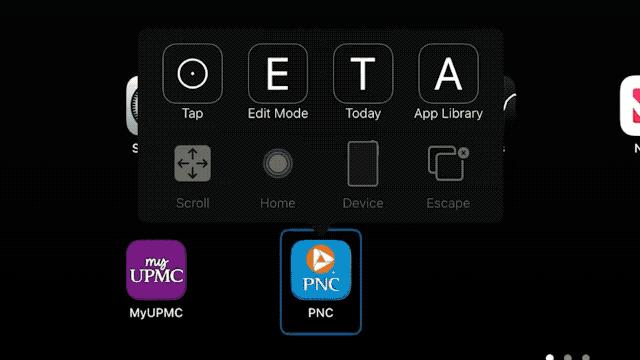
Core Insights - The article discusses the groundbreaking development of brain-computer interface (BCI) technology by Synchron, which allows ALS patients to control Apple devices using their thoughts, marking a significant advancement in assistive technology [3][4][5]. Group 1: Technology Overview - Synchron's Stentrode is a minimally invasive brain-computer interface that captures neural signals through a micro-stent implanted in the brain's blood vessels, enabling users to control digital devices [3][5][18]. - The BCI HID (Brain-Computer Interface Human Interface Device) protocol introduced by Apple integrates brain signals as a native input method alongside touch, keyboard, and voice, facilitating a new form of interaction with Apple devices [7][11][21]. - The system provides visual feedback to users, allowing them to see the strength of their neural signals and make precise selections on their devices [11][13]. Group 2: User Experience - Mark Jackson, an ALS patient, is one of the first users of Stentrode, and he has reported significant improvements in his ability to interact with technology, including sending messages and controlling applications [9][30]. - The integration of AI, such as GPT-4o, enhances the BCI experience by predicting user needs and providing contextual options, making the interaction more intuitive and efficient [26][29][32]. - Synchron aims to make BCI technology as ubiquitous as keyboards and mice, focusing on improving the quality of life for individuals with severe mobility impairments [9][21][33]. Group 3: Market Potential - There are approximately 150,000 potential users in the U.S. with severe upper limb disabilities who could benefit from BCI technology, highlighting a significant market opportunity for Synchron [33]. - The global prevalence of spinal cord injuries, which affects around 15.4 million people, further underscores the demand for innovative assistive technologies like BCI [33][35]. Group 4: Competitive Landscape - Synchron's approach contrasts with Neuralink's invasive methods, as Stentrode offers a safer, less risky alternative for patients who cannot undergo traditional brain surgery [14][21][22]. - The collaboration between Synchron and Apple is seen as a pivotal moment in the BCI field, emphasizing the importance of safety and user experience in technology development [21][33].

苹果“脑控”iPad 首次公开演示:用一个念头重新拥抱世界
Hu Xiu· 2025-08-05 05:11
Core Insights - The article discusses the groundbreaking demonstration of a brain-computer interface (BCI) technology that allows individuals with severe physical disabilities, such as ALS patients, to control Apple devices using their thoughts [1][3][4]. Group 1: Technology Overview - Mark Jackson, an ALS patient, is among the first to use Synchron's Stentrode, a brain-machine interface that captures neural signals through a minimally invasive procedure [3][6]. - The BCI HID (Brain-Computer Interface Human Interface Device) protocol introduced by Apple integrates brain signals as a native input method alongside touch, keyboard, and voice [4][8]. - Stentrode operates by being implanted in the brain's blood vessels, capturing signals that are then interpreted to control digital devices [6][34]. Group 2: User Experience and Impact - Jackson has successfully learned to perform complex tasks such as launching applications and sending messages using only his thoughts, significantly enhancing his quality of life [12][15]. - The BCI HID provides visual feedback to users, allowing them to see the strength of their neural signals and improve their focus during interactions [19][20]. - Synchron aims to make BCI technology as ubiquitous as keyboards and mice, emphasizing the importance of standardized interaction protocols [17][18]. Group 3: Competitive Landscape - The article contrasts Synchron's approach with Elon Musk's Neuralink, highlighting Synchron's non-invasive method versus Neuralink's invasive techniques [26][41]. - While Neuralink's device has more electrodes for capturing data, Synchron's Stentrode offers a safer and less invasive alternative, which may appeal to a broader audience [39][42]. Group 4: Future Developments - Synchron is working on integrating AI technologies, such as GPT-4o, to enhance the functionality of their BCI systems, allowing for more intuitive user interactions [48][51]. - The company plans to establish BCI HID as a cross-platform standard, enabling seamless integration of BCI devices into the digital ecosystem [24][60]. - As of now, Synchron has implanted Stentrode in several patients, with estimates suggesting a significant potential user base among individuals with severe upper limb disabilities [61][62].
只用意念操控iPad!苹果借助脑机接口首次实现“思维驱动”
Jin Shi Shu Ju· 2025-08-05 03:08
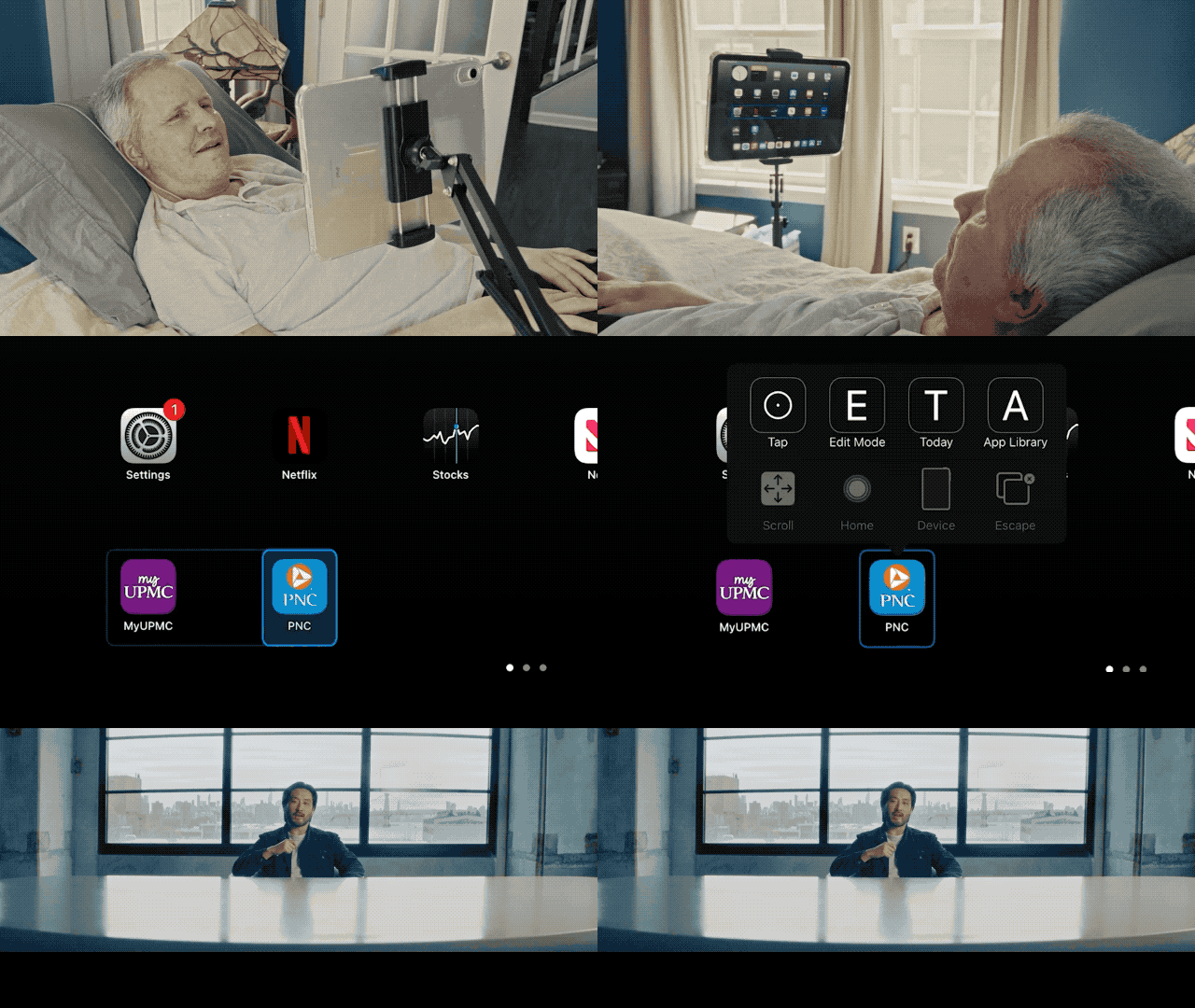
Core Insights - Synchron, a brain-computer interface developer, showcased a video demonstrating a patient with ALS controlling an iPad using thoughts, marking the first native thought-driven control of Apple devices [2][4] - The project utilizes a new device interface protocol introduced by Apple in May, allowing brain input signals from Synchron's Stentrode implant to be converted into operational commands for iPhone, iPad, and Vision Pro [4] - Synchron's CEO, Tom Oxley, emphasized that this technology represents a breakthrough in human-computer interaction, with cognitive input expected to become a mainstream control method in the future [4] Company Developments - Synchron's Stentrode device is implanted via a minimally invasive procedure, avoiding traditional open-brain surgery risks, and reads brain signals to translate them into screen interactions [4] - Earlier reports indicated that Apple was collaborating with Synchron to develop technology enabling users to control devices through brain signals, aimed at assisting individuals with severe spinal injuries or diseases [5] - The anticipated release of new technical standards by Apple later this year is expected to enhance the functionality and accessibility of brain-computer interfaces [5] Market Potential - Morgan Stanley estimated that approximately 150,000 individuals in the U.S. with severe upper limb disabilities could be potential early users of brain-computer interface devices [6] - Synchron has implanted the Stentrode device in at least 10 individuals since 2019, with expectations for commercial approval of such devices by 2030, although Oxley believes Synchron may achieve approval sooner [6]

美国女子瘫痪20年后植入马斯克公司脑部芯片,靠意念写下自己名字
Xin Lang Cai Jing· 2025-08-04 18:18
Core Insights - A woman in the U.S. who has been paralyzed for 20 years successfully implanted a brain chip developed by Elon Musk's company, allowing her to write her name using only her thoughts [1] Group 1 - The brain chip technology represents a significant advancement in neurotechnology, showcasing the potential for restoring communication abilities in individuals with severe disabilities [1] - This case highlights the practical applications of brain-computer interfaces (BCIs) in improving the quality of life for patients with paralysis [1] - The successful demonstration of writing through thought could pave the way for further developments in assistive technologies and rehabilitation methods [1]
