
太保寿险

Search documents
险资购金试点一周年:配置克制 显“耐心资本”本色
Bei Jing Shang Bao· 2026-02-10 16:05
政策闸门开启一年后,曾被认为将汹涌入市的近2000亿元保险资金,在黄金市场的巨浪前展现出了怎样 的配置策略?2月10日,北京商报记者了解到,保险资金投资黄金业务试点已开展一周年,获批开展试 点的10家保险公司中,6家完成了上海黄金交易所的入会手续,真正迈入了直接投资的大门。更为关键 的是,即便已经入场的机构,其落下的棋子也极为审慎,与市场一度期待的"长期重量级买家"形象相去 甚远。 一边是理论上的广阔投资空间,另一边是实际运作中的克制。在刚刚经历了历史性高位与剧烈震荡的黄 金市场面前,保险资金这番选择背后,究竟是基于对后市风险的警惕,还是暴露出其作为"市场新兵"在 专业能力与内部机制上的短板? 试点周年:克制入场 2025年2月7日,国家金融监督管理总局发布《关于开展保险资金投资黄金业务试点的通知》(以下简称 《通知》),正式批准包括人保财险在内的10家保险公司开展黄金投资业务试点。 尽管黄金投资闸门已经打开一年,北京商报记者了解到,保险资金并未在一路疯涨中"追高",对黄金的 投资较为审慎,更多处于试水阶段。 回顾来看,政策落地后,首批试点机构迅速响应,纷纷完成入会流程并落地首笔交易。2025年3月,中 国人 ...
险资购金试点一周年:配置克制,显“耐心资本”本色
Bei Jing Shang Bao· 2026-02-10 14:32
Core Viewpoint - The cautious entry of insurance funds into the gold market, despite the potential for significant investment, reflects a careful strategy rather than the anticipated aggressive buying behavior [1][5][10]. Group 1: Policy and Market Entry - The pilot program for insurance funds to invest in gold was officially launched on February 7, 2025, allowing ten insurance companies, including major players like China Life and PICC Property and Casualty, to participate [3][7]. - Six out of the ten approved insurance companies have completed the membership process with the Shanghai Gold Exchange, marking their entry into direct gold investment [1][3]. - Initial transactions were completed by several companies, with China Life and PICC Property and Casualty executing the first trades shortly after gaining membership [3][4]. Group 2: Investment Strategy and Behavior - Despite the theoretical investment limit of nearly 200 billion yuan, actual investments by insurance companies remain low, indicating a cautious approach to gold investment [5][8]. - Many insurance firms are still in a trial phase, with some reporting minimal gold investment proportions, reflecting a strategy of "testing the waters" rather than aggressive accumulation [5][6]. - The overall sentiment among insurance companies is one of prudence, as they navigate the complexities of gold investment amidst market volatility and high prices [6][10]. Group 3: Challenges and Professional Barriers - The investment in gold presents challenges due to its volatile nature and the need for specialized knowledge, which many insurance companies currently lack [8][9]. - Regulatory requirements impose strict limits on the proportion of total assets that can be allocated to gold, further constraining investment strategies [7][9]. - There is a recognized need for insurance companies to enhance their professional capabilities in gold market analysis and risk management to effectively engage in gold investments [8][9]. Group 4: Long-term Perspectives - Long-term, insurance companies are beginning to recognize the strategic value of gold in their asset allocation, particularly as a hedge against inflation and market volatility [10][11]. - The shift towards including gold in investment portfolios is seen as a response to the limitations of traditional fixed-income assets in the current low-interest-rate environment [10][11]. - Future expectations suggest that insurance companies may gradually increase their gold investment ratios, although current market conditions and high prices necessitate a cautious approach [12].




这类保险产品,结算利率超4%
经济观察报· 2026-02-06 11:22
Core Viewpoint - The article highlights the rising interest in exclusive commercial pension insurance products due to their attractive settlement interest rates, with over 80% of the products showing rates above 3% and some reaching as high as 4.55% for aggressive accounts [4][6]. Group 1: Product Performance - Recent data shows that among 39 exclusive commercial pension insurance products, more than 80% have settlement interest rates above 3%, with some aggressive accounts achieving rates of 4.55% [4][6]. - The average settlement interest rate for these products has shown a downward trend over the past five years, but there is a slight recovery expected in 2025, with rates projected to rise to 3.4% from 3.30% in 2024 [9]. Group 2: Investment Structure - Exclusive commercial pension insurance products are designed to cater to diverse retirement needs, particularly for new economy workers and flexible employment individuals, featuring a dual-account model with stable and aggressive investment options [6][8]. - The stable account primarily invests in fixed-income assets, providing a higher guaranteed interest rate, while the aggressive account allocates a higher proportion to equity assets, offering greater potential returns [6][9]. Group 3: Market Trends - The article notes a "migration" of resident savings towards various financial products, including bank wealth management, insurance, index funds, and the stock market, driven by the expiration of large deposits and a declining interest rate environment [4][6]. - The exclusive commercial pension insurance products were first piloted in 2021 and expanded nationwide in March 2022, indicating a growing market presence and increasing product offerings [8][9]. Group 4: Consumer Insights - A case study of a consumer, Mr. Zhang, illustrates the appeal of these products, as he invested in a specific exclusive commercial pension insurance product with a settlement interest rate of 4.01% for the stable account [6][11]. - Despite the attractive rates, consumers like Mr. Zhang express concerns about the long-term commitment required for these products, balancing their investment with the need for liquidity due to other financial obligations [11][12].

黄金“发疯”众生相:消费者挤爆金店,投资端“大口吃肉”,金饰品销售平淡
Bei Jing Shang Bao· 2026-01-29 16:00
Core Viewpoint - The surge in gold prices, driven by geopolitical conflicts, the impact on the dollar-centric system, and uncertainties from the Trump 2.0 policies, has made gold the dominant asset in financial markets, with prices reaching unprecedented levels [1][24]. Group 1: Gold Price Surge - As of January 29, 2026, international gold prices approached $5,600 per ounce, with a daily increase of over 2.23%, marking a year-to-date rise of over 27% [1][3]. - The price of gold in Beijing's flagship stores rose significantly, with investment gold priced at 1,240.90 yuan per gram and gold jewelry at 1,622 yuan per gram [3][5]. - The price at Cai Bai Jewelry increased from 1,550 yuan per gram to 1,650 yuan per gram, a rise of 6.45%, and from 1,342 yuan per gram at the beginning of January, marking a 22.95% increase [5]. Group 2: Consumer Behavior - Consumers are flocking to gold stores, with wait times for gold buybacks exceeding two hours, indicating a strong demand for both investment and jewelry gold [9][10]. - In Shenzhen's Shui Bei market, the demand for gold jewelry remains high, particularly among young couples preparing for weddings [8][9]. - Retailers are experiencing a shift in focus from gold jewelry to investment gold, as consumers are less inclined to purchase high-priced jewelry due to rising gold prices [16]. Group 3: Supply Constraints - Many banks are facing shortages of physical gold, with reports of "sold out" statuses and the need for appointments to purchase gold products [10][11]. - The supply constraints are attributed to a structural shortage in the global silver market and increased demand driven by rising gold prices and geopolitical uncertainties [13]. Group 4: Industry Impact - Mining companies are benefiting from the price surge, with companies like Zijin Mining reporting a projected net profit increase of 59%-62% for 2025, driven by higher production and sales prices [14]. - Conversely, midstream and downstream companies, particularly those in jewelry manufacturing, are struggling as rising raw material costs suppress consumer demand [15][16]. - The shift in consumer preference from jewelry to investment gold is altering the dynamics of the gold industry, with retailers adapting their strategies accordingly [16]. Group 5: Investment Trends - Gold-related stocks and ETFs are experiencing significant gains, with multiple gold stocks hitting daily limits and ETFs seeing transaction volumes exceeding 10 billion yuan [17][18]. - Investors are showing heightened interest in gold investment products, with many actively seeking to capitalize on the rising prices [19]. - Despite the bullish sentiment, there are concerns about potential market corrections, prompting some investors to adopt a cautious approach [27][28].

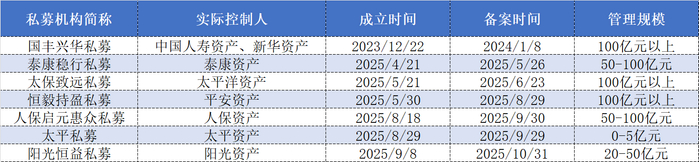
险资证券私募入市加速,国寿、新华、平安等旗下私募管理规模大幅跃升
Xin Lang Cai Jing· 2026-01-14 14:36
Core Insights - The insurance asset management sector is witnessing significant growth in private equity fund management, with notable increases in fund sizes from major players like Ping An Asset and PICC Asset [1][2][3] Group 1: Fund Management Developments - Ping An Asset's Hengyi Chiying private equity fund management scale has been raised to over 10 billion RMB, with an initial fund size of approximately 30 billion RMB [1] - PICC Asset's PICC Qiyuan Huizhong private equity fund is expected to have an initial investment scale of 10 billion RMB, focusing on long-term stock investments [2] - The first batch of pilot programs began in October 2023, with China Life and Xinhua Insurance approved to establish a 50 billion RMB fund [3] Group 2: Market Participation and Trends - As of January 14, 2025, seven insurance-related private equity funds have completed registration, with several already surpassing the 10 billion RMB mark [3] - The total approved amount for the three batches of pilot programs has reached 222 billion RMB, indicating strong institutional interest in the market [3] - The establishment of private equity funds by insurance companies is a concrete implementation of long-term investment reforms, primarily targeting the secondary stock market [2][3] Group 3: Future Outlook - There are indications that more pilot programs may be approved in the future, which could inject continuous momentum into the market [6] - The entry of long-term capital from these funds is expected to enhance market resilience and support the stable development of the stock market [6] - The Guangdong provincial government has also expressed support for the establishment of private equity funds by insurance companies, further promoting the sector's growth [7]
险资新年首次举牌!近两年举牌频次创近十年新高!
Mei Ri Jing Ji Xin Wen· 2026-01-14 07:28
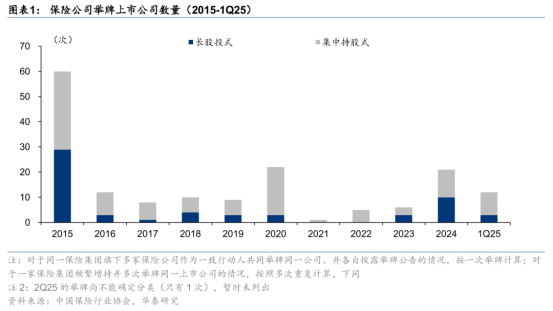
Group 1 - The core viewpoint of the article highlights the increasing trend of insurance capital stake acquisitions, with a notable example being Taiping Asset's acquisition of a 5% stake in Shanghai Airport, marking the first instance of such activity in 2026 [1] - In 2025, the number of stake acquisitions by insurance capital reached 41, a significant increase from 20 in 2024, setting a near ten-year high, second only to the historical peak in 2015 [1] - The current wave of stake acquisitions differs from previous ones, primarily driven by two considerations: the emphasis on high dividend stocks in a low-interest-rate environment and the strategy of long-term equity investments in high-quality targets with stable ROE to optimize asset structure [1] Group 2 - The trend of frequent stake acquisitions by insurance capital is expected to continue in 2026, driven by the same two investment logic considerations [1] - Other funds are focusing more on low-volatility dividend strategies, as exemplified by the low-volatility dividend index (H30269.CSI), which selects securities with stable dividends, high dividend yields, and low volatility [1] - As of January 13, the one-year dividend yield of the low-volatility dividend index was 4.45%, with the Huaxia low-volatility dividend ETF (159547) being the lowest fee ETF tracking this index [1]

近九成账户收益率超过3%! 37款专属商业养老险交出2025年“成绩单”
Mei Ri Jing Ji Xin Wen· 2026-01-13 12:49
Core Viewpoint - The exclusive commercial pension insurance products have shown impressive performance in the low interest rate environment, with various insurance institutions disclosing their 2025 settlement rates, indicating a robust investment opportunity for individuals seeking retirement security [1][3]. Group 1: Product Overview - Exclusive commercial pension insurance is designed for long-term personal retirement security, featuring simple underwriting, flexible payment options, and stable returns [1]. - There are currently 37 exclusive commercial pension insurance products with 76 accounts that have announced their 2025 settlement rates, with a range of 2% to 4.35% for stable accounts and 2.5% to 4.55% for aggressive accounts [3][4]. Group 2: Performance Metrics - Over 80% of stable accounts have settlement rates exceeding 3%, while only one aggressive account has a rate below 3% [3]. - Seven products have settlement rates reaching or exceeding 4%, with notable performances from products by Nongyin Life and Guomin Pension Insurance [4][5]. Group 3: Investment Strategy - The products are structured in two phases: accumulation and payout, utilizing a "guarantee + floating" return model, which allows for a mix of investment portfolios [4][6]. - The stable accounts generally invest in fixed-income assets, while aggressive accounts have a higher allocation to equity assets, aiming for higher returns [7][8]. Group 4: Market Outlook - Despite a general decline in guaranteed rates, the industry remains optimistic about the future of exclusive commercial pension insurance due to its unique advantages in combining protection and investment, as well as its ability to provide stable long-term returns [9].
险资新年第一举!太保举牌上海机场,去年险资41次举牌创十年新高
Di Yi Cai Jing· 2026-01-13 12:38
Core Viewpoint - The trend of insurance capital "shareholding" is expected to continue into 2026, driven by the focus on high dividend stocks and the need for long-term equity investments to enhance return on equity (ROE) [2][18]. Group 1: Recent Trends in Insurance Capital Shareholding - In 2025, insurance capital shareholding reached 41 instances, a significant increase from 20 in 2024, marking a new high in the past decade [2][3]. - The current wave of shareholding differs from the past, as it is influenced by a low interest rate environment and the need for stable cash returns through high dividend stocks [5][14]. - Analysts indicate that the demand for high dividend and high ROE stocks will persist, suggesting that the shareholding trend will continue [18]. Group 2: Characteristics of the Current Shareholding Wave - The shareholding activities are more diversified compared to previous years, with "Ping An" leading with 15 instances, primarily targeting bank and insurance stocks [11][12]. - Bank stocks were the most favored, being targeted 17 times, accounting for 41.5% of total shareholding instances in 2025 [13][14]. - The average dividend yield of the targeted companies was approximately 5.0%, higher than previous waves, indicating a preference for high-yield investments [15]. Group 3: Investment Strategies and Regulatory Environment - The new accounting standards implemented in 2023 require insurance companies to choose between FVTPL and FVOCI for stock investments, influencing their investment strategies [6][7]. - The regulatory environment has encouraged long-term capital market participation, enhancing the attractiveness of shareholding for insurance companies [7][18]. - The investment strategy includes a focus on high ROE assets, particularly state-owned enterprises with stable business models, to improve the overall ROE of insurance capital [17].

上海国际机场股份有限公司关于股东权益变动的提示性公告
Shang Hai Zheng Quan Bao· 2026-01-12 18:14
Core Viewpoint - The announcement details a significant equity change involving Shanghai International Airport Co., Ltd., where Taibao Asset increased its shareholding from 2.09% to 5.00% through a block trade, without altering the controlling shareholder or actual controller of the company [2][5]. Group 1: Equity Change Details - On January 9, 2026, Taibao Asset completed the acquisition of 72,424,000 A-shares, raising its total holdings from 51,991,684 shares to 124,415,684 shares [2][3]. - The increase in shareholding was funded by insurance funds managed by Taibao Asset on behalf of Taibao Life Insurance [3]. Group 2: Stakeholder Information - Taibao Asset and Taibao Life Insurance are subsidiaries controlled by China Pacific Insurance (Group) Co., Ltd., and they have a concerted action relationship as per the regulations of the China Securities Regulatory Commission [2][3]. Group 3: Regulatory Compliance - The equity change does not lead to a change in the company's controlling shareholder or actual controller [5]. - The equity change is in compliance with relevant regulations, including the Securities Law and the Measures for the Administration of the Acquisition of Listed Companies [5].

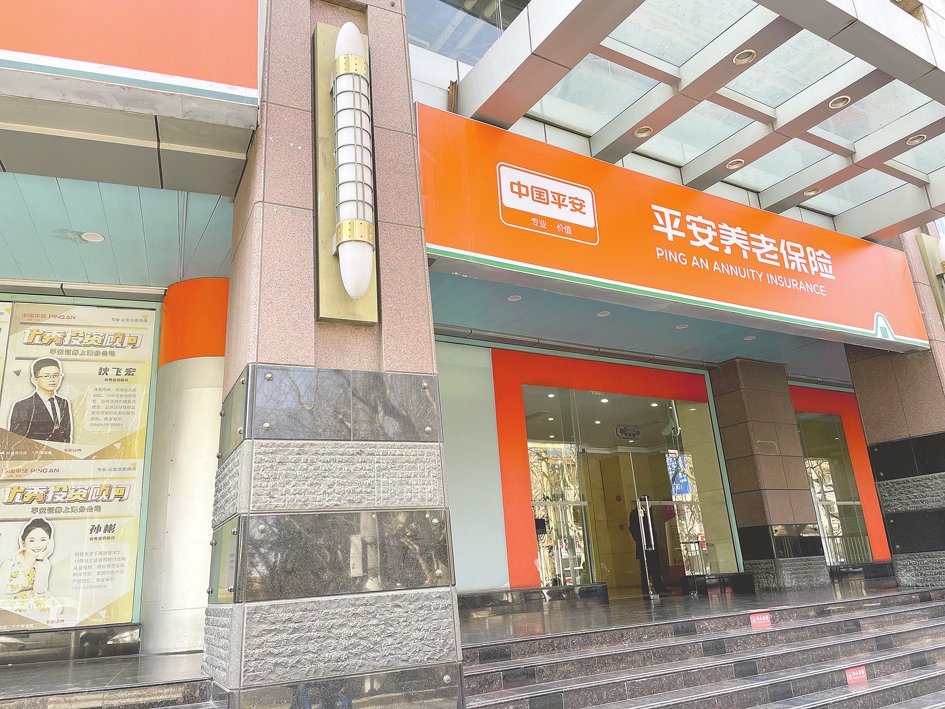
上海机场:太保资产增持股份,持股比例升至5%
Xin Lang Cai Jing· 2026-01-12 08:32
上海机场公告称,2026年1月9日,信息披露义务人太保资产通过大宗交易方式,增持公司72,424,000股 A股股份。其合计持股数量由51,991,684股增至124,415,684股,持股比例由2.09%增至5.00%。太保资产 和太保寿险属一致行动人,增持资金源于太保资产受托管理的保险资金。本次权益变动不会使公司控股 股东及实际控制人改变。 ...