
光伏产能过剩

Search documents
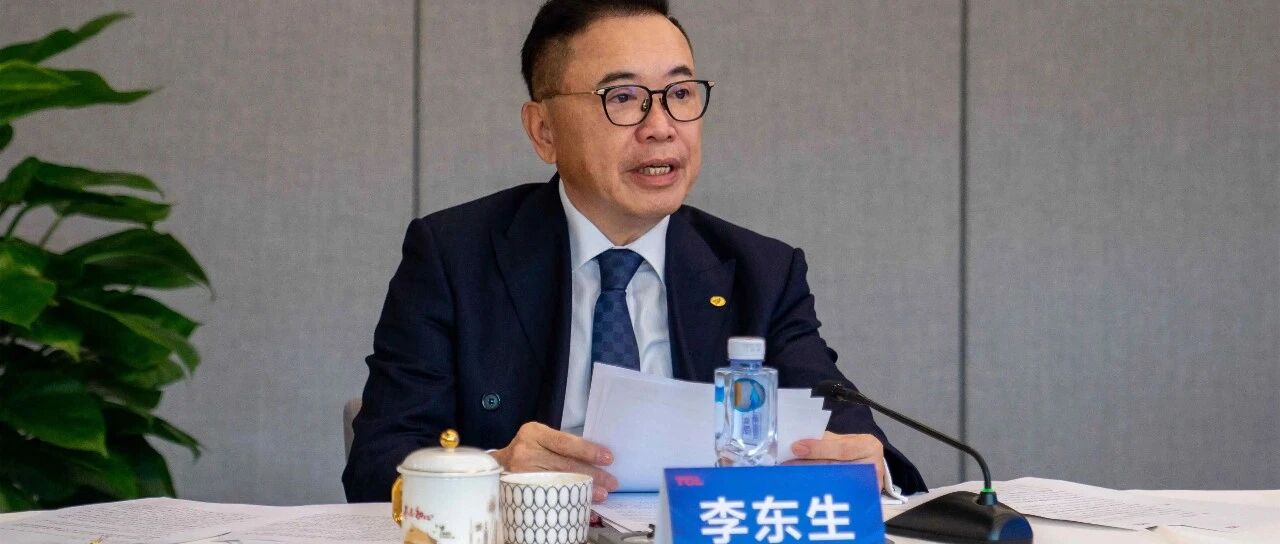
全国人大代表、TCL创始人李东生:国内文化娱乐消费需求需优质内容有效激活
第一财经· 2026-03-03 16:19
Core Viewpoint - The article discusses suggestions from Li Dongsheng, founder and chairman of TCL, regarding the potential for consumption growth in various sectors, including advanced manufacturing financing, solar energy overcapacity, and expanding domestic demand in China [3]. Group 1: Consumption Potential - Li Dongsheng emphasizes the need to unleash consumption potential in education, healthcare, and cultural sectors, highlighting that the Chinese television market saw a shipment decline of 8.5% in 2025, with 32.895 million units sold, while the U.S. market experienced a 1.6% growth with approximately 49.9 million units shipped [3]. - He points out that if the Chinese film industry could reach half of the per capita consumption of the U.S., it could generate an additional market demand of 8 trillion yuan. Even a modest increase of 25% in various sectors could lead to tens of trillions of yuan in demand growth [3][5]. Group 2: Advanced Manufacturing Financing - Li Dongsheng suggests that the core of China's manufacturing transformation lies in developing high-tech, capital-intensive, and long-cycle industries, such as integrated circuits, semiconductor displays, industrial software, and AI models, which require continuous investment [5]. - He recommends that regulatory bodies align with national industrial policy needs by introducing relevant policies to support the development of high-tech and capital-intensive industries, including establishing special financing rules and channels for such projects [5].


50亿元项目终止!这家上市胶膜巨头发生了什么?
Sou Hu Cai Jing· 2026-02-13 07:20
Core Viewpoint - The company has decided to terminate the solar backsheet and functional film production base project due to emerging overcapacity in the photovoltaic industry and increasing price competition, which is expected to lead to widespread losses in 2024 and 2025 [2]. Group 1: Project Investment and Termination - The total investment for the solar backsheet and functional film production base project is estimated at 5 billion yuan, with a wholly-owned subsidiary established for its implementation [1]. - The subsidiary has a registered capital of 100 million yuan [1]. - The decision to terminate the project was made after careful analysis of market changes and the anticipated decline in profitability of photovoltaic packaging materials due to industry competition [2]. Group 2: Industry Context - The photovoltaic industry is currently experiencing a period of adjustment, with signs of overcapacity and intensified price competition [2]. - The management anticipates that the industry will face significant losses in 2024 and 2025, prompting the decision to halt the project to avoid increasing operational costs [2]. Group 3: Company Overview - The company operates in the solar materials and lithium battery materials sectors, holding the largest global market share in solar backsheet shipments [4]. - It has pioneered comprehensive solutions for n-type battery packaging materials, including TOPCon, HJT, and IBC technologies [4].

明冠新材:拟终止50亿合肥项目,2.9亿新项目已启动
Xin Lang Cai Jing· 2026-02-12 08:20
Core Viewpoint - The company has decided to terminate the investment in the solar backsheet and functional film production base project in Feidong County due to industry overcapacity and intensified price competition in the photovoltaic sector [1] Group 1: Project Termination - The project was signed in 2023 with an estimated total investment of 5 billion yuan [1] - Cumulative investment to date is 1.6341 million yuan (excluding tax), with outstanding payments of 871,600 yuan (including tax) [1] - The decision to terminate was made in agreement with the Feidong County government to avoid increased operational costs [1] Group 2: New Project Development - The company plans to transfer the first phase of production capacity from the Hefei project to Yichun, Jiangxi [1] - The new project will focus on producing 350 million square meters of special functional films, with a total investment of 290 million yuan [1] - Construction of the new project has already commenced and is subject to approval by the shareholders' meeting [1]

明冠新材料股份有限公司 关于召开2026年第一次临时股东会的通 知
Zhong Guo Zheng Quan Bao - Zhong Zheng Wang· 2026-02-08 22:35
Group 1 - The company will hold its first extraordinary general meeting of shareholders in 2026 on March 6 at 14:30 [2] - The voting will be conducted through the Shanghai Stock Exchange's online voting system, with specific time slots for both trading and internet voting [2][4] - Shareholders must register for the meeting by February 28, 2026, and provide necessary identification documents [12][13] Group 2 - The company plans to provide a guarantee of up to RMB 130 million for its wholly-owned subsidiary, Jiangxi Mingguan Lithium Membrane Technology Co., Ltd., to support its financing needs [22][27] - The board of directors approved this guarantee on February 6, 2026, with unanimous support [28] - The total amount of guarantees provided by the company and its subsidiaries is RMB 151.68 million, which represents 5.53% of the latest audited net assets [29] Group 3 - The company has decided to terminate the investment agreement for the solar backplane and functional film production base project in Feidong County due to market conditions and overcapacity in the photovoltaic industry [31][33] - The project was initially approved with a total investment of RMB 5 billion, planned to be executed in two phases [32] - The termination agreement will be signed with the Feidong County government, and both parties will not pursue any claims against each other [34][47] Group 4 - The company will optimize its production capacity by transferring the first phase of the project to Jiangxi Yichun Economic and Technological Development Zone, with a planned investment of RMB 290 million for a new special functional film project [46] - The first phase aims to produce 350 million square meters of new battery packaging films, utilizing existing infrastructure to reduce costs [46] - The decision to terminate the Feidong project is based on careful consideration of market changes and aims to enhance resource allocation and operational efficiency [47]
宣称总投资50亿元实际只投入163万 明冠新材终止肥东光伏项目|速读公告
Xin Lang Cai Jing· 2026-02-08 14:37
Core Viewpoint - The company, Minguan New Materials, has decided to terminate its investment cooperation agreement with the government of Feidong County for a solar backplane and functional film production base project, citing declining profitability in the photovoltaic packaging materials industry and increasing operational costs as key reasons [1][2]. Group 1: Project Termination - The project was initially planned with a total investment of 5 billion yuan, divided into two phases, with the first phase aiming to produce 300 million square meters of solar backplanes and 200 million square meters of functional films [1]. - The company has been actively cooperating with the local government to complete the final acceptance of customized properties related to the project [1]. Group 2: Industry Context - The photovoltaic industry is experiencing a downturn, characterized by increased competition and declining profitability for packaging materials, leading to a significant reduction in demand for solar cell backplanes [2][3]. - The company anticipates a substantial loss in 2025, with projected net losses ranging from 125 million to 160 million yuan, representing a year-on-year increase in losses of 86.35% to 138.53% [3]. - The industry has entered an adjustment cycle, with signs of overcapacity emerging since the fourth quarter of 2023, resulting in project delays or terminations across the sector [3].
明冠新材终止投建肥东县太阳能背板及功能性膜生产基地项目
Bei Jing Shang Bao· 2026-02-08 11:34
Core Viewpoint - The company has decided to terminate the investment in the solar backsheet and functional film production base project due to emerging overcapacity and intensified price competition in the photovoltaic industry, leading to a forecast of widespread losses in 2024 and 2025 [1][2] Group 1: Project Termination - The company's board has approved the termination of the solar backsheet and functional film production base project, which had an estimated total investment of 5 billion yuan [1] - A wholly-owned subsidiary was established for the project with a registered capital of 100 million yuan [1] - The decision to terminate the project will be submitted for approval at the company's shareholders' meeting [1] Group 2: Industry Context - The photovoltaic industry has shown signs of overcapacity since the fourth quarter of 2023, leading to increased competition and declining profitability for packaging materials [1] - The management's analysis indicates that the industry is in a cyclical adjustment phase, with expected losses in 2024 and 2025 due to intensified competition [1] - The company has reached an agreement with the local government to terminate the project without any claims or liabilities from either party [2]
明冠新材:终止投资建设肥东县太阳能背板及功能性膜生产基地项目
Jin Rong Jie· 2026-02-08 09:11
Group 1 - The company has decided to terminate the investment in the solar backsheet and functional film production base project in Feidong County, with a total planned investment of 5 billion yuan [1] - A wholly-owned subsidiary, Mingguan New Materials (Hefei) Co., Ltd., was established with a registered capital of 100 million yuan to implement the project [1] - The decision to terminate the project was made during the fifth board meeting on February 6, 2026, due to overcapacity in the photovoltaic industry and intensified price competition [1] Group 2 - The photovoltaic industry is currently undergoing an adjustment cycle, with expected widespread losses in 2024 and 2025 [1] - The management team noted that the increasing competition within the industry is leading to a gradual decline in profitability for photovoltaic packaging materials [1] - Continuing with the project would increase the overall operational costs for the company [1]
1个月内3家光伏企业被"追债"上亿元,原因何在
Di Yi Cai Jing· 2026-01-28 02:10
Core Viewpoint - The photovoltaic industry is transitioning from assembly-based growth to a focus on technology, cost, and cash flow, leading to challenges in fulfilling expansion project commitments, as evidenced by recent developments involving companies like *ST Muban and Yijing Photovoltaic [1][2]. Group 1: Company Developments - *ST Muban was ordered by the Wuzhou Municipal Government to return a total of 510 million yuan in project financial subsidies and construction support funds, along with a penalty of 51 million yuan, due to delays in project construction [1]. - Yijing Photovoltaic announced that its project in Chuzhou faced potential termination and a demand for the return of 14 million yuan due to construction delays [1]. - Bangjie Co. is undergoing pre-restructuring initiated by a state-owned enterprise, with claims amounting to 326 million yuan due to the company's failure to complete a buyback on time [2]. Group 2: Industry Context - The photovoltaic industry experienced significant growth in 2022, with total output value exceeding 1.4 trillion yuan, a year-on-year increase of over 95%, and production across various segments rising by more than 55% [2]. - Local governments have heavily supported the photovoltaic sector through financial subsidies, tax incentives, and land guarantees, which have facilitated rapid scale production and technological advancements [3]. - However, the rapid expansion has led to issues of overcapacity and risks associated with companies lacking relevant industry experience, as seen with *ST Muban and Bangjie Co., which both transitioned from unrelated sectors [4]. Group 3: Recommendations for Future Development - Experts suggest that local governments should shift from "universal subsidies" to "innovation incentives," focusing resources on advanced technologies and mature smart manufacturing enterprises [5]. - There is a call for a transition from "administrative intervention" to "market guidance" to create a fair competitive environment and eliminate local protectionism [5]. - The central government plans to address issues of excessive local incentives in investment attraction by establishing clear guidelines for permissible and prohibited practices [6].


1个月内3家光伏企业被“追债”上亿元 原因何在
Di Yi Cai Jing· 2026-01-27 13:49
Core Insights - The photovoltaic industry is transitioning from assembly-based growth to a focus on technology, cost, and cash flow, leading to challenges in fulfilling expansion project commitments [1] - Local governments have historically supported the photovoltaic sector through financial subsidies, tax incentives, and land guarantees, but this has led to overcapacity and risks for companies [3][4] Group 1: Company-Specific Developments - *ST Muban (603398.SH) was ordered by the Wuzhou Municipal Government to return a total of 5.1 billion yuan in project financial subsidies and construction support funds due to delays in project construction [1] - Yijing Photovoltaic (600537.SH) faced a similar situation where its project in Chuzhou was at risk of being terminated, with a potential recovery of 140 million yuan from the company due to construction delays [1] - Bangjie Co., Ltd. (002634.SZ) is undergoing pre-restructuring initiated by a state-owned enterprise due to its inability to complete a buyback, leading to a claim of 326 million yuan [2] Group 2: Industry Trends and Challenges - The photovoltaic industry saw a significant boom in 2022, with total output value exceeding 1.4 trillion yuan, a year-on-year increase of over 95%, and production across the supply chain rising by more than 55% [2] - The rapid expansion of the industry has led to overcapacity issues, with calls for production cuts and concerns about excessive local government investment in the sector [4] - The industry is shifting from a phase of scale expansion to one dominated by technology, necessitating a change in local government strategies from providing incentives to selecting viable projects and managing risks [6] Group 3: Recommendations for Future Development - Experts suggest that local governments should transition from "universal subsidies" to "innovation incentives," focusing resources on advanced technologies and mature smart manufacturing enterprises [5] - There is a need for a shift from "administrative intervention" to "market guidance" to create a fair competitive environment and eliminate local protectionism [5] - The central government plans to establish clear guidelines for local governments regarding investment incentives to prevent excessive and inappropriate subsidies [6]
1个月内3家光伏企业被“追债”上亿元,原因何在
Di Yi Cai Jing· 2026-01-27 13:39
Core Viewpoint - The photovoltaic (PV) industry is facing an oversupply issue starting in the second half of 2023, leading to calls for production cuts and a reevaluation of expansion projects that were previously signed during a period of rapid growth [1][2]. Group 1: Company-Specific Issues - *ST Muban (603398.SH) has been ordered by the Wuzhou Municipal Government to return a total of 510 million yuan in project financial subsidies and construction support funds due to delays in project construction [1]. - Yichin Photovoltaic (600537.SH) announced that its project in Chuzhou faced delays, prompting the local government to issue a notice to terminate the investment agreement and reclaim 140 million yuan [2]. - Bangjie Co., Ltd. (002634.SZ) is undergoing pre-restructuring due to a claim of 326 million yuan from a state-owned enterprise after failing to complete a buyback on time [2]. Group 2: Industry Trends and Government Support - The PV industry saw a total output value exceeding 1.4 trillion yuan in 2022, with a year-on-year increase of over 95%, and production across the supply chain increased by more than 55% [2]. - Local governments have been actively supporting the PV industry through financial subsidies, tax incentives, financing convenience, land guarantees, and industrial guidance, which have played a crucial role in the rapid scaling and technological iteration of the industry [3]. - However, the rapid push for projects has led to an oversight of the risks associated with overcapacity and the financial health of companies involved [4]. Group 3: Recommendations for Future Development - Experts suggest that local governments should shift from "universal subsidies" to "innovation incentives," focusing resources on cutting-edge technologies and mature intelligent manufacturing enterprises [5]. - There is a need for a transition from "administrative intervention" to "market guidance" to create a fair competitive environment and eliminate local protectionism [5]. - The central government plans to establish a list of encouraged and prohibited actions for local governments regarding investment incentives to prevent excessive and inappropriate subsidies [5].