协同

Search documents
京粤先行:探索健康险高质量发展新路径
Jin Rong Shi Bao· 2026-02-25 02:46
Core Viewpoint - The recent initiatives by Beijing and Guangdong aim to promote high-quality development of commercial health insurance, enhancing the multi-tiered medical security system and better meeting the diverse protection needs of the public [1][6]. Group 1: Policy Initiatives - Beijing's healthcare authorities, along with nine other departments, released 18 specific measures to support the high-quality development of commercial health insurance, focusing on product innovation, service enhancement, and settlement optimization [1]. - Guangdong's regulatory body also issued guidelines for the high-quality development of health insurance, outlining short, medium, and long-term goals for the sector [1]. Group 2: Market Growth and Demand - The commercial health insurance sector has seen an average annual compound growth rate exceeding 20% over the past decade, with over 11,000 medical insurance products currently available [2]. - By the end of 2025, Guangdong's commercial health insurance is expected to cover 889 million people, with cumulative claims reaching 43 billion yuan, providing risk protection amounting to 640 trillion yuan [2]. Group 3: Role of Health Insurance - Health insurance plays a crucial role in reinforcing the social security network, connecting with the healthcare industry and impacting national economic stability [2]. - The insurance sector has provided significant support in four key areas: enhancing policy-based business, optimizing urban customized commercial medical insurance, meeting diverse needs in the Greater Bay Area, and funding industry development with over 30 billion yuan invested in health-related sectors [3][4]. Group 4: Future Trends and Policies - The demand for health insurance is expected to continue expanding due to economic growth, rising disposable incomes, demographic changes, and the emergence of innovative medical treatments [4]. - Key policy documents set for release in 2025 will focus on establishing a long-term care insurance system, promoting high-quality health insurance development, and expanding the list of innovative drugs covered by commercial health insurance [5]. Group 5: Innovation and Collaboration - The core strategies for high-quality development include innovation and collaboration, with Beijing encouraging the development of specialized insurance products and Guangdong promoting integration between insurance and healthcare industries [6][7]. - Specific initiatives include the establishment of a "medical insurance + commercial insurance" settlement center in Beijing and the creation of a model for the Greater Bay Area to enhance cross-border medical insurance [7].
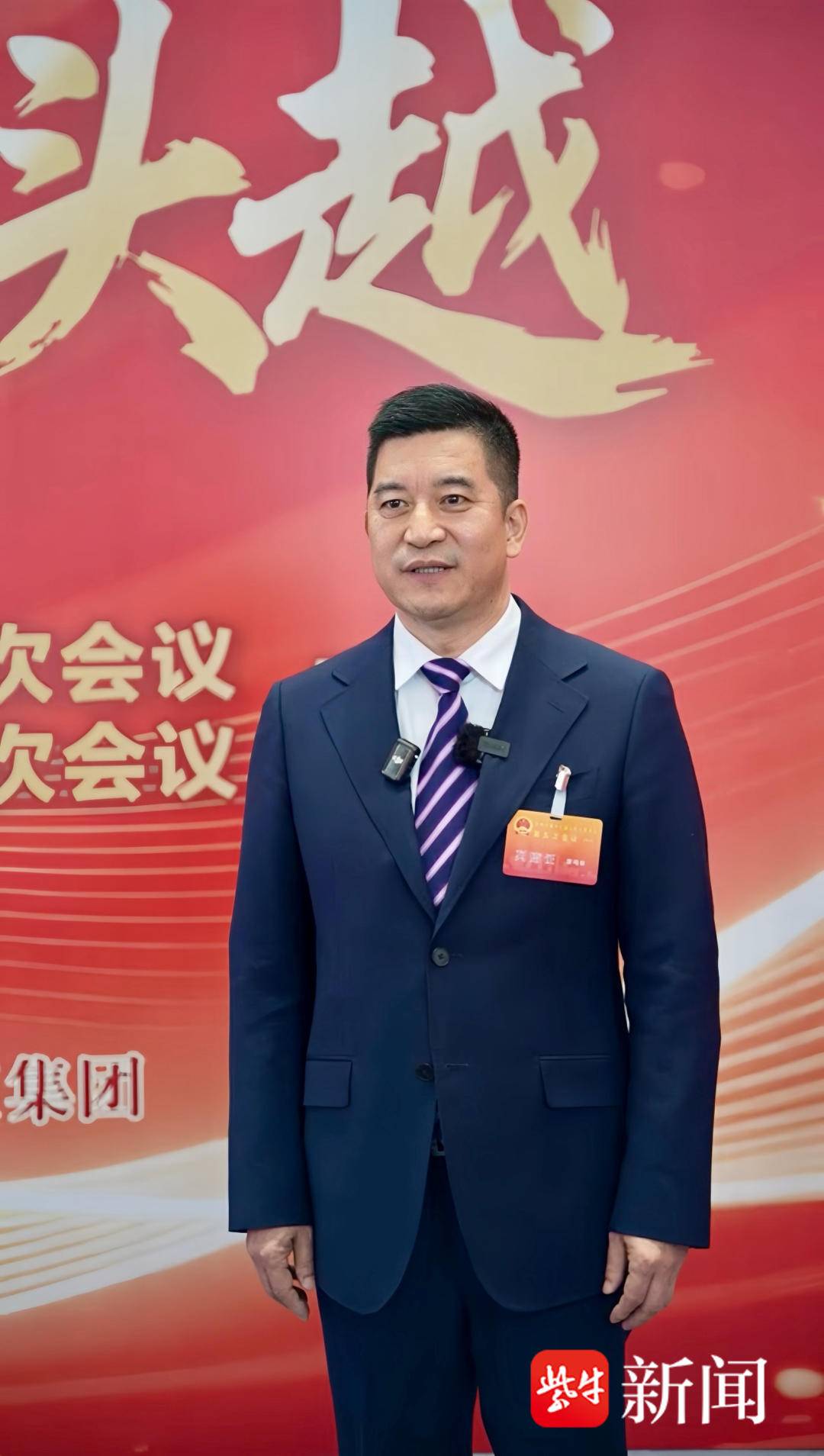
苏州市卫生健康委主任章鸣林:打造更高水平、更有品质的“健康苏州”
Yang Zi Wan Bao Wang· 2026-01-23 12:13
Core Viewpoint - Suzhou aims to enhance health security levels by focusing on higher quality medical services and healthier lifestyles, striving to create a "Healthy Suzhou" that meets the public's health needs [1]. Group 1: Goals and Strategies - The Suzhou Health Commission has set two main goals: to reduce the incidence of illness among citizens and to improve patient experiences in terms of treatment and recovery [4]. - The strategy includes enhancing medical service capabilities and optimizing the health service system, focusing on the construction of high-level medical centers and strengthening county-level hospitals [4][5]. Group 2: Medical Resource Development - Suzhou plans to improve its medical resource layout through three key strategies: "climbing peaks" by building high-level medical centers, "strengthening the waist" by enhancing county-level hospitals, and "establishing a foundation" by improving grassroots health services [4]. - Specific initiatives include the operation of hospitals like the Suzhou Hospital of the Chinese Academy of Traditional Chinese Medicine and the Shanghai Ruijin Taicang Branch, as well as the development of specialized departments in major disease areas [4]. Group 3: Service System Optimization - The city will optimize its health service model by focusing on a continuous, collaborative, and efficient approach, integrating prevention, treatment, rehabilitation, and management into a cohesive health service chain [5]. - Efforts will be made to establish chronic disease management centers and multidisciplinary consultation centers to better connect various medical services [5]. Group 4: Integration of Services - Suzhou will deepen the integration of medical care with elderly care, education, and sports, promoting collaboration between different medical institutions and departments [5]. - The goal is to create a comprehensive health service system that covers prevention, screening, diagnosis, treatment, rehabilitation, and management, ensuring that citizens receive systematic and continuous health services [5].

掼蛋思维里的民营经济发展辩证法
Sou Hu Cai Jing· 2026-01-16 01:21
Core Insights - The article emphasizes the importance of "Doudizhu" thinking in the context of private enterprises, highlighting their role as core players in wealth creation and social development [2][6]. Group 1: Collaborative Wisdom - The essence of "Doudizhu" thinking lies in collaborative alliances and mutual benefits, where individual strengths are combined to maximize impact, similar to how private enterprises form clusters for collective growth [3][4]. - Private enterprises often start as small businesses and can easily be affected by market fluctuations; however, through collaboration along the industrial chain, they can achieve multiplier effects [3][4]. Group 2: Adaptive Innovation - The core advantage of private enterprises is their inherent flexibility, allowing them to quickly adapt to market changes and consumer demands, which is crucial for maintaining competitiveness [4][5]. - Over 70% of technological innovations and 80% of new product developments in China are attributed to private enterprises, underscoring their role as key sources of innovation [4][5]. Group 3: Steady Progress - The growth trajectory of private enterprises follows a pattern of gradual advancement, emphasizing the importance of steady accumulation and avoiding reckless expansion [5][6]. - Many successful private enterprises focus on niche markets, dedicating years to mastering specific technologies or products, which ultimately leads to significant breakthroughs [5][6]. Group 4: Compliance Awareness - The development of private enterprises is supported by a legal framework that promotes fair competition and protects property rights, enabling a transition from "wild growth" to "regulated development" [6][7]. - The adherence to rules and regulations is crucial for maintaining order in the economic landscape, ensuring that the benefits of wealth creation are distributed more broadly [6][7]. Conclusion - The article concludes that private enterprises, through collaborative efforts, adaptive strategies, steady growth, and compliance with regulations, are essential for driving high-quality development and shaping the future of social progress [6].

思客琦:AI与协同,破解“真假产能”困局
高工锂电· 2025-12-15 10:30
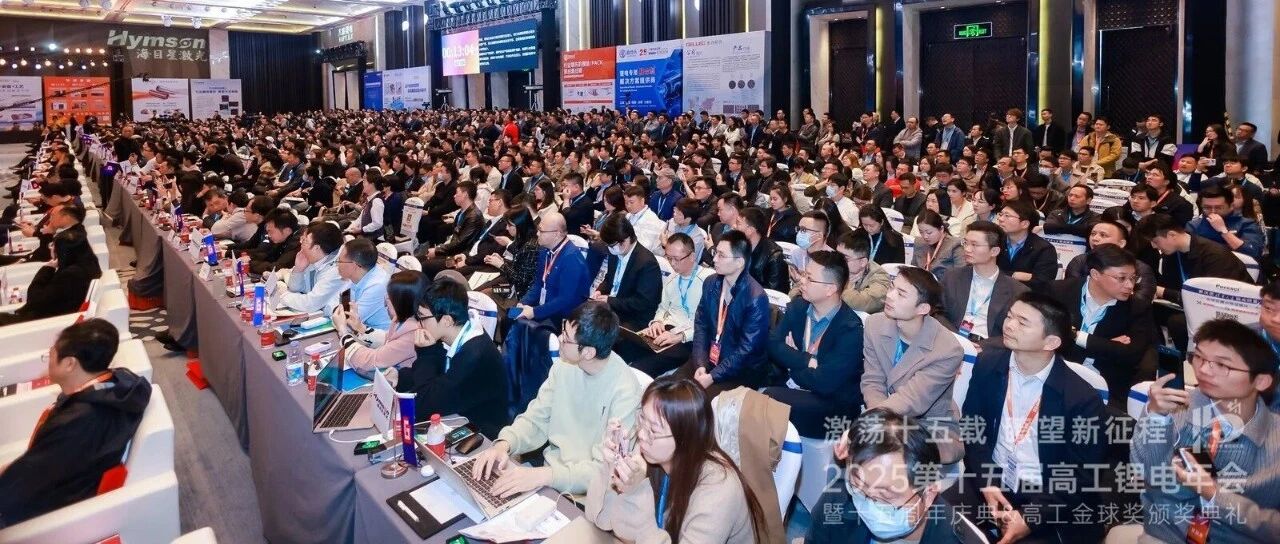
Core Viewpoint - The competition in the new energy equipment industry has entered a "deep water zone," where only long-term commitment, focus on technological innovation, and deep collaborative cooperation can ensure continued leadership [1][21]. Industry Overview - The market has shifted from a binary competition of "existence" to a competition of "quality," with product iteration cycles compressing from years to months, leading to a focus on comprehensive solutions and full-cycle innovation capabilities [2][4]. - The basic fundamentals of the industry are increasingly solid, with China's manufacturing share reaching 32%, placing new energy equipment alongside high-speed rail and automotive sectors as global leaders [5]. Market Dynamics - The lithium battery shipment volume is expected to steadily increase, driven by the ongoing penetration of the new energy vehicle and energy storage markets, opening up vast market space for the equipment industry [6]. Key Characteristics of the New Cycle - The new cycle is characterized by changes and differentiation, including: - Continuous capacity expansion of mature products, with 2.2-meter large energy storage modules becoming mainstream and cell capacities increasing from hundreds of Ah to thousands of Ah, raising production line demands [7]. - Accelerated iteration of new product processes, with battery manufacturing technology upgrading every 2-3 years, compelling equipment companies to innovate simultaneously [7]. - Accelerated competition concentrating on leading companies, where only those with rapid response, stable delivery, and process adaptability can maintain their foothold [7]. Technological Innovation - Technological innovation is the fundamental guarantee for equipment companies to navigate through cycles, with AI deeply integrated into production lines to enhance efficiency and quality [8][10]. - AI applications in key production processes have led to revolutionary changes, such as: - Laser welding with AI algorithms improving welding yield by 5%-10% and efficiency by 80% [10]. - Predictive maintenance frameworks that can forecast equipment failures 7-10 days in advance [10]. - High-precision online detection technologies achieving ultra-high standards in accuracy and consistency [10][11]. Collaborative Ecosystem - The importance of collaboration across the entire industry chain is emphasized, with internal standardization and modularization leading to significant breakthroughs in delivery efficiency [12][13]. - The establishment of deep partnerships with leading battery and automotive companies facilitates joint R&D and technology promotion, creating a virtuous cycle of demand, development, application, and feedback [14][15]. Long-term Strategy - The company adheres to a long-term philosophy, investing in core capacity advantages even during industry adjustments, such as the ongoing construction of a new production base [18][19]. - The new base, covering 260,000 square meters, is designed for green zero-carbon production and supports large-scale module and energy storage equipment manufacturing [19]. - The diversification of product offerings not only meets varied customer needs but also mitigates operational risks associated with cyclical fluctuations [20]. Global Integration - The company is actively integrating into global markets, with products successfully sold in Europe, North America, and Southeast Asia, supported by localized service networks [20]. - The focus is on enhancing global competitiveness by providing cost-effective and tailored solutions to international clients [20]. Conclusion - The new energy equipment industry is poised for continued leadership in the global market, contributing significantly to energy transition and carbon neutrality goals through ongoing technological advancements and ecosystem development [23].

破局与重塑 券商投行寻找新增长曲线
Zheng Quan Shi Bao· 2025-12-02 18:04
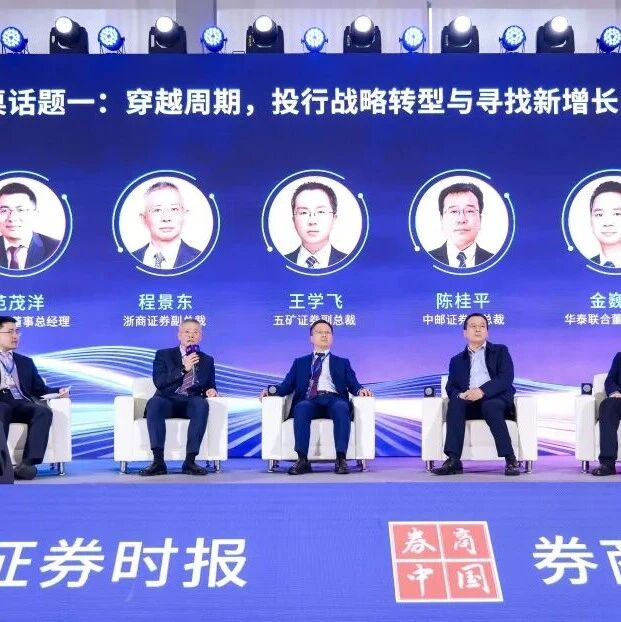
Core Insights - The investment banking industry is undergoing a significant transformation due to adjustments in IPO rhythms and heightened regulatory requirements, prompting a search for new growth avenues and sustainable development strategies [1] Group 1: Industry Challenges and Strategic Responses - Investment banks are facing challenges such as capacity and efficiency adjustments, fulfilling "gatekeeper" responsibilities, and balancing functionality with profitability [2] - Firms like Zheshang Securities are focusing on local enterprise development while exploring comprehensive contracting and underwriting reforms, emphasizing risk management and cultural development [2] - Minmetals Securities is addressing homogenized competition by carving out a unique transformation path, leveraging investment perspectives to analyze clients [2][3] Group 2: Specialized Approaches and Market Opportunities - Minmetals Securities aims to become a key player in the financial services for the metal and mineral industry, focusing on mergers and acquisitions through an investment-banking synergy [3][4] - Huatai United Securities emphasizes long-term partnerships with industry leaders, balancing short-term assessments with long-term returns [5] - Zheshang Securities is actively financing local economies, contributing over 5 billion yuan annually to underdeveloped regions in Zhejiang [6] Group 3: Collaboration and Talent Development - The concept of "collaboration" is frequently mentioned, with firms exploring integrated financial services and cross-departmental coordination [6] - Zhongyou Securities is focusing on high-quality professional talent as client managers to provide comprehensive services, shifting from project-centered to client-centered approaches [7] - Industry professionals are encouraged to possess deep industry knowledge alongside financial expertise to enhance service delivery [7] Group 4: Compliance and Accountability - The increasing compliance pressures in the investment banking sector have led to the adoption of "precise accountability" principles, with Zhongyou Securities maintaining a strong compliance record while improving industry rankings [7]
投行转型阵痛!“协同”成关键词,锚定新增长曲线
券商中国· 2025-11-29 11:46
Core Viewpoint - The investment banking industry is undergoing a significant transformation due to adjustments in IPO rhythms and heightened regulatory requirements, prompting a collective focus on finding new growth avenues for sustainable development [1]. Group 1: Industry Challenges and Strategic Transformation - Investment banks are facing critical challenges such as capacity and efficiency adjustments, fulfilling "gatekeeper" responsibilities, and balancing functionality with profitability [3]. - Firms must return to the essence of "discovering, creating, and realizing value" to support enterprises, especially those with new productive forces, in leveraging capital markets for growth [3]. Group 2: Unique Strategies and Market Positioning - Zhejiang Securities is focusing on local enterprises in Zhejiang, enhancing its investment banking capabilities through comprehensive contracting, platform-based operations, and risk management [5]. - Minmetals Securities is developing a distinctive investment banking model by integrating services around its parent company's metal and mineral resources and exploring innovative merger and acquisition business models [7]. - Internationally, investment banks primarily serve to build brand and capability rather than being the main revenue-generating departments, emphasizing the importance of linking investment banking with asset management and research [9]. Group 3: Long-term Commitment and Client-Centric Approaches - Minmetals Securities is committed to long-term support for its parent company, focusing on internal capital operations and providing dedicated financial services for key projects [9]. - Huatai United Securities emphasizes long-term relationships with major clients, providing comprehensive services across various financial products [10]. Group 4: Collaborative Efforts and Talent Development - The term "collaboration" emerged frequently during discussions, highlighting the importance of integrated services and cross-departmental coordination within firms [14]. - Companies are exploring the use of high-quality professional talent in investment banking to provide comprehensive client services, shifting focus from project-centered to client-centered approaches [14]. - There is a growing need for investment banking professionals to possess industry-specific knowledge alongside financial expertise to better serve clients [15]. Group 5: Compliance and Accountability - The increasing regulatory pressure necessitates a focus on compliance, with firms like Zhongyou Securities implementing a "precise accountability" approach to balance compliance with growth [15].
能源奇点前夜,中国锂电的时代答案
高工锂电· 2025-11-29 09:15
Core Viewpoint - The Chinese lithium battery industry has reached a significant milestone but now faces the challenge of achieving high-quality development beyond mere scale [1]. Group 1: Industry Insights - The industry has achieved global leadership in scale, but true innovation remains insufficient, with issues like imitation and price competition undermining advantages [4]. - The current manufacturing environment is highly competitive, necessitating a focus on unique technologies and protecting innovation as the only viable path forward [5]. - Equipment capabilities have improved significantly over the past fifteen years, and leading equipment companies will focus on collaboration across processes, delivery, supply chains, and innovation [8]. Group 2: Future Directions - The next fifteen years will require the industry to prioritize genuine innovation and adhere to self-discipline and long-term strategies to earn global respect [4]. - The emergence of new cycles in the lithium battery market calls for identifying application scenarios before pursuing breakthroughs [13]. - The industry is entering a new phase characterized by supply chain cooperation and rational competition, which will drive efficiency and cost reduction [13].
券商资管“后公募化”竞逐:公募牌照非唯一赛道,差异化与协同成破局关键
券商中国· 2025-11-29 08:48
Core Viewpoint - The asset management industry is entering a new stage of high-quality development, with a focus on how securities firms can strategically position themselves in this evolving landscape [1][2]. Group 1: Industry Trends and Challenges - The "2025 China Securities Industry Asset Management Summit Forum" recently held in Shenzhen gathered key players in the asset management sector to discuss paths and opportunities for high-quality development under new circumstances [2]. - Discussions highlighted the importance of "licenses, competition, cooperation, genes, and synergy" in shaping the positioning and development paths of securities firms during this transformative period [4]. Group 2: License and Business Strategy - The topic of "public offering licenses" is crucial for securities firms, influencing their business models and strategic layouts. Firms with licenses are exploring differentiation, while those without are seeking to excel within existing frameworks [5]. - Financial management firms like Caitong Asset Management have developed a diversified business model over the past decade, focusing on active management and a dual-license strategy that includes public and private offerings [5][7]. - Despite challenges, firms like Huazhong Securities are enhancing their product lines and investment capabilities, focusing on "private small collective" products to maintain growth [7][9]. Group 3: Competitive Landscape and Collaboration - The relationship between securities asset management and other financial institutions is evolving from pure competition to a mix of competition and cooperation. This shift is seen as an opportunity for securities firms to redefine their roles [10]. - Securities asset management is increasingly focusing on high-net-worth clients and non-bank institutions, utilizing various tools such as ABS, REITs, and quantitative strategies to offer multi-asset solutions [10][12]. - The collaboration potential with bank wealth management is significant, especially as banks face transformation pressures, allowing securities firms to leverage their strengths [12]. Group 4: Strategic Development and Client Experience - The future goal for the asset management industry is to enhance user experience through better product offerings, tapping into the vast market of household savings [12][14]. - Securities firms should leverage their strengths in fixed income, FOF, and derivatives to build a multi-strategy platform that maximizes risk-adjusted returns [14]. - The unique "brokerage gene" of securities firms can be transformed into sustainable productivity, enhancing their internal growth and client service capabilities [15]. Group 5: Internal Synergy and Talent Development - Asset management can serve as a talent development base for other business lines within securities firms, providing valuable insights and resources across the organization [15][16]. - The strategic value of asset management is growing, with firms encouraged to refine customer needs and create tailored strategies to enhance client engagement [16].


陈春花:打破“部门墙”,关键在于这三点
Jing Ji Guan Cha Bao· 2025-11-15 01:16
Group 1 - The core issue in organizations is the presence of "department walls" and the inability to align local interests with overall interests, which hinders effective collaboration [1] - To overcome these challenges, companies should focus on three key strategies: shaping a collaborative value system, cultivating collaborative behaviors, and utilizing collaborative tools [1] Group 2 - Shaping a collaborative value system involves establishing trust and a shared value orientation among departments, rewarding not only individual performance but also contributions to others' success [2][3] - A unified team with a common value system enhances internal efficiency and fosters effective service to external partners, emphasizing the need for companies to reassess their value orientations in the context of collaboration [3] Group 3 - Cultivating collaborative behaviors requires a shift in mindset, where employees understand their roles in terms of responsibility and cooperation, encapsulated in the phrase "If someone is responsible, I cooperate; if no one is responsible, I take responsibility" [4][6] - This approach transforms organizational relationships into a culture of contribution, essential for achieving collective goals [4][6] Group 4 - The core values of collaboration include "sincerity," which is essential for forming partnerships; "benefit," which drives collective intelligence; "trust," which is crucial for evaluating value creation; and "non-competition," which ensures fair distribution of rewards [5] - The essence of success and growth is measured by the extent of assistance and cooperation provided to others [6] Group 5 - Utilizing collaborative technology tools is vital for achieving cross-departmental collaboration, requiring a technological platform that enhances the possibility of collaboration while reducing costs and increasing efficiency [7] - Tools such as video conferencing facilitate remote collaboration and real-time decision-making, while integrated platforms connect dispersed individuals, tasks, and knowledge, ensuring seamless workflow and transparency [7] - The use of big data and intelligent software allows for traceable and quantifiable collaboration processes, enhancing the fairness and efficiency of value evaluation [7]
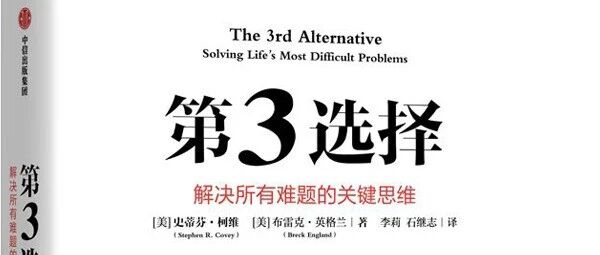
所有棘手冲突的破局点,都藏在“第3选择”里 | 红杉Library
红杉汇· 2025-10-24 00:04
Core Concept - The article emphasizes the principle of "Third Choice" as a powerful approach to resolving conflicts and creating collaborative solutions that transcend traditional binary thinking [3][6][11]. Group 1: Understanding the Third Choice - The "Third Choice" is a method that goes beyond the typical "my way" or "your way" approaches, aiming for a collaborative solution that benefits all parties involved [6][11]. - Conflicts often arise from entrenched mindsets, where each side believes their perspective is the only valid one, leading to a stalemate [6][7]. - The article highlights the importance of cognitive patterns in shaping behavior and outcomes, suggesting that changing one's mindset can lead to better results [7][8]. Group 2: Steps to Achieve Collaboration - The process of achieving the "Third Choice" involves four key steps: 1. **Invitation to the Third Choice**: Initiating a conversation that signals a willingness to collaborate rather than compete [11]. 2. **Defining Success Criteria**: Establishing what a win-win outcome looks like for both parties [12]. 3. **Creating the Third Choice**: Encouraging open brainstorming without limitations, focusing on collective creativity [12]. 4. **Confirming and Acting on the Third Choice**: Identifying a solution that excites both parties and meets the agreed-upon success criteria [13][19]. Group 3: Mindset Shifts for Effective Collaboration - To foster collaboration, individuals must shift their mindset in three ways: 1. **Seeing Oneself**: Recognizing personal motivations and avoiding defensive reactions during conflicts [15]. 2. **Seeing Others**: Valuing the perspectives of others and actively listening to their viewpoints [16]. 3. **Finding Common Ground**: Embracing differences as a starting point for collaboration rather than a source of conflict [16][17]. Group 4: Overcoming Barriers to Collaboration - The article identifies three common barriers to collaboration, referred to as the "GET traps": - **Gain**: The fixation on personal benefits [17]. - **Emotion**: Being driven by insecurities [17]. - **Territory**: Defending one's own domain [17]. - Overcoming these barriers requires a belief that collaborative gains outweigh individual ones, fostering a more cooperative environment [17].