
征信

Search documents
央行副行长邹澜发声!
Zhong Guo Zheng Quan Bao· 2025-12-22 11:03
Core Viewpoint - The People's Bank of China (PBOC) is focusing on risk prevention, strong regulation, and promoting high-quality development in the credit reporting industry during the 14th Five-Year Plan period, emphasizing the optimization of the credit market layout and enhancing service levels and capabilities [1][2][3]. Group 1: Principles of Credit Reporting - The PBOC will adhere to the principle of serving the public, aiming to meet the needs of the populace by improving the coverage and convenience of credit services, and ensuring the protection of individual credit rights [1][2]. - The dual-driven approach of "government + market" will be implemented, enhancing basic credit services while promoting the sharing and application of credit information across various financial sectors [2][3]. - The PBOC will balance development and security by guiding credit institutions to adopt new technologies like big data and AI, while also enforcing strict regulations to ensure compliance and protect consumer rights [3]. Group 2: One-time Credit Repair Policy - The PBOC announced a one-time credit repair policy that allows individuals with overdue credit information to have it removed from their credit reports without needing to apply or provide documentation, effective from January 1, 2026 [5][6]. - The policy applies to overdue information generated between January 1, 2020, and December 31, 2025, with a maximum overdue amount of 10,000 yuan per instance, provided the debt is fully repaid by March 31, 2026 [5]. - Individuals can verify adjustments to their credit information through online and offline channels, with additional opportunities for free credit report inquiries in the first half of 2026 [5].
朴道征信副总经理金波升任总经理,前任程建波已加盟陆控
2 1 Shi Ji Jing Ji Bao Dao· 2025-12-16 08:02
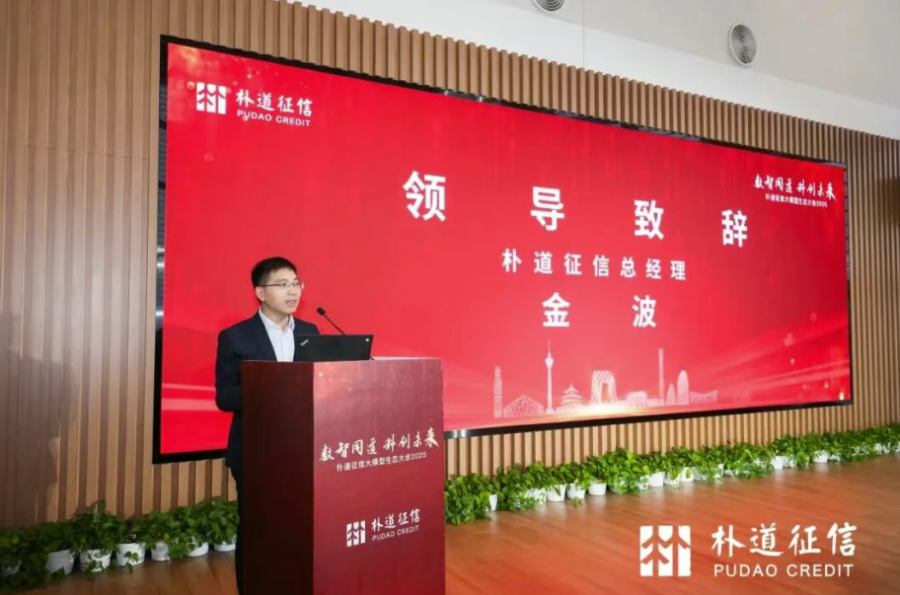
Core Insights - The new general manager of Puda Credit Co., Ltd. has been appointed, with Jin Bo taking on the role [1][3] - Puda Credit held a large model ecological conference in Beijing, where Jin Bo delivered the opening speech [1] Company Overview - Jin Bo has been with Puda Credit since its establishment in late 2020, serving as deputy general manager for over four years [5] - Prior to joining Puda Credit, Jin Bo had limited public information available, but he has published several papers focusing on credit reporting, social credit, and digital finance [5] Leadership Transition - The former general manager, Cheng Jianbo, came from JD Technology, where he held significant positions in financial risk management [5] - Cheng Jianbo left Puda Credit in April to join Luokong (NYSE: LU) as Chief Risk Expert, and was later appointed Chief Risk Officer [5]

征信:不只是“黑名单”
Bei Jing Shang Bao· 2025-12-14 08:09
Core Viewpoint - The People's Bank of China is set to implement policies to support personal credit repair by early 2026, addressing the issue of credit defaults on small loans since the pandemic, which highlights the importance of credit systems in inclusive finance [1][9]. Group 1: Policy and Economic Context - The new policy aims to alleviate personal credit blemishes, particularly in the context of real estate adjustments and fluctuating household incomes, emphasizing the core value of credit in inclusive finance [1]. - A significant increase in personal credit defaults has been observed, particularly among the 30-39 age group, due to rising debt pressures and unstable incomes among new citizens [6]. - The credit repair initiative is expected to address long-standing issues related to credit disputes and information correction, reflecting a balance between fairness and economic recovery needs [9]. Group 2: Role of Credit Systems - A robust credit system is essential for breaking down information silos and enabling precise financing for small and micro enterprises, which have historically struggled with lack of collateral and financial data [8]. - The credit system's evolution allows for more efficient loan approvals, with over 80% of small loan approvals now conducted online, significantly reducing financing time costs [8]. - The establishment of a credit repair mechanism demonstrates a commitment to "error tolerance," providing opportunities for those affected by the pandemic to rectify their credit status [10]. Group 3: Financial Institutions' Responsibilities - Financial institutions are becoming key players in credit reconstruction, utilizing technology to identify and assist individuals with passive defaults through various supportive measures [11]. - Institutions are encouraged to integrate credit data with other operational data to create comprehensive credit models, making credit loans a mainstay of inclusive finance [12]. - The future focus should be on enhancing risk-sharing mechanisms, promoting financial education, and ensuring collaborative data sharing to mitigate moral hazards in credit repair [12].

2025普惠金融报告|征信:不只是“黑名单”
Bei Jing Shang Bao· 2025-12-14 08:06
Core Insights - The People's Bank of China is set to implement policies to support personal credit repair by early 2026, addressing the issue of small loans with default records since the pandemic, which highlights the importance of credit in inclusive finance [1][9][10] Group 1: Policy and Economic Context - The new policy aims to alleviate personal credit blemishes, particularly in the context of real estate adjustments and fluctuating household incomes, reflecting the core value of credit in inclusive finance [1][9] - A significant increase in personal credit defaults has been observed, particularly among the 30-39 age group, due to rising debt pressures and unstable incomes among new citizens [6][7] - The credit repair initiative is expected to address long-standing issues related to credit disputes and correction processes, enhancing fairness and supporting economic recovery [9][10] Group 2: Role of Credit Systems - A robust credit system is essential for breaking down information silos and enabling precise financing for small and micro enterprises, which have historically struggled with lack of collateral and financial data [8][10] - The credit system's evolution allows for more efficient loan approvals, with over 80% of small loan approvals now conducted online, significantly reducing financing time costs [8][10] - Financial institutions are increasingly recognizing the need to balance consumer credit demand with social responsibility, particularly as low-income groups shift from consumption-driven credit to emergency and livelihood support credit [7][10] Group 3: Implementation and Future Directions - The establishment of a credit repair mechanism is seen as a step towards addressing the challenges faced by individuals with credit issues, providing them with a chance to re-enter the credit market [9][10] - Financial institutions are adopting innovative approaches to manage credit repair, including categorizing debtors and offering tailored solutions such as debt restructuring and employment support [10][11] - Future efforts should focus on enhancing data sharing frameworks, supporting underdeveloped regions, and ensuring the integrity of credit services through third-party data quality standards [10][13]

征信 不只是“黑名单”
Bei Jing Shang Bao· 2025-12-10 12:00
Core Viewpoint - The People's Bank of China is set to implement policies to support personal credit repair, addressing the issue of credit defaults from small loans since the pandemic, which highlights the importance of credit systems in inclusive finance [1][6] Group 1: Credit Repair Policy - The People's Bank of China plans to introduce a one-time personal credit relief policy in early 2026, which will not display certain default information for individuals who have repaid loans below a specified amount since the pandemic [6] - This policy aims to alleviate long-standing issues related to credit disputes and enhance the fairness and efficiency of the credit system [6][7] Group 2: Impact on Individuals and Households - Rising personal credit defaults are particularly affecting the 30-39 age group and new citizens with unstable incomes, leading to increased financial pressure and anxiety regarding asset liquidity [3][4] - The credit repair initiative is expected to provide a pathway for individuals with credit blemishes to re-enter the credit market, thus supporting household financial stability [1][6] Group 3: Role of Financial Institutions - Financial institutions are increasingly recognizing the need to adapt their consumer credit offerings, shifting from high-end to emergency and life-sustaining credit for low-income new citizens [4][8] - Institutions like Ant Group and others are leveraging financial technology to identify and assist individuals with passive defaults, implementing measures such as debt restructuring and employment support [8][9] Group 4: Importance of Credit Systems - A robust credit system is essential for reducing information asymmetry, allowing for more accurate risk assessment and pricing in the financial market [5][7] - The ongoing development of the credit system is transitioning from foundational construction to deeper application, driven by a combination of government and market forces [6][7] Group 5: Future Directions - Experts suggest enhancing cross-departmental data sharing and establishing legal frameworks to support credit repair mechanisms, particularly in underdeveloped regions [7][9] - There is a call for improved financial education to foster mature credit concepts and wealth management skills among the youth, ensuring a more resilient financial ecosystem [9]

征信知识进企业夯实诚信发展根基 民生银行潍坊诸城支行开展征信宣传进企业活动
Qi Lu Wan Bao· 2025-09-22 09:38
Core Viewpoint - The article highlights the initiative by Minsheng Bank's Weifang Zhucheng branch to promote credit awareness among local enterprises, emphasizing the importance of building a robust credit system to enhance the business environment and support economic development [1][2]. Group 1: Event Overview - The series of promotional activities themed "Empowering Credit, Promoting Integrity" was organized to deliver credit knowledge directly to enterprise managers and employees [1]. - The initiative aims to advocate the concept of "valuing credit records and accumulating credit wealth," fostering a culture of integrity within enterprises [1]. Group 2: Educational Activities - During the event, bank staff employed various promotional methods, including one-on-one explanations and distributing informational materials, to educate employees about credit concepts and the significance of credit records [2]. - Real-life case studies were used to illustrate the severe consequences of overdue repayments and defaults, highlighting the long-term value of maintaining a good credit record [2]. Group 3: Focus on Financing - The bank staff specifically addressed concerns regarding financing and credit assessment, explaining how credit reports are evaluated during loan approvals [2]. - Guidance was provided on how enterprises can accumulate quality credit assets through proper financial management and timely repayments, which can lead to more efficient access to financial support and reduced financing costs [2]. Group 4: Engagement and Future Plans - The event saw active participation from employees, who raised questions about credit card usage, mortgage approvals, and credit repair, indicating a strong demand for credit knowledge [2]. - Minsheng Bank's Weifang Zhucheng branch plans to continue innovating service models and conducting diverse financial knowledge dissemination activities to further promote the "Empowering Credit, Promoting Integrity" concept [2].

民生银行济南市中支行进商圈普及征信知识宣传活动
Qi Lu Wan Bao· 2025-08-27 07:25
Group 1 - The core viewpoint of the article emphasizes the importance of enhancing public awareness and understanding of credit reporting systems in response to national initiatives for building a social credit system [1][3] Group 2 - The bank's staff prepared thoroughly for the event by studying credit-related knowledge and the latest policies to ensure they could accurately address public inquiries [2] - Promotional materials, including detailed brochures with engaging cases and illustrations, were created to facilitate public understanding of credit concepts [2] - The event was held in high-traffic areas, attracting significant attention from citizens and merchants, with staff actively distributing materials and explaining credit concepts [2] Group 3 - The staff explained that credit reporting acts like an economic ID, recording individuals' credit behavior, and highlighted the benefits of maintaining a good credit record for loans and credit card applications [2] - Specific guidance was provided to merchants on maintaining good corporate credit and handling overdue situations, emphasizing the negative impacts of poor credit records [2] Group 4 - An interactive Q&A session was included to engage the public, covering topics such as how to check credit reports and the duration of negative credit records, with participants receiving small gifts for correct answers [2] - Feedback from attendees indicated a newfound understanding of credit importance, with many pledging to pay more attention to their credit records [2] Group 5 - The bank plans to continue such promotional activities in the future, aiming to innovate formats and reach more communities, schools, and businesses to further embed credit knowledge in society [3]
筑牢金融安全防线 护航企业稳健发—曲阜农行联合工商联成功举办“民营企业家金融知识大讲堂”
Sou Hu Cai Jing· 2025-08-13 01:55
Group 1 - The core viewpoint of the news is the importance of enhancing financial risk awareness and basic financial knowledge among private enterprises to ensure safe and stable operations [1][2] - The event titled "Financial Knowledge Lecture Hall for Private Entrepreneurs" was organized by Agricultural Bank of China Qufu Branch in collaboration with Qufu City Federation of Industry and Commerce, attracting over 50 participants from local private enterprises [1] - The lecture focused on three key financial knowledge areas: anti-fraud measures, understanding deposit insurance, and credit record management [1][2] Group 2 - The first key area discussed was anti-fraud measures, emphasizing the need for enterprises to protect their finances by understanding common fraud tactics and implementing strict verification processes for transactions [1] - The second area covered was the deposit insurance system, explaining the core content of the Deposit Insurance Regulations to enhance confidence in the banking system [2] - The third area focused on credit record management, highlighting the importance of timely repayments, cautious external guarantees, and regular credit report checks to build a solid credit foundation for future development [2] Group 3 - Agricultural Bank of China Qufu Branch plans to continue its collaboration with the Federation of Industry and Commerce, regularly conducting various educational activities to improve financial literacy and risk prevention capabilities among enterprises [2] - The initiative aims to contribute to optimizing the business environment and promoting high-quality development of the local private economy [2]


消费贷莫存侥幸心理 守护征信从按时还款开始
Jin Rong Shi Bao· 2025-08-08 07:59
Core Viewpoint - The article discusses the relationship between consumer loans and credit reporting, emphasizing that most consumer loans are reported to the central credit system, which helps in risk management and transparency in the financial market [1][2]. Group 1: Understanding Credit Reporting - "Credit reporting" refers to the process where lending institutions submit consumer borrowing and repayment information to the central credit database managed by the People's Bank of China [1]. - The central credit system serves as a comprehensive credit archive, recording both individual and corporate credit information to mitigate financial risks [1][2]. Group 2: Consumer Loans and Credit Reporting - Most consumer loans, especially those from banks, are reported to the credit system once approved, and repayment records appear in the consumer's credit report [2]. - Internet-based consumer loans have become more regulated, with many platforms now reporting to the central credit system, increasing the reliability of these loans [2]. Group 3: Implications of Credit Reporting - Consumers should not fear credit reporting, as timely repayments can enhance their credit scores, facilitating future loan approvals and credit card applications [3]. - Delinquency on loans can lead to penalties and persistent collection calls, highlighting the importance of maintaining good credit practices [3]. Group 4: Recommendations for Consumers - Consumers are advised to manage their finances prudently, ensuring they do not overextend themselves with debt [4]. - Timely repayment of loans and accurate information submission during loan applications are crucial for maintaining a good credit record [5]. - Regularly checking credit reports for discrepancies and protecting personal information from misuse are essential practices for consumers [6][7]. - Seeking help through legitimate channels for any credit record disputes is recommended, avoiding scams related to credit repair [8].

民生银行济南西城支行:征信知识进社区 守护信用惠民生
Qi Lu Wan Bao· 2025-07-21 02:21
Group 1 - The core viewpoint of the articles emphasizes the importance of credit awareness and the role of financial institutions in promoting a culture of integrity within the community [1][2] - Minsheng Bank's Jinan West City Branch conducted a themed promotional event titled "Cherish Credit Records, Enjoy a Happy Life," aimed at educating residents about credit knowledge through lectures, interactive Q&A, and case warnings [1] - The event included practical discussions on the impact of credit reports, such as how overdue payments affect home loans and whether small credit card debts are included in credit reports, addressing common concerns among residents [1] Group 2 - The bank introduced an interactive segment called "Credit Knowledge Challenge," where residents could participate in quizzes and simulations to learn about credit report inquiries and ways to avoid credit damage, enhancing engagement through gamification [1] - Special attention was given to vulnerable groups, with a focus on exposing scams related to "agent credit repair" targeted at the elderly and promoting rational consumption among teenagers through a "Credit Classroom" [2] - Minsheng Bank's initiative reflects its commitment to grassroots financial services and the principle of "Finance for the People," with plans to continue supporting the construction of an integrity-based society [2]