案件质量评查

Search documents
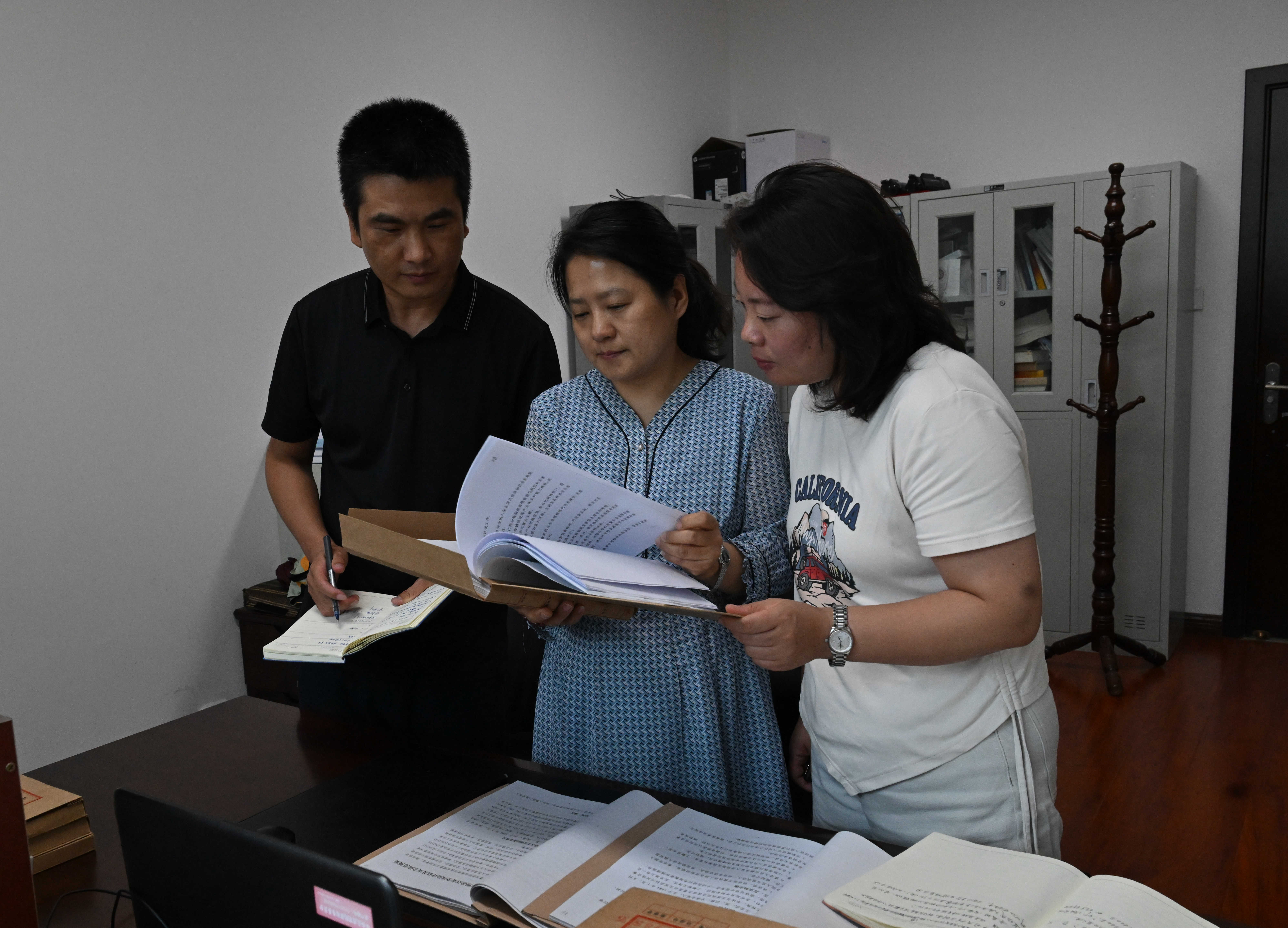
有效发挥评查功用 持续提升办案质效
Zhong Yang Ji Wei Guo Jia Jian Wei Wang Zhan· 2026-02-11 00:06
Core Viewpoint - The quality of case handling is essential for the high-quality development of disciplinary inspection and supervision work, reflecting the standardization and rule of law in this field [1] Group 1: Case Quality Evaluation - The Shanghai Songjiang District Commission for Discipline Inspection and Supervision emphasizes case quality evaluation as a key measure to enhance case handling effectiveness, integrating it into the standardized construction tasks of disciplinary inspection work [2] - A comprehensive evaluation framework is established, including daily evaluations, comprehensive evaluations, and special evaluations, ensuring regular quality checks on concluded cases [2] - The evaluation team is strengthened by involving key personnel from various departments, ensuring a collaborative approach to case quality evaluation [3] Group 2: Evaluation Standards and Methods - Evaluation standards are strictly aligned with the requirements from higher authorities, incorporating specific issues related to case quality and enhancing clarity for evaluators [3] - Various evaluation methods such as collaborative reviews, self-assessments, and cross-evaluations are employed to foster a collective awareness of case quality [5] - A detailed evaluation process is implemented, focusing on evidence, procedural compliance, and documentation accuracy, ensuring thorough assessments of each case [6] Group 3: Problem Identification and Feedback - A multi-layered, regular evaluation mechanism is established to identify issues accurately and provide timely feedback, enhancing overall case quality [4] - A feedback mechanism is created to address identified issues, ensuring that evaluators communicate findings directly to case handlers for immediate rectification [6] Group 4: Continuous Improvement and Accountability - The evaluation process is viewed as a starting point for deeper rectification and mechanism optimization, establishing a closed-loop management system for case quality [7] - Responsibilities for rectification are clearly defined, promoting a leadership-driven approach to enhance case quality [7] - Continuous tracking and supervision of the rectification process are implemented, ensuring that identified issues are addressed effectively [8] Group 5: Training and Capacity Building - Common issues identified during evaluations are compiled into a list, and training sessions are organized to enhance the legal awareness and procedural knowledge of case handlers [9] - Regular updates and revisions of procedural guidelines are made to prevent recurrence of similar issues, ensuring a consistent improvement in case handling quality [9]
西安强化案件质量管理 健全机制提升办案质效
Zhong Yang Ji Wei Guo Jia Jian Wei Wang Zhan· 2026-01-31 01:12
Group 1 - The core viewpoint of the articles highlights the efforts of Xi'an's disciplinary inspection and supervision authorities to enhance the quality of case handling through various measures, including the appointment of internal control officers and the establishment of standardized evidence guidelines [1][2][3][4] Group 2 - Xi'an's disciplinary inspection commission has appointed multiple business backbones as "internal control officers" to conduct preliminary reviews of over 180 cases from April to December 2025, providing more than 400 suggestions for modifications [1] - The commission has developed documents such as the "Evidence Guidelines for Corruption Cases" and the "Case Review Standard Volume" to standardize evidence criteria and streamline case handling processes [2] - Since 2025, a total of 2,714 cases have been reviewed across various districts and institutions, with the evaluation process extending from case initiation to closure, ensuring comprehensive quality checks [3] - Feedback meetings are held promptly after quality evaluations to enforce accountability for rectifying identified issues, with specific timelines set for addressing problems such as unclear facts and non-compliant documentation [4]
总结经验做法 加强培训交流深度关注丨多措并举提升审查调查工作本领
Zhong Yang Ji Wei Guo Jia Jian Wei Wang Zhan· 2026-01-28 00:20
Core Insights - The articles emphasize the importance of enhancing the quality and efficiency of investigation and supervision work within the disciplinary inspection and supervision agencies in China, highlighting various methods and mechanisms being implemented to achieve these goals. Group 1: Strengthening Investigation Quality - The Anhui Province and County Discipline Inspection Commission is focusing on improving the professional skills and capabilities of personnel involved in case handling through systematic reviews and training [2] - The Ma'anshan City Discipline Inspection Commission has established a "three-three" joint review mechanism to ensure precise management and handling of problem clues, which enhances the value and efficiency of case handling [3][4] - The initial case-to-closure rate in Ma'anshan City has improved by 7.2% since 2025, indicating a more effective filtering process for problem clues [4] Group 2: Case Quality Evaluation - Various local disciplinary inspection agencies are conducting regular case quality evaluations to ensure high standards in case handling, with a focus on a five-level quality review mechanism in Chongqing's Kaizhou District [5] - The mechanism includes self-checks, internal reviews, and collective scrutiny to ensure clarity of facts and appropriateness of handling [5] - In Hainan Province, a "dissection-style" review process is being implemented to analyze cases by categorizing them into specific fields, which aids in summarizing best practices and identifying shortcomings [6] Group 3: Training and Capacity Building - Continuous training and exchanges among investigation teams are crucial for enhancing the quality of investigation work, with various regions implementing business training and experience-sharing sessions [7] - The Heilongjiang Province's Youyi County has initiated "Qingfeng Classroom" sessions for sharing case handling experiences, which helps in practical learning [8] - Observing court trials has been recognized as an effective method for improving the capabilities of investigation personnel, with New Zheng City conducting numerous trial observation sessions for practical learning [8]

昆明健全案件质量评查工作机制 以评促改提升办案质效
Zhong Yang Ji Wei Guo Jia Jian Wei Wang Zhan· 2026-01-25 01:18
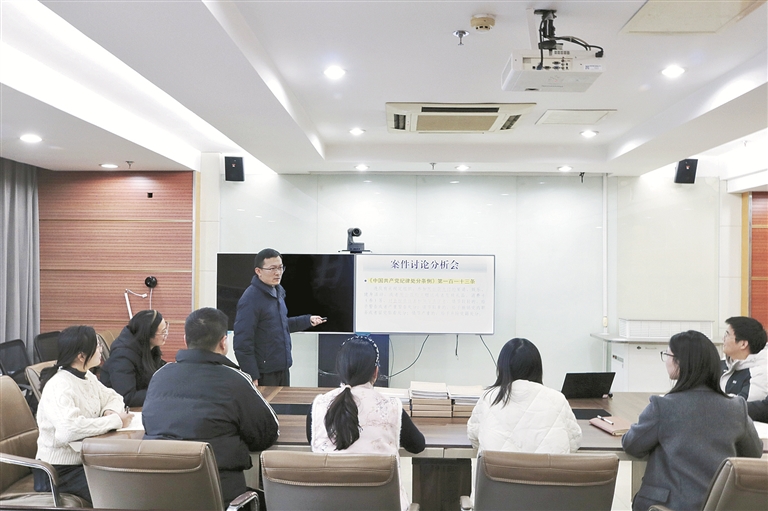
Core Insights - The quality of case evaluation is deemed the "lifeline" of disciplinary inspection and supervision work, with a focus on identifying issues and providing solutions [1] - The Kunming Municipal Commission for Discipline Inspection and Supervision emphasizes a problem-oriented and goal-oriented approach to enhance governance effectiveness through comprehensive case quality evaluations [1][4] Group 1: Evaluation Mechanism - Kunming's disciplinary inspection body has established a comprehensive evaluation mechanism that combines full case quality evaluations, targeted evaluations in key areas, and routine assessments [1][2] - A closed-loop work process is implemented, which includes problem discovery, feedback, tracking supervision, and improvement [1][2] Group 2: Feedback and Improvement - The evaluation process utilizes a "现场反馈 + 书面清单" (on-site feedback + written checklist) dual feedback mechanism to clarify issues and ensure clear rectification directions [2] - A problem and rectification ledger is created to track issues identified during evaluations, ensuring that corrective measures are developed and implemented within specified timeframes [2][3] Group 3: Collaborative Evaluation - Various levels of disciplinary inspection agencies in Kunming are conducting quality evaluations of recently handled cases to summarize experiences and correct deficiencies [3] - Joint evaluation teams are formed to conduct synchronized reviews of cases, providing guidance to improve procedural compliance and documentation management [3] Group 4: Continuous Improvement - The Kunming Municipal Commission for Discipline Inspection and Supervision is committed to enhancing the evaluation system, innovating feedback mechanisms, and deepening the application of evaluation results to improve case handling quality [4] - There is a focus on establishing a regular and long-term evaluation mechanism to uphold case quality standards and enhance legal awareness among disciplinary inspection agencies [4]
管理三重奏|福建安溪:开展案件质量随机评查活动
Xin Lang Cai Jing· 2026-01-11 15:08
Core Viewpoint - The article emphasizes the importance of meticulous case quality evaluation in the judicial process, highlighting a random review initiative by the Anxi County Procuratorate to enhance legal document accuracy and procedural compliance [1][2]. Group 1: Case Quality Evaluation Initiative - Anxi County Procuratorate initiated a random case quality evaluation activity, reviewing 106 out of over 1500 concluded cases, representing at least 6% of the annual case volume handled by each prosecutor [1][2]. - The evaluation focuses on over ten aspects, including substantive fairness, procedural compliance, case effectiveness, and the implementation of judicial responsibility [1]. Group 2: Identified Issues and Improvement Measures - The evaluation aims to identify common issues in case handling, such as vague legal terminology, improper citation of legal articles, and non-standard documentation practices, which, while not affecting overall quality, are still significant [2]. - The Procuratorate plans to implement corrective and preventive measures based on the identified issues, fostering a rigorous and standardized case handling approach [2]. Group 3: Performance and Learning - In 2025, the Procuratorate handled 69 public interest litigation cases, achieving optimal results with minimal judicial costs, with one case recognized as a typical example by the Supreme People's Procuratorate [2]. - The department is committed to continuous improvement through cross-evaluations of completed cases, sharing insights in business salons, and learning from exemplary cases to enhance case handling quality [2].
甘肃强化案件质量评查 靶向发力补齐短板
Zhong Yang Ji Wei Guo Jia Jian Wei Wang Zhan· 2025-12-08 00:06
Core Viewpoint - Gansu Province's Discipline Inspection and Supervision Commission is enhancing the quality of case handling through a comprehensive evaluation of 20 selected cases, aiming to improve the effectiveness of law-based and disciplined case management [1][2] Group 1: Case Quality Evaluation - The evaluation process involves meticulous review and feedback to address issues affecting case quality, promoting simultaneous rectification across regions [1] - The Commission emphasizes transforming "problem lists" into "result lists" to enhance the capabilities of inspection and investigation personnel [1] - A targeted rectification list is created by analyzing common procedural and management issues identified in previous evaluations [1] Group 2: Training and Capacity Building - The Commission conducts training sessions and provides guidance to ensure that case handling aligns with legal standards and improves overall case quality [2] - There is a focus on addressing common challenges faced by grassroots case handlers through direct feedback and support [2] - The approach includes establishing a problem tracking system, categorizing responsibilities, and ensuring timely rectification of identified issues [2]
河南深化案件质量评查 提升依规依纪依法办案质效
Zhong Yang Ji Wei Guo Jia Jian Wei Wang Zhan· 2025-11-21 00:34
Group 1 - The core viewpoint emphasizes the importance of enhancing case quality in the disciplinary inspection and supervision work in Henan Province, focusing on systematic evaluation and improvement mechanisms [1][3] - The Henan Provincial Commission for Discipline Inspection and Supervision has established a multi-level evaluation system to ensure comprehensive scrutiny of key aspects such as evidence, classification, procedures, documentation, and execution of penalties [1][3] - The evaluation process includes daily assessments and concentrated reviews of self-handled cases, accountability cases, and cases from dispatched agencies, promoting self-examination and correction [1][2] Group 2 - The Anyang Municipal Commission for Discipline Inspection and Supervision has developed a quality control mechanism that includes self-assessment, collaborative evaluation, and follow-up reviews to ensure thorough oversight of case handling [2] - The Hebi City He District Commission has implemented a "multi-level, full coverage" evaluation system, requiring case handlers to conduct self-assessments against four key criteria before case transfer [2] - The Nanyang Municipal Commission focuses on accountability case evaluations, ensuring thorough rectification of identified issues and promoting a culture of continuous improvement among disciplinary inspection personnel [3] Group 3 - The emphasis on "evaluation" and "correction" highlights the dual approach of identifying and rectifying issues, with a focus on establishing a dynamic accountability system for problem resolution [3] - The implementation of a dynamic rectification ledger and regular follow-up reviews ensures that issues are addressed promptly and effectively, preventing recurrence [3][4] - The establishment of a comprehensive case quality system includes guidelines for common issues, training sessions for staff, and targeted support to enhance operational standards [4]
做实做细评查工作 守好案件质量“生命线”
Zhong Yang Ji Wei Guo Jia Jian Wei Wang Zhan· 2025-11-11 23:37
Core Viewpoint - The Central Commission for Discipline Inspection emphasizes the importance of high-quality case handling in the development of discipline inspection and supervision work, highlighting the need for a robust case quality review mechanism to ensure accountability and improvement in the process [1] Group 1: Mechanism Improvement - The review mechanism will be refined by establishing clear evaluation standards and a comprehensive assessment system, breaking down the review content into 17 specific items and creating 76 quantifiable scoring criteria [2] - A daily online and offline review system will be established to strengthen the foundation of case quality assessment, ensuring a systematic approach to identifying and rectifying issues [2] Group 2: Regular Review Practices - Regular assessments of completed cases will shift from semi-annual to quarterly evaluations, allowing for continuous monitoring and comprehensive health checks of the cases handled by direct management units [3] - In 2024, a thorough review of 48 self-handled disciplinary cases will be conducted, focusing on the entire process from initial handling to case file management [3] Group 3: Expanding Review Content - The review process will incorporate both online and offline methods, with specialized training for review personnel to ensure consistency in evaluation standards [4] - The review will also include the examination of disciplinary recommendations and their effectiveness, ensuring that issues identified during case handling are addressed to improve governance [5] Group 4: Post-Review Actions - The review process is seen as a starting point for deeper rectification and mechanism optimization, with regular summaries and notifications issued to address identified issues [6] - A dual mechanism of positive reinforcement and accountability will be implemented to enhance the effectiveness of the review process and ensure compliance with corrective measures [6] Group 5: Training and Guidance - Training programs will be organized annually to enhance the professional capabilities of discipline inspection personnel, focusing on practical case handling and emerging corruption issues [7] - Practical training methods, such as simulated case testing and case discussions, will be employed to improve the skills and knowledge of the staff [7]
驻建行纪检监察组深化细化评查工作严守案件质量生命线
Zhong Yang Ji Wei Guo Jia Jian Wei Wang Zhan· 2025-09-29 00:09
Core Viewpoint - The Central Commission for Discipline Inspection and National Supervisory Commission's inspection team is conducting on-site evaluations of disciplinary cases at the China Construction Bank's Xinjiang branch to enhance the quality of case handling and promote high-quality development in discipline inspection and supervision [1][2]. Group 1: Evaluation Mechanism - The inspection team has revised the "Case Quality Evaluation Standards and Scoring Details," focusing on five aspects: evidence, qualitative handling, procedural compliance, management norms, and execution, with 17 evaluation items and 76 scoring criteria [1][2]. - A comprehensive evaluation system has been established, incorporating online evaluations, on-site evaluations, and special evaluations to strengthen the foundation of case quality assessments [1]. Group 2: Evaluation Frequency and Findings - The frequency of evaluations for completed cases has increased from semi-annual to quarterly, allowing for regular monitoring and timely feedback [2]. - From July to August, the inspection team completed a second round of evaluations, identifying issues in qualitative handling and promoting corrective actions [2]. Group 3: Training and Guidance - The inspection team regularly summarizes evaluation results, addressing typical issues such as insufficient evidence and procedural non-compliance, and requires units to implement corrective measures [3]. - Annual training sessions are held for discipline inspection personnel, enhancing their professional capabilities and addressing common quality issues through targeted guidance materials [4]. Group 4: Future Directions - The inspection team aims to further deepen case quality evaluations and innovate evaluation methods to enhance the standardization and legal compliance of discipline inspection work across the organization [4].
风采丨当好案件质量把关人
Zhong Yang Ji Wei Guo Jia Jian Wei Wang Zhan· 2025-08-11 01:08
Core Viewpoint - The article emphasizes the importance of maintaining high-quality standards in case handling within the disciplinary inspection and supervision system, highlighting the role of the Gansu Provincial Commission for Discipline Inspection and Supervision's case review department in ensuring case quality and providing guidance throughout the process [5][9]. Group 1: Case Quality Assurance - The case quality is described as the "lifeline" of disciplinary enforcement work and a key factor for high-quality development in inspection and supervision [5]. - The case review department has established a comprehensive quality control system through precise reviews, all-around business guidance, and multi-dimensional quality assessments [5][6]. - In September 2022, the case review department was recognized as an advanced collective in the national disciplinary inspection and supervision system [5]. Group 2: Internal Review and Guidance - The case review department is responsible for reviewing cases of violations of party discipline and job-related misconduct, providing opinions on handling or punishment according to regulations [6]. - A tiered review system was established in 2018 to enhance case quality, involving initial reviews by case handlers followed by feedback for further investigation [6][7]. - Regular meetings are held to discuss case reports, ensuring all substantive and procedural disputes are resolved before submission for broader discussion [6][9]. Group 3: Addressing Complex Cases - The case review department plays a crucial role in resolving complex issues within cases, as demonstrated by a specific case involving a provincial enterprise leader accused of serious violations [8]. - The department provided comprehensive reviews and suggestions for further investigation, leading to a more accurate understanding of the case and its implications [8]. Group 4: Business Guidance and Standardization - The case review department has initiated comprehensive business guidance to address the lack of capacity and skills at the grassroots level, drafting work methods and providing templates for case handling [10]. - These initiatives aim to enhance the standardization and legal compliance of grassroots disciplinary inspection work [10][12]. Group 5: Case Quality Evaluation - Case quality evaluations are essential for improving case handling, with a three-tiered evaluation mechanism established to ensure ongoing quality improvement [13]. - The evaluation process includes learning relevant policies, communicating with case handlers, and identifying issues through a structured feedback mechanism [13][14]. - The department has successfully reduced the rate of case returns and the number of serious quality issues, indicating a positive trend in case quality [14].