洗钱

Search documents
27亿假黄金骗贷案一审宣判
证券时报· 2026-03-27 10:25
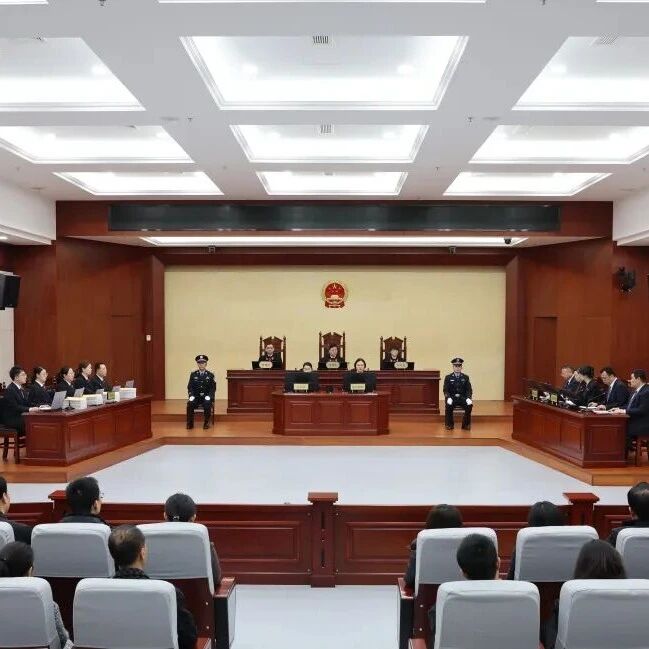
Core Viewpoint - The case involves loan fraud and money laundering by Zhang Qingmin and Zhang Shumin, resulting in significant financial losses for four financial institutions and subsequent legal actions to recover the illicit gains [1][2]. Group 1: Case Details - The court found that from 2011 to 2016, Zhang Qingmin, along with others, used counterfeit tungsten gold to secure loans from four financial institutions, causing losses exceeding RMB 2.7 billion [1]. - Zhang Shumin was implicated in laundering over RMB 1.4 billion of the fraudulently obtained funds, which were transferred to various accounts and eventually used to purchase properties in Cyprus [1][2]. - Both suspects fled abroad in May 2016 and were subsequently wanted by authorities for over a year before the court proceedings [2]. Group 2: Legal Proceedings - The Weinan Intermediate People's Court accepted the case and published a public notice, allowing four financial institutions to apply for participation in the lawsuit during the six-month notice period [4]. - A public hearing was held on March 20, 2026, ensuring that the rights of all parties, including the suspects and interested parties, were fully protected [4].

27亿假黄金骗贷案,一审宣判
21世纪经济报道· 2026-03-27 10:19
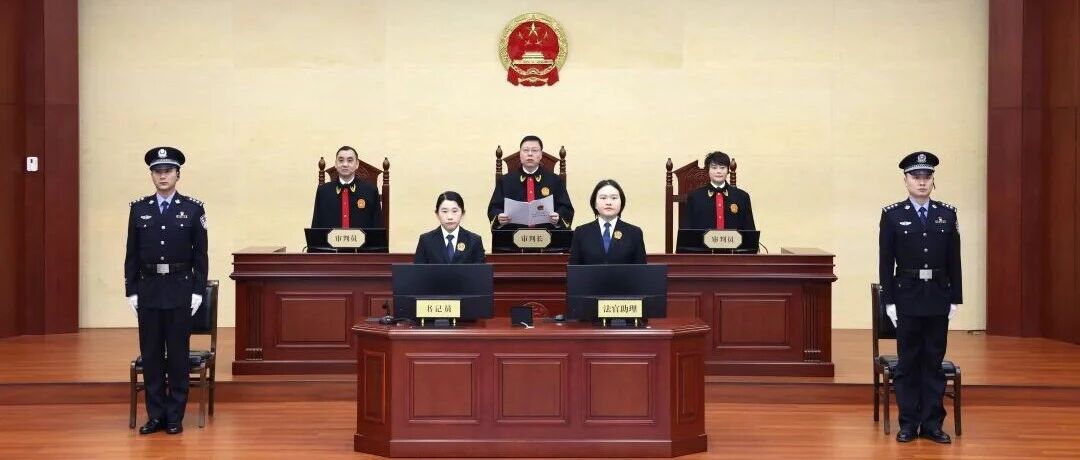
Core Viewpoint - The case involves loan fraud and money laundering by Zhang Qingmin and Zhang Shumin, resulting in significant financial losses for multiple financial institutions and subsequent legal actions to recover the illicit gains [2][3][4]. Group 1: Case Details - From 2011 to 2016, Zhang Qingmin and accomplices used counterfeit tungsten-infused gold to secure loans from four financial institutions, leading to losses exceeding RMB 2.7 billion [3]. - Zhang Shumin assisted in laundering over RMB 1.4 billion of the fraudulently obtained funds by transferring them to various accounts and ultimately to Cyprus for property purchases [3]. - Both suspects fled abroad in May 2016 and were subsequently wanted for over a year before the court proceedings [3][4]. Group 2: Court Ruling - The Weinan Intermediate People's Court ruled to confiscate 17 properties and funds from 7 bank accounts in Cyprus belonging to the suspects, returning the assets to the affected financial institutions [2][3]. - The court emphasized that the evidence substantiated the fraud and money laundering activities, justifying the confiscation of the illicit gains [3][4]. - The court proceedings were open to public observation, with representatives from various sectors attending the hearings [4].

27亿假黄金骗贷案宣判 :追缴张青民、张淑民17套房产、7个银行账户内资金及其孳息
第一财经· 2026-03-27 09:38
Core Viewpoint - The case involves loan fraud and money laundering activities by Zhang Qingmin and Zhang Shumin, resulting in significant financial losses for multiple financial institutions and subsequent legal actions to recover the illicit gains [4][5]. Group 1: Fraudulent Activities - From 2011 to 2016, Zhang Qingmin and accomplices used counterfeit tungsten-infused gold to secure loans from four financial institutions, leading to losses exceeding RMB 2.7 billion [4]. - Zhang Qingmin directed the transfer of the defrauded bank funds into accounts controlled by Zhang Shumin, who then laundered over RMB 1.4 billion by dispersing the funds to various laundering personnel accounts [5]. Group 2: Legal Proceedings - The Weinan Intermediate People's Court ruled to confiscate 17 properties and funds from 7 bank accounts in Cyprus, which were deemed illegal gains from the fraudulent activities of Zhang Qingmin and Zhang Shumin [2][5]. - The court proceedings included a public hearing attended by representatives from various sectors, ensuring the rights of all parties involved were protected [7][8].
ED freezes 90 bank accounts in raids at 19 places across Haryana, Chandigarh, Punjab, Bengaluru in ₹597 crore money laundering case
BusinessLine· 2026-03-13 13:00
Core Viewpoint - The Enforcement Directorate (ED) has frozen 90 bank accounts and seized incriminating evidence during searches related to a significant embezzlement case involving ₹597 crore of public funds linked to the IDFC First Bank Scam [1][2]. Group 1: Investigation Details - The investigation is focused on the embezzlement of ₹597 crore, which was intended to be kept as a fixed deposit with IDFC First Bank but was diverted without authorization by the accused [2][3]. - The search operations targeted former bank employees and their associates, including shell entities such as Swastik Desh Projects and Capco Fintech Services, as well as various jewellers and real estate developers [3][4]. Group 2: Modus Operandi - The accused utilized shell entities to siphon off government funds, with a significant portion initially diverted to Swastik Desh Projects Pvt Ltd, which was incorporated for this purpose [4]. - Funds were further laundered through jewellers to create a facade of legitimate gold purchases via bogus billing [4][5]. Group 3: Key Individuals Involved - Ribhav Rishi, a former employee of IDFC First Bank, played a crucial role in the scam and resigned in June 2025; he and his family members received proceeds from the crime [5]. - Vikram Wadhwa, a hotelier and real estate developer, directly received embezzled funds and transferred them to various real estate entities, but has been absconding since the fraud was uncovered [5][6]. Group 4: Additional Findings - The investigation revealed that Chandigarh Mega Store and its partners were also involved in siphoning off funds, with evidence recovered during the searches [6]. - Other entities, including Maa Vaibhav Laxmi Interiors and SRR Planning Gurus Private Ltd, were found to have directly received government funds and subsequently laundered them through shell companies [6].


最高法:重点打击“洗钱”等关联犯罪
Zhong Guo Zheng Quan Bao· 2026-02-26 20:28
Core Viewpoint - The Supreme People's Court emphasizes the need for stricter punishment and asset recovery in response to the ongoing high incidence of telecom and internet fraud, aiming for comprehensive governance through a combination of severe penalties, asset recovery, and source governance [1][2][3]. Group 1: Judicial Actions and Statistics - From 2021 to 2025, over 159,000 telecom fraud cases were concluded in first-instance trials, resulting in more than 338,000 defendants being sentenced [1]. - In 2023, the number of concluded cases and sentenced individuals increased by 48.4% and 38.6% year-on-year, respectively, indicating a significant rise in judicial activity against fraud [1]. - The Supreme People's Court plans to enhance the application of property penalties to prevent economic gains for fraudsters and encourage voluntary restitution by defendants [3][5]. Group 2: Focus Areas for Law Enforcement - The focus of law enforcement will be on key figures in criminal organizations, including leaders, core members, and those facilitating cross-border fraud, as well as violent crimes associated with fraud [2][3]. - The court aims to implement a dual approach of strict punishment for serious offenders while considering leniency for lower-level participants who cooperate with investigations [2][3]. Group 3: Trends in Fraud Techniques - Recent years have seen a diversification and sophistication in fraud methods, with high incidences of false investment schemes, impersonation scams, and the use of advanced technologies like AI for deception [4]. - Criminals are increasingly utilizing smart tools and techniques to enhance the effectiveness and concealment of their fraudulent activities, leading to higher success rates [4]. Group 4: Future Initiatives and Public Awareness - The Supreme People's Court will continue to strengthen its crackdown on telecom fraud and related crimes, with a focus on high-risk groups and emerging fraud types [5]. - There will be an emphasis on legal education and public awareness campaigns to better inform potential victims about prevalent fraud methods and enhance community engagement in anti-fraud efforts [5].
最高法:从严惩处电信网络诈骗犯罪
Xin Lang Cai Jing· 2026-02-26 17:40
Core Viewpoint - The Supreme People's Court emphasizes strict punishment and recovery efforts against telecom network fraud, focusing on organized crime and money laundering activities involving virtual currencies and underground banks [1] Group 1: Crime Trends - Telecom network fraud remains prevalent, characterized by organized crime, cross-border methods, and complex forms, posing significant challenges to global public safety [1] - From 2021 to 2025, over 159,000 telecom fraud cases were concluded in first-instance trials, resulting in more than 338,000 defendants being sentenced [1] - The number of concluded cases and sentenced individuals from 2023 to 2025 shows a noticeable slowdown in year-on-year growth, indicating some effectiveness in judicial efforts [1] Group 2: Focus Areas for Law Enforcement - The courts are concentrating on key figures in criminal organizations, including primary offenders, core members, and those facilitating cross-border fraud [1] - There is a specific focus on violent crimes associated with telecom fraud, such as intentional homicide, injury, and kidnapping, as well as money laundering through virtual currencies and underground banks [1] - The courts are committed to asset recovery, as a significant amount of defrauded funds has been transferred abroad, and efforts will be made throughout the judicial process to recover these assets [1]

利用虚拟货币为电诈团伙“洗钱”,抓!
Xin Lang Cai Jing· 2026-02-24 16:13
Group 1 - The rise of virtual currencies has led to an increase in scams, with criminal groups using these currencies to launder illicit funds [1] - A recent case in Hefei involved a victim who was scammed out of 260,000 yuan after being lured into a fraudulent scheme through a dating app [1] - Police discovered a money laundering operation linked to the scam, involving a virtual currency "exchange dealer" who facilitated the laundering of the stolen funds [1] Group 2 - The suspect, Liu, was found to have sold virtual currency on an illegal trading platform, with part of the funds traced back to the victim's losses [2] - Liu's actions included quickly withdrawing the illicit funds to his personal WeChat account, indicating an awareness of the funds' suspicious origins [2] - Since 2020, Liu had been actively involved in virtual currency trading, attempting to profit quickly while evading regulatory scrutiny [2]
加卢先科试图离境时被捕
Mei Ri Jing Ji Xin Wen· 2026-02-15 13:07
Core Viewpoint - The Ukrainian National Anti-Corruption Bureau has detained former Justice Minister Galushchenko while attempting to leave the country amid an investigation into energy-related corruption [1][3]. Group 1: Background and Context - Galushchenko served as Ukraine's Minister of Energy from April 2021 to July 2025 and then as Justice Minister until his dismissal in November 2025 due to corruption allegations [3][5]. - President Zelensky publicly condemned the corruption in the energy sector, stating it was "absolutely unacceptable," leading to the resignation of both Galushchenko and Energy Minister Hryshchuk on November 12, 2025 [3][5]. Group 2: Investigation Details - The investigation revealed a "large criminal group" involving current and former officials from the Ministry of Energy and businessmen, with identified money laundering activities amounting to nearly $100 million [6]. - The National Anti-Corruption Bureau conducted over 70 searches related to this criminal group, seizing numerous documents and cash [6][7]. Group 3: Implications and Reactions - The corruption scandal has sparked public outrage in Ukraine, particularly as it coincides with ongoing energy infrastructure challenges due to Russian attacks [7].

贵州省贵阳市委原常委、市委宣传部原部长孙绍雪受贿、洗钱案一审宣判
Yang Shi Wang· 2026-02-09 09:43
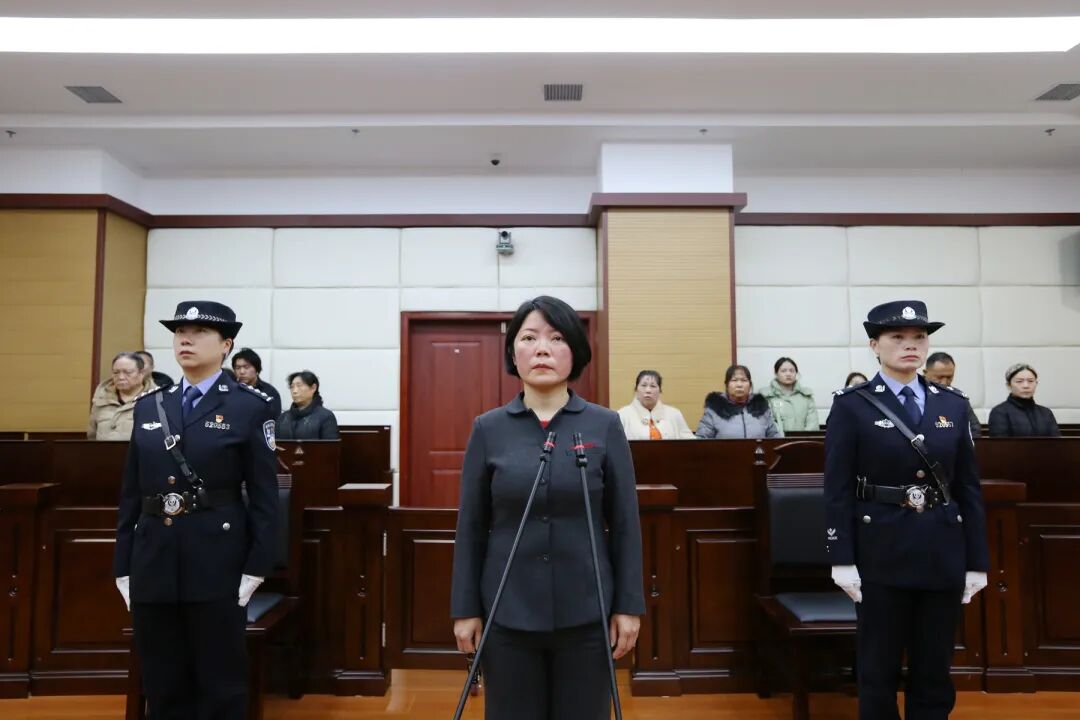
Core Viewpoint - The case of Sun Shaoxue, former member of the Guizhou Provincial Party Committee and former director of the Publicity Department of Guiyang City, highlights significant corruption and money laundering activities within local government, resulting in a substantial prison sentence and fines for the accused [1][3]. Group 1: Case Details - Sun Shaoxue was sentenced to 11 years in prison and fined a total of 1.02 million RMB for bribery and money laundering [1][5]. - The court found that from 2016 to 2022, Sun Shaoxue illegally accepted bribes totaling over 13.91 million RMB while holding various government positions [3][5]. - To conceal the illegal acceptance of gifts, Sun Shaoxue arranged for the sale of these gifts for over 60,000 RMB [3]. Group 2: Court's Rationale - The court determined that Sun Shaoxue's actions constituted particularly large amounts of bribery, warranting severe punishment [5]. - Mitigating factors included Sun Shaoxue's confession, cooperation with authorities, and voluntary return of all illicit funds, which led to a lighter sentence [5]. - Following the verdict, Sun Shaoxue expressed acceptance of the judgment and did not appeal [5].
为领所谓“补贴” 老人险成电诈“过桥人”
Xin Lang Cai Jing· 2026-02-06 23:02
Core Viewpoint - The article highlights a recent case of telecom fraud targeting elderly individuals, where a 60-year-old man was nearly scammed out of 160,000 yuan under the guise of receiving a "poverty alleviation subsidy" [1][9]. Group 1: Fraud Mechanism - The fraud involved the elderly victim being contacted by someone claiming to be from a "poverty alleviation office," who persuaded him to download a fraudulent app and provide personal information, including bank account details [9][11]. - The scammer promised the victim a total of 1.72 million yuan in subsidies, contingent upon the victim helping to "clean" the funds by withdrawing cash [9][11]. - The victim was instructed to withdraw 160,000 yuan from a specific bank, with the assurance that someone would come to collect the cash after withdrawal [11][13]. Group 2: Intervention and Outcome - Bank staff noticed suspicious activity when the elderly man attempted to withdraw a large sum of cash and contacted the police for further investigation [3][7]. - Upon police arrival, it was discovered that the victim's phone contained multiple fraud-related applications, indicating his involvement in a common "bridge" scam where funds are transferred to obscure their origin [7][15]. - The police emphasized that any request to assist strangers in withdrawing money for subsidies is a clear indication of fraud, and individuals should be cautious to avoid becoming unwitting accomplices [15].