痛风

Search documents
痛风急性发作期如何正确应对?听听专家怎么说→
Sou Hu Cai Jing· 2026-02-22 07:18
Core Viewpoint - The article emphasizes the importance of proper management and treatment for individuals with high uric acid levels and gout during acute attacks, especially during holiday periods. Group 1: Treatment Guidelines - The main principle for treating acute gout attacks is to quickly control joint inflammation and pain. Bed rest and elevating the affected limb are recommended, with medication being most effective within the first 24 hours of the attack [1] - First-line treatment options for acute gout include non-steroidal anti-inflammatory drugs (NSAIDs) and colchicine, with short-term use of corticosteroids also considered for inflammation [1] - It is crucial to avoid heat application, massage, or rubbing the affected joint during an acute attack, as these actions can exacerbate inflammation and increase pain and swelling [1] Group 2: Dietary and Lifestyle Recommendations - Controlling diet to lower uric acid levels is advised, along with maintaining a daily water intake of at least 2000 milliliters. Drinking alkaline water can help prevent uric acid from depositing in tissues, organs, or joints [1] - Intense exercise may trigger acute gout attacks, so high-intensity workouts should be avoided during acute phases. Moderate aerobic exercise, such as walking or slow jogging for 30 minutes to an hour, is recommended during remission periods [1] Group 3: Medication Management - During the holiday season, individuals with high uric acid levels and gout should not relax their management routines and must continue to take their medications regularly without self-discontinuation [2]
【应急总医院科普时间】春节美食诱惑多,这份健康“避险指南”请收好
Xin Lang Cai Jing· 2026-02-15 03:15
Core Viewpoint - The article discusses the health risks associated with overeating and drinking during the Chinese New Year, highlighting various conditions that can arise from indulgent eating habits and providing health tips to mitigate these risks [1][3]. Group 1: Acute Pancreatitis - Overeating high-fat and high-protein foods, along with excessive alcohol consumption, can lead to acute pancreatitis, as the pancreas becomes overwhelmed and begins to digest itself [3][5]. - Symptoms include severe abdominal pain, nausea, vomiting, and in severe cases, low blood pressure and shock [5]. - To prevent this condition, it is advised to eat in moderation, avoid excessive drinking, and for those with gallbladder issues, to steer clear of high-fat foods [5][7]. Group 2: Acute Gastroenteritis - Disrupted eating patterns during the holiday can lead to acute gastroenteritis, caused by consuming raw or hard-to-digest foods and potentially spoiled items [7]. - Symptoms include frequent diarrhea, abdominal cramps, nausea, and weakness, which can lead to dehydration [7][9]. - Maintaining regular eating habits, avoiding raw and irritating foods, and ensuring food safety are recommended to prevent this condition [7][9]. Group 3: Upper Gastrointestinal Bleeding - The combination of alcohol and spicy foods can irritate the stomach lining, leading to acute upper gastrointestinal bleeding, especially in individuals with pre-existing digestive conditions [11][12]. - Symptoms may include vomiting blood and black stools, along with dizziness and weakness [11][12]. - Individuals with digestive diseases should avoid alcohol and spicy foods, opting for milder, easily digestible options [11][12]. Group 4: Gout - The consumption of high-purine foods during the holiday can lead to gout, as excess uric acid accumulates in the body [12][14]. - Symptoms include sudden, severe joint pain, swelling, and restricted movement [12][14]. - It is advised to limit high-purine foods, stay hydrated, and manage stress to prevent gout attacks [14][15]. Group 5: Airway Foreign Bodies - Young children are at risk of choking on food during festive gatherings, particularly on hard-to-chew items [16][18]. - Symptoms of airway obstruction include severe coughing, difficulty breathing, and cyanosis [18][20]. - Parents should supervise young children while eating and avoid giving them hard foods that could pose a choking hazard [20].


别让痛风“缠”上你!科学管控尿酸是关键
Xin Lang Cai Jing· 2026-02-02 23:09
Group 1 - Gout is not just joint pain but a signal of metabolic imbalance, often associated with conditions like hyperlipidemia, hypertension, and hyperglycemia, leading to metabolic syndrome [2] - Long-term improper treatment of gout can lead to gouty nephropathy, proteinuria, edema, and in severe cases, renal failure, significantly increasing the risk of cardiovascular diseases such as myocardial infarction and cerebral infarction [2] - Gout is increasingly affecting younger individuals, with cases of elevated serum creatinine observed in patients in their 20s, highlighting the importance of early detection and treatment [2] Group 2 - Hyperuricemia is a key prerequisite for gout, but only about 5% to 12% of individuals with hyperuricemia will develop gout symptoms [1] - For first-time gout patients, it is recommended to recheck blood uric acid levels approximately four weeks after symptom relief, and dietary control can typically lower uric acid levels by around 60 umol/L [1] - The target for uric acid control varies: to prevent attacks, it should be below 360 umol/L; for those with gout stones or gouty nephropathy, it should be strictly controlled between 200-300 umol/L [1]
连吃7天,浙江男子确诊尿毒症晚期!医生:他才40岁,这个习惯很多人都有,就是改不掉……
Xin Lang Cai Jing· 2026-01-28 04:17
Core Viewpoint - The article highlights the health risks associated with high-purine foods, particularly for individuals with pre-existing conditions like gout, diabetes, and hypertension, as illustrated by the case of a 40-year-old man who developed end-stage renal disease after consuming a traditional dish. Group 1: Health Risks - The patient, Mr. Lin, experienced severe knee pain and was diagnosed with end-stage renal disease after consuming high-purine foods, specifically meatball soup, for a week [2][4] - His uric acid level was significantly elevated at 421 umol/L, while his creatinine level reached 717 μmol/L, indicating severe kidney dysfunction [2][4] - The article emphasizes that high-purine foods can lead to acute gout attacks and, if not managed properly, can result in serious complications like kidney failure [3][7] Group 2: Dietary Recommendations - It is crucial for gout patients to manage their purine intake, especially during social gatherings where high-purine foods are common [5] - The article suggests that maintaining a balanced diet, staying hydrated, and avoiding high-fructose beverages can help manage uric acid levels [9] - Regular physical activity and proper sleep hygiene are also recommended to prevent the exacerbation of high uric acid levels [10][11]
每天2杯奶茶男子痛风到无法走路
Xin Lang Cai Jing· 2026-01-25 03:47
Core Viewpoint - A 40-year-old teacher in Hangzhou suffers from gout due to his daily consumption of milk tea, which contains high levels of fructose, a hidden trigger for gout attacks [1] Group 1: Health Implications - The patient, despite avoiding common triggers like alcohol and seafood, experiences severe gout attacks linked to his milk tea habit [1] - Doctors note that many young patients without drinking habits also suffer from gout, often due to high consumption of sugary drinks, particularly milk tea [1] Group 2: Biochemical Mechanism - Fructose in milk tea participates in purine metabolism, leading to increased uric acid production and decreased uric acid excretion, causing elevated blood uric acid levels [1] - Milk tea is often high in calories and caffeine, with excessive caffeine intake potentially leading to increased blood concentration of uric acid [1]
降尿酸,医生为什么说不能“太快”?
Xin Lang Cai Jing· 2026-01-18 00:57
Core Viewpoint - The article emphasizes the importance of managing uric acid levels carefully, highlighting that rapid reduction can lead to severe health issues, including acute gout attacks and kidney damage. Group 1: Uric Acid Management - Over 150 million people in China suffer from hyperuricemia, with more than 15 million diagnosed with gout [1] - Rapidly lowering uric acid can exacerbate joint pain and swelling due to the instability of urate crystals in the joints [3][4] - A stable reduction in uric acid levels is recommended, ideally decreasing by 60 to 120 micromoles per liter each month to avoid acute gout attacks and protect kidney and cardiovascular health [5] Group 2: Medication Guidelines - Medication is suggested when uric acid levels exceed 420 micromoles per liter for men and postmenopausal women, and 360 micromoles per liter for premenopausal women [6] - For asymptomatic patients with uric acid levels below 480 micromoles per liter, lifestyle changes are preferred over immediate medication [8] - If uric acid exceeds 540 micromoles per liter, medication should commence regardless of gout symptoms [9] Group 3: Lifestyle Recommendations - Limiting high-purine foods, such as certain seafood and organ meats, is crucial for managing uric acid levels [11] - Staying hydrated with 2000 to 3000 milliliters of water daily is recommended, avoiding sugary drinks and alcohol [12] - Reducing fructose intake is advised as it can increase uric acid production and decrease its excretion [14] - Regular exercise and maintaining a healthy weight can help prevent complications associated with high uric acid levels [16][17] - Keeping warm during colder months is important to prevent uric acid crystallization in joints [18][19]

这个常见的食品添加剂竟是痛风“推手”?其实它背的“锅”有点大
Yang Zi Wan Bao Wang· 2025-12-15 07:01
Core Viewpoint - The rising incidence of gout among younger populations is linked to various factors, and the claim that disodium inosinate is a primary cause lacks sufficient evidence [1][2]. Group 1: Disodium Inosinate and Gout - Disodium inosinate is a food additive found in many condiments, but there is no substantial research indicating that its normal use in food significantly increases the risk of gout [1]. - The amount of purine in commonly used condiments, such as oyster sauce, is very low, and its impact on uric acid levels is minimal compared to high-purine foods [1]. Group 2: Factors Contributing to Gout in Young People - The increase in gout cases among young individuals is attributed to genetics, poor dietary habits (high purine food intake), obesity, and alcohol consumption, particularly beer [2]. - Establishing a scientific lifestyle is crucial for preventing high uric acid levels and gout, rather than fearing specific food components [2]. Group 3: Recommendations for Gout Prevention - Dietary adjustments should include strict limitations on high-purine foods such as organ meats, certain shellfish, and rich broths, along with reduced alcohol intake [2]. - Weight control is essential, but rapid weight loss should be avoided as it may lead to increased ketone bodies, which can inhibit uric acid excretion and trigger acute gout attacks [2]. - Adequate hydration is recommended, with a daily intake of over 2000 milliliters for individuals with normal heart and kidney function to promote uric acid excretion [2][3]. - Regular physical activity, such as aerobic exercises, is beneficial for weight management and metabolic improvement [3]. - High-risk individuals, including those with a family history of gout, obesity, or poor dietary habits, should regularly monitor their blood uric acid levels [4].
青少年也会得痛风?这些诱因要警惕
Yang Shi Xin Wen· 2025-12-08 03:37
Group 1 - The core issue of hyperuricemia is a metabolic disorder caused by purine metabolism, with an increasing prevalence of gout among younger populations, indicating a need for attention to abnormal uric acid levels in adolescents [1] - A case study highlights a 19-year-old diagnosed with gout due to a uric acid level of 589 μmol/L, attributed to poor lifestyle choices such as lack of exercise and excessive consumption of sugary drinks [2][3] - Medical professionals indicate that the rise in gout cases among young people is linked to unhealthy dietary habits, lack of physical activity, and other negative lifestyle factors [3][5] Group 2 - The normal fasting blood uric acid levels are defined as above 420 μmol/L for males and above 360 μmol/L for females, categorizing levels above these thresholds as hyperuricemia [7] - For children under 15 years, a blood uric acid level exceeding 357 μmol/L is typically classified as hyperuricemia [9]
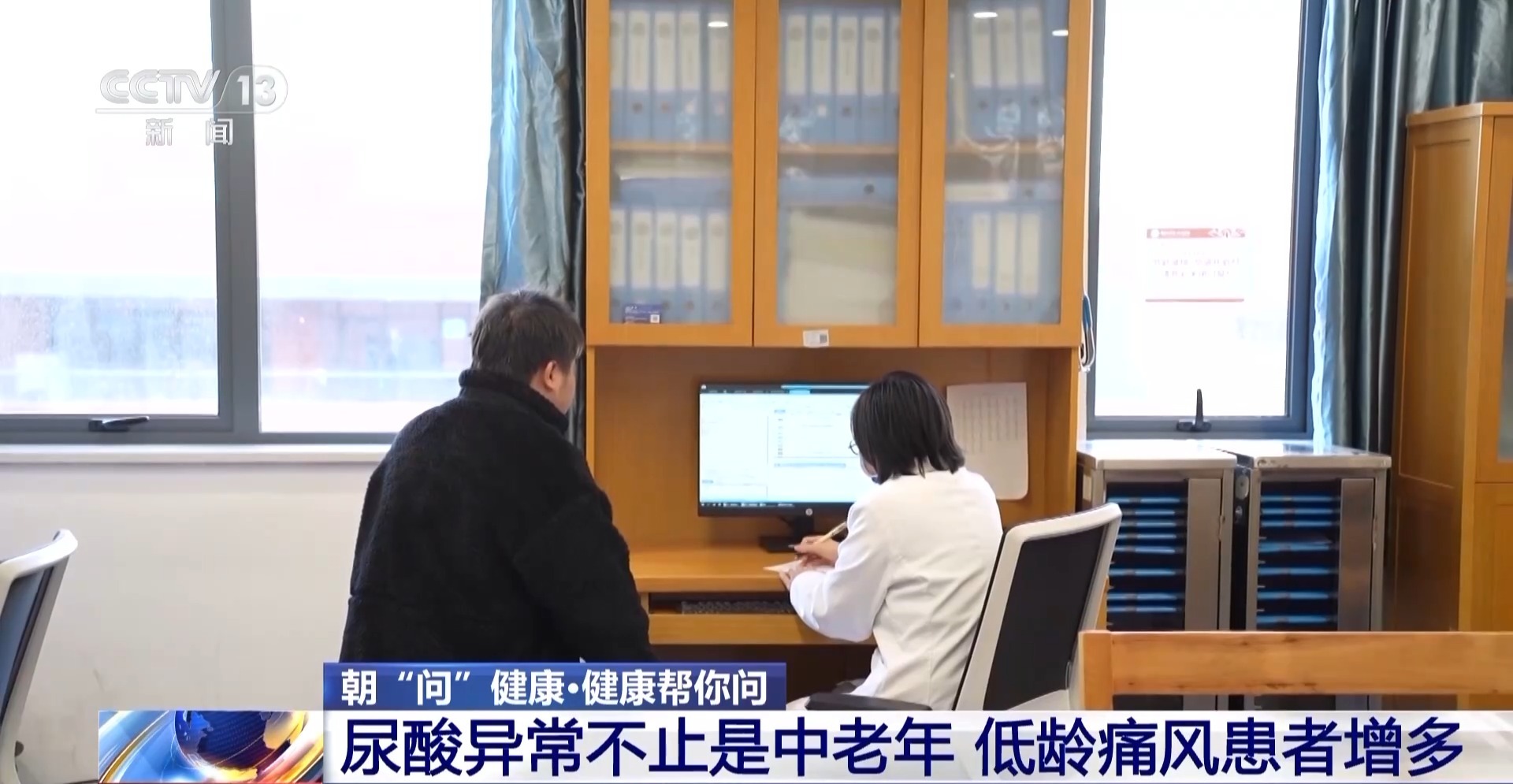
尿酸异常怎么办?高尿酸血症等于痛风吗?这份健康“新知”请收藏→
Yang Shi Wang· 2025-12-08 01:56
Core Insights - The prevalence of gout is increasing, with younger populations, including adolescents, showing abnormal uric acid levels, indicating a growing health concern [1][3] Group 1: Disease Overview - Hyperuricemia is a metabolic disorder caused by purine metabolism disruption, often preceding gout in patients [1] - A case study highlighted a 19-year-old diagnosed with gout due to a uric acid level of 589 μmol/L, attributed to poor lifestyle choices such as lack of exercise and high consumption of sugary drinks [1] Group 2: Contributing Factors - Key factors contributing to gout in adolescents include poor dietary habits, lack of physical activity, and unhealthy lifestyle choices [3] - Consumption of fructose-rich beverages, high-purine foods, and alcohol significantly increases uric acid production [5] Group 3: Health Risks - Hyperuricemia does not equate to gout but poses significant health risks, including the potential for joint inflammation and kidney issues [9] - Elevated uric acid can lead to deposits in organs, causing conditions like kidney stones, uric acid nephropathy, and increased cardiovascular risks due to arterial damage [9] Group 4: Management and Prevention - Management strategies for high uric acid levels include dietary modifications, lifestyle changes, and regular monitoring [11] - Recommendations include reducing intake of high-purine foods, increasing water consumption, maintaining a healthy weight, and ensuring adequate hydration to facilitate uric acid excretion [11]

直播预告:痛风患者的饮食红绿灯与生活管理
Ren Min Wang· 2025-10-16 02:32
Core Viewpoint - Gout, known as the "disease of kings," has become the second most prevalent metabolic disease in China, following diabetes, and is characterized by elevated uric acid levels leading to severe pain and potential long-term health risks [1] Group 1: Disease Overview - Gout is fundamentally a disorder of purine metabolism, resulting in the accumulation of uric acid crystals in joints and tissues, causing intense pain [1] - Misconceptions about the disease lead many patients to only seek treatment during painful episodes, contributing to the worsening of their condition [1] Group 2: Expert Engagement - Professor Ye Hua from Peking University People's Hospital will provide a live session on accurate diagnosis, staged treatment, and long-term management strategies for gout [1][5] Group 3: Live Broadcast Information - The live session can be accessed through the People's Good Doctor App, under the "Famous Doctor Live" section [6] - Viewers can also follow the People's Health public WeChat account for additional health resources and to download the app [8]