
考古研究

Search documents
一周各地文物动态摘编(1.31-2.6)
Xin Lang Cai Jing· 2026-02-08 06:09
Group 1: National Cultural Heritage Initiatives - The National Cultural Heritage Administration held a meeting to discuss the 2025 research work, emphasizing the need to address major issues and propose actionable solutions to deep-rooted contradictions and structural shortcomings in cultural heritage work [1] - The meeting highlighted the importance of learning from grassroots experiences and ensuring that research outcomes are applied to various aspects of cultural heritage management, including planning, legal construction, resource surveys, and archaeological research [1] Group 2: Archaeological Discoveries and Events - The "2025 Chinese Archaeological New Achievements" forum announced six selected archaeological projects, showcasing significant findings from various regions, including prehistoric and historical sites [5] - Hubei Province revealed six major archaeological discoveries for 2025, including sites from different historical periods, which will be showcased in an exhibition [18] - Zhejiang Province announced ten major archaeological discoveries for 2025, highlighting the region's critical role in the origins and development of Chinese civilization [11] Group 3: Cultural Heritage Promotion and Education - The UNESCO "Silk Road Heritage" chair was inaugurated, aiming to protect Silk Road heritage and promote international research and cooperation through various academic activities [14] - The Jiangsu Province opened the Jin Tan Tumulus Archaeological Site Park, designed as an outdoor museum to educate the public about ancient burial customs and cultural heritage [9] Group 4: Regional Cultural Heritage Management - Inner Mongolia's cultural and tourism bureau emphasized the need for regulatory framework development and high-quality completion of the national cultural heritage census [7] - The Fujian Province issued implementation opinions for urban renewal, focusing on the protection and transmission of historical culture, including the fourth national cultural heritage census [16] - Qinghai Province's cultural and tourism bureau outlined plans for the "15th Five-Year" development strategy, focusing on enhancing public service levels and strengthening cultural heritage protection [26] Group 5: Revolutionary Heritage and Historical Sites - Hunan Province announced the fourth batch of revolutionary heritage sites, including 193 immovable cultural relics, with a significant portion related to war memorials and historical events [20] - A meeting on the protection of "Four Crossings of the Red River" revolutionary heritage was held, focusing on collaborative mechanisms for cross-regional heritage protection [22] Group 6: Archaeological Research and Findings - The Xinjiang archaeological team reported significant findings from the Bada M East Tomb, revealing well-preserved artifacts that provide insights into Tang dynasty burial customs and cultural exchanges along the Silk Road [28]

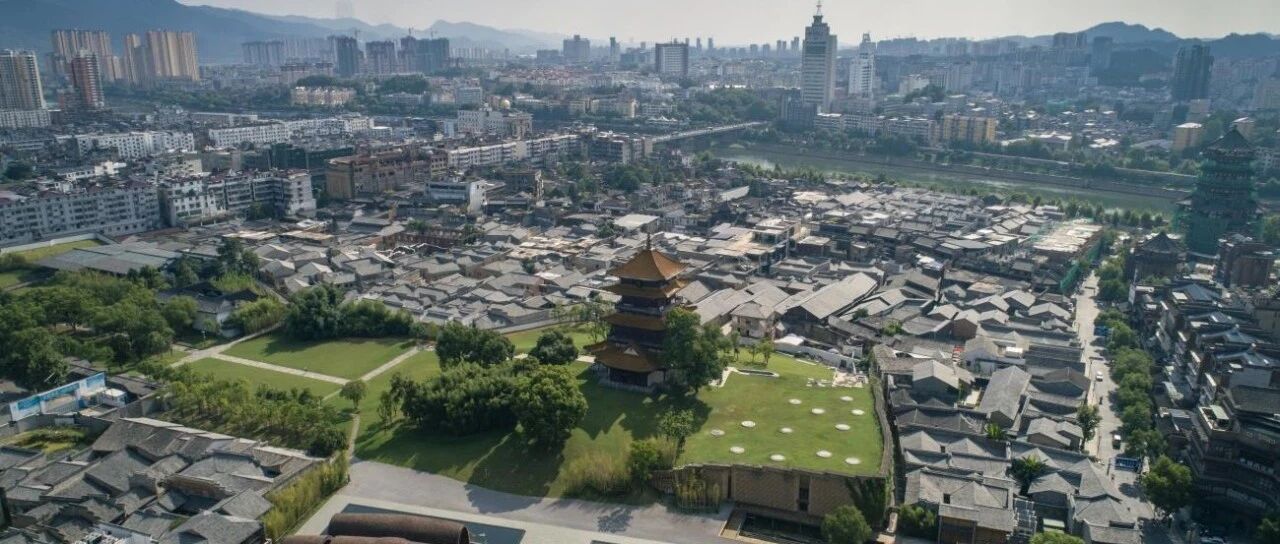
中国东北青铜时代天河石饰品研究 揭示两千多年前社会多维信息
Xin Lang Cai Jing· 2026-02-01 03:50
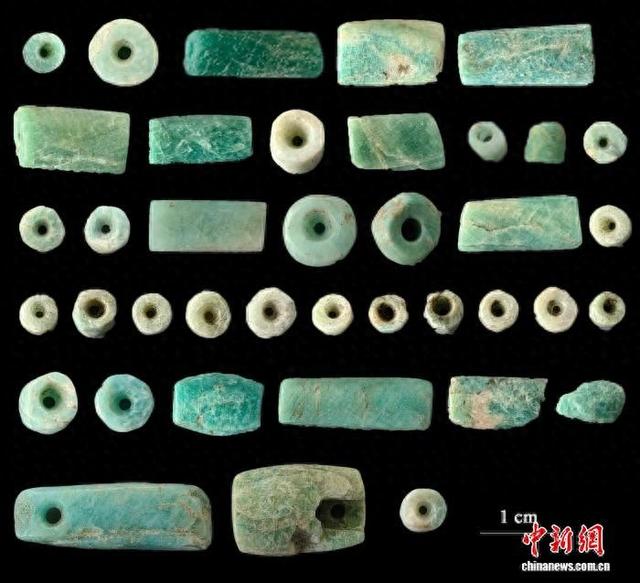
Core Insights - The recent archaeological findings of 39 pieces of amazonite artifacts from the Dongshantou site in Northeast China have garnered significant attention for their material sourcing, color mechanisms, and cultural implications [1][3] - The artifacts, dated approximately 2500 to 2000 years ago, are identified as personal ornaments from the late Spring and Autumn period to the mid-late Western Han period [1][6] Archaeological Findings - The excavation at Dongshantou revealed 22 tombs, 2 residential sites, 14 ash pits, and 1 ash ditch, yielding over 1500 artifacts, with 39 notable amazonite pieces found near the skulls and chests of tomb occupants, indicating their use as personal adornments [6] - The amazonite artifacts include various forms such as beads, tubes, and pendants, mostly measuring less than 1 centimeter, with colors ranging from light green to dark green [6] Material Analysis - The primary mineral composition of the amazonite artifacts was confirmed to be microcline, with lead isotope analysis indicating that the raw materials originated from at least three different sources, primarily sourced locally, but with potential for long-distance trade [6][7] - A significant finding was the strong positive correlation (0.98) between rubidium and thallium, which not only explains the color mechanism of amazonite but also provides new indicators for sourcing studies [7] Cultural Significance - The research highlights the importance of amazonite as a key archaeological material for understanding ancient social production techniques, trade interactions, and cultural exchanges across various ancient civilizations [3][8] - The study establishes a scientific framework for future research on amazonite, aiding in the reconstruction of ancient usage and circulation networks of this material in China [8]
3089件出土骨骼 揭开大溪6000多年前的生态档案
Xin Lang Cai Jing· 2026-01-29 18:46
Core Viewpoint - The archaeological findings at the Daxi site in Wushan, Chongqing, reveal a rich ecological history dating back over 6,000 years, showcasing a diverse prehistoric animal community and the early human interaction with these species [3][16]. Group 1: Archaeological Discoveries - The Daxi site has yielded over 24,000 animal bones, with 3,089 identifiable specimens, indicating a vibrant ecosystem where species like rhinoceroses, pandas, and golden monkeys thrived [3][7]. - Notable discoveries include 53 rhinoceros bones, evidencing the presence of two species, and signs of human interaction such as burn marks and cut marks on bones, suggesting the processing of meat [7][8][9]. Group 2: Dietary Habits of Early Humans - The diet of the Daxi people was diverse, with deer meat being a staple, supported by the discovery of nearly 1,000 bones from six species of deer [7][12]. - Evidence of domesticated animals such as dogs and pigs indicates that the Daxi people were beginning to actively manage their environment, with 1,110 dog bones found, suggesting a deep integration into human life [12][13][14]. Group 3: Environmental and Climatic Changes - The findings at the Daxi site serve as a silent record of climate and environmental changes, with evidence showing a shift in animal populations around 4,000 years ago due to climate cooling and human agricultural expansion [16][17]. - Fish remains constituted 51% of the total bone findings, indicating advanced fishing techniques among the Daxi people, who were capable of catching large, mature fish [16]. Group 4: Cultural Significance - The presence of processed shells and other artifacts suggests that the Daxi people creatively utilized natural resources for tools and decoration, reflecting their cultural practices [16]. - The archaeological evidence collectively paints a picture of early humans as both part of and active participants in their natural environment, marking the beginning of domestication and environmental modification [17].
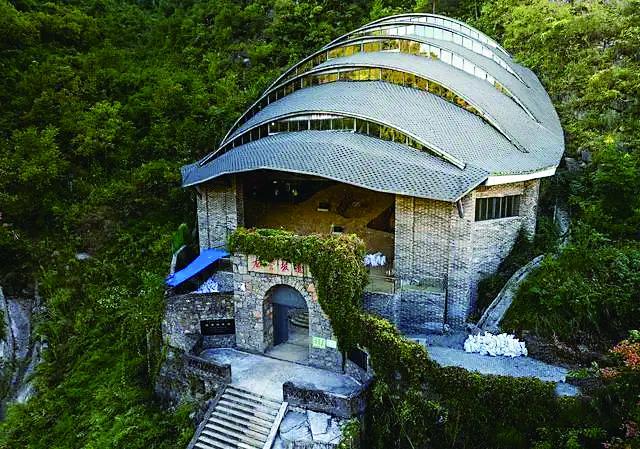
考古新发现 见证成都城市发展
Xin Lang Cai Jing· 2025-12-28 19:25
Core Insights - The report highlights the significant archaeological discoveries in the Sichuan-Chongqing region for the year 2025, showcasing the ongoing research and findings that contribute to understanding the area's historical development [7][9]. Group 1: Archaeological Discoveries - Ten important archaeological findings were selected, including sites such as the Taohua River site in Shehong, the Haney site in Danba, and the Ming Shu End Wangling in Chengdu, among others [7][8]. - The Caiqiao site in Chengdu is noted for its accumulation of multiple cultural periods, including Baodun, Sanxingdui, and the Warring States-Han era, with significant findings like a wooden bridge dating back to the late Warring States period [8]. - The Xiyujie South site in Chengdu revealed artifacts related to urban infrastructure, including ceramic daily-use items and inscribed city wall bricks, providing new materials for studying ancient urban history [8]. Group 2: Cultural Significance - The discoveries are described as connecting the cultural heritage of the Bashu region, illustrating the trajectory of human activities and the continuity of civilization in Sichuan and Chongqing [9]. - The findings from the Ming Shu End Wangling provide crucial physical evidence for studying the layout of the Shu fiefdom's tombs and the evolution of Ming dynasty royal tombs [8]. - The academic summary by Professor Li Shuicheng emphasizes that the archaeological projects have filled gaps in the understanding of the Paleolithic era in the region and enhanced knowledge of interactions among pre-Qin populations [9].

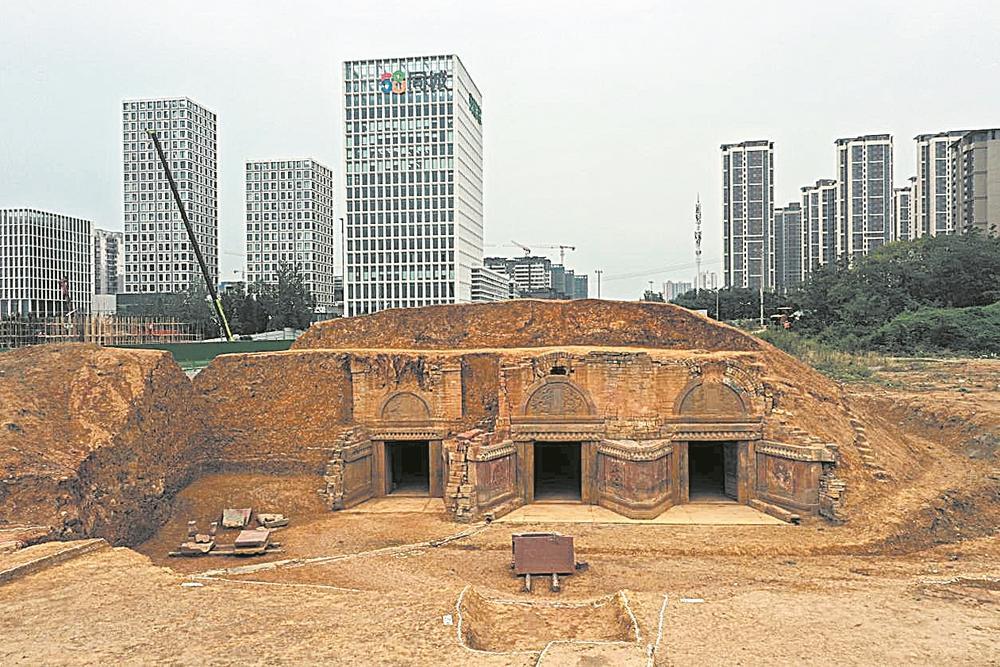
三千年前的文明联动!大辛庄遗址博物馆揭秘商朝“朋友圈”
Yang Shi Xin Wen· 2025-12-07 06:47
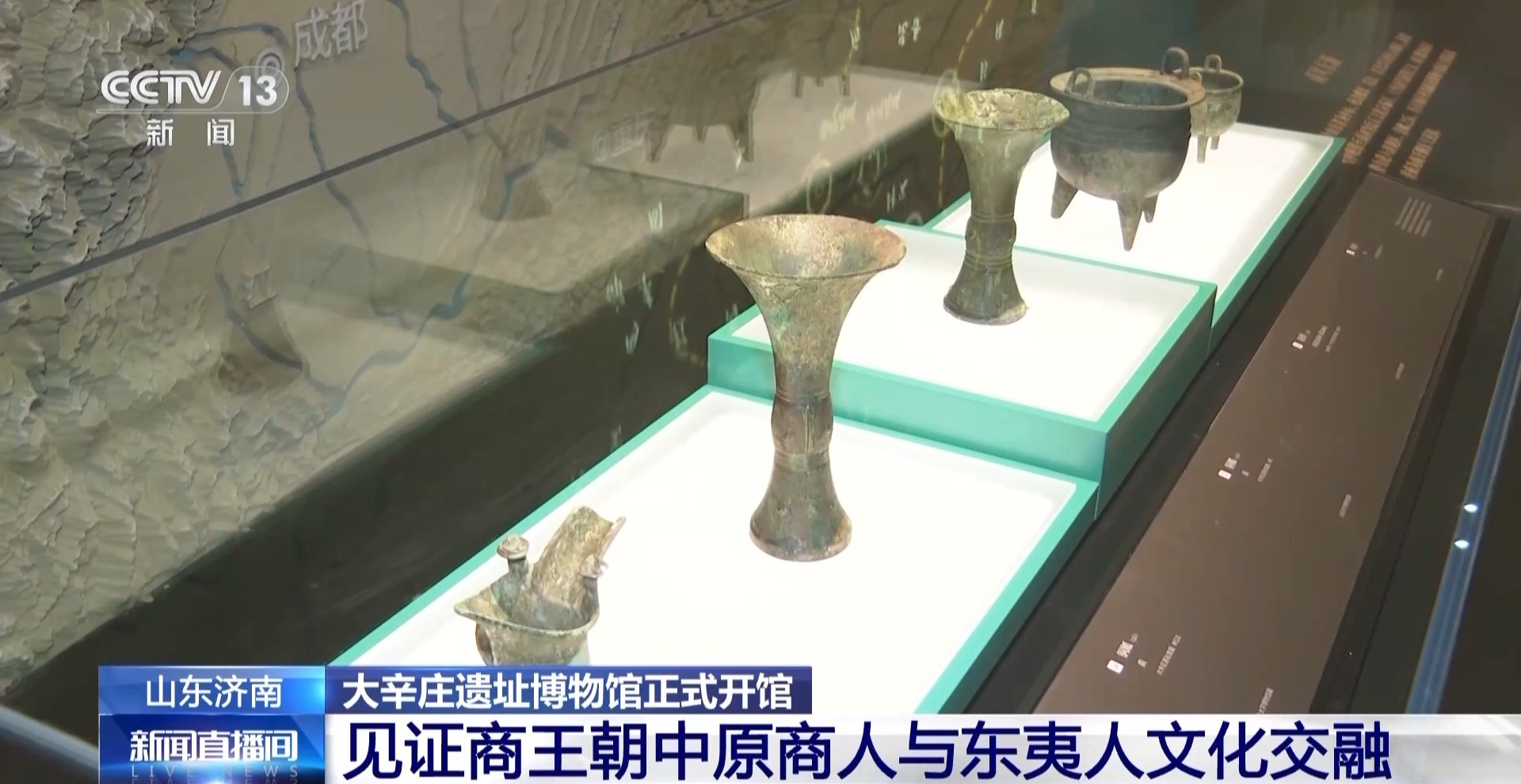
Core Insights - The Daxinzhuang Site Museum officially opened for trial operation on December 6, showcasing the cultural fusion between merchants from the Central Plains and the Dongyi people from Shandong over three thousand years ago [1] - The museum's theme "Fusion of Yi and Shang, Diversity in Unity" features over 800 artifacts that highlight the archaeological significance and cultural heritage of the Shang Dynasty [1] Archaeological Findings - A notable collection of Shang Dynasty bronze ritual vessels, including ding, ge, and jue, symbolizes the identity of the Shang kings and nobility, with a uniquely designed bronze jue featuring the character "Xin" engraved on it [3] - A large bronze axe, measuring 29.5 cm in height and 30.6 cm in blade width, is recognized as one of the largest known bronze axes from the early Shang period [5] - The exhibition includes oracle bone inscriptions, marking the first discovery of such artifacts in Eastern China outside the Anyang Yin Ruins, which holds significant academic value [7] Cultural Significance - The inscriptions on a turtle shell fragment, containing 34 characters related to sacrificial rites for four maternal ancestors, indicate that local Shang nobility possessed writing skills, a rare find outside the capital [9] - Rituals and related ceremonies are essential components of Shang culture, exemplified by a small jade figure representing an ancestral deity, adorned with a luxurious feather crown [11][13] - A bronze owl-shaped vessel discovered in a high-status late Shang tomb contained distilled liquor from over 3,000 years ago, enriching the history of distilled beverages in China [15] Visitor Engagement - The management center of the Daxinzhuang site plans to utilize digital and intelligent technologies to create immersive experiences for visitors, particularly students, to enhance their understanding of artifacts and history [17]
济南大辛庄遗址博物馆今日起试运营
Qi Lu Wan Bao· 2025-12-07 02:37
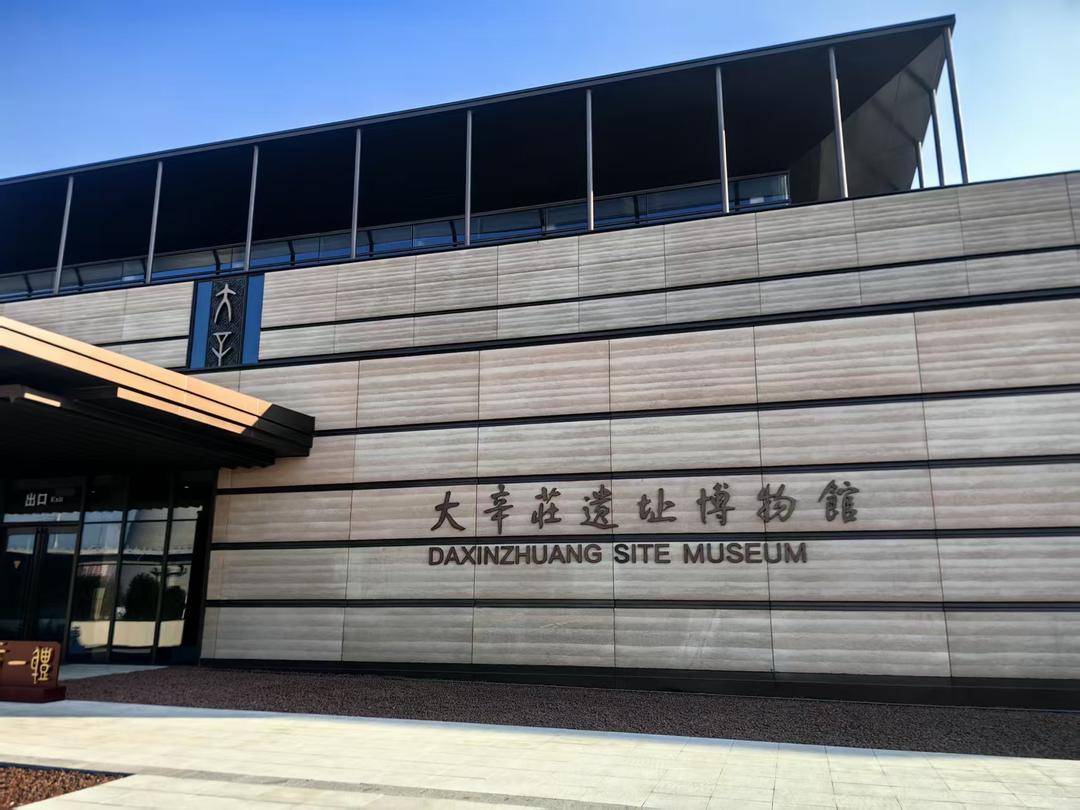
Core Viewpoint - The Jinan Daxinzhuang Site Museum officially opened for trial operation on December 6, 2023, after two years of construction, showcasing the rich archaeological heritage of the Shang Dynasty and serving as a cultural bridge for the integration of ancient and modern civilizations [1][3]. Group 1: Museum Overview - The museum is located in the northeastern part of Jinan, within the Daxinzhuang village area, and is built on the foundation of the Shang Dynasty Daxinzhuang site [3]. - The museum features two floors, with the first floor dedicated to displaying artifacts such as jade, bronze, bone, and pottery from archaeological excavations, including several national first-class cultural relics [5][7]. - The second floor focuses on academic presentations, utilizing images to showcase significant archaeological findings, enhancing public understanding of the Shang Dynasty [5][7]. Group 2: Archaeological Significance - The Daxinzhuang site has been recognized since the 1930s, with significant excavations conducted by Shandong University and the Jinan Archaeological Research Institute in the 21st century [7]. - The museum is characterized by its unique position as a site-based museum that comprehensively displays Shang culture, making it a must-visit for archaeology enthusiasts [7]. - Important artifacts on display include a large bronze axe and a three-legged round ding, which are on loan from the Shandong University Museum and will be returned after a month [7]. Group 3: Cultural and Educational Impact - The museum's opening is seen as a revival of cultural memory and a sharing of academic achievements, transforming static archaeology into dynamic historical narratives [8]. - The Daxinzhuang site is highlighted as a strategic location for the Shang Dynasty, serving as a key point for cultural exchange between the Central Plains and coastal cultures [9]. - The museum aims to enhance social education and public cultural services, promoting archaeological research and cultural tourism development [11].
“十四五”时期北京开展考古发掘400余项
Ren Min Ri Bao· 2025-12-01 22:11
Core Viewpoint - The recent archaeological findings in Beijing, including the New Palace site and the Liuli River site, contribute significant evidence to the understanding of China's diverse and unified civilization [1] Group 1: Archaeological Discoveries - Over 400 archaeological excavations have been conducted in Beijing during the 14th Five-Year Plan period, covering an area of more than 400,000 square meters [1] - The New Palace site is the only dual-ring moat settlement site from the Xia and Shang dynasties discovered in Beijing, indicating trade and cultural exchanges between northern and southern China over 3,000 years ago through the study of turquoise artifacts [1] - New findings from the Liuli River site provide new data for the study of sacrificial animals used by the Western Zhou states [1] Group 2: Historical Significance - The site of the former Imperial Workshop in the Forbidden City is the largest and most diverse archaeological site within the palace complex to date [1] - The discovery of a cannon from the Chongzhen period during the fifth phase of the Great Wall excavation at Jiankou is the largest cannon unearthed in this section, offering new materials for studying the exchange of military technology between China and the West, as well as the development of Chinese casting technology for artillery [1]
北京多项考古研究成果发布 长城考古发掘取得重要收获
Xin Hua Wang· 2025-12-01 21:11
Core Insights - The archaeological work in Beijing for 2025 includes significant discoveries at the Eastern section of the Jiankou Great Wall, specifically at enemy towers 117, 118, and 119, which yielded important artifacts such as weapons, building components, and daily life items [1] - The discovery of a cannon cast in the fifth year of the Chongzhen era of the Ming Dynasty is noted as the largest cannon found in this section, providing evidence for the study of Ming military technology and the exchange of military techniques between China and the West [1] - The Xinguang site, a dual-ring moated settlement from the Xia and Shang dynasties, fills a historical gap in Beijing's cultural landscape during this period, revealing burial sites, moats, and other relics [1] Archaeological Findings - The Xinguang site has yielded 28 pieces of turquoise artifacts, showcasing advanced craftsmanship and indicating trade and cultural exchanges between northern and southern China thousands of years ago [2] - The research on turquoise not only fills a gap in early turquoise studies in North China but also provides crucial evidence for reconstructing the history of material culture exchange in ancient China [2] - Recent archaeological efforts in Beijing have integrated excavation, protection, research, and display, with notable findings from the Liuli River site and the former site of the Palace Museum's workshop being presented [2]
中外考古专家学者在希腊举行学术交流活动
Xin Hua Wang· 2025-11-09 01:30
Core Insights - The China Classical Civilization Research Institute held a series of academic seminars in Athens to celebrate its first anniversary, focusing on archaeological research, cultural exchange, and academic collaboration [1][2] - Greek officials highlighted the institute's innovative contributions to archaeological research and expressed hopes for further cooperation in research projects and educational exchanges [1] - The institute aims to establish a Chinese school of classical studies and has engaged in field archaeology and academic research across Greece, collaborating with various institutions [1][2] Group 1 - The China Classical Civilization Research Institute was officially established in November 2024, with a mission to deepen the study of Greek civilizations and promote academic exchanges and cooperation in archaeology and civilization research [2] - The institute has accumulated valuable experience in stratigraphic analysis, artifact preservation, and archaeological display through collaborations with the Greek Ministry of Culture and other international archaeological research institutions [1] - The institute plans to continue advancing archaeological project cooperation, integrating technological archaeology with literature research, and enhancing comparative civilization studies [1] Group 2 - The "New Developments in Chinese Archaeology" themed exchange event featured discussions on the cultural patterns of the Bronze Age, cross-regional exchanges across Eurasia, and archaeological discoveries in the Tibetan Plateau [2] - The "Athens Young Scholars Classical Forum" included young scholars from various countries discussing topics related to classical literature and ancient history from a multidisciplinary perspective [2] - The institute's establishment is supported by both the Chinese and Greek governments, aiming to foster deeper research into various civilizations and enhance global academic collaboration and talent cultivation [2]
郑州商城与夏商文明暨郑州商城发现70周年学术研讨会在郑召开 郑州商城是夏商考古核心支点
He Nan Ri Bao· 2025-10-21 23:33
Core Insights - The archaeological findings at Zhengzhou Shang City have significantly contributed to the understanding of the late Shang Dynasty and its connection to the Xia Dynasty, marking a pivotal point in the study of early Chinese civilization [1][2] - A symposium celebrating the 70th anniversary of the Zhengzhou Shang City archaeological discoveries gathered over 240 experts to discuss key achievements and advancements in the study of Xia and Shang civilizations [1][2] Group 1: Archaeological Significance - Zhengzhou Shang City is recognized as a core site for the study of early Shang culture and urban development, having been a focal point for research over the past 70 years [2] - The site was listed as one of the first national key cultural relic protection units in 1961 and has received multiple accolades, including being named one of "China's Top 100 Archaeological Discoveries of the Century" [1] Group 2: Research and Development - The symposium featured keynote reports from six scholars, focusing on themes such as the discoveries and research of Zhengzhou Shang City, new advancements in Xia and Shang civilization studies, multidisciplinary research on Shang civilization, and new archaeological findings related to the Xia and Shang [2] - The ongoing archaeological efforts in Zhengzhou are aimed at deepening the understanding of the Xia and Shang civilizations, utilizing technology to unlock historical mysteries and promoting the integration of archaeology with cultural tourism [2]