银行私有化

Search documents
汇丰控股(0005.HK):恒生私有化:业绩提升三重奏 全球一流盈利水平可期
Ge Long Hui· 2026-02-01 06:41
机构:中信建投证券 研究员:马鲲鹏/李晨/王欣宇 核心观点 汇丰控股私有化恒生银行的核心战略目标在于投资香港、进一步提高香港地区财富管理等核心业务的竞 争力和盈利能力。私有化完成后,预计将在少数股东权益减少、成本收入比压降、财富管理业务量价双 升等三方面,显著提振汇丰控股ROTE 近2pct,即从当前16%左右向上突破至18%-19%,达到全球银行 业一流水平。当前市场对恒生私有化业绩提升效果的预期,无论是影响范围、还是提升幅度,均不充 分,上调汇丰控股目标价至180 港元(2.25 倍PTB),维持买入评级和银行板块首推。 摘要 3)最重要的是,私有化及业务深度融合后,恒生的财富管理业务有望实现"量高增+价提升",进一步提 振汇丰ROTE 约1pct。 恒生财富管理业务的AUM 增速及单位AUM 收益率,较汇丰香港及汇丰集团均有明显差距。私有化 后,AUM 增速及单位AUM 收益率有望逐步向汇丰靠拢,若恒生AUM 增速看齐汇丰的20%-30%、单位 AUM 费率看齐汇丰的0.6%-0.7%,财富管理收入将提振汇丰集团口径ROTE 约1pct。当前市场对私有化 的营收贡献预期极不充分。 上调汇丰控股目标估值至 ...

恒生指数,再无“恒生”!汇丰银行押注亚太的关键一招
Xin Lang Cai Jing· 2026-01-28 16:48
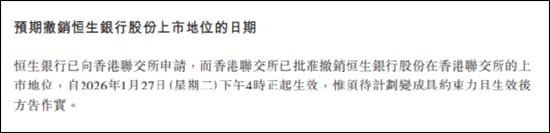
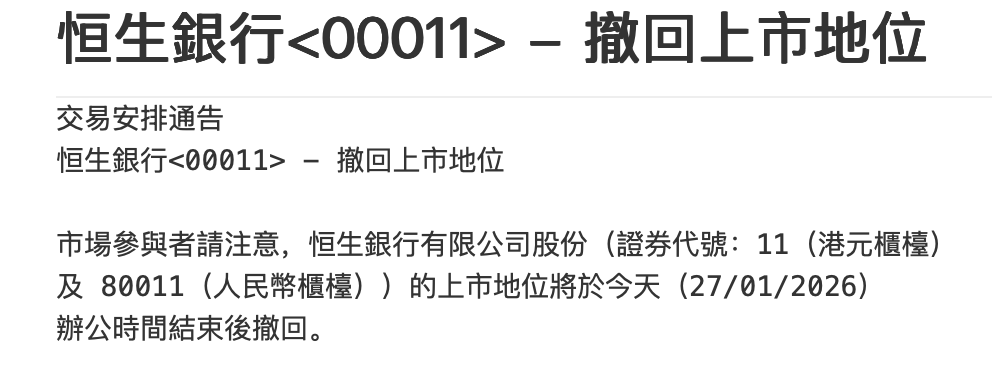
【文/羽扇观金工作室】 2026年1月27日下午4点,香港交易所的电子屏上,一个陪伴了市场53年的名字——恒生银行,正式从上 市名单中移除。这一刻,不仅标志着这家诞生于1933年的"香港老牌华资银行"告别公众视野,更意味着 一场耗资1061亿港元、由汇丰集团主导的"千亿收编"尘埃落定。 港交所网站公告 很多香港人对恒生银行的感情,早已超越了一家普通银行。上了年纪的市民记得,它最初只是中环一间 小小的找换店,靠着诚信慢慢扎根;炒股的人都知道,我们常说的"恒生指数",正是1969年由恒生银行 研究部负责人关士光一手创制,一度成为香港股市的"风向标"。从找换店到上市公司,再到如今彻 底"回归"汇丰麾下,恒生的百年变迁,藏着香港金融市场的起起落落,也藏着一场关于"生存"与"发 展"的深刻抉择。 它是怎么一步步走到退市这一步的?汇丰为啥非要花千亿把它"全盘拿下"?以前的模式到底出了啥问 题?私有化之后,对双方来说又有啥好处?今天我们就来聊聊进入历史档案的00011.HK的故事。 3个多月速战速决,一场"诚意满满"的退市 恒生银行的私有化,没有拖泥带水,从方案提出到正式退市,只用了3个多月,比市场预期的半年到9个 月快了 ...

汇丰收网,恒生银行正式告别港交所
Hua Er Jie Jian Wen· 2026-01-27 10:58
1月27日,恒生银行公告已撤回其在香港联合交易所的上市地位。 在完成相关法律程序及私有化方案后,这家拥有93年历史的香港本土老牌银行,将成为汇丰控股(HSBC)的全资附属公司。 根据安排,退市后的恒生银行将保留其独立品牌、现有的分行网络以及原本的管理团队; 对于普通储户而言,街头的绿白招牌依旧,但对于资本市场而言,代码"00011.HK"将彻底封存进历史档案。 靴子终于在今日落地。 从退市动因来看,对于母公司汇丰而言,全资控股意味着能够更灵活地调配集团内部资本,消除由于少数股东权益带来的"摩擦成本"。 更关键的是,在当前的港股市场环境中,银行股估值长期处于低位; 通过私有化,汇丰可以完全并表恒生银行产生的利润,这对于急需提振长期ROE(净资产收益率)的汇丰来说,是一笔算得过来的账。 而对于恒生银行本身,退市或许也是一种解脱。 作为香港本地银行的标杆,恒生近年来面临着多重挑战:本地信贷需求疲软、内房股风险敞口的清理压力,以及虚拟银行带来的零售业务竞争。 2016-20 700 615 600 544 490 500 428 400 300 242 200 162 200 100 0 2016年 2017年 20 ...

豪威集团正式登陆港交所;东吴证券维持海底捞“买入”评级丨港交所早参
Mei Ri Jing Ji Xin Wen· 2026-01-12 17:15
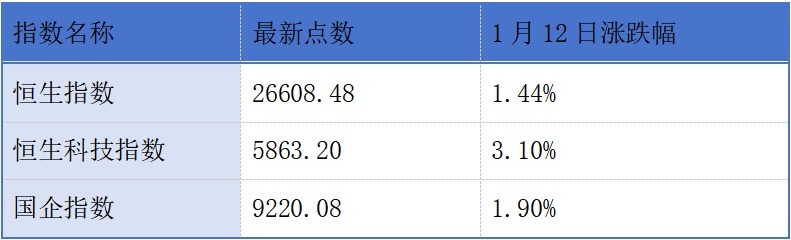
Group 1: Company Listings and Market Performance - Haowei Group officially listed on the Hong Kong Stock Exchange on January 12, becoming the first "A+H" company of the year and the first stock in the image sensor sector in Hong Kong, closing at HKD 121.8 per share, up 16.22%, with a total market capitalization of HKD 152.9 billion [1] - Extreme Thinking has submitted a listing application to the Hong Kong Stock Exchange, with plans to expand its operations in 40 cities across China, operating 112 direct-operated restaurants and bars under the COMMUNE brand, which holds a market share of approximately 7.8% in the sector [4] Group 2: Analyst Ratings and Market Insights - Dongwu Securities maintains a "Buy" rating for Haidilao, recognizing it as the leading hotpot brand in China with a dividend yield of 6%, and noting its efforts to optimize store operations and develop new brand matrices amid industry challenges [2] - JPMorgan views the privatization of Hang Seng Bank as a positive development for HSBC, as it will enhance management's ability to provide guidance on synergies and improve HSBC's CET1 ratio post-transaction [3]



汇丰出手,恒生银行将私有化退市,市值超2500亿元!恒生指数将无恒生银行
Mei Ri Jing Ji Xin Wen· 2026-01-09 07:34
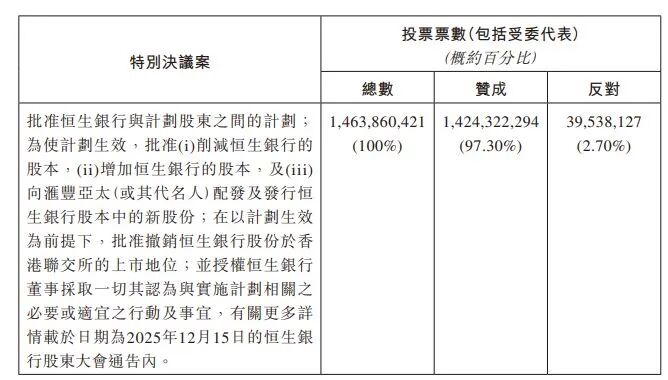
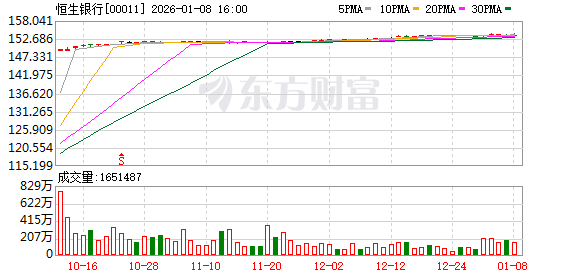
Core Viewpoint - HSBC Holdings has successfully passed the privatization plan for Hang Seng Bank, which will become a wholly-owned subsidiary of HSBC by January 26, 2026, marking the end of Hang Seng Bank's 53 years of public trading since its listing in 1972 [1][2]. Group 1: Privatization Details - The privatization proposal offers HKD 155 per share, with a total cash payout of approximately HKD 106.156 billion to shareholders if the plan is executed [2]. - During the court meeting, approximately 237 million shares (85.75% of voting rights) voted in favor of the privatization, while 39.3 million shares (14.25%) voted against it. The special resolution at the shareholders' meeting received a 97.30% approval rate [2][3]. - The expected delisting of Hang Seng Bank from the Hong Kong Stock Exchange will occur on January 27, 2026, with trading expected to cease on January 14, 2026 [3][4]. Group 2: Market Context and Financials - As of January 9, 2026, Hang Seng Bank's stock price was HKD 154.3, only slightly below the proposed acquisition price of HKD 155, with a total market capitalization of HKD 289 billion (approximately RMB 258.8 billion) [4]. - Concerns have been raised regarding Hang Seng Bank's increasing credit impairment in commercial real estate loans, which reached HKD 25.012 billion as of June 30, 2025, a 26% increase from six months prior [6]. - HSBC's CEO has stated that the privatization is a strategic business decision aimed at demonstrating confidence in Hong Kong's future and is not directly related to the bank's bad debt situation [6]. Group 3: Operational Continuity - Post-privatization, Hang Seng Bank will retain its independent banking license, corporate governance, brand image, unique market positioning, and branch network as per Hong Kong banking regulations [6].
上市53年 预计1月27日退市!私有化方案获高票通过,恒生指数将无恒生银行
Mei Ri Jing Ji Xin Wen· 2026-01-09 02:12
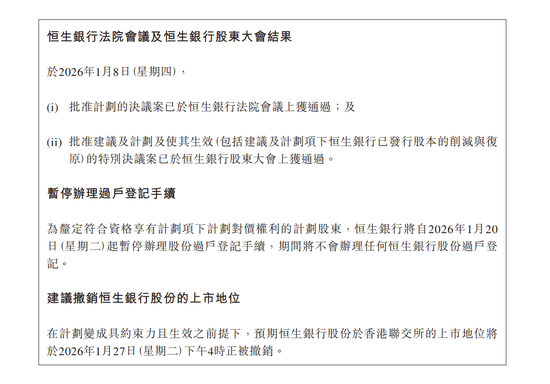
Core Viewpoint - HSBC Holdings plans to privatize Hang Seng Bank, which has been publicly traded for 53 years, with the privatization expected to take effect on January 26, 2026, and the bank's listing on the Hong Kong Stock Exchange to be canceled on January 27, 2026 [1][2][10]. Privatization Approval - The privatization plan received overwhelming support at the court meeting and shareholders' meeting, with approximately 85.75% of the voting rights in favor and 14.25% against [4][12]. - The special resolution related to the privatization achieved a 97.30% approval rate [4][12]. Financial Details - HSBC Asia Pacific offered HKD 155 per share as the cash consideration for the privatization [3][11]. - As of January 8, Hang Seng Bank's share price was HKD 153.9, only HKD 1.1 below the proposed acquisition price [7][15]. Index Removal - Following the approval of the privatization plan, Hang Seng Bank will be removed from various indices, including the Hang Seng Index, effective January 14, 2026 [2][10]. Brand and Operations - Post-privatization, Hang Seng Bank will retain its brand, branch network, and independent banking license under Hong Kong banking regulations, maintaining its corporate governance and market positioning [8][16]. Market Context - Concerns have been raised regarding Hang Seng Bank's increasing bad debts in the real estate sector, with credit impairment for commercial real estate loans reaching HKD 250.12 billion, a 26% increase from six months prior [9][16]. - HSBC's CEO has stated that the privatization is a strategic decision unrelated to the bank's bad debt situation, reflecting confidence in Hong Kong's future [9][16].
上市53年,预计1月27日退市 私有化方案获高票通过,恒生指数将无恒生银行
Sou Hu Cai Jing· 2026-01-09 02:01
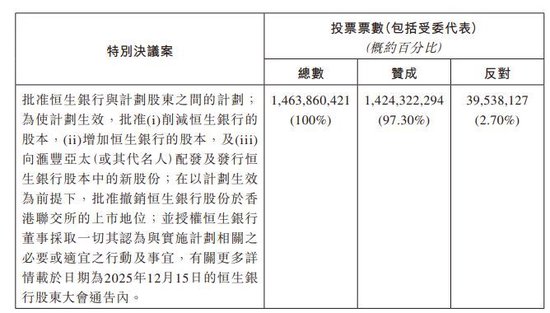
Core Viewpoint - HSBC Holdings has successfully obtained approval for the privatization of Hang Seng Bank, which will become a wholly-owned subsidiary of HSBC by January 26, 2026, marking the end of Hang Seng Bank's 53 years of public trading since its listing in 1972 [1][2]. Group 1: Privatization Approval - The privatization proposal was publicly announced on October 9, 2025, with HSBC Asia Pacific offering HKD 155 per share for the privatization [2]. - During the court meeting, approximately 237 million shares (85.75% of voting rights) voted in favor, while 39.3 million shares (14.25%) voted against [2]. - The special resolution related to the privatization received a 97.30% approval rate at the shareholders' meeting [2][3]. Group 2: Timeline and Stock Status - The expected delisting of Hang Seng Bank from the Hong Kong Stock Exchange is set for January 27, 2026, with trading expected to cease on January 14, 2026 [3][4]. - Share transfer registration will be suspended starting January 20, 2026, and no share transfers will be processed during this period [4]. Group 3: Financial Context and Strategic Considerations - Concerns have been raised regarding Hang Seng Bank's increasing credit impairment in commercial real estate loans, which reached HKD 25.012 billion as of June 2025, a 26% increase from the previous period [5]. - HSBC's CEO has stated that the privatization is a strategic business decision aimed at demonstrating confidence in Hong Kong's future and is not directly related to the bank's bad debt situation [5]. - Post-privatization, Hang Seng Bank will retain its banking license, corporate governance, brand image, market positioning, and branch network [5].
恒生银行 “告别”恒生指数
Shang Hai Zheng Quan Bao· 2026-01-08 14:35
Core Viewpoint - HSBC Holdings and Hang Seng Bank have announced the privatization of Hang Seng Bank, which will lead to the delisting of its shares from the Hong Kong Stock Exchange by January 27, 2026 [2][3]. Group 1: Privatization Details - The proposal for privatization was approved by 85.75% of the voting rights at the court meeting and 97.30% at the shareholders' meeting [2]. - The expected last trading date for Hang Seng Bank shares on the Hong Kong Stock Exchange is January 14, 2026, with the delisting effective from January 27, 2026 [2]. - Share transfer registration will be suspended starting January 20, 2026, until the plan becomes binding [2]. Group 2: Historical Context - HSBC acquired a controlling stake in Hang Seng Bank in 1965 during a liquidity crisis, initially purchasing 51% for HKD 51 million [3]. - Hang Seng Bank was listed on the Hong Kong Stock Exchange in June 1972 [3]. Group 3: Financial Performance and Strategic Considerations - Hang Seng Bank reported a non-performing loan ratio of 6.69% for the first half of 2025, an increase of 1.37 percentage points from the same period in 2024 [4]. - HSBC clarified that the decision to privatize is based on strategic considerations and not directly related to the bank's bad debt situation [4]. Group 4: Future Outlook - HSBC plans to maintain Hang Seng Bank's identity as an independent licensed bank and uphold its corporate governance and brand image post-privatization [5]. - Hang Seng Bank will be removed from various indices, including the Hang Seng Index, effective January 15, 2026 [5][6].
恒生指数或将再无恒生银行
21世纪经济报道· 2026-01-08 14:11
Core Viewpoint - Hang Seng Bank (0011.HK), listed for 53 years, is set to delist from the Hong Kong Stock Exchange following a privatization decision approved by shareholders with 85.75% in favor and 5.94% against, allowing HSBC Holdings to acquire all shares and make Hang Seng a wholly-owned subsidiary [1][6]. Group 1: Privatization Process - The privatization process began with an announcement in the second half of 2025, requiring at least 75% of the plan shares to agree and no more than 10% to oppose, excluding HSBC Asia's direct holding of 63.43% [4]. - HSBC proposed to acquire all plan shares at HKD 155 per share, representing a 30.3% premium over the closing price on October 8, 2025 [4]. - Following the announcement, Hang Seng Bank's stock surged by 25.88% on October 9, 2025, reaching a high of HKD 168 before settling at HKD 149.8 [4]. Group 2: Shareholder Approval and Index Removal - The privatization was confirmed with 97.3% of all voting shareholders in favor, meeting the required conditions for approval [6]. - Hang Seng Bank will be removed from the Hang Seng Index and 40 other indices effective January 15, 2026, following the approval of the privatization [3][10]. Group 3: Financial Performance and Market Position - Hang Seng Bank is currently facing pressure from rising bad debt rates, with a non-performing loan ratio of 6.69% in the first half of 2025, an increase of 1.37 percentage points year-on-year [9]. - The bank reported a net operating income of HKD 20.975 billion, a 3% year-on-year increase, but a 25% decrease in operating profit to HKD 8.549 billion, and a 30.46% drop in profit attributable to shareholders to HKD 6.880 billion [9]. - HSBC's CEO emphasized the privatization as a growth investment based on their deep understanding of the Hong Kong market, aiming to create synergies while respecting Hang Seng's traditions and market positioning [9]. Group 4: Historical Context - Hang Seng Bank was founded in 1933 and faced a liquidity crisis in 1965, leading to HSBC acquiring 51% of its shares to stabilize the situation [8]. - Over the years, HSBC gradually increased its stake while maintaining the Chinese management structure of Hang Seng Bank, which was seen as key to its success [8].
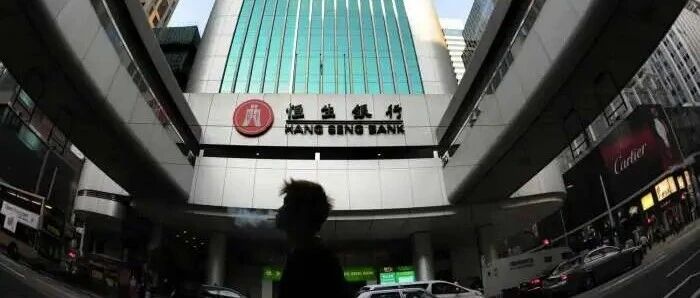
恒生银行,将告别恒生指数
Xin Lang Cai Jing· 2026-01-08 13:33
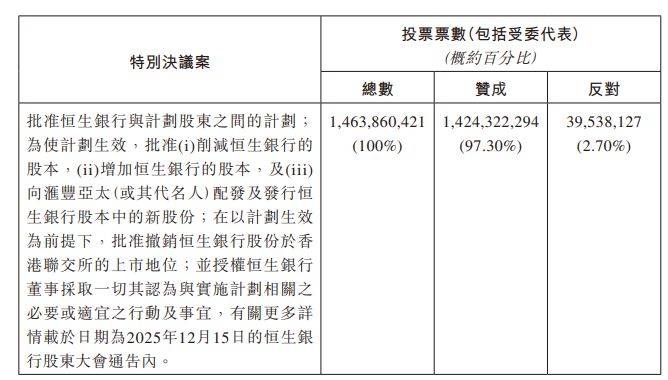
Core Viewpoint - Hang Seng Bank, listed for over 53 years, is set to be delisted as HSBC Holdings and Hang Seng Bank announced the approval of a privatization proposal, with significant shareholder support [1][7]. Group 1: Privatization Details - HSBC's privatization proposal for Hang Seng Bank was approved at a court meeting where 85.75% of voting rights supported the plan, while 14.25% opposed it [1][7]. - The special resolution at the shareholders' meeting received 97.30% approval, with 2.70% against [1][7]. - The expected delisting date for Hang Seng Bank shares from the Hong Kong Stock Exchange is January 27, 2026, with trading expected to cease on January 14, 2026 [1][7]. Group 2: Historical Context - Hang Seng Bank was founded on March 3, 1933, and was one of the major Chinese banks in Hong Kong, symbolizing growth and partnership with customers [2][8]. - HSBC acquired a controlling stake in Hang Seng Bank during a banking crisis in 1965, initially purchasing 51% for HKD 51 million, later increasing its stake to 62.14% [2][9]. Group 3: Financial Performance and Concerns - Hang Seng Bank reported a non-performing loan ratio of 6.69% for the first half of 2025, an increase of 1.37 percentage points from the same period in 2024 [4][10]. - As of June 2025, total impaired loans amounted to HKD 55 billion, with HKD 25.01 billion related to commercial real estate loans [4][10]. - HSBC clarified that the decision to privatize was based on strategic considerations and not directly related to the bank's bad debt situation [4][10]. Group 4: Future Operations and Independence - HSBC has committed to maintaining Hang Seng Bank's identity as an independent licensed bank, ensuring its governance, brand image, and market positioning remain intact post-privatization [4][10]. - Following the delisting, Hang Seng Bank will be removed from various indices, including the Hang Seng Index, effective January 15, 2026 [11].