银行私有化

Search documents
汇丰控股(0005.HK):恒生私有化:业绩提升三重奏 全球一流盈利水平可期
Ge Long Hui· 2026-02-01 06:41
Core Viewpoint - HSBC's privatization of Hang Seng Bank aims to invest in Hong Kong and enhance the competitiveness and profitability of its core wealth management business in the region [1] - Post-privatization, HSBC's ROTE is expected to increase by nearly 2 percentage points, rising from around 16% to 18%-19%, reaching a top-tier level in global banking [1][2] Summary by Sections Privatization Strategy - The privatization of Hang Seng is not a response to risks in Hong Kong's real estate market; it is a strategic move to gain full control over Hang Seng, which has been a subsidiary since 1965 [1] - The current pressures in Hong Kong's commercial real estate market are subsiding, and HSBC's provisions are deemed sufficient, alleviating excessive market concerns [1] Expected Impact on Profitability - The reduction of minority interests is projected to boost HSBC's ROTE by approximately 0.55 percentage points, leading to more stable performance [2] - Cost-income ratio improvements are anticipated to enhance HSBC's ROTE by about 0.2 percentage points as Hang Seng's costs align more closely with HSBC's Hong Kong operations [2] - The integration of wealth management services is expected to drive a "volume increase + price enhancement," contributing an additional 1 percentage point to HSBC's ROTE [2][3] Wealth Management Business Potential - Hang Seng's AUM growth rate and unit AUM yield currently lag behind those of HSBC Hong Kong and HSBC Group [3] - Post-privatization, if Hang Seng's AUM growth aligns with HSBC's 20%-30% and unit AUM fee rates reach 0.6%-0.7%, it could significantly boost HSBC's wealth management revenue and ROTE by approximately 1 percentage point [3] Target Price Adjustment - HSBC's target valuation has been raised to 2.25 times PTB (2 times PB), with a target price of HKD 180, maintaining a buy rating and a top pick in the banking sector [3]

恒生指数,再无“恒生”!汇丰银行押注亚太的关键一招
Xin Lang Cai Jing· 2026-01-28 16:48
Core Viewpoint - The privatization of Hang Seng Bank marks the end of an era for a historic Hong Kong bank, with HSBC acquiring it for HKD 106.1 billion, reflecting a strategic shift in the banking landscape of Hong Kong and a response to the challenges faced by Hang Seng Bank [1][2][19]. Group 1: Privatization Process - The privatization process was swift, taking just over three months from announcement to delisting, significantly faster than market expectations [3]. - HSBC announced its plan to acquire the remaining shares of Hang Seng Bank at HKD 155 per share, a premium of 30.3% over the previous day's closing price and 33.1% over the average price of the last 30 days [3][4]. - The acquisition received overwhelming support from shareholders, with 85.8% voting in favor, and was approved by the Hong Kong High Court shortly thereafter [5]. Group 2: Strategic Rationale - HSBC's acquisition of Hang Seng Bank is part of its strategy to focus on Asian markets, consolidating resources to enhance its presence in Hong Kong and the Greater Bay Area [6][7]. - Hang Seng Bank's established local presence and customer base make it an ideal platform for HSBC to expand its operations in the region [7]. - The privatization allows HSBC to streamline operations and eliminate internal competition between the two entities, enhancing overall efficiency [6][12]. Group 3: Challenges Faced by Hang Seng Bank - Hang Seng Bank has faced significant challenges, including a 30% drop in profits in the first half of 2025 and a high bad debt ratio of 6.7%, which is above the industry average [8][11]. - The bank's independent operational model has become increasingly untenable, leading to inefficiencies and regulatory issues [10][11]. - The pressure to deliver short-term results as a public company has hindered Hang Seng's ability to invest in long-term growth initiatives [11][13]. Group 4: Benefits of Privatization - Privatization allows Hang Seng Bank to focus on long-term strategies without the pressure of quarterly earnings reports, enabling more strategic planning [15]. - The integration with HSBC's global resources will enhance Hang Seng's ability to offer cross-border services and expand its business scope [15][16]. - The move is expected to strengthen the overall competitiveness of the Hong Kong banking sector, signaling confidence in the market [16][19].

汇丰收网,恒生银行正式告别港交所
Hua Er Jie Jian Wen· 2026-01-27 10:58
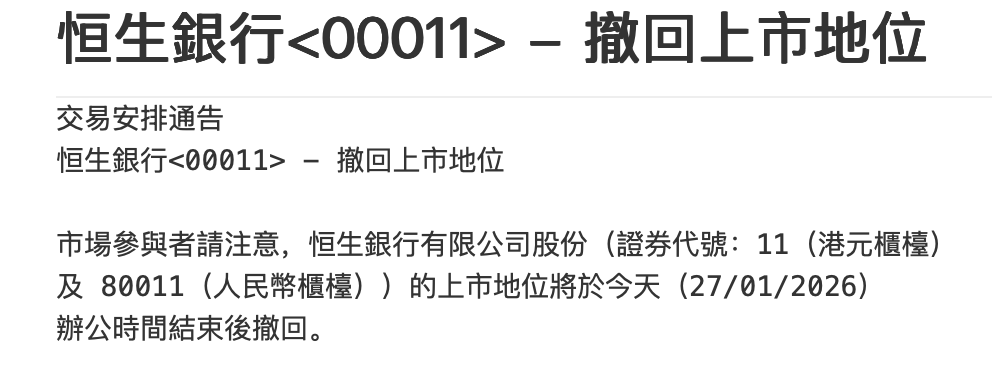
Group 1 - The core point of the article is that Hang Seng Bank, a 93-year-old local bank in Hong Kong, will become a wholly-owned subsidiary of HSBC after completing the necessary legal procedures and privatization plan [2] - HSBC already held over 60% of Hang Seng Bank's shares, and speculation about its privatization has been ongoing for years, which has now been confirmed [2] - The privatization allows HSBC to allocate internal capital more flexibly and eliminate "friction costs" associated with minority shareholder rights, which is crucial given the low valuation of bank stocks in the current Hong Kong market [2][7] Group 2 - For Hang Seng Bank, delisting may represent a form of relief, as it has faced multiple challenges, including weak local credit demand and competition from virtual banks [2][7] - The decision to retain Hang Seng's independent brand and management team is pragmatic, as the brand's reputation and community penetration in Hong Kong are irreplaceable by HSBC [7] - The delisting of Hang Seng Bank reflects the changing landscape of the Hong Kong banking industry, marking the end of an era characterized by numerous locally-owned banks [7]

豪威集团正式登陆港交所;东吴证券维持海底捞“买入”评级丨港交所早参
Mei Ri Jing Ji Xin Wen· 2026-01-12 17:15
Group 1: Company Listings and Market Performance - Haowei Group officially listed on the Hong Kong Stock Exchange on January 12, becoming the first "A+H" company of the year and the first stock in the image sensor sector in Hong Kong, closing at HKD 121.8 per share, up 16.22%, with a total market capitalization of HKD 152.9 billion [1] - Extreme Thinking has submitted a listing application to the Hong Kong Stock Exchange, with plans to expand its operations in 40 cities across China, operating 112 direct-operated restaurants and bars under the COMMUNE brand, which holds a market share of approximately 7.8% in the sector [4] Group 2: Analyst Ratings and Market Insights - Dongwu Securities maintains a "Buy" rating for Haidilao, recognizing it as the leading hotpot brand in China with a dividend yield of 6%, and noting its efforts to optimize store operations and develop new brand matrices amid industry challenges [2] - JPMorgan views the privatization of Hang Seng Bank as a positive development for HSBC, as it will enhance management's ability to provide guidance on synergies and improve HSBC's CET1 ratio post-transaction [3]



汇丰出手,恒生银行将私有化退市,市值超2500亿元!恒生指数将无恒生银行
Mei Ri Jing Ji Xin Wen· 2026-01-09 07:34
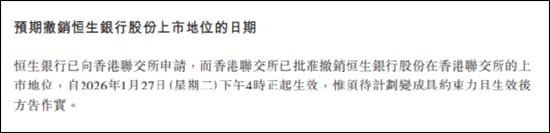
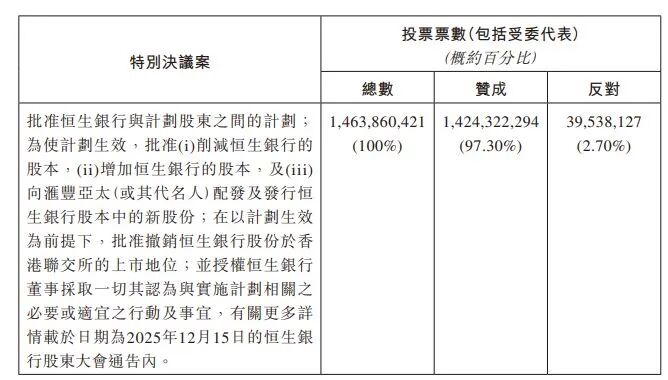
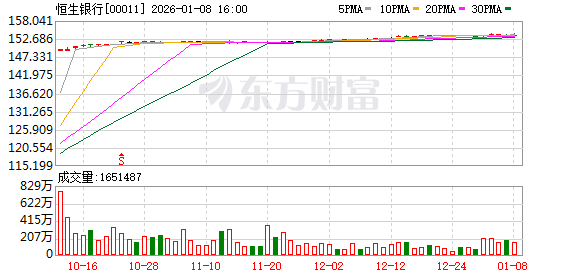
Core Viewpoint - HSBC Holdings has successfully passed the privatization plan for Hang Seng Bank, which will become a wholly-owned subsidiary of HSBC by January 26, 2026, marking the end of Hang Seng Bank's 53 years of public trading since its listing in 1972 [1][2]. Group 1: Privatization Details - The privatization proposal offers HKD 155 per share, with a total cash payout of approximately HKD 106.156 billion to shareholders if the plan is executed [2]. - During the court meeting, approximately 237 million shares (85.75% of voting rights) voted in favor of the privatization, while 39.3 million shares (14.25%) voted against it. The special resolution at the shareholders' meeting received a 97.30% approval rate [2][3]. - The expected delisting of Hang Seng Bank from the Hong Kong Stock Exchange will occur on January 27, 2026, with trading expected to cease on January 14, 2026 [3][4]. Group 2: Market Context and Financials - As of January 9, 2026, Hang Seng Bank's stock price was HKD 154.3, only slightly below the proposed acquisition price of HKD 155, with a total market capitalization of HKD 289 billion (approximately RMB 258.8 billion) [4]. - Concerns have been raised regarding Hang Seng Bank's increasing credit impairment in commercial real estate loans, which reached HKD 25.012 billion as of June 30, 2025, a 26% increase from six months prior [6]. - HSBC's CEO has stated that the privatization is a strategic business decision aimed at demonstrating confidence in Hong Kong's future and is not directly related to the bank's bad debt situation [6]. Group 3: Operational Continuity - Post-privatization, Hang Seng Bank will retain its independent banking license, corporate governance, brand image, unique market positioning, and branch network as per Hong Kong banking regulations [6].
上市53年 预计1月27日退市!私有化方案获高票通过,恒生指数将无恒生银行
Mei Ri Jing Ji Xin Wen· 2026-01-09 02:12
Core Viewpoint - HSBC Holdings plans to privatize Hang Seng Bank, which has been publicly traded for 53 years, with the privatization expected to take effect on January 26, 2026, and the bank's listing on the Hong Kong Stock Exchange to be canceled on January 27, 2026 [1][2][10]. Privatization Approval - The privatization plan received overwhelming support at the court meeting and shareholders' meeting, with approximately 85.75% of the voting rights in favor and 14.25% against [4][12]. - The special resolution related to the privatization achieved a 97.30% approval rate [4][12]. Financial Details - HSBC Asia Pacific offered HKD 155 per share as the cash consideration for the privatization [3][11]. - As of January 8, Hang Seng Bank's share price was HKD 153.9, only HKD 1.1 below the proposed acquisition price [7][15]. Index Removal - Following the approval of the privatization plan, Hang Seng Bank will be removed from various indices, including the Hang Seng Index, effective January 14, 2026 [2][10]. Brand and Operations - Post-privatization, Hang Seng Bank will retain its brand, branch network, and independent banking license under Hong Kong banking regulations, maintaining its corporate governance and market positioning [8][16]. Market Context - Concerns have been raised regarding Hang Seng Bank's increasing bad debts in the real estate sector, with credit impairment for commercial real estate loans reaching HKD 250.12 billion, a 26% increase from six months prior [9][16]. - HSBC's CEO has stated that the privatization is a strategic decision unrelated to the bank's bad debt situation, reflecting confidence in Hong Kong's future [9][16].
上市53年,预计1月27日退市 私有化方案获高票通过,恒生指数将无恒生银行
Sou Hu Cai Jing· 2026-01-09 02:01
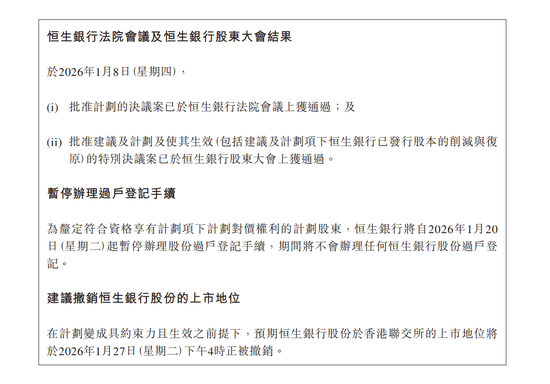
Core Viewpoint - HSBC Holdings has successfully obtained approval for the privatization of Hang Seng Bank, which will become a wholly-owned subsidiary of HSBC by January 26, 2026, marking the end of Hang Seng Bank's 53 years of public trading since its listing in 1972 [1][2]. Group 1: Privatization Approval - The privatization proposal was publicly announced on October 9, 2025, with HSBC Asia Pacific offering HKD 155 per share for the privatization [2]. - During the court meeting, approximately 237 million shares (85.75% of voting rights) voted in favor, while 39.3 million shares (14.25%) voted against [2]. - The special resolution related to the privatization received a 97.30% approval rate at the shareholders' meeting [2][3]. Group 2: Timeline and Stock Status - The expected delisting of Hang Seng Bank from the Hong Kong Stock Exchange is set for January 27, 2026, with trading expected to cease on January 14, 2026 [3][4]. - Share transfer registration will be suspended starting January 20, 2026, and no share transfers will be processed during this period [4]. Group 3: Financial Context and Strategic Considerations - Concerns have been raised regarding Hang Seng Bank's increasing credit impairment in commercial real estate loans, which reached HKD 25.012 billion as of June 2025, a 26% increase from the previous period [5]. - HSBC's CEO has stated that the privatization is a strategic business decision aimed at demonstrating confidence in Hong Kong's future and is not directly related to the bank's bad debt situation [5]. - Post-privatization, Hang Seng Bank will retain its banking license, corporate governance, brand image, market positioning, and branch network [5].
恒生银行 “告别”恒生指数
Shang Hai Zheng Quan Bao· 2026-01-08 14:35
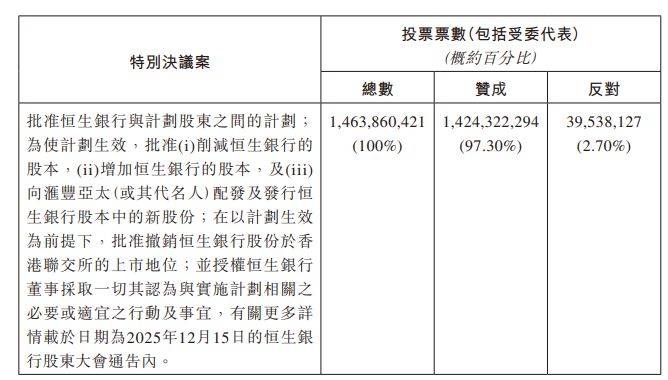
Core Viewpoint - HSBC Holdings and Hang Seng Bank have announced the privatization of Hang Seng Bank, which will lead to the delisting of its shares from the Hong Kong Stock Exchange by January 27, 2026 [2][3]. Group 1: Privatization Details - The proposal for privatization was approved by 85.75% of the voting rights at the court meeting and 97.30% at the shareholders' meeting [2]. - The expected last trading date for Hang Seng Bank shares on the Hong Kong Stock Exchange is January 14, 2026, with the delisting effective from January 27, 2026 [2]. - Share transfer registration will be suspended starting January 20, 2026, until the plan becomes binding [2]. Group 2: Historical Context - HSBC acquired a controlling stake in Hang Seng Bank in 1965 during a liquidity crisis, initially purchasing 51% for HKD 51 million [3]. - Hang Seng Bank was listed on the Hong Kong Stock Exchange in June 1972 [3]. Group 3: Financial Performance and Strategic Considerations - Hang Seng Bank reported a non-performing loan ratio of 6.69% for the first half of 2025, an increase of 1.37 percentage points from the same period in 2024 [4]. - HSBC clarified that the decision to privatize is based on strategic considerations and not directly related to the bank's bad debt situation [4]. Group 4: Future Outlook - HSBC plans to maintain Hang Seng Bank's identity as an independent licensed bank and uphold its corporate governance and brand image post-privatization [5]. - Hang Seng Bank will be removed from various indices, including the Hang Seng Index, effective January 15, 2026 [5][6].
恒生指数或将再无恒生银行
21世纪经济报道· 2026-01-08 14:11
Core Viewpoint - Hang Seng Bank (0011.HK), listed for 53 years, is set to delist from the Hong Kong Stock Exchange following a privatization decision approved by shareholders with 85.75% in favor and 5.94% against, allowing HSBC Holdings to acquire all shares and make Hang Seng a wholly-owned subsidiary [1][6]. Group 1: Privatization Process - The privatization process began with an announcement in the second half of 2025, requiring at least 75% of the plan shares to agree and no more than 10% to oppose, excluding HSBC Asia's direct holding of 63.43% [4]. - HSBC proposed to acquire all plan shares at HKD 155 per share, representing a 30.3% premium over the closing price on October 8, 2025 [4]. - Following the announcement, Hang Seng Bank's stock surged by 25.88% on October 9, 2025, reaching a high of HKD 168 before settling at HKD 149.8 [4]. Group 2: Shareholder Approval and Index Removal - The privatization was confirmed with 97.3% of all voting shareholders in favor, meeting the required conditions for approval [6]. - Hang Seng Bank will be removed from the Hang Seng Index and 40 other indices effective January 15, 2026, following the approval of the privatization [3][10]. Group 3: Financial Performance and Market Position - Hang Seng Bank is currently facing pressure from rising bad debt rates, with a non-performing loan ratio of 6.69% in the first half of 2025, an increase of 1.37 percentage points year-on-year [9]. - The bank reported a net operating income of HKD 20.975 billion, a 3% year-on-year increase, but a 25% decrease in operating profit to HKD 8.549 billion, and a 30.46% drop in profit attributable to shareholders to HKD 6.880 billion [9]. - HSBC's CEO emphasized the privatization as a growth investment based on their deep understanding of the Hong Kong market, aiming to create synergies while respecting Hang Seng's traditions and market positioning [9]. Group 4: Historical Context - Hang Seng Bank was founded in 1933 and faced a liquidity crisis in 1965, leading to HSBC acquiring 51% of its shares to stabilize the situation [8]. - Over the years, HSBC gradually increased its stake while maintaining the Chinese management structure of Hang Seng Bank, which was seen as key to its success [8].
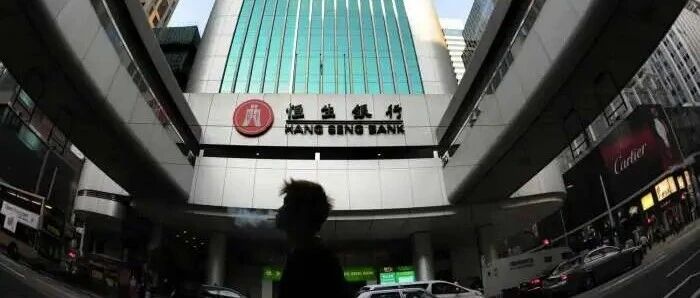
恒生银行,将告别恒生指数
Xin Lang Cai Jing· 2026-01-08 13:33
Core Viewpoint - Hang Seng Bank, listed for over 53 years, is set to be delisted as HSBC Holdings and Hang Seng Bank announced the approval of a privatization proposal, with significant shareholder support [1][7]. Group 1: Privatization Details - HSBC's privatization proposal for Hang Seng Bank was approved at a court meeting where 85.75% of voting rights supported the plan, while 14.25% opposed it [1][7]. - The special resolution at the shareholders' meeting received 97.30% approval, with 2.70% against [1][7]. - The expected delisting date for Hang Seng Bank shares from the Hong Kong Stock Exchange is January 27, 2026, with trading expected to cease on January 14, 2026 [1][7]. Group 2: Historical Context - Hang Seng Bank was founded on March 3, 1933, and was one of the major Chinese banks in Hong Kong, symbolizing growth and partnership with customers [2][8]. - HSBC acquired a controlling stake in Hang Seng Bank during a banking crisis in 1965, initially purchasing 51% for HKD 51 million, later increasing its stake to 62.14% [2][9]. Group 3: Financial Performance and Concerns - Hang Seng Bank reported a non-performing loan ratio of 6.69% for the first half of 2025, an increase of 1.37 percentage points from the same period in 2024 [4][10]. - As of June 2025, total impaired loans amounted to HKD 55 billion, with HKD 25.01 billion related to commercial real estate loans [4][10]. - HSBC clarified that the decision to privatize was based on strategic considerations and not directly related to the bank's bad debt situation [4][10]. Group 4: Future Operations and Independence - HSBC has committed to maintaining Hang Seng Bank's identity as an independent licensed bank, ensuring its governance, brand image, and market positioning remain intact post-privatization [4][10]. - Following the delisting, Hang Seng Bank will be removed from various indices, including the Hang Seng Index, effective January 15, 2026 [11].