
革命精神

Search documents
战火记忆丨在皖南大山里打游击
Zhong Yang Ji Wei Guo Jia Jian Wei Wang Zhan· 2026-02-02 00:51
丁达昌,1925年4月生,安徽黄山人。1945年6月入伍,1946年12月加入中国共产党。参加过皖南游击 战、泾县八门口和浦口桥伏击战、樵山保卫战、深渡战等战斗。获解放奖章,独立功勋荣誉章,中国人 民抗日战争胜利70、80周年纪念章。 我叫丁达昌,1925年生于安徽黄山,如今已经100多岁了。可年轻时参加的几起战斗,仍然历历在目。 皖南游击战、泾县八门口和浦口桥伏击战、樵山保卫战、深渡战……每场战斗都像刻在脑子里一样清 晰。 位于安徽省黄山市黄山区新明乡的樵山村,海拔1200多米,山高林密,皖南事变后,这里成为皖南抗日 游击队的根据地。1944年10月,新四军七师派来的侦察连渡过长江,突破日伪封锁线,在这里与皖南游 击队会合,并作出首先攻打谭家桥而后转向旌德、绩溪的决定。当时19岁的我作为基干民兵参加战斗。 那是一个雪后初晴的傍晚,连队、游击队、民兵排纵队站在广场上,共有150余人。按照作战计划,连 队担任主攻,游击队作为二梯队紧跟其后,民兵负责放哨、看押俘虏、挑运战利品、破坏电话线。指挥 员一声"出发"命令,我们便踏着积雪前进,经过麻岭头、里浮沙、龙王山,走了一夜,天亮时到达旌、 太边界旌德一侧的桐坑村。这 ...
毛主席为什么深情评价他是“坚决革命的同志”?
Xin Lang Cai Jing· 2026-01-17 02:20
Core Viewpoint - The article highlights the life and sacrifices of Dong Zhentang, a prominent Red Army leader, emphasizing his unwavering loyalty to the Communist Party and the principle of dedicating everything to the party, including his life [1][2][3]. Group 1: Historical Context - In 1932, Dong Zhentang, after joining the Communist Party, decided to donate his savings of 3,000 silver dollars as party dues, showcasing his commitment to the party [1]. - Dong played a crucial role in the Ningdu Uprising, leading troops to join the Red Army and transferring significant military resources to the Communist Party [1]. Group 2: Military Contributions - In October 1934, during the Long March, Dong's unit took on the challenging rear guard task, fighting fiercely to protect the main forces of the Red Army, demonstrating his dedication to the safety of the party [2]. - Dong's leadership during the Battle of the Xiang River and the defense at the Jinsha River was pivotal in allowing the main forces to cross safely, highlighting his strategic importance [2]. Group 3: Legacy and Ideals - Dong Zhentang's life exemplifies the Communist ideal of absolute loyalty to the party, as he ultimately sacrificed his life in 1937 during a battle, becoming one of the highest-ranking Red Army officers to die in action [2]. - The article reflects on the importance of loyalty to the party as a fundamental political quality for all party members, as emphasized by President Xi Jinping [3].
木棉花红 英雄不朽原创音乐剧《殷红木棉》进京展演
Zhong Yang Ji Wei Guo Jia Jian Wei Wang Zhan· 2026-01-16 07:56
日前,原创音乐剧《殷红木棉》受邀参加北京天桥艺术中心音乐剧演出季展演,这也是该剧自2021年5月在中山成功首演后,首次进京展演。 《殷红木棉》由中山市委主办,中山市纪委、星海音乐学院联合出品,该剧以中山籍无产阶级革命家杨殷的真实经历为主线,讲述了他从1911年黄花岗起 义到1929年英勇牺牲的革命历程,描写了以杨殷为代表的早期共产党人坚守信仰、追寻真理的光辉形象。作品以杨殷烈士真实的工作、生活、情感经历为 基础,塑造了一个有血有肉、有情有义、胸怀正义、嫉恶如仇的革命英雄形象。 "在英雄形象的时代转译上,在价值传递和受众共鸣等方面,这部音乐剧都作出了很好的示范。"来自中国音乐剧协会、中国音乐学院、中央戏剧学院、中 国歌剧舞剧院等单位的专家学者对《殷红木棉》给予高度评价。 一部从中山走出的原创音乐剧,何以能登上京城舞台并引发热烈反响?其背后,是对一位革命英雄的深情回顾,是一次艺术创作的精心锤炼,也是一次打 造新时代廉洁文化作品的创新探索。 中央纪委国家监委网站 刘同华 《殷红木棉》剧名来源于杨殷故居旁的百年木棉树,木棉花亦称英雄花,"殷红"选取了杨殷同志名字中的"殷"字,而"红"是共产党人的红色精神。"殷红木 棉 ...

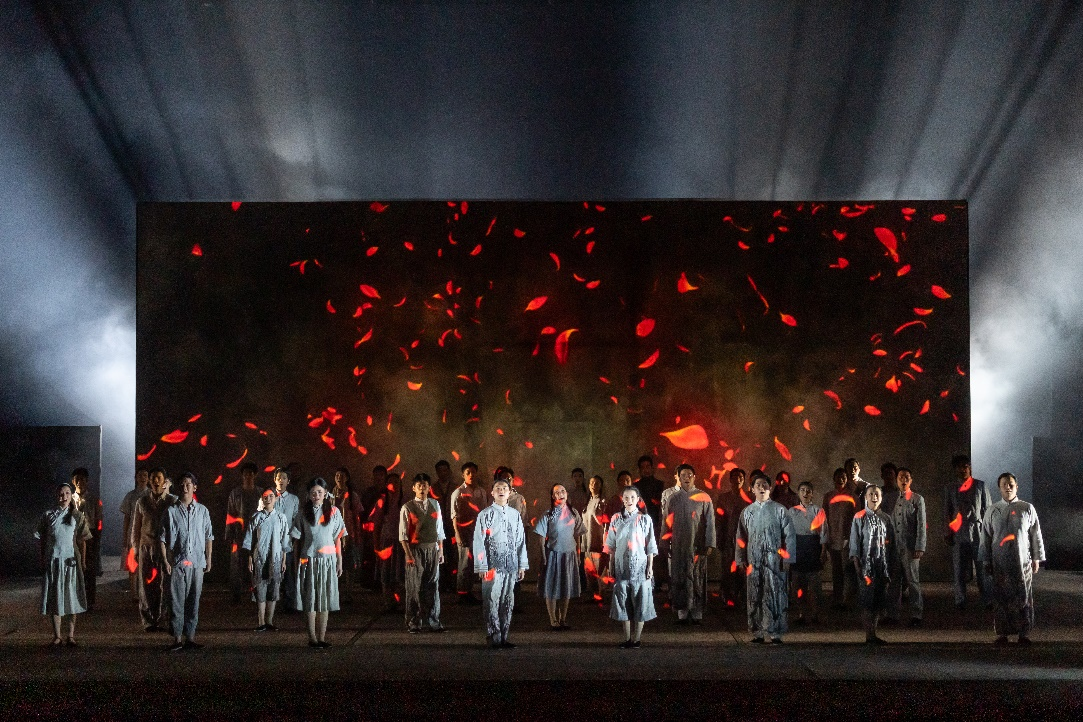
战火记忆 | 烽火淬炼初心 一生坚守信仰
Zhong Yang Ji Wei Guo Jia Jian Wei Wang Zhan· 2026-01-04 23:58
Core Viewpoint - The narrative highlights the personal journey of a revolutionary fighter, emphasizing the struggles and sacrifices made during the war, as well as the values instilled by the Communist Party, which shaped the individual's life and commitment to serving the people [1][4]. Group 1: Early Life and Involvement in the Revolution - The individual was born in a poor farming family in Danfeng County, Shaanxi Province, and experienced extreme hardship during childhood, which fueled a desire to join the revolutionary cause [1]. - At the age of 13, the individual attempted to join a guerrilla group but was initially rejected due to age; persistence led to acceptance as the youngest member [1][2]. Group 2: Experiences During the War - The individual undertook various roles, including lookout duties, and faced harsh conditions while remaining silent to avoid detection by enemies [2]. - A significant escort mission was described, showcasing the tension and danger involved, as well as the successful completion of the task, which instilled a sense of bravery and contribution to the revolutionary effort [3]. Group 3: Post-War Life and Values - After the establishment of New China, the individual worked in various government roles, emphasizing integrity and dedication to the Party, refusing to use personal influence for family benefits [4][5]. - The individual reflects on the importance of the sacrifices made by comrades and the need for future generations to appreciate the hard-won peace and stability, reinforcing loyalty to the Party and the nation [5].
文化中国 | 推动燕赵文化绽放时代新韵
Xin Lang Cai Jing· 2026-01-04 04:33
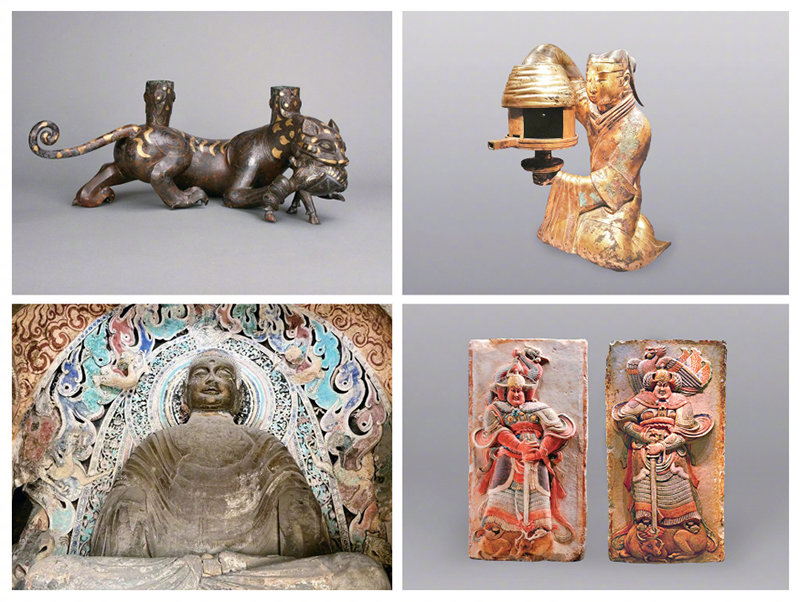
Core Viewpoint - The article emphasizes the importance of preserving, inheriting, and utilizing traditional Chinese culture, particularly focusing on the rich cultural heritage of Hebei province, which is integral to the Chinese civilization and national spirit [1]. Group 1: Cultural Heritage - Hebei is one of the important birthplaces of Chinese civilization, with a history that spans over two million years, showcasing a deep cultural lineage [2]. - The region's geographical position has allowed it to become a cultural corridor, fostering the integration of diverse cultural elements throughout history [2][3]. - The Great Wall and the Grand Canal are significant cultural symbols that have facilitated interaction and cultural exchange between agricultural and nomadic civilizations [3]. Group 2: Artistic Expression - The artistic and architectural imprints of Hebei reflect a blend of various cultural influences, showcasing the region's unique artistic style [4]. - Non-material cultural heritage, such as paper-cutting and traditional crafts, embodies the fusion of agricultural and nomadic artistic elements [4]. Group 3: Revolutionary Spirit - Hebei is recognized as a revolutionary land, having played a crucial role in the history of the Communist Party of China and the development of revolutionary culture [13]. - The region's revolutionary spirit is characterized by resilience and a commitment to the collective struggle for national independence and social justice [14][19]. Group 4: Cultural Development Initiatives - Hebei aims to strengthen its cultural identity by implementing various initiatives, including the protection of cultural heritage sites and the promotion of traditional arts [20][21]. - The province plans to enhance cultural tourism by integrating cultural elements into tourism development, thereby fostering a deeper connection between culture and economic growth [23].
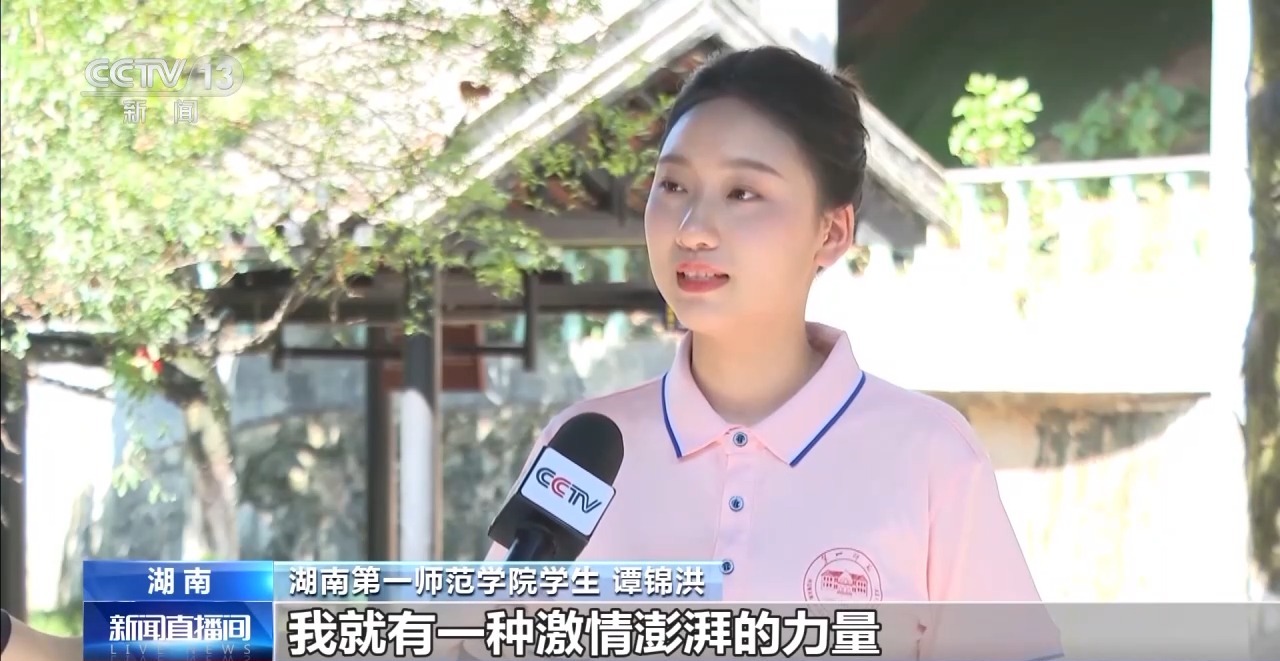
校馆弦歌丨走进湖南一师旧址 感悟先辈矢志报国的赤子情怀
Yang Shi Xin Wen· 2025-11-09 10:15
Core Viewpoint - The article highlights the historical significance of Hunan First Normal University as a cradle for revolutionary leaders like Mao Zedong, emphasizing the connection between past educational experiences and contemporary values of patriotism and social responsibility [1][3][12]. Group 1: Historical Significance - Hunan First Normal University is recognized as the alma mater of prominent revolutionary figures, including Mao Zedong, who studied and worked there for eight years, marking the beginning of his revolutionary journey [3]. - The university's educational environment encouraged students to engage with societal issues, fostering a generation of leaders who contributed significantly to the Chinese revolution [12]. Group 2: Educational Philosophy - The immersive educational experience at the university allows participants to relive historical events, promoting a deeper understanding of revolutionary ideals and personal growth [1]. - Mao Zedong's approach to education emphasized the integration of ancient and modern knowledge, as well as the importance of physical fitness alongside intellectual development [9]. Group 3: Legacy and Influence - The university has produced numerous influential figures who have played vital roles in China's revolutionary history, instilling values of diligence, frugality, and social awareness among students [7][12]. - The school's motto, "To be a teacher of the people, one must first be a student of the people," reflects its commitment to serving societal needs and nurturing future leaders [15].
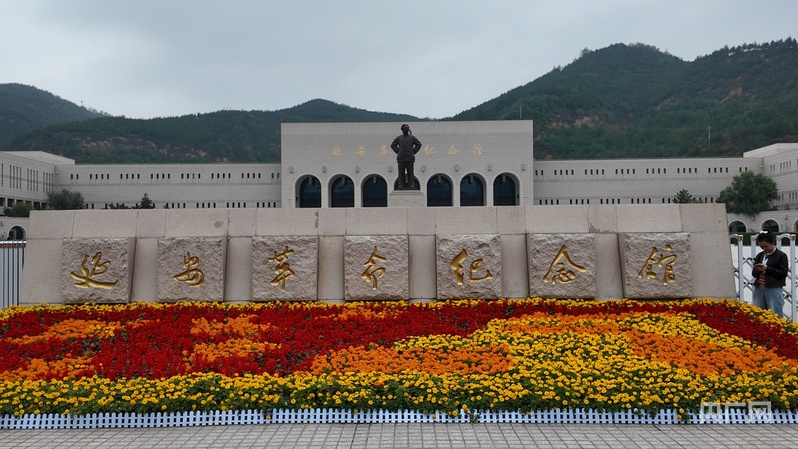
红星照耀中国 | 小文物蕴含伟大胜利走向伟大复兴的延安精神基因
Yang Guang Wang· 2025-10-20 07:03
Core Viewpoint - The Yan'an Revolutionary Memorial Museum, established after the founding of New China, houses over 36,000 revolutionary artifacts, including two special first-class national cultural relics: the Little Green Horse specimen and a wooden kang table, which embody the practical spirit of early revolutionary leaders and bring revolutionary ideals closer to the public [1][7]. Group 1: Little Green Horse Specimen - The Little Green Horse, displayed prominently in the "Turning Point in Shaanxi" exhibition area, served as a reliable companion for Chairman Mao during the 1947 campaign in Shaanxi, despite its unassuming appearance [2][4]. - The horse demonstrated remarkable endurance and adaptability to the challenging mountainous terrain, ensuring Mao's safety during long marches [4]. - An incident where the horse fell into the Yellow River showcased its resilience, as it learned to swim and swam back to the shore, ultimately reuniting with Mao [4]. Group 2: Wooden Kang Table - The wooden kang table, measuring 54 cm in length, 41 cm in width, and 33 cm in height, is displayed in another exhibition area, with wear marks indicating its significant role in 1936 [4]. - On February 6, during heavy snowfall, Mao wrote the famous poem "Qinyuan Chun·Snow," reflecting on historical figures and emphasizing the need for a capable and literate army for national resistance [5]. Group 3: Revolutionary Spirit - The stories of the Little Green Horse and the kang table illustrate that the revolutionary spirit during the Yan'an period was not merely theoretical but integrated into practical actions, emphasizing realism, faith, and pragmatism [7]. - Visitors, such as a woman from Guangdong, expressed the importance of experiencing revolutionary history firsthand to instill the spirit of the Long March in future generations [7]. - The museum's guide highlighted that each artifact expresses revolutionary spirit, encouraging visitors to reconnect with their original intentions during challenging times [10].
红星照耀中国|一方旧物,一段峥嵘,一片丹心
Zhong Guo Xin Wen Wang· 2025-10-18 02:15
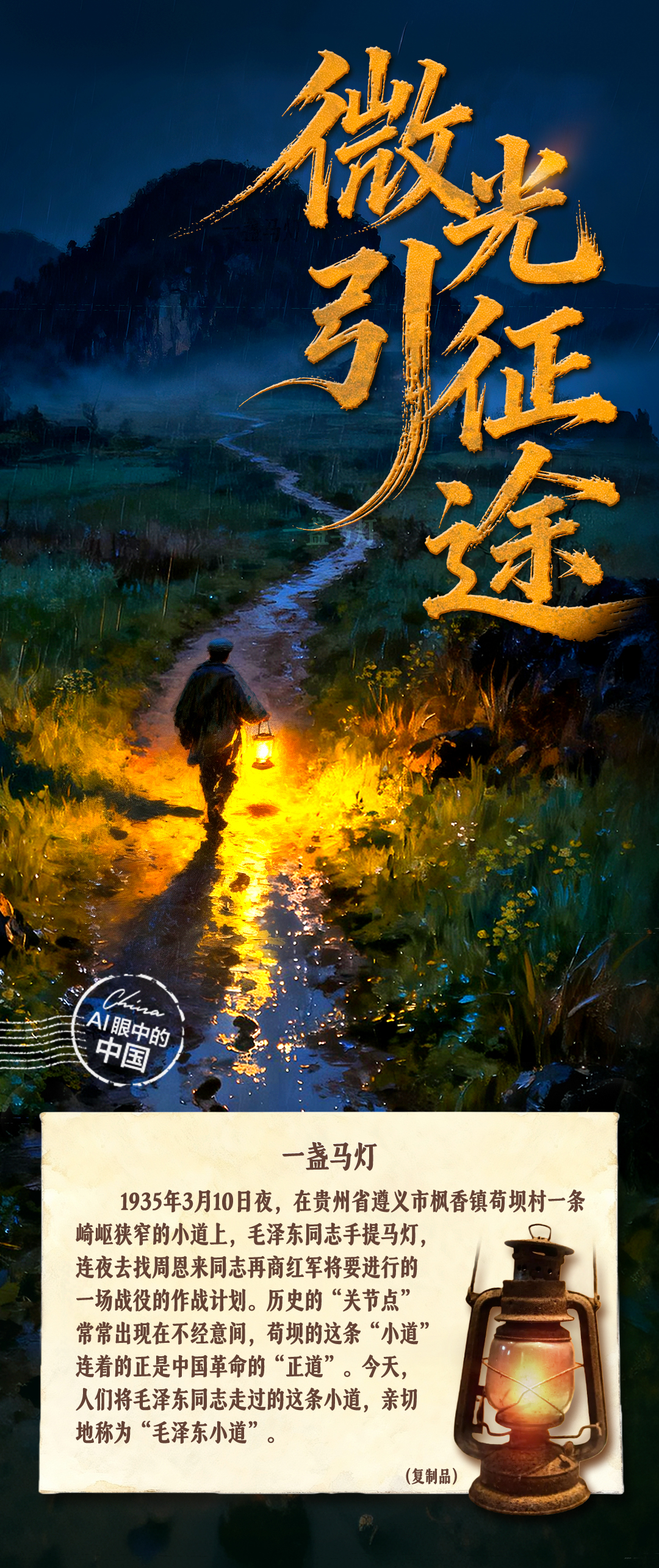
Core Viewpoint - The article highlights the significance of historical artifacts that embody the revolutionary spirit and ideals of the Chinese revolution, emphasizing the emotional connection between the military and civilians during challenging times [1]. Group 1: Historical Artifacts - The article discusses various old objects, such as a half belt, a lamp, and a carrying pole, which symbolize the enduring revolutionary ideals and the deep bond between the military and the people [1]. - A lamp used by Mao Zedong in 1935 while planning a military strategy is noted as a historical landmark, referred to as "Mao Zedong Path" today [3]. - A half belt, once owned by Ren Bishi, was cooked and consumed during a time of extreme hunger, illustrating the sacrifices made by revolutionaries [5][6]. Group 2: Contributions to the War Effort - The small spinning wheel introduced during 1941-1942 helped local communities produce their own clothing, significantly improving living conditions and supporting the war effort [9]. - The article mentions the creation of clothing factories that emerged from this initiative, which not only provided for local needs but also aided the front lines [9]. Group 3: Cultural Impact - The violin of Nie Er, who composed the "March of the Volunteers" in 1935, is highlighted as a cultural artifact that inspired and mobilized the masses during the revolutionary period [11]. - The article emphasizes the emotional and patriotic significance of Nie Er's music, which became a powerful anthem for the people [11]. Group 4: Legacy and Preservation - A military flag preserved by a family in Guangxi symbolizes the commitment to the revolutionary cause, passed down through generations [14][15]. - The family's dedication to safeguarding the flag represents a broader commitment to the ideals of the People's Army and the revolutionary spirit [15].
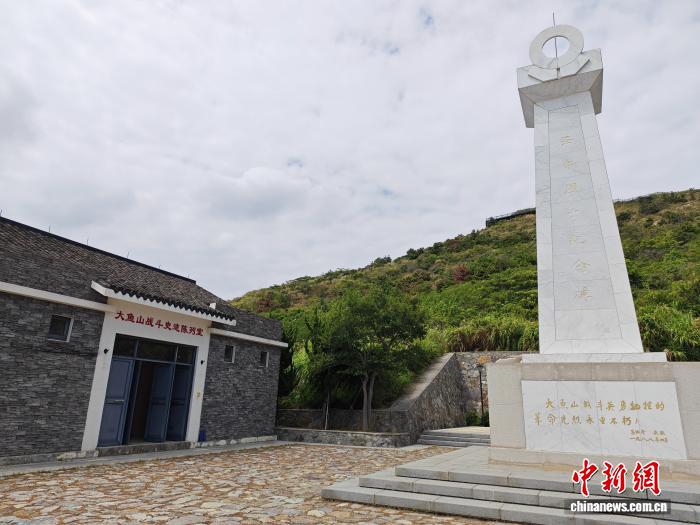
探访浙江大鱼山岛:“海上狼牙山之战”记录抗战悲壮传奇
Zhong Guo Xin Wen Wang· 2025-10-09 07:01
Core Viewpoint - The article highlights the historical significance of the Battle of Dayushan Island, also known as the "Sea Wolf Tooth Mountain Battle," which took place in 1944 during the Second Sino-Japanese War, showcasing the bravery of the New Fourth Army in defending the island against overwhelming Japanese forces [1][5][6]. Group 1: Historical Context - Dayushan Island, located in the Zhoushan Archipelago, is strategically important for controlling access to the Hangzhou Bay and surrounding areas [2]. - The island was occupied by Japanese forces in 1939, leading to increased military activity in the region as the war progressed [2][4]. Group 2: The Battle - On August 25, 1944, 76 soldiers from the New Fourth Army's coastal defense unit faced over 500 Japanese troops in a fierce battle that lasted seven hours [1][5]. - The New Fourth Army was significantly outnumbered and outgunned, with only 3 machine guns and 2 artillery pieces against the enemy's superior firepower [5][6]. - Despite the odds, the soldiers managed to hold their ground and inflicted heavy casualties on the Japanese forces, earning the battle its nickname [6][8]. Group 3: Aftermath and Legacy - The battle was widely reported, with significant media coverage that inspired further resistance against Japanese occupation in the region [8]. - A memorial was erected in 1988 to honor the sacrifices made by the soldiers during the battle, ensuring that their legacy would not be forgotten [9]. - The island has since transformed from a site of conflict to a modern industrial hub, now housing the Zhoushan (Yushan) International Green Petrochemical Base [9].
沉浸式戏剧思政课在天津上演
Zhong Guo Qing Nian Bao· 2025-10-07 01:46
Core Viewpoint - The article highlights an innovative immersive drama experience organized by the Tianjin Youth League, aimed at integrating ideological and political education across various educational levels, showcasing the unique cultural advantages of the Youth League in nurturing students [1]. Group 1: Event Overview - The immersive drama experience took place during the third Tianjin University Student Drama Festival, organized by the Tianjin Youth League and other local educational institutions [1]. - The event featured participation from students of different educational levels, promoting a collaborative learning environment [1]. Group 2: Educational Approach - The immersive performance broke away from traditional classroom methods, allowing students to engage directly with historical narratives through drama [1]. - Key historical scenes such as "Ma Jun's Collision with the Pillar," "Li Dazhao's Lecture," and "The Establishment of the Awakening Society" were dramatized, enhancing the educational experience [1]. Group 3: Student Feedback - Participants expressed a deep emotional connection to the historical events portrayed, with students reporting a heightened understanding of revolutionary spirit and its relevance to contemporary life [1]. - A master's student from Nankai University emphasized the impact of the performance on his understanding of Marxist philosophy and historical significance [1]. - A high school student reflected on the powerful message of youth and responsibility conveyed through the performance, indicating a commitment to apply these lessons in daily life [1].