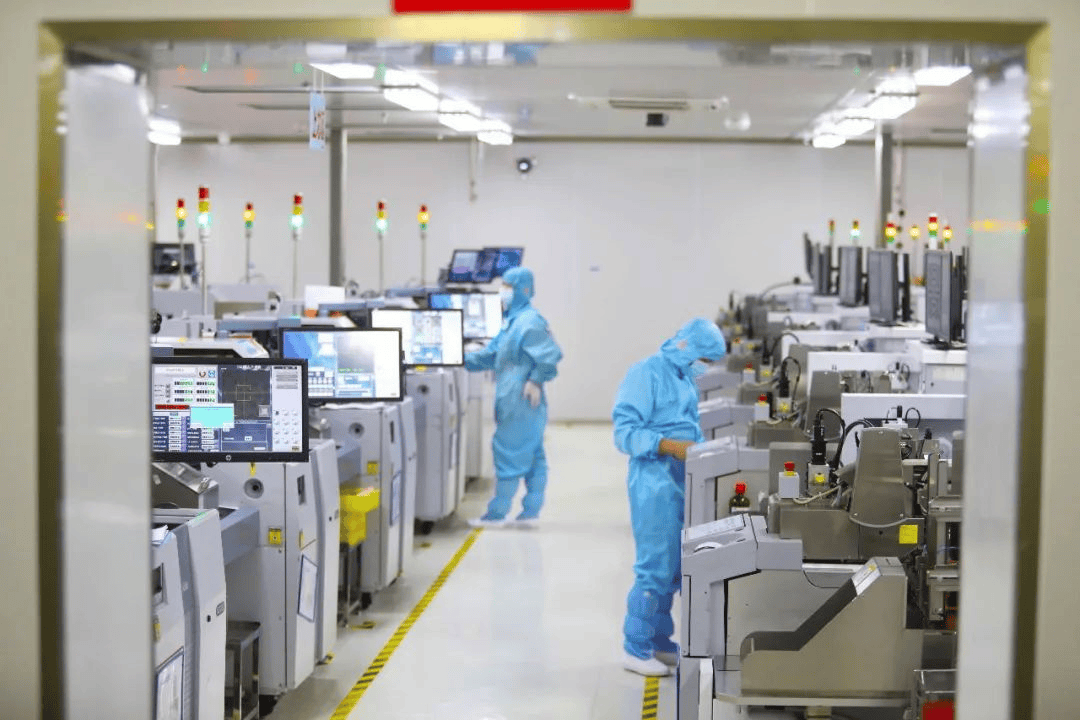
技术自立

Search documents
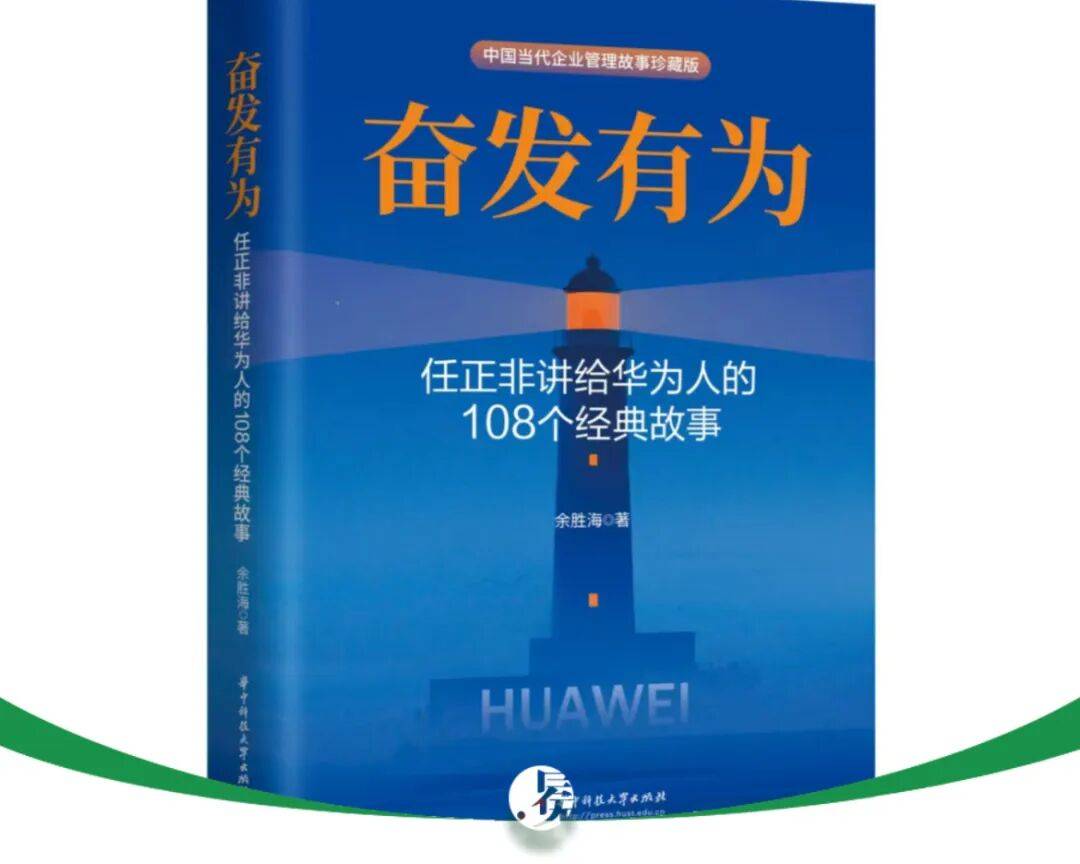
奋斗为炬,铸华为长青之魂——读《奋发有为:任正非讲给华为人的108个经典故事》 || 推荐
Sou Hu Cai Jing· 2026-01-13 09:27
Core Insights - The book "Fighting for Success: 108 Classic Stories from Ren Zhengfei for Huawei Employees" by Yu Shenghai serves as a key to understanding Huawei and offers inspiration for every struggler, emphasizing the importance of being grounded and adhering to one's original intentions in turbulent times [2][7] Group 1: Huawei's Corporate Philosophy - Huawei's rise is marked by a focus on "putting the fighter first" and "being customer-centric," which are fundamental principles that guide the company's operations [2][4] - The culture of Huawei rewards contributors with high salaries and benefits, reinforcing the idea that recognizing and respecting every effort is crucial for building a strong team [4][5] Group 2: Customer-Centric Approach - Huawei engineers go to great lengths to meet customer needs, such as trekking in remote areas to ensure communication for local communities and customizing products for specific regional requirements [5][6] - The company views customers not merely as profit sources but as partners in mutual growth, which has helped Huawei maintain its competitive edge in the market [5][6] Group 3: Strategic Independence - Huawei's decision to remain private and not go public reflects its commitment to long-term research and development over short-term profits, allowing for substantial investments in foundational technologies [6][7] - The company’s resilience is highlighted by its ability to pivot during external technological blockades, transforming previously sidelined projects into key assets, such as the Harmony OS and Kirin chips [6][7] Group 4: Lessons for Other Enterprises - Huawei's journey illustrates the necessity of self-innovation and maintaining control over core technologies, serving as a warning to other Chinese enterprises about the importance of adapting to changing global dynamics [6][7] - The stories within the book convey that success is not accidental but a result of respecting fighters, honoring customer needs, committing to long-term strategies, and pursuing technological independence [7]

汇丰力挺中国资产:超配AH股,“做多人民币”为年度首选宏观策略之一
Hua Er Jie Jian Wen· 2026-01-13 09:08
Group 1 - HSBC expresses a positive outlook on Chinese assets, recommending investors to increase holdings in mainland China and Hong Kong stocks by 2026 and to establish long positions in the renminbi [1] - The bank suggests a shift in investment focus towards assets supported by domestic demand amid potential market volatility, particularly favoring stocks in China, Hong Kong, India, and Indonesia [2] - HSBC advises selling Swiss francs and buying offshore renminbi, anticipating a gradual appreciation of the renminbi due to China's industrial upgrades and technological self-sufficiency [1][3] Group 2 - HSBC recommends an overweight position in stocks from mainland China, Hong Kong, India, and Indonesia, while advising a reduction in exposure to the crowded South Korean market due to concerns over the sustainability of AI-driven growth [2] - The bank highlights the potential for interest rate cuts by some Asian central banks to support local stock markets, although the pace of rate cuts by the Federal Reserve may limit this space [4] - In the fixed income sector, HSBC favors a curve steepening strategy and is optimistic about bonds from India and the Philippines, while being cautious about Thailand and Indonesia [4]
市场“预付”近3000亿:摩尔线程如何复刻寒武纪的估值故事
Di Yi Cai Jing Zi Xun· 2025-12-05 03:29
Core Viewpoint - The article discusses the recent IPO of Moer Thread, a domestic GPU company, highlighting its significant initial market performance and drawing parallels with the earlier IPO of Cambricon, emphasizing the challenges and expectations in the high-end chip industry [2][6]. Financial Performance Comparison - Both Moer Thread and Cambricon exhibit similar financial characteristics, including substantial net losses prior to their IPOs, with Moer Thread projected to incur losses of 18.94 billion, 17.03 billion, and 16.18 billion yuan from 2022 to 2024 [4][5]. - Cambricon reported cumulative losses exceeding 16 billion yuan from 2017 to 2019, while Moer Thread's losses are expected to reach 20.57 billion yuan by September 2025 [4][6]. R&D Investment - High R&D expenditure is a common trait for both companies, with Cambricon's R&D investment as a percentage of revenue reaching 380.73%, 205.18%, and 122.32% from 2017 to 2019 [5]. - Moer Thread's R&D investments from 2022 to 2024 are projected at 11.16 billion, 13.34 billion, and 13.58 billion yuan, totaling 38.09 billion yuan, which represents 626.03% of its revenue over the same period [5]. Market Expectations and Valuation - The market has shown a strong appetite for Moer Thread, with its stock price surging 468.78% on the first day of trading, reflecting high expectations for its future performance [2][3]. - Despite the high initial valuation, the article cautions that the path to profitability for Moer Thread may be more challenging than for Cambricon, given the high barriers in the GPU industry [6][7]. Industry Challenges - The article emphasizes the long and difficult journey from technological breakthroughs to profitability in the chip design sector, with both companies needing to navigate high costs associated with ecosystem development and market expansion [6][7]. - Moer Thread faces additional challenges in establishing a complete ecosystem and competing against established players like NVIDIA, which may prolong its path to profitability [6][8].


市场“预付”近3000亿:摩尔线程如何复刻寒武纪的估值故事
第一财经· 2025-12-05 03:23
Core Viewpoint - The article discusses the recent IPO of Moer Thread (688795.SH), highlighting its significant opening price increase and market valuation, while drawing parallels with the earlier IPO of Cambricon (688256.SH) and the challenges both companies face in achieving profitability in the high-end chip sector [3][10]. Financial Comparison - Both Moer Thread and Cambricon started with substantial net losses post-IPO, reflecting the high investment and long cycle nature of the chip design industry. Cambricon reported cumulative losses exceeding 1.6 billion yuan from 2017 to 2019, while Moer Thread's losses from 2022 to 2024 are projected to reach 17.03 billion yuan [6][7]. - Research and development (R&D) expenses are a significant financial characteristic for both companies. Cambricon's R&D expenses were 380.73%, 205.18%, and 122.32% of its revenue from 2017 to 2019, while Moer Thread's R&D expenses from 2022 to 2024 totaled 3.809 billion yuan, accounting for 626.03% of its revenue [7][8]. Revenue Growth - Both companies have shown rapid revenue growth, but from a low base. Cambricon's revenue grew from 7.84 million yuan to 444 million yuan from 2017 to 2019, while Moer Thread's revenue is projected to grow from 46.088 million yuan in 2022 to 438 million yuan in 2024 [8][9]. Market Expectations - The market has high expectations for Moer Thread, as evidenced by its opening day stock price surge of nearly five times, indicating a greater initial market enthusiasm compared to Cambricon [5][6]. - Despite the high valuations, the article emphasizes that achieving profitability in the chip industry is fraught with challenges, including the need for ecosystem development and customer expansion, which may take longer for Moer Thread compared to Cambricon [11][12]. Industry Insights - The article highlights the broader trend in the high-end chip design sector, where companies often undergo a phase of "losses for future gains" as they invest heavily in R&D and market positioning. This pattern is evident in both Cambricon and Moer Thread's journeys [12].

市场“预付”近3000亿:摩尔线程如何复刻寒武纪的估值故事|记者观察
Di Yi Cai Jing· 2025-12-05 03:01
Core Viewpoint - The capital market is once again enthusiastic about chip dreams, as evidenced by the high valuation and market response to the domestic GPU company, Moore Threads, which has drawn parallels to the earlier experience of Cambricon Technology [1][6]. Group 1: Company Overview - Moore Threads, listed on the STAR Market, opened at 650 yuan with a surge of 468.78%, reaching a market capitalization close to 300 billion yuan [1]. - The company is characterized by continuous losses, high valuations, and strong technological expectations, similar to Cambricon, which was once dubbed the "AI chip first stock" [1][2]. Group 2: Financial Characteristics - Both Moore Threads and Cambricon exhibit significant financial similarities, including sustained large losses prior to their listings. Cambricon reported cumulative losses exceeding 1.6 billion yuan from 2017 to 2019, while Moore Threads is projected to incur losses of 18.94 billion yuan, 17.03 billion yuan, and 16.18 billion yuan from 2022 to 2024 [3][4]. - High R&D expenditure is a common trait, with Cambricon's R&D investment as a percentage of revenue reaching 380.73%, 205.18%, and 122.32% from 2017 to 2019. Moore Threads' R&D spending for the same period is projected to total 38.09 billion yuan, with a staggering 626.03% of its revenue allocated to R&D [4][5]. Group 3: Market Expectations and Challenges - The market's willingness to pay high valuations reflects optimism about domestic GPU breakthroughs and the potential for capturing a significant market share [6][7]. - The path to profitability for Moore Threads may be more challenging than for Cambricon, as it must navigate high ecological barriers and competition from established players like NVIDIA, which have created deep moats in the industry [6][7].
“十五五”,中国汽车迎核心窗口期!——记第二十届中国经济论坛平行论坛
Zhong Guo Qi Che Bao Wang· 2025-11-19 06:03
Core Insights - The "15th Five-Year Plan" for China's automotive industry aims to consolidate and enhance the country's automotive advantages, contributing to high-quality development and modernization efforts [2][3][5]. Group 1: Development Goals and Strategies - The "15th Five-Year Plan" emphasizes significant achievements in high-quality development, technological self-reliance, and the balance between development and safety [3][5]. - The automotive industry is transitioning from a "follower" to a "runner" phase, particularly in electrification and intelligent networking, positioning itself among global leaders [7][20]. - The upcoming period is seen as a critical window for China to establish a dominant position in the global automotive industry, with a shift from product competition to ecosystem competition [9][20]. Group 2: Innovation and Safety - Safety is highlighted as a fundamental requirement for the healthy and high-quality development of the automotive industry, with ongoing regulatory innovations to address emerging challenges [11]. - The automotive supply chain is expected to undergo significant innovation, moving from imitation to independent innovation and resource integration [22][23]. Group 3: Globalization and Market Opportunities - The automotive industry is poised to deepen its global cooperation, particularly in the electric vehicle sector, as domestic demand matures and international markets present growth opportunities [16][18]. - The industry is encouraged to adopt a long-term perspective, focusing on quality and brand value while pursuing international expansion and collaboration [23][24].

高市政府警惕外国光伏板?英媒:日本将对大型光伏电站开发采取监管
Huan Qiu Shi Bao· 2025-10-28 22:39
Group 1 - The newly established government under High City plans to regulate the development of large-scale photovoltaic power plants, indicating a shift in Japan's energy policy towards more stringent oversight [1] - The ruling coalition between the Liberal Democratic Party and the Japan Innovation Party has proposed legal measures for regulating megawatt-scale solar power plants by 2026, as there are currently no specific regulations for such projects [1] - High City expressed concerns about the environmental impact and the dominance of foreign-manufactured solar panels in Japan, with statistics showing that 95% of solar panels in the Japanese market were produced overseas from April to June 2025, a 29% increase from a decade ago [1] Group 2 - High City emphasizes that environmental and energy policies will be central to her administration's agenda, advocating for a shift towards self-sufficient technologies like perovskite solar cells and diversifying imports to enhance Japan's technological independence and supply chain security [2] - Despite support for next-generation solar technologies, the development of perovskite solar technology in Japan is still in its early stages, raising concerns about energy security due to reliance on foreign solar panels, primarily from China [2] - The push for nuclear energy faces significant regulatory challenges, with only 14 out of 33 commercial reactors having resumed operation post-Fukushima, leading to skepticism about Japan's ability to meet renewable energy targets under High City's policies [2] Group 3 - Diverging opinions have emerged within the Japanese government regarding renewable energy policies, with the Minister of Economy, Trade and Industry emphasizing the importance of balancing local consensus and international cooperation in promoting renewable energy [3]
连出3招没镇住中国,美国要把事闹大,特朗普明白:不能再犹豫了
Sou Hu Cai Jing· 2025-10-14 13:16
Core Viewpoint - The recent trade tensions between the U.S. and China have escalated, with the Trump administration attempting to pressure China through tariffs, technology export restrictions, and limitations on aviation parts exports, but these measures have not yielded the desired results [1][3][24]. Group 1: U.S. Trade Measures - The first measure involved imposing high tariffs on all goods imported from China, aiming to create price barriers against Chinese products. However, China's robust supply chain and domestic demand have proven resilient against such tactics [3][5]. - The second measure targeted high-tech sectors, with the U.S. attempting to cut off key software supplies to hinder China's advancements in artificial intelligence and chip design. Nevertheless, China has made significant progress in domestic technology replacements, reducing the effectiveness of this strategy [5][9]. - The final measure focused on restricting exports of aircraft parts to China, aiming to impact the Chinese aviation industry. However, China has developed its own aircraft manufacturing capabilities and has begun to secure international orders, diminishing the potential impact of this restriction [7][9]. Group 2: International Alliances and Responses - Following the ineffectiveness of the initial measures, the Trump administration is seeking to form a coalition of countries to collectively pressure China, but faces challenges in garnering support from key allies like Japan and South Korea, who are cautious due to their economic ties with China [11][15]. - India's relationship with the U.S. is also tenuous, with ongoing trade negotiations and dependencies on Chinese components complicating any potential alignment against China [13][15]. - European nations are primarily focused on the Russia-Ukraine conflict and are unlikely to prioritize joining a coalition against China, as many are strengthening their economic ties with China [15][19]. Group 3: U.S. Strategic Challenges - The U.S. is struggling to find effective strategies in its dealings with China, as traditional methods of pressure and coalition-building are becoming less effective in the current international landscape [17][19]. - The increasing interdependence of global economies means that extreme pressure tactics could backfire, leading to a reevaluation of the U.S.'s role in international trade [21][24]. - The current geopolitical climate indicates that China is not intimidated by U.S. pressure and is prepared to respond strategically, maintaining its market position and exploring countermeasures if necessary [19][26].
见证盛世中国 阅兵盛典让各地群众情感共振一同沸腾
Yang Shi Xin Wen Ke Hu Duan· 2025-09-04 12:33
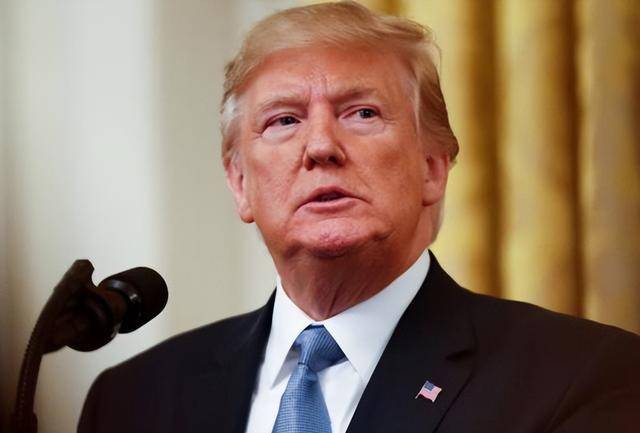
Group 1 - The commemoration of the 80th anniversary of the victory in the Chinese People's Anti-Japanese War and the World Anti-Fascist War was held at Tiananmen Square, highlighting the contributions of veterans and model soldiers [1] - Veterans expressed pride and joy in witnessing the peace and prosperity of modern China, emphasizing the importance of passing on revolutionary spirit and patriotism to future generations [3][7] - The event saw widespread public engagement, with many citizens gathering to watch the ceremony, reflecting a strong sense of national pride and emotional resonance [9][15] Group 2 - The display of advanced military equipment during the event underscored the significance of a robust manufacturing sector in supporting national strength and technological independence [14] - Veterans noted the importance of the victory in the Anti-Japanese War as a collective achievement for all Chinese people, reinforcing the notion of national unity and strength [10][17] - Citizens expressed a deep sense of security and confidence in the strength of the nation, highlighting the psychological impact of national pride on individual well-being [18]
“稀土警告”成噩梦,美国又拉盟友打“芯片牌”,网友:急红眼了
Sou Hu Cai Jing· 2025-06-24 02:17
Group 1 - The U.S. Department of Commerce plans to revoke the exemption licenses for SK Hynix, Samsung, and TSMC in China, which could disrupt the semiconductor supply chain and halt technological upgrades in their factories [1][2] - SK Hynix's factory in Wuxi accounts for nearly 50% of global DRAM chip production, while Samsung's Xi'an factory produces 42% of its global 3D NAND flash memory output [1][2] - The U.S. claims this action is a reciprocal measure against China's rare earth export restrictions, but the underlying intention is to prevent China from circumventing restrictions through foreign factories [1][2] Group 2 - Despite U.S. technology blockades, China's semiconductor industry is making significant advancements, with companies like SMIC achieving mass production of 14nm processes and Cambricon launching AI chips that rival NVIDIA's products [4][6] - Domestic companies are increasing their market share in semiconductor equipment, with domestic plasma etching equipment gaining certification from TSMC, raising market share from 5% to 15% [6][10] - The Chinese biotech sector is also breaking through, with the development of a new weight-loss fungus strain that has gained national patent recognition and is now being exported to Southeast Asia and Europe [8][10] Group 3 - The potential U.S. ban on semiconductor exports could lead to significant price fluctuations in global memory chip markets, affecting both Chinese and U.S. companies [11][13] - NVIDIA's CEO has warned that the short-sighted strategy of the U.S. could ultimately harm American interests [11][13] - The ongoing technological competition between the U.S. and China is seen as a critical moment for the global semiconductor industry, with the outcome uncertain [13]