Patent Cliff

Search documents
Johnson & Johnson vs. AbbVie: A Growth Showdown Amid Patent Cliffs
ZACKS· 2026-02-23 14:16
Core Insights - Johnson & Johnson (JNJ) and AbbVie (ABBV) are prominent pharmaceutical companies with strong positions in immunology, oncology, and neuroscience, alongside J&J's extensive medical devices business [1] - Both companies are facing patent challenges, necessitating effective pipeline execution and business development for sustained growth [2] Company Overview Johnson & Johnson (JNJ) - JNJ's diversified business model includes pharmaceuticals and medical devices, with over 275 subsidiaries and 28 products generating over $1 billion in annual sales [4] - The Innovative Medicine unit showed a 4.1% organic sales growth in 2025, driven by key drugs like Darzalex and new products [5] - JNJ's MedTech business saw a 4.3% organic sales increase in 2025, supported by acquisitions and improvements in various segments [6] - Significant R&D investments exceeding $32 billion in 2025, with new product approvals expected to drive future growth [7] - JNJ anticipates that 10 new products could achieve peak sales of $5 billion each [8] AbbVie (ABBV) - AbbVie successfully transitioned from the loss of exclusivity (LOE) of Humira by launching new immunology drugs, Skyrizi and Rinvoq, which contributed to a combined sales growth of over 40% in 2025 [9][10] - The neuroscience portfolio also saw a nearly 20% sales increase, driven by products like Botox and Vraylar [12] - AbbVie has invested over $5 billion in acquisitions to enhance its early-stage pipeline, particularly in immunology [13] - The aesthetics segment faced challenges, with global sales declining by 5.9% in 2025 [14] Financial Performance - JNJ's stock rose 48% in the past year, while AbbVie's stock increased by 10.2%, both outperforming the industry average of 12.1% [20] - The Zacks Consensus Estimate for JNJ's 2026 sales and EPS indicates a year-over-year increase of 6.5% and 7.0%, respectively [15] - AbbVie's 2026 sales and EPS estimates imply a year-over-year increase of 9.4% and 8.74%, respectively [17] Valuation and Yield - AbbVie appears more attractive from a valuation perspective, trading at a forward P/E ratio of 15.25 compared to JNJ's 20.79 [20] - AbbVie offers a higher dividend yield of approximately 3.1%, compared to JNJ's 2.1% [23] Future Outlook - AbbVie expects high single-digit revenue growth through 2029, driven by Skyrizi and Rinvoq, with no significant LOE events anticipated [27] - JNJ aims for approximately $100 billion in revenues in 2026, with expectations of sales growth across both segments [28] - Both companies are positioned for continued growth, with JNJ showing a slight edge in stock performance and analyst estimates [29]



Merck Indicates Better Growth Visibility in Post-Keytruda LOE Period
ZACKS· 2026-02-16 17:45
Core Insights - Merck (MRK) reported better-than-expected fourth-quarter 2025 results, surpassing estimates for both earnings and sales, which has boosted investor optimism regarding the company's long-term growth outlook [1] Group 1: Financial Performance - In 2025, Merck's new products, including Capvaxive and Winrevair, generated sales of $759 million and $1.4 billion, respectively, indicating strong market performance [4] - Another product, Welireg, achieved sales of $716 million in 2025, contributing to the overall positive financial results [5] - Merck's shares have increased by 44.1% over the past six months, outperforming the industry average rise of 28.4% [12] Group 2: Pipeline and Growth Opportunities - Merck is facing a significant patent cliff with its PD-1 therapy Keytruda losing exclusivity in 2028, but the company anticipates over $70 billion in potential non-risk-adjusted commercial opportunities from its pipeline by the mid-2030s [2][10] - The company's phase III pipeline has nearly tripled since 2021, bolstered by mergers and acquisitions, which supports long-term growth [6][10] - Merck's recent acquisition of Cidara Therapeutics added a promising antiviral candidate, MK-1406, to its pipeline, which is currently in late-stage studies [7] Group 3: Competitive Landscape - Keytruda faces competition from other PD-L1 inhibitors such as Bristol Myers' Opdivo, Roche's Tecentriq, and AstraZeneca's Imfinzi, with Opdivo generating $10.05 billion in sales in 2025 [9][11] Group 4: Valuation and Estimates - Merck's shares are currently trading at a price/earnings ratio of 18.77, which is lower than the industry average of 18.83 but higher than its 5-year mean of 12.51 [14] - The Zacks Consensus Estimate for 2026 earnings per share has decreased from $8.11 to $5.96, while the estimate for 2027 has slightly declined from $10.02 to $9.98 [15]

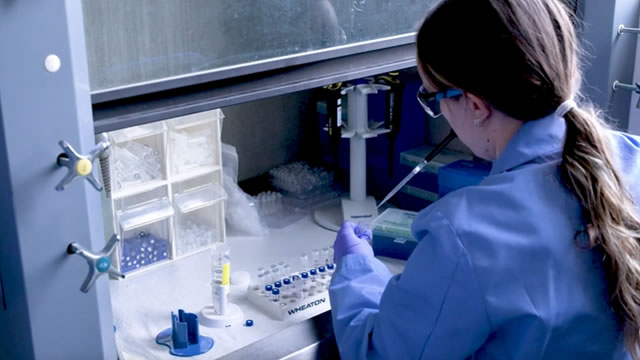
Can Pfizer's New & Acquired Drugs Offset Its Looming Patent Cliff?
ZACKS· 2026-02-11 14:11
Core Insights - Pfizer's COVID product sales have significantly declined from their peak, with projections of around $11 billion in 2024 and $6.7 billion in 2025, down from $56.7 billion in 2022. The company also faces challenges from U.S. Medicare Part D and upcoming patent expirations for key products between 2026 and 2030 [1][12] Non-COVID Revenue Growth - Non-COVID revenues for Pfizer are improving, driven by key products like Vyndaqel, Padcev, and Eliquis, as well as new launches and acquisitions. In 2023, Pfizer achieved a record number of FDA approvals, with nine new medicines and vaccines contributing to revenue growth [2][3] - Revenues from non-COVID products rose 6% operationally in 2025, with recently launched and acquired products generating $10.2 billion, reflecting a 14% operational growth year over year. Continued double-digit growth is expected for these products in 2026 [3] Strategic Acquisitions and Pipeline Development - Pfizer is focusing on rebuilding its pipeline through strategic acquisitions, investing approximately $9 billion in M&A deals in 2025, including the acquisition of Metsera and a licensing deal with 3SBio. The company plans to initiate 20 pivotal studies in 2026, targeting obesity and oncology [4][5] Competitive Landscape in Oncology - Pfizer is a major player in the oncology market, competing with companies like AstraZeneca, Merck, Johnson & Johnson, and Bristol-Myers. Each of these companies has seen significant growth in their oncology segments, with AstraZeneca's oncology sales rising 14% in 2025, Merck's Keytruda generating $31.7 billion in sales, and J&J's oncology sales increasing by 20.9% [6][8][9][10] Financial Performance and Valuation - Pfizer's stock has increased by 8.4% over the past year, compared to a 17.3% increase in the industry. The company's shares are trading at a forward price/earnings ratio of 9.33, which is lower than the industry average of 18.65 and its own 5-year mean of 10.23 [13][15] - The Zacks Consensus Estimate for Pfizer's 2026 earnings has slightly decreased from $2.99 to $2.98 per share, while the estimate for 2027 remains stable at $2.83 per share [17]

Pharma eyes AI deals to stem lost revenues from patent expirations
Yahoo Finance· 2026-02-09 15:48
Core Insights - The pharmaceutical industry is increasingly leveraging artificial intelligence (AI) to enhance drug development efficiency and reduce costs, with companies like In Silico demonstrating significant advancements in this area [1][2][8] - A notable trend is the shift from traditional acquisition strategies to targeted deals that focus on acquiring specific assets, particularly in response to impending patent expirations [4][10][14] AI in Drug Development - In Silico has showcased the potential of AI in drug development, reporting an average of 13 months from project initiation to candidate selection for its drug rentosertib, which has shown positive signals in increasing lung function in a Phase IIa study [1] - AI-driven tools are sought by pharmaceutical companies to enhance internal R&D productivity and streamline the drug development process [2][3] Patent Expirations and Industry Response - The upcoming patent cliff between 2024 and 2030 is projected to reduce the global share of drugs protected under patents from 6% to 4%, resulting in an estimated loss of $236 billion in US revenues [6][7] - The industry is witnessing a surge in deal-making as companies seek to replenish their drug pipelines in light of patent expirations, with AI partnerships becoming increasingly common [7][9] Changing Acquisition Strategies - Pharmaceutical companies are moving away from large-scale mergers and acquisitions (M&A) towards smaller, asset-specific acquisitions to mitigate revenue losses from patent expirations [10][14] - Companies like Eli Lilly and AstraZeneca are actively pursuing AI capabilities through strategic partnerships, indicating a shift in mindset towards more targeted investments [4][11] Market Dynamics and Future Trends - The hierarchy of top-selling drugs is shifting, with a growing focus on metabolic disorders and peptide-based drugs, while oncology remains a significant area of interest [16][17][18] - Companies are also exploring secondary patents and trademarks as strategies to extend the lifecycle of branded drugs and maintain revenue streams despite patent expirations [20][22] Conclusion - AI is positioned as a transformative force in the pharmaceutical industry, with the potential to reshape drug development timelines and strategies for managing patent cliffs, although its impact may vary [23]


We're increasing our price target on Bristol Myers after earnings and guidance top forecasts
CNBC· 2026-02-05 17:55
Core Viewpoint - Bristol Myers Squibb reported strong fourth quarter results and issued a 2026 forecast that exceeded Wall Street expectations, indicating potential for continued stock momentum in current market conditions [1] Financial Performance - Fourth quarter revenue increased by 1% to $12.5 billion, surpassing the expected $12.28 billion [1] - Earnings per share (EPS) fell 25% year over year to $1.26 but exceeded estimates of $1.12 [1] - Bristol Myers' shares rose over 1.5% despite a down day for the S&P 500, reflecting the stock's defensive nature [1] Product Performance - The new schizophrenia treatment Cobenfy has significant sales potential, although it is still in early stages [1] - Sales of the blood thinner Eliquis, the company's largest drug, increased by 8% annually, despite falling short of expectations [1] - Bristol Myers expects Eliquis sales to grow by 10% to 15% for the full year, contrary to analyst expectations of a 15% decline in 2026 [1] Cost Management - The company achieved a half percentage point of adjusted operating margin expansion due to cost-cutting efforts, with both research-and-development costs and overhead expenses declining year over year [1] - Bristol is on track to deliver approximately $1 billion in cost savings in 2025 and another $1 billion over the next two years [1] Future Outlook - Bristol Myers provided 2026 revenue guidance of $46 billion to $47.5 billion, better than the $44.16 billion expected [1] - Gross margin is projected to be 69% to 70%, below the FactSet consensus of 72.3% [1] - Adjusted earnings are expected to be between $6.05 and $6.35 per share, exceeding the $6.02 expected [1] - The company anticipates a busy year of trial readouts, with over 10 late-stage study updates expected, which could bolster investor confidence [1]
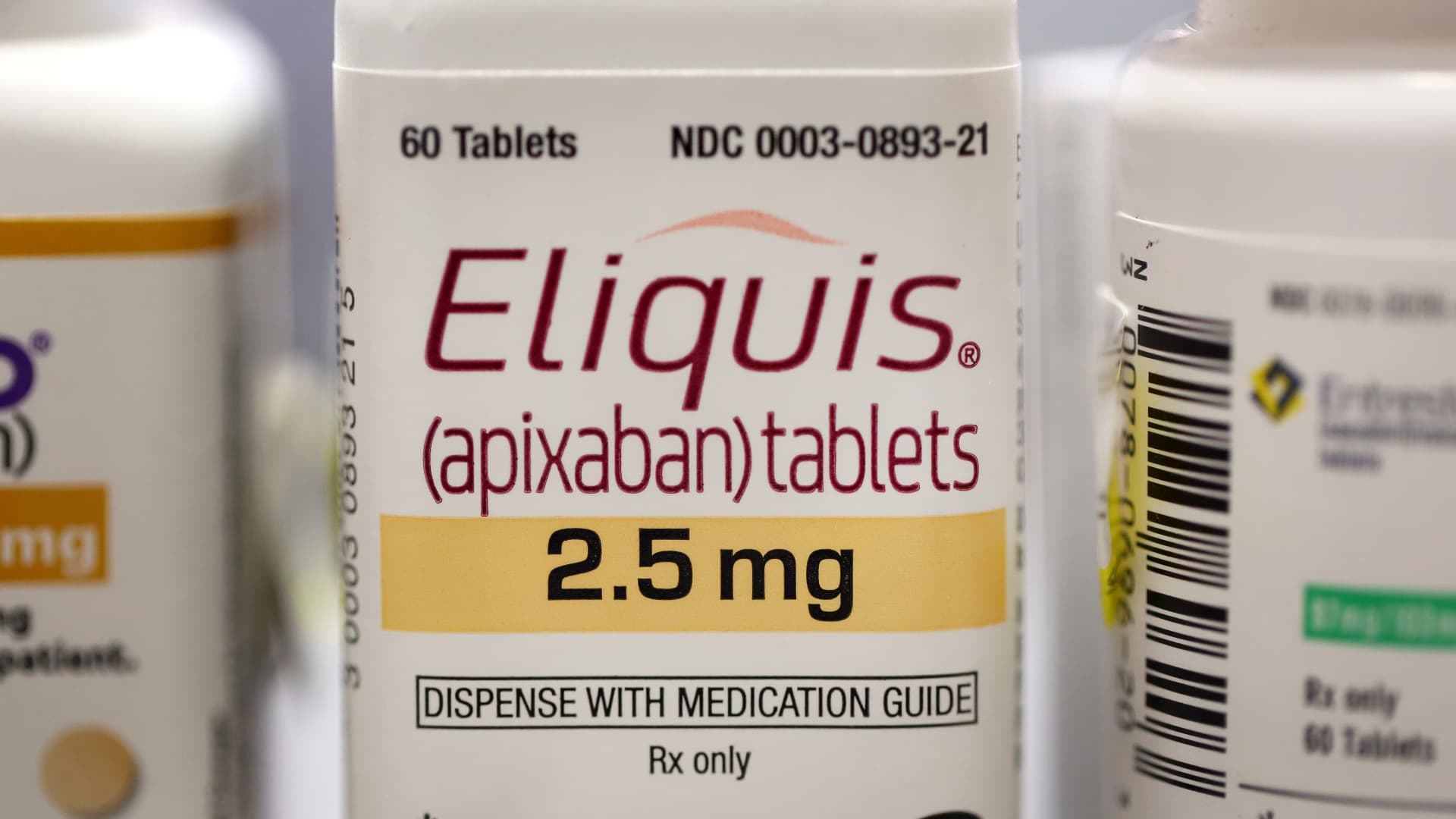
Johnson & Johnson's $10 Billion Test: 2026 Outlook Could Make Or Break JNJ Heading Into Q4 - Johnson & Johnson (NYSE:JNJ)
Benzinga· 2026-01-20 09:11
Core Insights - Johnson & Johnson is facing a significant transition as it prepares to report its fourth-quarter results, with a focus on replacing revenue lost from its former leading immunology product, Stelara [1] Group 1: Revenue and Sales Performance - Stelara, which generated nearly $10 billion annually at its peak, is experiencing a decline due to the introduction of biosimilars in the U.S. market, leading to a reported 42% year-over-year sales decline in the third quarter [2] - The company is optimistic about newer therapies, including Oncology drug Darzalex, immunology medicine Tremfya, and depression treatment Spravato, which are expected to help offset the revenue loss from Stelara [3] Group 2: Growth Areas and Acquisitions - The MedTech division is highlighted as a key growth area, with recent acquisitions like Abiomed and Shockwave Medical enhancing the company's offerings and providing resilience against patent cliffs [4] - The company is focusing on a long-term capital deployment strategy rather than pursuing M&A deals out of desperation to replace lost revenue [5] Group 3: Market Performance and Analyst Sentiment - Despite concerns regarding revenue loss, Johnson & Johnson's stock reached an all-time high of $220.11, reflecting a 5.45% increase year-to-date and a 47.59% rise over the past year [7] - Analyst consensus remains bearish, with an average price target of $198.82, indicating a potential downside of 9.07% from current stock levels [7]
Analyst Weighs Patent Cliff Risks Against Insmed’s (INSM) Growth Story
Yahoo Finance· 2026-01-19 06:04
Core Insights - Insmed Inc. reported strong preliminary 2025 results with total revenue of approximately $606 million, a 67% year-over-year increase, driven by growth in ARIKAYCE and the first full year of BRINSUPRI [1] - ARIKAYCE generated about $434 million globally, while BRINSUPRI contributed roughly $173 million in U.S. sales, indicating solid adoption by medical professionals [2] - The company has a robust outlook for 2026, including an expected EU launch of BRINSUPRI and ARIKAYCE revenue guidance of $450-$470 million [2] Company Overview - Insmed Inc. is a biopharmaceutical company focused on developing and commercializing therapies for patients with serious and rare diseases, particularly in pulmonary and inflammatory conditions [4] Analyst Insights - Morgan Stanley analyst Maxwell Skor reviewed Insmed and slightly lowered the price target to $157, maintaining an Equal Weight rating, while expressing caution regarding large-cap biopharma due to potential patent cliffs [3] - Despite the caution on large-cap biopharma, the analyst remains favorable towards U.S. small- to mid-cap biotech, expecting this sector to outperform in 2026 [3]

Could Buying This Stock Today Pay Off Big Over the Next 5 Years?
The Motley Fool· 2026-01-18 12:20
Core Viewpoint - AbbVie is positioned for strong growth and dividend returns in the coming years, particularly following the resolution of its patent cliff for Humira, with a positive outlook for the next five years [1] Group 1: Growth Drivers - AbbVie has a robust portfolio of medicines, with Skyrizi and Rinvoq being the most significant contributors to growth, approved for multiple indications such as eczema and rheumatoid arthritis [2] - Management has raised the sales guidance for Skyrizi and Rinvoq from $27 billion to $31 billion by 2027, indicating strong growth potential without imminent patent cliffs for these products [3] Group 2: Patent Exclusivity - AbbVie will not face any major loss of patent exclusivity through the end of the decade, allowing for uninterrupted revenue and earnings growth until at least 2030 [4][6] - The company is actively preparing for future patent cliffs by developing new products and has engaged in acquisitions and licensing deals [6] Group 3: Financial Performance - AbbVie has a market capitalization of $379 billion, with a gross margin of 69.68% and a dividend yield of 3.10%, making it an attractive investment for dividend-seeking investors [6][10] - The company's total returns, including reinvested dividends, have outperformed stock price appreciation over the past five years, suggesting continued strong performance through 2031 [9] Group 4: Dividend Strategy - AbbVie is recognized as a Dividend King, having increased its dividends for over 50 consecutive years, enhancing its appeal to long-term investors [8] - Reinvesting dividends can significantly boost returns over a five-year period, further solidifying AbbVie's attractiveness as a dividend stock [8]
Investing $10,000 in Each of These 5 Ultra-High-Yield Dividend Stocks Could Generate Over $3,700 in Passive Income in 2026
The Motley Fool· 2026-01-18 09:44
Core Viewpoint - Investing in ultra-high-yield dividend stocks can generate significant passive income, with a potential of over $3,700 from a $50,000 investment by 2026. Group 1: Ares Capital - Ares Capital offers a dividend yield of approximately 9.4%, with an expected dividend income of around $940 from a $10,000 investment this year [2][4]. - The company has maintained or grown its dividend for 65 consecutive quarters, indicating a stable dividend trend [4]. Group 2: Energy Transfer LP - Energy Transfer LP has a forward distribution yield of 7.6%, which would yield at least $760 in passive income from a $10,000 investment by 2026 [5][6]. - The company is well-positioned to meet the growing demand for electricity in the U.S. due to its extensive natural gas pipeline network and storage capacity [6]. Group 3: Pfizer - Pfizer's forward dividend yield is nearly 6.9%, translating to approximately $690 in passive income from a $10,000 investment by 2026 [7][10]. - Despite a high dividend payout ratio of 99.4%, Pfizer continues to generate sufficient free cash flow to maintain its dividend, with plans for future growth [8][10]. Group 4: Verizon Communications - Verizon Communications has a forward dividend yield just below 7%, expected to add around $700 to passive income from a $10,000 investment this year [11]. - The company has announced its 19th consecutive annual dividend increase, supported by robust free cash flow growth [12]. Group 5: Vici Properties - Vici Properties has a forward dividend yield of nearly 6.5%, contributing to a total passive income of over $3,700 when combined with the previous stocks [13][15]. - As a real estate investment trust (REIT), Vici is required to return at least 90% of its profits as dividends, and it owns a significant portfolio of high-profile gaming and entertainment properties [15].




中国医疗-2026展望:全球雄心与国内逆风并存; SNIBE 评级上调至买入-2026 Year Ahead_ Global ambitions amid domestic headwind; upgrade SNIBE to Buy
2026-01-13 11:56
Summary of Key Points from the Conference Call Industry Overview - **Industry**: Healthcare in China - **Focus**: Innovative drug industry and its global ambitions amid domestic challenges [1][11] Core Insights and Arguments - **Globalization Impact**: China's innovative drug industry is gaining global attention, driven by numerous license-out deals and strong clinical data. The industry is expected to leverage cost efficiency, a comprehensive supply chain, and favorable policies to continue its growth [1][11] - **Domestic Market Pressure**: The Basic Medical Insurance (BMI) system is under financial strain, with a 2.0% income growth in the first 10 months of 2025 and a significant surplus decline from RMB52.0 billion in 2024 to RMB27.3 billion in 2025. This indicates a challenging environment for domestic pharmaceutical sales [2] - **Regulatory Changes**: Chinese regulators have implemented transformative policies to control healthcare costs while promoting innovation. These include measures that compress margins for generic drugs but support R&D for innovative drugs [1][30] Investment Opportunities - **Favorable Segments**: The report favors biotech, pharmaceuticals, and Contract Research and Development Manufacturing Organizations (CRDMO) for investment, anticipating positive catalysts such as more out-licensing deals and accelerated progress of licensed assets [3] - **Company Recommendations**: - **Innovent**: Preferred for its co-development model with Takeda - **BeOne**: Noted for its leadership in BTK with Brukinsa - **Hansoh**: Expected solid growth from innovative drugs like almonertinib - **Huadong**: Defensive play with potential from GLP-1 franchise - **SNIBE**: Upgraded to Buy with a price objective of RMB74.0, reflecting strong growth potential [3][6] Clinical Trials and Cost Advantages - **Cost Efficiency**: Clinical trials in China are significantly cheaper than in developed markets, with over 40,000 clinical sites available, which enhances recruitment speed and reduces costs [14][16] - **Regulatory Framework**: Improvements in regulatory processes and a growing number of new drug IND applications (1,263 in 2024) indicate a robust environment for drug development [16][17] Supply Chain and Talent Pool - **Integrated Supply Chain**: China has established a comprehensive supply chain for drug R&D, ranking highly in various stages of drug development, including API manufacturing and clinical trials [21][24] - **Talent Availability**: The country produces over 5 million STEM graduates annually, providing a vast talent pool for the pharmaceutical industry [26] Policy Environment - **Transformative Policies**: Key policies include joining the International Council for Harmonisation (ICH), implementing Value-Based Procurement (VBP) for generics, and introducing measures to support innovative drug development [30][31] Patent Cliff Risks for MNCs - **Patent Expirations**: Major multinational corporations face significant patent expirations over the next few years, with key drugs contributing over 25% of their revenue at risk [32][35] Additional Insights - **Market Dynamics**: The shift towards innovative drugs is reshaping the competitive landscape, with companies needing to adapt to cost-containment measures affecting generic drug margins [30] - **Investment Risks**: The domestic market's pressure and the sustainability of the BMI system pose risks to pharmaceutical companies operating primarily in China [2][3]