个人信息保护

Search documents
中银证券APP因侵害用户权益行为被强制下架,技术人员薪酬普降,首席科学家年薪突破200万元
Xin Lang Zheng Quan· 2025-12-19 11:13
Core Viewpoint - The Shanghai Municipal Communications Administration has initiated a crackdown on apps that illegally collect and use personal information, resulting in the removal of 38 apps, including the Zhongyin Securities app, for failing to comply with rectification requirements [1][12]. Group 1: Regulatory Actions - The Shanghai Municipal Communications Administration has identified and publicly listed a batch of apps that infringe on user rights, leading to the removal of 38 apps, including Zhongyin Securities [1]. - The regulatory body emphasizes the importance of user personal information security and compliance as non-negotiable standards for businesses [12]. Group 2: Company Response - Zhongyin Securities has stated that it prioritizes user information protection and is committed to providing a secure and reliable internet application experience. The company has promptly initiated rectification measures following the issues reported by the Shanghai Municipal Communications Administration [3]. - The company is actively communicating with relevant parties to resolve the app's removal issue and is taking effective measures to ensure compliance with regulatory feedback [3]. Group 3: Financial and Operational Insights - In its 2024 annual report, Zhongyin Securities reported that its information technology investment accounted for over 6% of its operating revenue, with total IT expenditures amounting to 213 million yuan [4][6]. - However, compared to 2023, the total IT investment has slightly decreased, with reductions in several expenditure categories, including technology personnel costs, which fell from 76 million yuan in 2023 to 68 million yuan in 2024 [5][6]. - The average salary of IT personnel at Zhongyin Securities decreased from 476,800 yuan in 2023 to 438,600 yuan in 2024, indicating a downward trend in overall compensation despite a significant salary increase for the chief scientist [6][7].


中银证券,下架!
Shen Zhen Shang Bao· 2025-12-17 13:05
Core Viewpoint - The Shanghai Municipal Communications Administration has removed 38 apps, including Zhongyin Securities, for infringing on user rights, following a series of regulatory actions aimed at protecting personal information as mandated by various laws and regulations [1]. Group 1: Regulatory Actions - The removal of the 38 apps, including Zhongyin Securities, was based on violations of the Personal Information Protection Law, Cybersecurity Law, Telecommunications Regulations, and other related regulations [1]. - The Shanghai Municipal Communications Administration conducted a review and found that these apps failed to rectify issues related to the illegal collection and use of personal information within the specified correction period [1]. - Continuous monitoring of the removed apps will be conducted, with potential further actions including suspension of access, administrative penalties, and inclusion in a list of poorly performing telecommunications businesses [1]. Group 2: Zhongyin Securities Specifics - Zhongyin Securities was established on February 28, 2002, and listed on the Shanghai Stock Exchange on February 26, 2020, with a registered capital of 2.778 billion yuan [3]. - The company has faced a notable increase in regulatory violations this year, with incidents involving multiple branches and personnel [3]. - Specific violations include improper use of client securities accounts and failure to monitor abnormal trading activities effectively, reflecting weaknesses in internal management and compliance oversight [3][4].
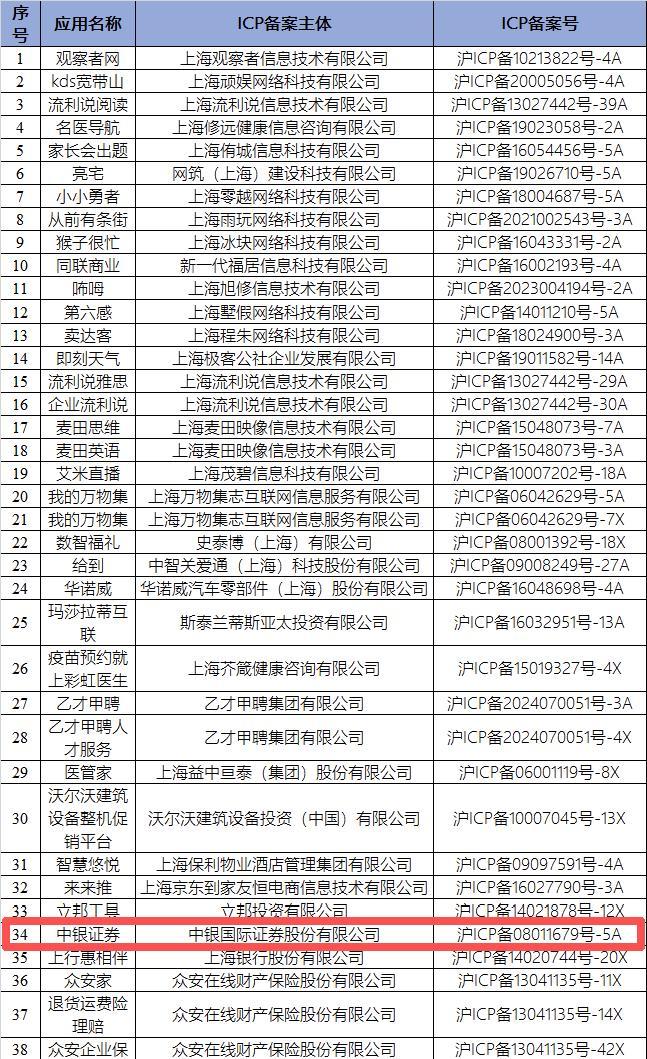
上海下架38款侵害用户权益App,涉上海银行等多家金融机构
Bei Jing Shang Bao· 2025-12-17 12:31
Core Viewpoint - The Shanghai Municipal Communications Administration has announced the removal of 38 apps (SDKs) that violate user rights, following legal regulations and a national initiative for personal information protection [1][2]. Group 1: Regulatory Actions - The removal of the apps is based on violations of the Personal Information Protection Law, Cybersecurity Law, Telecommunications Regulations, and other relevant laws [1]. - The action is part of a broader initiative announced by four government departments aimed at enhancing personal information protection by 2025 [1]. Group 2: Impact on Financial Institutions - Among the apps removed are those associated with several financial institutions, including Shanghai Bank's "Shangxing Huixiangban" [2].

2家机构还在整改!违规金融App,最新通报!
券商中国· 2025-12-17 09:58
Core Viewpoint - The article discusses the self-regulatory inspection results of mobile financial apps conducted by the China Internet Finance Association, highlighting compliance issues and the progress of rectification among various financial institutions [1][5]. Group 1: Rectification Progress - As of December 16, five institutions have completed rectification for their respective apps, including:掌上紫金, 银盛通, 本溪银行, 黑龙江农信, and 黄河银行 [2][3]. - Three institutions have basically completed rectification, namely: 宁夏银行, 哈密市商业银行, and 泰康在线, with their corresponding apps being 宁夏银行, 哈密市商业银行, and 泰康在线 [2][3]. - Two institutions are still in the process of rectification: 韩亚银行 and 国华人寿, with their apps being 韩亚银行 and 国华人寿 [2][3]. Group 2: Issues Identified - The self-regulatory inspection identified major issues in three areas: personal information protection, security protection, and data security [6]. - In the area of personal information protection, significant violations were found, including the lack of clear rules for collecting and using personal information, and failure to obtain user consent before data collection [7][8][9]. - Security protection issues were noted in identity authentication, logical security, and password management, such as displaying sensitive information like names and bank card numbers without masking [9]. Group 3: Industry Context - The financial sector is increasingly reliant on big data for user profiling and targeted marketing, raising concerns about excessive personal information collection and compliance risks [10]. - Public awareness regarding the protection of biometric data, such as facial recognition, remains low, with many consumers prioritizing convenience over privacy [11].

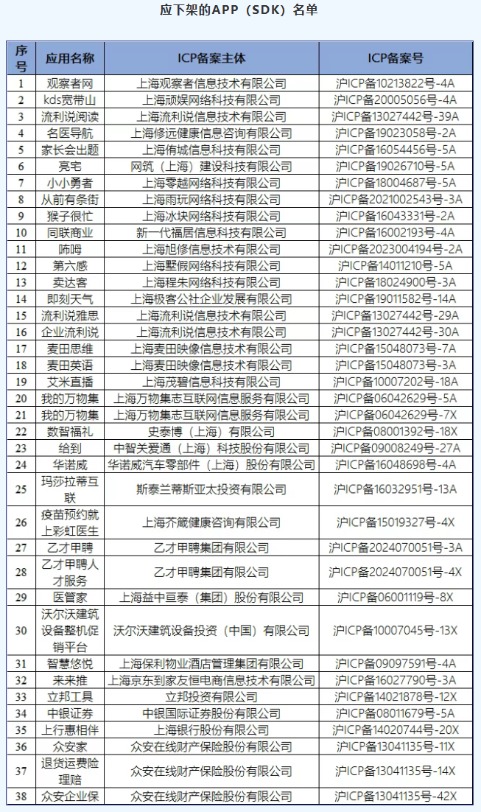
上海市通信管理局下架38款侵害用户权益APP 众安保险三款APP在列
Xin Hua Cai Jing· 2025-12-17 09:40
Core Viewpoint - The Shanghai Municipal Communications Administration has initiated a governance action against APPs (SDKs) that illegally collect and use personal information, resulting in the removal of 38 applications from the market due to non-compliance with rectification requirements [1]. Group 1: Regulatory Actions - The Shanghai Municipal Communications Administration publicly announced a list of APPs (SDKs) that infringe on user rights, with a deadline for rectification set for November 2025 [1]. - Out of the identified APPs, 38 have not complied with the required rectification measures and are now subject to removal from app stores [1]. - Continuous monitoring of these APPs (SDKs) will be conducted, with potential further actions including suspension of access, administrative penalties, and inclusion in a list of poorly performing telecommunications businesses [1]. Group 2: Affected Applications - The list of removed applications includes notable names such as Observer Network, KDS Broadband Mountain, Fluent Reading, Mingyi Navigation, and Zhongyin Securities [1]. - Specifically, three applications from Zhong An Online Property Insurance Co., Ltd. have been removed: Zhong An Home, Return Freight Insurance Claim, and Zhong An Enterprise Insurance [1].

多家险企APP因侵犯用户权益被通报 已有地方监管喊话“加大打击力度”
Zhong Guo Jing Ying Bao· 2025-12-16 06:19
中经记者 樊红敏 北京报道 随着数字化转型进程的推进和监管制度的逐步完善,保险业作为数据密集型产业在个人信息保护方面面 临的合规风险愈发凸显。 近日,上海市通信管理局(以下简称"上海通信局")发布的《关于侵害用户权益行为APP(SDK)的通 报(2025年第十批)》显示,3家保险机构的8款APP(SDK)上榜,涉及的问题包括"未明示个人信息 处理规则""账号注销难""违规收集个人信息""未妥善处理用户投诉"等。 《中国经营报》记者梳理发现,包括此次通报在内,今年以来,上海通信局发布的十批通报中,共有9 家保险机构(含保险中介,下同)合计超过20款APP(SDK)"上榜"。其他地方通信管理局的通报中, 也不乏保险机构"上榜"。 "近年来,保险业进入数字化转型的关键时期,又适逢《中华人民共和国个人信息保护法》《中华人民 共和国数据安全法》等法律规定出台实施,既需要推进数字化转型,又亟须提升数据合规水平。保险业 作为数据密集型行业,数据规模大、场景多元、价值明显,属于个人信息保护合规风险高发的领域,数 据合规问题愈发凸显。"金杜律师事务所合伙人宁宣凤在接受记者采访时表示。 数据伦理尚未树立 上海通信局在通报中同时要 ...
国家安全部提醒手机App非必要不授予位置权限 记者实测调查
Yang Guang Wang· 2025-12-16 05:28
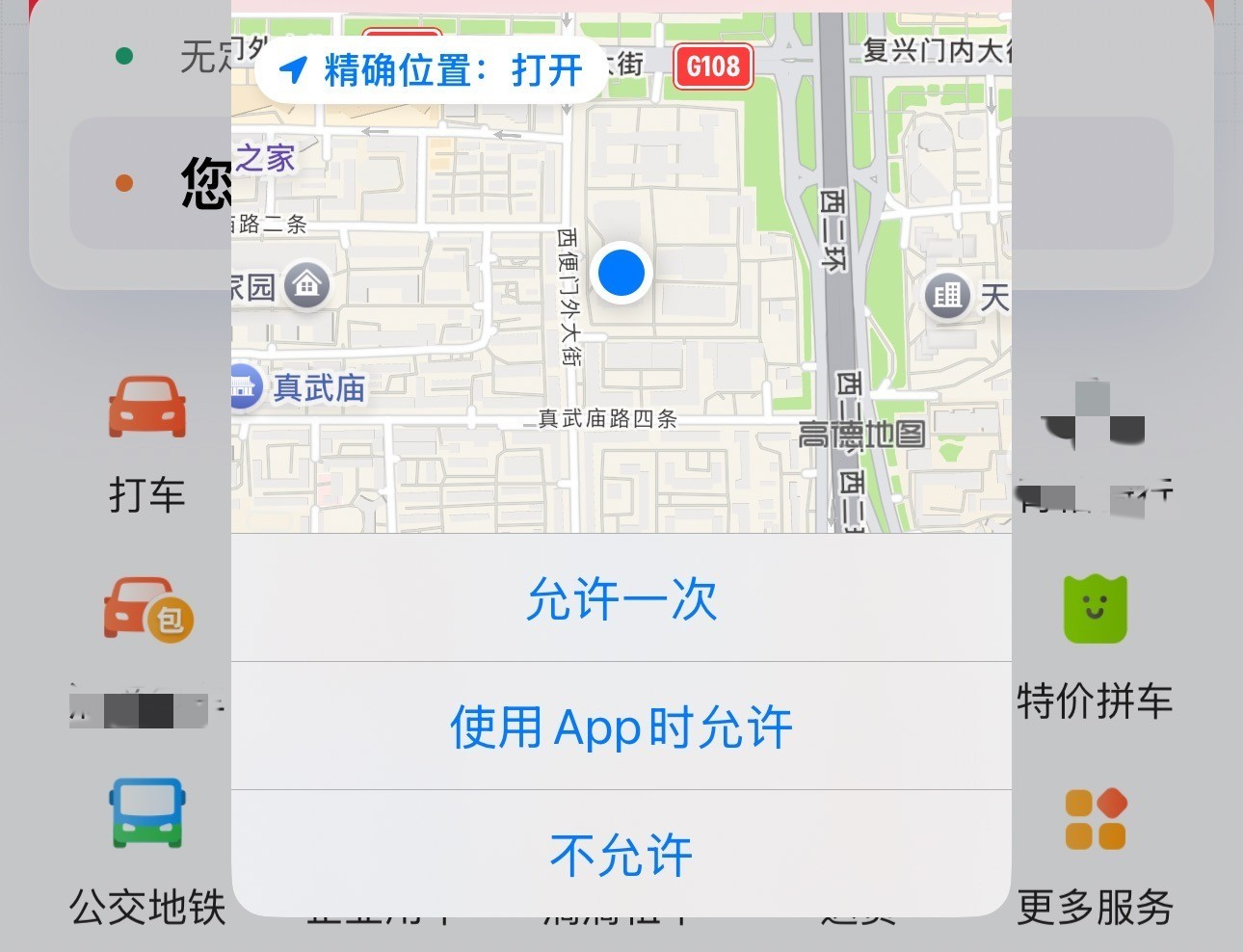
某出行App位置信息授权 央广网北京12月16日消息(总台中国之声记者韩雪莹)据中央广播电视总台中国之声《新闻纵横》报道,移动互联时代,手机App早已融入人们的日常 生活——指尖划过屏幕,就能下单一份热腾腾的早餐;在导航的指引下,穿行于城市的大街小巷;沿着公园、河边慢跑,会形成一份运动轨迹图…… 依托用户安装手机App时授权提供的位置信息,这些不经意间的点击与滑动,为我们带来了实实在在的便利,也在数字世界留下了一连串足迹。实际 上,轨迹数据能绘制出超出想象的宏观图景,但也可能潜藏风险。近日,国家安全部就发文提醒,手机App非必要不授予位置权限。这两天,中国之声记者 实测了不同种类共计40款App,App的位置信息授权究竟是否明晰?守护数字足迹,各方如何形成合力? 这两天,记者对主流电商、外卖、出行、社交、影音、办公、金融理财、摄影绘画、游戏娱乐、新闻资讯等不同门类的共计40款App展开了位置信息授 权路径测评。经实测发现,其中近半数App在首次启用后,会在不同环节向用户告知将申请位置权限,并以征求意见的方式索要不同程度的位置权限;而需 要用户授予位置权限的这些App,以电商、外卖、出行类为主。 那么,什么样的 ...
过度收集信息,应用程序岂能变身“隐私刺客”?
Ren Min Ri Bao· 2025-12-14 04:12
Core Viewpoint - The National Cybersecurity Notification Center reported that 69 mobile applications are involved in illegal collection and use of personal information, reflecting a severe situation in personal information protection with over 200 applications reported this year alone [1] Group 1: Current Situation - The frequent reports of violations indicate a persistent issue of excessive collection, improper use, and illegal trading of personal information [1] - The phenomenon of "privacy assassins" disrupts daily life through spam calls and targeted advertisements, often violating laws and regulations [1] Group 2: Legal Framework and User Consent - The Personal Information Protection Law mandates that personal information processing must adhere to principles of legality, legitimacy, necessity, and integrity, requiring individual consent [1] - In practice, the concept of "informed consent" is often easily breached, with vague app information authorization agreements leading to user confusion [1] Group 3: Recommendations for Improvement - Merely naming and reporting violators is insufficient; significant penalties and app removals are necessary to deter violations [2] - Users should shift from passive acceptance to active protection by cautiously authorizing apps to access personal information and regularly checking usage [2] Group 4: Long-term Strategies - Continuous regulatory oversight is essential, including the introduction of third-party organizations to supervise app privacy policies and dismantle illegal operations [2] - Companies must proactively identify security risks and integrate personal information protection into their product development processes [2] - Building user trust is crucial, as companies that disregard user privacy will ultimately be rejected by the market [2]
广东首例碳市场个人信息保护案落槌
Ren Min Wang· 2025-12-11 00:59
Core Viewpoint - The case highlights the balance between trading efficiency and personal information protection in the carbon market, emphasizing the need for clear regulations and practices to safeguard individual rights while facilitating carbon trading [1][4]. Group 1: Case Background - A dispute arose when an individual member of a carbon trading center, referred to as Li, received unsolicited contact from multiple companies regarding carbon quota transactions, leading to claims of unauthorized personal information disclosure by the trading platform [1]. - Li alleged that the carbon trading center disclosed his name and phone number without consent, violating his personal information rights, and sought legal redress [1]. Group 2: Legal Proceedings - The carbon trading center defended its actions by citing legal grounds for information disclosure, arguing that it was necessary for fulfilling contractual obligations related to transaction invoicing [2]. - Both the first and second instance courts ruled in favor of the carbon trading center, determining that the information disclosure was legally justified and did not constitute an infringement of Li's rights [3]. Group 3: Judicial Recommendations - Following the case, the court provided judicial suggestions to the carbon trading center aimed at enhancing the regulatory framework, optimizing platform functions, and improving oversight [4]. - Recommendations included developing a dedicated information disclosure policy, implementing selective disclosure features, and strengthening consent and monitoring mechanisms to mitigate information exposure risks [4]. Group 4: Industry Implications - The case sets a precedent for the reasonable use of personal information in specific trading scenarios, promoting smooth carbon market transactions while encouraging platforms to enhance personal information protection measures [4]. - This outcome serves as a reference for similar disputes in the national carbon market, contributing to the integration of green economic development and personal information rights protection [4].
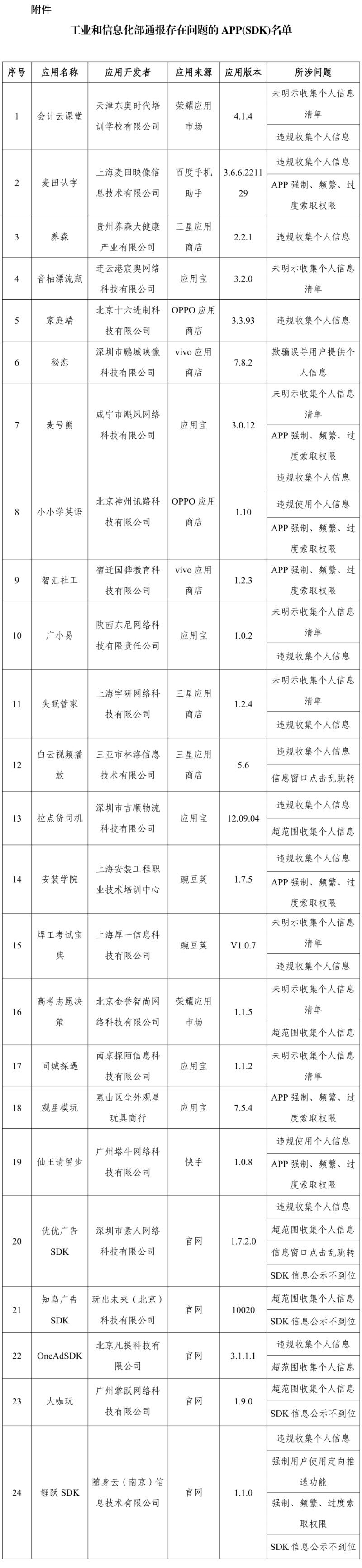
赶紧自查!这些App被通报
Shang Hai Zheng Quan Bao· 2025-12-10 14:09
记者12月9日从工业和信息化部获悉,依据相关法律法规,工业和信息化部对App、SDK(第三方软件开发工具 包)违法违规收集使用个人信息等问题开展治理。近期,经组织第三方检测机构进行抽查,共发现24款App及 SDK存在侵害用户权益行为。 据悉,上述App及SDK应按有关规定进行整改,整改落实不到位的,工业和信息化部将依法依规组织开展相关处 置工作。 (文章来源:上海证券报) | 序号 | 应用名称 | 应用开发者 | 应用来源 | 应用版本 | 所涉问题 | | --- | --- | --- | --- | --- | --- | | 1 | 会计云课堂 | 天津东奥时代培 | 荣耀应用 | 4.1.4 | 未明示收集个人信息 清单 | | | | 训学校有限公司 | 市场 | | | | | | | | | 违规收集个人信息 | | 2 | 麦田认字 | 上海麦田映像信 | 百度手机 | 3.6.6.2211 | 违规收集个人信息 | | | | 息技术有限公司 | 助手 | 29 | APP 强制、频繁、过 | | | | | | | 度索取权限 | | 3 | 养森 | 贵州养森大健康 | 三星应用 ...