
医保基金监管

Search documents
高质量完成“十四五”规划丨“十四五”医保基金支出12.13万亿元 我国医保事业提质扩面
Xin Hua She· 2025-07-24 07:21
Core Insights - The "14th Five-Year Plan" aims to enhance the national medical insurance system, achieving a stable coverage rate of approximately 95% and a cumulative expenditure of 12.13 trillion yuan, with an annual growth rate of 9.1% [1][3] Group 1: Medical Insurance Coverage - By 2024, nearly 200 million medical visits will benefit from insurance reimbursement, representing a 1.6 times increase compared to 2020 [3] - As of June 2025, 253 million people are expected to participate in maternity insurance, with cumulative expenditures reaching 438.3 billion yuan and benefits enjoyed by 96.14 million people [3] Group 2: Long-term Care and Elderly Support - A long-term care insurance system is being established, with 190 million participants expected by the end of 2024, addressing the needs of disabled individuals [3] - Over 95% of village clinics will be included in the insurance system, facilitating access to medical services for the elderly [3] Group 3: Medical Institutions and Cross-Province Services - By June 2025, the number of designated medical institutions for insurance will reach 1.1 million, expanding the coverage of employee insurance to include close relatives [4] - The number of cross-province designated medical institutions has reached 644,000, benefiting 560 million medical visits and reducing out-of-pocket expenses by 590 billion yuan [4] Group 4: Support for New Medical Technologies - A total of 402 new drugs have been added to the insurance catalog since the beginning of the "14th Five-Year Plan," with ongoing reforms in payment methods to promote new technologies and equipment in clinical applications [4] Group 5: Poverty Alleviation and Future Directions - Medical assistance policies have benefited 673 million rural low-income individuals, alleviating over 650 billion yuan in medical expenses [5] - The National Medical Insurance Administration aims to manage insurance funds effectively while supporting the development of the pharmaceutical industry and enhancing the availability of safe and efficient medical products and services [5]

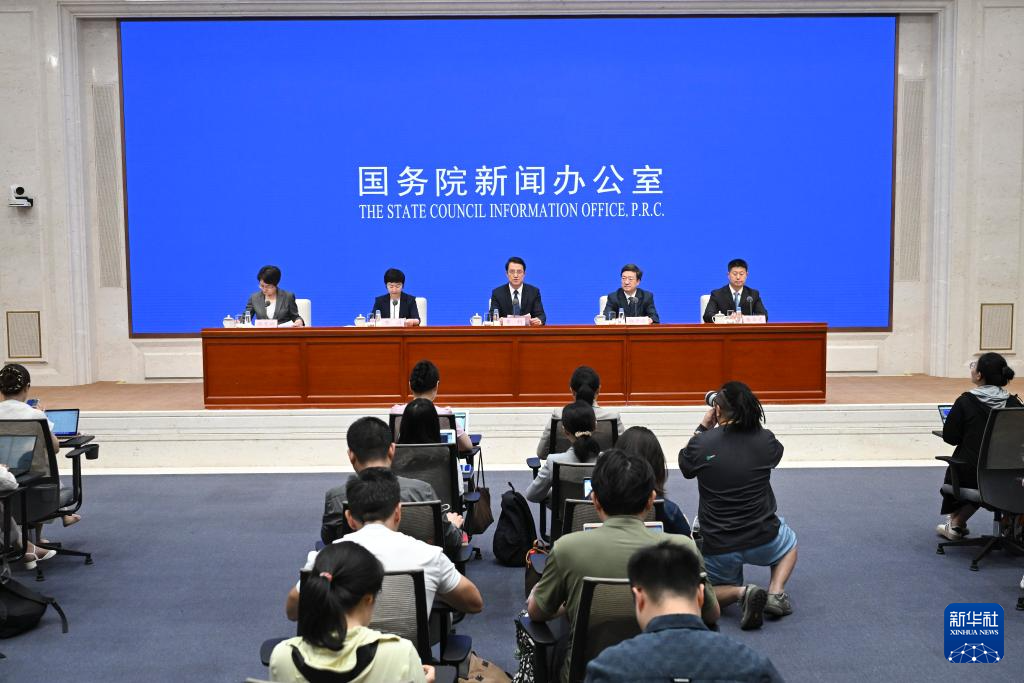
“十四五”医保成绩单发布,医保基金累计支出超12万亿元
Di Yi Cai Jing· 2025-07-24 05:01
Group 1: Healthcare Insurance and Coverage - The national basic medical insurance coverage rate remains stable at around 95%, with an expected 1.327 billion people insured by 2024, representing a 1.6 times increase from 2020 [1][3] - Cumulative expenditure of the medical insurance fund during the 14th Five-Year Plan period reached 12.13 trillion yuan, with an annual growth rate of 9.1% [1] - The multi-tiered medical security system is being established, including basic medical insurance, serious illness insurance, and medical assistance [3] Group 2: Long-term Care Insurance - As of June 2025, 253 million people are expected to participate in maternity insurance, with cumulative expenditures of 438.3 billion yuan [3][4] - The long-term care insurance system aims to alleviate the financial burden of daily care for the elderly and disabled individuals [3][4] Group 3: Medical Fund Management and Regulation - The National Medical Insurance Administration is enhancing the regulation of medical insurance funds to combat fraud and misuse, with 335,000 medical institutions inspected in the first half of the year, recovering 16.13 billion yuan [7] - The transition from a "post-payment" to a "pre-payment" system is being implemented, promoting efficiency in medical institutions and reducing patient out-of-pocket expenses by approximately 5% year-on-year [6] Group 4: Drug Price Governance - The 11th batch of centralized drug procurement has been initiated, emphasizing principles such as maintaining clinical stability and ensuring quality [9] - Since 2018, 10 batches of drug procurement have been conducted at the national level, covering 435 types of drugs, which has helped lower drug costs and improve accessibility [9]
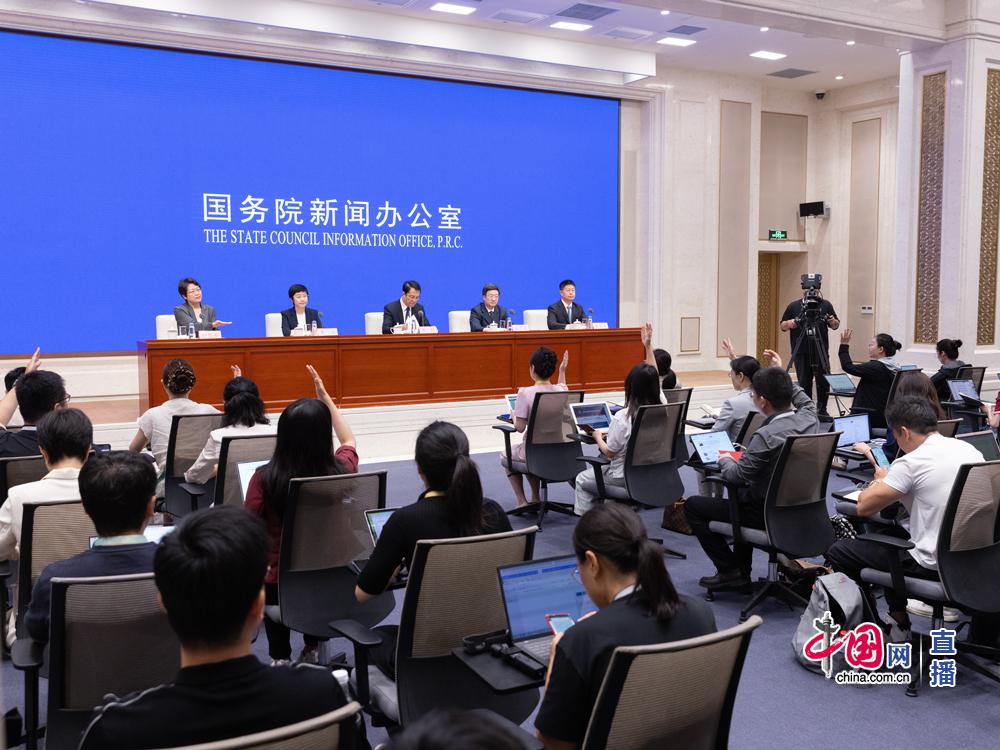
国家医保局答21:改革支付方式,患者个人负担同比下降5%
2 1 Shi Ji Jing Ji Bao Dao· 2025-07-24 04:03
21世纪经济报道记者 贺佳雯 北京报道 在推进科技赋能方面,全国统一的医保信息平台全面建成,医保业务编码标准全国统一,医保智能管理水平显著提升。医保码、移动支付和电子处方全面应 用,群众就医购药更加便捷。跨省异地就医直接结算人次从2020年的537万人次增加到2024年的2.38亿人次,增长了44倍,跨省异地就医住院费用直接结算 率超过了90%。 二是医保支付流程更加高效。近年来,医保基金支出持续稳定增长,不仅为广大参保群众的生命健康提供了坚实保障,也为医疗机构的发展提供了重要支 撑。 在推进协同发展方面,建立多层次医疗保障体系,医保各项改革持续赋能医疗机构和医药产业高质量发展。即时结算、直接结算、同步结算稳步推进。国家 医保药品目录实现了全国统一,目录内药品总数达到了3159种。医保支付方式不断完善。药品、医用耗材集中带量采购常态化制度化运行。医疗服务价格改 革试点有序推进,医疗服务价格动态调整机制全面建立。 南方财经·21世纪经济报道记者提问:深化医保支付方式改革是提高医疗资源使用效率的重要举措。国家医保局如何通过这些改革,引导医疗机构从"规模扩 张"转向"提质增效",更好地满足人民群众看病就医的需求? ...
国家医保局:采取强有力的监管举措 坚决守好人民群众的“看病钱”“救命钱”
Yang Shi Wang· 2025-07-24 02:56
Group 1 - The core viewpoint of the news is the introduction of measures by the National Medical Insurance Administration to enhance the regulation of medical insurance funds and ensure the safety of public healthcare finances during the "14th Five-Year Plan" period [1][2] Group 2 - Strong regulatory measures have been implemented to combat fraud and illegal use of medical insurance funds, with 335,000 medical institutions inspected and 16.13 billion yuan recovered in the first half of the year [1] - The National Medical Insurance Administration has conducted 49 groups of flying inspections covering 21 provinces and 47 cities, inspecting 2,314 medical institutions [1] - A special action has been launched to tackle historical issues related to "returning drugs" and to enhance public awareness through the exposure of typical cases [1] Group 3 - A comprehensive intelligent regulatory defense line is being constructed, utilizing big data to identify fraudulent activities, with 330 million yuan in medical insurance funds recovered through intelligent regulatory systems this year [2] - The administration is advancing the legislative process for the Medical Security Law and plans to solicit public opinions on the implementation details of the Medical Security Fund Supervision and Management Regulations [2] - The establishment of a joint inspection and punishment mechanism with relevant departments aims to enhance regulatory collaboration and promote social supervision [2]
国家医保局:开展药品追溯码采集应用,让二次销售的“回流药”无处藏身
Yang Shi Wang· 2025-07-24 02:43
施子海表示,下一步,国家医保局将继续加大监管规范力度,持续改善行业生态,协同"三医"部门共同 为人民群众提供更加安全、更高质量的医药服务。 二是规范"两定机构"。通过基金监管系列举措,推动定点医疗机构和定点零售药店规范医保基金的使用 行为,为群众提供优质高效的医疗服务。国家医保局建设了医保智能监管系统,将医保基金监管关口前 移,做到违法违规行为早发现、早预警、早处置。健全医保基金事后监管和飞行检查工作机制,以监督 执法促进行为规范。开展药品追溯码采集应用,让二次销售的"回流药"无处藏身,让通过收售"回流 药"骗保的不法机构和不法分子人人喊打。 三是规范"医务人员"。国家医保局建立了定点医药机构相关人员医保支付资格管理制度,做到医保基金 监管精准到人,极大提高了监管的精准性和震慑力。这个管理制度,主要是对定点医药机构相关人员实 行"驾照式记分",一旦发现相关人员在一家定点医药机构被暂停或终止医保支付资格,在其他定点医药 机构也将被采取相应措施,处理信息全国共享,跨区域联动。同时,国家医保局把记分和暂停、终止人 员有关情况通报给卫健和药监部门,由其按照职责对相关人员加强管理,形成监管合力。 央视网消息:国务院新闻 ...
我国累计追回医保基金1045亿元
news flash· 2025-07-24 02:06
金十数据7月24日讯,国家医疗保障局局长章轲7月24日在国新办举行的"高质量完成'十四五'规划"系列 主题新闻发布会上介绍,医保基金安全网不断织密扎牢,基金运行持续稳健。截至2024年底,医保统筹 基金累计结存3.86万亿元。基金监管体系全面建立,累计追回医保基金1045亿元。 (新华社) 我国累计追回医保基金1045亿元 ...
海陵:靶向监督护航医保基金安全
Xin Hua Ri Bao· 2025-07-10 23:02
Group 1 - The article highlights the ongoing efforts in Taizhou's Hailing District to ensure the safe use of medical insurance funds through a special rectification campaign aimed at preventing fraud and misuse [1] - A three-tiered supervision mechanism has been established involving the district's disciplinary inspection and supervision commission, functional departments, and medical institutions, leading to the investigation of 15 corruption and misconduct cases, with 8 individuals formally charged [1] - The campaign is part of a broader initiative to protect the integrity of medical insurance funds, which are crucial for the public's well-being [1] Group 2 - The Taizhou Fourth People's Hospital has implemented a "one-stop service" for chronic disease management, significantly reducing processing time from 5 working days to immediate completion, serving approximately 12,000 people annually [2] - A new prescription management model has been introduced, allowing for an average of over 200 prescriptions to be processed daily, covering 70% of chronic disease patients, while also preventing fraudulent prescriptions [2] - The hospital has adopted a multi-modal real-name medical system to combat the misuse of medical insurance cards, enhancing patient identification through facial recognition and ID verification [2] Group 3 - A regional testing center has been established to address the issue of repeated medical examinations, which is expected to reduce over 600 duplicate tests monthly, saving more than 200,000 yuan in medical expenses and insurance funds annually [3] - The district's disciplinary inspection and supervision commission emphasizes the dual role of safeguarding medical insurance funds while protecting the interests of the public [3] - Future efforts will focus on deepening the results of the special rectification campaign and establishing a long-term regulatory mechanism for medical insurance funds [3]
倒查两年半,剑指医院、药店违规乱象!又一省启动医保飞检
21世纪经济报道· 2025-07-05 07:27
Core Viewpoint - The article discusses the upcoming provincial-level inspections of medical insurance funds in Hunan, emphasizing the importance of safeguarding these funds for the benefit of insured individuals and the overall healthcare system [2][5]. Group 1: Overview of Inspections - The Hunan Provincial Medical Insurance Bureau announced a special inspection of medical insurance funds from July to September 2025, covering the usage from January 1, 2023, to June 30, 2025 [2]. - The inspections aim to enhance the supervision of medical insurance funds, with a focus on high-risk areas and behaviors, including fraudulent practices in medical institutions and retail pharmacies [7][10]. Group 2: Inspection Methodology - The inspections will utilize a "no prior notice" approach, allowing for unannounced checks at designated medical institutions [9]. - Key features of the inspections include a cross-checking mechanism, high professional standards, and the formation of specialized teams to improve efficiency [10]. Group 3: Targeted Areas of Concern - Specific areas of focus include fraudulent hospital admissions, excessive hospitalization rates, and violations related to prescription transfers and drug procurement [10][11]. - Retail pharmacies will be scrutinized for fraudulent practices such as falsifying prescriptions and engaging in drug trafficking [11]. Group 4: Broader Regulatory Context - The article highlights ongoing efforts to combat medical insurance fraud, including recent cases of significant fraud involving millions in claims [15]. - The introduction of smart regulatory measures, such as the mandatory scanning of drug traceability codes for insurance settlements, aims to reduce fraudulent activities [16]. Group 5: Involvement of Third Parties - Third-party organizations are increasingly involved in the oversight of medical insurance fund usage, enhancing the regulatory framework through data-driven approaches [17].

守好老百姓的“看病钱”“救命钱” 国家医保局印发通知
Yang Shi Xin Wen· 2025-06-24 16:33
Core Viewpoint - The National Healthcare Security Administration has issued a notice to strengthen the management of designated medical institutions under the medical insurance system, emphasizing strict supervision of medical insurance funds to ensure the quality of healthcare services and protect patients' rights [1]. Group 1: Regulations for Designated Medical Institutions - Medical institutions applying to become designated under the insurance scheme must use drug and consumable traceability codes, ensuring comprehensive collection and payment based on these codes [2]. - Designated public medical institutions must adhere to government-guided pricing for basic medical services, while non-public institutions must commit to the same pricing standards and principles of fairness and quality [2]. - A six-month policy guidance period is established for newly designated institutions to comply with insurance management and payment policies, with penalties for violations during this period [2]. Group 2: Patient Rights and Service Standards - It is strictly prohibited to force patients to purchase drugs or consumables outside the institution or to discharge them prematurely based on insurance policies [5]. - Designated public medical institutions are required to procure drugs and consumables through provincial centralized procurement platforms, ensuring compliance with traceability codes [5]. - Institutions must provide necessary prescription services for drugs that are temporarily unavailable, ensuring smooth electronic prescription processes [5]. Group 3: Monitoring and Exit Mechanisms - The notice mandates enhanced monitoring of hospitalization behaviors for vulnerable groups, including those with chronic or special diseases, to ensure timely provision of insurance services [8]. - A robust exit mechanism for designated medical institutions is required, with strict penalties for fraudulent activities or failure to comply with documentation requirements [8]. - The management of healthcare professionals involved in insurance fund usage will be strengthened through a point-based system, leading to potential penalties for those accumulating excessive points [8].

烟台|烟台市重塑医保基金监管格局 “驾照式记分”守好百姓看病钱
Da Zhong Ri Bao· 2025-06-11 01:23
Core Points - The introduction of a "driving license-style scoring" system for doctors in Yantai City aims to enhance the transparency and accountability of medical practices, linking doctors' treatment behaviors to a credit score that is publicly accessible [1][2][3] - The system penalizes doctors who accumulate 12 points or more, resulting in a suspension of their medical insurance qualifications, thereby reshaping the regulatory landscape of medical insurance funds [1][3] Group 1: Implementation and Impact - The Yantai Medical Insurance Bureau has implemented a dynamic and refined management approach by linking medical payment processes to a credit scoring system, addressing long-standing issues of fraud and misuse of medical insurance funds [1] - The system includes a unique "digital ID" for each physician, allowing for precise tracking of responsibilities from billing to settlement, thus enhancing accountability [1][2] - The public display of doctors' scores has increased patient trust and engagement, with patients actively checking scores before consultations, similar to how they would check a driver's experience [2][3] Group 2: Future Developments - The Yantai Medical Insurance Bureau plans to expand the scoring system to cover more hospitals and integrate it with professional evaluations and performance assessments, making credit management a standard practice in the industry [3] - The ongoing improvements in the regulatory system aim to create a closed-loop governance mechanism that links business operations with administrative enforcement, enhancing the tracking of medical insurance expenditures and risk warnings [2][3]