绿色农业

Search documents
“绿肥+”让土壤吃上“营养餐”
Ke Ji Ri Bao· 2025-07-02 00:38
Core Viewpoint - The research team from Gansu Agricultural University has developed innovative green manure planting models and supporting technology systems to enhance soil quality and reduce reliance on chemical fertilizers in the arid regions of Northwest China, thereby unlocking new opportunities for sustainable agricultural development [1][5]. Group 1: Research and Development - The project "Green Manure and Grain Crop Synergistic Efficiency Technology Innovation and Application" won the first prize of the Gansu Provincial Science and Technology Progress Award for 2024 [1]. - The team has created a new model for the synergistic planting of green manure crops and staple crops, significantly increasing soil organic matter content and achieving ecological cycling [1][5]. - The research involved customizing green manure planting models based on the unique climate and soil conditions of different arid regions, conducting extensive field trials to analyze crop growth, yield changes, and soil fertility [3][4]. Group 2: Economic and Ecological Benefits - The innovative techniques have led to a 20%-30% reduction in the use of chemical nitrogen fertilizers while significantly improving soil organic matter [5]. - The implementation of these techniques has resulted in tangible benefits for farmers, including increased crop quality and yield, as well as reduced pest and disease incidence [5]. - The green manure technology has been promoted across multiple regions, generating an additional 2.4 billion yuan in benefits for 3.55 million acres of land, contributing to the green development of agriculture in Northwest China [5]. Group 3: Educational and Community Engagement - The establishment of the "Gansu Liangzhou Green Manure Technology Small Courtyard" has become a training hub for farmers, with over 2,000 agricultural technicians trained to promote green manure technology [5]. - The team collaborates with various research groups to enhance the efficient use of resources and promote sustainable agricultural practices, focusing on soil health and crop quality improvement [6][7]. Group 4: Long-term Vision and Legacy - The team aims to transition Northwest agriculture from a resource-consuming model to a green and sustainable one, ensuring both increased productivity and longevity of the land [6][7]. - The foundational goal is to enhance both the productivity and health of the soil, aligning with the philosophy that "lucid waters and lush mountains are invaluable assets" [7].
华工科技(000988) - 2025年6月22日投资者关系活动记录表
2025-06-23 07:24
Group 1: Business Development - The intelligent manufacturing business is expanding into high-value markets such as new energy vehicles and shipbuilding, with significant year-on-year order growth [6] - The company is focusing on core business, enhancing customer cooperation, and expanding new clients to solidify its industry position [6] - Key products include the sixth-generation 3D five-axis laser + AI cutting equipment and automated production lines for new energy battery box welding [6] Group 2: Precision Micro-Nano Business - The company is targeting the 3D printing market, focusing on metal additive manufacturing equipment for sectors like 3C electronics and new energy vehicles [6] - In the semiconductor field, the company has developed various intelligent equipment for wafer processing and aims to accelerate domestic substitution of semiconductor devices [6] - The green agriculture sector is being developed with AI-driven laser weeding robots to promote sustainable agricultural practices [6] Group 3: Connectivity Business - Domestic demand for computing optical modules is surging, with the company leading in monthly shipments of 400G and 800G optical modules [9] - The company plans to increase production capacity for 400G/800G optical modules, expecting to ship 1 million units monthly starting Q3 [9] - The company is advancing its next-generation optical module production base, with phase one expected to be operational by July [9] Group 4: Global Expansion - The overseas market is experiencing explosive growth in AI demand, with the company poised to secure bulk orders from major clients [11] - The company’s overseas factory is operational, aiming to enhance production capacity for 800G and 1.6T modules, with plans for a 40,000 square meter facility [11] - Expected monthly production of 800G and above optical modules is projected to reach 100,000 units in July and 200,000 units in August [11] Group 5: 3D Printing Business - The company has formed a joint venture with a leading enterprise to enhance its competitive edge in the 3D printing sector [12] - Collaborations with global brands are underway, with products undergoing validation to meet customer specifications [12] - The company aims to expand the application of 3D printing technology across various industries while deepening material and process research [12]

家门口更美 幸福感更足(美丽中国·身边的生态获得感②)
Ren Min Ri Bao· 2025-06-10 00:08
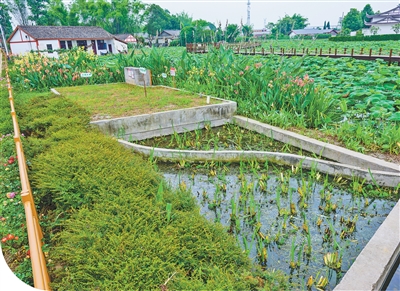
Core Insights - The article highlights the significant improvements in the living environment of Yongfeng Village in Meishan, Sichuan, through comprehensive waste management and sanitation initiatives, leading to enhanced quality of life for residents [2][3][5]. Waste Management - Yongfeng Village has achieved full coverage in household waste collection and processing, with a systematic approach of "household classification, village collection, town transportation, and district processing" [3][4]. - The village has established a recycling system for agricultural waste, particularly pesticide packaging, with a recovery rate exceeding 82% [4][5]. Sanitation Improvements - The implementation of the "toilet revolution" and rural sewage treatment has led to the construction of seven centralized sewage treatment facilities, significantly improving sanitation [5][6]. - The village has adopted a three-chamber septic tank system for each household, allowing for the resourceful use of treated sewage [5][6]. Agricultural Advancements - Over 1,000 acres of rice fields in Yongfeng Village have adopted green pest control technologies, resulting in reduced chemical fertilizer usage while increasing rice yields to over 1,300 pounds per acre [7][8]. - The promotion of organic fertilizers and the practice of returning straw to the fields have further enhanced soil quality and crop productivity [8].

从玉智农盘中最低价触及0.325港元,创近一年新低
Jin Rong Jie· 2025-06-09 08:58
Core Viewpoint - The company, Congyu Agriculture Group Limited, has experienced a decline in stock price, reaching a new low, while also facing significant net capital outflow on the trading day [1][2]. Company Overview - Congyu Agriculture Group Limited, formerly known as China Gold Control Investment Group Limited, was established in 1992 and is listed on the Hong Kong Stock Exchange. It is the first agricultural enterprise in Hong Kong to focus on high-standard vegetable planting and sales [2]. - The company has been recognized as a key leading enterprise in agricultural industrialization by both national and provincial authorities, and it plays a significant role in the "vegetable basket" project in the Guangdong-Hong Kong-Macao Greater Bay Area [2]. Business Model and Strategy - The company adopts a "company + base + farmer" industrial development model, emphasizing agricultural standardization and leveraging its advantages in capital, geography, technology, and market [3]. - It aims to enhance food safety and quality through agricultural technology and biological science applications, contributing to sustainable agricultural development in China [3][4]. Product and Service Expansion - The company has expanded its operations from vegetable planting to a full range of agricultural services, establishing a unique product and testing standard system, as well as a smart distribution system [4]. - It provides food ingredient delivery services to major retail chains and online platforms, including Walmart and Meituan, covering five major regions in China [4]. Future Plans - The company plans to create greater value through high-quality agricultural products, industry cooperation, and partnerships, aiming to become a leading agricultural industry group in China [4].
冠菌素助力小麦单产提升,展示中国原创绿色农业力量
Huan Qiu Wang· 2025-06-03 08:09
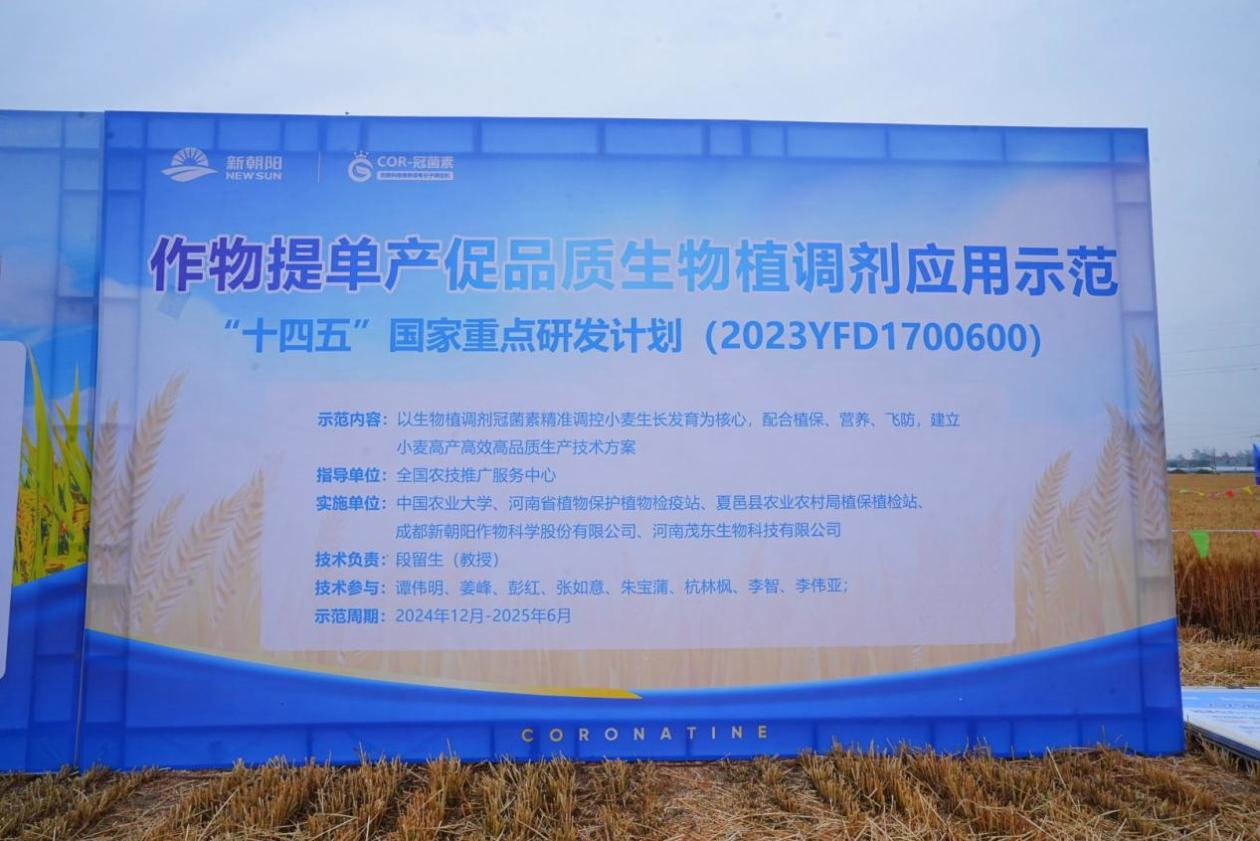
Core Viewpoint - The successful demonstration of the plant growth regulator "Guanjinsuan" showcases the practical application of scientific research in agriculture, highlighting China's self-reliance in core agricultural technologies and the promotion of sustainable agricultural practices [1][7]. Group 1: Product Development and Innovation - Guanjinsuan is China's first plant growth regulator with complete independent intellectual property rights, developed by Chengdu Xinchao Crop Science Co., Ltd. and the Engineering Research Center for Plant Growth Regulators of the Ministry of Education at China Agricultural University [3]. - The product features a complete innovation chain with "original molecules - original mechanisms - original applications," facilitating the transition from microbial screening to field verification [3][7]. Group 2: Application and Results - In a demonstration field in Henan's Xiayi County, Guanjinsuan-treated wheat achieved an average yield of 591.2 kg per mu, an increase of 66.4 kg (12.65%) compared to the control area, despite relying solely on natural rainfall during a drought [4]. - Observations indicated that the Guanjinsuan-treated fields exhibited better adaptability, with extended grain filling periods, improved grain fullness, and enhanced resistance to adverse weather conditions [5]. Group 3: Implications for Agriculture - The successful application of Guanjinsuan represents a significant step in integrating research and practical use in China's agricultural sector, contributing to the development of a domestic system for agricultural biological agents [7]. - The promotion of Guanjinsuan is expected to support the transition of traditional agriculture towards a greener, more efficient, and sustainable modern phase, aiding in the reduction of chemical pesticide use and ensuring food security [7].
农业科技特派员(轻骑兵)4月报 | 广东春耕科技赋能新实践:多维度护航稳粮保供
Nan Fang Nong Cun Bao· 2025-05-30 12:31
Core Viewpoint - The article emphasizes the integration of agricultural technology to enhance food security and production efficiency in Guangdong province through various innovative models and practices [25][27][30]. Group 1: Agricultural Technology Deployment - Agricultural technology specialists are actively engaged in providing precise services throughout the entire production cycle, focusing on seed selection, planting, management, and harvesting [35][36][37]. - In Guangzhou, a special action named "Protecting Spring Plowing and Ensuring Food Supply" has mobilized 3,434 agricultural technology specialists, conducting 853 technical services and addressing 1,292 technical needs [38][39][40]. Group 2: Mechanization and Automation - The province is promoting mechanization and automation to improve agricultural production efficiency, particularly in rice planting and harvesting [50][51]. - In Shaoguan, a demonstration of mechanized rice planting showed an increase in seedling density from 12,000 to 18,000 per acre, potentially increasing yield by over 15% [58][60]. Group 3: Green Agricultural Practices - To combat the excessive use of fertilizers and pesticides, Guangdong is implementing green pest control and circular agriculture practices [66][67]. - In Shantou, a reduction of over 30% in chemical pesticide usage has been achieved through the establishment of a pest control system that integrates pest scouting, precise application, and ecological regulation [68][69]. Group 4: Collaborative Mechanisms - The province is fostering collaboration among government, enterprises, and research institutions to create a synergistic effect in agricultural production [78][79]. - In Shenzhen, agricultural technology specialists are conducting demand surveys in typical villages to establish a mechanism for focused support in rice and specialty vegetable cultivation [80][81]. Group 5: Empowering Specialty Industries - Guangdong is leveraging technology to enhance the value of regional specialty agriculture while ensuring food security [84][85]. - In Dongguan, the introduction of agricultural technology specialists has led to a 12% increase in the yield of the local taro industry, with a 25% growth in product value [86][87]. Group 6: Comprehensive Service Model - The province has established a comprehensive service model that covers production guidance, disease prevention, ecological protection, and skills training [87][88]. - The "Agricultural Technology Specialist (Light Cavalry)" teams are extending their services beyond seasonal spring plowing to year-round support for rural revitalization [89][90]. Group 7: Talent Development and Skill Enhancement - Initiatives are in place to train rural youth in agricultural practices, with 12 out of 70 trainees starting their own family farms, creating 150 jobs [124][125]. - The training programs for agricultural technology specialists have improved the compliance rate of agricultural product inspections from 97.5% to 99.2% [126][127]. Group 8: Recognition and Impact - Four agricultural technology personnel from Guangdong have been recognized as national labor models, highlighting the importance of their contributions to agricultural development [133][136][137].

研判2025!中国作物秸秆肥行业市场政策、产业链、发展现状、竞争格局及发展趋势分析:市场集中度较低[图]
Chan Ye Xin Xi Wang· 2025-05-29 01:53
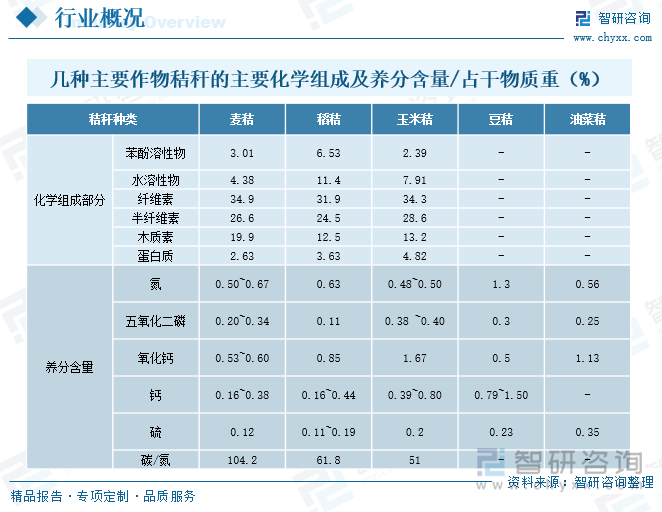
Overview - Long-term use of chemical fertilizers has led to soil compaction and salinization, making straw fertilizer a green and eco-friendly organic fertilizer that improves soil structure, enhances soil fertility, and promotes crop growth, meeting the needs of green and organic agriculture [1][13] - The market demand for straw fertilizer has been increasing, driven by heightened consumer awareness of food safety and ecological environment, leading to a rapid rise in China's straw fertilizer market, with a projected demand of 22.1 million tons and a market size of 16.442 billion yuan in 2024, with an average product price of approximately 744 yuan per ton [1][13] Market Policies - A series of policies have been issued in China to promote the resource utilization of straw, providing a favorable policy environment for the development of the straw fertilizer industry, including the "National Agricultural Green Development Pilot Zone Implementation Plan" and "Opinions on Accelerating the Construction of a Waste Recycling System" [4][6] Industry Chain - The straw fertilizer industry chain consists of upstream (crop straw collection and transportation, agricultural machinery), midstream (production and processing of straw fertilizer), and downstream (application in various crops such as rice, wheat, corn, vegetables, and fruits) [7][9] Upstream Resources - In 2024, China's theoretical straw resource amount is estimated to reach 994 million tons, with rice straw at 222 million tons, wheat straw at 175 million tons, and corn stalks at 341 million tons, providing ample raw material support for the straw fertilizer industry [9] Downstream Demand - The grain crop sector, including cereals, tubers, and legumes, accounts for over 50% of the downstream demand for straw fertilizer, with the total grain planting area in China projected to reach 11.932 million hectares in 2024, indicating significant growth potential for the straw fertilizer industry [11] Competitive Landscape - The straw fertilizer industry in China is characterized by a low market concentration with many small-scale enterprises, including key players such as Anhui Ruichi Land Biological Technology Co., Ltd., Straw Holdings Group Co., Ltd., and others, primarily located in Beijing, Hebei, and Shandong [15][17] Development Trends - The variety of straw fertilizer products is expected to increase, with companies focusing on R&D for new types of fertilizers, including bio-organic fertilizers with special microorganisms and compound fertilizers with trace elements, while optimizing the entire industry chain from raw material collection to production and sales [21]
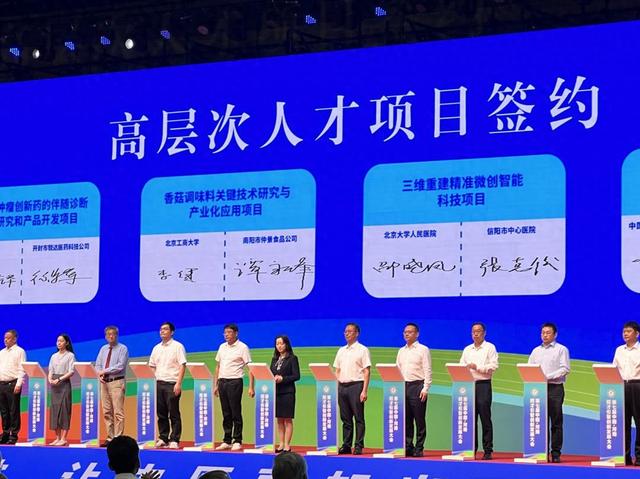
河南西峡:“博士后小院”助力绿色农业发展
Huan Qiu Wang· 2025-05-22 07:48
Group 1 - The core focus of Xixia County is on developing a "billion-level industrial chain" centered around "traditional Chinese medicine and green food" [1][2] - The county has established a "Postdoctoral Small Courtyard" research platform to attract high-end talent and enhance policy appeal through financial support and subsidies [2][5] - A comprehensive demand list has been created, including 27 project needs, 91 talent needs, and 127 technology needs, to facilitate collaboration with over 20 research institutions [2][5] Group 2 - The county has implemented a "point order" service model to address specific research needs of enterprises, leading to breakthroughs in 11 technology R&D projects and the successful production of new agricultural varieties [5][6] - A training program called "Small Courtyard Doctor Lecture Hall" has been organized to enhance agricultural talent, resulting in the education of over 220 agricultural technicians and the creation of more than 30 leading agricultural enterprises [6]
中国心连心化肥:一季度营收增长1.7%至58.46亿元 核心产品销量提升
Zheng Quan Shi Bao Wang· 2025-05-20 12:22
Core Viewpoint - China Heart Heart Fertilizer reported a mixed performance in Q1, with revenue growth but a significant decline in net profit, indicating challenges in the fertilizer market and the need for strategic adjustments [1][2][3] Financial Performance - The company achieved revenue of approximately 5.846 billion yuan, a year-on-year increase of 1.7% and a quarter-on-quarter increase of 2.4% [1] - The net profit attributable to shareholders was about 198 million yuan, a decrease of 30.03% year-on-year, although it marked a recovery from a loss of approximately 74.64 million yuan in the previous quarter [1] Market Dynamics - The fertilizer market is experiencing a "first suppressed then rising" trend, with prices of coal chemical products remaining low in January and February, followed by a rebound in March due to spring farming demand and improved export expectations [1] - The overall gross margin increased by nearly 3 percentage points to 14% during the period, driven by rising prices of downstream products [1] Segment Performance - The fertilizer segment generated sales revenue of approximately 3.09 billion yuan, accounting for 53% of total revenue, making it the largest revenue source for the company [1] - The chemical segment achieved sales revenue of about 2.46 billion yuan, representing 42% of total revenue, while other segments contributed approximately 290 million yuan, or 5% [1] Product Development and Strategy - The company is enhancing the sales proportion of high-efficiency compound fertilizers, with a 6% increase in sales volume and a 9% increase in product prices, leading to a 2 percentage point rise in gross margin [2] - The gross margin for humic acid reached 25%, supported by ongoing research and development [2] Future Projects - Upcoming projects include a 600,000-ton synthetic ammonia and 1.2 million-ton slow-release fertilizer project in Jiangxi, expected to be operational by Q3 2025, and a 320,000-ton melamine and 500,000-ton high-efficiency compound fertilizer project in Xinjiang, projected for completion by the end of 2026 [2] Market Outlook - The company anticipates an increase in international potassium fertilizer and grain prices due to tariff policies, alongside a shift in domestic agriculture towards precision farming, which will enhance demand for high-efficiency fertilizers [3] - The company plans to leverage policy benefits for technological upgrades and focus on functional, customized products and differentiated services to strengthen its market position as a "proponent of efficient fertilizer use" [3]
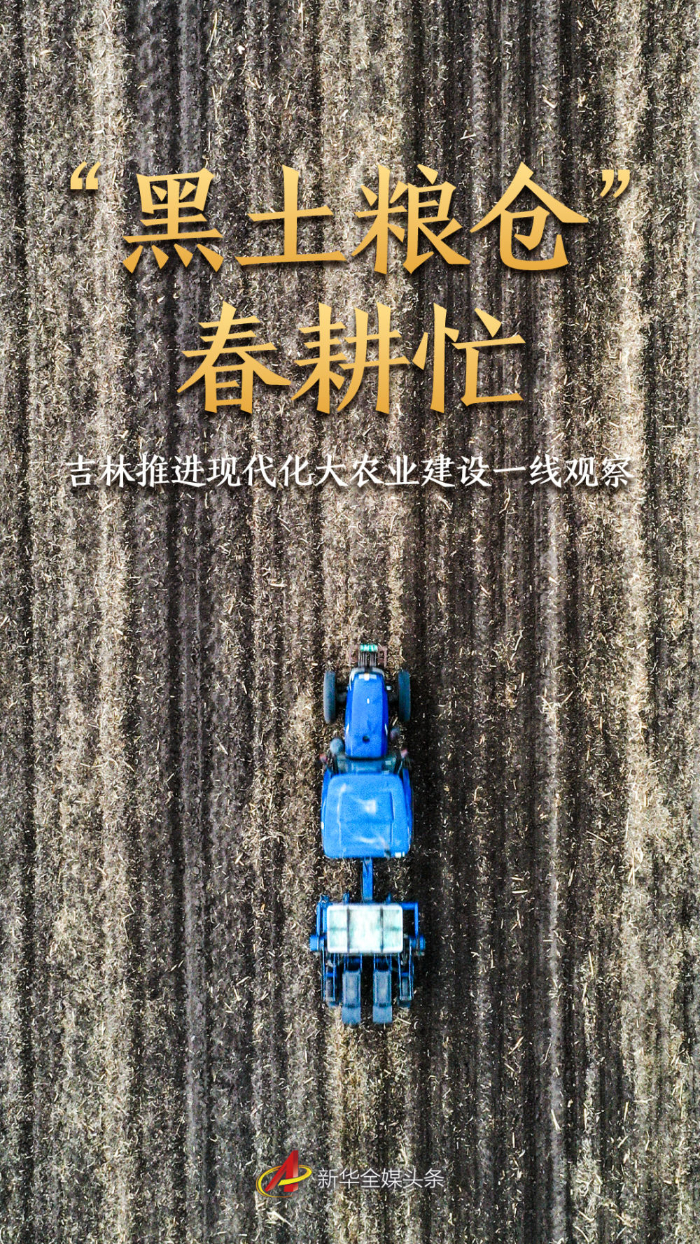
“黑土粮仓”春耕忙——吉林推进现代化大农业建设一线观察
Xin Hua She· 2025-05-17 08:15
Group 1 - The core focus of Jilin province is to develop modern agriculture, enhancing food security through improved agricultural practices and technology [3][9][19] - Jilin aims to increase grain production capacity by implementing the "billion jin grain" capacity construction project, emphasizing the importance of land and technology in food production [3][9] - The province has initiated over 100 projects for the comprehensive management of saline-alkali land, resulting in the addition of over 80,000 acres of arable land and an annual grain production increase of nearly 1 billion jin [7][9] Group 2 - Jilin's agricultural modernization includes the construction of high-standard farmland, with plans to add and improve 178,000 acres of water fields and build 10 million acres of high-standard farmland this year [13][24] - The province is promoting smart agriculture through the use of modern technology, such as IoT and big data, to enhance efficiency and productivity in farming [14][18] - Jilin has established over 20 national green food raw material standardized production bases, covering more than 4 million acres of farmland, to support the production of high-quality crops [20][24] Group 3 - The integration of ecological farming practices, such as rice-fish-duck co-cultivation, is being promoted to enhance sustainability and product quality in agriculture [24] - Jilin is focusing on the development of a diversified food supply system, balancing the production of grains, economic crops, and livestock [19][24] - The province plans to create provincial-level modern agricultural demonstration zones and establish technology integration demonstration bases for grain production [24]