非物质文化遗产

Search documents
光明文化周末:非遗的物质性
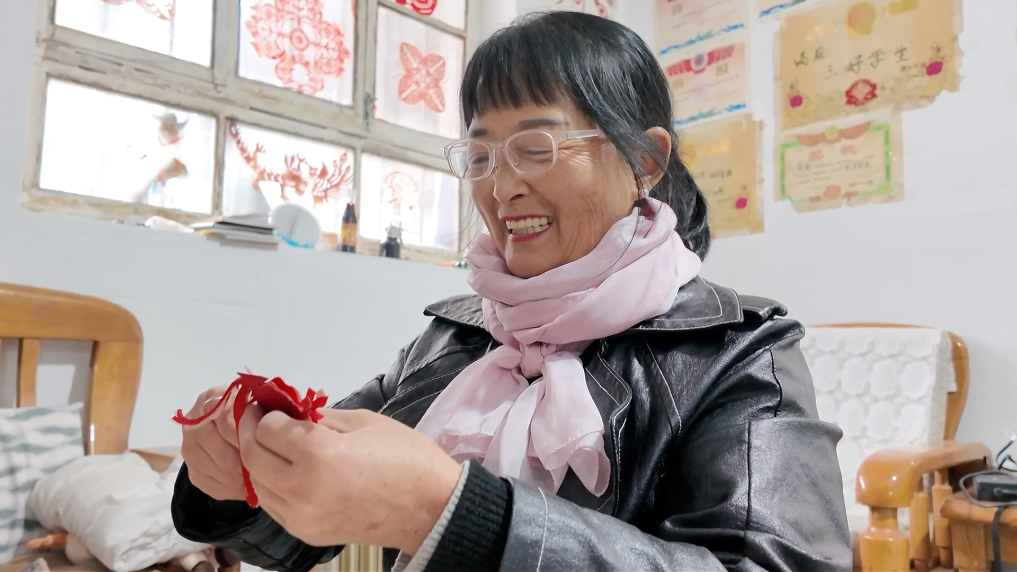
Xin Lang Cai Jing· 2026-01-17 20:47
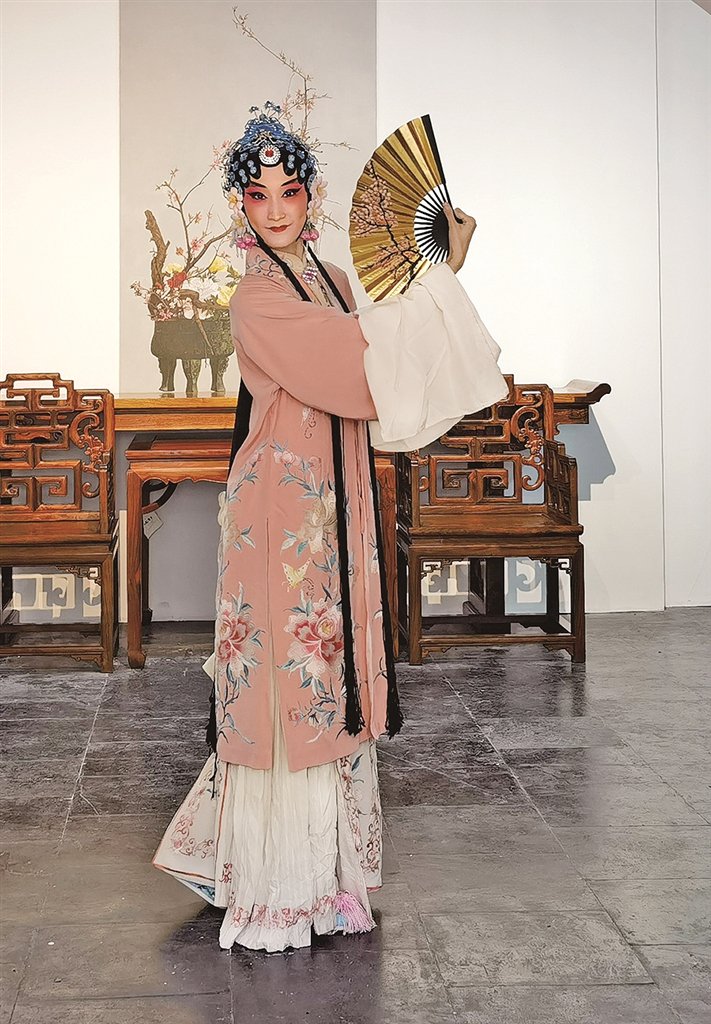
【业界新视角】 作者:冯骥才(著名作家、文化学者、天津大学冯骥才文学艺术研究院院长) 非物质文化遗产的首要特征是非物质性,它们通过口头、技艺和行为来活态传续。然而,如果一味地只强调 非遗的这一特征,就会进入一个误区,即非遗没有物质性。 昆曲 表演 光明日报记者李韵摄/光明图片 起初,非遗还有两个别称,一是口头文化遗产,一是无形文化遗产。这些都是为了区别"物质遗产":口头对 应文字,无形对应有形,非物质对应物质。这种称谓在划分遗产的类别上是十分合理的,口头的、无形的、 非物质的文化遗产,在本质上完全区别于物质文化遗产。非遗概念的出现,在遗产的类型上是一个新的发 现、新的确立,是人类遗产观一个伟大的进步,大大开阔了人们对文明的认知。可以想见,如果没有非遗这 一概念的提出,在急速发展的现代社会中,大量珍贵的文明记忆便会无声无息地消亡,许许多多文化的脉络 就会悄然中断。 这种称谓是为了区别,为了强调其特点,并不等于非遗没有物质性。我们如果忽略它的物质性,或者认为它 的物质性不重要,会不利于对非遗整体的认知与把握,甚至影响我们完整地保护非遗。 竹雕《乐》 光明日报记者李韵摄/光明图 片 联合国教科文组织的《保护非物质文 ...

火塘边的“妈妈味”
Xin Lang Cai Jing· 2026-01-12 22:06
Group 1 - The core idea of the articles revolves around the traditional production of sour soup by Wu Chuanmei and her mother, highlighting the cultural significance and personal connection to the dish [1][2] - Wu Chuanmei's establishment of a restaurant, "Yumi Sunshine Restaurant," has contributed to the growth of the sour soup industry in Qiandongnan Prefecture, which is progressing towards becoming a billion-dollar industry [2] - The recognition of Wu Chuanmei's culinary skills through various awards and her role as a representative inheritor of the Miao ethnic group's sour soup-making technique emphasizes the importance of preserving traditional food culture [2] Group 2 - The sour soup produced by Wu Chuanmei not only serves her restaurant but is also sold in other cities such as Guiyang and Liupanshui, indicating a growing market demand [2] - The increasing popularity of "Kaili sour soup" has attracted visitors and culinary enthusiasts, showcasing the potential for tourism and cultural exchange in the region [2]
海南椰雕:一刀一刻映椰影
Xin Lang Cai Jing· 2026-01-10 19:31
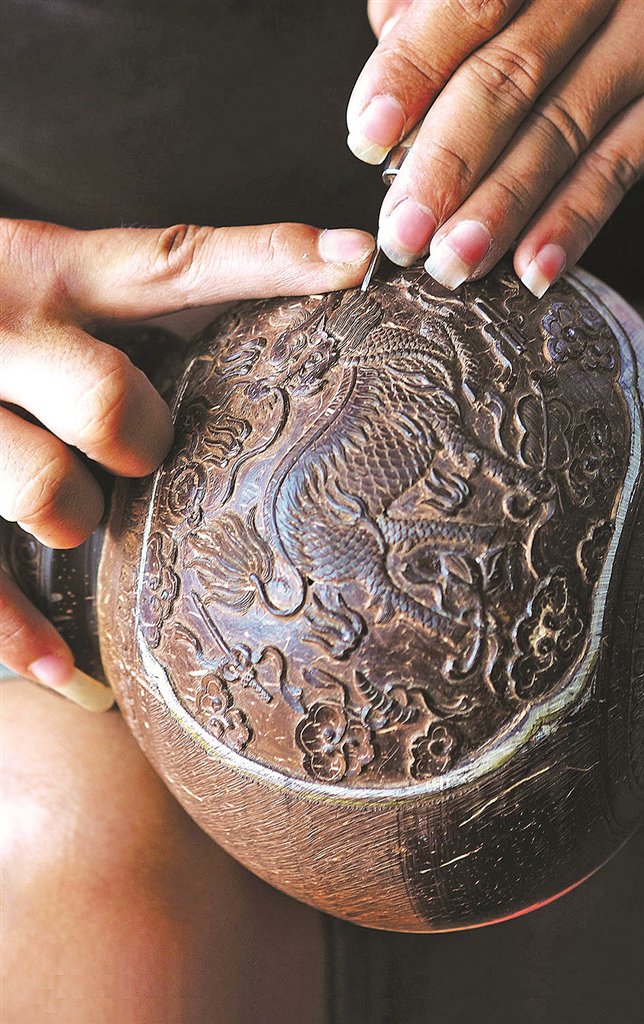
Core Viewpoint - The article highlights the unique craftsmanship of Hainan coconut carving, emphasizing its historical significance, intricate techniques, and the efforts to preserve and innovate this traditional art form [1][10]. Group 1: Historical Background - Coconut carving is a distinctive craft originating from Hainan, initially used by the Li ethnic group for practical items due to its durability and lightweight nature [1]. - The craft has historical references dating back to the Tang Dynasty, with notable figures like Su Dongpo contributing to its cultural significance [1]. - By the Ming and Qing Dynasties, coconut carvings were recognized as "Tian Nan tribute goods," showcasing their artistic value [1]. Group 2: Craftsmanship and Techniques - The process of creating coconut carvings involves over a dozen steps, including shell selection, cleaning, design, carving, polishing, and waxing [5]. - The craftsmanship requires precision, as the thickness of the carving must be carefully managed to avoid cracking [5]. - Innovators like Wu Mingju have introduced new techniques, such as round carving and traditional Chinese mortise and tenon joints, to enhance the structural integrity and aesthetic appeal of the pieces [5]. Group 3: Preservation and Education - Wu Mingju emphasizes the importance of slow teaching and passing down core skills to apprentices, rejecting quick-learning approaches [9]. - The integration of coconut carving into educational institutions, such as Hainan University, aims to promote this intangible cultural heritage among younger generations [9]. - The Hainan provincial government has initiated a three-year action plan to enhance the protection and development of coconut carving, aiming for significant improvements by 2027 [10]. Group 4: Modern Applications - Coconut carving is evolving beyond traditional items, with modern applications including tea sets, storage boxes, keychains, and refrigerator magnets [10]. - The craft is increasingly being incorporated into contemporary life, reflecting its adaptability and ongoing relevance in today's market [10].
云南禄劝千年彝绣产销两旺
Xin Lang Cai Jing· 2026-01-10 13:17
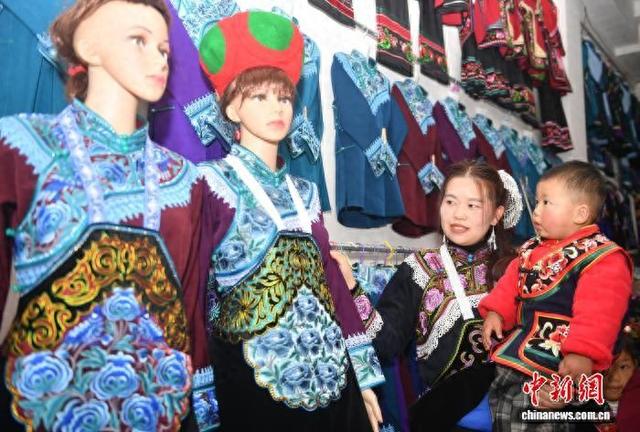
Core Insights - The article highlights the thriving market for Yi embroidery products in Lufeng County, Kunming, Yunnan Province, especially as the Spring Festival approaches, indicating a strong demand and sales momentum [1][3][4]. Industry Overview - Yi embroidery has a history of over a thousand years and is recognized as a representative project of Yunnan's intangible cultural heritage [1][3][4]. - By 2025, the number of embroiderers (known as "xiuniang") is expected to exceed 10,000, with an anticipated production of over 400,000 pieces and a projected output value of 118 million yuan [1][3][4][6]. Market Dynamics - The demand for Yi embroidery products is currently experiencing a robust increase, with both production and sales showing strong growth as the Spring Festival approaches [1][3][4][6].
一刀一刻琢精品 一剪一编凝匠心
Xin Lang Cai Jing· 2026-01-09 00:10
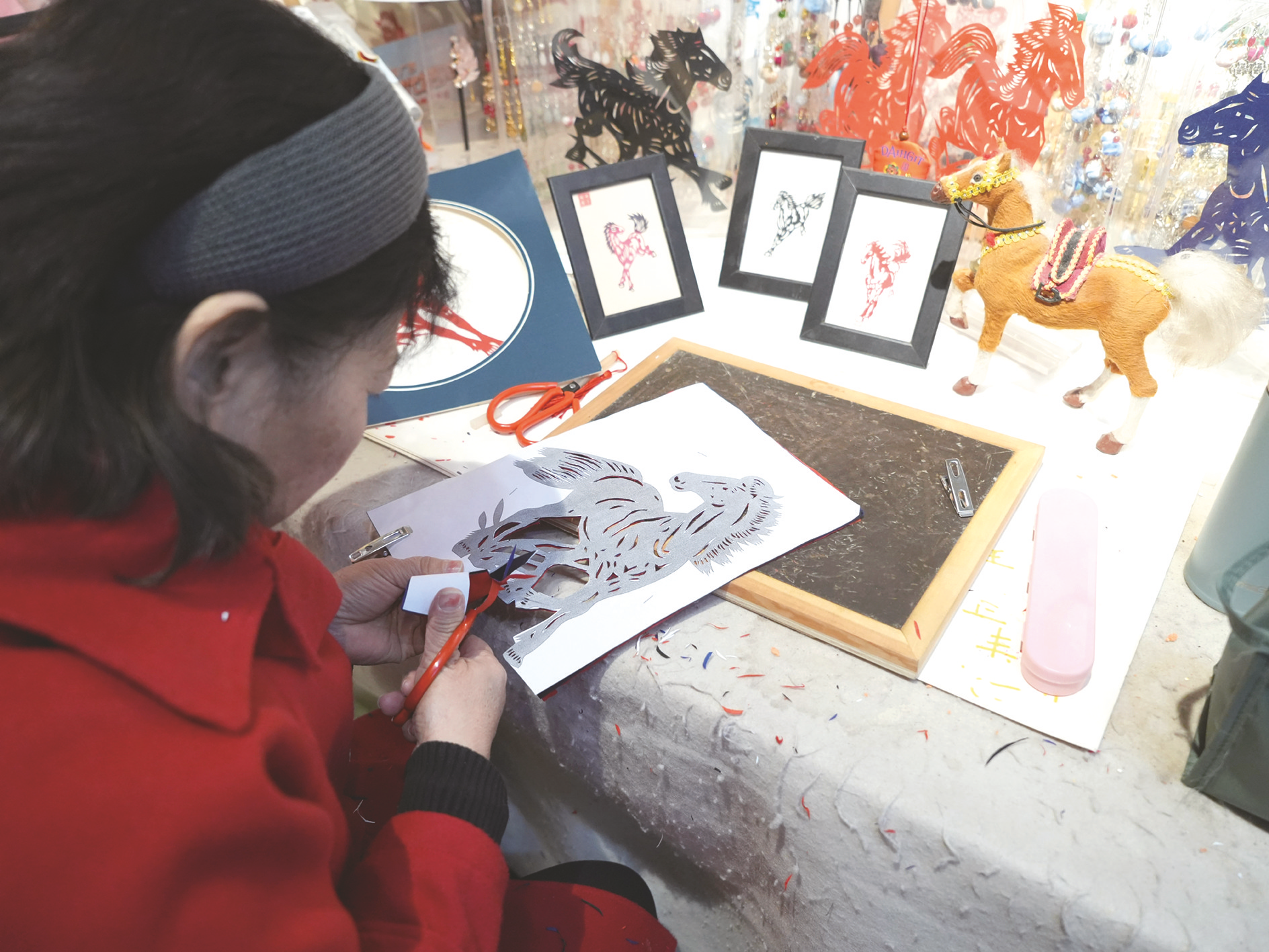
Core Viewpoint - The article highlights the creative efforts of artisans in Xingning District as they prepare for the upcoming Year of the Horse by showcasing traditional crafts that embody cultural significance and convey New Year blessings through horse-themed artworks [8]. Group 1: Paper Cutting - Wang Limei, a paper-cutting artist, skillfully creates horse figures that symbolize courage and resilience, integrating auspicious phrases like "wealth comes quickly" into her designs [9]. - The intricate details of the horse's mane and tail are emphasized as the most challenging aspects of her work, requiring hours of meticulous effort [9]. - In 2019, Nanning paper cutting was recognized as a representative project of intangible cultural heritage, reflecting the importance of preserving traditional arts [9]. Group 2: Egg Carving - Lu Kunhan, a master of egg carving, creates detailed horse sculptures on eggshells, showcasing the craftsmanship and cultural elements of the Guangxi region [10]. - The egg carving tradition has evolved from folk customs, and Lu's designs for the Year of the Horse incorporate wishes for success and prosperity [10]. - Each egg sculpture undergoes a lengthy process involving multiple steps, and Lu has already completed over ten horse-themed pieces with more in the pipeline [10][11]. Group 3: Palm Weaving - Pan Wu, a palm weaving artisan, creates horse figures using palm leaves, blending traditional techniques with modern aesthetics to appeal to contemporary tastes [12]. - The creation time for palm horses varies, with simpler designs taking a couple of hours and more complex ones requiring up to three days [12]. - The palm weaving craft was also recognized as a representative project of intangible cultural heritage in August 2025, ensuring its preservation and development [12]. Group 4: Cultural Significance and Market Response - The horse-themed cultural products have gained popularity, with orders coming in from various regions, indicating a strong market demand for unique handcrafted items [13]. - Tourists express admiration for the craftsmanship and cultural depth of these handmade products, highlighting their uniqueness and quality compared to mass-produced items [13]. - The artisans' commitment to innovation and tradition breathes new life into ancient crafts, making them relevant in modern society [13].
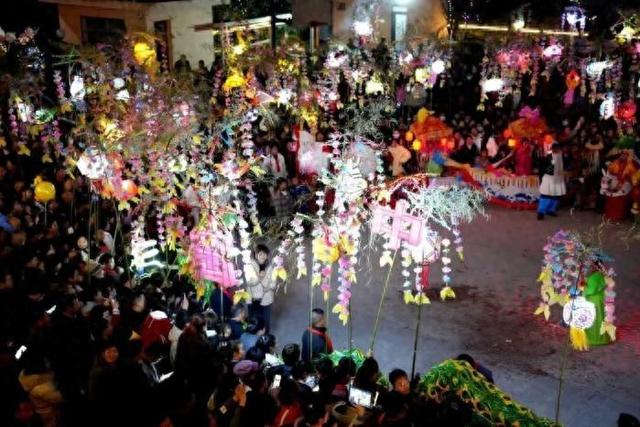
山阳耍灯入选陕西省级非物质文化遗产代表性项目名录
Xin Lang Cai Jing· 2026-01-08 03:31
Core Viewpoint - The Shaanxi Provincial Government has officially included the "Shanyang Lantern Dance" in the eighth batch of intangible cultural heritage representative projects, highlighting its significance in local culture and tradition [1]. Group 1: Historical Background - The origin of the Shanyang Lantern Dance is closely related to ancient rituals and blessings, evolving from practices aimed at driving away evil and praying for harvests into a form of folk entertainment, especially popular during festivals like the Spring Festival and Lantern Festival [3]. - The dance dates back to the Tang Dynasty, with historical records indicating its existence for over 200 years, reaching its peak during the Ming and Qing Dynasties as an important folk performance in the Shanyang region [3]. Group 2: Cultural Significance - The Shanyang Lantern Dance is a rich cultural activity that integrates traditional dance, acrobatics, arts, music, drama, and games, embodying meanings of worship, exorcism, blessing, and celebration [3]. - Performers use various lanterns accompanied by drum music to present diverse forms such as dragon lanterns, lion lanterns, and flower lanterns, showcasing the creativity of folk art [3]. - The dance reflects the aspirations of the Shanyang people for a better life and plays a significant role in enhancing community unity, creating a harmonious atmosphere, and revitalizing rural culture [3]. Group 3: Preservation Efforts - In response to the challenges of passing down the tradition, the Shanyang County government has intensified protection efforts by listing it as an intangible cultural heritage and promoting it through festival performances and cultural exhibitions [5]. - Despite the challenges, local residents continue to organize the Shanyang Lantern Dance, ensuring that this traditional performance remains an integral part of local culture, allowing the community to appreciate its unique cultural charm [5].
市群众艺术馆东北大鼓展厅免费开放
Xin Lang Cai Jing· 2026-01-04 22:08
Core Viewpoint - The Northeast Drum Exhibition Hall at the Shenyang Mass Art Museum has opened to the public for free, focusing on the national intangible cultural heritage of Northeast Drum, showcasing its historical development and cultural significance [1] Group 1: Exhibition Details - The exhibition hall systematically outlines the development of Northeast Drum, tracing its origins and century-long heritage [1] - It features artifacts such as performance costumes, drums, and string instruments used by old artists, as well as valuable historical documents and recordings [1] - The exhibition includes numerous historical photographs that capture the performances and stage presence of artists across different eras, highlighting its cultural value [1] Group 2: Visitor Information - The exhibition hall is open to the public from 9:00 AM to 4:00 PM [1] - The Shenyang Mass Art Museum encourages citizens and tourists to visit the Northeast Drum Exhibition Hall to experience the enduring vitality and unique charm of this national intangible cultural heritage [1]
元旦假期沈阳非遗“火”出圈
Xin Lang Cai Jing· 2026-01-04 21:06
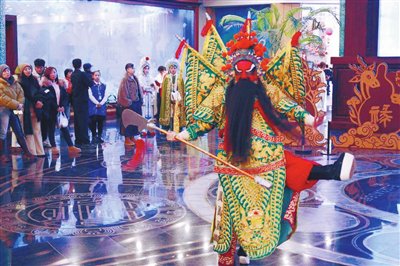
Core Viewpoint - The integration of intangible cultural heritage (ICH) into contemporary life has revitalized traditional culture, making it a vibrant part of urban cultural practices during the New Year celebrations [3][4][8]. Group 1: Cultural Activities - Various ICH activities have become central to New Year celebrations, showcasing the dynamic nature of traditional culture beyond static museum displays [3][4]. - The Shenyang ICH Boutique Exhibition, which started on December 17, 2025, attracted numerous visitors, highlighting the unique charm of traditional crafts and the spirit of artisans [4]. - Notable ICH representatives demonstrated their skills, allowing visitors to engage with the beauty of ICH through live performances and interactive experiences [4][7]. Group 2: Performances and Experiences - Traditional performances, including Peking opera and local comedic acts, were featured prominently, enhancing the festive atmosphere and showcasing the depth of ICH [6]. - Interactive workshops at the Shenyang Museum allowed participants to create traditional crafts, fostering a hands-on appreciation for ICH [7]. - The combination of ICH with modern entertainment, such as rock music festivals, illustrated the versatility and relevance of traditional culture in contemporary settings [7]. Group 3: Cultural Products and Legacy - A dedicated section for ICH souvenirs at the exhibition allowed visitors to purchase unique items, promoting the preservation of cultural heritage [8]. - The popularity of ICH creative products in various cultural venues indicates a growing interest among the public in traditional crafts and their significance [8]. - The Shenyang cultural authorities emphasized the importance of ICH as a vital part of the city's cultural identity, aiming to encourage public engagement and appreciation [8].
新疆哈密:生活百态跃然葫芦“方寸”间
Xin Lang Cai Jing· 2026-01-01 19:47
Core Viewpoint - The article highlights the significance of Uyghur gourd painting as a city-level intangible cultural heritage in Hami, Xinjiang, showcasing the unique charm of ethnic art and narrating the rich daily life and cultural stories of the Uyghur people through intricate craftsmanship [1]. Group 1 - The Uyghur gourd painting is recognized as a city-level intangible cultural heritage in Hami, Xinjiang [1]. - Artisans use natural gourds as a medium to create detailed representations of various cultural scenes, including traditional dances and music performances [1]. - The artworks reflect the vibrant daily life and cultural narratives of the Uyghur community, emphasizing their artistic heritage [1].
文化中国行丨剪出来的太行新生活
Xin Lang Cai Jing· 2026-01-01 12:37
Core Viewpoint - The article highlights the significance of Li Airong as a representative inheritor of the national intangible cultural heritage project of paper-cutting, specifically Huixian paper-cutting, emphasizing her contributions to the art form and its promotion [1]. Group 1 - Li Airong has been engaged in paper-cutting art for over 50 years, showcasing her dedication to this traditional craft [5]. - Influenced by her grandmother's flower-cutting, Li developed a passion for paper-cutting, using scissors to depict the lives of farmers in mountainous areas, resulting in works that are rich in content and reflect a fresh, rustic charm [3]. - She has been actively involved in teaching paper-cutting in Xinxiang City and surrounding areas, aiming to cultivate young talent and enhance public awareness of intangible cultural heritage [5].